Learn the Sky (@learnthesky) 's Twitter Profile
Learn the Sky

@learnthesky

Exploring the sky one constellation at a time.

ID: 3419218872

linkhttps://linktr.ee/learnthesky calendar_today01-09-2015 22:25:42

210 Tweet

89 Followers

64 Following

Learn the Sky (@learnthesky) 's Twitter Profile Photo

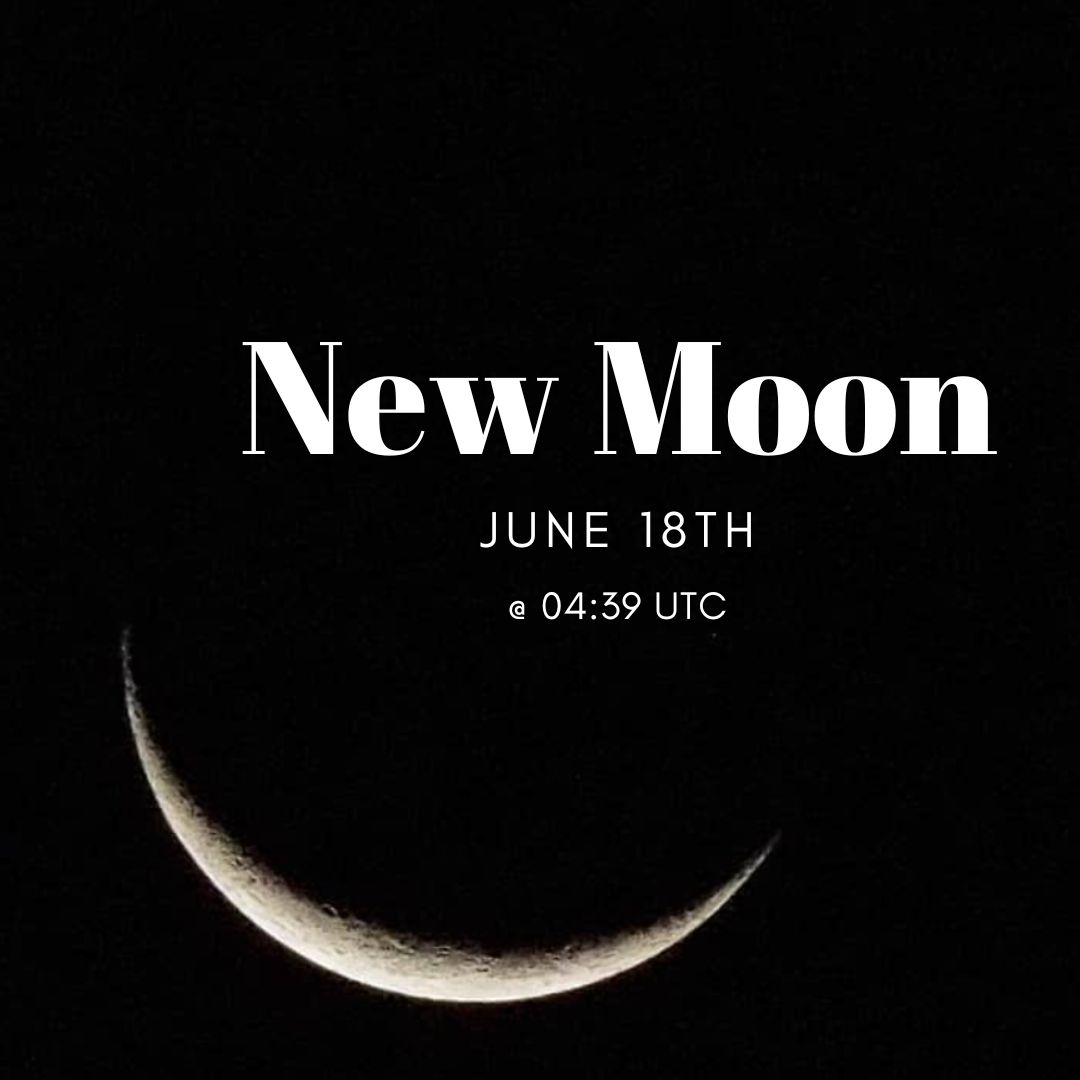
Will you be going outside tonight to see the spring stars? The new moon is the perfect time to see the constellations ⭐. #learnthesky #keeplookingup🔭 #constellations #stars #stargazing

Will you be going outside tonight to see the spring stars? The new moon is the perfect time to see the constellations ⭐. #learnthesky #keeplookingup🔭 #constellations #stars #stargazing
Learn the Sky (@learnthesky) 's Twitter Profile Photo

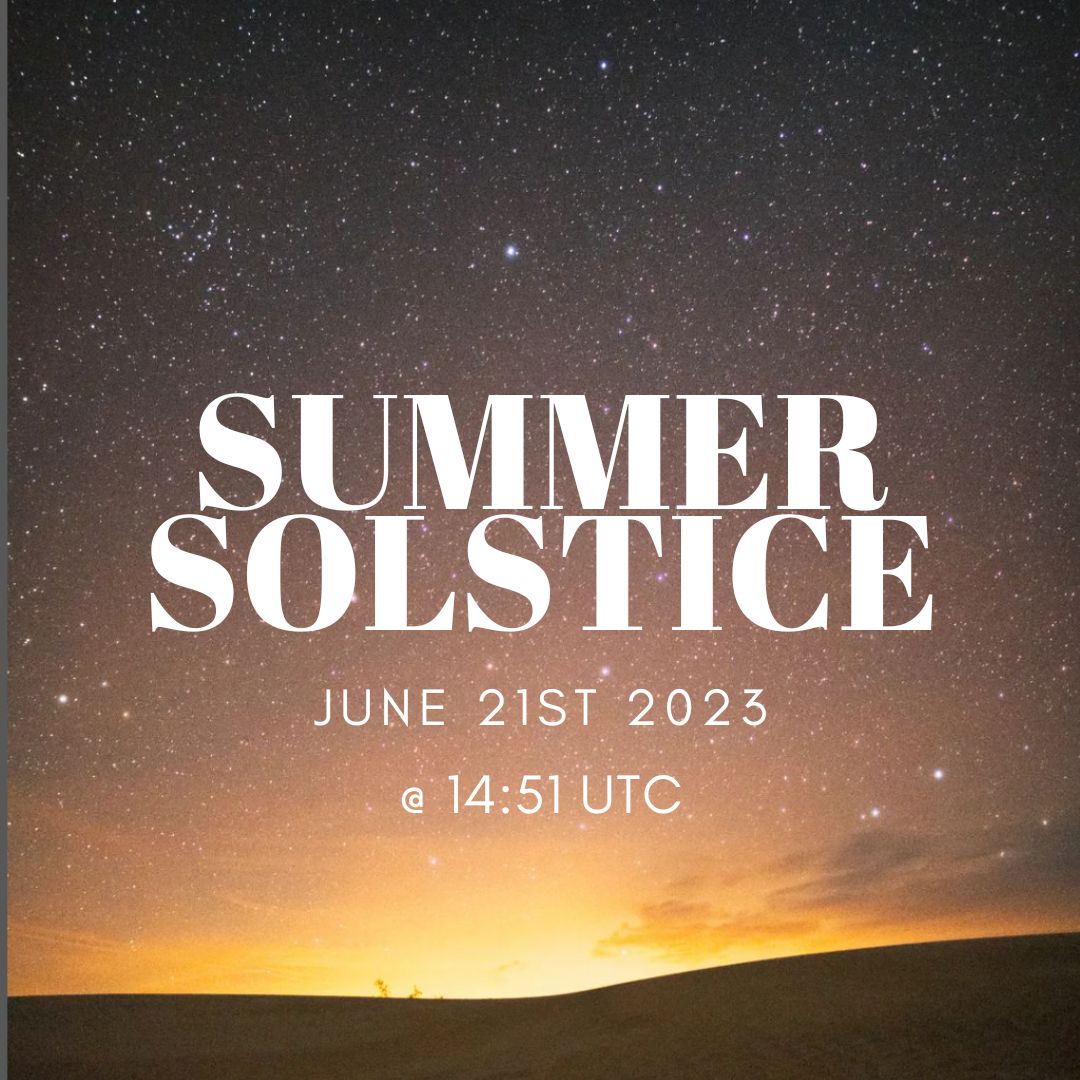
The summer solstice has arrived. Today will be the longest day of the year for the northern hemisphere. Lots of light that lasts into the late evening. From this point on, the days will slowly begin to get shorter. #learnthesky #keeplookingup🔭 #constellations #stars #stargazing

The summer solstice has arrived. Today will be the longest day of the year for the northern hemisphere. Lots of light that lasts into the late evening. From this point on, the days will slowly begin to get shorter. #learnthesky #keeplookingup🔭 #constellations #stars #stargazing
Learn the Sky (@learnthesky) 's Twitter Profile Photo

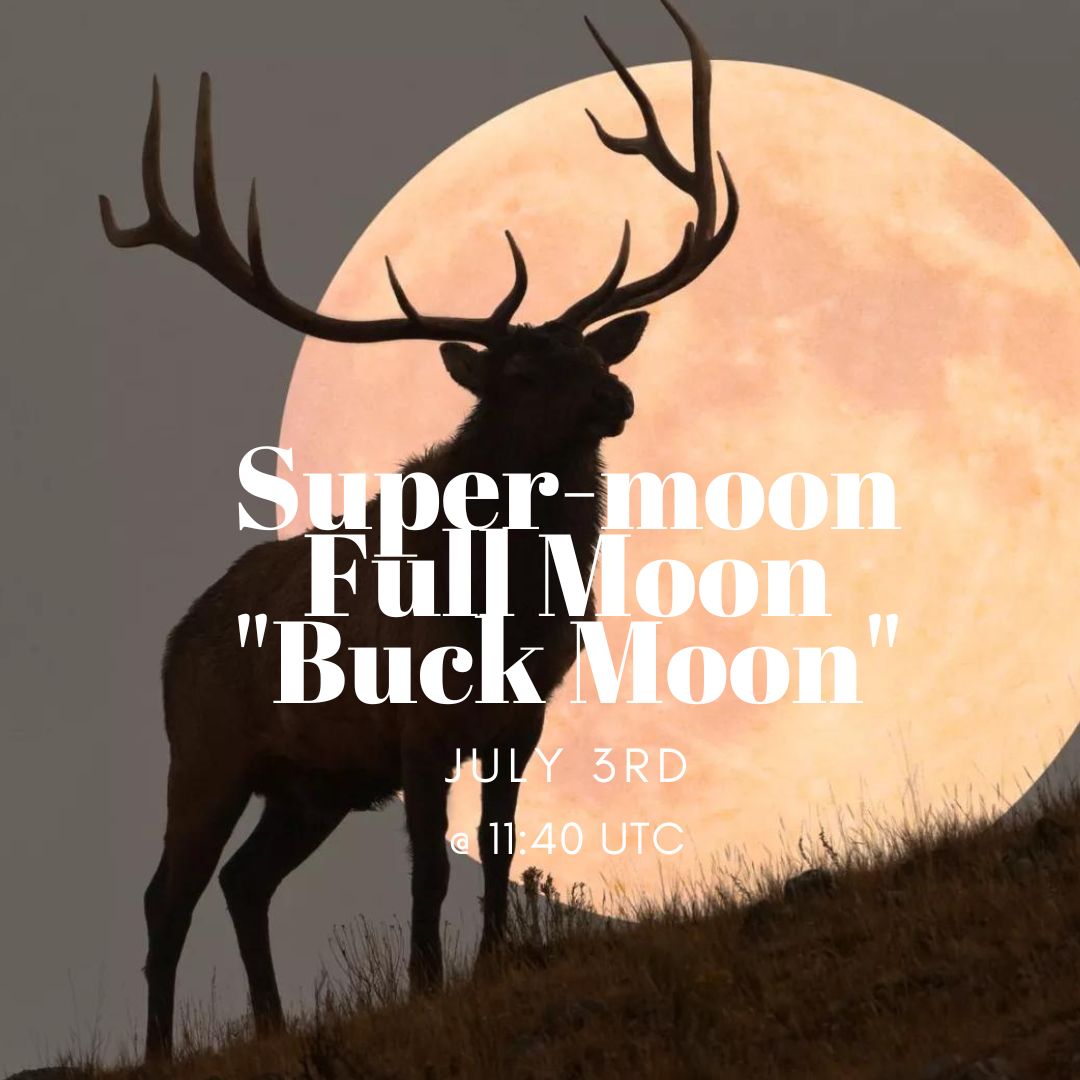
The Buck moon: The Native Americans named the July moon the Buck moon due to Buck in North America growing their antlers back (also called the thunder moon due to the number of storms in July, and the hay moon) #learnthesky #keeplookingup🔭 #moon #stars #stargazing

The Buck moon: The Native Americans named the July moon the Buck moon due to Buck in North America growing their antlers back (also called the thunder moon due to the number of storms in July, and the hay moon) #learnthesky #keeplookingup🔭 #moon #stars #stargazing
Learn the Sky (@learnthesky) 's Twitter Profile Photo

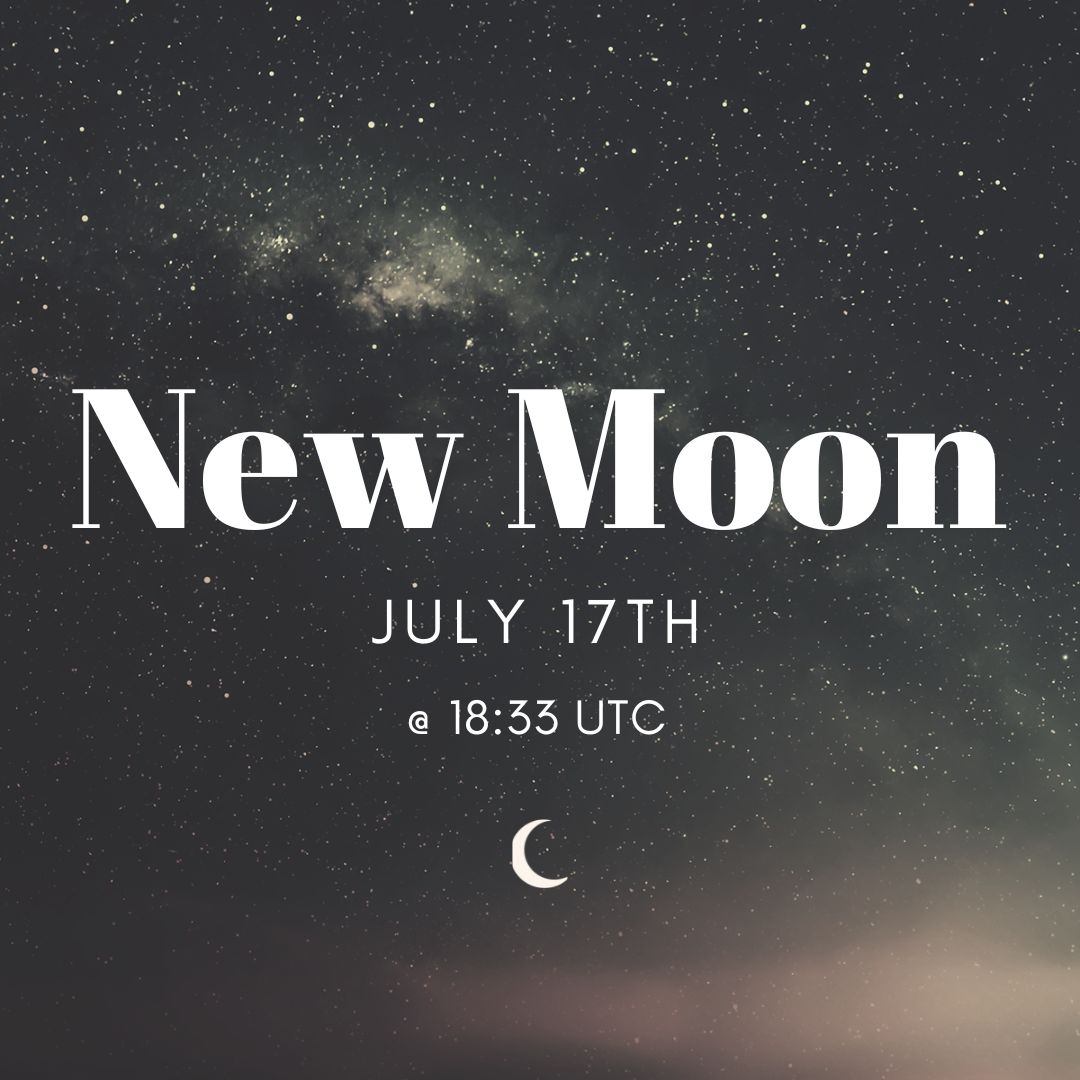
The new moon 🌚 is the perfect time to view the stars 🌠, as long as the weather cooperates! 🌧️ #learnthesky #keeplookingup🔭 #constellations #stars #stargazing

The new moon 🌚 is the perfect time to view the stars 🌠, as long as the weather cooperates! 🌧️ #learnthesky #keeplookingup🔭 #constellations #stars #stargazing
Learn the Sky (@learnthesky) 's Twitter Profile Photo

The Delta Aquarids can produce up to 20 meteors per hour at its peak, and is produced by debris from comets Marsden and Kracht. The moon will be full during some of this shower, so fainter meteors will be blocked, but be patient and find a dark place to sit and watch. The Souther

The Delta Aquarids can produce up to 20 meteors per hour at its peak, and is produced by debris from comets Marsden and Kracht. The moon will be full during some of this shower, so fainter meteors will be blocked, but be patient and find a dark place to sit and watch. The Souther
Learn the Sky (@learnthesky) 's Twitter Profile Photo

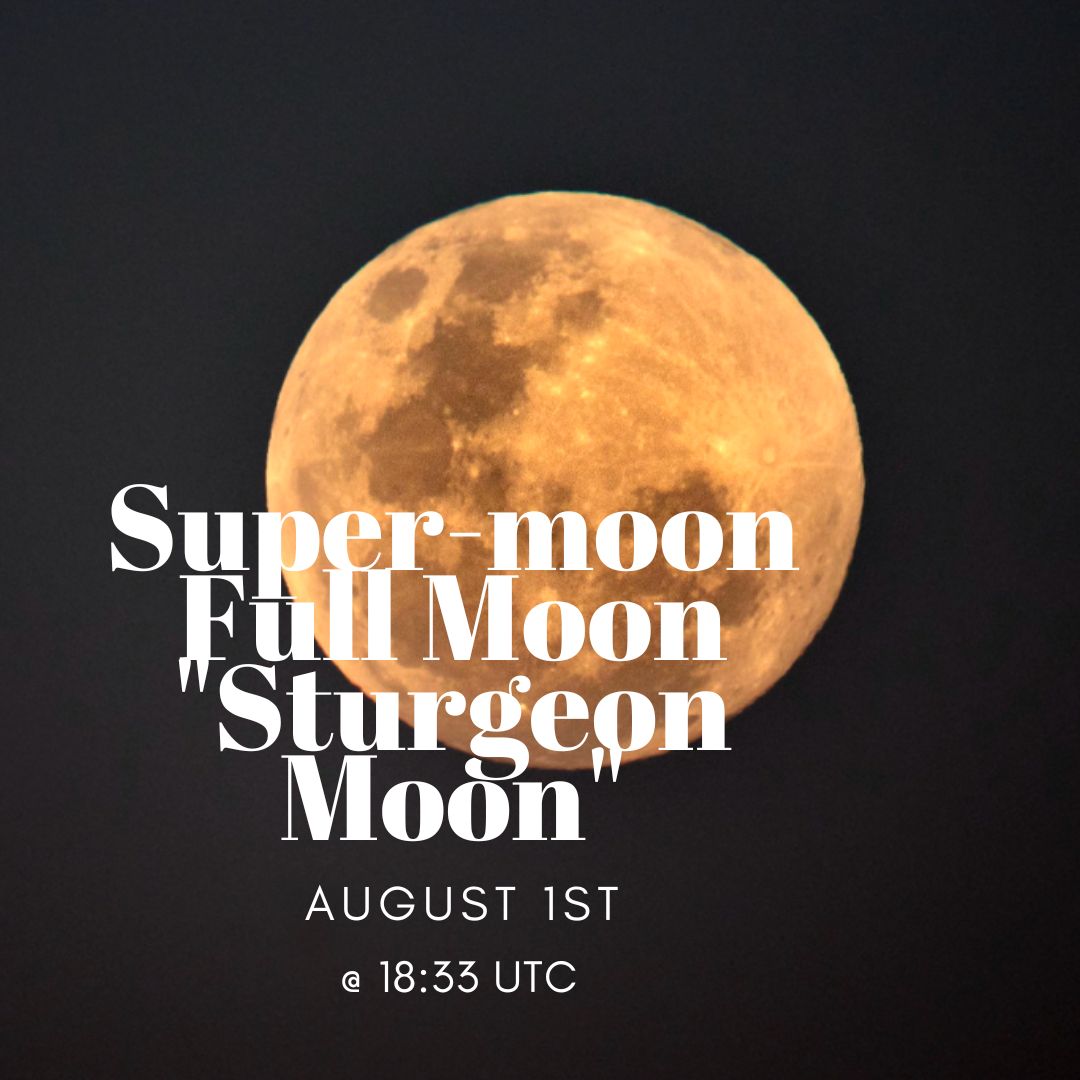
The Sturgeon moon: North American fishing tribes call august’s moon the sturgeon because this is the only time of year this type of fish is around (also called green corn, grain, and red moon) #learnthesky #keeplookingup🔭 #moon #stars #stargazing

The Sturgeon moon: North American fishing tribes call august’s moon the sturgeon because this is the only time of year this type of fish is around (also called green corn, grain, and red moon) #learnthesky #keeplookingup🔭 #moon #stars #stargazing
Learn the Sky (@learnthesky) 's Twitter Profile Photo

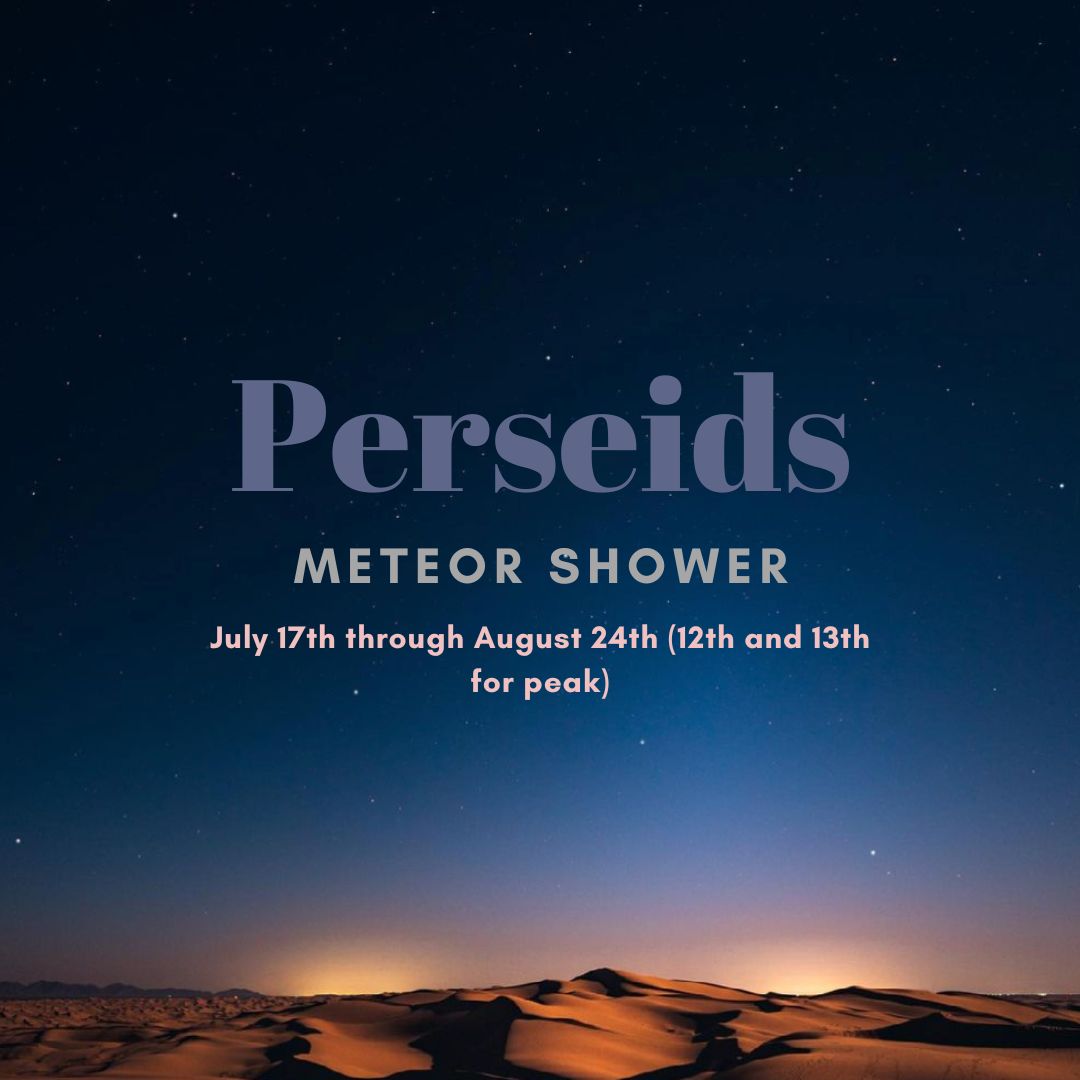
The Perseids is one of the best meteor showers to observe, producing up to 60 meteors per hour at its peak. The Perseids are famous for producing a large number of bright meteors. The crescent moon should not be too much of a problem this year, skies should still be dark enough f

The Perseids is one of the best meteor showers to observe, producing up to 60 meteors per hour at its peak. The Perseids are famous for producing a large number of bright meteors. The crescent moon should not be too much of a problem this year, skies should still be dark enough f
Learn the Sky (@learnthesky) 's Twitter Profile Photo

The new moon phase is coming. This is the ideal time to go out and see the constellations. #learnthesky #keeplookingup🔭 #constellations #stars #stargazing

The new moon phase is coming. This is the ideal time to go out and see the constellations. #learnthesky #keeplookingup🔭 #constellations #stars #stargazing
Learn the Sky (@learnthesky) 's Twitter Profile Photo

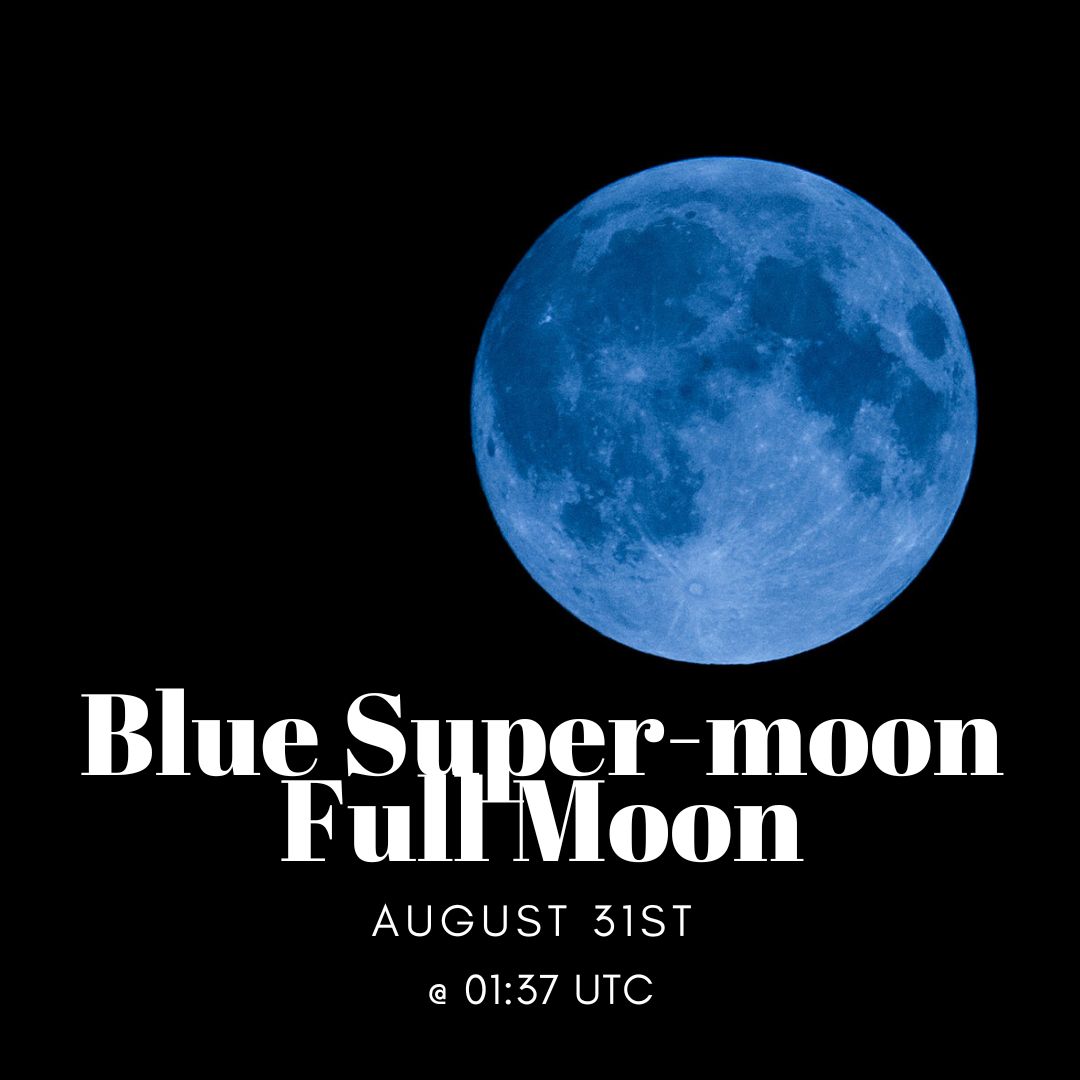
The Blue Moon: A blue moon occurs on the third full moon of a four full moon cycle and usually ends on the last full moon of a season/cycle. It is considered an “Extra moon" which makes it super rare, and it is not necessarily blue. This occurrence happens once every two to thre

The Blue Moon:  A blue moon occurs on the third full moon of a four full moon cycle and usually ends on the last full moon of a season/cycle. It is considered an “Extra moon" which makes it super rare, and it is not necessarily blue. This occurrence happens once every two to thre
Learn the Sky (@learnthesky) 's Twitter Profile Photo

This evening marks the new moon, which is the best time of the month to stargaze. The light from the moon can wash out the light from the stars. Take advantage of the absence of moonlight to see more stars! #learnthesky #keeplookingup🔭 #constellations #stars #stargazing

This evening marks the new moon, which is the best time of the month to stargaze. The light from the moon can wash out the light from the stars. Take advantage of the absence of moonlight to see more stars! #learnthesky #keeplookingup🔭 #constellations #stars #stargazing
Learn the Sky (@learnthesky) 's Twitter Profile Photo

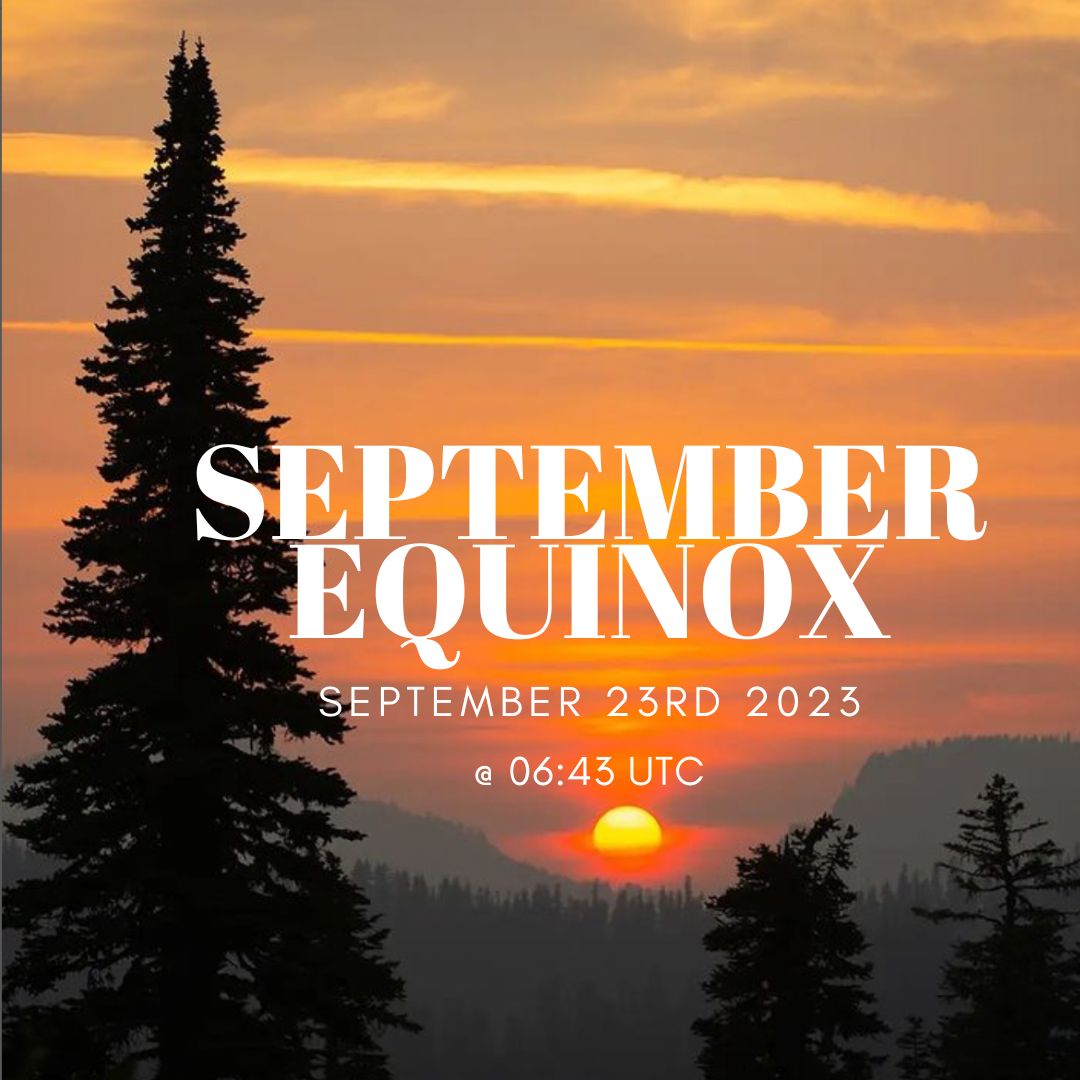
Autumn equinox has arrived. Today there will be relatively equal parts day and night. The days will continue to get shorter and the nights get longer for the northern hemisphere. Winter solstice will be the next celestial event on the horizon. #learnthesky #keeplookingup🔭 #const

Autumn equinox has arrived. Today there will be relatively equal parts day and night. The days will continue to get shorter and the nights get longer for the northern hemisphere. Winter solstice will be the next celestial event on the horizon. #learnthesky #keeplookingup🔭 #const
Learn the Sky (@learnthesky) 's Twitter Profile Photo

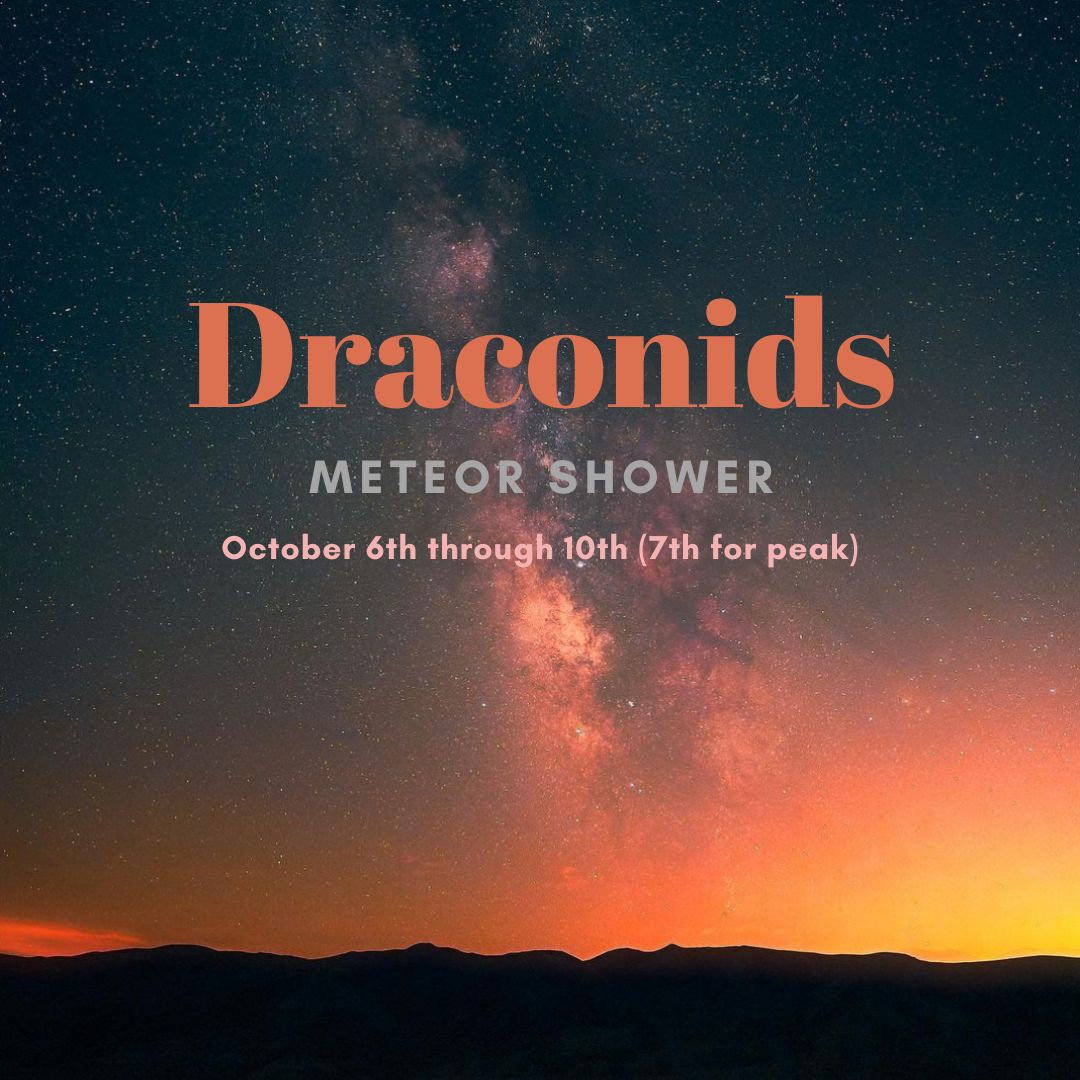
The Draconids is a minor meteor shower producing only about 10 meteors per hour. The Draconids is an unusual shower in that the best viewing is in the early evening instead of early morning like most other showers. The second quarter moon will dark skies in the early evening for

The Draconids is a minor meteor shower producing only about 10 meteors per hour. The Draconids is an unusual shower in that the best viewing is in the early evening instead of early morning like most other showers.  The second quarter moon will dark skies in the early evening for
Learn the Sky (@learnthesky) 's Twitter Profile Photo

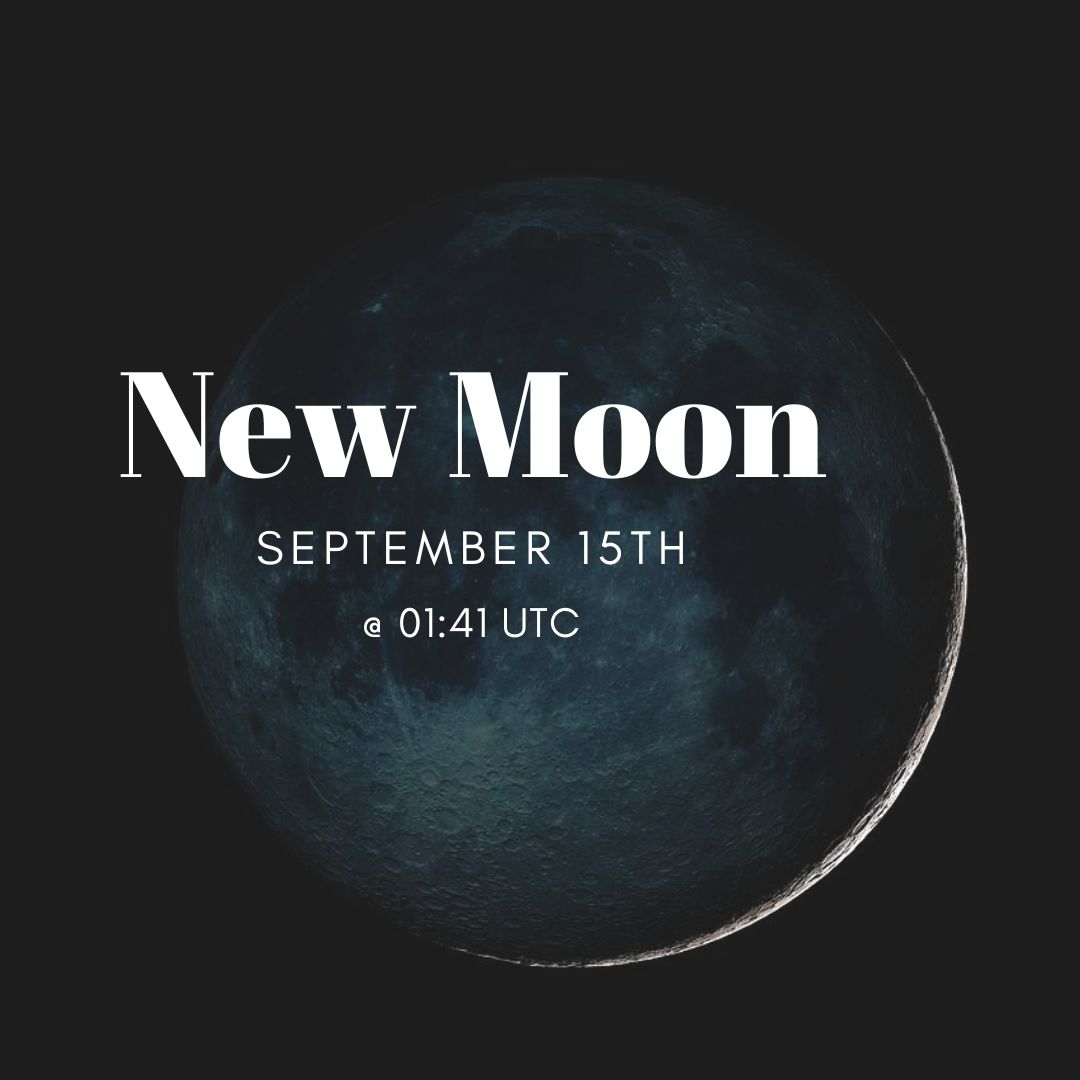
When there is a new moon, the illuminated side of the moon faces away from Earth, making it invisible to ground-based observers. The exceptions are when the moon passes directly in front of the sun, which creates an eclipse. In this case, the invisibility of the moon creates idea

When there is a new moon, the illuminated side of the moon faces away from Earth, making it invisible to ground-based observers. The exceptions are when the moon passes directly in front of the sun, which creates an eclipse. In this case, the invisibility of the moon creates idea
Learn the Sky (@learnthesky) 's Twitter Profile Photo

An annular solar eclipse happens when the Moon passes between the Sun and Earth, but while the Moon is at its farthest point from Earth. Because the Moon is farther away from Earth, it appears smaller and does not block the entire face of the Sun. #learnthesky #keeplookingup🔭 #c

An annular solar eclipse happens when the Moon passes between the Sun and Earth, but while the Moon is at its farthest point from Earth. Because the Moon is farther away from Earth, it appears smaller and does not block the entire face of the Sun. #learnthesky #keeplookingup🔭 #c
Learn the Sky (@learnthesky) 's Twitter Profile Photo

The Orionids produces up to 20 meteors per hour at its peak, and is created from dust grains left behind by comet Halley, which has been known and observed since ancient times. A quarter moon may block some of the smaller meteors, but be patient and find a dark place after midnig

The Orionids produces up to 20 meteors per hour at its peak, and is created from dust grains left behind by comet Halley, which has been known and observed since ancient times. A quarter moon may block some of the smaller meteors, but be patient and find a dark place after midnig
Learn the Sky (@learnthesky) 's Twitter Profile Photo

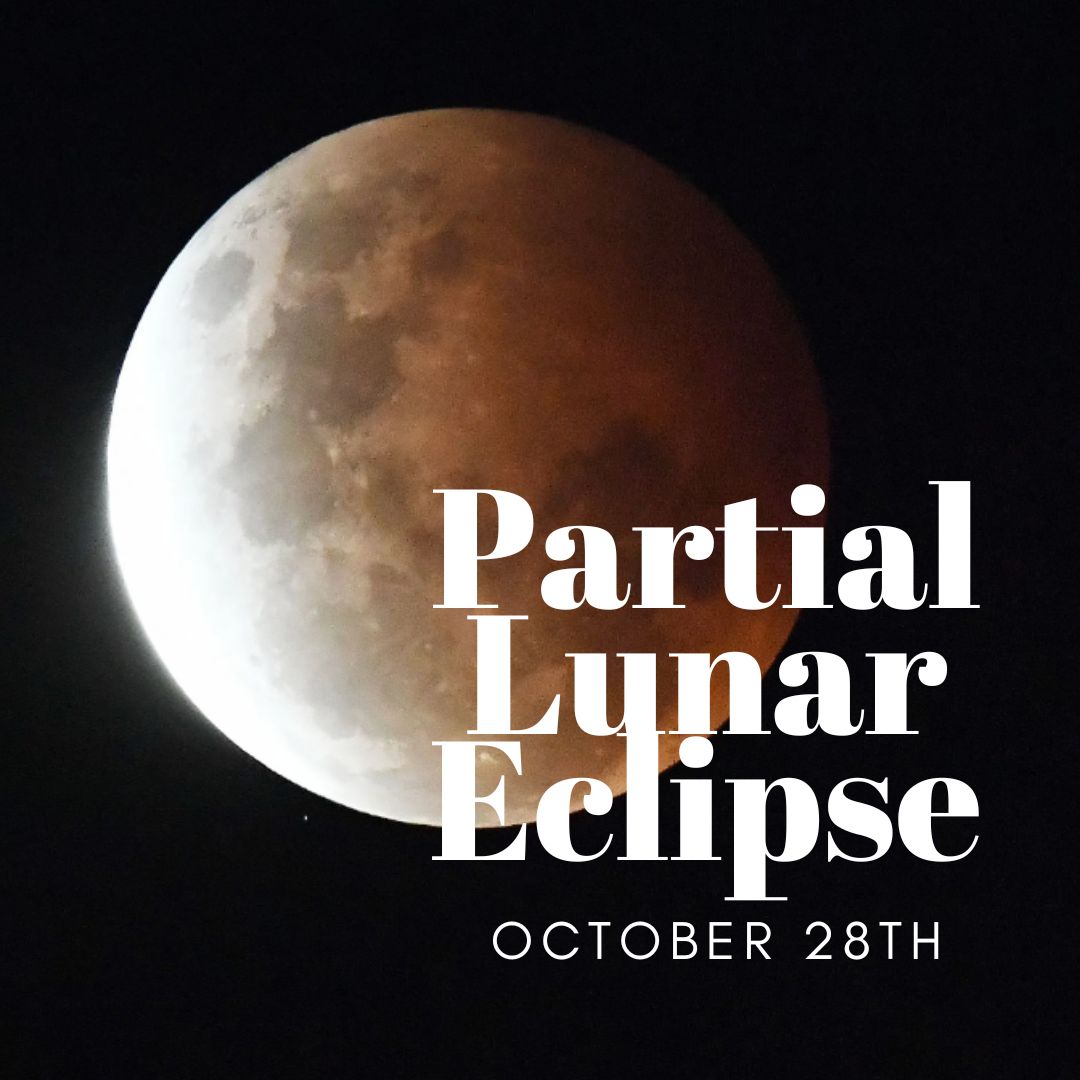
A partial lunar eclipse happens when the Earth moves between the Sun and the Full Moon, but they are not precisely aligned. Only part of the Moon's visible surface moves into the dark part of the Earth's shadow. #learnthesky #keeplookingup🔭 #constellations #stars #stargazing #ni

A partial lunar eclipse happens when the Earth moves between the Sun and the Full Moon, but they are not precisely aligned. Only part of the Moon's visible surface moves into the dark part of the Earth's shadow. #learnthesky #keeplookingup🔭 #constellations #stars #stargazing #ni
Learn the Sky (@learnthesky) 's Twitter Profile Photo

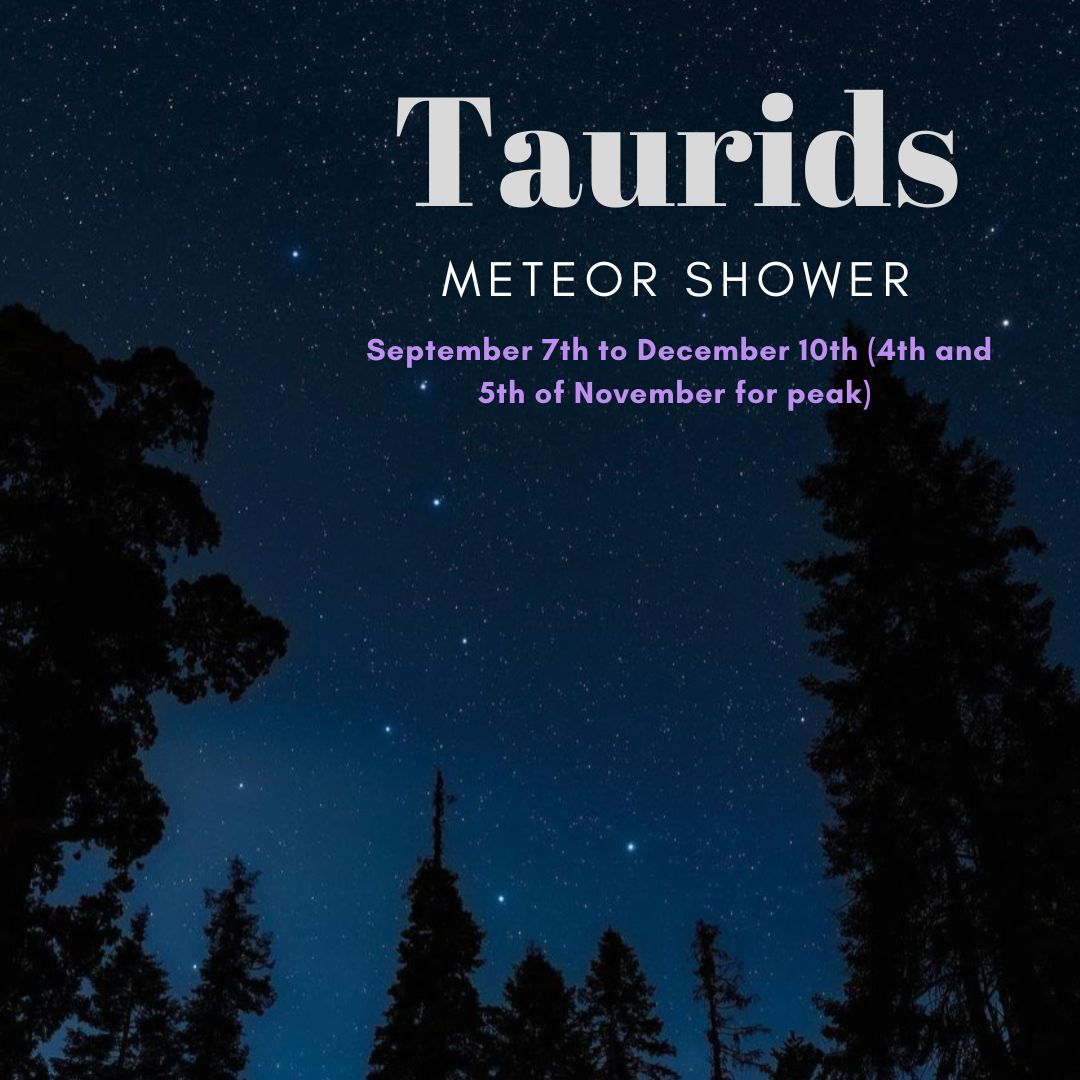
Taurids is a long-running minor meteor shower producing only about 5-10 meteors per hour, and it is quite unusual in that it consists of two separate streams from different debris. The second quarter moon will block most of the dim meteors this year. Remember, be patient and you

Taurids is a long-running minor meteor shower producing only about 5-10 meteors per hour, and it is quite unusual in that it consists of two separate streams from different debris. The second quarter moon will block most of the dim meteors this year. Remember, be patient and you
Learn the Sky (@learnthesky) 's Twitter Profile Photo

Today marks the new moon, which makes this evening the best time to go out and stargaze. Will you be going outside tonight to view the beautiful end of the fall season sky? 🌌#learnthesky #keeplookingup🔭 #constellations #stars #stargazin

Today marks the new moon, which makes this evening the best time to go out and stargaze. Will you be going outside tonight to view the beautiful end of the fall season sky?  🌌#learnthesky #keeplookingup🔭 #constellations #stars #stargazin
Learn the Sky (@learnthesky) 's Twitter Profile Photo

The Leonid produces up to 15 meteors per hour at its peak. This shower is unique in that it has a cyclonic peak about every 33 years where hundreds of meteors per hour can be seen. That last of these occurred in 2001. The crescent moon will set before midnight leaving dark skies

The Leonid produces up to 15 meteors per hour at its peak. This shower is unique in that it has a cyclonic peak about every 33 years where hundreds of meteors per hour can be seen. That last of these occurred in 2001. The crescent moon will set before midnight leaving dark skies