Jiyun Shin (@jshin92) 's Twitter Profile
Jiyun Shin

@jshin92

Postdoc at @nyulangone
Cortical layers/Dendrites/Sleep/Memory consolidation/human intracranial recording.
How do we remember? How do we think?

ID: 932706571318153217

calendar_today20-11-2017 20:25:50

632 Tweet

506 Followers

262 Following
Jiyun Shin (@jshin92) 's Twitter Profile Photo

I just signed up for the next round of the free Edge for Scholars grant writing workshop taught by @sarahcdobson. It starts on October 17. You can register here: ctt.ec/NPdv7+

Surya Ganguli (@suryaganguli) 's Twitter Profile Photo

I want to learn about useful applications of philosophy to science. Other than the scientific method itself, what are concrete examples of philosophy done by “card carrying” academic philosophers that lead, thru a direct/transparent chain of causation, to new successful science?

Richard Sever (@cshperspectives) 's Twitter Profile Photo

Massive news: eLife to abolish accept/reject decisions: papers will just be “peer reviewed”. Others can argue about this, but lots of interesting consequences. 1/9 elifesciences.org/articles/83889

Tanja Fuchsberger (@tanjafuchsberg1) 's Twitter Profile Photo

(1/5) Reactivation of neurons in the hippocampus is important for memory. So does reactivation induce or modulate synaptic plasticity? This is the question we set out to answer in our latest study published in eLife - the journal in collaboration with ClopathLab. The answer is yes but..

Sahil Bloom (@sahilbloom) 's Twitter Profile Photo

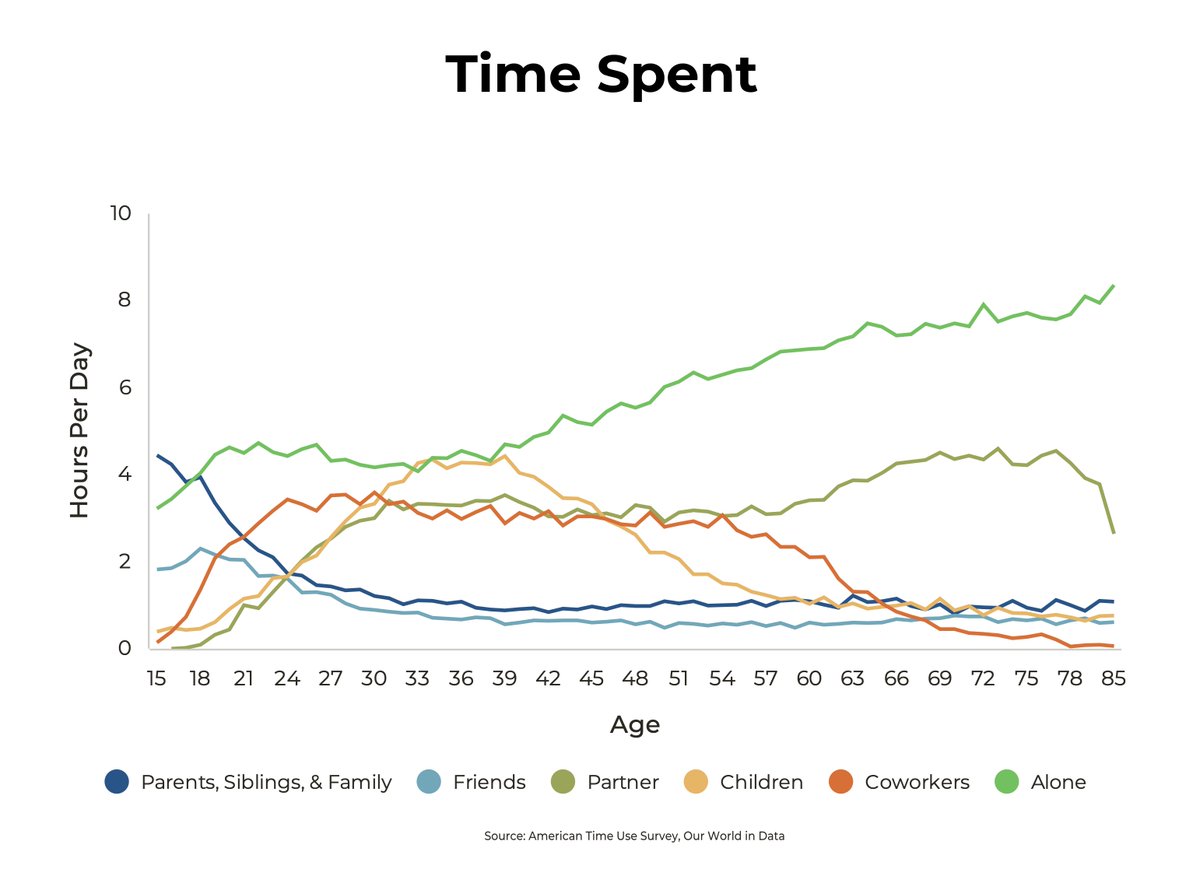
In summary: (1) Family time is limited—cherish it. (2) Friend time is limited—prioritize real ones. (3) Partner time is significant—never settle. (4) Children time is precious—be present. (5) Coworker time is significant—find energy. (6) Alone time is highest—love yourself.

In summary:

(1) Family time is limited—cherish it.

(2) Friend time is limited—prioritize real ones.

(3) Partner time is significant—never settle.

(4) Children time is precious—be present.

(5) Coworker time is significant—find energy.

(6) Alone time is highest—love yourself.
Luiz Pessoa (@pessoabrain) 's Twitter Profile Photo

Is the 𝗯𝗶𝗻𝗱𝗶𝗻𝗴 𝗽𝗿𝗼𝗯𝗹𝗲𝗺 still a thing? Parts of the brain process different things; do they have to be put back together to provide a "unified representation" given our experience of unified world? What are the best treatments *against* the problem being a problem?

Vlad Vyazovskiy (@vvyazovskiy) 's Twitter Profile Photo

Intracellular chloride regulation mediates local sleep pressure in the cortex | Nature Neuroscience nature.com/articles/s4159…

Adam Mastroianni (@a_m_mastroianni) 's Twitter Profile Photo

Science ran a big experiment on itself for the last ~60 years. It didn't work out. experimentalhistory.substack.com/p/the-rise-and…

greg stuart (@gregstuartlab) 's Twitter Profile Photo

What's the difference between human and mouse neurons? Size matters. Just out in Cell Reports, thanks to a great collaboration with neurosurgeons at The Royal Melbourne Hospital, the Lucy Palmer lab and of course the great postdocs and students that actually did the work! cell.com/cell-reports/f…

Tim Sainburg (@tim_sainburg) 's Twitter Profile Photo

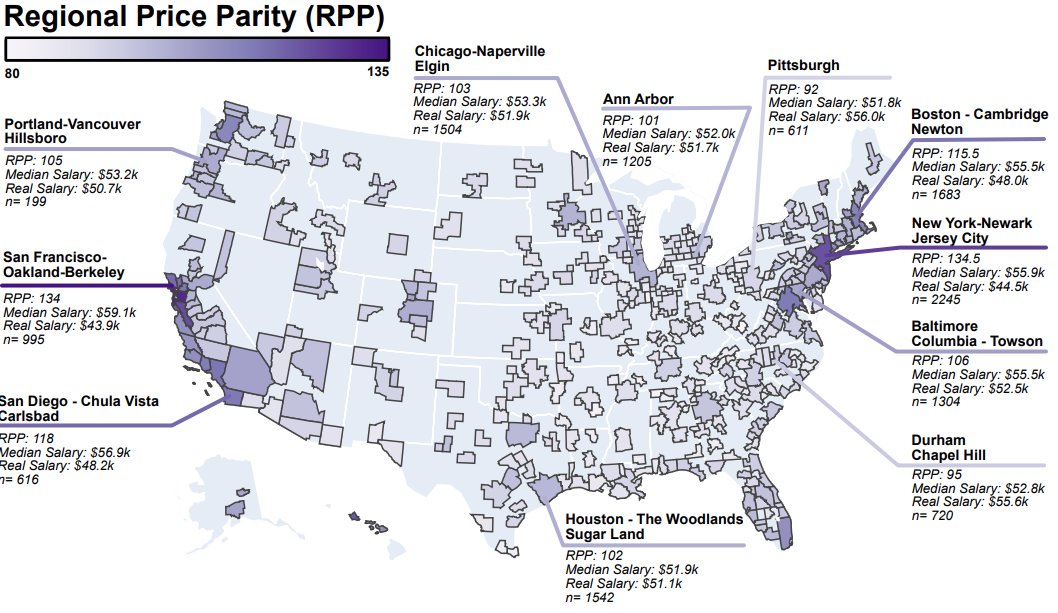
Now published in Research Policy: I looked at 27k postdoc salaries across the US, their relationship to cost of living, tenure-track job prospects, and how things have been changing over time. Here's what I found: doi.org/10.1016/j.resp…

Now published in Research Policy:

I looked at 27k postdoc salaries across the US, their relationship to cost of living, tenure-track job prospects, and how things have been changing over time. Here's what I found: 
doi.org/10.1016/j.resp…
Academic Exit (@academic_exit) 's Twitter Profile Photo

PhDs: your dissertation topic is less relevant to finding a role outisde of academia than your *skills*. Here's a 🧵 on how to translate skills you already have into corpspeak, including bullets which I used to describe my PhD work in my first corporate resume:

Betty S. Lai, PhD (@bettyslai) 's Twitter Profile Photo

For 2023, want to write a fundable grant? Awesome. Grants let you call the shots and gain control over your career. Here are 7 things scholars need to know about grant writing. OpenAcademics PhD_Genie

Karl Deisseroth (@karldeisseroth) 's Twitter Profile Photo

NB: the brilliant Linlin Fan used new optogenetic tools here for 4 *separate* purposes! to elicit plasticity in single cells, measure excitability of cells, ping projections, & test presynaptic activity-dependence of plasticity– optically & alongside voltage imaging & behavior…
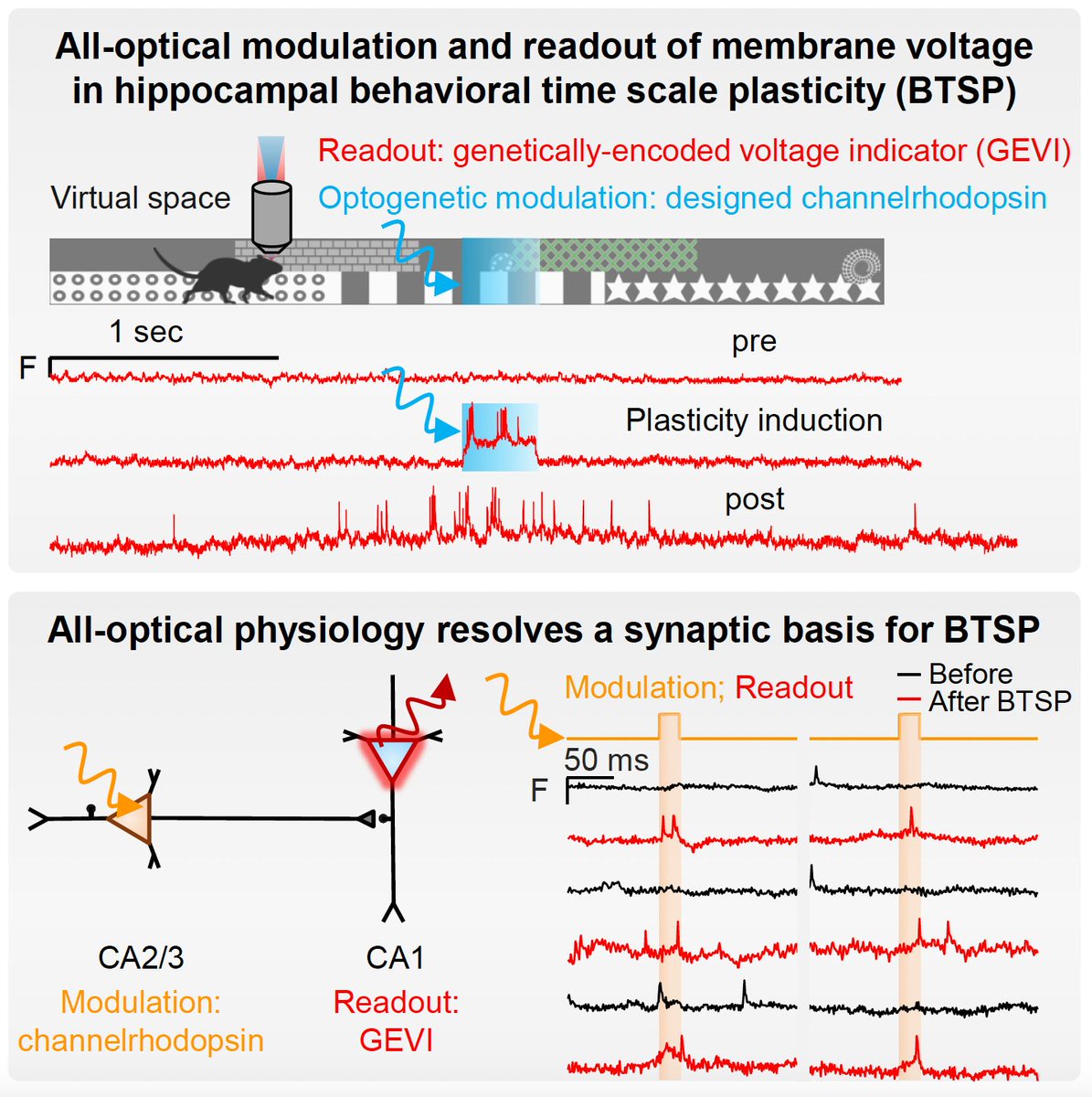
NB: the brilliant <a href="/LinlinZFan/">Linlin Fan</a> used new optogenetic tools here for 4 *separate* purposes! to elicit plasticity in single cells, measure excitability of cells, ping projections, &amp; test presynaptic activity-dependence of plasticity– optically &amp; alongside voltage imaging &amp; behavior…
ARC-COGITATE (@arccogitate) 's Twitter Profile Photo

➖➖Our preprint is now available➖➖ “An adversarial collaboration to critically evaluate theories of consciousness” which summarizes our first set of results ‼️‼️‼️‼️ biorxiv.org/content/10.110…

Bradley Love (@profdata) 's Twitter Profile Photo

Introducing BrainGPT.org, a large language model (LLM) to assist neuroscience research. BrainGPT is trained on the vast neuroscience literature and can be used to optimize study design, detect anomalous results, and evaluate models against broad data patterns. (1/3)

Santiago (@svpino) 's Twitter Profile Photo

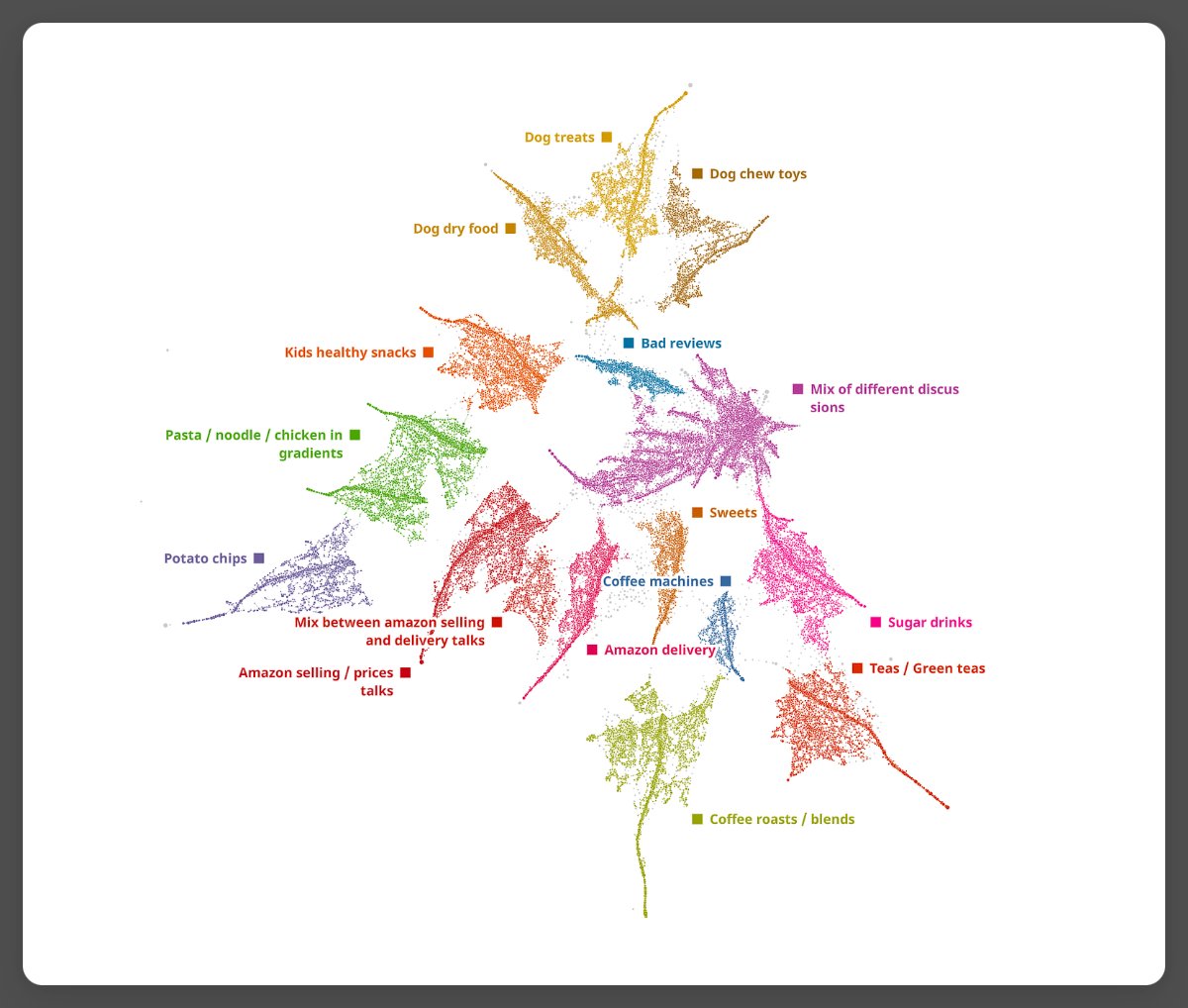
Another deep learning breakthrough: Deep TDA, a new algorithm using self-supervised learning, overcomes the limitations of traditional dimensionality reduction algorithms. t-SNE and UMAP have long been the favorites. Deep TDA might change that forever. Here are the details:

Another deep learning breakthrough:

Deep TDA, a new algorithm using self-supervised learning, overcomes the limitations of traditional dimensionality reduction algorithms.

t-SNE and UMAP have long been the favorites. Deep TDA might change that forever.

Here are the details:
Bernhard Staresina (@bstaresina) 's Twitter Profile Photo

How coupled slow oscillations, spindles and ripples coordinate neuronal processing and communication during human sleep. Great collaboration with @humansingleunit! nature.com/articles/s4159…