I don’t remember (@idontremeber23) 's Twitter Profile
I don’t remember

@idontremeber23

I don’t remember

ID: 3210329379

linkhttps://instagram.com/momentousresults?igshid=uq50pni87u5o calendar_today27-04-2015 00:51:20

352 Tweet

157 Takipçi

4,4K Takip Edilen

Spider-Man Movie (@spidermanmovie) 's Twitter Profile Photo

It’s been 20 years since #SpiderMan first swung onto the big screen, what memories do you have from your first time seeing the movie? #Spidey20th Complete your Spidey collection - now on sale for a limited time at spidey20th.com

Chandra Observatory (@chandraxray) 's Twitter Profile Photo

New sonifications of well-known black holes have been released for #BlackHoleWeek⚫! #1 The Perseus galaxy cluster — famous for sound waves detected around its black hole by Chandra, some 57 octaves below middle C. And... (1/2)

NASA Universe (@nasauniverse) 's Twitter Profile Photo

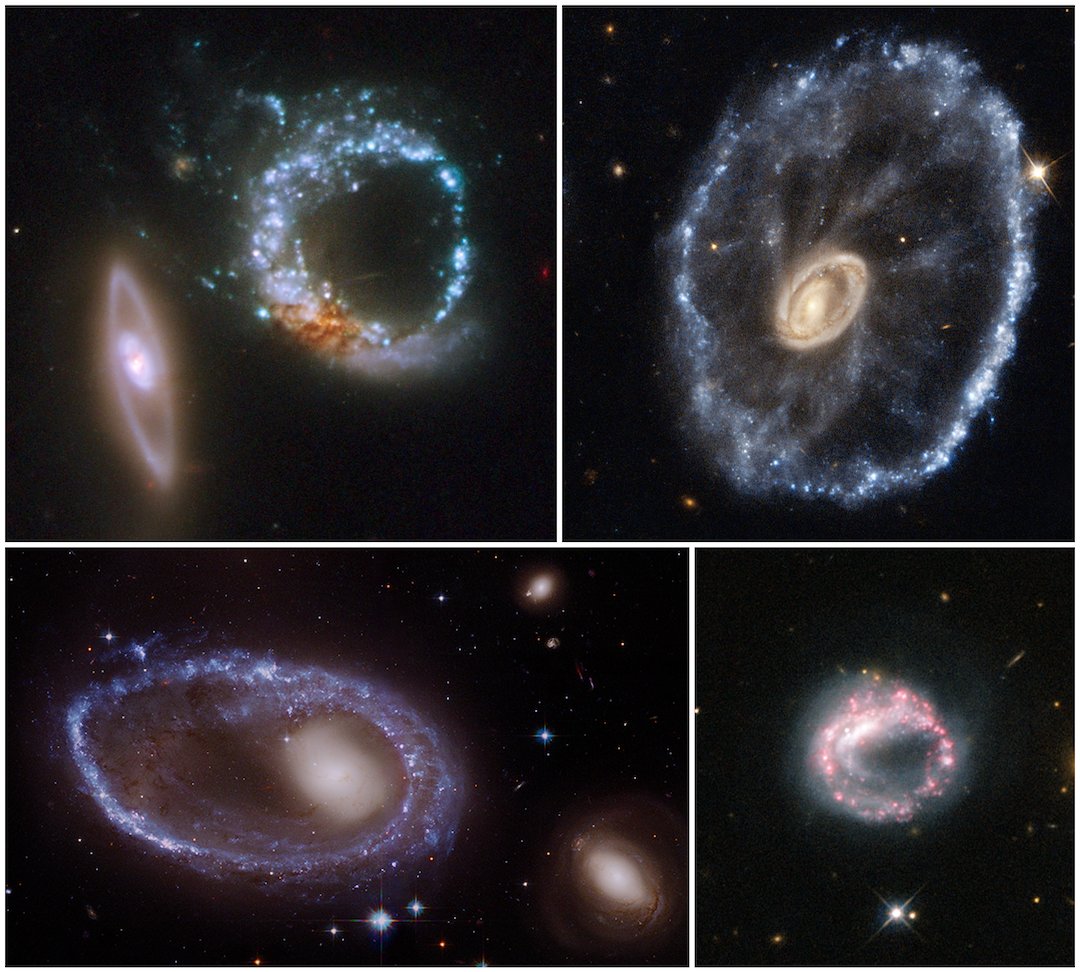
💍 Ring galaxies are thought to form when a smaller galaxy punches through a larger galaxy at just the right angle. The beautiful ring is made of newly formed stars sparked by the gas and dust pushing outward from the collision. #MondayMotivation

💍 Ring galaxies are thought to form when a smaller galaxy punches through a larger galaxy at just the right angle. The beautiful ring is made of newly formed stars sparked by the gas and dust pushing outward from the collision. #MondayMotivation
Vish ☆ (@vishkujo) 's Twitter Profile Photo

Pucci version of the new opening in the last episode gave me goosebumps. I really like the callbacks to the previous openings. Great way to celebrate the last 10 years of the anime. 🥹 #jojo_anime #StoneOcean

Hubble (@nasahubble) 's Twitter Profile Photo

Cosmic blooms! 🌸 These flower-like images from Hubble and NASA Webb Telescope show the dying star Wolf-Rayet 124 as it casts off outer layers of material. Wolf-Rayet stars are among the most luminous, massive, and briefly detectable stars known.
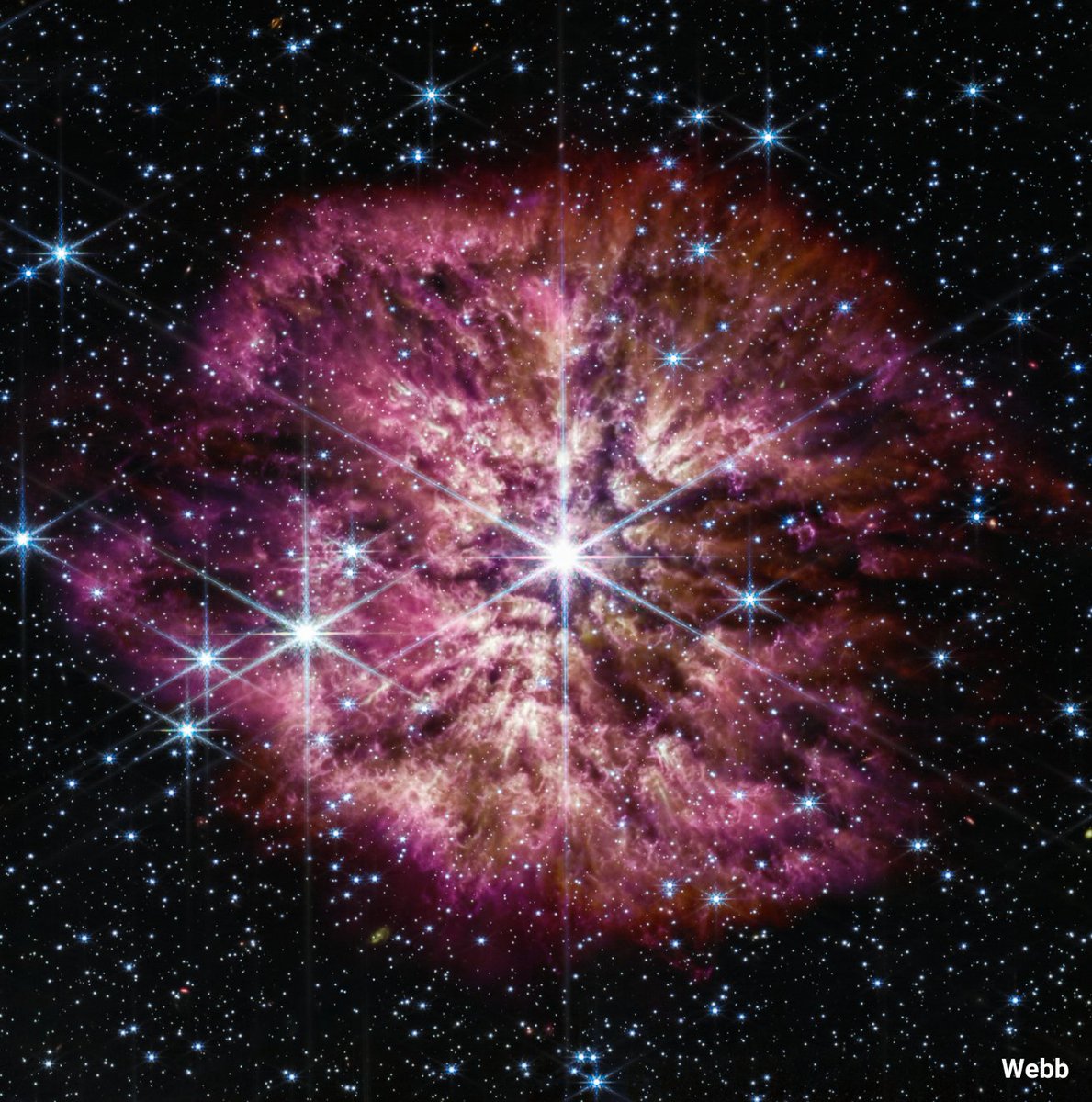

Cosmic blooms! 🌸

These flower-like images from Hubble and <a href="/NASAWebb/">NASA Webb Telescope</a> show the dying star Wolf-Rayet 124 as it casts off outer layers of material.

Wolf-Rayet stars are among the most luminous, massive, and briefly detectable stars known.