NHM Fossil Mammals (@nhmfossilmammal) 's Twitter Profile
NHM Fossil Mammals

@nhmfossilmammal

ID: 727156012084563968

calendar_today02-05-2016 15:21:18

610 Tweet

936 Followers

252 Following
Digitising the NHM (@nhm_digitise) 's Twitter Profile Photo

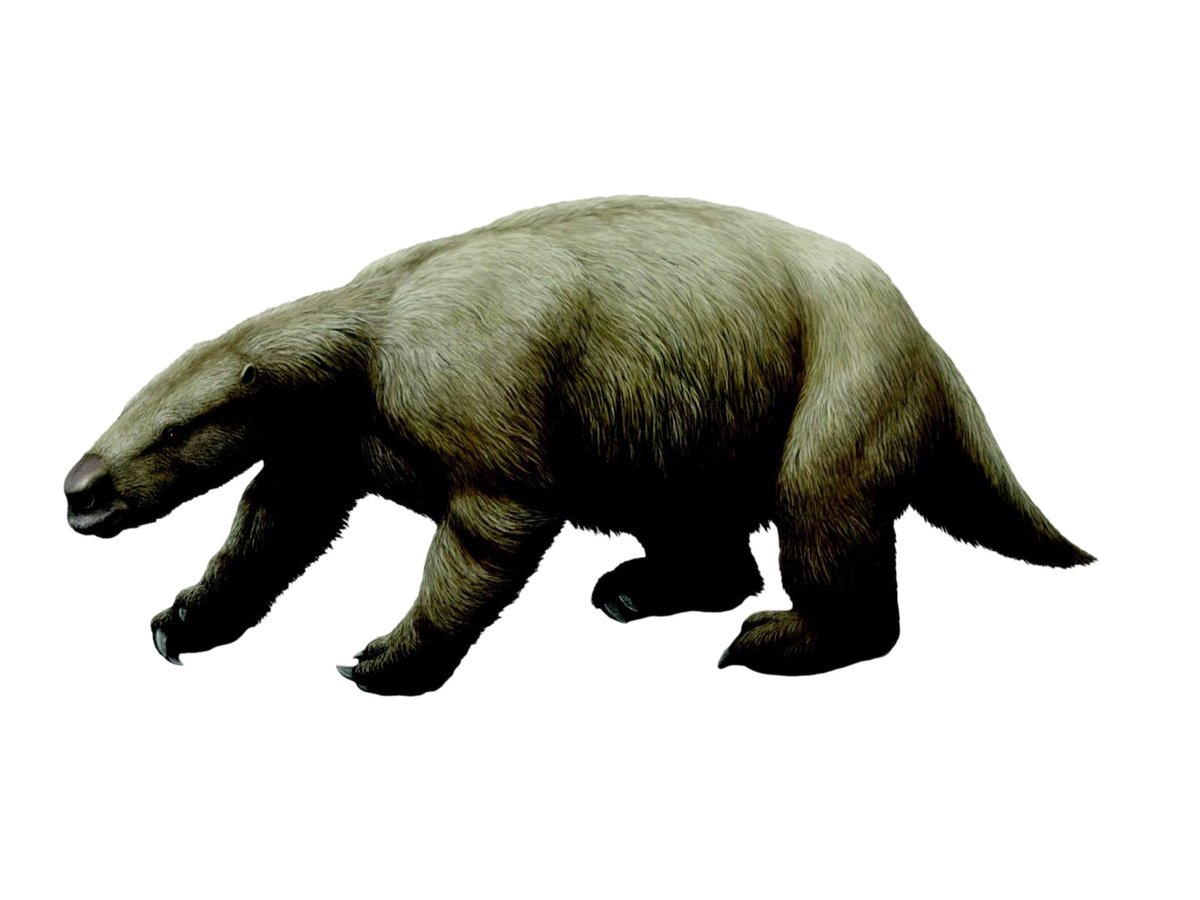
Scelidotherium leptocephalum is the name for a species of extinct ground sloth, first described based on a partial skeleton discovered by Charles Darwin in 1833. #MammalMonday #Museum30 NHM Fossil Mammals #CharlesDarwin
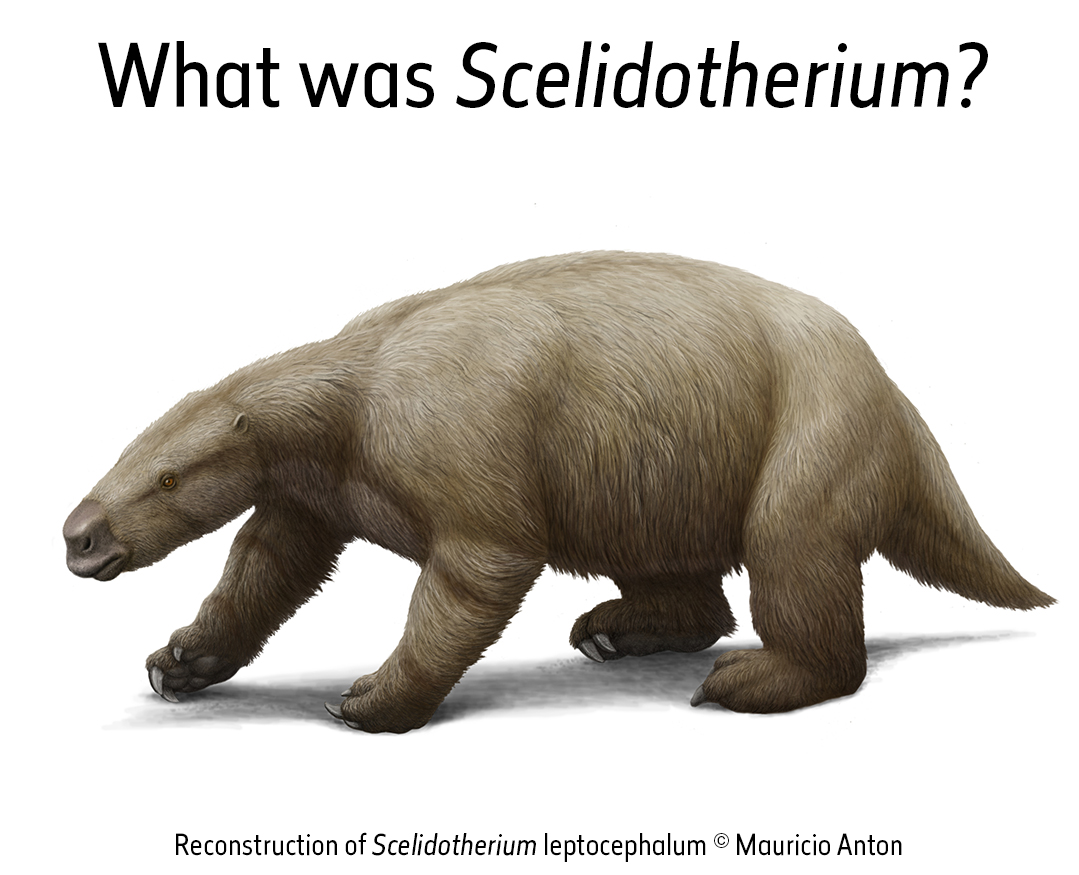

Scelidotherium leptocephalum is the name for a species of extinct ground sloth, first described based on a partial skeleton discovered by Charles Darwin in 1833. #MammalMonday #Museum30 <a href="/NHMFossilMammal/">NHM Fossil Mammals</a> #CharlesDarwin
NHM Fossil Mammals (@nhmfossilmammal) 's Twitter Profile Photo

The video shows casts of the skeleton made prior to its preparation from matrix superimposed on a drawing of the skeleton from thr first description. The casts then move into anatomical position and the original bones and a reconstruction of the animal is revealed

DaSSCo (@disscobutdanish) 's Twitter Profile Photo

Come work with us at the Natural History Museum of Denmark! These key roles are part of DaSSCo – our ambitious programme to digitise every natural history specimen in Denmark Technical Team Leader candidate.hr-manager.net/ApplicationIni… Data Manager candidate.hr-manager.net/ApplicationIni… #DaSSCo #Digitisation

Come work with us at the Natural History Museum of Denmark! These key roles are part of DaSSCo – our ambitious programme to digitise every natural history specimen in Denmark
Technical Team Leader candidate.hr-manager.net/ApplicationIni…
Data Manager candidate.hr-manager.net/ApplicationIni…
#DaSSCo #Digitisation
Digitising the NHM (@nhm_digitise) 's Twitter Profile Photo

We want to mark the occasion for #DarwinDay and will take look at the advancement in our knowledge around evolution during the 365 days since Darwin’s last birthday 🎂naturalhistorymuseum.blog/2022/02/12/cel… Natural History Museum @NHM_Harwell Science at the Natural History Museum NHM Fossil Mammals Prof. Anjali Goswami
Digitising the NHM (@nhm_digitise) 's Twitter Profile Photo

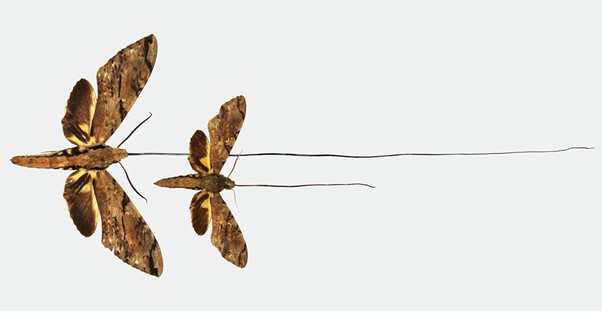
Charles Darwin was sent a specimen of a Madagascan orchid with its nectar tube measuring a full 30 centimetres long, he exclaimed 'Good heavens, what insect can suck it!' in 2021 the moth he predicted was found. bit.ly/darwin2022 #DarwinDay

Charles Darwin was sent a specimen of a Madagascan orchid with its nectar tube measuring a full 30 centimetres long, he exclaimed 'Good heavens, what insect can suck it!' in 2021 the moth he predicted was found. bit.ly/darwin2022 #DarwinDay
Digitising the NHM (@nhm_digitise) 's Twitter Profile Photo

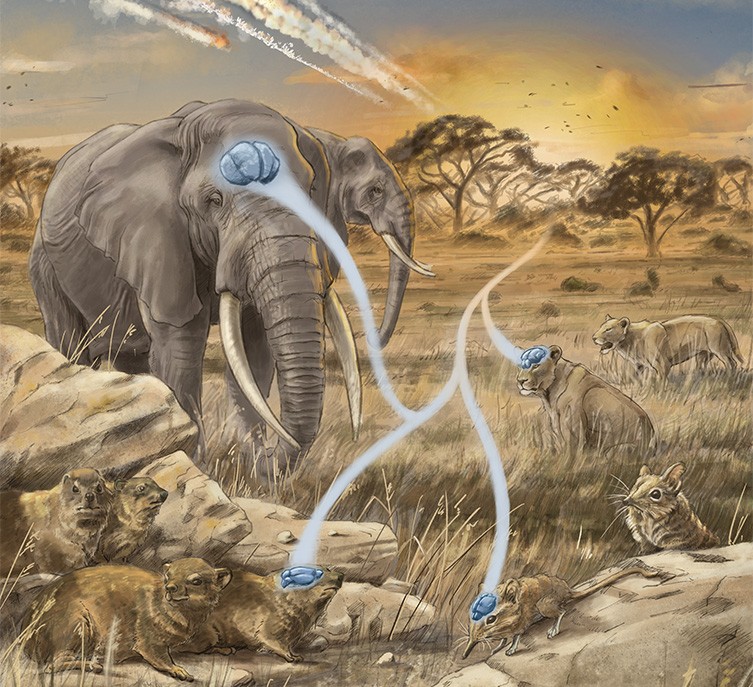
In the Descent of Man (1871) Darwin speculated on the evolution of the human brain in comparison with other animals. In April, a team of researchers published new findings to challenges the notion that cognition is the primary driver of brain size evolution in mammals.

In the Descent of Man (1871) Darwin speculated on the evolution of the human brain in comparison with other animals. In April, a team of researchers published new findings to challenges the notion that cognition is the primary driver of brain size evolution in mammals.
Digitising the NHM (@nhm_digitise) 's Twitter Profile Photo

In 2021 we have added 341 invertebrate fossils and 15 mammal fossils to the Museum’s Data Portal and we digitally reconstructed the skeletons of Macrauchenia patachonica and Scelidotherium leptocephalum for the first time youtu.be/6LoH4usA7Xc #DarwinDay

NHM Fossil Mammals (@nhmfossilmammal) 's Twitter Profile Photo

Charles Darwin was born on this day in 1809 and around the world people celebrate #DarwinDay but ironically it doesn’t look like #Darwin celebrated his own birthday on board HMS Beagle.

NHM Fossil Mammals (@nhmfossilmammal) 's Twitter Profile Photo

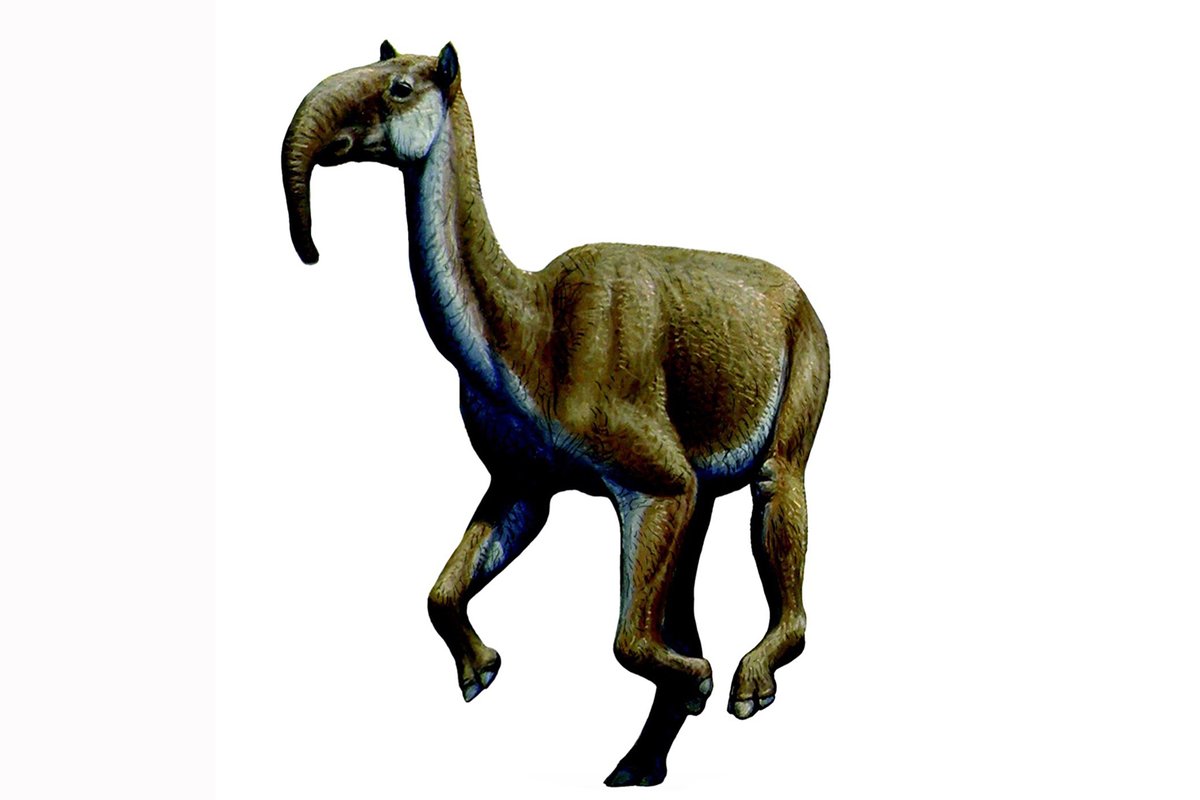
This #DarwinDay check out this digital reconstruction of Macrauchenia patachonica by Imaging and Analysis. This shows the parts of the skeleton as found by Darwin. A reconstruction of how the animal would have looked is then superimposed on the skeleton youtu.be/6LoH4usA7Xc Digitising the NHM
Digitising the NHM (@nhm_digitise) 's Twitter Profile Photo

What was Macrauchenia? Macrauchinia is an extinct plant-eating mammal from South America, The best-known species is M. patachonica, first described by Richard Owen based on specimens collected by Charles Darwin. nhm.ac.uk/our-science/ou… #MammalMonday

What was Macrauchenia? Macrauchinia is an extinct plant-eating mammal from South America, The best-known species is M. patachonica, first described by Richard Owen based on specimens collected by Charles Darwin. 
nhm.ac.uk/our-science/ou… #MammalMonday
Digitising the NHM (@nhm_digitise) 's Twitter Profile Photo

This video shows the parts of the skeleton which were found by Charles Darwin in life position. A reconstruction of how the animal would have looked is then superimposed on the skeleton, with Darwin included for scale. youtu.be/6LoH4usA7Xc

Digitising the NHM (@nhm_digitise) 's Twitter Profile Photo

We are so excited to see one of our favourite dinosaurs return to the Museum. This 3D model of Dippy's head was created by laser scanning Natural History Museum's iconic Diplodocus carnegii cast. Visit Sketchfab to rotate, zoom in and explore #Dippy skfb.ly/6vX87 Imaging and Analysis

Digitising the NHM (@nhm_digitise) 's Twitter Profile Photo

Darwin's discovery of fossil horse teeth in South America was termed 'the most important single result of Darwin’s collection of fossil mammals during the Voyage of the Beagle.' by George Gaylord Simpson (1902-1984), find out more about them nhm.ac.uk/our-science/ou… #FossilFriday

Darwin's discovery of fossil horse teeth in South America was termed 'the most important single result of Darwin’s collection of fossil mammals during the Voyage of the Beagle.' by George Gaylord Simpson (1902-1984), find out more about them nhm.ac.uk/our-science/ou… #FossilFriday
Digitising the NHM (@nhm_digitise) 's Twitter Profile Photo

On the second voyage of HMS Beagle, Charles Darwin collected thousands of plants, animals, rocks and fossils, including 13 species of fossil mammals. Four of these were species of ground sloth. Find out more about Darwin's ground sloths nhm.ac.uk/our-science/ou…

On the second voyage of HMS Beagle, Charles Darwin collected thousands of plants, animals, rocks and fossils, including 13 species of fossil mammals. Four of these were species of ground sloth. Find out more about Darwin's ground sloths nhm.ac.uk/our-science/ou…
Digitising the NHM (@nhm_digitise) 's Twitter Profile Photo

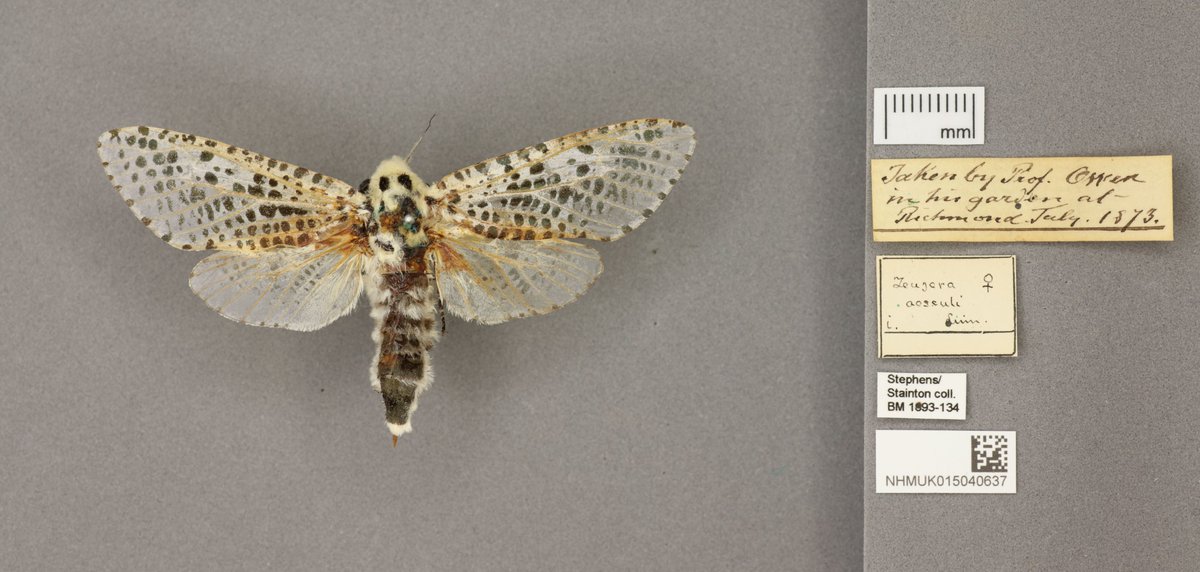
Through digitisation we have uncovered a moth collected by Museum founder, 218 years after Richard Owen was born #OnThisDay in 1804. Owen is not known to have collected insects, making this new discovery very special. nhm.ac.uk/discover/news/…

Through digitisation we have uncovered a moth collected by Museum founder, 218 years after Richard Owen was born #OnThisDay in 1804.  Owen is not known to have collected insects, making this new discovery very special. nhm.ac.uk/discover/news/…
Digitising the NHM (@nhm_digitise) 's Twitter Profile Photo

Natural History Museum NHM science and digitisation centre Science at the Natural History Museum NHM Library and Archives @BroadGavin Digitiser Louise was drawn to a label "Taken by Prof. Owen in his garden at Richmond. July 1873." What makes this find interesting is that it is the first known moth that Owen has collected and it looks as though it was collected from his own garden. data.nhm.ac.uk/object/61fae78…
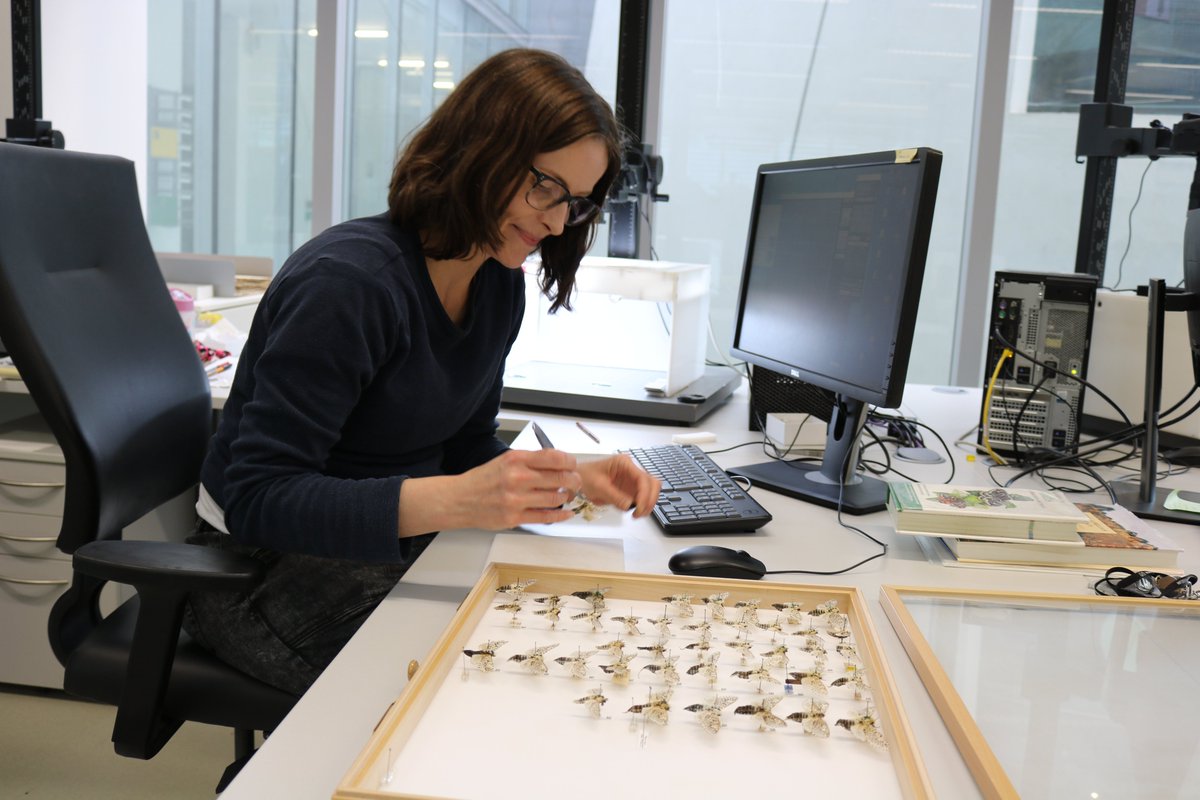
<a href="/NHM_London/">Natural History Museum</a> <a href="/NHM_Unlocked/">NHM science and digitisation centre</a> <a href="/NHM_Science/">Science at the Natural History Museum</a> <a href="/NHM_Library/">NHM Library and Archives</a> @BroadGavin Digitiser Louise was drawn to a label "Taken by Prof. Owen in his garden at Richmond. July 1873." What makes this find interesting is that it is the first known moth that Owen has collected and it looks as though it was collected from his own garden. data.nhm.ac.uk/object/61fae78…
Digitising the NHM (@nhm_digitise) 's Twitter Profile Photo

Today is #InternationalSlothDay. Did you know that Charles Darwin collected four species of ground sloth on the second voyage of HMS Beagle, three of which were unknown to science? nhm.ac.uk/our-science/ou…

Digitising the NHM (@nhm_digitise) 's Twitter Profile Photo

Mylodon darwinii is one of the species of extinct giant ground sloth Darwin discovered. On discovery, Darwin identified it to the same family as the modern sloths. Richard Owen later described it as a new species named it after its discoverer. skfb.ly/6RzoY Sketchfab

Digitising the NHM (@nhm_digitise) 's Twitter Profile Photo

We have scanned the lower part of the jaw of Mylodon darwinii. This is our new 3D print of the fossil which had been beautifully painted by @StoatsMcGee. We can't wait to use it in future tours to share the wonder of Darwin's Ground Sloth. NHM Fossil Mammals Imaging and Analysis