

Brad Brazeau
@bwbrazeau
Clinical psych PhD candidate @UCalgary in @AB_Laboratory. @USask alum. Research & clinical focus on addiction treatments. Opinions mine.
ID: 356319757
16-08-2011 17:37:18
106 Tweet
128 Followers
282 Following

This is a commendable and honest admission. It actually makes me optimistic to see how many people—liberal and conservative—have owned up to their mistakes over the past 24 hours. Maybe, just maybe, we are starting to evolve better social media norms. theatlantic.com/ideas/archive/…


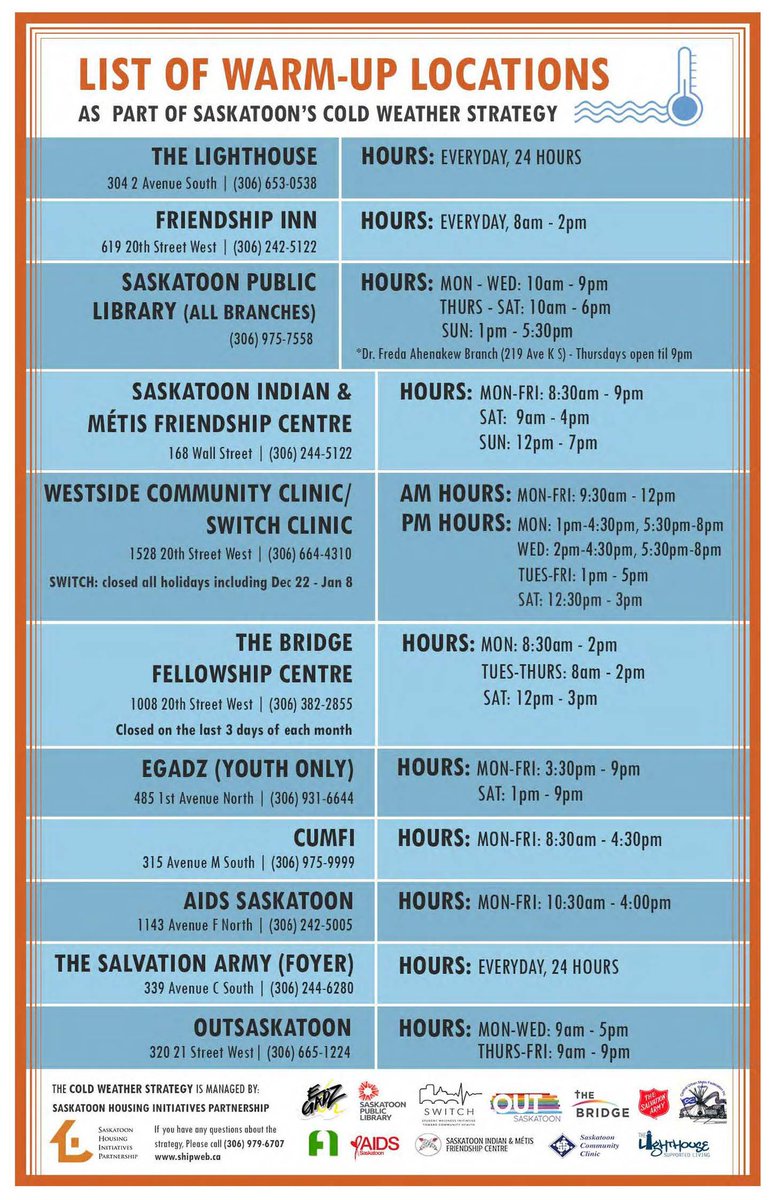
Saskatoon - when it’s this cold we work together to ensure everyone has a safe, warm place to be. Please share the warm up locations. SHIP Saskatoon Fire Department City of Saskatoon Saskatoon Police





An early-pandemic survey found that more than half of people reported feeling grateful—and even more expected to be grateful in the future. In recent years, scientists have begun to recognize how gratitude can be a healing force, Prof. Scott Barry Kaufman ⛵ writes. on.theatln.tc/cMxBNjU
Keith Stanovich is an expert on rationality and how it differs from (& overlaps w) raw intelligence. He has a new book on the most robust cognitive bias, Myside. In this powerful excerpt, he shows how left-wing academic monoculture corrupts social science quillette.com/2021/08/30/the…
1/ One of most important things I've learned: Severe personality problems find *camouflage.* No one thinks "I'm a sadist" or "I'm a malignant narcissist." They find a belief system/social group that validates their most hateful, destructive impulses & construes them as virtues.
Dr. Kristin von Ranson DrMikeAntle Vote “no” to permanent DST (forces earlier waking). Demand MLAs return with healthier permanent Standard Time (lets us sleep later). #SaveStandardTime

Why do people believe pseudoscience? Not because they're ignorant (most of us are ignorant about most things) but because they're alienated from scientific institutions - which are, scandalously, doubling down on radicalism & obscurantism Conor Friedersdorf writes: theatlantic.com/ideas/archive/…
![Mental health can be complicated, and the pandemic makes it even more so. 😵💫
What impact has the pandemic had on mental health, and what can you do about it?
Keep reading to find out! 👇🏽
#ScienceUpFirst #GetReal #MentalHealthWeek
🧵 [1/8]](https://pbs.twimg.com/media/FR_wF4xWYActDRj.jpg "ScienceUpFirst | LaScienced'Abord (@scienceupfirst) on Twitter photo Mental health can be complicated, and the pandemic makes it even more so. 😵💫
What impact has the pandemic had on mental health, and what can you do about it?
Keep reading to find out! 👇🏽
#ScienceUpFirst #GetReal #MentalHealthWeek
🧵 [1/8]")
Mental health misinformation is rampant on social media. In this study, over half of popular ADHD videos on TikTok were misleading—and staggeringly, there were over 2.8 million views per video and each video was shared on average 31,000 times. By Anthony Yeung et al.
