Astronomy Hub (@astronomhub) 's Twitter Profile
Astronomy Hub

@astronomhub

Daily dose of astronomy news and informations
Instagram: instagram.com/astronomhub
Our other social medias: linktr.ee/astronomyhub

ID: 1188951035169181697

linkhttps://astronomyhubs.com/ calendar_today28-10-2019 22:50:04

1,1K Tweet

2,2K Followers

399 Following
Louis Leroux | Astrophotographe 💫 (@kriekcherry) 's Twitter Profile Photo

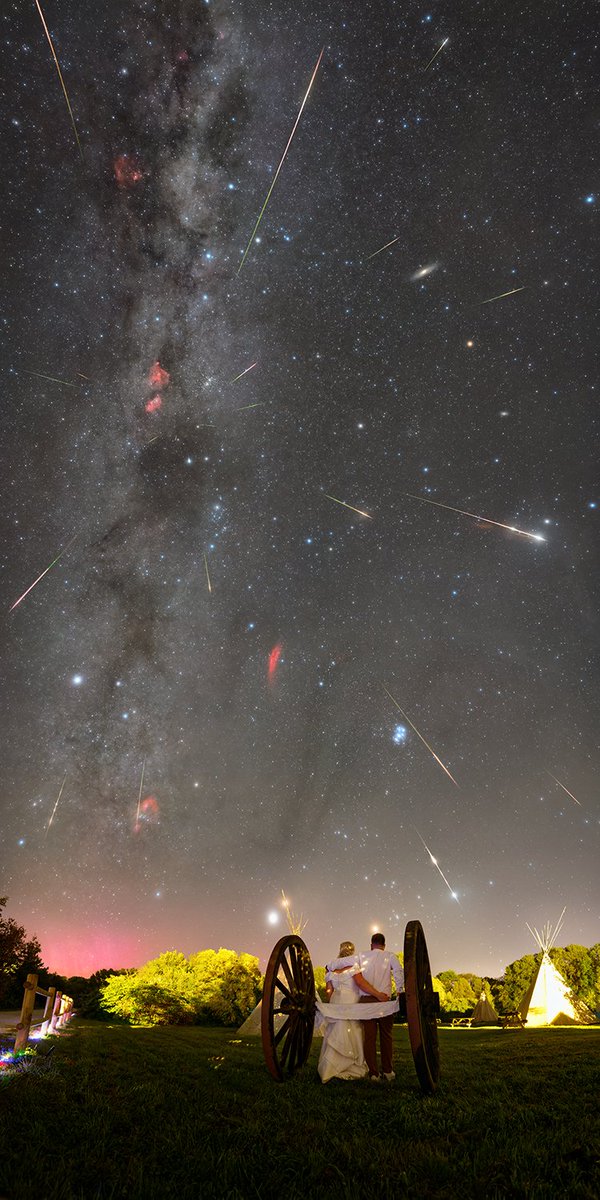
✨🥹 Voici ce qu'il se passe quand je photographie le mariage de ma belle-sœur : -le weekend du 10/11/12 Août -sous un temps magnifique -le weekend de la nuit des étoiles -au moment du pic des perséides -au moment où des aurores s'invitent dans le ciel français...

✨🥹 Voici ce qu'il se passe quand je photographie le mariage de ma belle-sœur :
-le weekend du 10/11/12 Août
-sous un temps magnifique
-le weekend de la nuit des étoiles
-au moment du pic des perséides
-au moment où des aurores s'invitent dans le ciel français...
Dr. Ryan French (@ryanjfrench) 's Twitter Profile Photo

7 years ago today, the Sun popped off the largest #SolarFlare of the previous solar cycle. But although our current solar cycle is already significantly larger than the previous, we’ve yet to see a flare close to this Sept 6th 2017 event!

Astronomy Hub (@astronomhub) 's Twitter Profile Photo

Flying through star cluster NGC 1850. ✨ NGC 1850 is a double cluster and a super star cluster in the Dorado constellation, located in the northwest part of the bar of the Large Magellanic Cloud, at a distance of 168 kly (51.5 kpc) from the Sun.

Astronomy Hub (@astronomhub) 's Twitter Profile Photo

A rarely viewed angle of Earth on the Pacific Ocean side 🌍 The Pacific Ocean is the largest and deepest ocean on Earth. It spans 60 million square miles from California to China, and in certain regions extends tens of thousands of feet below the surface of the water.

A rarely viewed angle of Earth on the Pacific Ocean side 🌍

The Pacific Ocean is the largest and deepest ocean on Earth. It spans 60 million square miles from California to China, and in certain regions extends tens of thousands of feet below the surface of the water.
Astronomy Hub (@astronomhub) 's Twitter Profile Photo

How light pollution affects the dark night skies. 🌌 This image illustrates the Bortle scale, which measures the impact of light pollution on the dark skies at a given location. 🚀 Follow us: Astronomy Hub ✨ Image credit: ESO/P. Horálek, M. Wallner
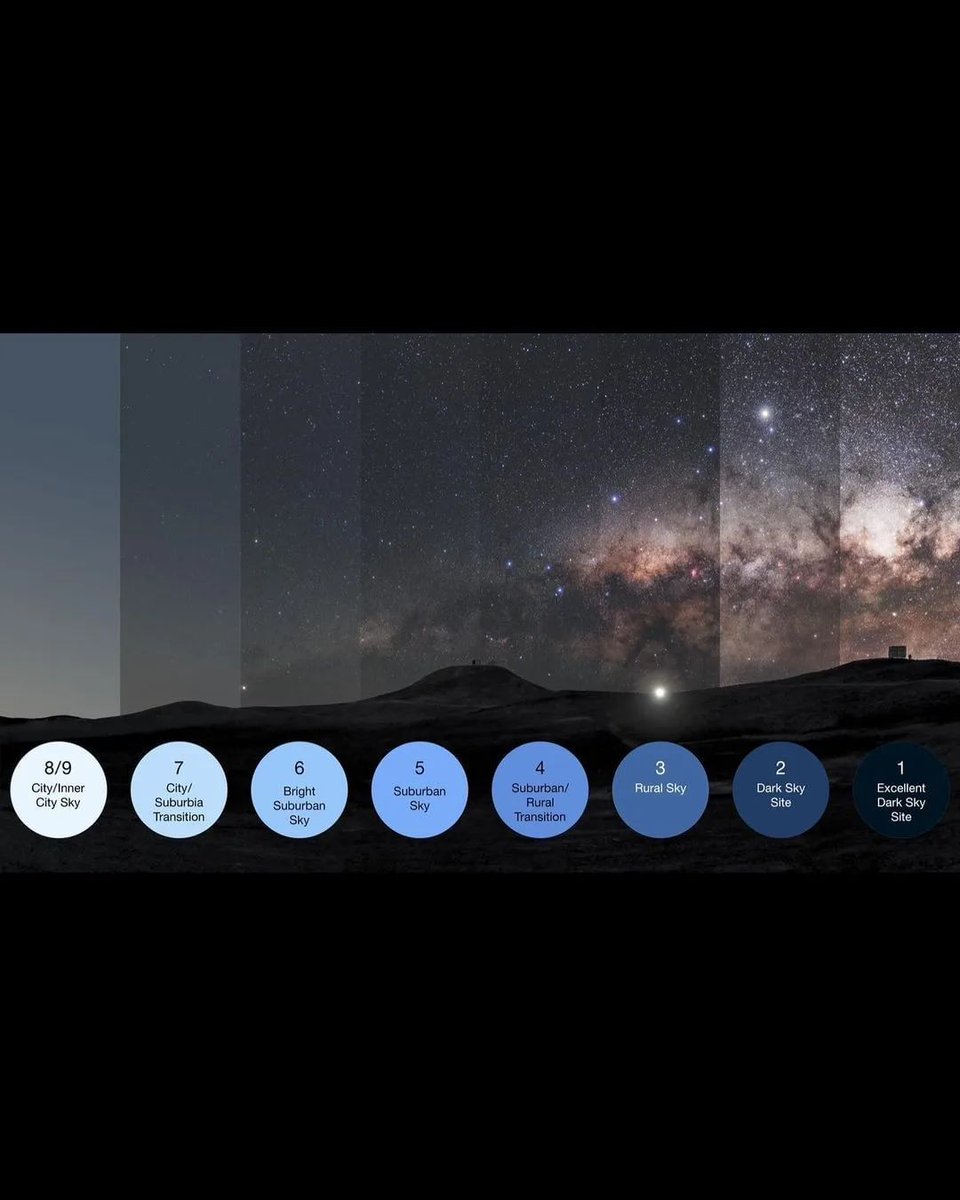
How light pollution affects the dark night skies. 🌌

This image illustrates the Bortle scale, which measures the impact of light pollution on the dark skies at a given location.

🚀 Follow us: <a href="/AstronomHub/">Astronomy Hub</a> ✨

Image credit: ESO/P. Horálek, M. Wallner
Astronomy Hub (@astronomhub) 's Twitter Profile Photo

At only 161,000 light-years away in the Large Magellanic Cloud galaxy, the Tarantula Nebula is the largest and brightest star-forming region in the Local Group, the galaxies nearest our Milky Way. It is home to the hottest, most massive stars known. ✨ Credit: NASA - Hubble S.T.

At only 161,000 light-years away in the Large Magellanic Cloud galaxy, the Tarantula Nebula is the largest and brightest star-forming region in the Local Group, the galaxies nearest our Milky Way. It is home to the hottest, most massive stars known. ✨

Credit: NASA - Hubble S.T.
Astronomy Hub (@astronomhub) 's Twitter Profile Photo

This is an ASA 600 Telescope image of Antennae Galaxies taken by Wolfgang Promper 🥰 🌌 The Antennae Galaxies (also known as NGC 4038/NGC 4039 or Caldwell 60/Caldwell 61) are a pair of interacting galaxies in the constellation Corvus.

This is an ASA 600 Telescope image of Antennae Galaxies taken by <a href="/WPromper/">Wolfgang Promper</a> 🥰 🌌

The Antennae Galaxies (also known as NGC 4038/NGC 4039 or Caldwell 60/Caldwell 61) are a pair of interacting galaxies in the constellation Corvus.

Astronomy Hub (@astronomhub) 's Twitter Profile Photo

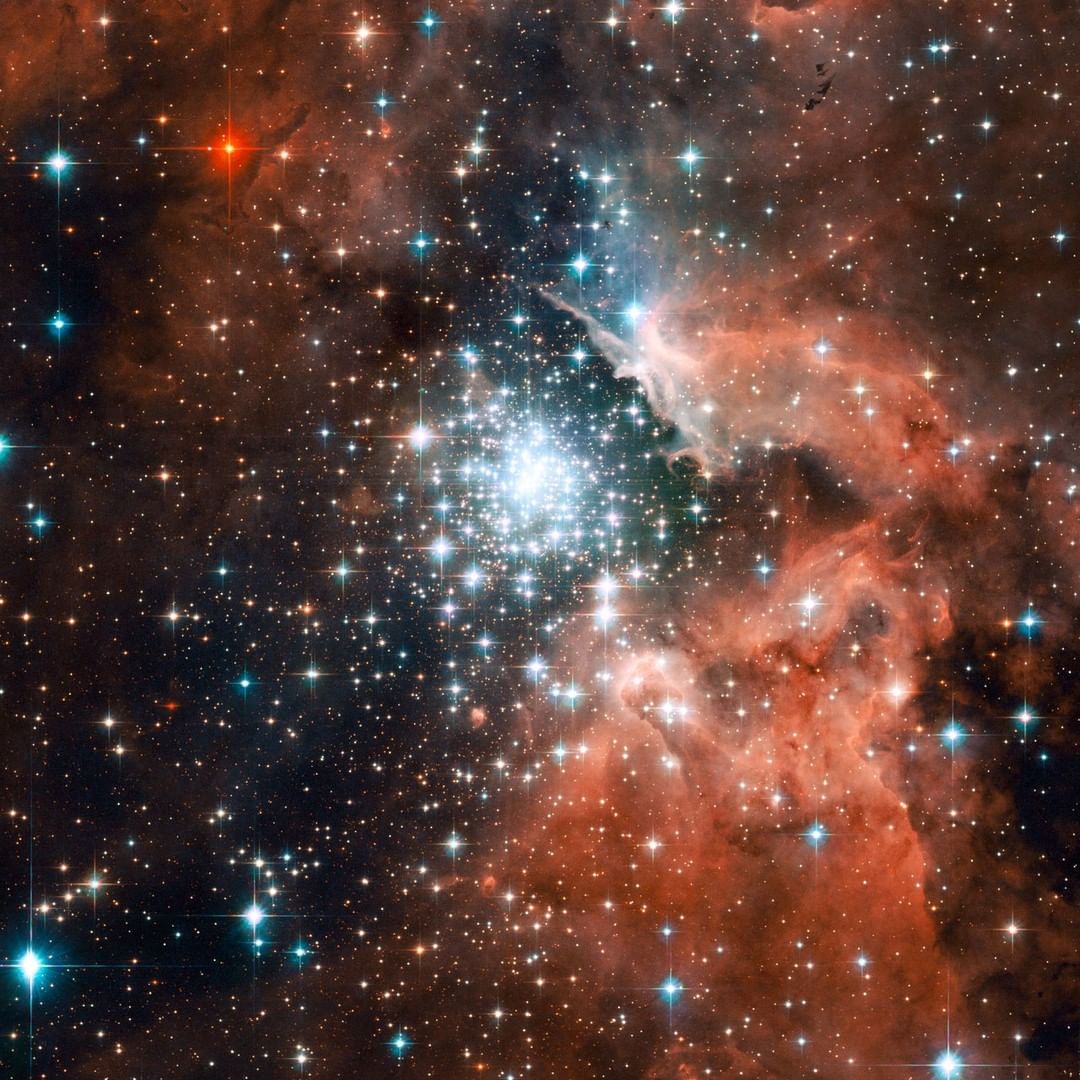
The star-forming region NGC 3603 - seen here in Hubble Space Telescope image - contains one of the most impressive massive young star clusters in the Milky Way. ✨ Credit: NASA, ESA - Hubble Space Telescope

The star-forming region NGC 3603 - seen here in Hubble Space Telescope image - contains one of the most impressive massive young star clusters in the Milky Way. ✨

Credit: NASA, ESA - Hubble Space Telescope
Con Stoitsis (@vivstoitsis) 's Twitter Profile Photo

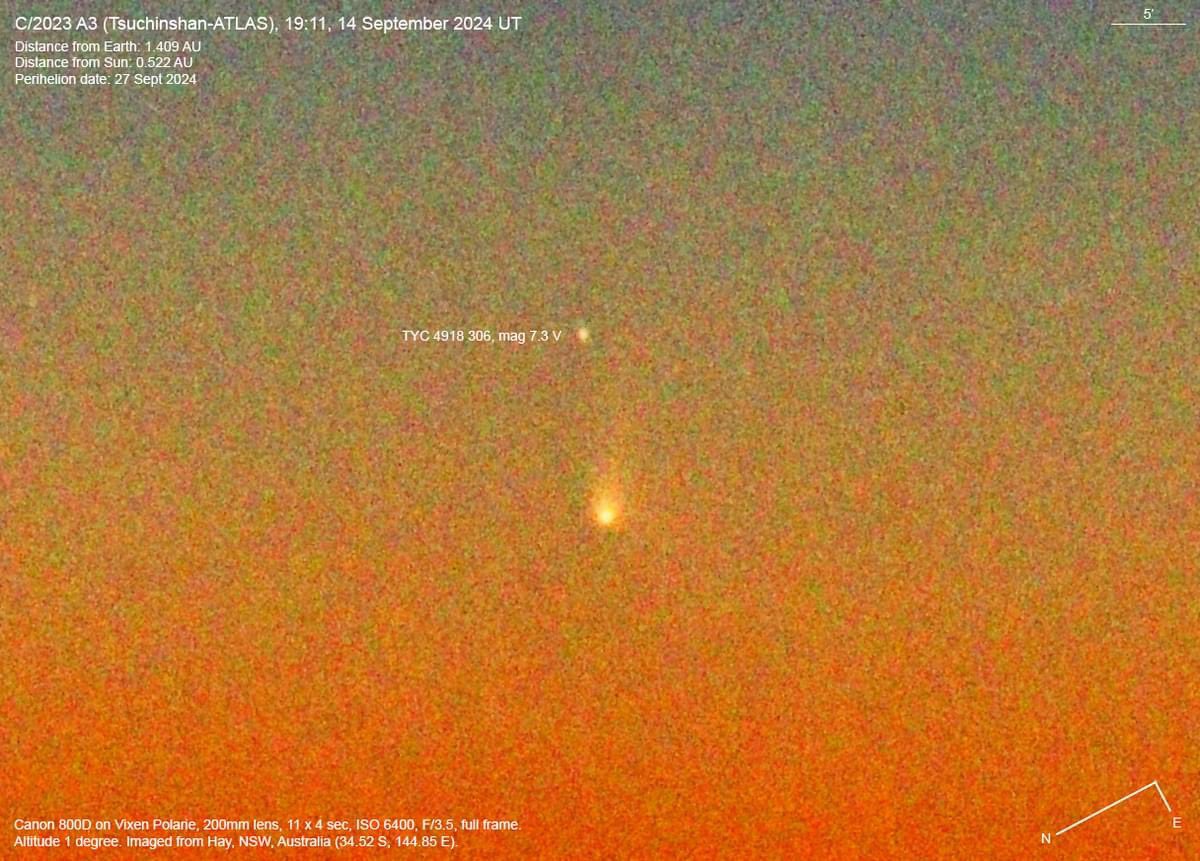
Comet C/2023 A3 (Tsuchinshan-ATLAS) is getting brighter! This morning, 15 September 2024 (14 Sept UT). Nice clear skies today and the tail is clearer. Courtesy Rob Kaufman.

Comet C/2023 A3 (Tsuchinshan-ATLAS) is getting brighter!
This morning, 15 September 2024 (14 Sept UT). Nice clear skies today and the tail is clearer. Courtesy Rob Kaufman.
Astronomy Hub (@astronomhub) 's Twitter Profile Photo

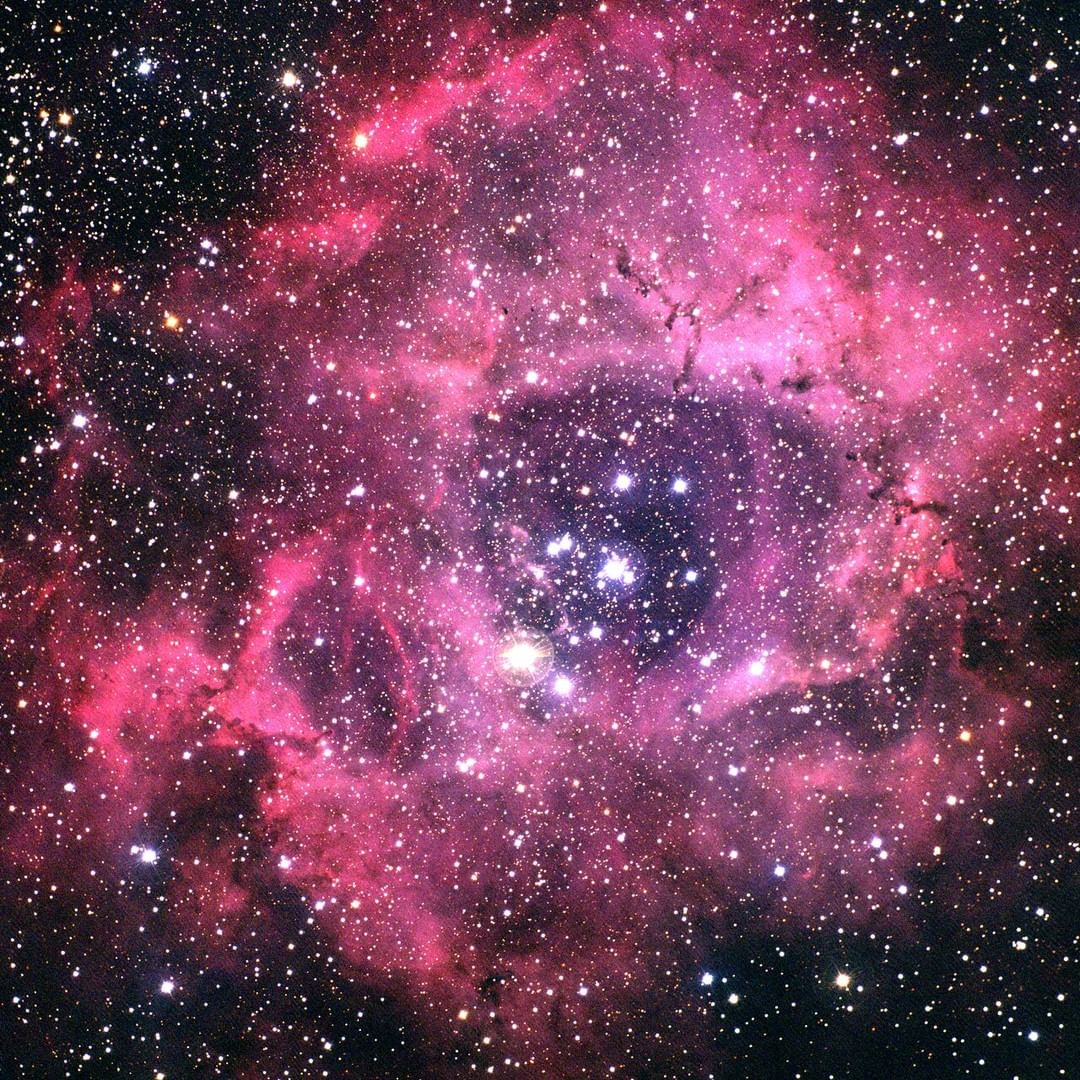
Peering into the cosmos, the 1997 capture of the Rosette Nebula by the Burrell Schmidt telescope at Case Western Reserve's observatory is a marvel. Although not flawless due to poor weather and technical glitches, it's a sight to behold. Credit: N.A. Sharp/NOIRLab/NSF/AURA

Peering into the cosmos, the 1997 capture of the Rosette Nebula by the Burrell Schmidt telescope at Case Western Reserve's observatory is a marvel. Although not flawless due to poor weather and technical glitches, it's a sight to behold.

Credit: N.A. Sharp/NOIRLab/NSF/AURA
Astronomy Hub (@astronomhub) 's Twitter Profile Photo

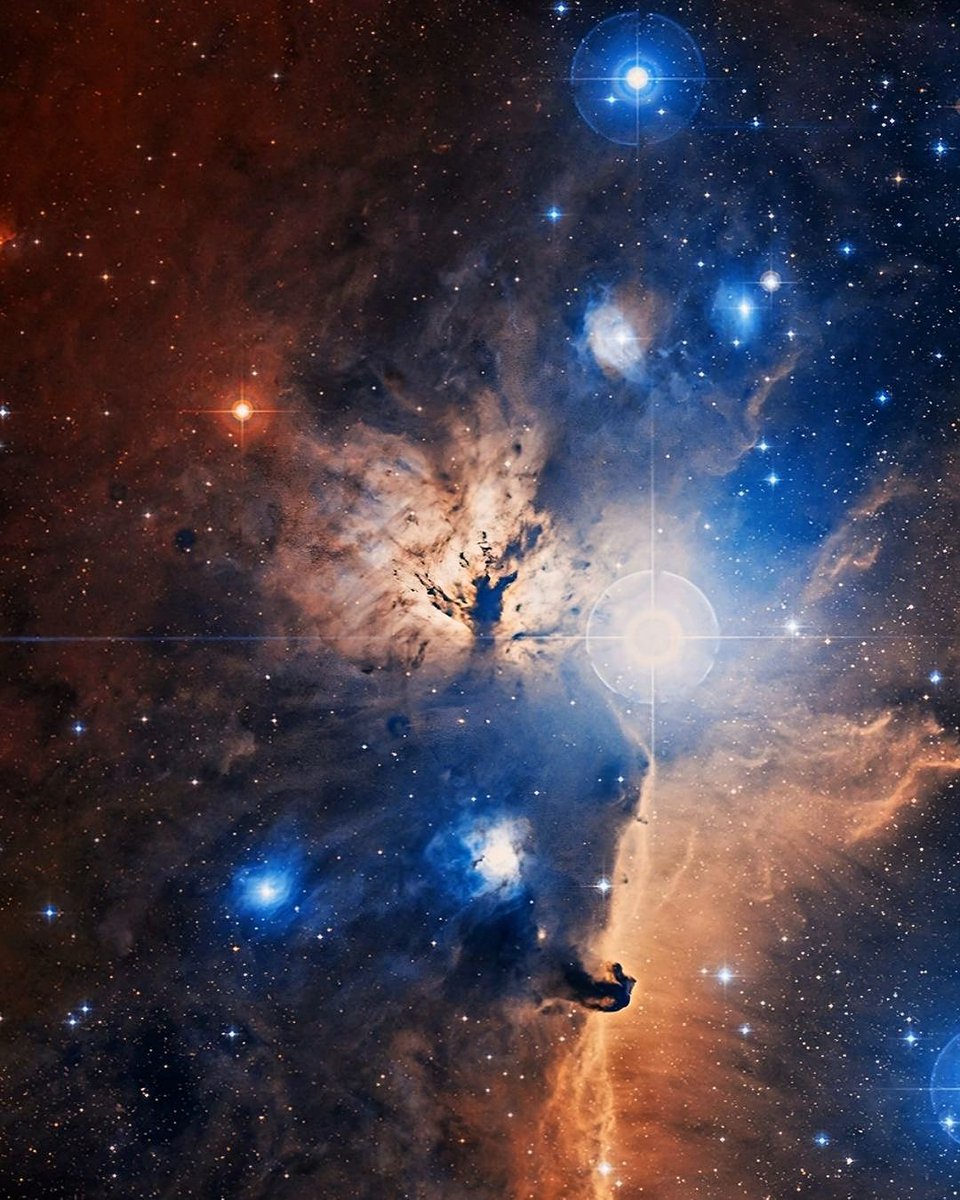
Inside the Flame Nebula. The Flame Nebula stands out in this optical image of the dusty, crowded star forming regions toward Orion’s belt, a mere 1,400 light-years away. ✨ Image Credit & Copyright: Optical: DSS; Infrared: NASA/JPL-Caltech; X-ray: NASA/CXC/PSU

Inside the Flame Nebula. The Flame Nebula stands out in this optical image of the dusty, crowded star forming regions toward Orion’s belt, a mere 1,400 light-years away. ✨

Image Credit &amp; Copyright: Optical: DSS; Infrared: NASA/JPL-Caltech; X-ray: NASA/CXC/PSU
Astronomy Hub (@astronomhub) 's Twitter Profile Photo

Arp 273, located about 300 million light-years from Earth in the constellation Andromeda. 📸 Credit to the NASA/ESA Hubble Space Telescope

Arp 273, located about 300 million light-years from Earth in the constellation Andromeda.

📸 Credit to the NASA/ESA Hubble Space Telescope
Astronomy Hub (@astronomhub) 's Twitter Profile Photo

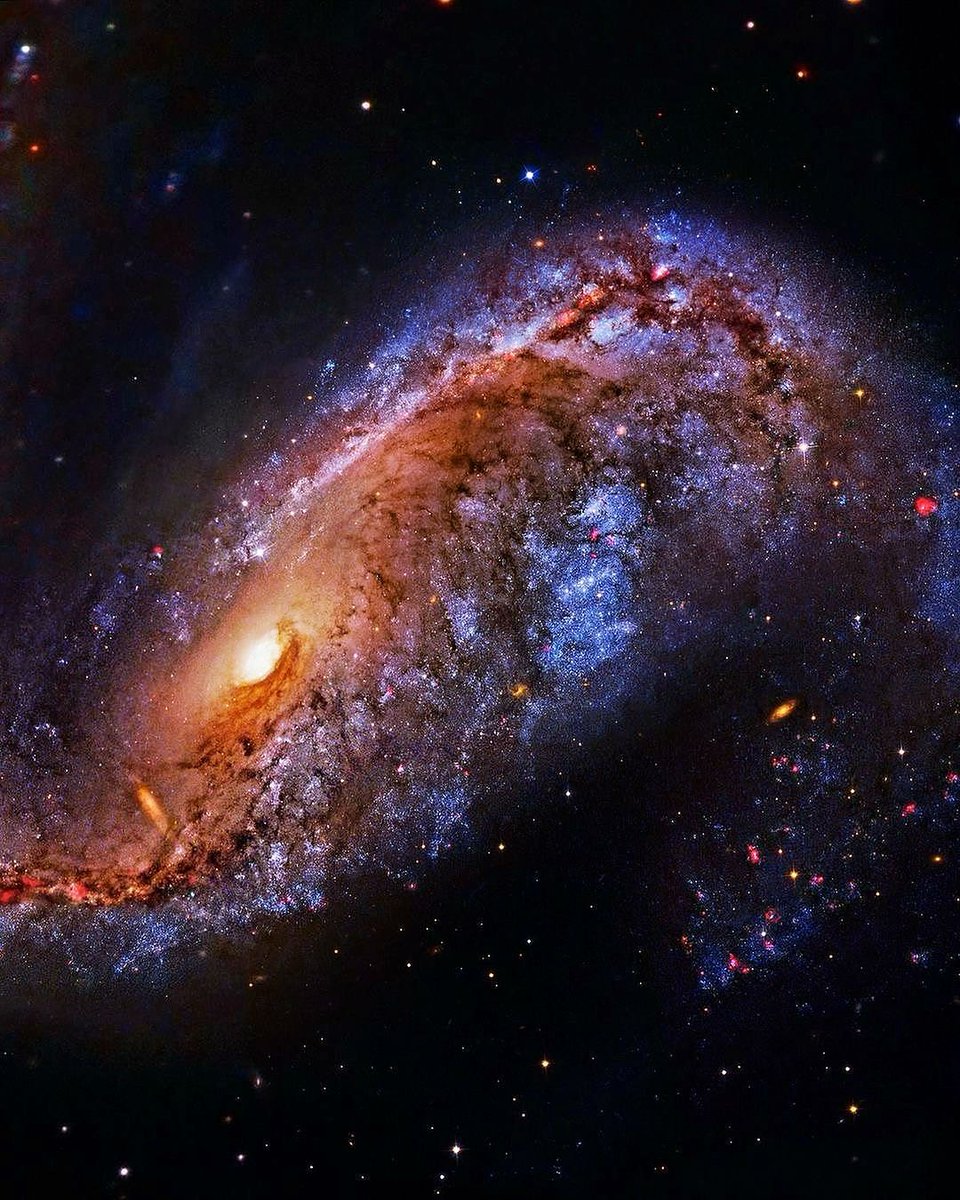
Galaxy NGC 2442, at about 50 million light years away from us. Isn’t this amazing? 🤩 Image Credit & Copyright: Processing - Robert Gendler, Roberto Colombari Data - Hubble Legacy Archive, European Southern Observatory

Galaxy NGC 2442, at about 50 million light years away from us. Isn’t this amazing? 🤩

Image Credit &amp; Copyright: Processing - Robert Gendler, Roberto Colombari

Data - Hubble Legacy Archive, European Southern Observatory
Astronomy Hub (@astronomhub) 's Twitter Profile Photo

Stephan's Quintet is a stunning galaxy group showing the dramatic collisions and interactions shaping our dynamic universe. Credit: NASA/ESA James Webb Space Telescope

Stephan's Quintet is a stunning galaxy group showing the dramatic collisions and interactions shaping our dynamic universe. Credit: NASA/ESA James Webb Space Telescope