

Panafrican
@panafrica
Specialist of politico-economical issues concerning dealings between the third world and the developped economies around the world.
ID: 44529594
04-06-2009 02:57:32
2,2K Tweet
192 Takipçi
306 Takip Edilen

U.S. Commerce Dept. Saying the U.S. is “driving the critical mineral race” sounds confident — but strategy isn’t just about capital. It’s about corridors, governance, access, and who ultimately controls the supply chains they’re racing over. That deeper contest — how competing infrastructure
Herman J. Cohen Saying Africa has “great potential” is only the first step. The deeper question is who shapes that potential — through infrastructure, trade corridors, and competing power systems — and on what terms. That contest between competing visions and external engagements is the focus
Dr. J. Peter Pham 🇺🇲 Strategic partnerships aren’t just about investment — they’re about who builds the corridors, sets the terms, and shapes the trade routes that matter. The contest over infrastructure, minerals, and influence in Central Africa — from the Sakania-Lobito Corridor to competing
Le journal Afrique TV5MONDE Rwanda’s absence is telling. Despite its reputation as a major exporter, Rwanda has limited proven domestic reserves of cobalt, copper, or coltan at scale. What it has instead is proximity, logistics, and long-documented allegations of cross-border mineral flows originating in
U.S. Export-Import Bank Talking about “securing supply chains” sounds upbeat — but the deeper reality is that critical-mineral strategies are now the front line of geoeconomic competition. The structural choices about who builds corridors, who gets preferential access, and which processing chains are
ᏟᎬᏁᎢᏒᎪᏞ👑🇨🇩 Félix A. Tshisekedi This isn’t just a recap of a visit — it documents a political realignment. Washington is no longer outsourcing stability in the Great Lakes through intermediaries. It’s engaging Kinshasa directly on security, minerals, and sovereignty. That break from the old Rwanda-managed
RFI Afrique Big mineral deals look impressive on paper — but without a national strategy, scale alone doesn’t translate into sovereignty or value capture. The real question isn’t how many tonnes are signed, but who sets the terms, who controls the infrastructure, and who ultimately captures
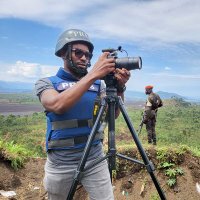
Calling factual reporting “bias” doesn’t make it so. Eastern DRC is occupied by Rwanda-backed M23. Cities are held, civilians displaced, and refugees documented across the region—including those this journalist Hariana Veras covered firsthand. Exposing a humanitarian crisis is

President MAGA Resource Secretary Marco Rubio are committed to end the killing in DRC

Herman J. Cohen Ambassador Cohen highlights real risks from aid cuts and USAID's dismantling: eroded U.S. influence, pivots to China/Russia, and potential disruptions to health/security lifelines. The recently published book “An Autopsy of American Altruism: The Rise and Fall of USAID” examines



The Wall Street Journal Trump and Mayor Mamdani just described a "productive" Oval Office meeting focused on building more housing and affordability in NYC. Weeks earlier (Feb 17), the same mayor warned of a 9.5% property tax increase on middle-income families (~$122k median), plus $980M+ pulled from
The Wall Street Journal Kagame calls Tshisekedi “spoiled” while his troops & M23 still occupy mineral zones post-Washington Accords. That’s not anger — it’s panic. Leverage is flipping. The Tshisekedi Shift is real: from endless proxy plunder → enforced sovereignty, renegotiated deals, real economic