Adil Akhter (@adilakhter) 's Twitter Profile
Adil Akhter

@adilakhter

(λ) Functional Programmer | Minimalist | Futuring Machine Learning Platforms

ID: 16110168

linkhttp://systemantics.io calendar_today03-09-2008 08:58:23

2,2K Tweet

601 Followers

600 Following

Debasish (দেবাশিস্) Ghosh 🇮🇳 (@debasishg) 's Twitter Profile Photo

Paraphrasing Bryan Cantrill on Why Rust ? .. "I can write correct C [..] I can write C that frees memory properly, [..] basically doesn’t suffer from memory corruption .. on memory safety I can do that [..] I am controlling heaven and earth in my software. It makes it very hard

Paraphrasing Bryan Cantrill on Why Rust ? ..

"I can write correct C [..] I can write C that frees memory properly, [..] basically doesn’t suffer from memory corruption .. on memory safety I can do that [..] I am controlling heaven and earth in my software. It makes it very hard
Adam Hearn (@adamhearn_) 's Twitter Profile Photo

Zero-allocation, type-safe state management is possible on the JVM with Scala 3. Kyo leverages this in `Safepoint`, an internal mechanism for stack safety, thread isolation, and debugging. Thread depth, interceptor presence, and ThreadId are all tracked in a single `Long` via

Zero-allocation, type-safe state management is possible on the JVM with Scala 3.

Kyo leverages this in `Safepoint`, an internal mechanism for stack safety, thread isolation, and debugging. Thread depth, interceptor presence, and ThreadId are all tracked in a single `Long` via
Weaviate • vector database (@weaviate_io) 's Twitter Profile Photo

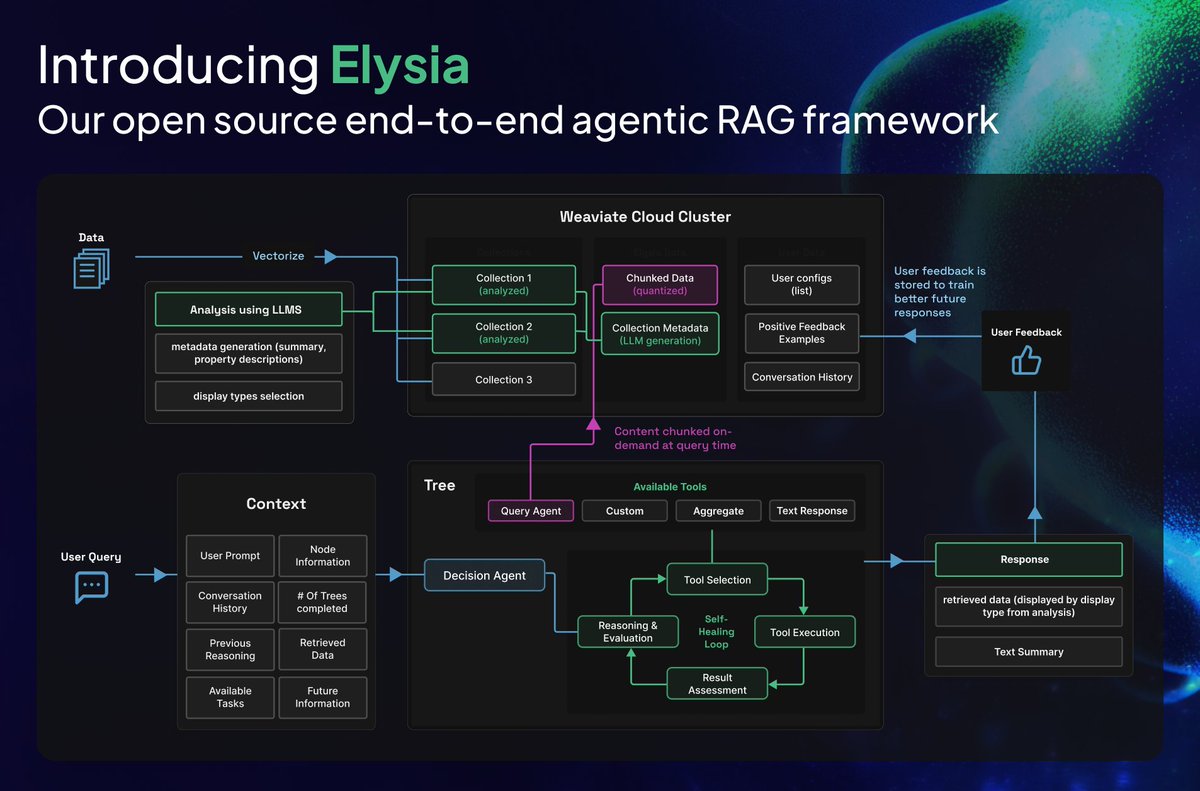
We just released an open source framework that sets up agentic search and RAG in a full web UI on your own data in just two terminal commands. Meet Elysia - a decision tree based agentic system that dynamically displays data, learns from user feedback, and chunks documents

We just released an open source framework that sets up agentic search and RAG in a full web UI on your own data in just two terminal commands.

Meet Elysia - a decision tree based agentic system that dynamically displays data, learns from user feedback, and chunks documents
Spring I/O (@spring_io) 's Twitter Profile Photo

🍃 The simplest way to build resilient applications by Giselle van Dongen @ Spring I/O 2025 ▶️ Video: youtu.be/lYcEa8APBTQ 🔗 Slides: 2025.springio.net/slides/the-sim… 🛠️ Repo: github.com/gvdongen/resta… #springio25 restate

Alex Nemish 🇺🇦 (@atlanter) 's Twitter Profile Photo

Law: All mainstream languages eventually adopt features that Scala introduced 20 years ago, or ML 50 years ago. generics ADTs type inference pattern matching → you are here ← typeclasses implicits HKTs module system / type refinements macros

Dominik Tornow (@dominiktornow) 's Twitter Profile Photo

Agents in their Environment Agents interact with their environment via tools. Tools fall into different categories: Direct Tools correspond to atomic environment actions one-to-one Compositional Tools are programs that correspond to a predetermined sequence of atomic actions

Agents in their Environment

Agents interact with their environment via tools. Tools fall into different categories:

Direct 
Tools correspond to atomic environment actions one-to-one

Compositional
Tools are programs that correspond to a predetermined sequence of atomic actions
Stephan Ewen (@stephanewen) 's Twitter Profile Photo

Weekend read: 𝗔𝗴𝗲𝗻𝘁𝘀 𝘀𝗵𝗼𝘂𝗹𝗱 𝗯𝗲 𝗦𝗲𝗿𝘃𝗲𝗿𝗹𝗲𝘀𝘀 (𝗮𝗻𝗱 𝗗𝘂𝗿𝗮𝗯𝗹𝗲) Serverless platforms are amazing for many AI agents, especially if they do a lot of bursty work (chat sessions with long inactivity) or react to events (approvals). Two things are needed

Debasish (দেবাশিস্) Ghosh 🇮🇳 (@debasishg) 's Twitter Profile Photo

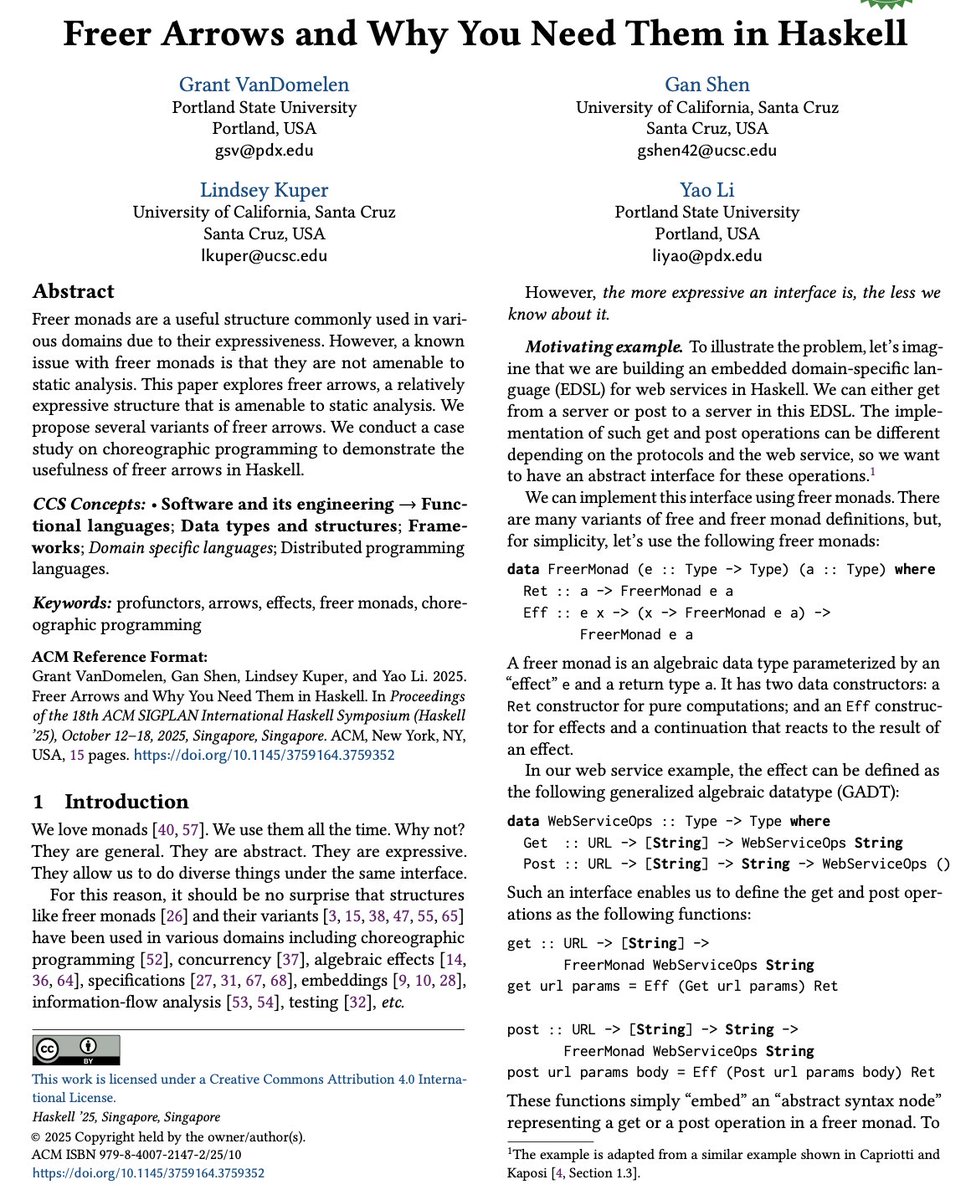
One of my favorite programming idioms - use the least powerful abstraction that works. Monads are too expressive and as the paper says "the more expressive an interface is, the less we know about it." Freer arrows offer the right balance between expressiveness and static

One of my favorite programming idioms - use the least powerful abstraction that works. Monads are too expressive and as the paper says "the more expressive an interface is, the less we know about it."

Freer arrows offer the right balance between expressiveness and static
Edward Kmett (@kmett) 's Twitter Profile Photo

I am a functional programmer not because of the company I work for, but for the company I keep. -- Satnam Singh "Functional Programming and Hardware Design" is such a generic title for such an incredibly dynamic and heartfelt talk. Well worth your time! youtube.com/watch?v=1oBOu6…

Jonathan Brachthäuser (@__protected) 's Twitter Profile Photo

Congratulations Martin Odersky for receiving the SIGPLAN Programming Languages Achievement Award! Your work is a great inspiration for me :) Well deserved!

Congratulations <a href="/odersky/">Martin Odersky</a> for receiving the SIGPLAN Programming Languages Achievement Award! 

Your work is a great inspiration for me :)

Well deserved!
Stephan Ewen (@stephanewen) 's Twitter Profile Photo

Durable Execution + async replication = 🤢 I believe eventual consistency and async replication are way worse for durable execution than they are for many other use cases. Why? Isn't the worst thing that can happen that you re-execute a step you executed before? Why is that

Durable Execution + async replication = 🤢

I believe eventual consistency and async replication are way worse for durable execution than they are for many other use cases.

Why? Isn't the worst thing that can happen that you re-execute a step you executed before? Why is that
Debasish (দেবাশিস্) Ghosh 🇮🇳 (@debasishg) 's Twitter Profile Photo

Love how models errors as values, even OOM is a normal return path in Zig In Zig, allocations are fallible by default. Every allocator method returns an error union that can include `error.OutOfMemory`. So “ran out of memory” is just another expected result you can handle.

Love how models errors as values, even OOM is a normal return path in Zig

In Zig, allocations are fallible by default. Every allocator method returns an error union that can include `error.OutOfMemory`. So “ran out of memory” is just another expected result you can handle.
Gunnar Morling 🌍 (@gunnarmorling) 's Twitter Profile Photo

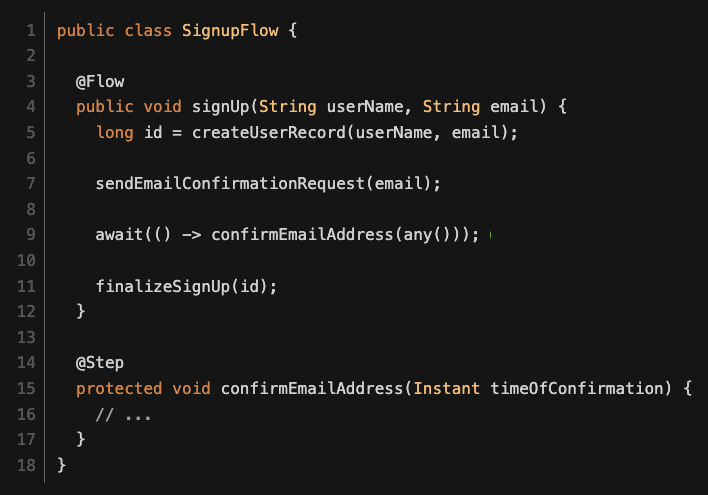
📝"Building a Durable Execution Engine With SQLite" Durable Execution is all the rage these days. In this post I'm exploring the fundamentals of DE, based on a minimal engine built from scratch, using #SQLite as an execution log. 👉morling.dev/blog/building-…

📝"Building a Durable Execution Engine With SQLite"

Durable Execution is all the rage these days. In this post I'm exploring the fundamentals of DE, based on a minimal engine built from scratch, using #SQLite as an execution log.

👉morling.dev/blog/building-…
Debasish (দেবাশিস্) Ghosh 🇮🇳 (@debasishg) 's Twitter Profile Photo

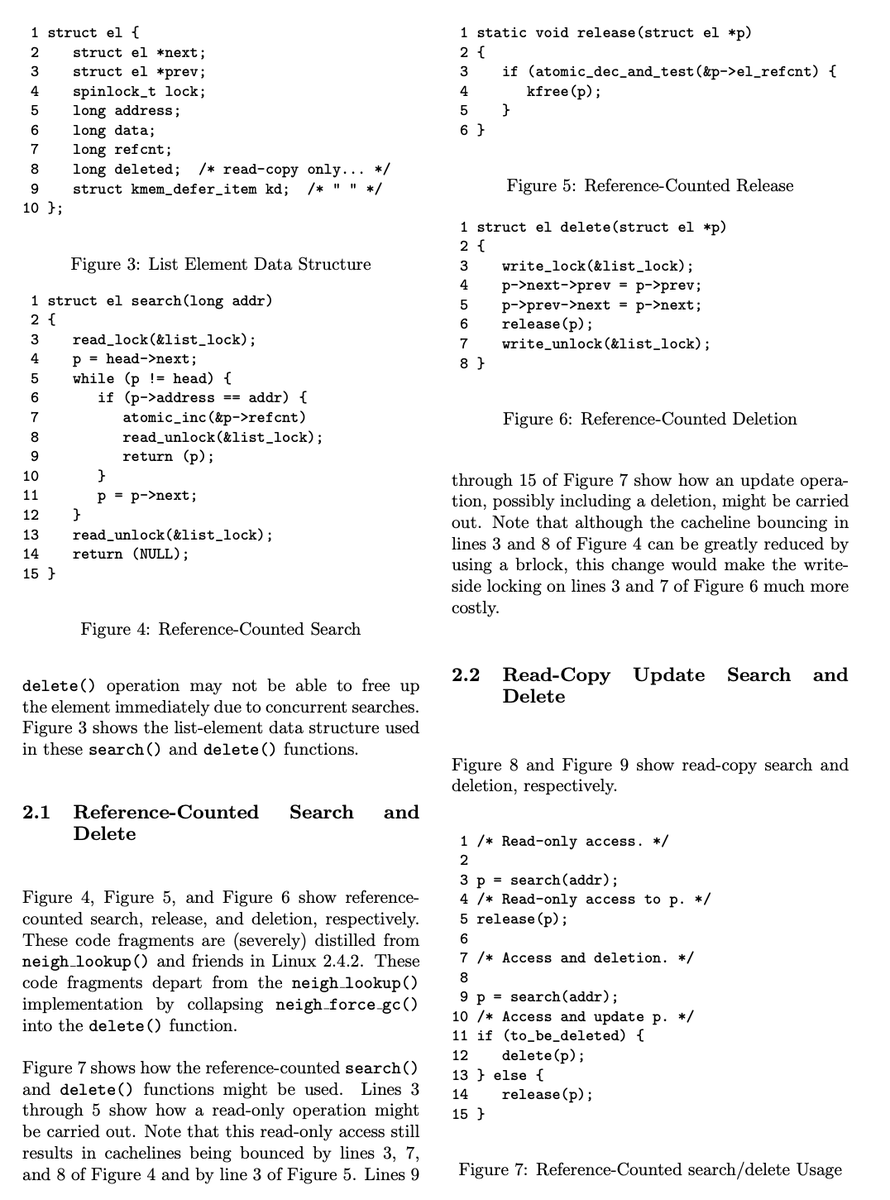
Another nice paper on RCU (predates the one that I posted earlier) - this one does a nice comparison of implementation and the cache line impact analysis of an RCU based search() and delete() in a doubly linked list with a reference counted based one. And highlights the strength

Another nice paper on RCU (predates the one that I posted earlier) - this one does a nice comparison of implementation and the cache line impact analysis of an RCU based search() and delete() in a doubly linked list with a reference counted based one. And highlights the strength
Jaynit (@jaynitx) 's Twitter Profile Photo

In 2014, Peter Thiel gave a 1-hour masterclass on how to build a monopoly from scratch. He broke down how: • Google became untouchable • PayPal beat the odds • Facebook crushed competition Here are 11 timeless lessons from his masterclass: 1. Create value, then capture it

cole murray (@_colemurray) 's Twitter Profile Photo

this is why I didn’t productize OpenInspect it is the same problem in background agent systems which often are a subset of the larger “company brain” problem it’s difficult to solve as a product company and is a better fit for my consulting practice

Gitpod (@gitpod) 's Twitter Profile Photo

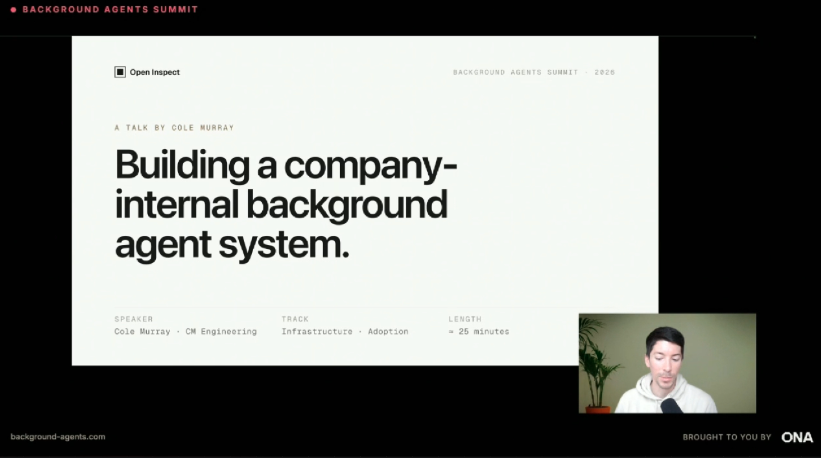
Session 4 is now live with Cole Murray of Open Inspect. He is diving into how companies should approach building a background agent system. Catch the session live at background-agents.com/summit

Session 4 is now live with Cole Murray of Open Inspect. He is diving into how companies should approach building a background agent system. 

Catch the session live at background-agents.com/summit
Bodila (@iarik_parayan) 's Twitter Profile Photo

Jane Street Head of Technology showed the code that generates $13B profit - using it, you can build your own hedge fund (ofc with ai) you’ll watch 50-min of "vibe coding" from a person who has worked for 24 years at a tier-1 fund bookmark - it will change the way you see