Francisco Pareja (@franparejalopez) 's Twitter Profile
Francisco Pareja

@franparejalopez

Profesor de Geografía e Historia. Un (geógrafo) apasionado de los mapas y de la Geografía. Y últimanente, un poco de astrofotografía.

ID: 1294723270932156419

linkhttps://www.youtube.com/channel/UC76iWOl25augfEGB69QHwJw/videos?view_as=subscriber calendar_today15-08-2020 19:51:02

5,5K Tweet

1,1K Followers

838 Following
🔭AstroBackyard (@astrobackyard) 's Twitter Profile Photo

The Tulip Nebula 🌌 My latest image is the stunning Tulip Nebula in the constellation Cygnus, a bright emission nebula about 6,000 light-years from Earth. This version includes 9 hours of total exposure time through my 8-inch Newtonian telescope in the backyard (over 3 nights).

The Tulip Nebula 🌌

My latest image is the stunning Tulip Nebula in the constellation Cygnus, a bright emission nebula about 6,000 light-years from Earth.

This version includes 9 hours of total exposure time through my 8-inch Newtonian telescope in the backyard (over 3 nights).
Aleix Roig (@astrocatinfo) 's Twitter Profile Photo

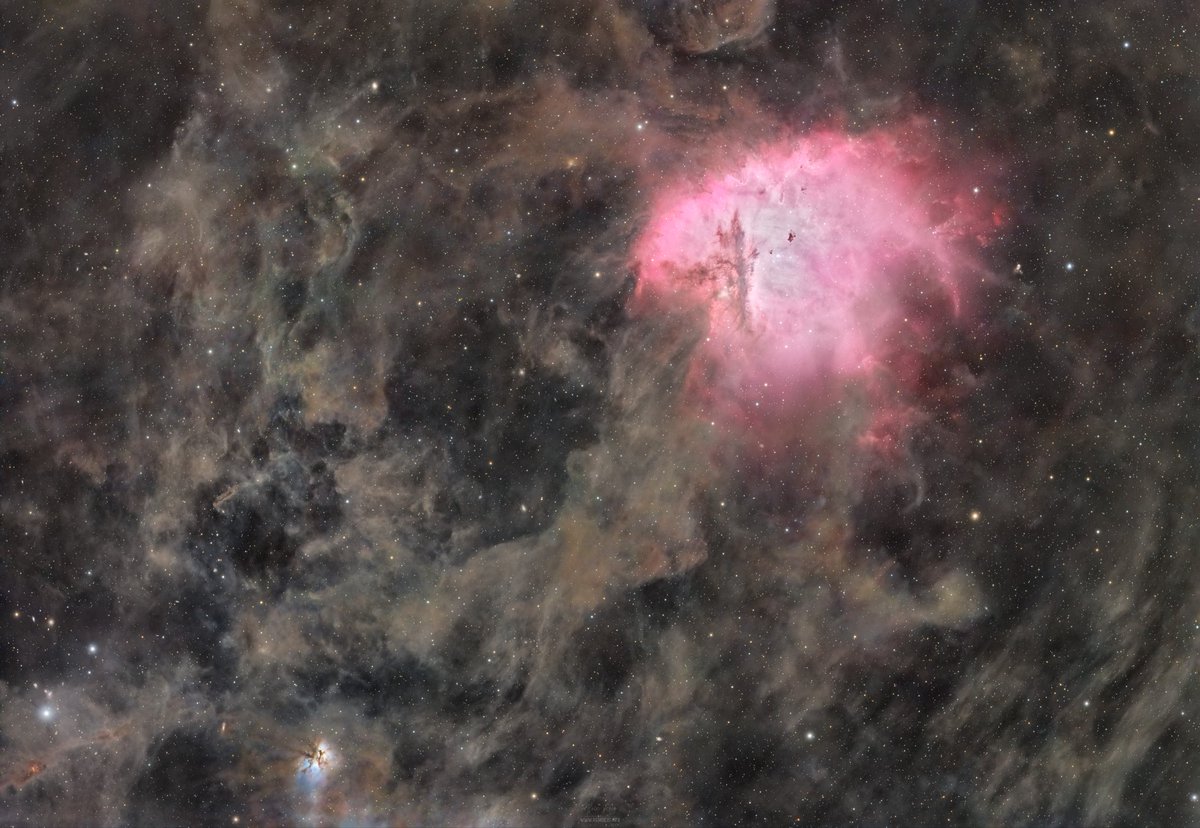
𝗔 𝗗𝗲𝗲𝗽 𝗩𝗶𝗲𝘄 𝗼𝗳 𝘁𝗵𝗲 𝗣𝗮𝗰𝗺𝗮𝗻 𝗡𝗲𝗯𝘂𝗹𝗮 𝘄𝗶𝘁𝗵 𝗜𝗙𝗡 📷 𝟲𝟮𝗵 𝗲𝘅𝗽𝗼𝘀𝘂𝗿𝗲 📷 Aleix Roig 2025

𝗔 𝗗𝗲𝗲𝗽 𝗩𝗶𝗲𝘄 𝗼𝗳 𝘁𝗵𝗲 𝗣𝗮𝗰𝗺𝗮𝗻 𝗡𝗲𝗯𝘂𝗹𝗮 𝘄𝗶𝘁𝗵 𝗜𝗙𝗡 📷 𝟲𝟮𝗵 𝗲𝘅𝗽𝗼𝘀𝘂𝗿𝗲 

📷 <a href="/astrocatinfo/">Aleix Roig</a> 2025
🔭AstroBackyard (@astrobackyard) 's Twitter Profile Photo

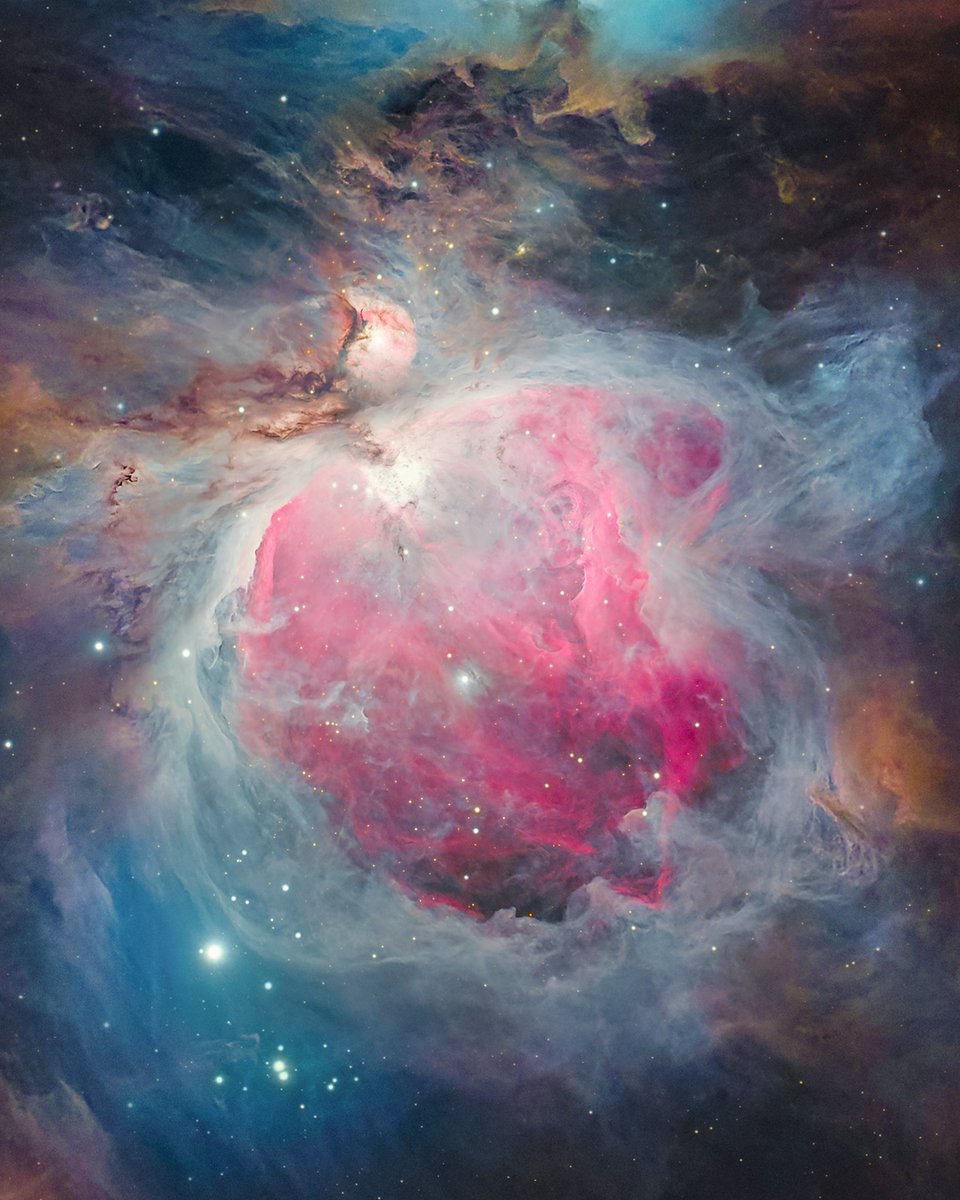
The Orion Nebula 😳 I took this picture using my biggest refractor telescope, revealing the intricate details within the 'stellar nursery' known as M42. It's the closest massive star-forming region to Earth, and can be seen just below 'Orion's Belt' with the naked eye. For

The Orion Nebula 😳

I took this picture using my biggest refractor telescope, revealing the intricate details within the 'stellar nursery' known as M42.

It's the closest massive star-forming region to Earth, and can be seen just below 'Orion's Belt' with the naked eye. 

For
🔭AstroBackyard (@astrobackyard) 's Twitter Profile Photo

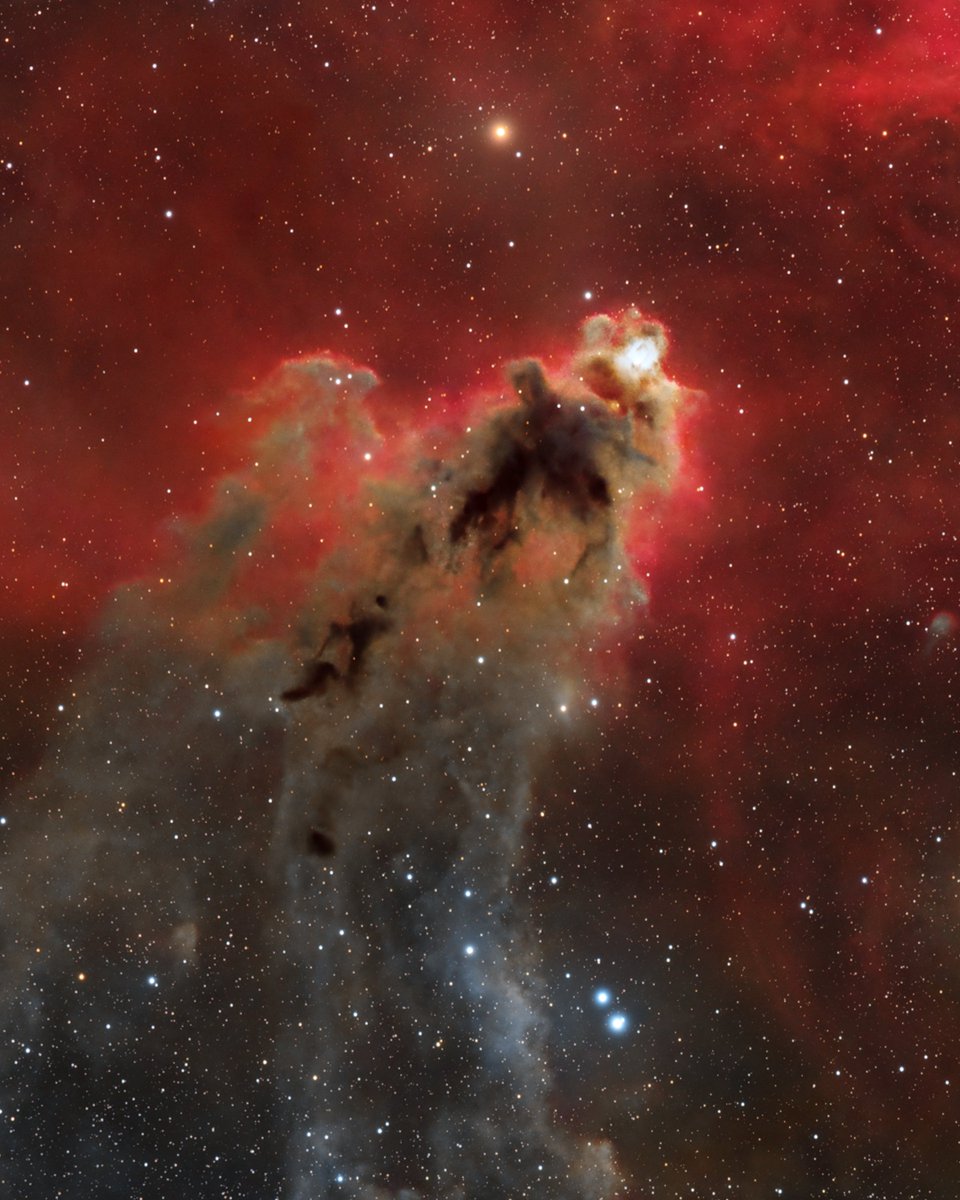
The Boogeyman Nebula 🌌 Here's a fun astrophotography target to try with your telescope this season - but be warned, this one takes TIME! LDN 1622 is a dark nebula in the constellation Orion that resembles 'a dark figure with a head and arms' (I kinda see it) To capture this

The Boogeyman Nebula 🌌

Here's a fun astrophotography target to try with your telescope this season - but be warned, this one takes TIME!

LDN 1622 is a dark nebula in the constellation Orion that resembles 'a dark figure with a head and arms' (I kinda see it)

To capture this
ESA España (@esa_es) 's Twitter Profile Photo

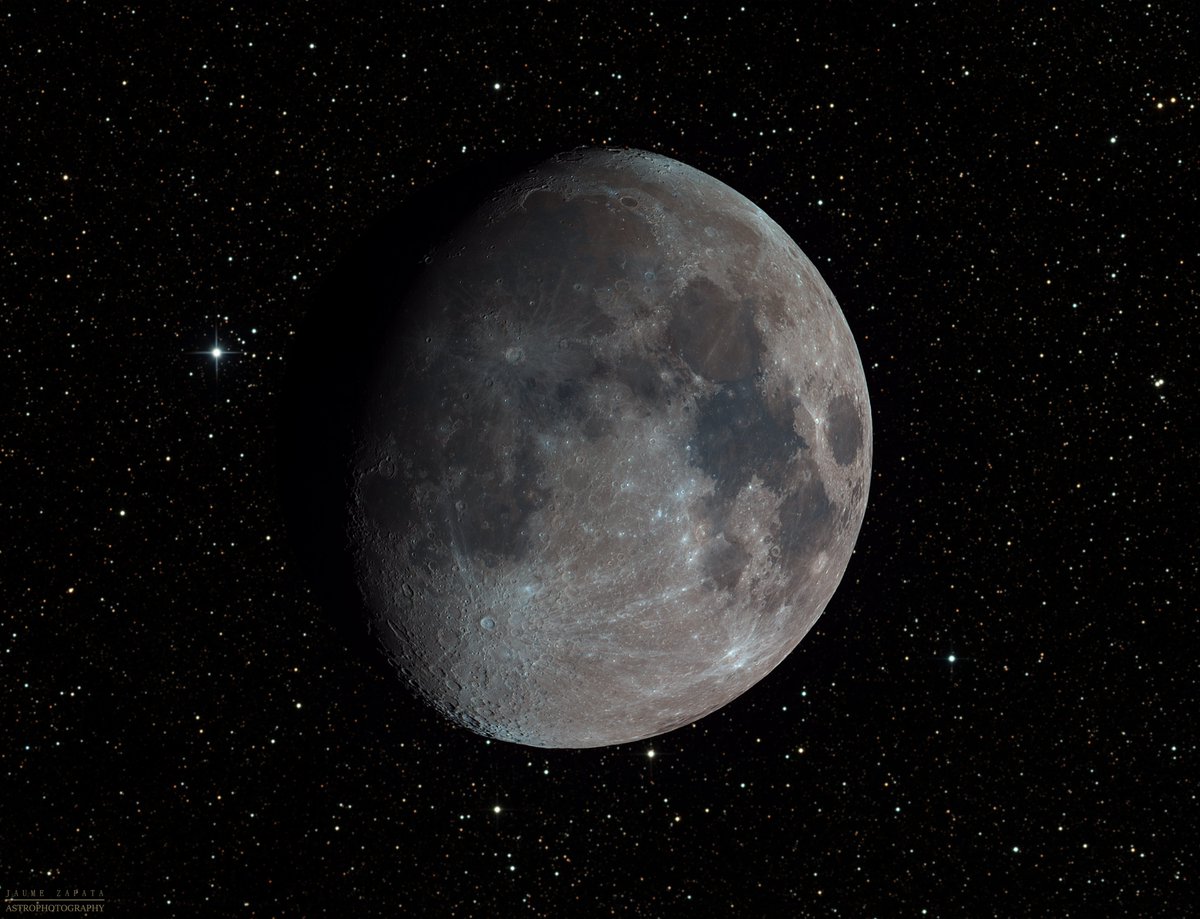
Hoy en #cielosESA... Jaume Zapata nos envía esta bonita imagen de la Luna desde Sabadell, Barcelona ¡Muchas gracias Jaume Zapata por tu foto! Etiqueta tus 📸📸 con #cielosESA

Hoy en #cielosESA...

<a href="/jaume_zapata/">Jaume Zapata</a> nos envía esta bonita imagen de la Luna desde Sabadell, Barcelona

¡Muchas gracias <a href="/jaume_zapata/">Jaume Zapata</a>
por tu foto!
Etiqueta tus 📸📸 con #cielosESA
Álvaro Ibáñez Pérez (@kokehtz) 's Twitter Profile Photo

Aún no me puedo creer que mi foto aparezca hoy en APOD ☺️ Me hace especial ilusion porque esta foto de M15 es una de las que más he ha costado sacar, tanto físicamente (por los incendios que arrasaron Galicia) como por el procesado de los datos adquiridos apod.nasa.gov/apod/ap251126.…
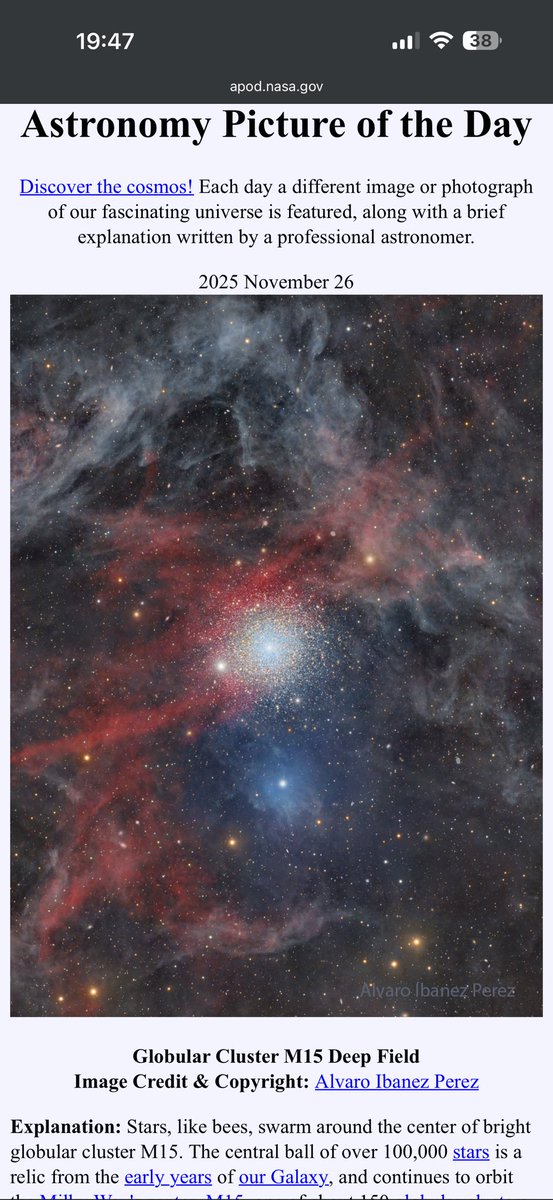
Aún no me puedo creer que mi foto aparezca hoy en APOD ☺️
Me hace especial ilusion porque esta foto de M15 es una de las que más he ha costado sacar, tanto físicamente (por los incendios que arrasaron Galicia) como por el procesado de los datos adquiridos
apod.nasa.gov/apod/ap251126.…

Xavi Bros (@xavi_bros) 's Twitter Profile Photo

A blazar is an active galactic nucleus with a relativistic jet (composed of ionized matter traveling at nearly the speed of light) directed towards the observer. A quasar is the same kind of object but with its jet directed to another direction. Illustration: Pablo della Paolera

A blazar is an active galactic nucleus with a relativistic jet (composed of ionized matter traveling at nearly the speed of light) directed towards the observer. 
A quasar is the same kind of object but with its jet directed to another direction.
Illustration: Pablo della Paolera
ESA España (@esa_es) 's Twitter Profile Photo

Hoy en #cielosESA... Astrofotografía A.R.B. nos envía esta espectacular imagen de la nebulosa Roseta, NGC 2244 ¡Muchas gracias Astrofotografía A.R.B. por tu foto! Etiqueta tus 📸📸 con #cielosESA

Hoy en #cielosESA...

<a href="/AbelBorrasca/">Astrofotografía A.R.B.</a> nos envía esta espectacular imagen de la nebulosa Roseta, NGC 2244

¡Muchas gracias <a href="/AbelBorrasca/">Astrofotografía A.R.B.</a> por tu foto!

Etiqueta tus 📸📸 con #cielosESA

IGEO (CSIC-UCM) (@igeociencias) 's Twitter Profile Photo

Hoy, a las 16:03h (hora peninsular española) con el solsticio de invierno, dará comienzo esta estación astronómica en el hemisferio norte. ¿Pero por qué se producen las estaciones astronómicas?, con esta animación de Germán Valencia García que más claro.

ESA España (@esa_es) 's Twitter Profile Photo

Hoy en #cielosESA... LORENZO CORDERO nos envía esta impresionante imagen de las nubes de gas de las nebulosas más importantes de la constelación de Orión ¡Muchas gracias LORENZO CORDERO por tu foto! Etiqueta tus 📸📸con #cielosESA
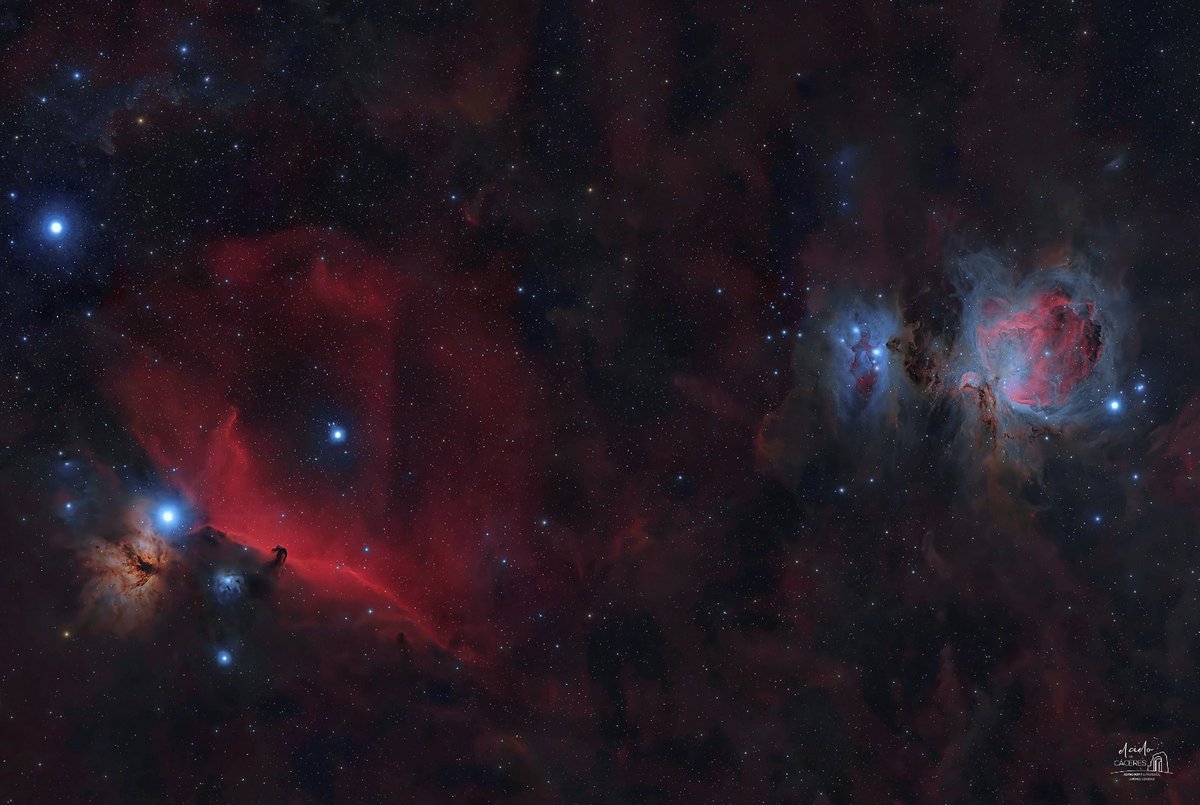
Hoy en #cielosESA...

<a href="/lorenzocordero/">LORENZO CORDERO</a> nos envía esta impresionante imagen de las nubes de gas de las nebulosas más importantes de la constelación de Orión

¡Muchas gracias <a href="/lorenzocordero/">LORENZO CORDERO</a> por tu foto!
Etiqueta tus 📸📸con #cielosESA
Xavi Bros (@xavi_bros) 's Twitter Profile Photo

Galaxy cluster MACS J1149, with more than 300 galaxies, situated 5000 million light-years far, imaged by the JWST. At the cluster’s centre, some massive elliptical galaxies distorted the light of galaxies situated behind by gravitational lensing.

Galaxy cluster MACS J1149, with more than 300 galaxies, situated 5000 million light-years far, imaged by the JWST.
At the cluster’s centre, some massive elliptical galaxies distorted the light of galaxies situated behind by gravitational lensing.