ECEPRC (@eceprc) 's Twitter Profile
ECEPRC

@eceprc

Early Childhood Professional Resource Centre - Creating a bridge between research and practice in early learning and child care.

ID: 1531084981

linkhttps://linktr.ee/ECEPRC calendar_today19-06-2013 14:51:17

964 Tweet

802 Followers

432 Following
ECEPRC (@eceprc) 's Twitter Profile Photo

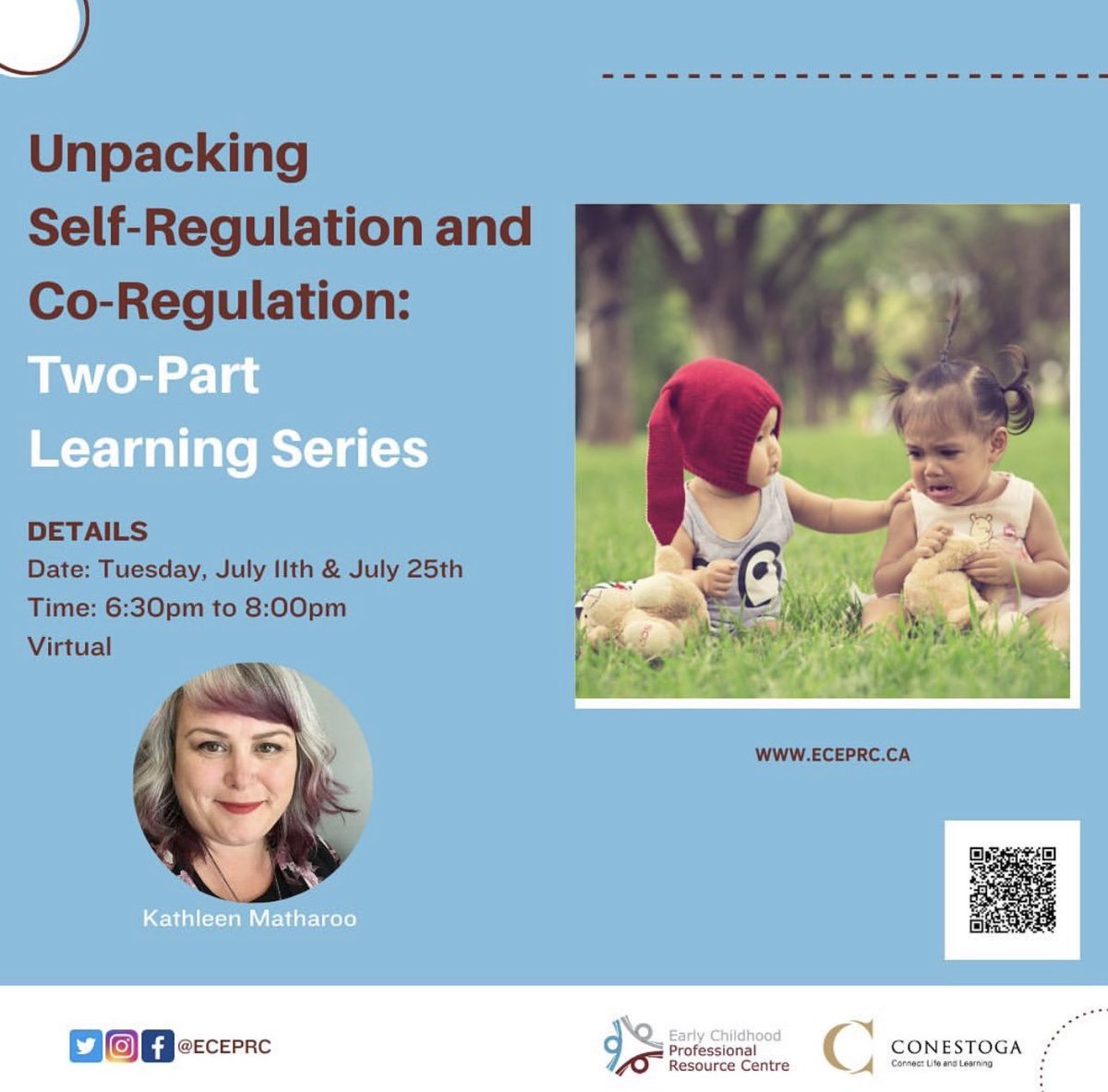
Are you in a leadership role? Join us on Wednesday, August 16th for an insightful Leadership Summit being held at Conestoga College - Doon Campus. "Together, we live, we dream, and we grow in the same world" Register here: eventbrite.ca/e/leadership-s…

Are you in a leadership role? Join us on Wednesday, August 16th for an insightful Leadership Summit being held at Conestoga College - Doon Campus.

"Together, we live, we dream, and we grow in the same world"

Register here: eventbrite.ca/e/leadership-s…
ECEPRC (@eceprc) 's Twitter Profile Photo

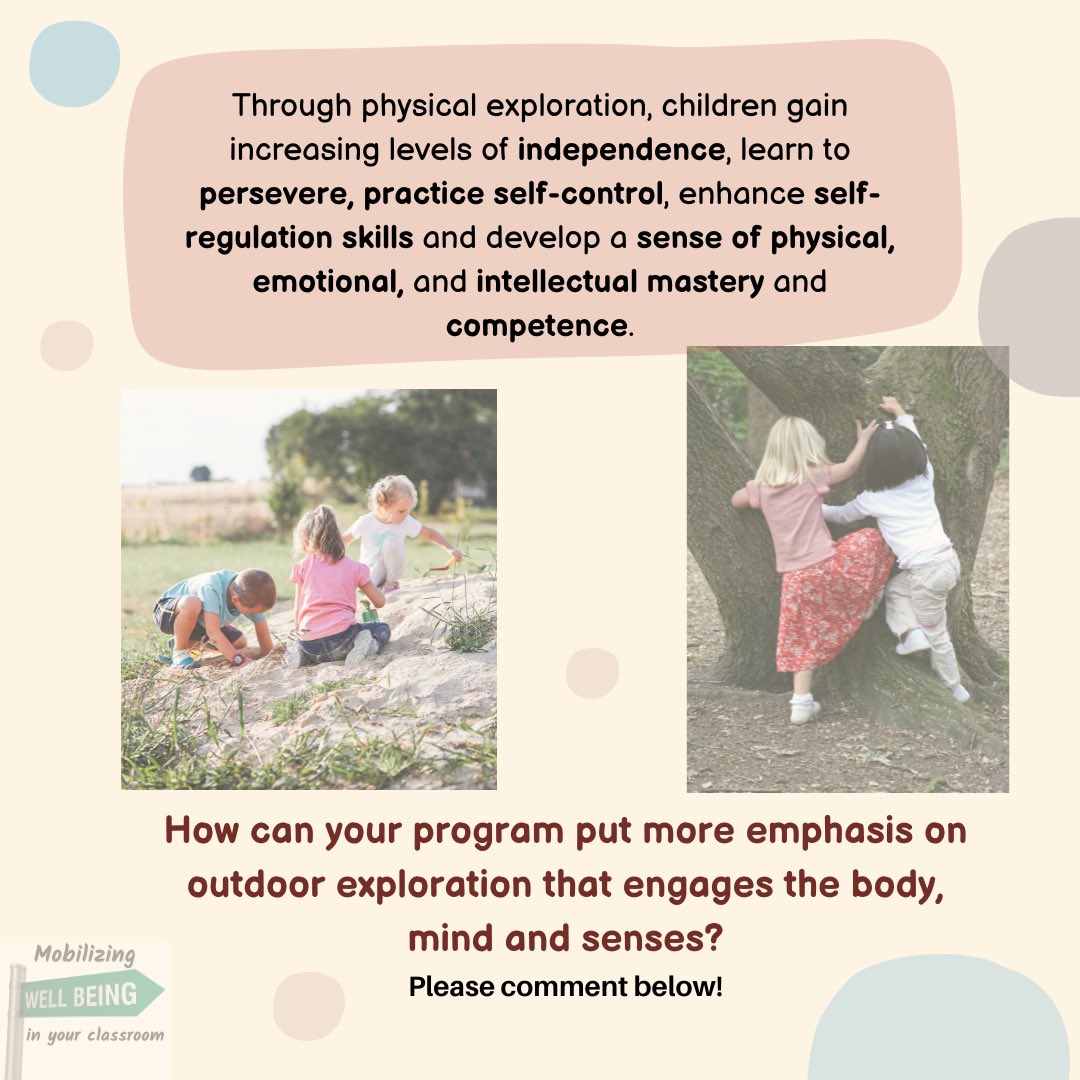
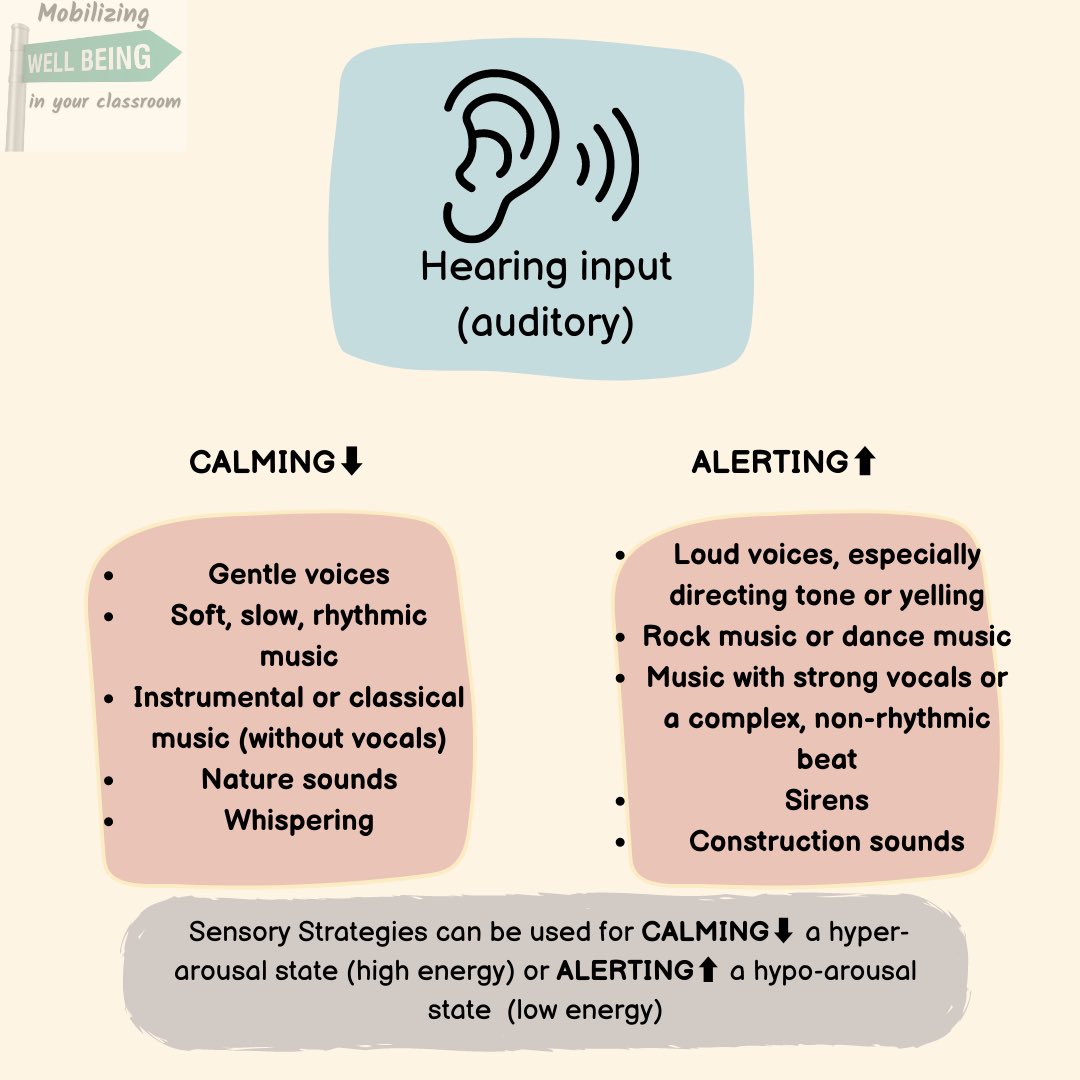
Did you know that elements that contribute to well-being can also be viewed as strategies to reduce stress? What environmental factors may be causing stress for children? What changes can be made to reduce stress for ALL who use the space? #HowDoesLearningHappen

Did you know that elements that contribute to well-being can also be viewed as strategies to reduce stress? What environmental factors may be causing stress for children? What changes can be made to reduce stress for ALL who use the space?

#HowDoesLearningHappen
ECEPRC (@eceprc) 's Twitter Profile Photo

Risky or Unstructured Play has many benefits for children’s development and well-being. Most importantly, it creates natural opportunities for building trusting relationships among peers and educators. #HowDoesLearningHappen #RiskyPlay

Risky or Unstructured Play has many benefits for children’s development and well-being. Most importantly, it creates natural opportunities for building trusting relationships among peers and educators.

#HowDoesLearningHappen #RiskyPlay
ECEPRC (@eceprc) 's Twitter Profile Photo

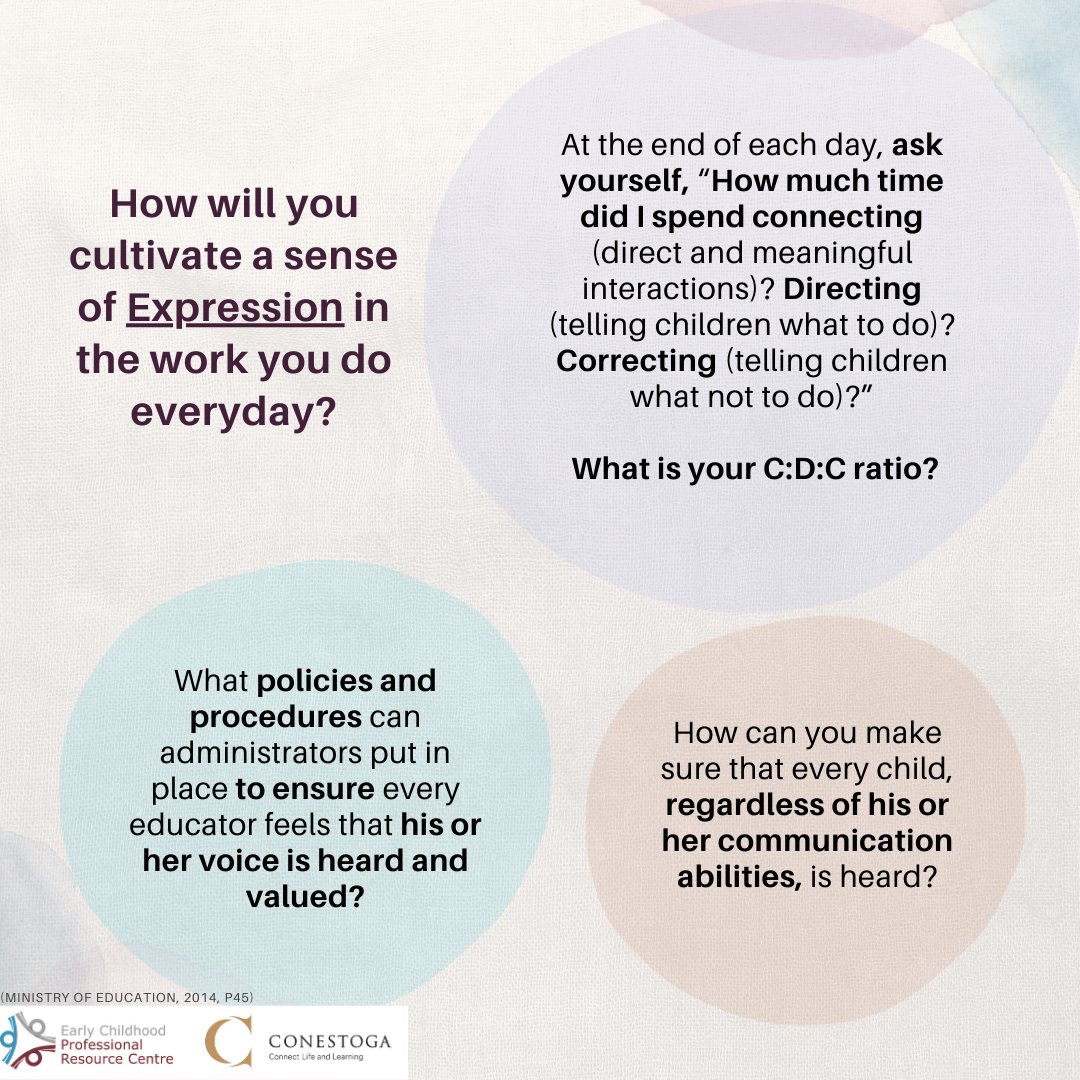
1/3 Children’s present and future well-being is influenced by their ability to self-regulate. How can your program move from a focus on the adult managing children’s behaviour towards a stronger focus on supporting children’s developing self-regulation capacities?

1/3 

Children’s present and future well-being is influenced by their ability to self-regulate. How can your program move from a focus on the adult managing children’s behaviour towards a stronger focus on supporting children’s developing self-regulation capacities?
ECEPRC (@eceprc) 's Twitter Profile Photo

2/3 Children’s present and future well-being is influenced by their ability to self-regulate. How can your program move from a focus on the adult managing children’s behaviour towards a stronger focus on supporting children’s developing self-regulation capacities?

2/3 

Children’s present and future well-being is influenced by their ability to self-regulate. How can your program move from a focus on the adult managing children’s behaviour towards a stronger focus on supporting children’s developing self-regulation capacities?
ECEPRC (@eceprc) 's Twitter Profile Photo

3/3 Children’s present and future well-being is influenced by their ability to self-regulate. How can your program move from a focus on the adult managing children’s behaviour towards a stronger focus on supporting children’s developing self-regulation capacities?

3/3

Children’s present and future well-being is influenced by their ability to self-regulate. How can your program move from a focus on the adult managing children’s behaviour towards a stronger focus on supporting children’s developing self-regulation capacities?
ECEPRC (@eceprc) 's Twitter Profile Photo

High-quality early childhood programs play an important role in supporting children’s developing sense of self, autonomy, and competence. During which times of the day do children display higher resistance to change and demonstrate uncooperative behaviour? Why might this be?

High-quality early childhood programs play an important role in supporting children’s developing sense of self, autonomy, and competence. During which times of the day do children display higher resistance to change and demonstrate uncooperative behaviour? Why might this be?
ECEPRC (@eceprc) 's Twitter Profile Photo

Learning and development happens within the context of relationships among children, families, educators, and their environments. Think about what it means to make a “connection” to another person or place. What fosters those connections? What stands in the way?

Learning and development happens within the context of relationships among children, families, educators, and their environments. Think about what it means to make a “connection” to another person or place. What fosters those connections? What stands in the way?
ECEPRC (@eceprc) 's Twitter Profile Photo

“Every smile, every conversation, every hug, every high five, every story, every dance, every song, every-time you play with a child, YOU have made a difference, brought sunshine and happiness into a child’s life.  We appreciate you!”

“Every smile, every conversation, every hug, every high five, every story, every dance, every song, every-time you play with a child, YOU have made a difference, brought sunshine and happiness into a child’s life.  We appreciate you!”
ECEPRC (@eceprc) 's Twitter Profile Photo

This monthly Community of Practice asks the question: How can we as educators use read-alouds as an equity-building tool in early learning settings? Register through the link: eventbrite.ca/e/cuddle-up-re…

This monthly Community of Practice asks the question: How can we as educators use read-alouds as an equity-building tool in early learning settings? 

Register through the link: eventbrite.ca/e/cuddle-up-re…