vanlaukaus (@vanlaukaus) 's Twitter Profile
vanlaukaus

@vanlaukaus

i design hard sci-fi spacecraft occasionally.

ID: 1771437686223486976

calendar_today23-03-2024 07:24:07

38 Tweet

61 Followers

8 Following

vanlaukaus (@vanlaukaus) 's Twitter Profile Photo

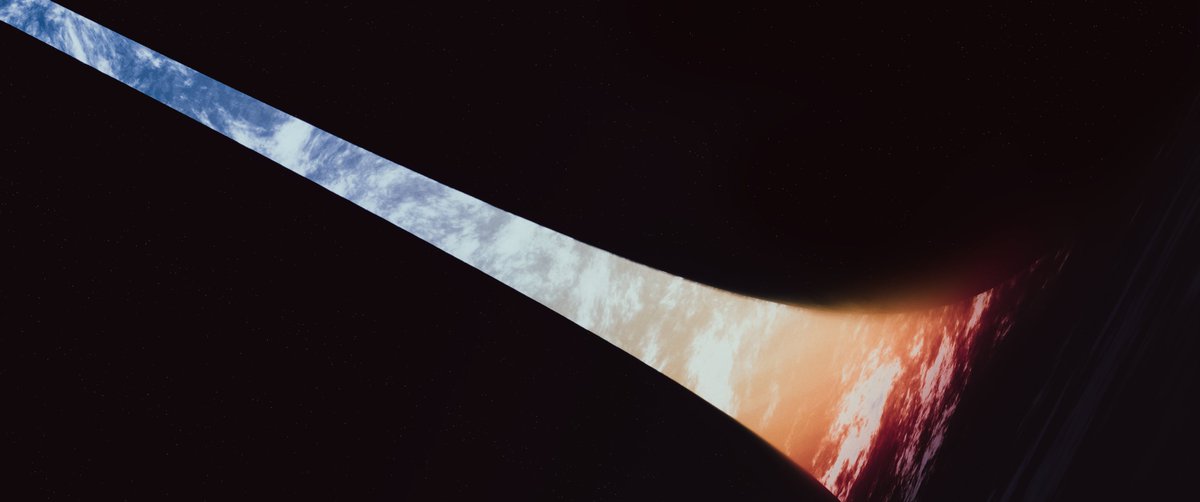
Due to rotation, the ring's structure is constantly subjected to 142 TPa of passive stress - 1 100 times the limit of CNT, 2 400 times the limit of perfect diamond and over 28 000 times the limit of steel. Within modern physics there is very few plausible ways for it to exist.

Due to rotation, the ring's structure is constantly subjected to 142 TPa of passive stress - 1 100 times the limit of CNT, 2 400 times the limit of perfect diamond and over 28 000 times the limit of steel. 
Within modern physics there is very few plausible ways for it to exist.
vanlaukaus (@vanlaukaus) 's Twitter Profile Photo

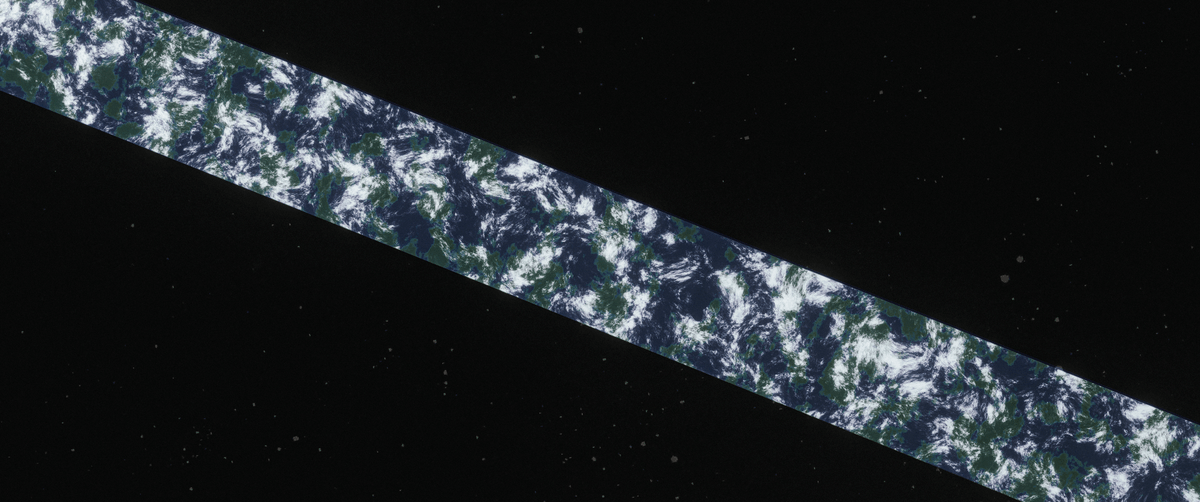
The habitat’s climate is designed to largely replicate the temperate conditions of pre-industrial Earth. Its atmospheric layer exceeds that of Earth by a factor of 1 170 in both volume and mass. Retained by two 500 kilometer tall border walls, it needs no ceiling.

The habitat’s climate is designed to largely replicate the temperate conditions of pre-industrial Earth. 

Its atmospheric layer exceeds that of Earth by a factor of 1 170 in both volume and mass. Retained by two 500 kilometer tall border walls, it needs no ceiling.
vanlaukaus (@vanlaukaus) 's Twitter Profile Photo

Exactly half of its surface is covered in water. The remaining open land area totals 291 billion square kilometers, equivalent to roughly 571 Earth surfaces (water included) or 4.8 times the "surface" area of Jupiter worth of habitable land.

Exactly half of its surface is covered in water. The remaining open land area totals 291 billion square kilometers, equivalent to roughly 571 Earth surfaces (water included) or 4.8 times the "surface" area of Jupiter worth of habitable land.
vanlaukaus (@vanlaukaus) 's Twitter Profile Photo

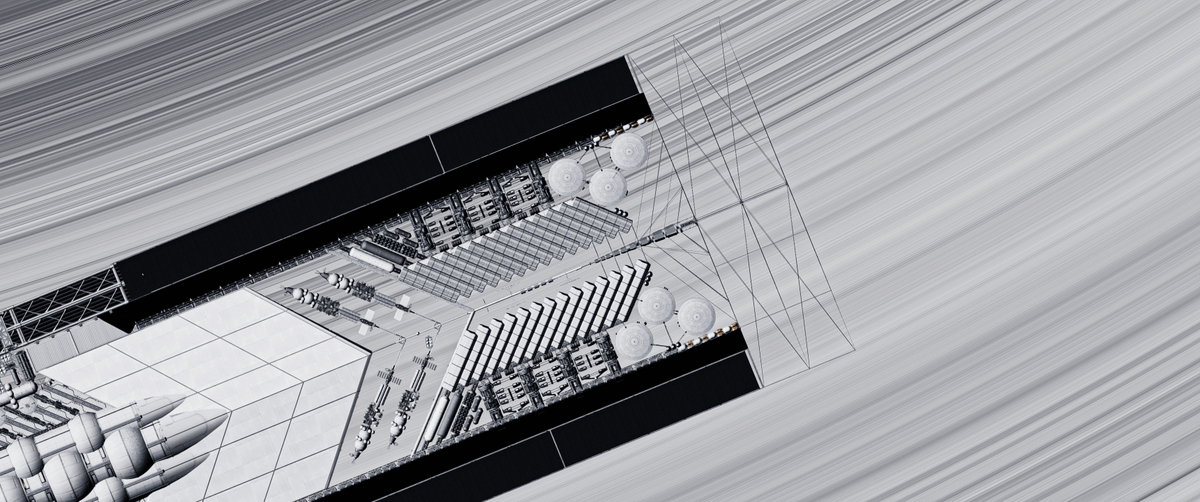
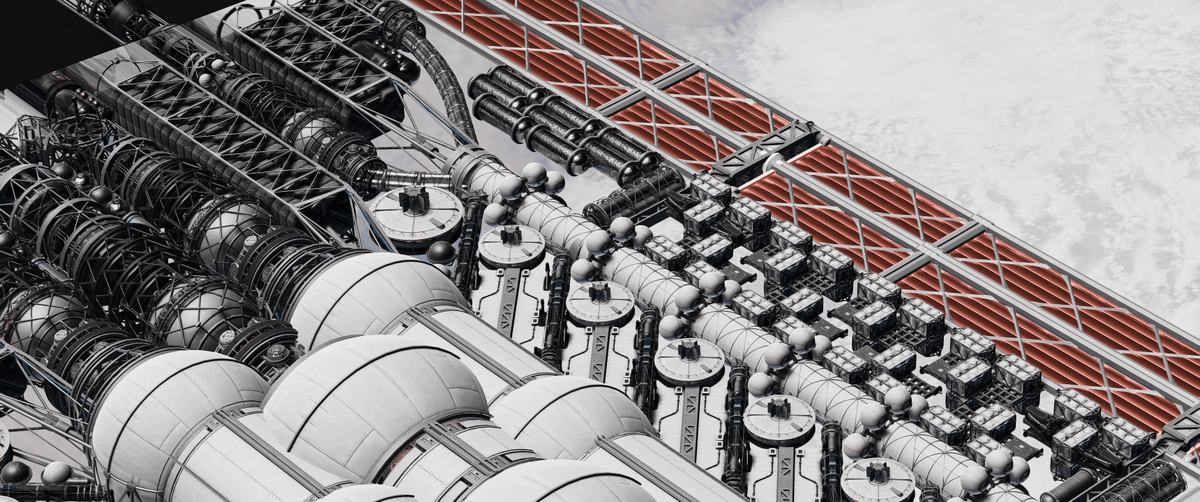
Fairly happy with detail on this one. Pictured below is the ship's fuel and propulsion hardware section, as large as a city district and operating with energy levels exceeding those used by all of modern humanity by orders of magnitude.

Fairly happy with detail on this one. Pictured below is the ship's fuel and propulsion hardware section, as large as a city district and operating with energy levels exceeding those used by all of modern humanity by orders of magnitude.
vanlaukaus (@vanlaukaus) 's Twitter Profile Photo

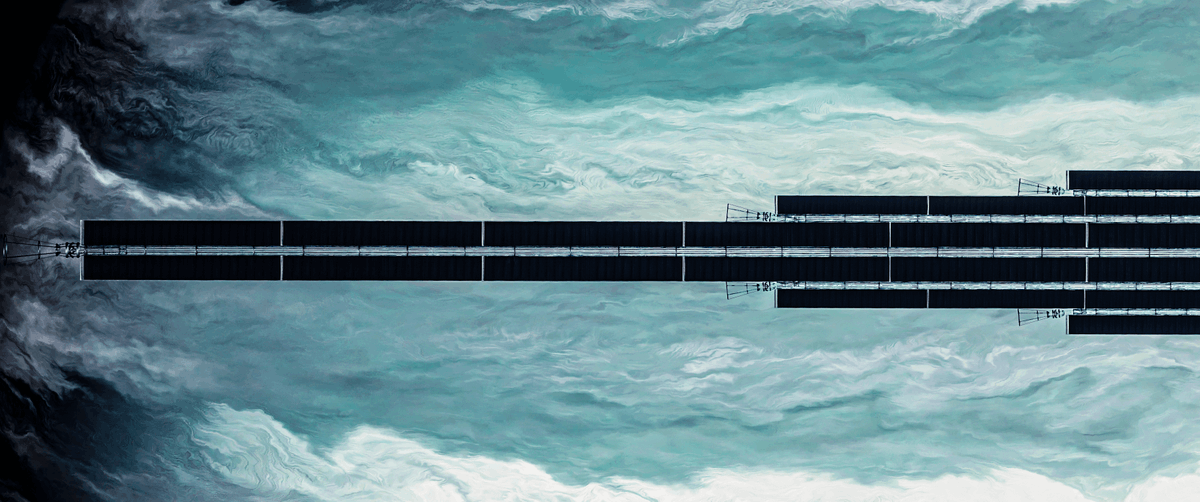
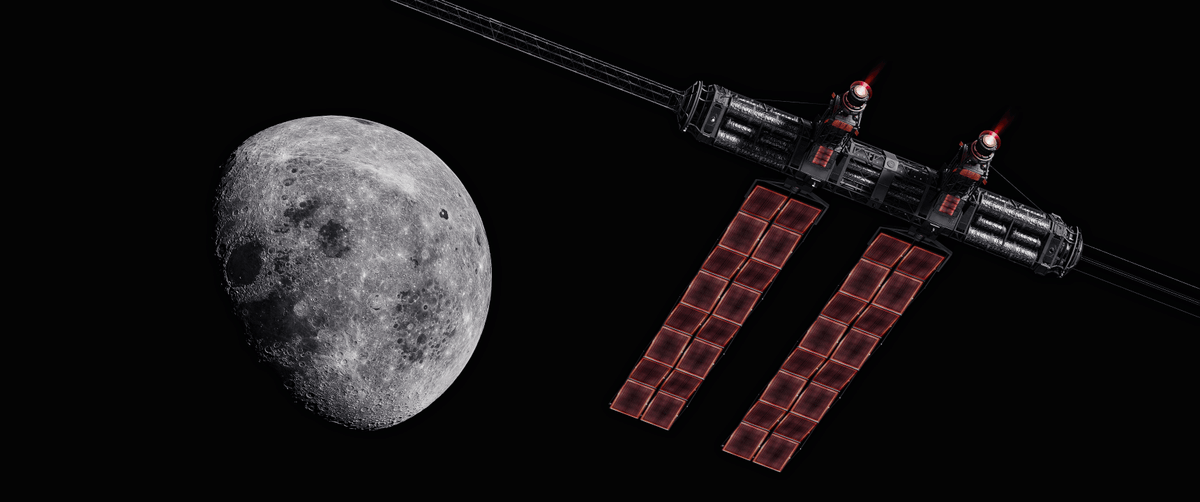
Despite technically being "low temperature", propulsion section's radiators still can get over the Draper point, visibly glowing red when pushed to their limits. Since the ship doesn't use cryogenic fuels, most of its components are less sensitive to heat than one'd expect.

Despite technically being "low temperature", propulsion section's radiators still can get over the Draper point, visibly glowing red when pushed to their limits.
Since the ship doesn't use cryogenic fuels, most of its components are less sensitive to heat than one'd expect.
vanlaukaus (@vanlaukaus) 's Twitter Profile Photo

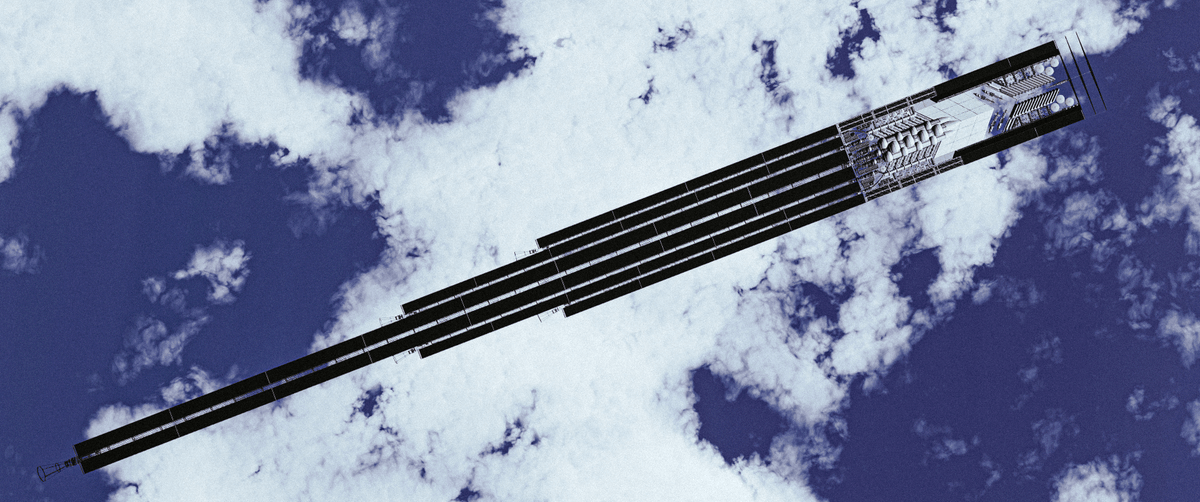
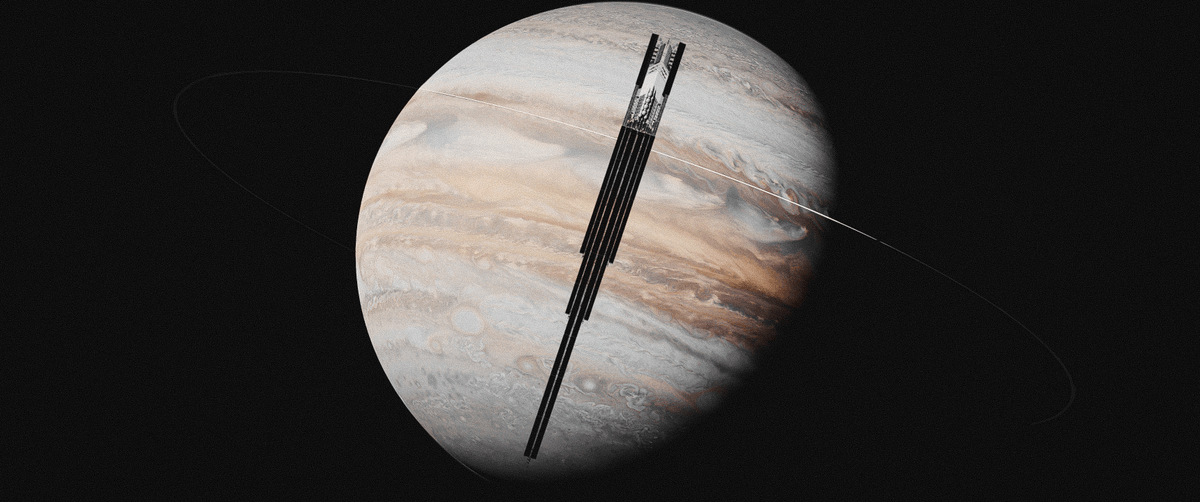
It is completely fair that ships like this must never be brought near any planet - it is pointless and dangerous beyond measure. Yet, if it were, for some reason, to appear in low Earth orbit, its angular size would reach 35°. For reference, the Moon is roughly 0.5° in our sky.

It is completely fair that ships like this must never be brought near any planet - it is pointless and dangerous beyond measure.
Yet, if it were, for some reason, to appear in low Earth orbit, its angular size would reach 35°. 
For reference, the Moon is roughly 0.5° in our sky.
vanlaukaus (@vanlaukaus) 's Twitter Profile Photo

Unfortunately, exhausts of the five mass drivers utilized by Chandelier won't be visible to the naked eye even when the ship is accelerating at full throttle. I'm fairly certain relativistic high-energy plasma will only emit in radio frequency inside its accelerators.

Unfortunately, exhausts of the five mass drivers utilized by Chandelier won't be visible to the naked eye even when the ship is accelerating at full throttle. I'm fairly certain relativistic high-energy plasma will only emit in radio frequency inside its accelerators.
vanlaukaus (@vanlaukaus) 's Twitter Profile Photo

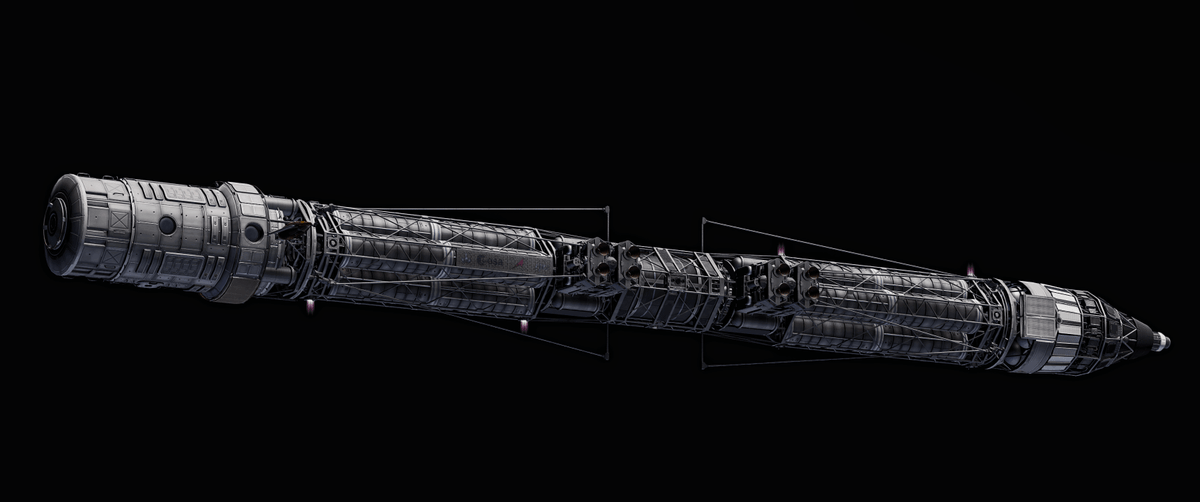
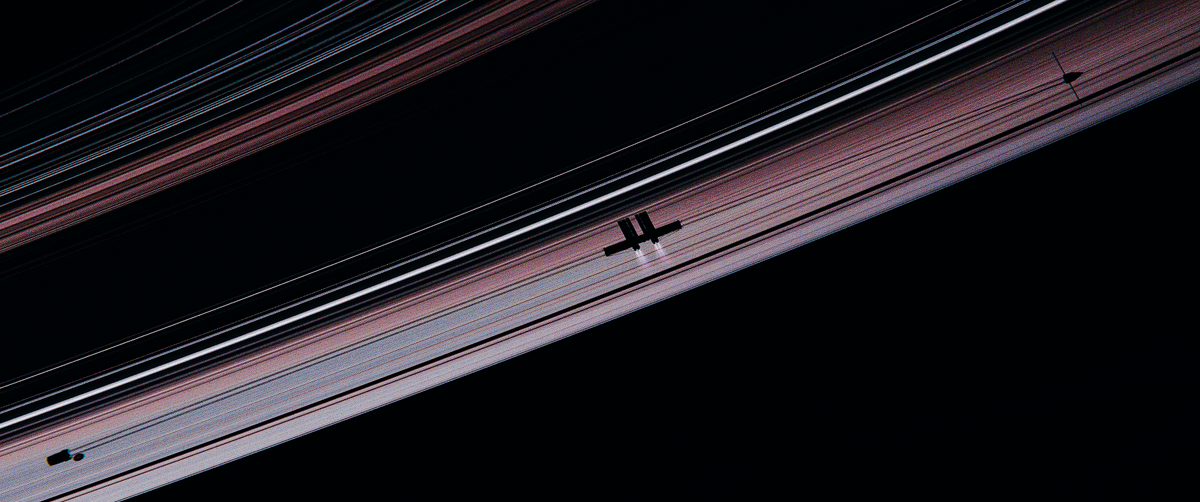
To balance the futuristic clarketechy ISV out, I present DSELV-2 Dzhanibekov. It's a VASIMR-powered interplanetary ship made for short Earth-Mars transfers and first crewed flyby missions to Jupiter and Saturn. At 162 tons and 33 meters of length, it can be single-launched.

To balance the futuristic clarketechy ISV out, I present DSELV-2 Dzhanibekov. It's a VASIMR-powered interplanetary ship made for short Earth-Mars transfers and first crewed flyby missions to Jupiter and Saturn.

At 162 tons and 33 meters of length, it can be single-launched.
vanlaukaus (@vanlaukaus) 's Twitter Profile Photo

When a DSELV-2 departs, it extends two long rigid tethers from both ends, moving the crew and reactor modules away from the center. The ship widens from 33m to nearly 296, providing the crew with a centrifugal radius of ~170m and moving them away from the reactor’s radiation.

When a DSELV-2 departs, it extends two long rigid tethers from both ends, moving the crew and reactor modules away from the center. The ship widens from 33m to nearly 296, providing the crew with a centrifugal radius of ~170m and moving them away from the reactor’s radiation.
vanlaukaus (@vanlaukaus) 's Twitter Profile Photo

With four double-nozzle argon VASIMR engines and a fission reactor to power them, every fueled DSELV-2 has over 79 km/s of dV to its name, allowing for manned return missions to Mars in under three months, to Jupiter in under a year and to Saturn in under two years.

With four double-nozzle argon VASIMR engines and a fission reactor to power them, every fueled DSELV-2 has over 79 km/s of dV to its name, allowing for manned return missions to Mars in under three months, to Jupiter in under a year and to Saturn in under two years.
vanlaukaus (@vanlaukaus) 's Twitter Profile Photo

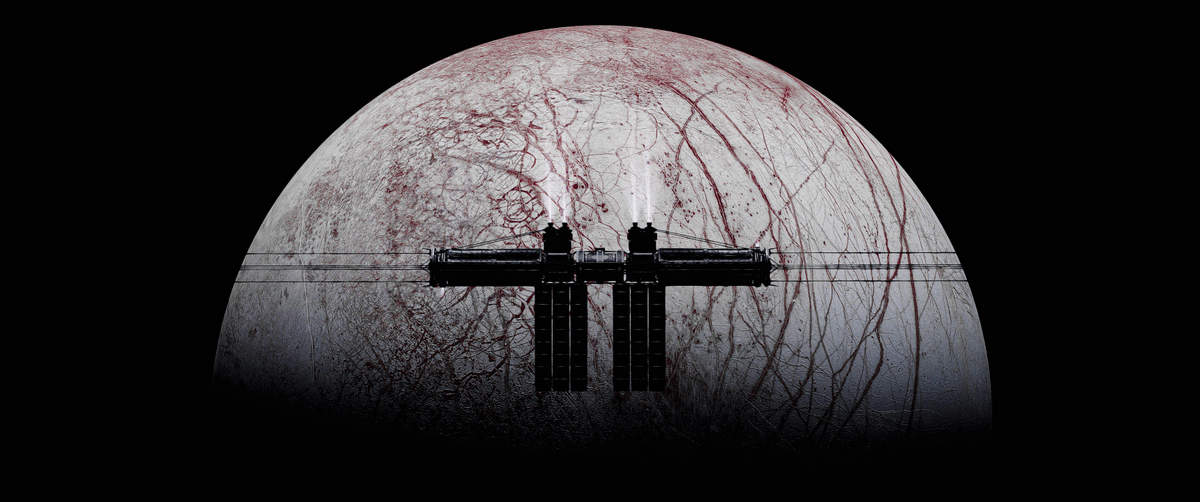
Europa flyby. In fairness, it is troublesome to take DSELV-2 anywhere beyond Jupiter, as 66m³ of total habitable volume is far from comfortable even with only two crew members - a Saturn mission would mean spending almost two years in a volume of an average box truck per person.

Europa flyby. In fairness, it is troublesome to take DSELV-2 anywhere beyond Jupiter, as 66m³ of total habitable volume is far from comfortable even with only two crew members - a Saturn mission would mean spending almost two years in a volume of an average box truck per person.
vanlaukaus (@vanlaukaus) 's Twitter Profile Photo

At least it is exceptional for Mars trips. Under optimal circumstances, a low Earth orbit - low Mars orbit transfer can take as little as 40 standard days.

At least it is exceptional for Mars trips. Under optimal circumstances, a low Earth orbit - low Mars orbit transfer can take as little as 40 standard days.
vanlaukaus (@vanlaukaus) 's Twitter Profile Photo

Been drafting a larger ship of the same general layout, this time MPD powered and better suited for prolonged missions to Jupiter and Saturn.

Been drafting a larger ship of the same general layout, this time MPD powered and better suited for prolonged missions to Jupiter and Saturn.