Türkei Antik (@tuerkeiantik) 's Twitter Profile
Türkei Antik

@tuerkeiantik

ID: 814478033038020608

linkhttp://www.tuerkei-antik.de calendar_today29-12-2016 14:27:50

595 Tweet

1,1K Takipçi

158 Takip Edilen

Türkei Antik (@tuerkeiantik) 's Twitter Profile Photo

The theatre of Aspendos is of Roman origin. The stage house has been preserved at its full height and, together with the theatres in Orange (southern France) and Bosra (Syria), is thus one of the last three ancient theatres with a fully intact stage house.

The theatre of Aspendos is of Roman origin. The stage house has been preserved at its full height and, together with the theatres in Orange (southern France) and Bosra (Syria), is thus one of the last three ancient theatres with a fully intact stage house.
Türkei Antik (@tuerkeiantik) 's Twitter Profile Photo

#Gerdekkaya is a monumental portico grave. The front imitates the facade of a Doric building. The front was restored in 1991. (Photo 4)

#Gerdekkaya
is a monumental portico grave. The front imitates the facade of a Doric building. The front was restored in 1991. (Photo 4)
Türkei Antik (@tuerkeiantik) 's Twitter Profile Photo

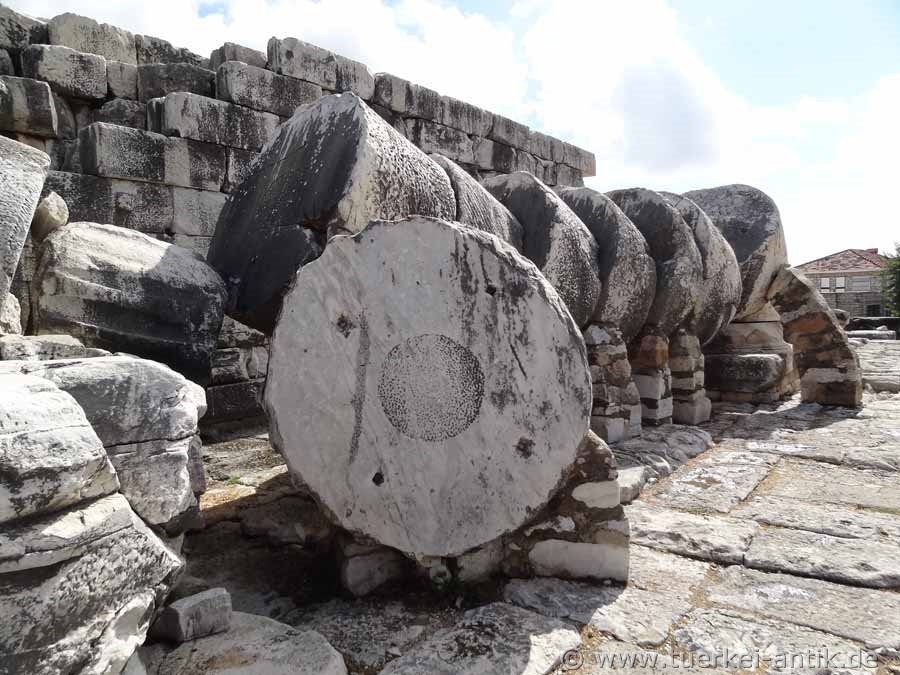
The Temple of Apollo in Didim Unlike Miletus or Priene, Didyma was not a city, but a place of worship dedicated to the god Apollo. The temple of Apollo, as an important oracle shrine, was only surpassed in its size by the Artemision in Ephesus and the Heraion in Ionia.

The Temple of Apollo in Didim 
  
Unlike Miletus or Priene, Didyma was not a city, but a place of worship dedicated to the god Apollo. The temple of Apollo, as an important oracle shrine, was only surpassed in its size by the Artemision in Ephesus and the Heraion in Ionia.
Türkei Antik (@tuerkeiantik) 's Twitter Profile Photo

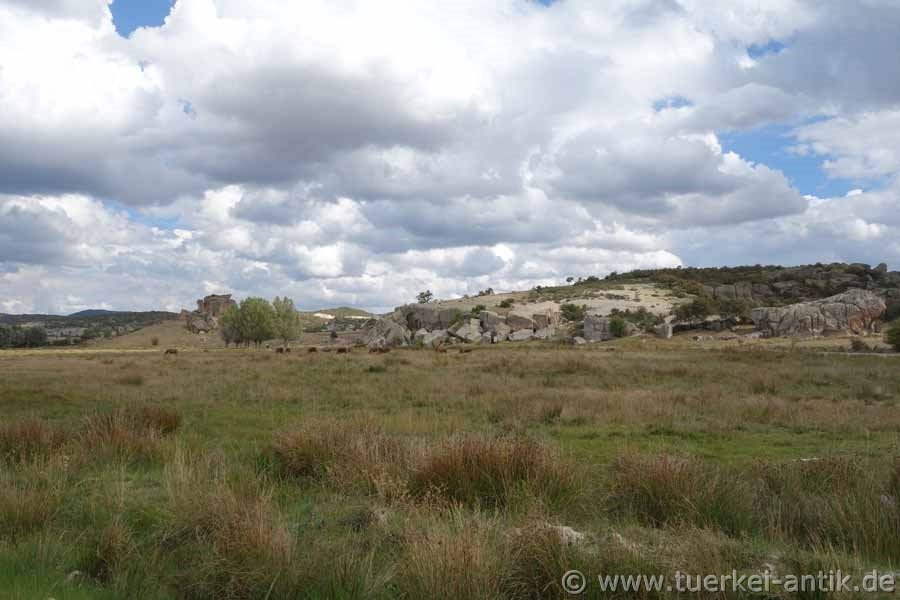
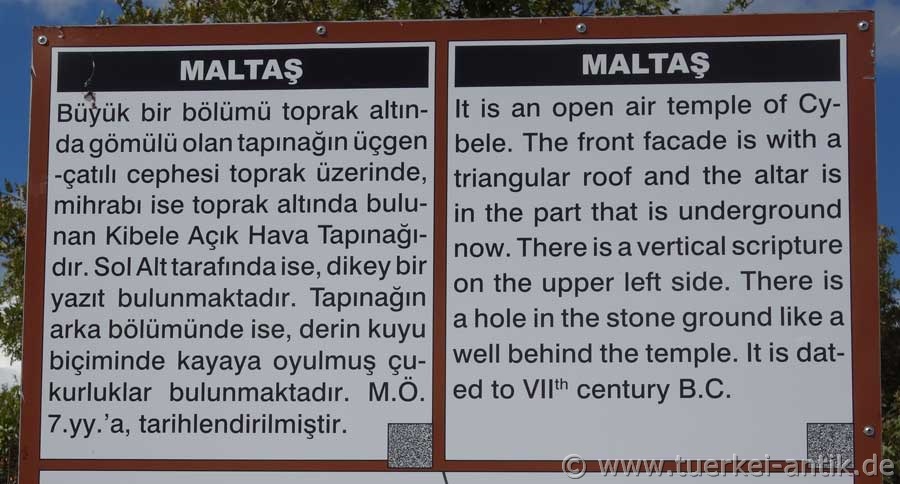
Maltaş, 35 km north of Afyonkarahisar The temple façade Maltaş is within sight, 700 m from the Phrygian rock chamber tombs Aslantaş (Lion's stone) and Yilantaş (Snake stone), on a dirt road that is easy to drive on in dry weather.

Maltaş, 35 km north of Afyonkarahisar
The temple façade Maltaş is within sight, 700 m from the Phrygian rock chamber tombs Aslantaş (Lion's stone) and Yilantaş (Snake stone), on a dirt road that is easy to drive on in dry weather.
Türkei Antik (@tuerkeiantik) 's Twitter Profile Photo

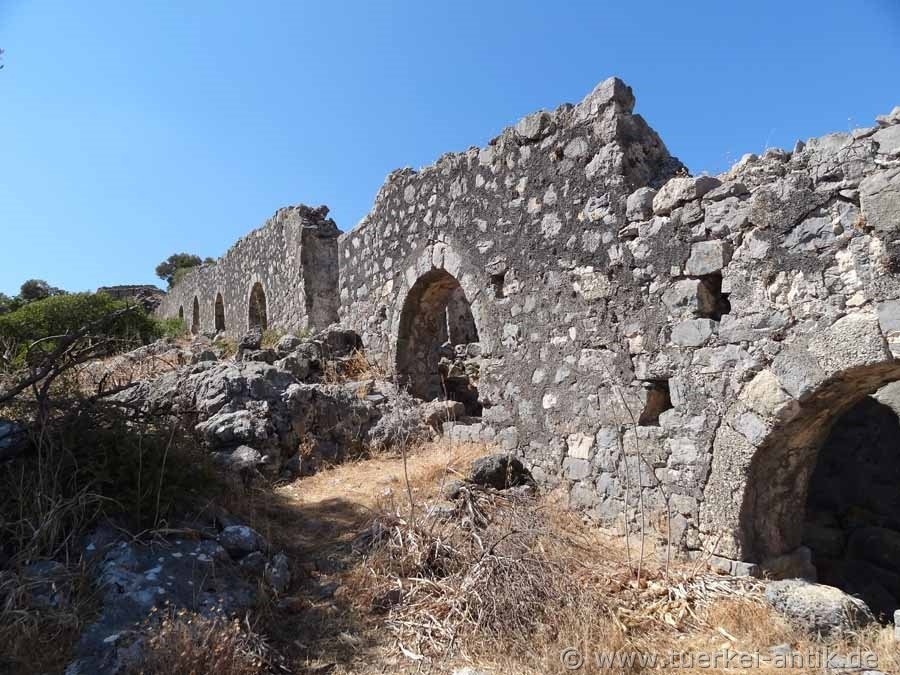
#GemilerAdası, St. Nicholas Island, near Fethiye The Gemiler Adası (Island of Boats) is a Byzantine monastery island, of which many archaeologists assume that the original tomb of St Nicholas, Bishop of Myra, was located here.

#GemilerAdası, St. Nicholas Island, near Fethiye
The Gemiler Adası (Island of Boats) is a Byzantine monastery island, of which many archaeologists assume that the original tomb of St Nicholas, Bishop of Myra, was located here.
Türkei Antik (@tuerkeiantik) 's Twitter Profile Photo

Nemrut Dağı in Cappadocia On the top of the mountain rises a monumental combination of sanctuary and tomb. It was built by the late Hellenistic king Antiochos I. Theos (69-36 BC) of Kommagene. tuerkei-antik.de/Fotoseiten/inl…

Nemrut Dağı in Cappadocia
On the top of the mountain rises a monumental combination of sanctuary and tomb. It was built by the late Hellenistic king Antiochos I. Theos (69-36 BC) of Kommagene. 
tuerkei-antik.de/Fotoseiten/inl…
Türkei Antik (@tuerkeiantik) 's Twitter Profile Photo

Sagalassos, approx. 90 km as the crow flies from Antalya at an altitude of 1,450 to 1,600 m, not far from today's village Ağlasun in the Turkish province of Burdur.

Sagalassos, approx. 90 km as the crow flies from Antalya at an altitude of 1,450 to 1,600 m, not far from today's village Ağlasun in the Turkish province of Burdur.
Türkei Antik (@tuerkeiantik) 's Twitter Profile Photo

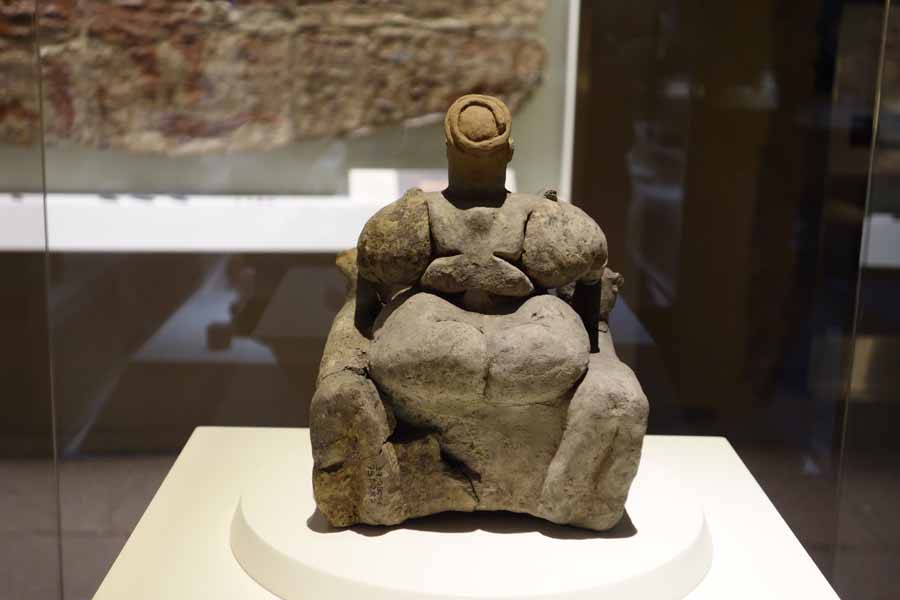
Mother Goddess from Çatalhöyük (Turkey), neolithic age (about 5500-6000 BC), today in Museum of Anatolian Civilizations in Ankara

Mother Goddess from Çatalhöyük (Turkey), neolithic age (about 5500-6000 BC), today in Museum of Anatolian Civilizations in Ankara
Türkei Antik (@tuerkeiantik) 's Twitter Profile Photo

The Alahan Monastery (turkish Alahan Manastırı) is an early Byzantine ruin, 11 km north of Mut and 2 km above the D715, the road from Silifke to Karaman.

The Alahan Monastery (turkish Alahan Manastırı)
is an early Byzantine ruin, 11 km north of Mut and 2 km above the D715, the road from Silifke to Karaman.
Türkei Antik (@tuerkeiantik) 's Twitter Profile Photo

The lion grave in Kümbet (Aslanli Magbet) dates back to the Phrygian period. In the Roman epoch it was used again as a burial place. The tomb is named after Solon, whose name is written in the inscription on the lintel of the main room.

The lion grave in Kümbet (Aslanli Magbet) dates back to the Phrygian period. In the Roman epoch it was used again as a burial place.
The tomb is named after Solon, whose name is written in the inscription on the lintel of the main room.
Türkei Antik (@tuerkeiantik) 's Twitter Profile Photo

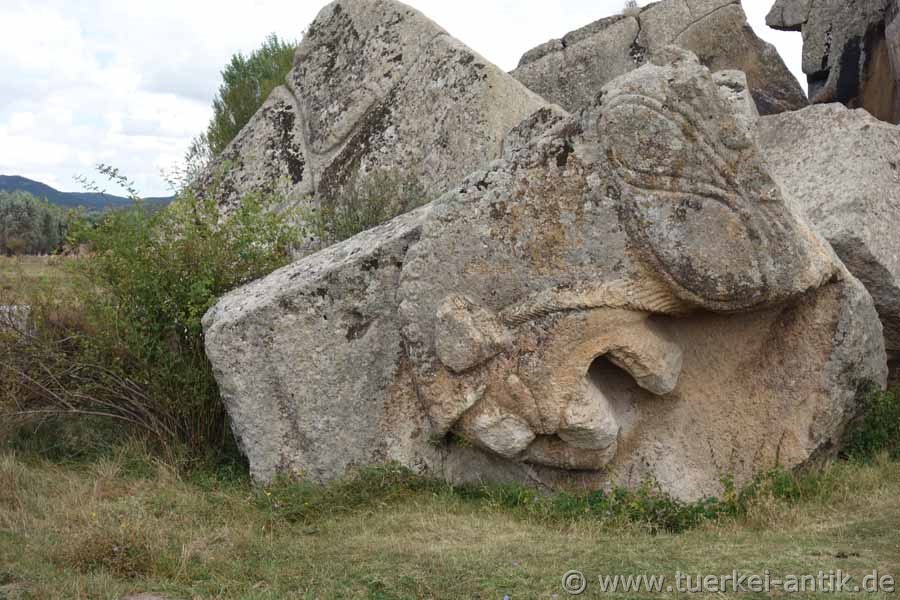
Aslantaş and Yilantaş in Phrygia Aslantaş (also Arslantaş (Lion's stone) and Yılantaş (Snake stone) are two Phrygian rock chamber graves in the Phrygian valley.

Aslantaş and Yilantaş in Phrygia
Aslantaş (also Arslantaş (Lion's stone) and Yılantaş (Snake stone) are two Phrygian rock chamber graves in the Phrygian valley.
Türkei Antik (@tuerkeiantik) 's Twitter Profile Photo

The temple façade Maltaş is within sight, 700 m from the Phrygian rock chamber tombs Aslantaş (Lion's stone) and Yilantaş (Snake stone), on a dirt road that is easy to drive on in dry weather.

The temple façade Maltaş is within sight, 700 m from the Phrygian rock chamber tombs Aslantaş (Lion's stone) and Yilantaş (Snake stone), on a dirt road that is easy to drive on in dry weather.
Türkei Antik (@tuerkeiantik) 's Twitter Profile Photo

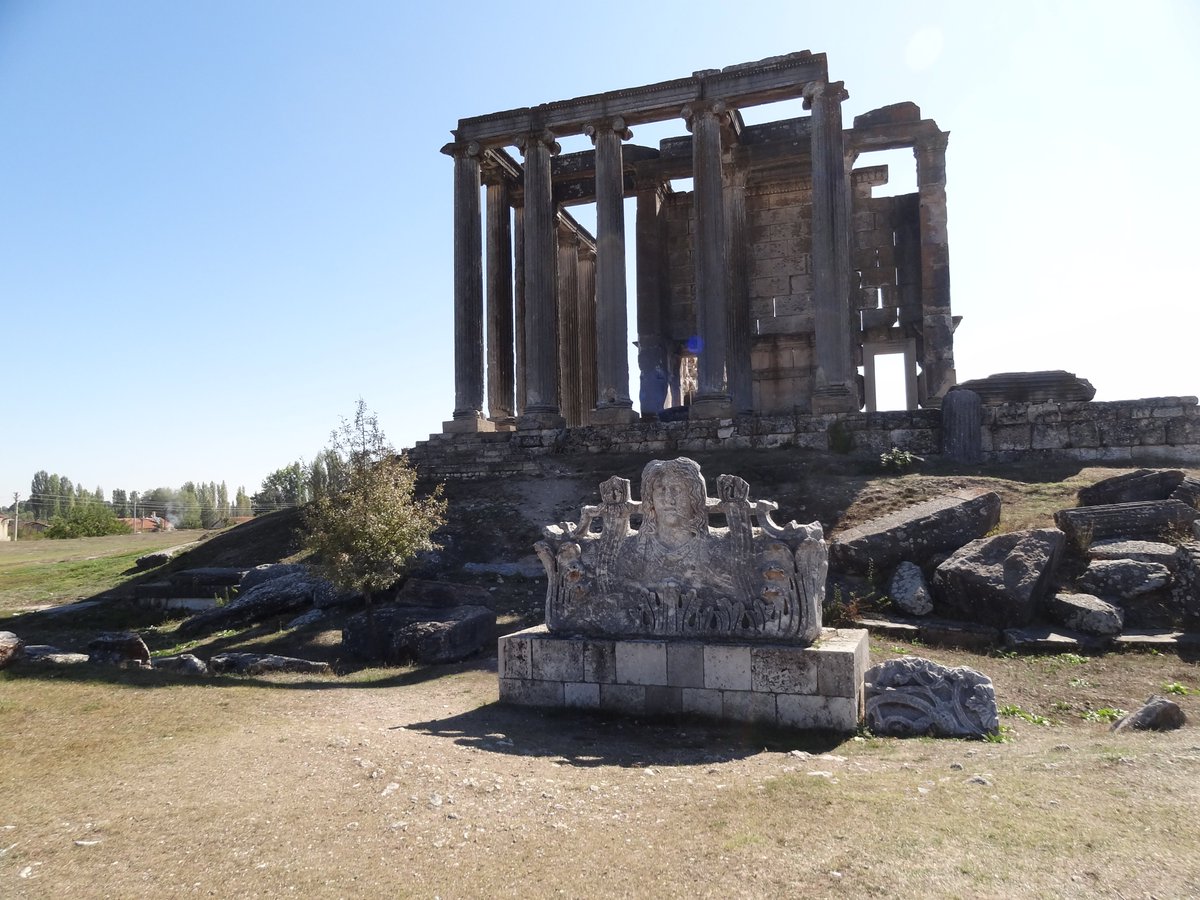
Aizanoi According to the founding legend, Aizanoi was founded by Arcadian settlers. Archaeological evidence of settlement dates back to the 3rd millennium B.C., but a more extensive settlement was only established in Hellenistic times. tuerkei-antik.de/Fotoseiten/inl…

Aizanoi

According to the founding legend, Aizanoi was founded by Arcadian settlers. Archaeological evidence of settlement dates back to the 3rd millennium B.C., but a more extensive settlement was only established in Hellenistic times.

tuerkei-antik.de/Fotoseiten/inl…
Türkei Antik (@tuerkeiantik) 's Twitter Profile Photo

Gordion was the capital of the Phrygian Empire and was rediscovered in 1895 by the brothers Gustav and Alfred Körte. In 1900 the first excavations were carried out on the settlement hill and some tumulus graves were explored in the surrounding area. tuerkei-antik.de/Fotoseiten/inl…

Gordion was the capital of the Phrygian Empire and was rediscovered in 1895 by the brothers Gustav and Alfred Körte. In 1900 the first excavations were carried out on the settlement hill and some tumulus graves were explored in the surrounding area.

tuerkei-antik.de/Fotoseiten/inl…
Türkei Antik (@tuerkeiantik) 's Twitter Profile Photo

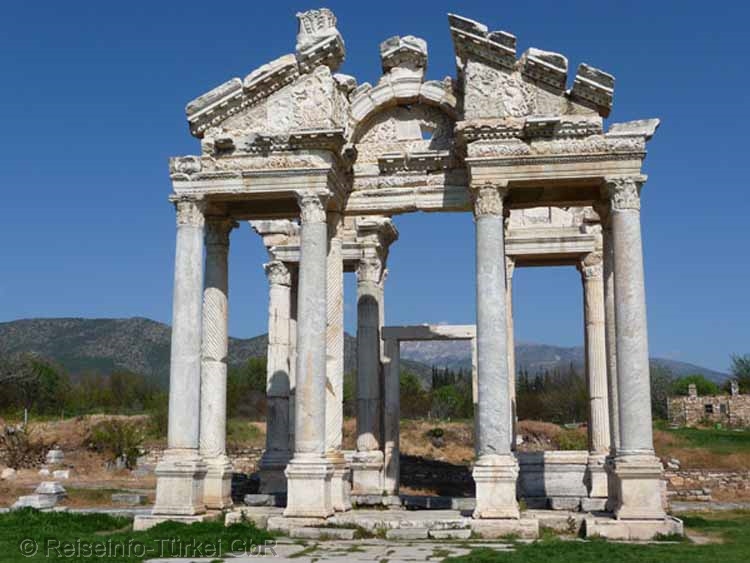
Aphrodisias The name Aphrodisias is derived from the cult of Aphrodite, which was practiced in the central temple of Aphrodite. reiseinfo-tuerkei.de/Interessante_O…

Aphrodisias
The name Aphrodisias is derived from the cult of Aphrodite, which was practiced in the central temple of Aphrodite.

reiseinfo-tuerkei.de/Interessante_O…