Yared Ts (@tsyared) 's Twitter Profile
Yared Ts

@tsyared

Love building things.
On a mission to Make Programing Great Again, github.com/v-noc/IDE

ID: 1697533209733390336

linkhttps://yared-tsegaye.vercel.app/ calendar_today01-09-2023 08:54:11

368 Tweet

80 Followers

131 Following

Тsфdiиg (@tsoding) 's Twitter Profile Photo

Yes. Programming is not Bottlenecked by Typing Text. If yours is, you're not doing Programming. You're just Typing Text. It's not about remembering What Text to Type. It's about Understanding the Problem you are Solving.

Yes. Programming is not Bottlenecked by Typing Text. If yours is, you're not doing Programming. You're just Typing Text. It's not about remembering What Text to Type. It's about Understanding the Problem you are Solving.
Yared Ts (@tsyared) 's Twitter Profile Photo

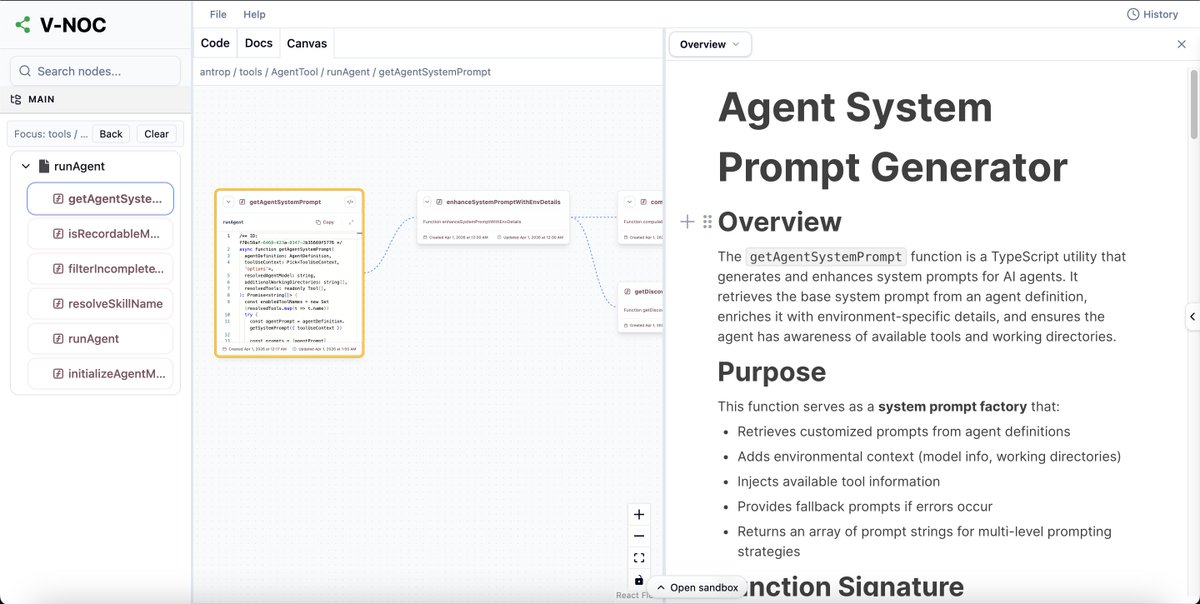
I’m experimenting with a new kind of IDE, designed especially for people with ADHD. github.com/v-noc/IDE Instead of treating code as text files and folders, it converts code into graphs and lets you work visually. You can isolate a single function and focus on it without being

Yared Ts (@tsyared) 's Twitter Profile Photo

I’m experimenting with a new kind of IDE, designed especially for people with ADHD. github.com/v-noc/IDE Instead of treating code as text files and folders, it converts code into graphs and lets you work visually. You can isolate a single function and focus on it without being

Yared Ts (@tsyared) 's Twitter Profile Photo

I’m experimenting with a new kind of IDE, designed especially for people with ADHD. github.com/v-noc/IDE The idea is inspired by how hardware is maintained. If one component fails, you don’t analyze the entire machine. You isolate the component, test it, fix it, and put it

Yared Ts (@tsyared) 's Twitter Profile Photo

The default dashboard for programmers should be the IDE. With the right UX, all relevant information should live next to the code itself—not scattered across log dumps and disconnected dashboards. Why dump thousands of logs that are hard to search and harder to understand?

Yared Ts (@tsyared) 's Twitter Profile Photo

One of the biggest advantages of a graph‑based IDE is that files and folders are no longer isolated or fragile. They can be connected, tracked, and enriched with documentation and metadata that stay with them over time. There’s no need to put documentation in separate folders

Yared Ts (@tsyared) 's Twitter Profile Photo

semantic-aware version control + graph-based coding environment. Instead of tracking just files, it understands what actually changed functions, classes, conversation with agents(coming soon), and others.

Yared Ts (@tsyared) 's Twitter Profile Photo

semantic-aware version control + graph-based coding environment. Instead of tracking just files, it understands what actually changed functions, classes, conversation with agents(coming soon), and others.

Yared Ts (@tsyared) 's Twitter Profile Photo

semantic-aware version control + graph-based coding environment. Instead of tracking just files, it understands what actually changed functions, classes, conversation with agents(coming soon), and others.

Yared Ts (@tsyared) 's Twitter Profile Photo

I spent the whole day trying to add JavaScript and TypeScript support to github.com/v-noc/IDE. so I can explore Claude Code and test it also,

I spent the whole day trying to add JavaScript and TypeScript support to github.com/v-noc/IDE. so I can explore Claude Code and test it also,
Yared Ts (@tsyared) 's Twitter Profile Photo

I put Claude Code into my graph-based IDE and hosted it here: vnoc.vercel.app/project/claude… You can browse the code + docs without jumping through files, focus on one function at a time, and share links to specific nodes like this: vnoc.vercel.app/project/claude… agent coming soon!

Yared Ts (@tsyared) 's Twitter Profile Photo

I put Claude Code into my graph-based IDE and hosted it here: vnoc.vercel.app/project/claude… can browse the code + docs without jumping through files, focus on one function at a time, and share links to specific nodes like this: vnoc.vercel.app/project/claude… agent coming soon!

Yared Ts (@tsyared) 's Twitter Profile Photo

I put Claude Code into my graph-based IDE and hosted it here: vnoc.vercel.app/project/claude… You can browse the code + docs without jumping through files, focus on one function at a time, and share links to specific nodes like this: vnoc.vercel.app/project/claude… agent coming soon!

Yared Ts (@tsyared) 's Twitter Profile Photo

I put Claude Code into my graph-based IDE and hosted it here: vnoc.vercel.app/project/claude… You can browse the code + docs without jumping through files, focus on one function at a time, and share links to specific nodes like this: vnoc.vercel.app/project/claude… agent coming soon!

Yared Ts (@tsyared) 's Twitter Profile Photo

Hey guys, I am experimenting on a new kinds of coding environment for humans and llms, it uses graph db, insted of files , and alone documents logs and task to be connect to the code , it's opensource vnoc.vercel.app/project/claude…, and can focus in single node vnoc.vercel.app/project/claude…
Yared Ts (@tsyared) 's Twitter Profile Photo

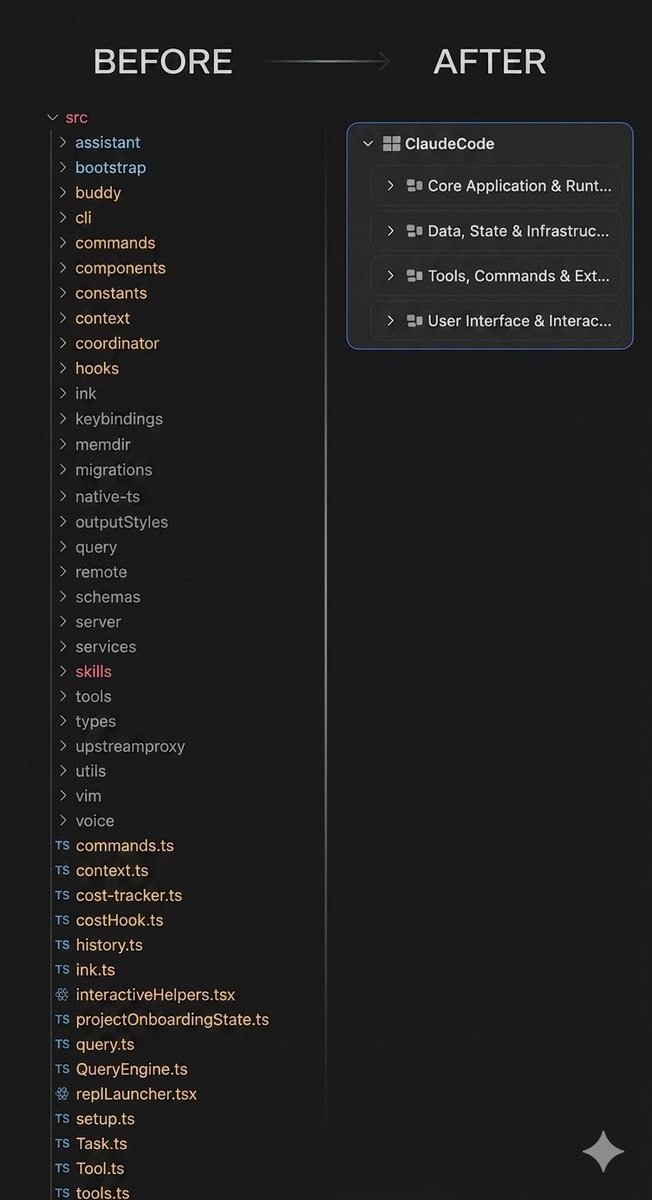
One benefit of a graph-based IDE is flexibility. You can reduce cognitive load by grouping related things together and controlling how much you see at once. On a huge codebase like Claude Code, that makes it much easier to know where to start and avoid getting lost.

One benefit of a graph-based IDE is flexibility. You can reduce cognitive load by grouping related things together and controlling how much you see at once. On a huge codebase like Claude Code, that makes it much easier to know where to start and avoid getting lost.
Yared Ts (@tsyared) 's Twitter Profile Photo

I hosted the ClaudeCode codebase on V-NOC as a demo: vnoc.vercel.app/project/claude… Been exploring a different UX for navigating large codebases. I added grouping so related things can collapse into higher-level structures, which helps reduce cognitive load and control how much