Henry Choong (@rbcmhydroids) 's Twitter Profile
Henry Choong

@rbcmhydroids

Curator, Invertebrate Zoology at the Royal British Columbia Museum

ID: 850085167863545856

linkhttp://royalbcmuseum.bc.ca/ calendar_today06-04-2017 20:37:52

566 Tweet

176 Takipçi

96 Takip Edilen
SERC Marine Invasions Research Lab (@sercinvasions) 's Twitter Profile Photo

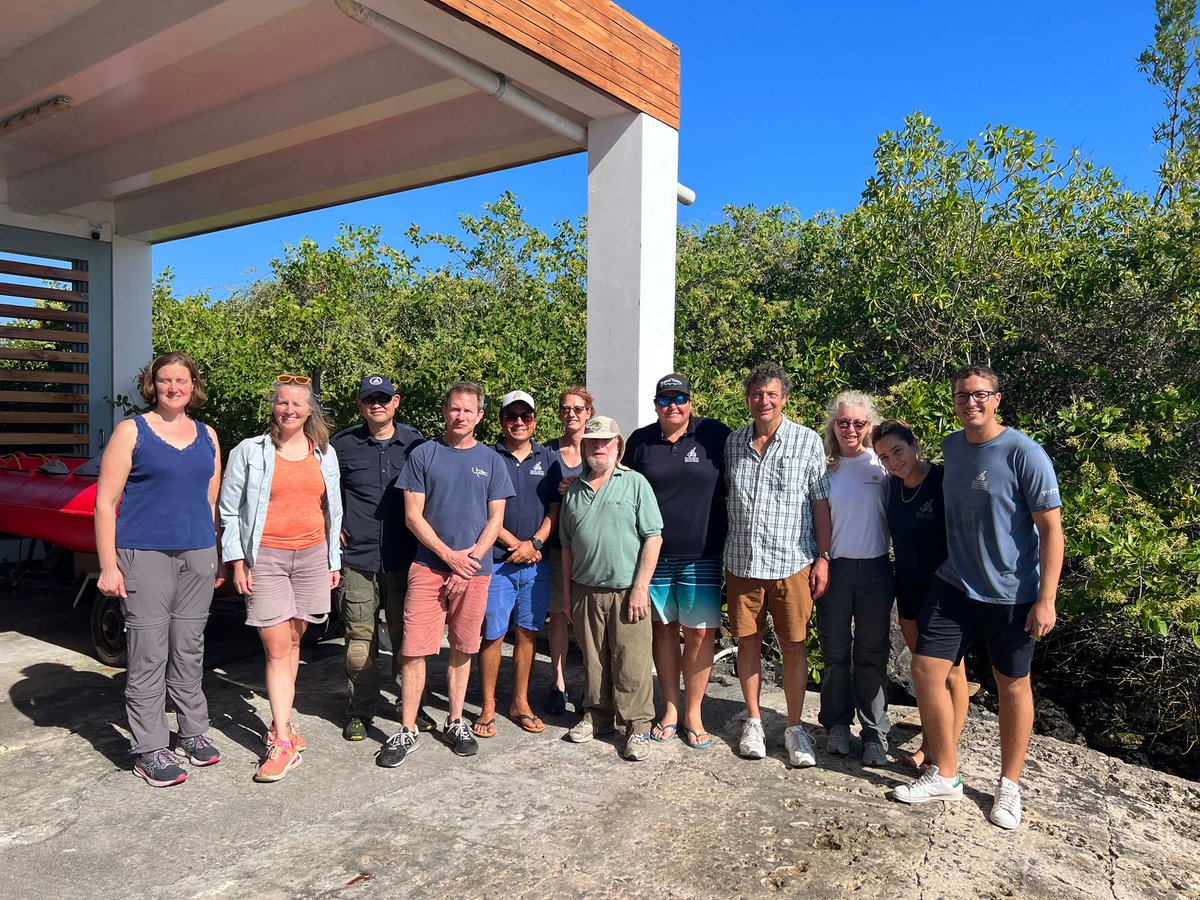
It’s #FieldworkFriday! We want to give a huge THANK YOU to the folks at Charles Darwin Foundation-Fundación Charles Darwin for helping us retrieve our panels this week! You’ve all been amazing and we’re so grateful! 😄🙏🏼 #FieldTeam #Retrieval #FoulingProject #Collaboration #Galapagos 📷 Kristen Larson, Linda McCann
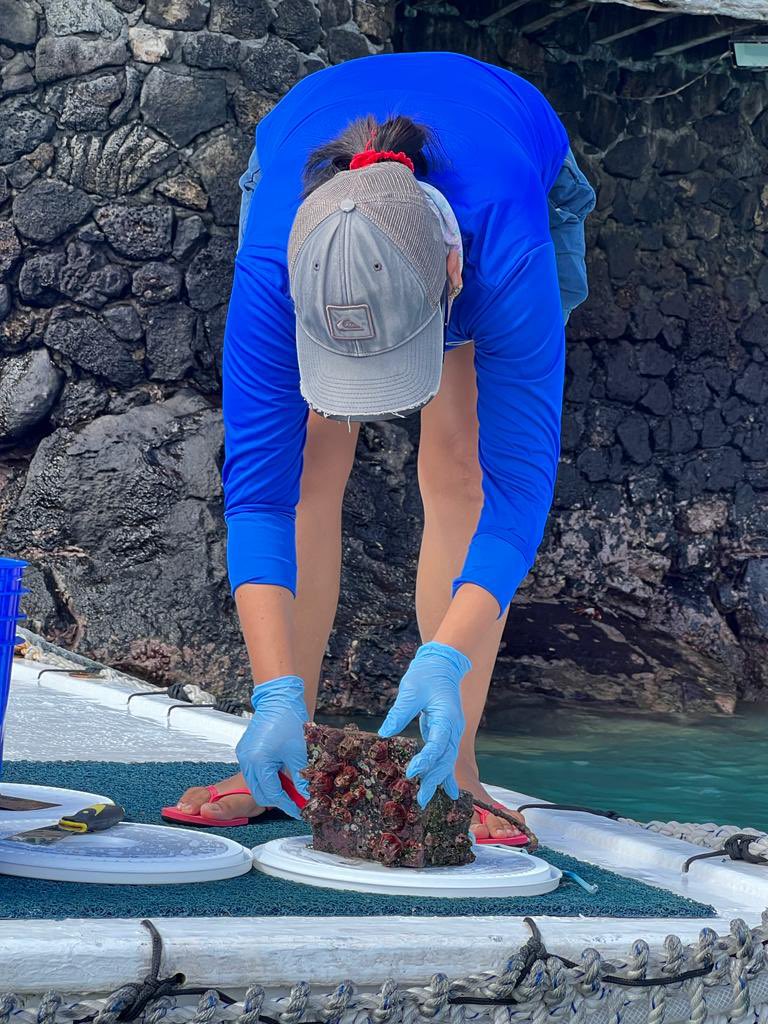
It’s #FieldworkFriday! We want to give a huge THANK YOU to the folks at <a href="/DarwinFound/">Charles Darwin Foundation-Fundación Charles Darwin</a> for helping us retrieve our panels this week! You’ve all been amazing and we’re so grateful! 😄🙏🏼 #FieldTeam

#Retrieval #FoulingProject #Collaboration #Galapagos
📷 Kristen Larson, Linda McCann
SERC Marine Invasions Research Lab (@sercinvasions) 's Twitter Profile Photo

#FridayFeels Just finished processing the last of our plates! Who’s excited for the day to be done? WE ARE! 🙋🏼‍♀️ Who’s excited for tomorrow’s clean up? WE ARE!!! 🤗 📷 Gail Ashton #LabWork #FoulingProject #PlateAnalysis #Retrieval #Galapagos Charles Darwin Foundation-Fundación Charles Darwin
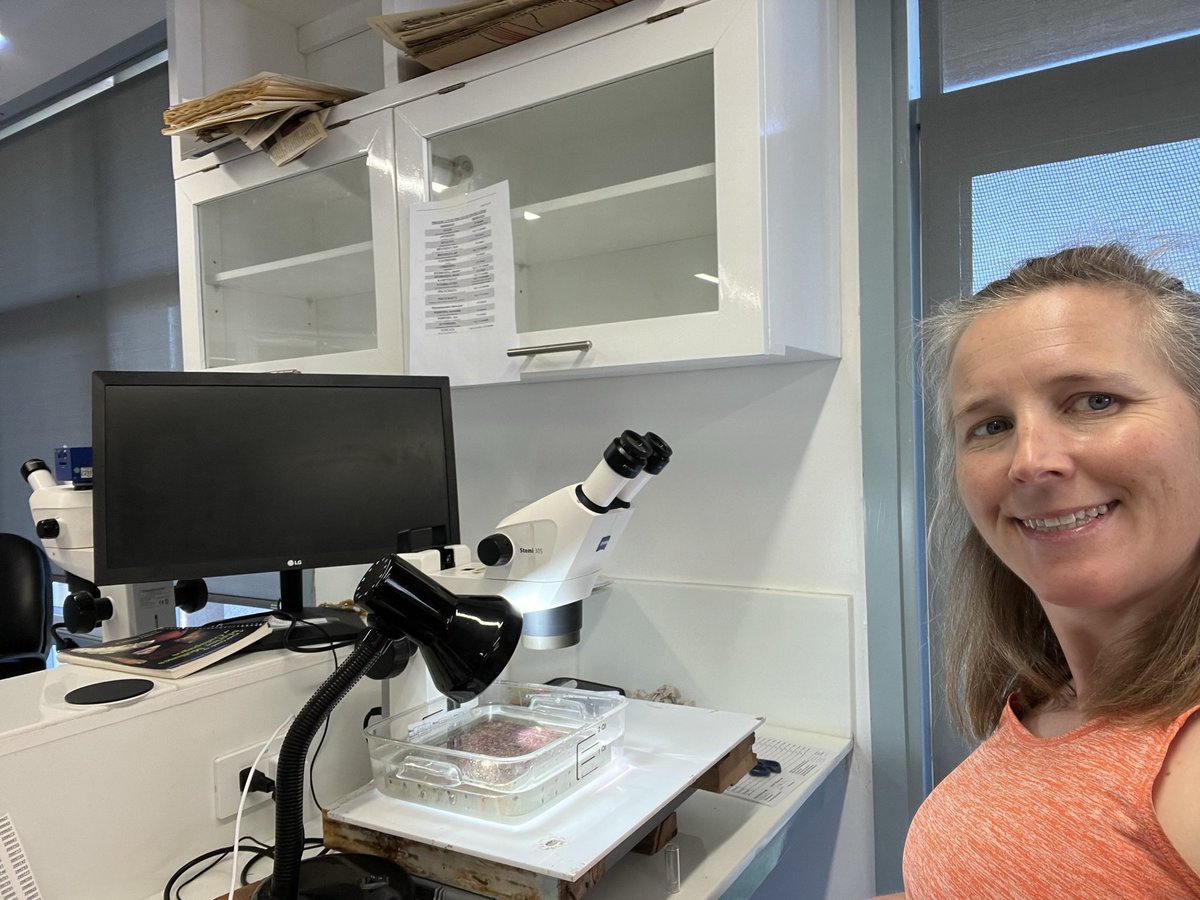
#FridayFeels Just finished processing the last of our plates! Who’s excited for the day to be done? WE ARE! 🙋🏼‍♀️ Who’s excited for tomorrow’s clean up? WE ARE!!! 🤗 

📷 Gail Ashton
#LabWork #FoulingProject #PlateAnalysis #Retrieval #Galapagos <a href="/DarwinFound/">Charles Darwin Foundation-Fundación Charles Darwin</a>
SERC Marine Invasions Research Lab (@sercinvasions) 's Twitter Profile Photo

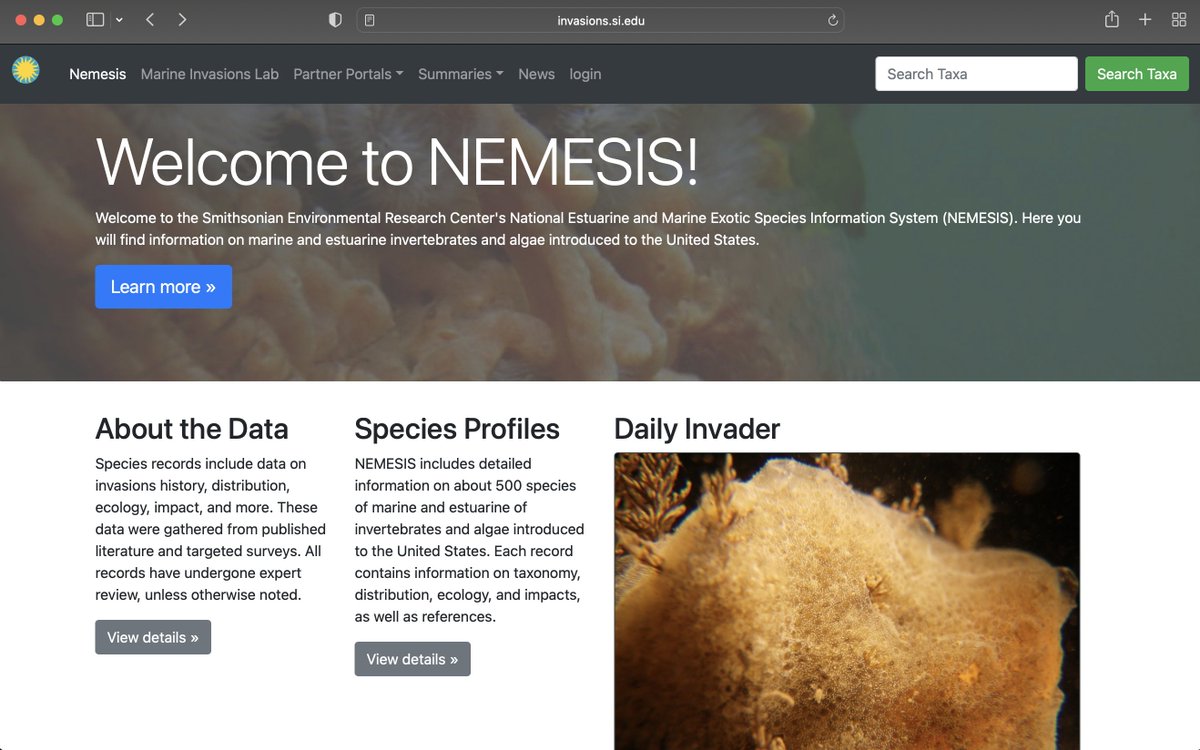
#ICYMI If you ever want to learn about the invasive marine and estuarine invertebrates, fish, and algae introduced to the U.S. and other places around the world (Panama, Galapagos, etc.)... WE 👏 HAVE 👏 A 👏 WEBSITE 👏 FOR 👏 THAT 👏!!! Check it out 😉 invasions.si.edu/nemesis/

#ICYMI If you ever want to learn about the invasive marine and estuarine invertebrates, fish, and algae introduced to the U.S. and other places around the world (Panama, Galapagos, etc.)...

WE 👏 HAVE 👏 A 👏 WEBSITE 👏 FOR 👏 THAT 👏!!!

Check it out 😉  invasions.si.edu/nemesis/
NatureEcoEvo (@natureecoevo) 's Twitter Profile Photo

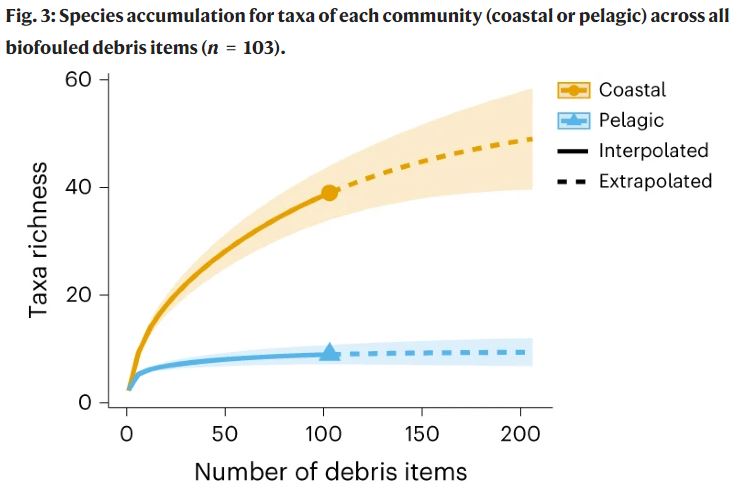
Extent and reproduction of coastal species on plastic debris in the North Pacific Subtropical Gyre nature.com/articles/s4155… Haram et al report evidence that coastal taxa are living and reproducing while rafting on #plastic in the Great Pacific Garbage Patch

Extent and reproduction of coastal species on plastic debris in the North Pacific Subtropical Gyre nature.com/articles/s4155…

Haram et al report evidence that coastal taxa are living and reproducing while rafting on #plastic in the Great Pacific Garbage Patch
CNN (@cnn) 's Twitter Profile Photo

Scientists have found thriving communities of coastal creatures, including tiny crabs and anemones, living thousands of miles from their original home on plastic debris. cnn.it/3omCces

Nature Portfolio (@natureportfolio) 's Twitter Profile Photo

Marine invertebrates that usually only inhabit coastal areas of the western Pacific Ocean have been found living and reproducing on plastic debris in the high seas in what is known as the Great Pacific Garbage Patch, according to a study in NatureEcoEvo. go.nature.com/3onXuID
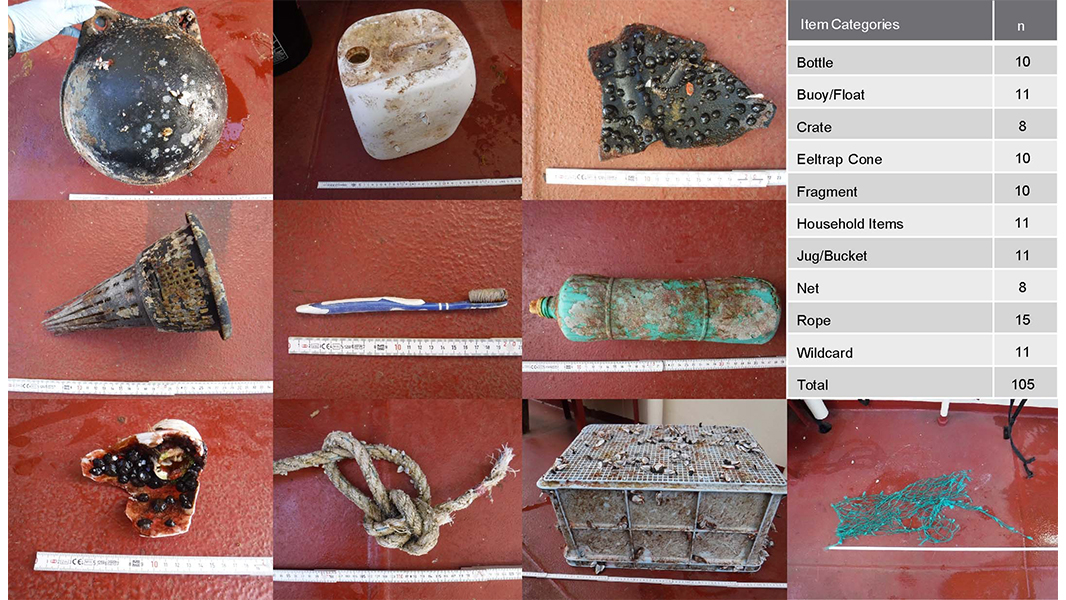
Marine invertebrates that usually only inhabit coastal areas of the western Pacific Ocean have been found living and reproducing on plastic debris in the high seas in what is known as the Great Pacific Garbage Patch, according to a study in <a href="/NatureEcoEvo/">NatureEcoEvo</a>. go.nature.com/3onXuID
Henry Choong (@rbcmhydroids) 's Twitter Profile Photo

Our study published today in Nature Ecology and Evolution: Extent and reproduction of coastal species on plastic debris in the North Pacific Subtropical Gyre.nature.com/articles/s4155…

Matthias Egger (@oceanegger) 's Twitter Profile Photo

Our latest research shows that coastal species can survive and reproduce on plastic debris afloat in the Great Pacific Garbage Patch, with as yet unknown consequences for species naturally living on the high seas. nature.com/articles/s4155…

Our latest research shows that coastal species can survive and reproduce on plastic debris afloat in the Great Pacific Garbage Patch, with as yet unknown consequences for species naturally living on the high seas.  
nature.com/articles/s4155…
SERC Marine Invasions Research Lab (@sercinvasions) 's Twitter Profile Photo

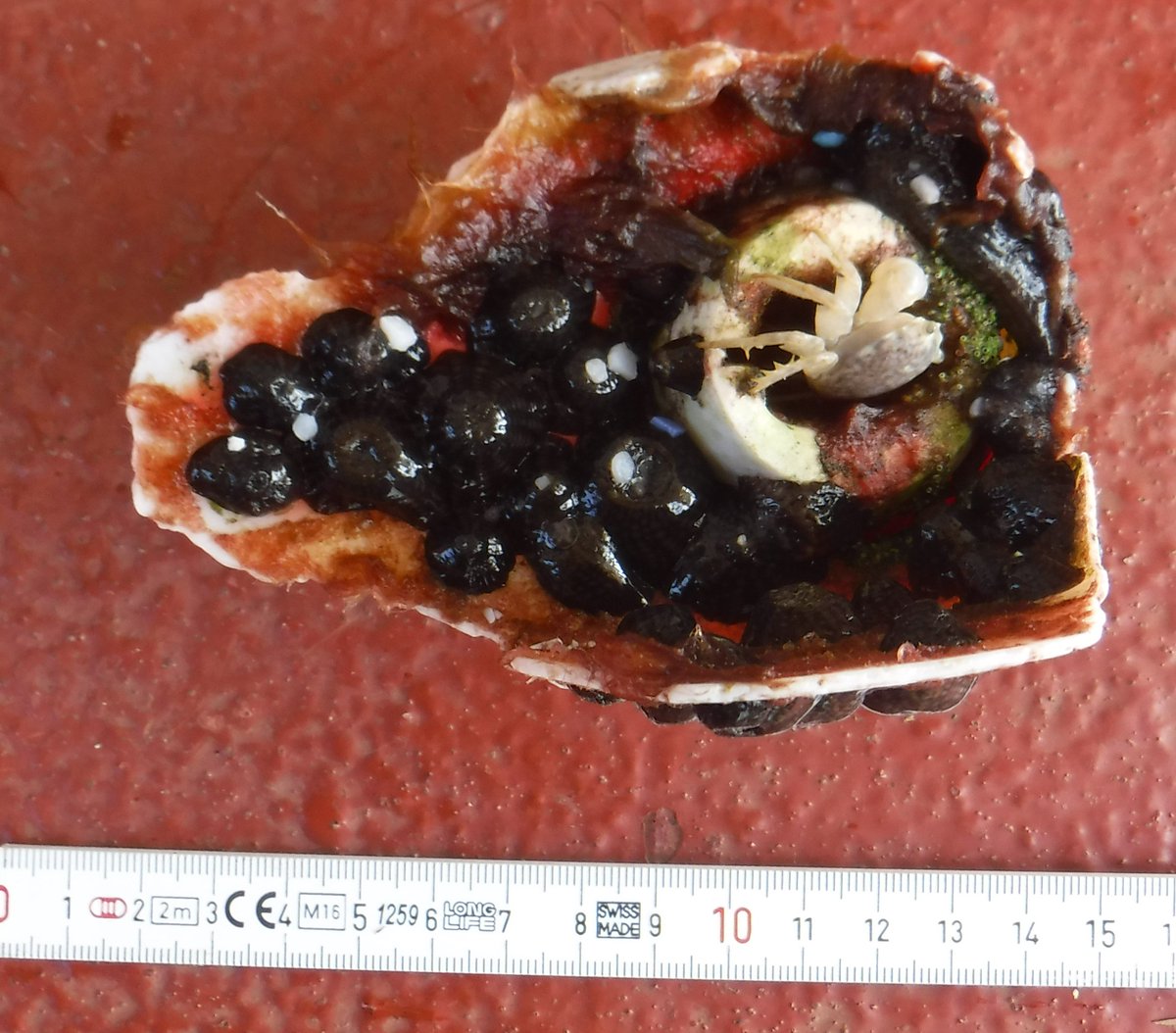
#InvasionsLabPub 🚨New paper in NatureEcoEvo! The high seas are being colonized by a diverse group of coastal species, which are surviving & reproducing in the open ocean on floating plastic debris! #Rafting #MarineDebris #GPGarbagePatch doi.org/10.1038/s41559… 📷Linsey Haram
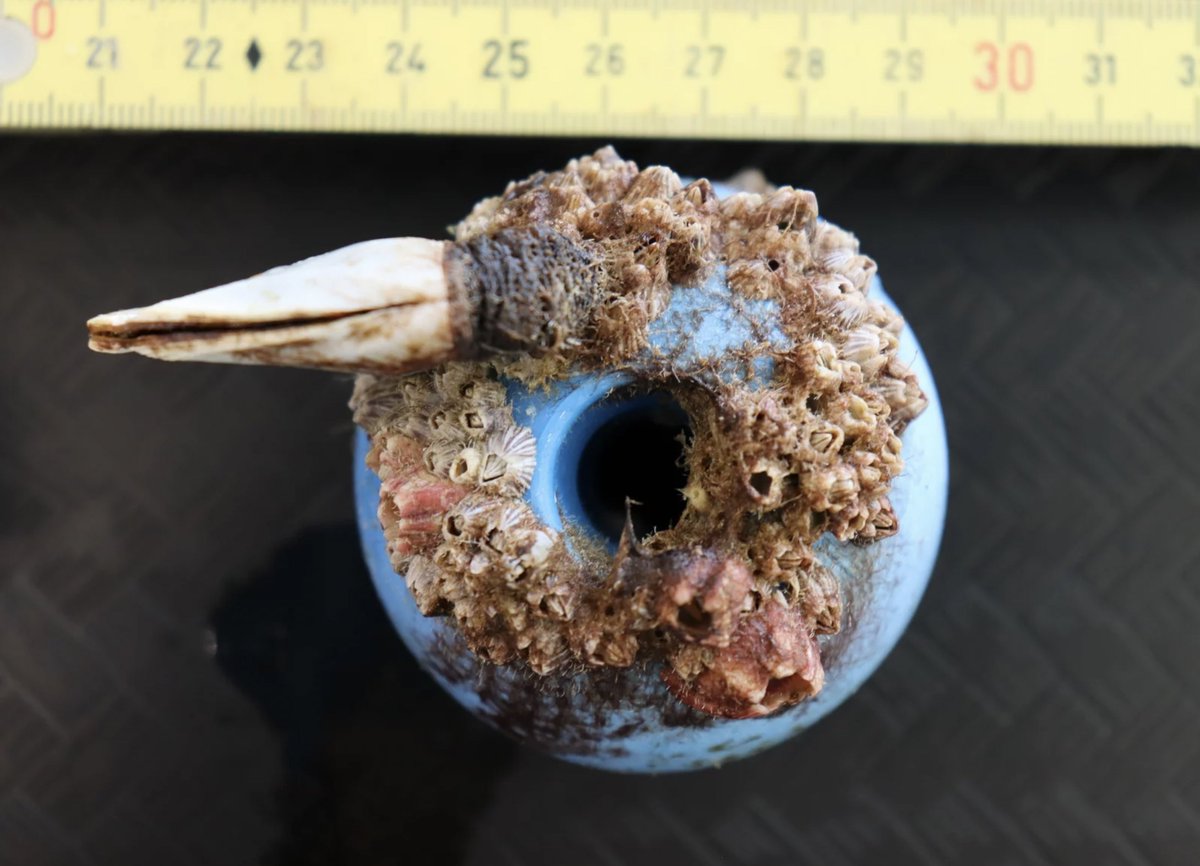

#InvasionsLabPub 🚨New paper in <a href="/NatureEcoEvo/">NatureEcoEvo</a>! The high seas are being colonized by a diverse group of coastal species, which are surviving &amp; reproducing in the open ocean on floating plastic debris! #Rafting #MarineDebris #GPGarbagePatch

doi.org/10.1038/s41559… 📷Linsey Haram

Royal BC Museum (@royalbcmuseum) 's Twitter Profile Photo

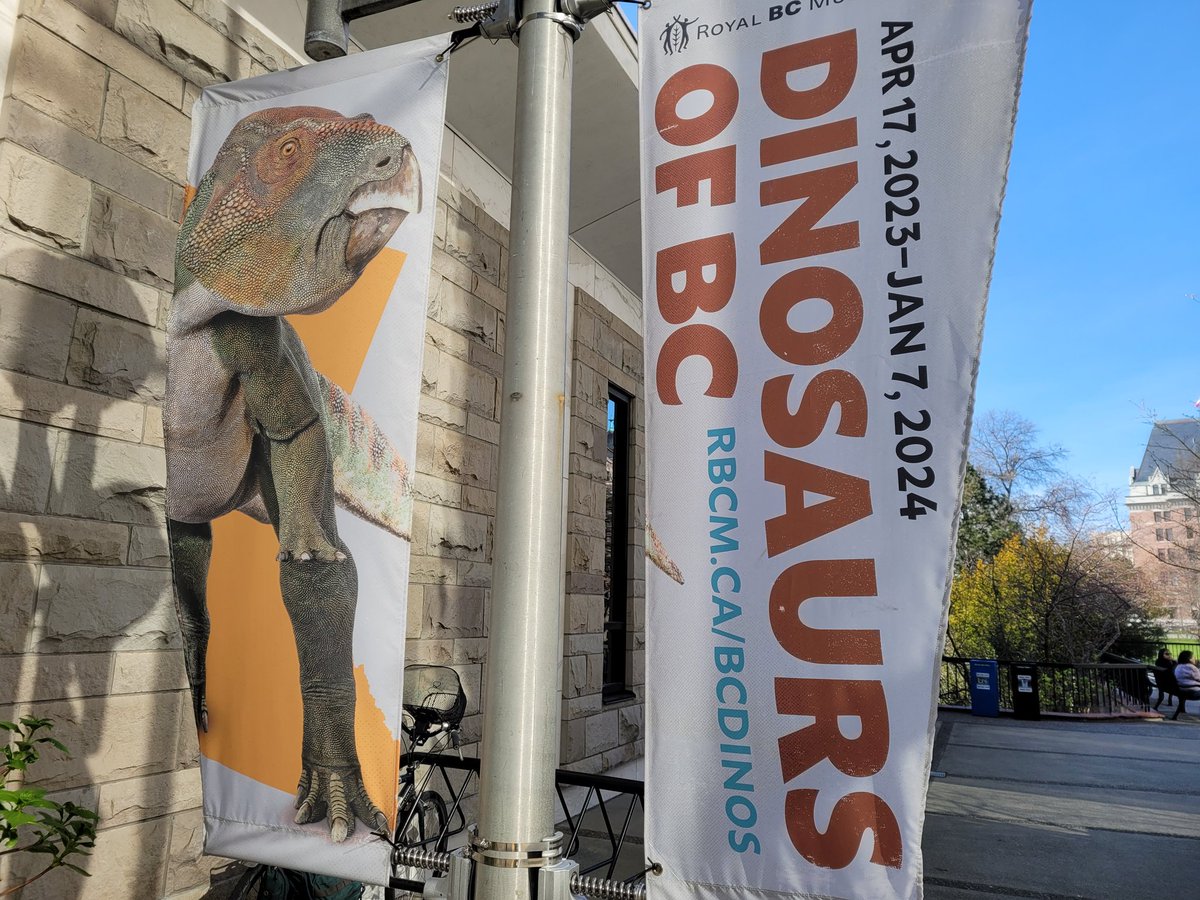
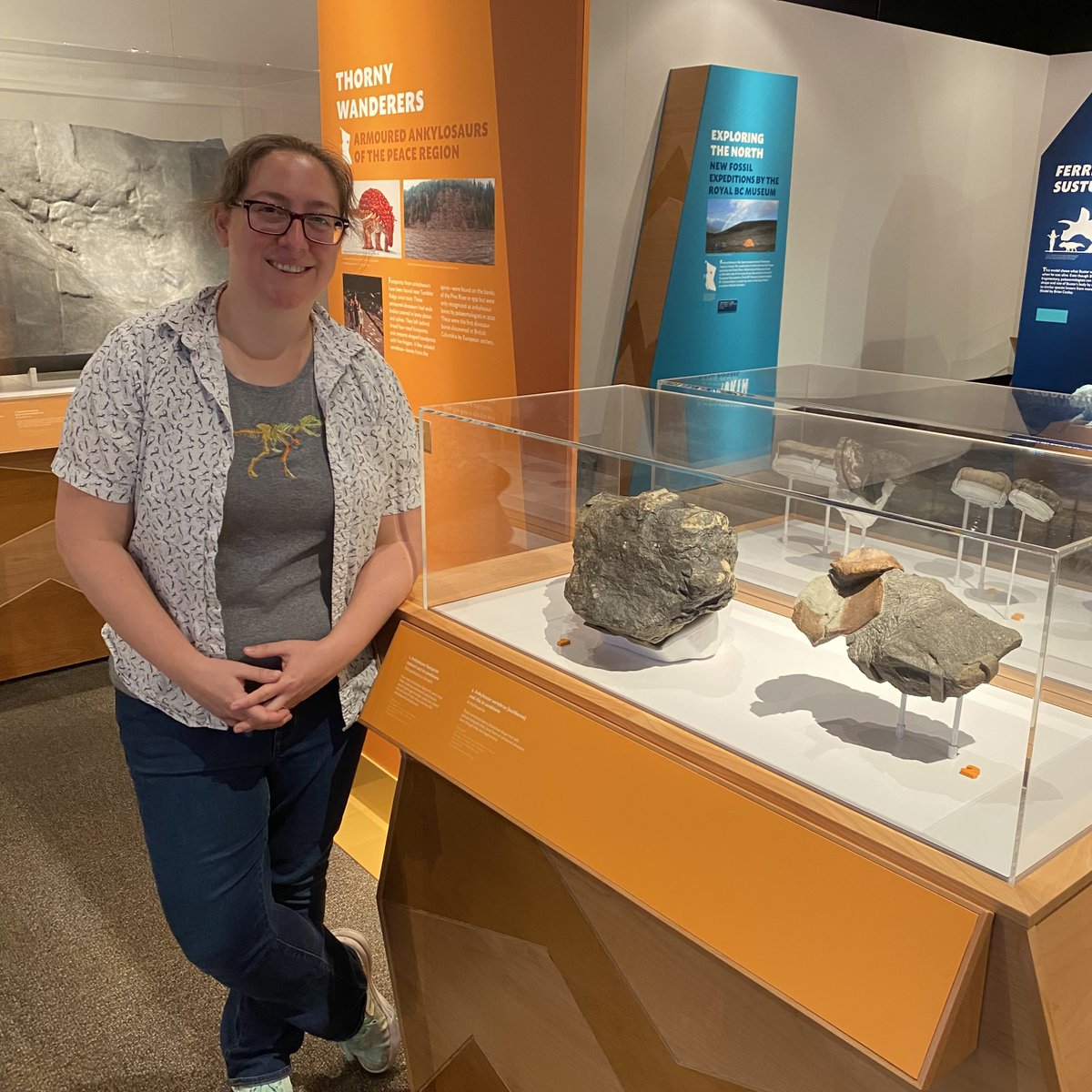
Dinosaurs of BC is open now, a brand-new exhibit designed and built by the Royal BC Museum. Featuring new research from our palaeontology department and stunning displays crafted by our exhibits team, Dinosaurs of BC will take you back to a time when dinosaurs roamed the land.

Dinosaurs of BC is open now, a brand-new exhibit designed and built by the Royal BC Museum. Featuring new research from our palaeontology department and stunning displays crafted by our exhibits team, Dinosaurs of BC will take you back to a time when dinosaurs roamed the land.
Society for the Study of Marine Bioinvasions (@marbioinvasions) 's Twitter Profile Photo

📣 #ICYMI The deadline to pre-order t-shirts and souvenirs has been extended to April 23!!! All proceeds from souvenir sales go to fund travel awards for the next ICMB! Go to ow.ly/LGli50NBL6g and HELP SUPPORT THE FUTURE OF ICMB! 🤗!

📣 #ICYMI The deadline to pre-order t-shirts and souvenirs has been extended to April 23!!!

All proceeds from souvenir sales go to fund travel awards for the next ICMB! Go to ow.ly/LGli50NBL6g and HELP SUPPORT THE FUTURE OF ICMB! 🤗!
SERC Marine Invasions Research Lab (@sercinvasions) 's Twitter Profile Photo

#ICYMI, we have a new paper in NatureEcoEvo highlighting coastal organism richness & reproduction on floating plastic debris in the open ocean! #NorthPacificSubtropicalGyre #MarineDebris #Rafting nature.com/articles/s4155… 📷The Ocean Cleanup
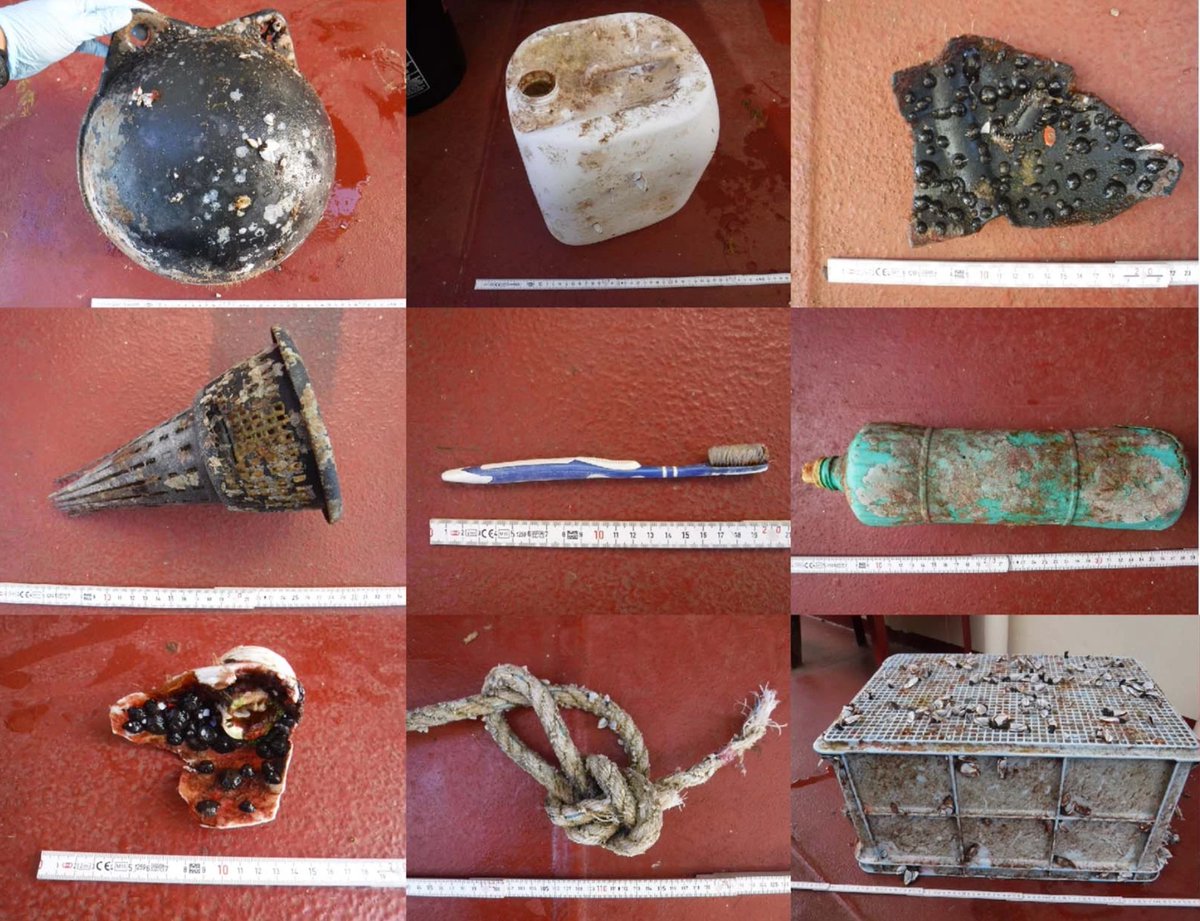
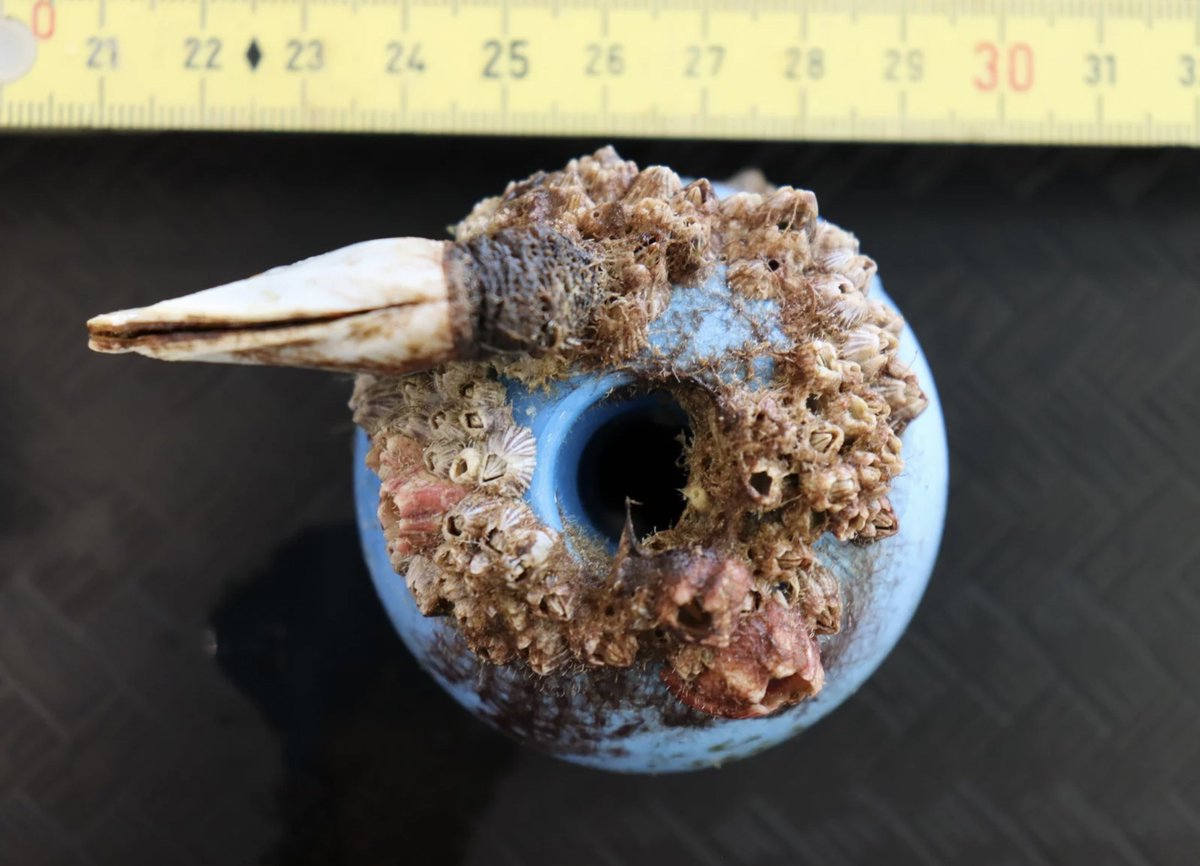
#ICYMI, we have a new paper in <a href="/NatureEcoEvo/">NatureEcoEvo</a> highlighting coastal organism richness &amp; reproduction on floating plastic debris in the open ocean! #NorthPacificSubtropicalGyre #MarineDebris #Rafting 

nature.com/articles/s4155… 📷<a href="/TheOceanCleanup/">The Ocean Cleanup</a>
Society for the Study of Marine Bioinvasions (@marbioinvasions) 's Twitter Profile Photo

In a recent study, @LinseyHaram et al found that coastal marine species can survive & reproduce in the open ocean. The next step is to learn how #MarineDebris can be a vector for new #bioinvasions. Researchers set to discuss this global issue at #ICMBXI!🌊ow.ly/1CW350NPiqk

In a recent study, @LinseyHaram et al found that coastal marine species can survive &amp; reproduce in the open ocean. The next step is to learn how #MarineDebris can be a vector for new #bioinvasions. Researchers set to discuss this global issue at  #ICMBXI!🌊ow.ly/1CW350NPiqk
𝗝𝗼𝘀𝗵 𝗦𝗶𝗹𝗯𝗲𝗿𝗴 (@joshsilberg) 's Twitter Profile Photo

#InverteFest you say?! I absolutely loved filming 6- and 8-legged creatures for this Hakai Institute series. This episode features bristletails (a personal fav), barnacle flies, and snout mites! youtu.be/ir5eXTrkBfI

Climate Strategy (@climatest) 's Twitter Profile Photo

.SERC Marine Invasions Research Lab' #LinseyHaram: "Biogeographical boundaries among marine ecosystems 🌊 — established for millions of years — are rapidly changing due to floating #PlasticPollution accumulating in the subtropical gyres" @LinseyHaram buff.ly/3NcjCQR
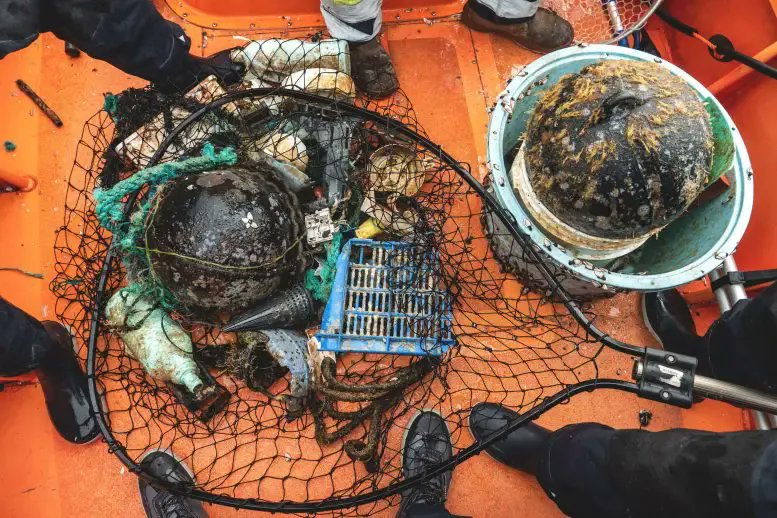
.<a href="/SERCinvasions/">SERC Marine Invasions Research Lab</a>' #LinseyHaram: "Biogeographical boundaries among marine ecosystems 🌊  — established for millions of years — are rapidly changing due to floating #PlasticPollution accumulating in the subtropical gyres" @LinseyHaram 

buff.ly/3NcjCQR