Herman Schouwink (@hermanschouwink) 's Twitter Profile
Herman Schouwink

@hermanschouwink

Interested in tech, people, life, cycling and my fur kid - Lexi the Rottweiler and the love of my life Karen

ID: 117077188

calendar_today24-02-2010 13:22:43

1,1K Tweet

309 Takipçi

911 Takip Edilen
Dutch Cycling Embassy (@cycling_embassy) 's Twitter Profile Photo

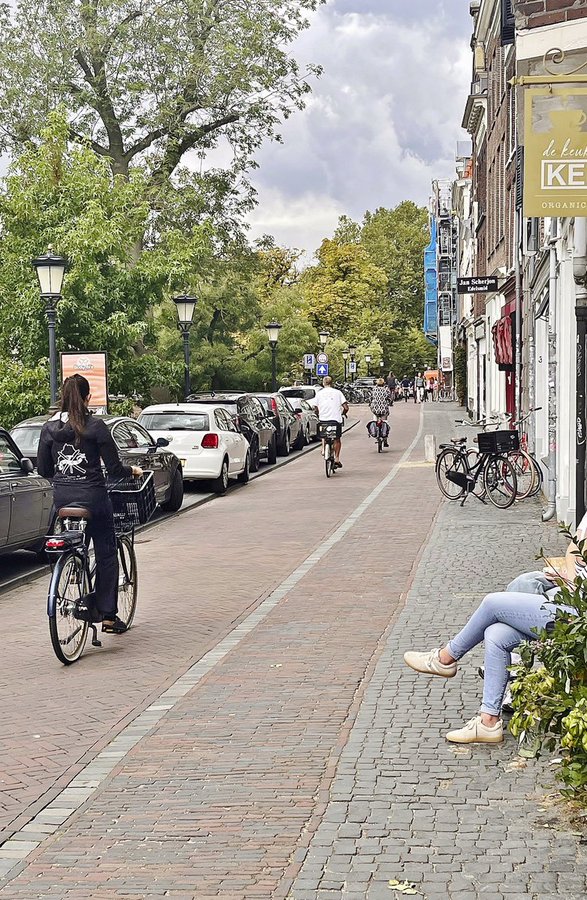
MYTH: “Nobody cycles in the rain”. So, what do the Dutch do on a rainy day? They continue cycling. Pulling zippers a bit higher, unfurling umbrellas, or donning rain suits, they press on. Riding in the Gemeente Utrecht rain with Mark Wagenbuur: bicycledutch.wordpress.com/2024/01/17/cyc…
Melissa & Chris Bruntlett (@modacitylife) 's Twitter Profile Photo

Amsterdam is currently removing about 1,500 on-street car parking spaces per year—with a goal of 10,000 eliminated from 2019 to 2025. A part of the Herengracht was recently restored to its former glory; offering a glimpse at what a car-free canal ring could eventually look like.

Amsterdam is currently removing about 1,500 on-street car parking spaces per year—with a goal of 10,000 eliminated from 2019 to 2025.

A part of the Herengracht was recently restored to its former glory; offering a glimpse at what a car-free canal ring could eventually look like.
Dutch Cycling Embassy (@cycling_embassy) 's Twitter Profile Photo

Cycling increases social interaction. Cycling requires social interaction with other road users to mediate traffic flows or to prevent collisions. As a result, cycling is experienced as a social activity.

Cycling increases social interaction. 

Cycling requires social interaction with other road users to mediate traffic flows or to prevent collisions. As a result, cycling is experienced as a social activity.
Dutch Cycling Embassy (@cycling_embassy) 's Twitter Profile Photo

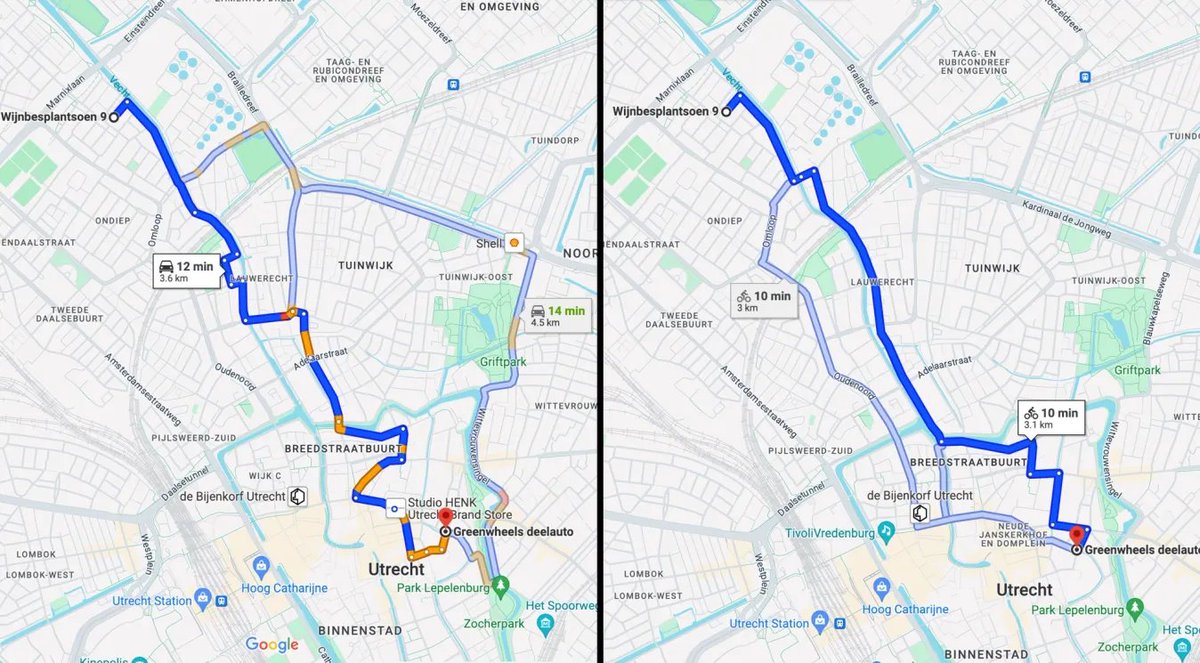
“So how do Dutch cities work? Quite simply, they make driving inconvenient and make cycling and public transport quick, easy and enjoyable. ...The network of cycling paths is complete, without gaps or pinch points." Read more: globalcyclingnetwork.com/lifestyle/inte…

“So how do Dutch cities work? 

Quite simply, they make driving inconvenient and make cycling and public transport quick, easy and enjoyable.
...The network of cycling paths is complete, without gaps or pinch points."

Read more:  globalcyclingnetwork.com/lifestyle/inte…
Melissa & Chris Bruntlett (@modacitylife) 's Twitter Profile Photo

"Would you design your home as a corridor; the fastest way to get from the front to the back door? Then why have we done this to our cities? We need to design our public space not as a corridor, but as a living room." LISTEN to the 'Living City' podcast: open.spotify.com/episode/3ZE4q8…
Melissa & Chris Bruntlett (@modacitylife) 's Twitter Profile Photo

Completed in 2012 and covering 100 hectares, The Hague's Healthy Core is the largest autoluwe centrum ("low-car center") in the Netherlands. In the ensuing years, it attracted €405 million in public and private investment and was named the best inner city in the Benelux region.

Dutch Cycling Embassy (@cycling_embassy) 's Twitter Profile Photo

As urban populations rise, the bicycle is a practical alternative to the car-oriented societies in which we live. With the appropriate infrastructure and policies to make cycling attractive, we can mitigate traffic congestion & spend the time saved on more meaningful activities

As urban populations rise, the bicycle is a practical alternative to the car-oriented societies in which we live. 

With the appropriate infrastructure and policies to make cycling attractive, we can mitigate traffic congestion & spend the time saved on more meaningful activities
Dutch Cycling Embassy (@cycling_embassy) 's Twitter Profile Photo

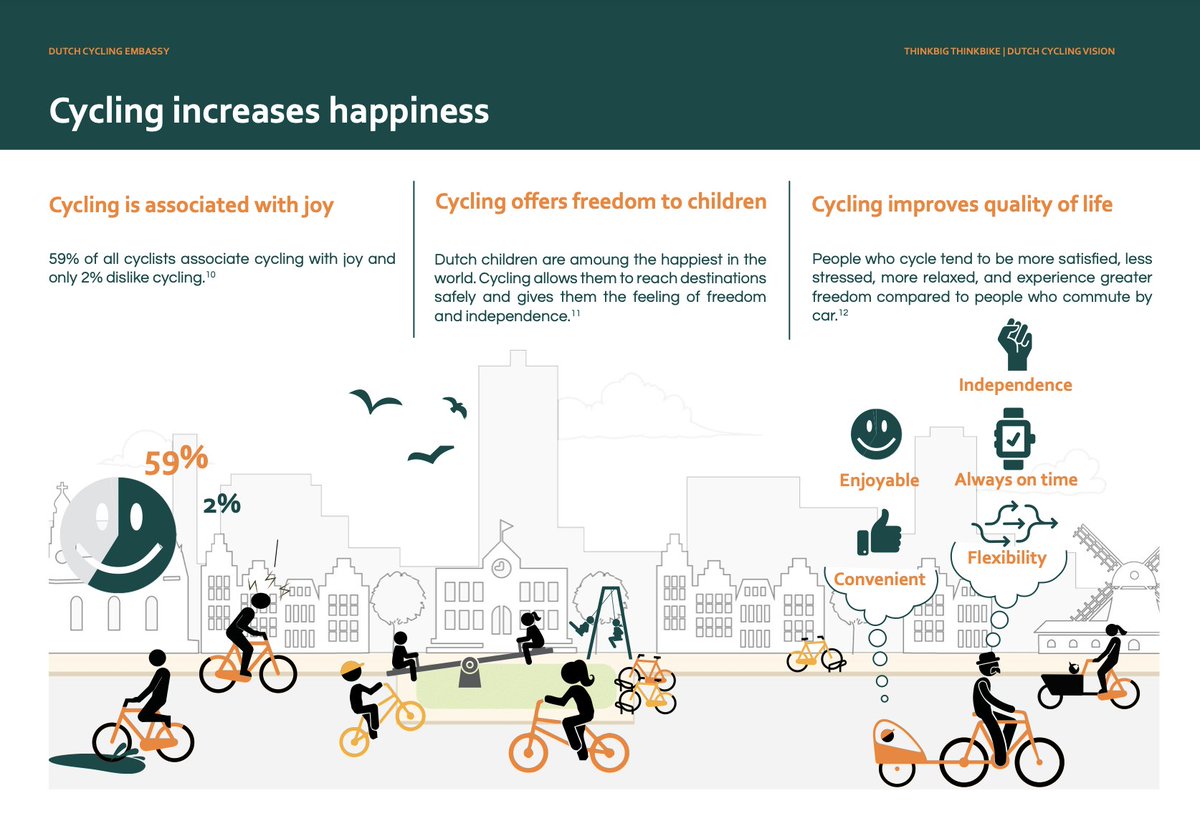
People who cycle tend to be more satisfied, less stressed, more relaxed, and experience greater freedom compared to people who commute by car. 59% of all cyclists associate cycling with joy and only 2% dislike cycling. LEARN MORE: dutchcycling.nl/knowledge/down…

People who cycle tend to be more satisfied, less stressed, more relaxed, and experience greater freedom compared to people who commute by car.

59% of all cyclists associate cycling with joy and only 2% dislike cycling. 

LEARN MORE: dutchcycling.nl/knowledge/down…
Melissa & Chris Bruntlett (@modacitylife) 's Twitter Profile Photo

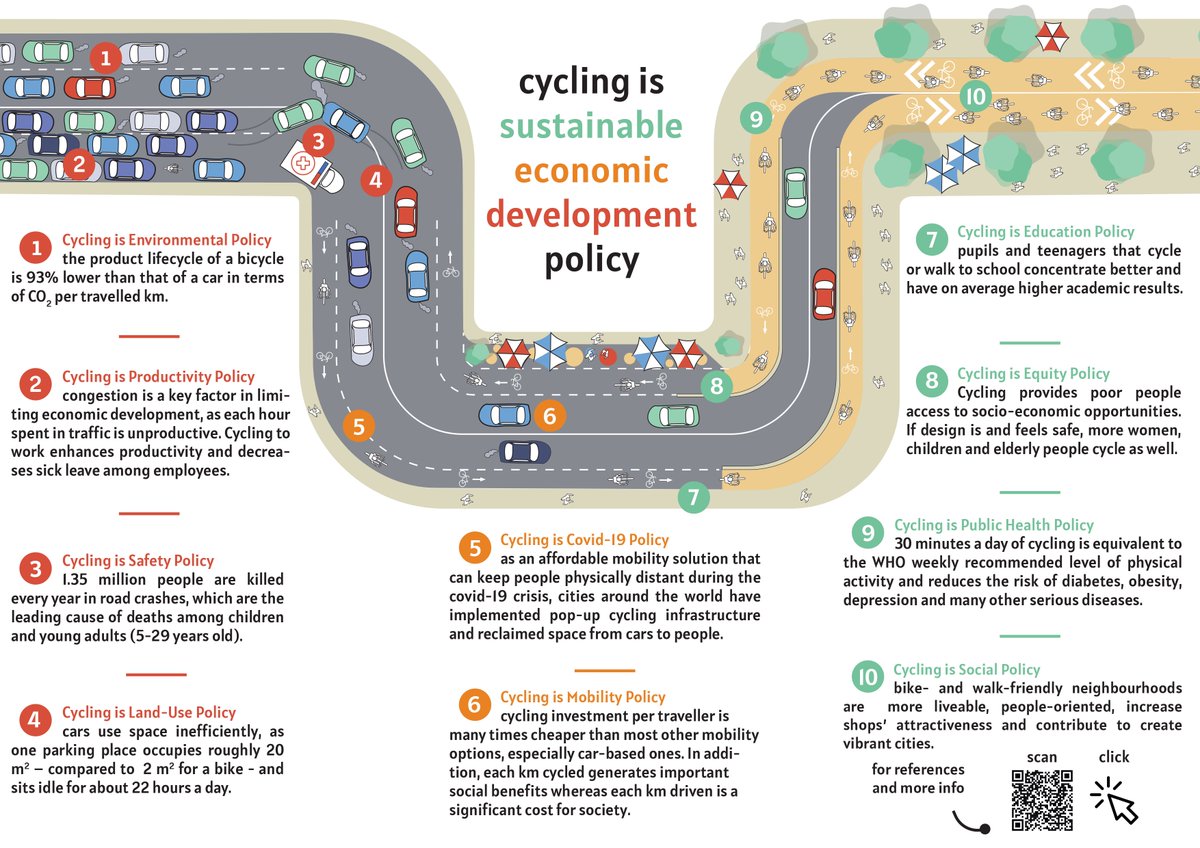
The automobile has an insatiable appetite for asphalt: 20m2 when parked; 140m2 when moving 50 km/h. In the U.S., paved surfaces cover 111,369km2—an area the size of Ohio—65% of which is streets, parking lots, and driveways; the perfect “habitat for cars”. Parallelweg, Den Haag.

Dutch Cycling Embassy (@cycling_embassy) 's Twitter Profile Photo

2009 vs 2024 "...urban planners were convinced cars had to get everywhere. And everywhere fast. Today they rather dedicate valuable city center space to people." With the conversion of motorway to waterway, Utrecht corrected a historic urban design mistake. 📹 Mark Wagenbuur
Melissa & Chris Bruntlett (@modacitylife) 's Twitter Profile Photo

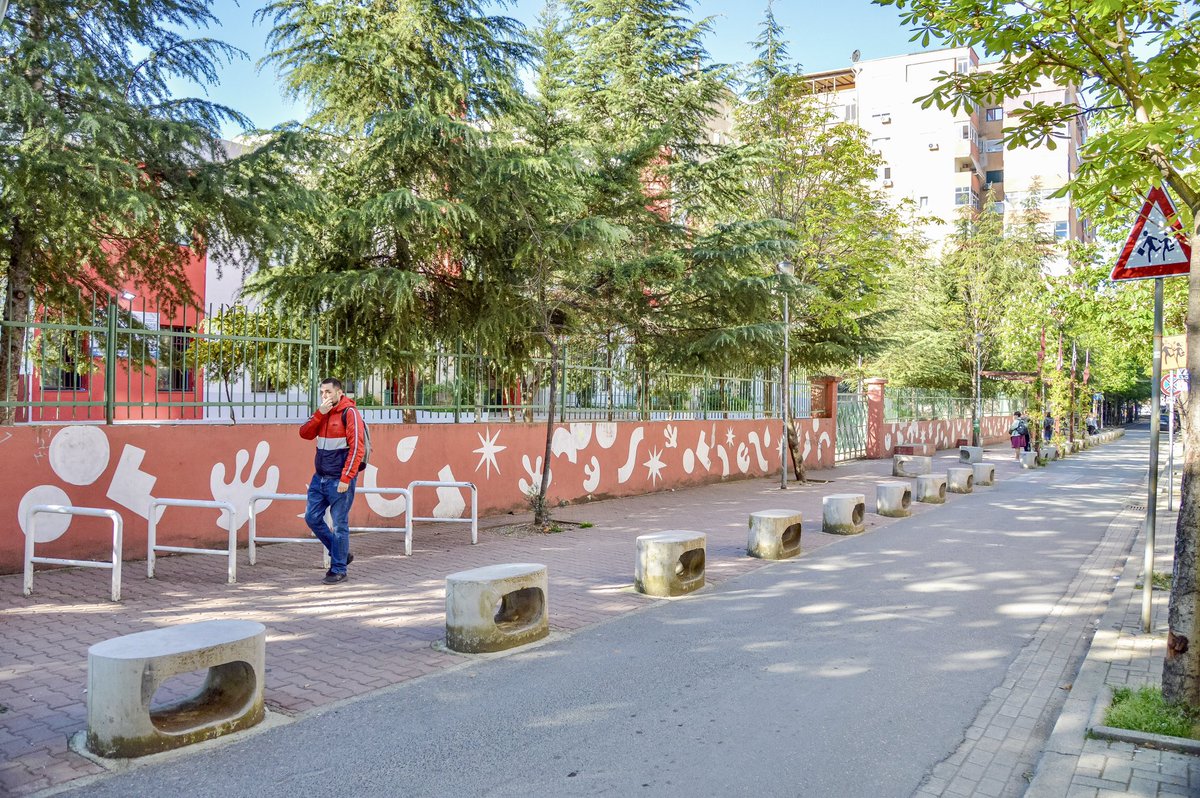
Tirana will invest €1 million to build 20 “school streets” in 2024, which redesign corridors around the needs of kids and their carers. This will double the number of such interventions, and get it 40% of the way towards its goal of protecting every neighborhood school by 2026.

Tirana will invest €1 million to build 20 “school streets” in 2024, which redesign corridors around the needs of kids and their carers.

This will double the number of such interventions, and get it 40% of the way towards its goal of protecting every neighborhood school by 2026.
Melissa & Chris Bruntlett (@modacitylife) 's Twitter Profile Photo

“You can’t get rid of 12,000 cars!” claimed critics when in 2017, Eindhoven proposed the revolutionary transformation of Oirschotsedijk. A former arterial road dissecting Philips de Jonghpark is now an accessible and delightful green space, reconnected by a 5.5 meter cycle path.

Dutch Cycling Embassy (@cycling_embassy) 's Twitter Profile Photo

We know that cycling is good for those who do it. But is it also good for everyone else–even those who do not cycle? The best way to answer this question is through #Bikenomics, a (now) widespread term that indicates economic thinking applied to cycling.

We know that cycling is good for those who do it. But is it also good for everyone else–even those who do not cycle?

The best way to answer this question is through #Bikenomics, a (now) widespread term that indicates economic thinking applied to cycling.
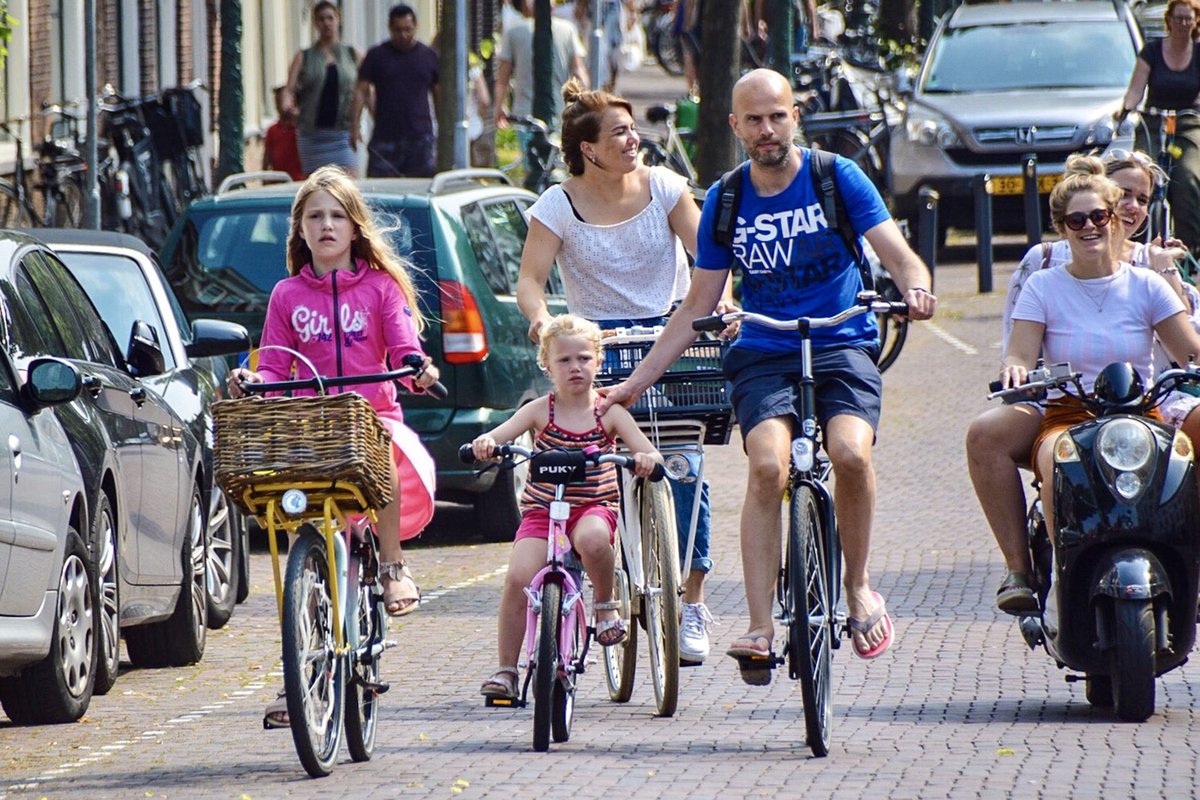
Melissa & Chris Bruntlett (@modacitylife) 's Twitter Profile Photo

To most commuters, the word “congestion” carries negative connotations, and is something to be avoided at all costs. But to those that ride a bike, it doesn’t carry the same weight, being perhaps the only mode of transport where running into traffic makes it even more enjoyable.

Melissa & Chris Bruntlett (@modacitylife) 's Twitter Profile Photo

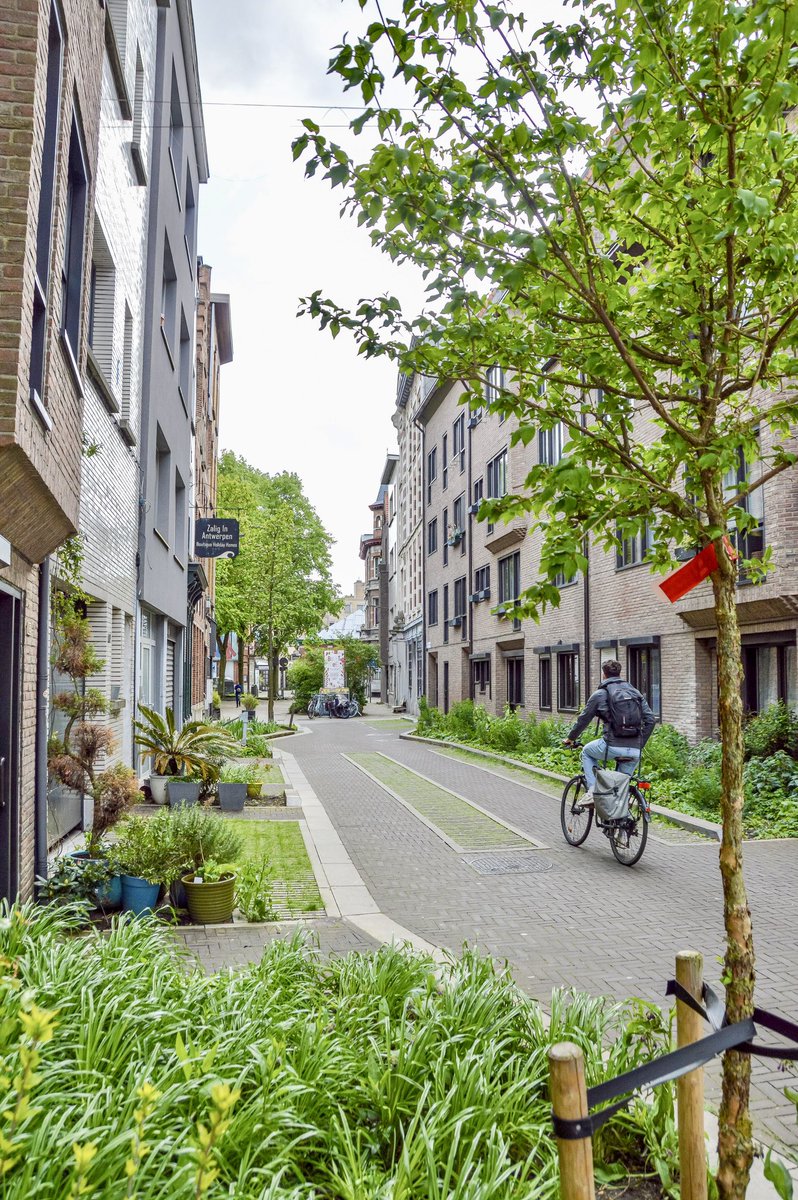
Working with local residents on their design and maintenance, Antwerp is piloting tuinstraten (“garden streets”) in five districts across the city. They improve resiliency (to flooding and heat), liveability and sociability—making these spaces calmer, greener and more beautiful.

Working with local residents on their design and maintenance, Antwerp is piloting tuinstraten (“garden streets”) in five districts across the city.

They improve resiliency (to flooding and heat), liveability and sociability—making these spaces calmer, greener and more beautiful.
Dutch Cycling Embassy (@cycling_embassy) 's Twitter Profile Photo

Active mobility, which includes modes of human-powered transportation such as walking, cycling and running, is more than just a sustainable way to get around. EIT Urban Mobility highlights FIVE benefits: linkedin.com/pulse/masterin…
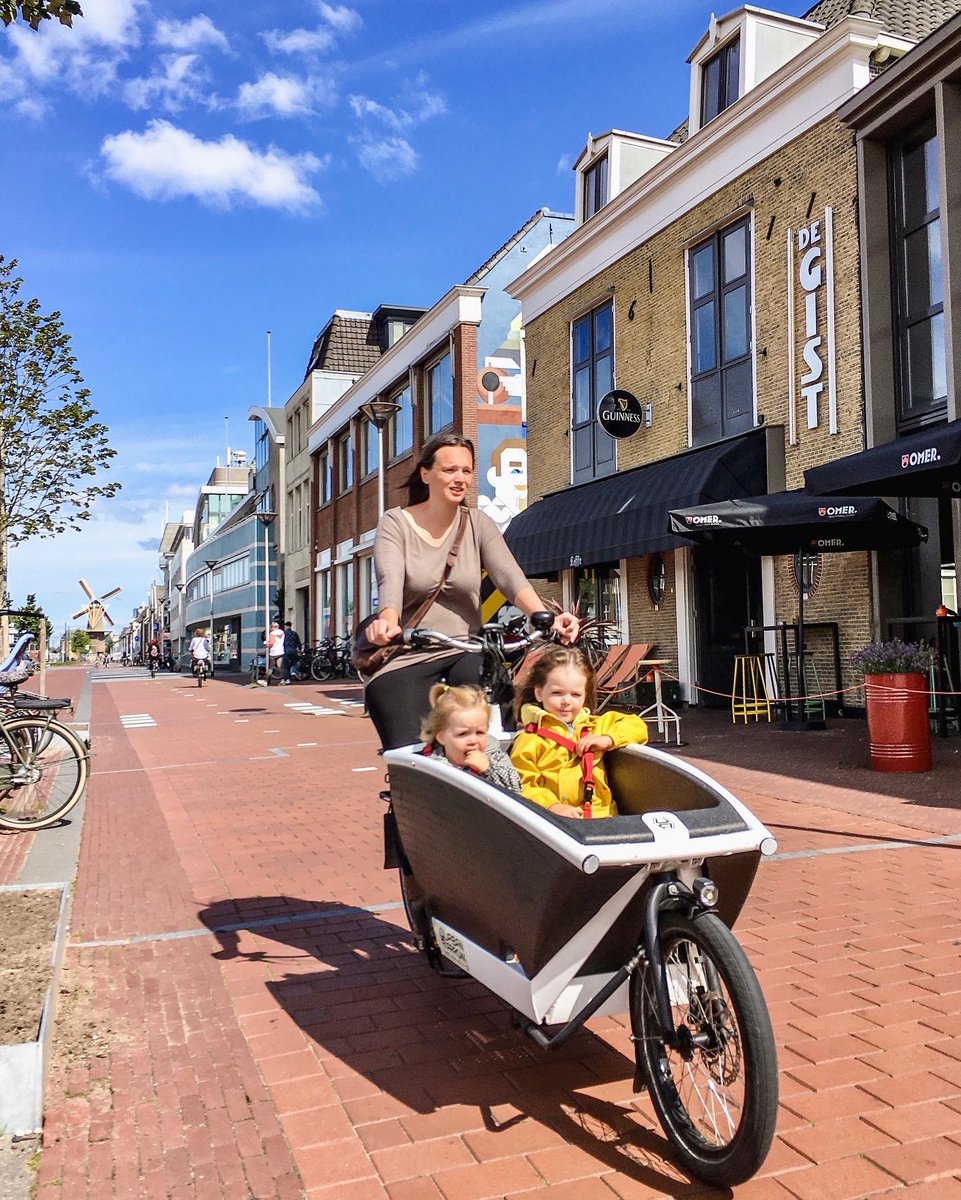
Active mobility, which includes modes of human-powered transportation such as walking, cycling and running, is more than just a sustainable way to get around.

<a href="/EITUrbanMob/">EIT Urban Mobility</a> highlights FIVE benefits: linkedin.com/pulse/masterin…
Dutch Cycling Embassy (@cycling_embassy) 's Twitter Profile Photo

Cycling seems like a natural phenomenon in the Netherlands, but until the 1970s, its cities were adapting to an influx of cars. The Dutch took a different turn, making cycling the obvious choice for most citizens. 📍Oudegracht, Utrecht 📷 1967 and 2024 (Edwin Lucas )

Cycling seems like a natural phenomenon in the Netherlands, but until the 1970s, its cities were adapting to an influx of cars.

The Dutch took a different turn, making cycling the obvious choice for most citizens.

📍Oudegracht, Utrecht
📷 1967 and 2024 (<a href="/edwinlucas_/">Edwin Lucas </a>)
Herman Schouwink (@hermanschouwink) 's Twitter Profile Photo

Just WOW Rory Preddy at #devconf2025 From a catchy tag line to the talk to real raw emotion. Having a wife involved in special needs education, autism specifically, this really hit home and faith that technologist are creating these tools for the betterment of so many lives