Technoblogy (@technoblogy) 's Twitter Profile
Technoblogy

@technoblogy

Electronics projects with legs.

ID: 195184519

linkhttp://www.technoblogy.com calendar_today26-09-2010 01:27:19

240 Tweet

1,1K Followers

85 Following
Technoblogy (@technoblogy) 's Twitter Profile Photo

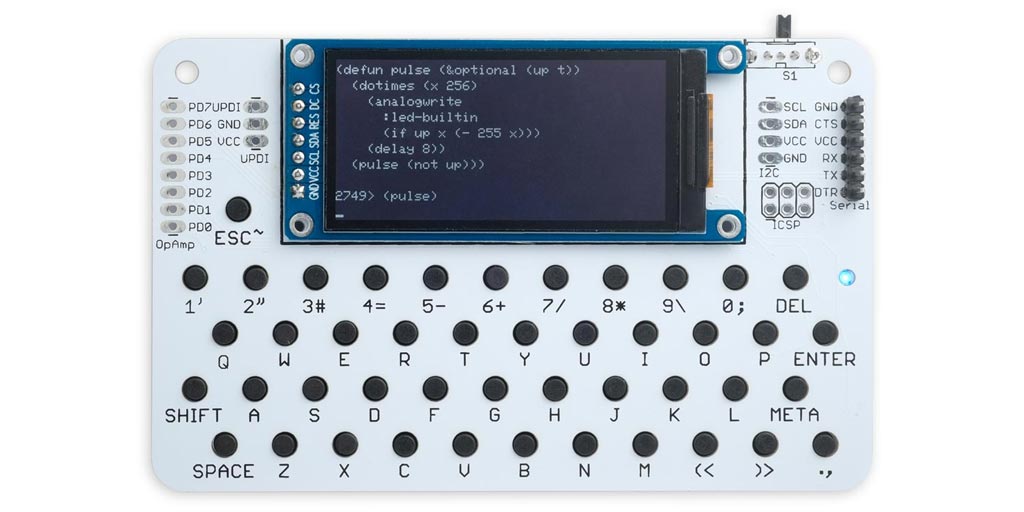
The Lisp Badge LE is a self-contained low-power computer with its own display and keyboard that you can program in Lisp: technoblogy.com/show?3Z2Y

The Lisp Badge LE is a self-contained low-power computer with its own display and keyboard that you can program in Lisp: technoblogy.com/show?3Z2Y
Technoblogy (@technoblogy) 's Twitter Profile Photo

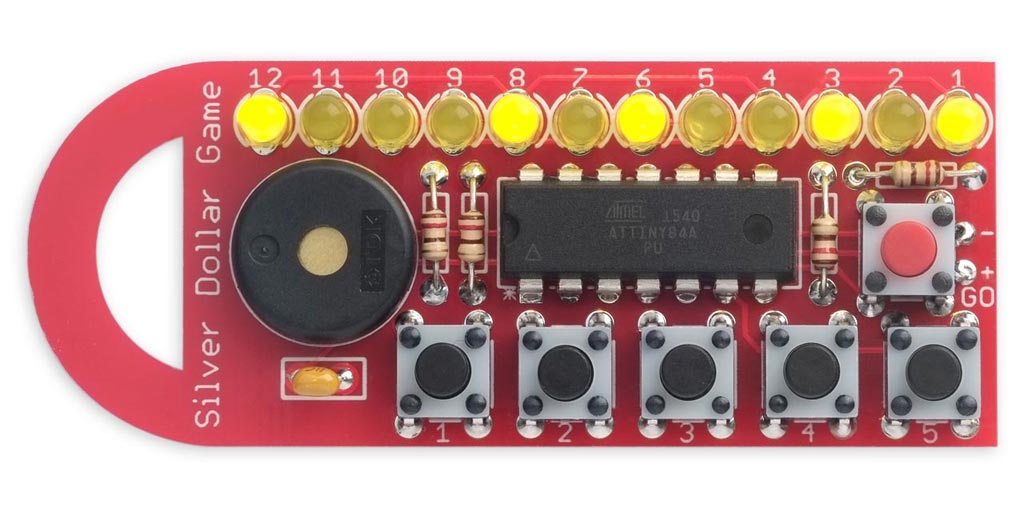
My latest project is a logic game in which the aim is move five silver dollars, represented by LEDs, along a strip of 12 positions. You take turns with the game, and the last player able to move wins: technoblogy.com/show?4KA5

My latest project is a logic game in which the aim is move five silver dollars, represented by LEDs, along a strip of 12 positions. You take turns with the game, and the last player able to move wins: technoblogy.com/show?4KA5
Technoblogy (@technoblogy) 's Twitter Profile Photo

My latest project is an Arduino Nano-sized board based on the Renesas RA4M1 ARM processor, and compatible with the Arduino Uno R4 Minima: technoblogy.com/show?4JVF

My latest project is an Arduino Nano-sized board based on the Renesas RA4M1 ARM processor, and compatible with the Arduino Uno R4 Minima: technoblogy.com/show?4JVF
Technoblogy (@technoblogy) 's Twitter Profile Photo

This Blink application works without a program, using buffers and inverters created using the AVR Event System: technoblogy.com/show?4MS7

This Blink application works without a program, using buffers and inverters created using the AVR Event System: technoblogy.com/show?4MS7
Technoblogy (@technoblogy) 's Twitter Profile Photo

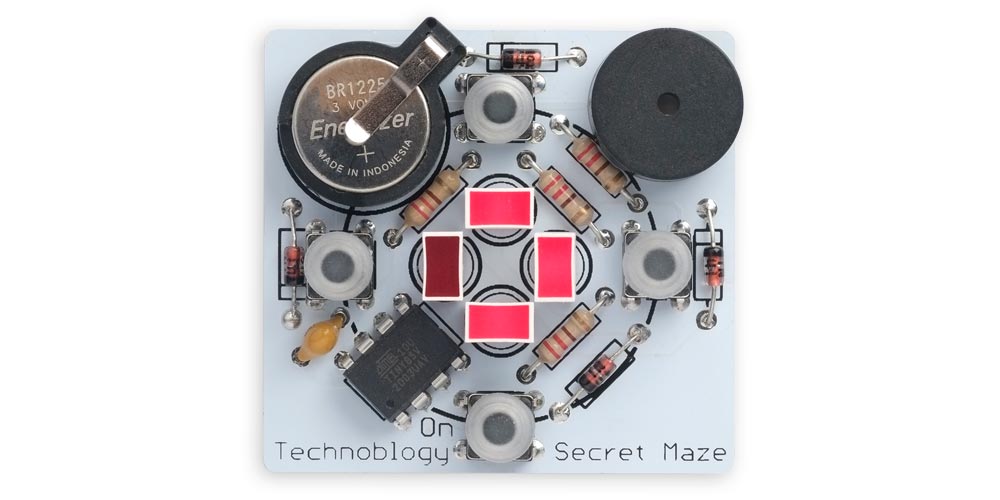
This is a new version of my ATtiny85-based Secret Maze game, which you have to solve by navigating a maze with four push buttons: technoblogy.com/show?4NRC

This is a new version of my ATtiny85-based Secret Maze game, which you have to solve by navigating a maze with four push buttons: technoblogy.com/show?4NRC
Technoblogy (@technoblogy) 's Twitter Profile Photo

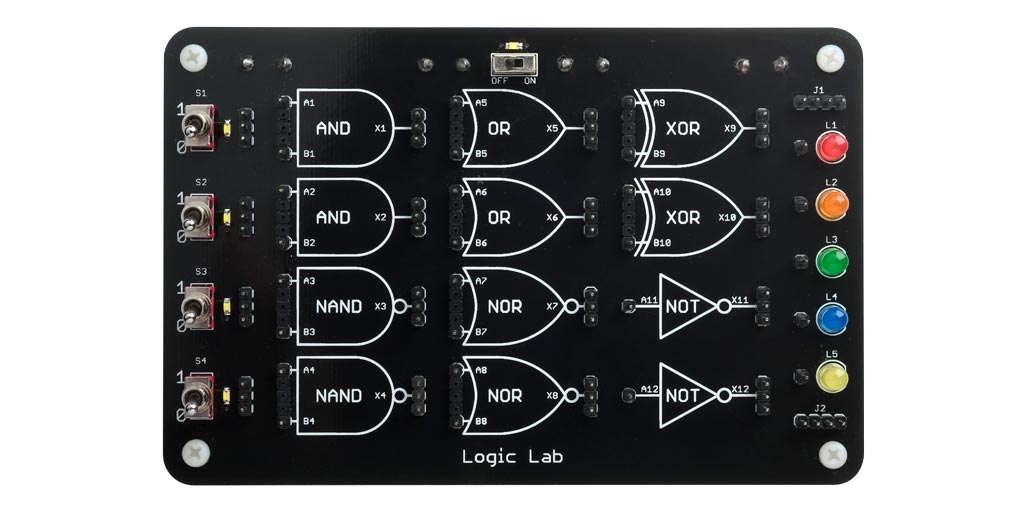
This new version of my Logic Lab uses discrete "1G" CMOS logic gates rather than an AVR microprocessor. Like the original, it provides a selection of 12 logic gates that you can interconnect with patch cables to make a variety of different logic circuits: technoblogy.com/show?4ODG

This new version of my Logic Lab uses discrete "1G" CMOS logic gates rather than an AVR microprocessor. Like the original, it provides a selection of 12 logic gates that you can interconnect with patch cables to make a variety of different logic circuits: technoblogy.com/show?4ODG
Technoblogy (@technoblogy) 's Twitter Profile Photo

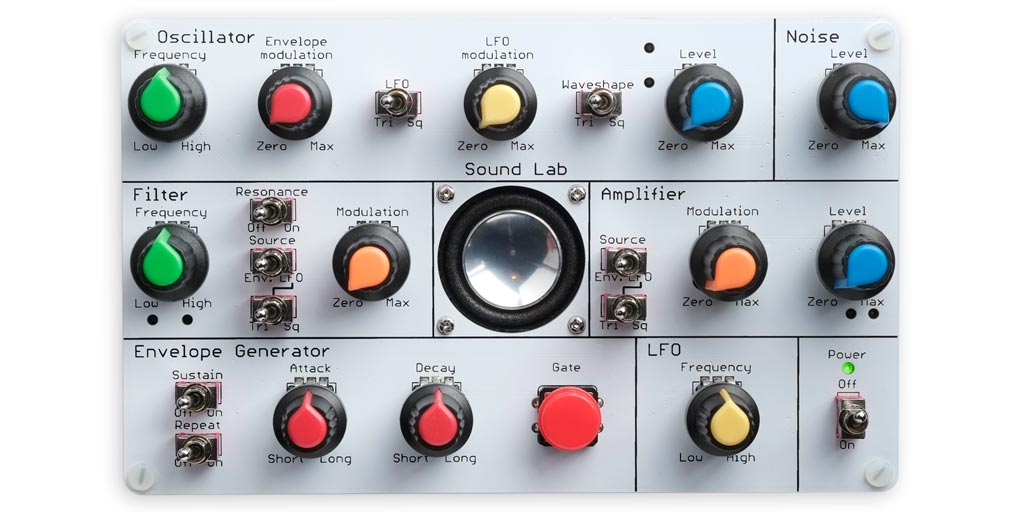
Sound Lab is an analogue synthesiser consisting of six modules that can be combined in a variety of ways. It uses a single printed circuit board that doubles as the front panel and wiring: technoblogy.com/show?4MGW

Sound Lab is an analogue synthesiser consisting of six modules that can be combined in a variety of ways. It uses a single printed circuit board that doubles as the front panel and wiring: technoblogy.com/show?4MGW
Technoblogy (@technoblogy) 's Twitter Profile Photo

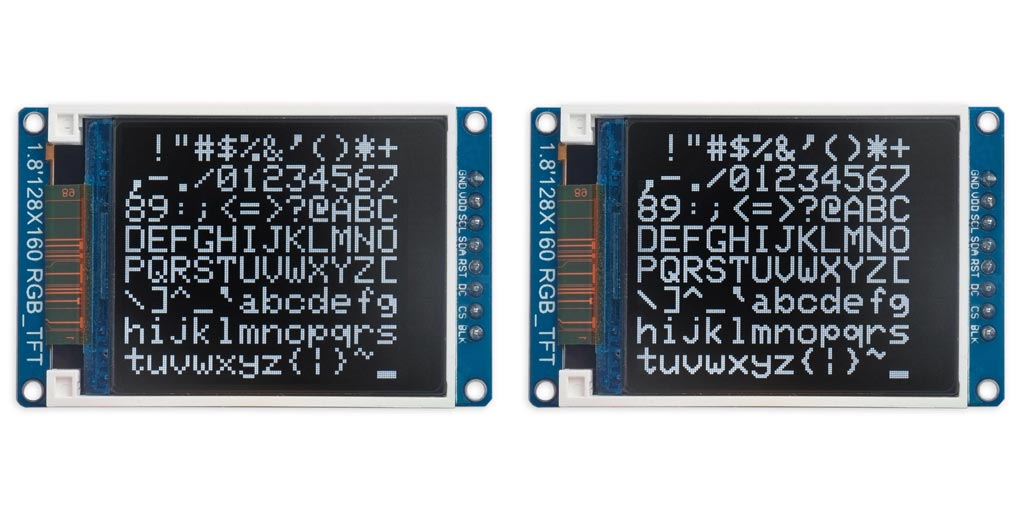
This is a simple scrolling text display based on four 8x8 LED dot-matrix displays, controlled by an ATtiny85, and you can enter a message of up to 256 characters from a keyboard: technoblogy.com/show?4WX8

This is a simple scrolling text display based on four 8x8 LED dot-matrix displays, controlled by an ATtiny85, and you can enter a message of up to 256 characters from a keyboard: technoblogy.com/show?4WX8
Technoblogy (@technoblogy) 's Twitter Profile Photo

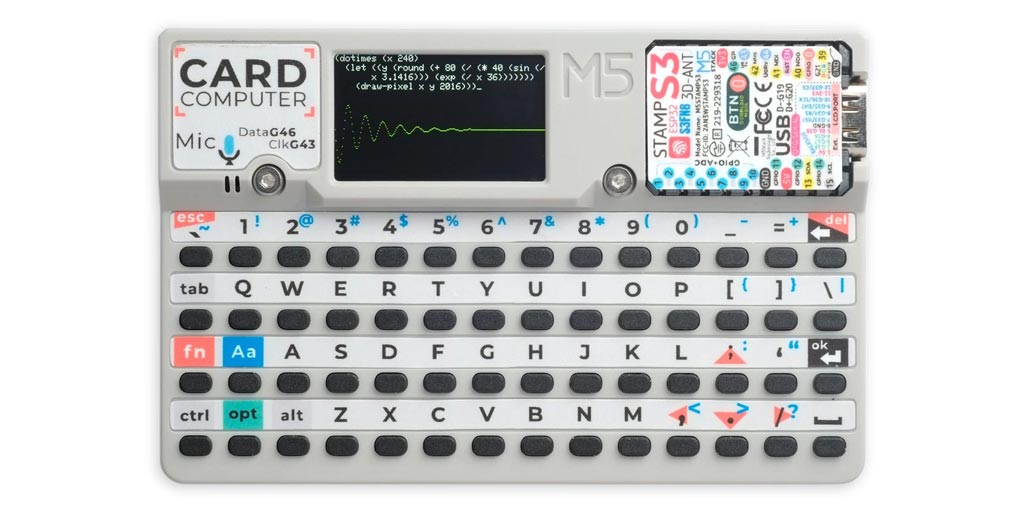
The Cardputer uLisp Machine is a self-contained handheld Lisp computer based on the low-cost M5Stack Cardputer; for more information see: ulisp.com/show?52G4

The Cardputer uLisp Machine is a self-contained handheld Lisp computer based on the low-cost <a href="/M5Stack/">M5Stack</a> Cardputer; for more information see: ulisp.com/show?52G4
Technoblogy (@technoblogy) 's Twitter Profile Photo

This is a PCB for my scrolling text display, based on four 8x8 LED dot-matrix displays, that you can edit with a keyboard. It's based on a MicrochipTechnologyInc. ATtiny85: technoblogy.com/show?4WX8

This is a PCB for my scrolling text display, based on four 8x8 LED dot-matrix displays, that you can edit with a keyboard. It's based on a <a href="/MicrochipTech/">MicrochipTechnologyInc.</a> ATtiny85: technoblogy.com/show?4WX8
Technoblogy (@technoblogy) 's Twitter Profile Photo

My latest project is a digital clock, based on two 8x8 bi-colour LED dot matrix displays, that changes from red to green if the time is a prime number: technoblogy.com/show?547T

My latest project is a digital clock, based on two 8x8 bi-colour LED dot matrix displays, that changes from red to green if the time is a prime number: technoblogy.com/show?547T
Technoblogy (@technoblogy) 's Twitter Profile Photo

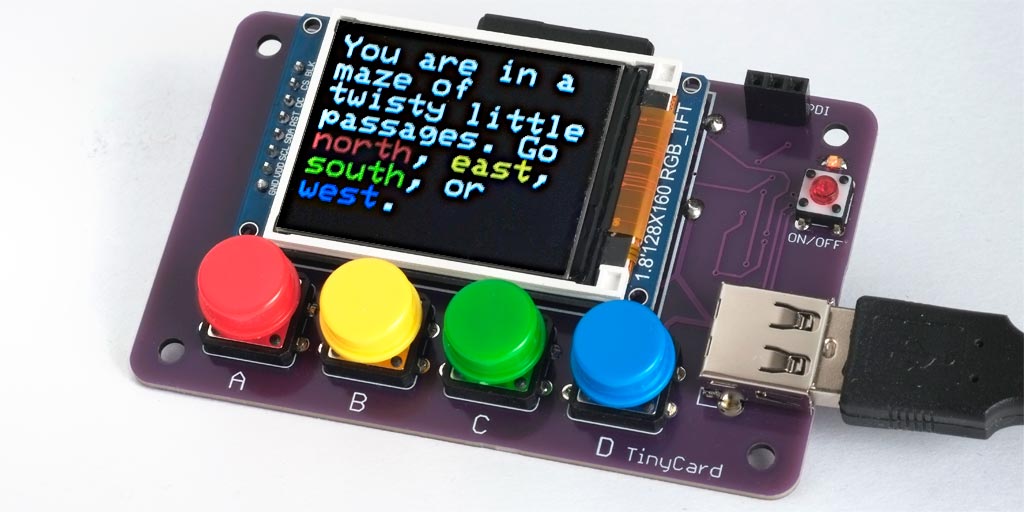
My latest project, TinyCard, is a simple text game maker to allow children to create short adventure games, interactive stories, surveys, or quizzes: technoblogy.com/show?51KR

My latest project, TinyCard, is a simple text game maker to allow children to create short adventure games, interactive stories, surveys, or quizzes: technoblogy.com/show?51KR
Technoblogy (@technoblogy) 's Twitter Profile Photo

For a more relaxed approach to life the Timescale Clock displays the time as a scrolling scale on two bi-colour dot matrix displays; see technoblogy.com/show?55KG

For a more relaxed approach to life the Timescale Clock displays the time as a scrolling scale on two bi-colour dot matrix displays; see technoblogy.com/show?55KG
Technoblogy (@technoblogy) 's Twitter Profile Photo

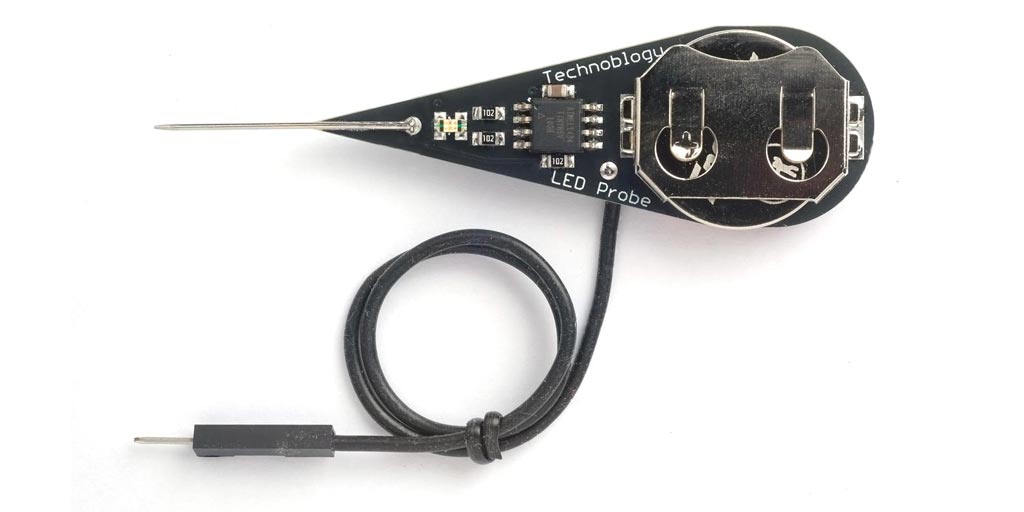
This is a simple LED tester, based on an ATtiny85 or ATtiny202, that provides a convenient way of testing most types of through-hole or surface-mount LEDs: technoblogy.com/show?53Z6

This is a simple LED tester, based on an ATtiny85 or ATtiny202, that provides a convenient way of testing most types of through-hole or surface-mount LEDs: technoblogy.com/show?53Z6
Technoblogy (@technoblogy) 's Twitter Profile Photo

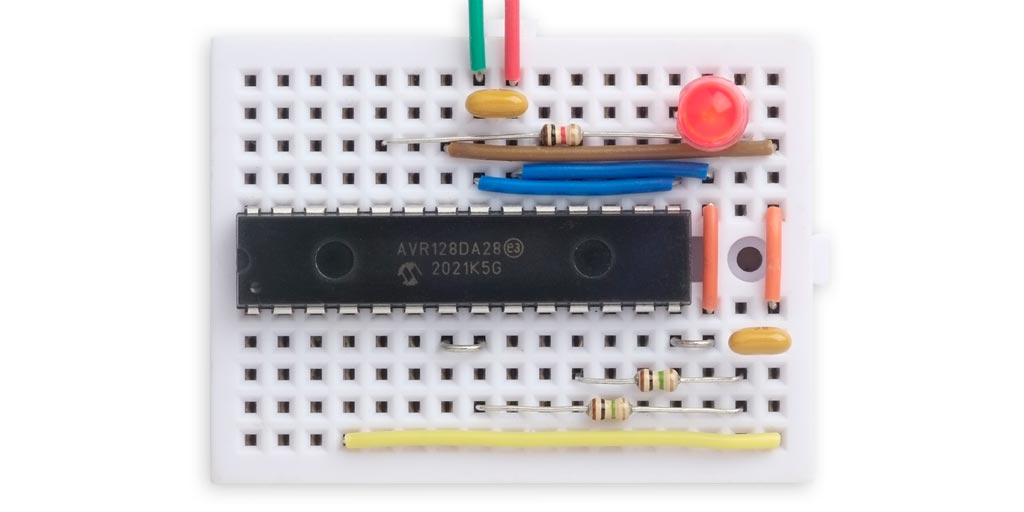
My latest project is a Feather-format board based on the Microchip AVR128DA32. It runs at 24MHz, has 16KB of RAM and 128KB of flash, and runs uLisp: technoblogy.com/show?3V6B

My latest project is a Feather-format board based on the Microchip AVR128DA32. It runs at 24MHz, has 16KB of RAM and 128KB of flash, and runs uLisp: technoblogy.com/show?3V6B
Technoblogy (@technoblogy) 's Twitter Profile Photo

The Walkie-Textie is a simple handheld device, based on an ATtiny814, that allows you to send and receive text messages using a 12-key keypad and OLED display: technoblogy.com/show?2AON

The Walkie-Textie is a simple handheld device, based on an ATtiny814, that allows you to send and receive text messages using a 12-key keypad and OLED display: technoblogy.com/show?2AON
Technoblogy (@technoblogy) 's Twitter Profile Photo

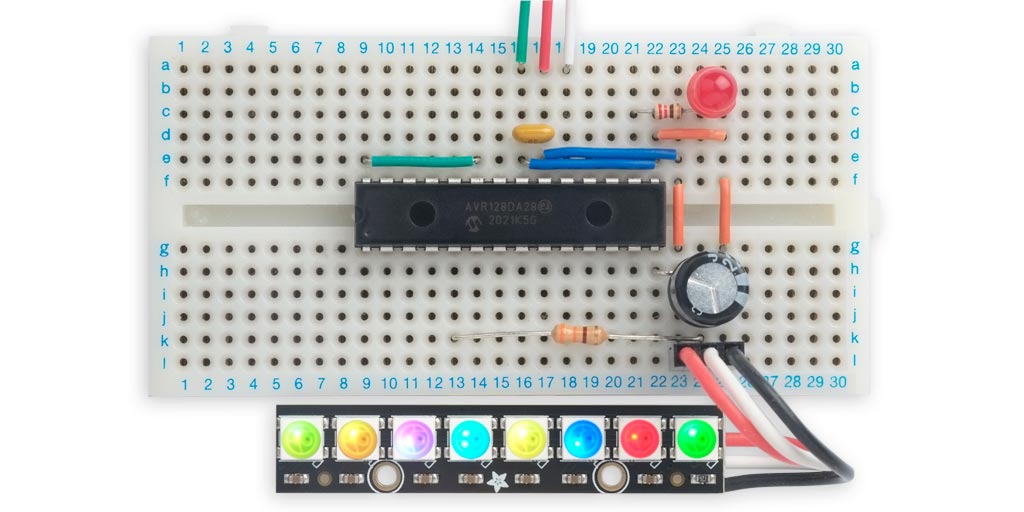
My latest project is a driver for NeoPixel (WS2812) LED displays using AVR hardware. It works by combining the SPI peripheral with a Timer/Counter using Configurable Custom Logic (CCL): technoblogy.com/show?5BGM

My latest project is a driver for NeoPixel (WS2812) LED displays using AVR hardware. It works by combining the SPI peripheral with a Timer/Counter using Configurable Custom Logic (CCL): technoblogy.com/show?5BGM
Technoblogy (@technoblogy) 's Twitter Profile Photo

This article shows how to eliminate most of the interconnections between pins on my hardware driver for NeoPixel (WS2812) LED displays by taking advantage of the Event System on AVR processors: technoblogy.com/show?5BQG

This article shows how to eliminate most of the interconnections between pins on my hardware driver for NeoPixel (WS2812) LED displays by taking advantage of the Event System on AVR processors: technoblogy.com/show?5BQG
Technoblogy (@technoblogy) 's Twitter Profile Photo

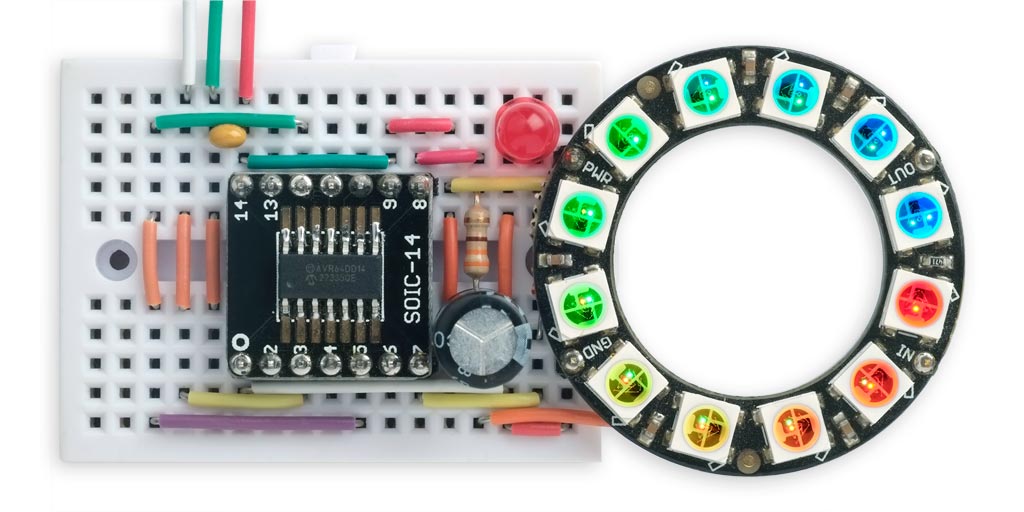
This final article in the series shows how to fit my hardware driver for NeoPixel (WS2812) LED displays onto the 14-pin AVR64DD14 by taking advantage of the Event System on AVR processors: technoblogy.com/show?5CC0

This final article in the series shows how to fit my hardware driver for NeoPixel (WS2812) LED displays onto the 14-pin AVR64DD14 by taking advantage of the Event System on AVR processors: technoblogy.com/show?5CC0