serinedr (@serinedoctor) 's Twitter Profile
serinedr

@serinedoctor

a curious traveler interested in science, art and culture

ID: 1448676118517714951

calendar_today14-10-2021 15:45:35

613 Tweet

4,4K Takipçi

4,4K Takip Edilen

serinedr (@serinedoctor) 's Twitter Profile Photo

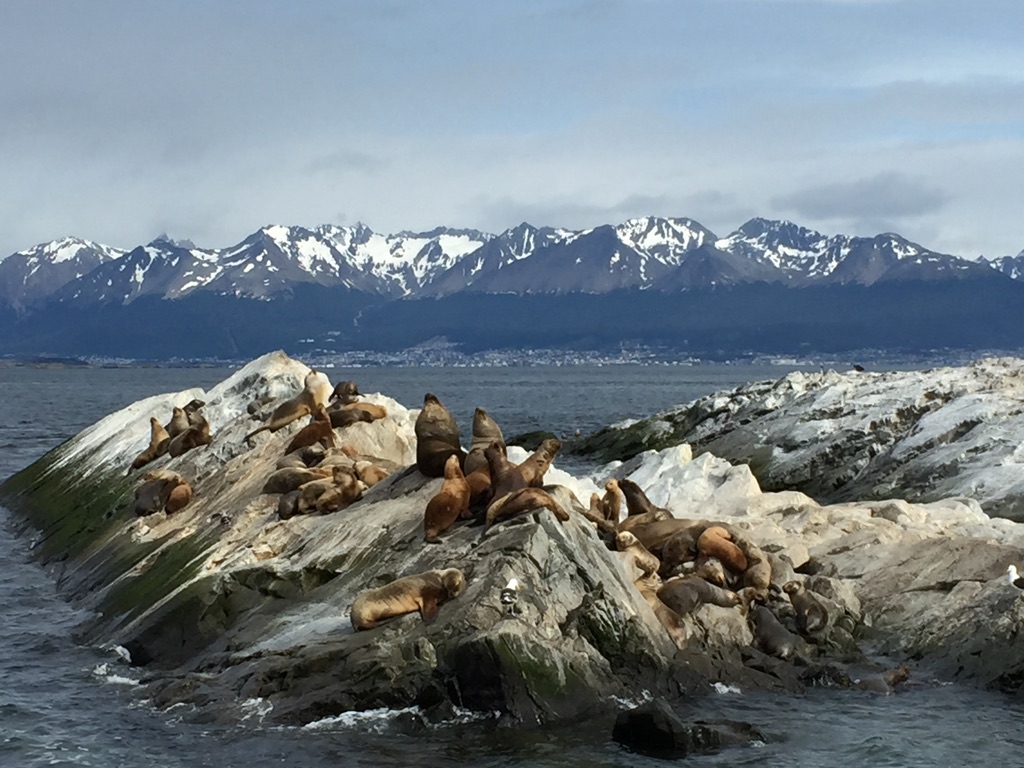
There are lights even at the end of the world 😎 #Lighthouse Les Eclaireurs Lighthouse, also known as the Lighthouse at the End of the World, 9 km east of Ushuaia in the Beagle Channel, Argentina

There are lights even at the end of the world 😎 #Lighthouse 

Les Eclaireurs Lighthouse, also known as the Lighthouse at the End of the World, 9 km east of Ushuaia in the Beagle Channel, Argentina
serinedr (@serinedoctor) 's Twitter Profile Photo

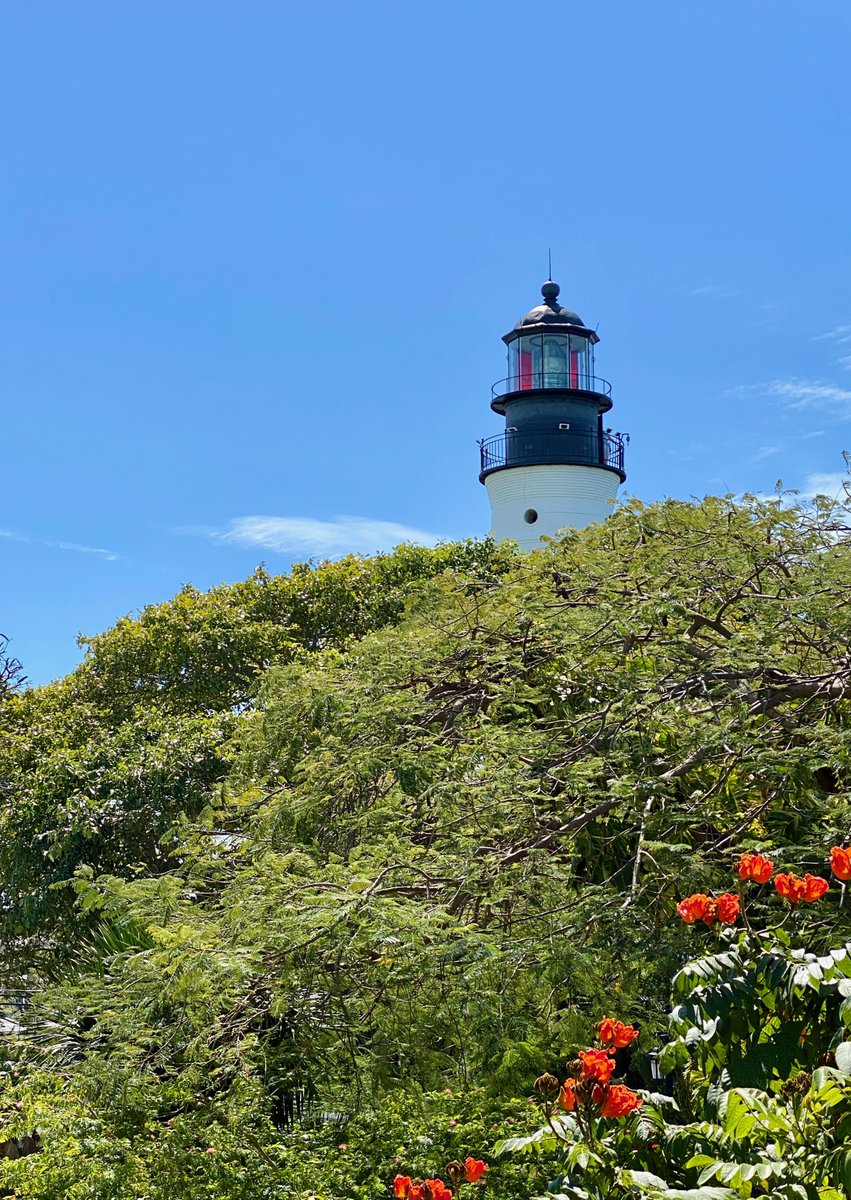
“The world breaks everyone and afterward many are strong at the broken places.” - Ernst Hemingway The Key West Lighthouse seen from Hemingway’s home, Florida, USA

“The world breaks everyone and afterward many are strong at the broken places.” - Ernst Hemingway

The Key West Lighthouse seen from Hemingway’s home, Florida, USA
serinedr (@serinedoctor) 's Twitter Profile Photo

An alerce tree, known as the Alerce Milenario or Gran Abuelo (great-grandfather) tree in Alerce Costero National Park, Chile, is estimated >5000 years old, making it the world’s oldest known tree. Source: Science magazine

An alerce tree, known as the Alerce Milenario or Gran Abuelo (great-grandfather) tree in Alerce Costero National Park, Chile, is estimated >5000 years old, making it the world’s oldest known tree. Source: Science magazine
serinedr (@serinedoctor) 's Twitter Profile Photo

Making such a beautiful nest requires great skills. How do birds learn nest-building? Genetically? Hope someone knows. #birds

serinedr (@serinedoctor) 's Twitter Profile Photo

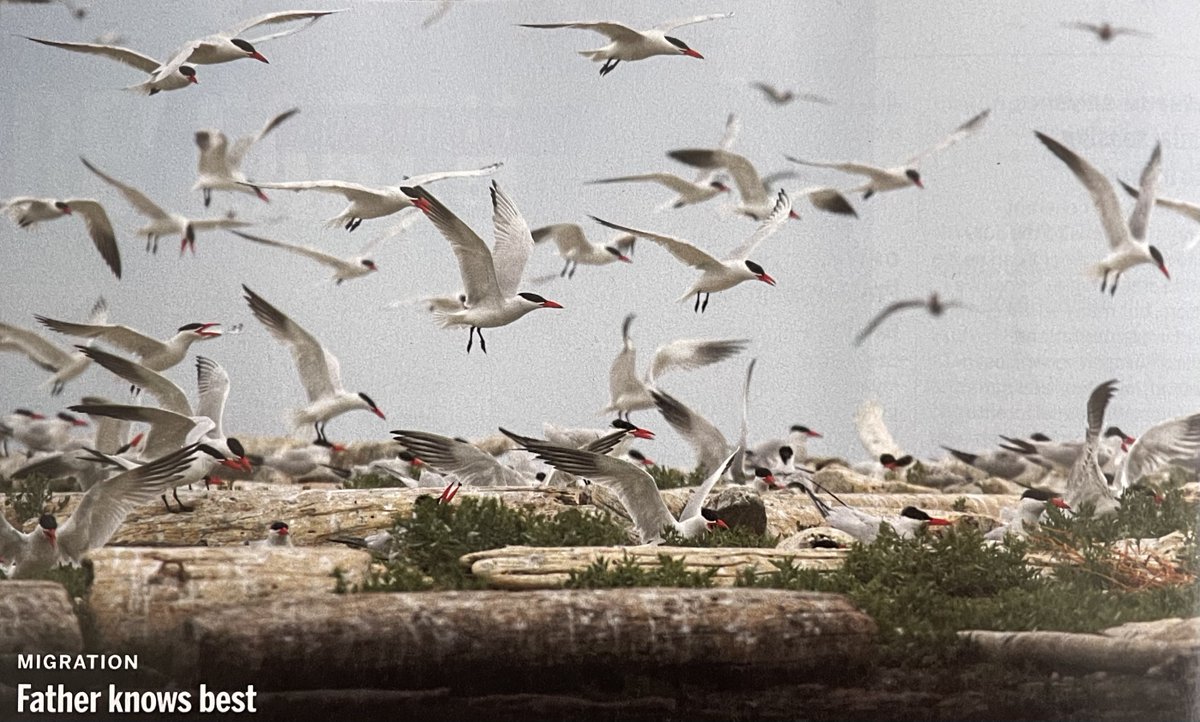
Happy Father's Day! In Caspian terns, male parents are mostly responsible for guiding naïve young during their first long-distance migration. Source: Nature Communication and Science

Happy Father's Day!
In Caspian terns, male parents are mostly responsible for guiding naïve young during their first long-distance migration. Source: Nature Communication and Science
Science girl (@gunsnrosesgirl3) 's Twitter Profile Photo

Mussels in the genus lampsilis target fish and ‘trick’ them into believing they are coming in for a meal spilling out of a females' shell is flesh shaped & moving like their targets prey, in striking range the mussel fires its larvae into its gills 1/🧵

Massimo (@rainmaker1973) 's Twitter Profile Photo

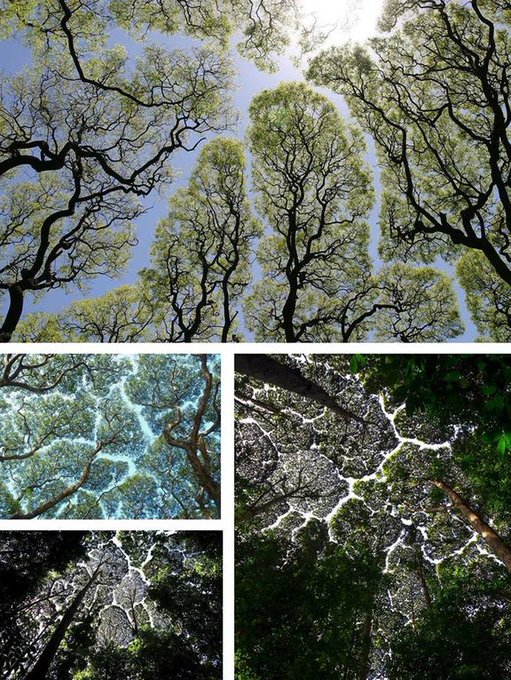
The exact physiological basis of crown shyness is not certain. The phenomenon has been discussed in scientific literature since the 1920s. A prominent hypothesis is that canopy shyness has to do with mutual light sensing by adjacent plants.

The exact physiological basis of crown shyness is not certain. The phenomenon has been discussed in scientific literature since the 1920s. 

A prominent hypothesis is that canopy shyness has to do with mutual light sensing by adjacent plants.