Amanda Schnepp (she/her) (@schnepp_bio_lab) 's Twitter Profile
Amanda Schnepp (she/her)

@schnepp_bio_lab

Follow the labs and activities of Southport biology students.

ID: 856648998068912128

calendar_today24-04-2017 23:20:11

1,1K Tweet

186 Takipçi

131 Takip Edilen
Amanda Schnepp (she/her) (@schnepp_bio_lab) 's Twitter Profile Photo

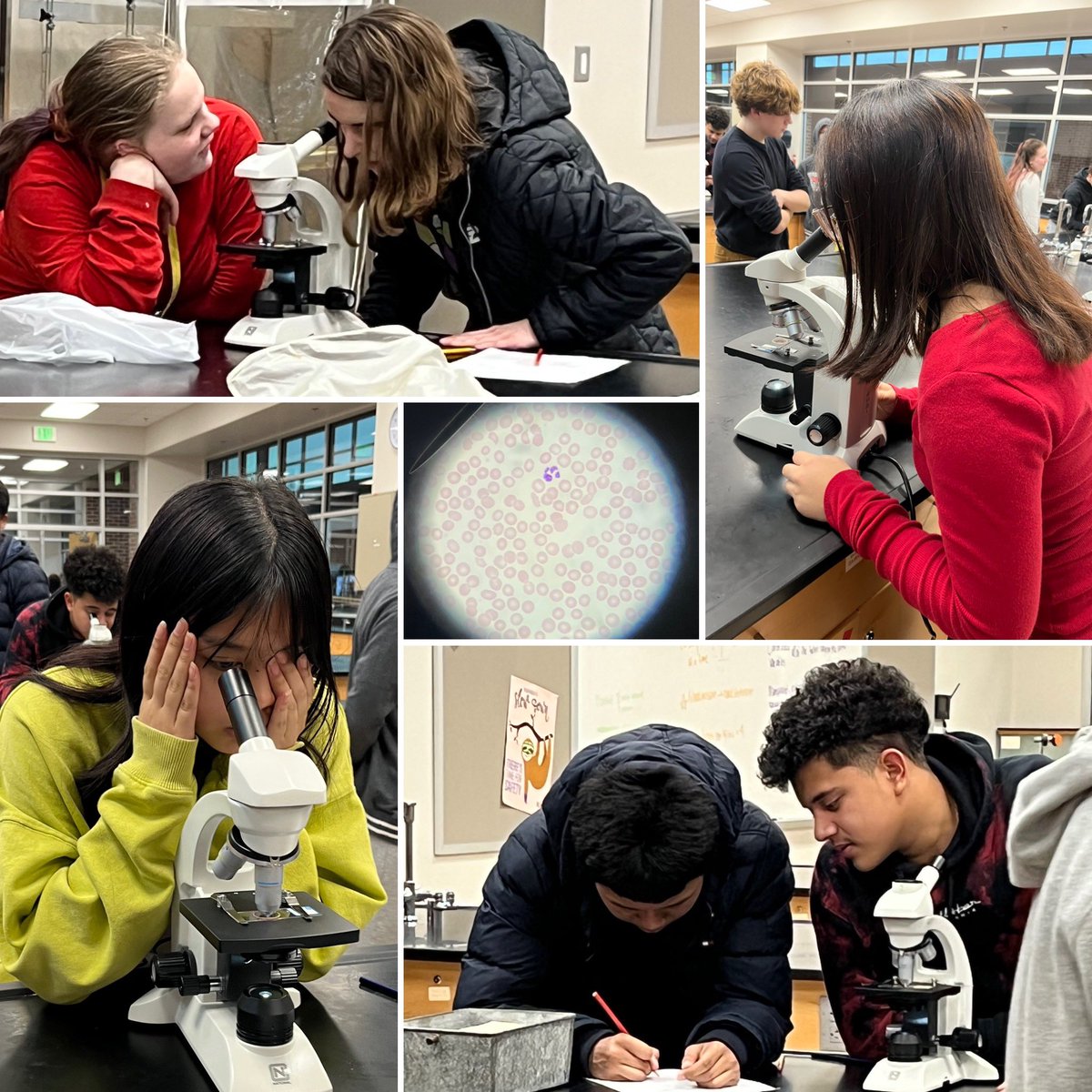
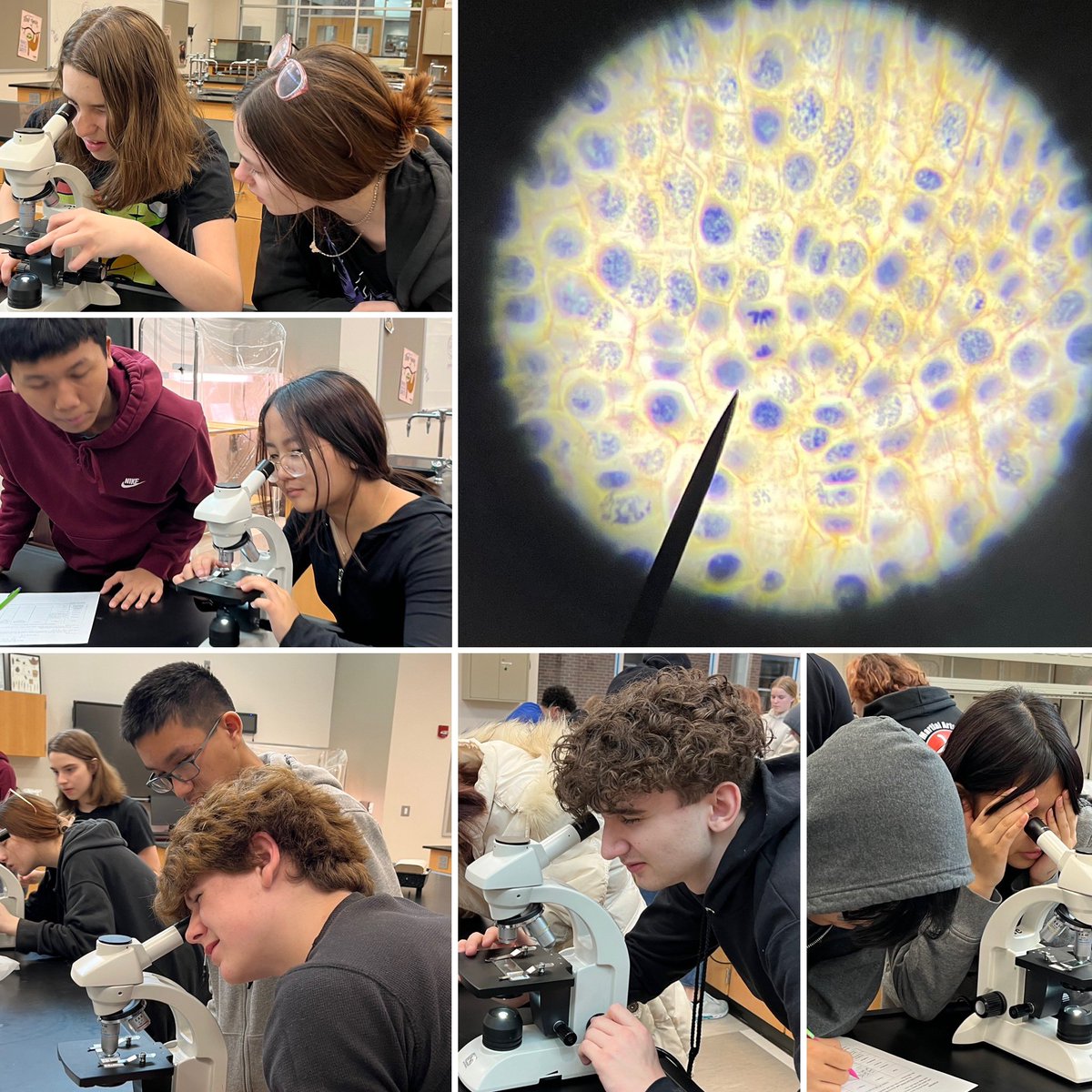
Biology students finished their unit on the Cell Cycle by collecting and analyzing data to determine how long a typical cell actually spends in each stage of the cell cycle. 🔬

Biology students finished their unit on the Cell Cycle by collecting and analyzing data to determine how long a typical cell actually spends in each stage of the cell cycle. 🔬
Amanda Schnepp (she/her) (@schnepp_bio_lab) 's Twitter Profile Photo

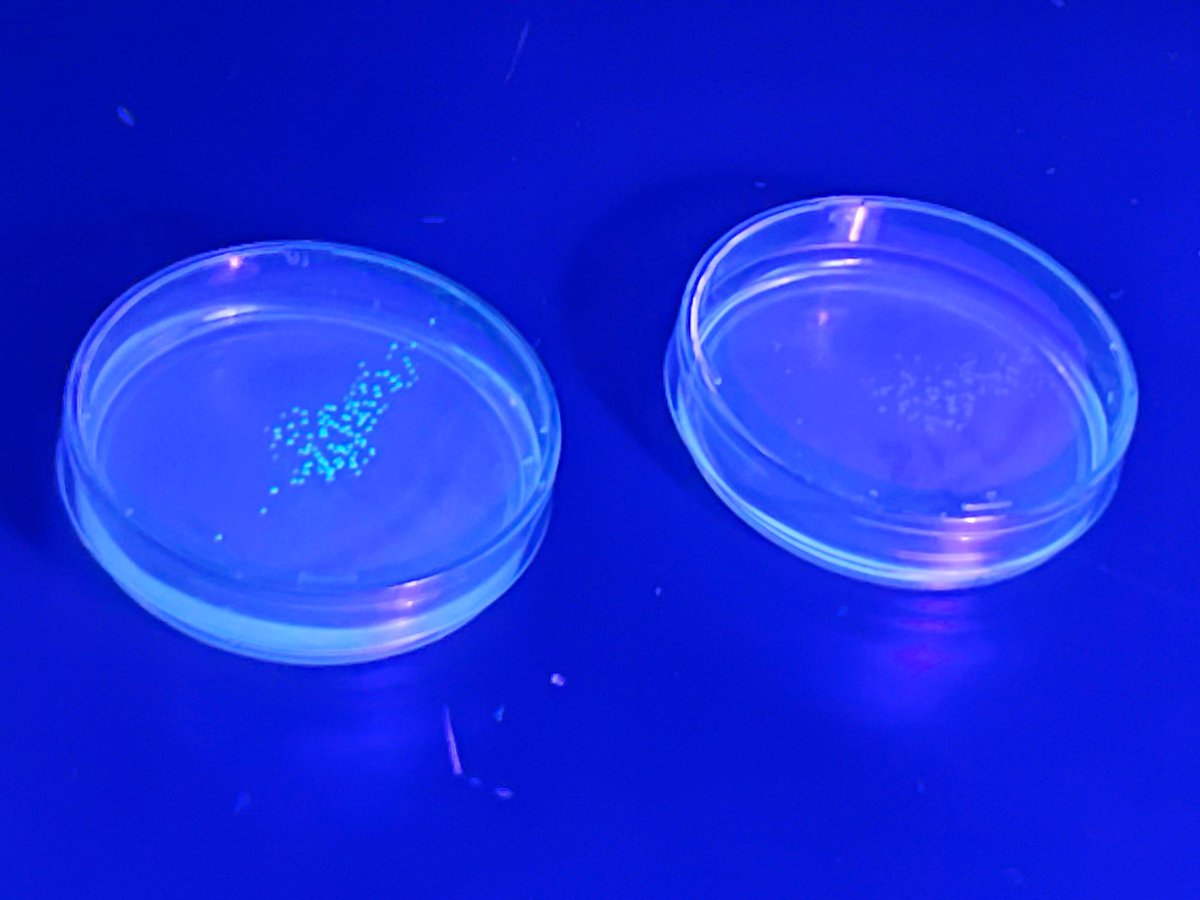
AP Bio students created gmo bacteria by inserting a gene from a jellyfish. They controlled the expression of that gene, turning it on, by adding the sugar arabinose. When the gene is turned on, the bacteria are fluorescent green (left); when it is off, they are white (right).

AP Bio students created gmo bacteria by inserting a gene from a jellyfish. They controlled the expression of that gene, turning it on, by adding the sugar arabinose. When the gene is turned on, the bacteria are fluorescent green (left); when it is off, they are white (right).
Amanda Schnepp (she/her) (@schnepp_bio_lab) 's Twitter Profile Photo

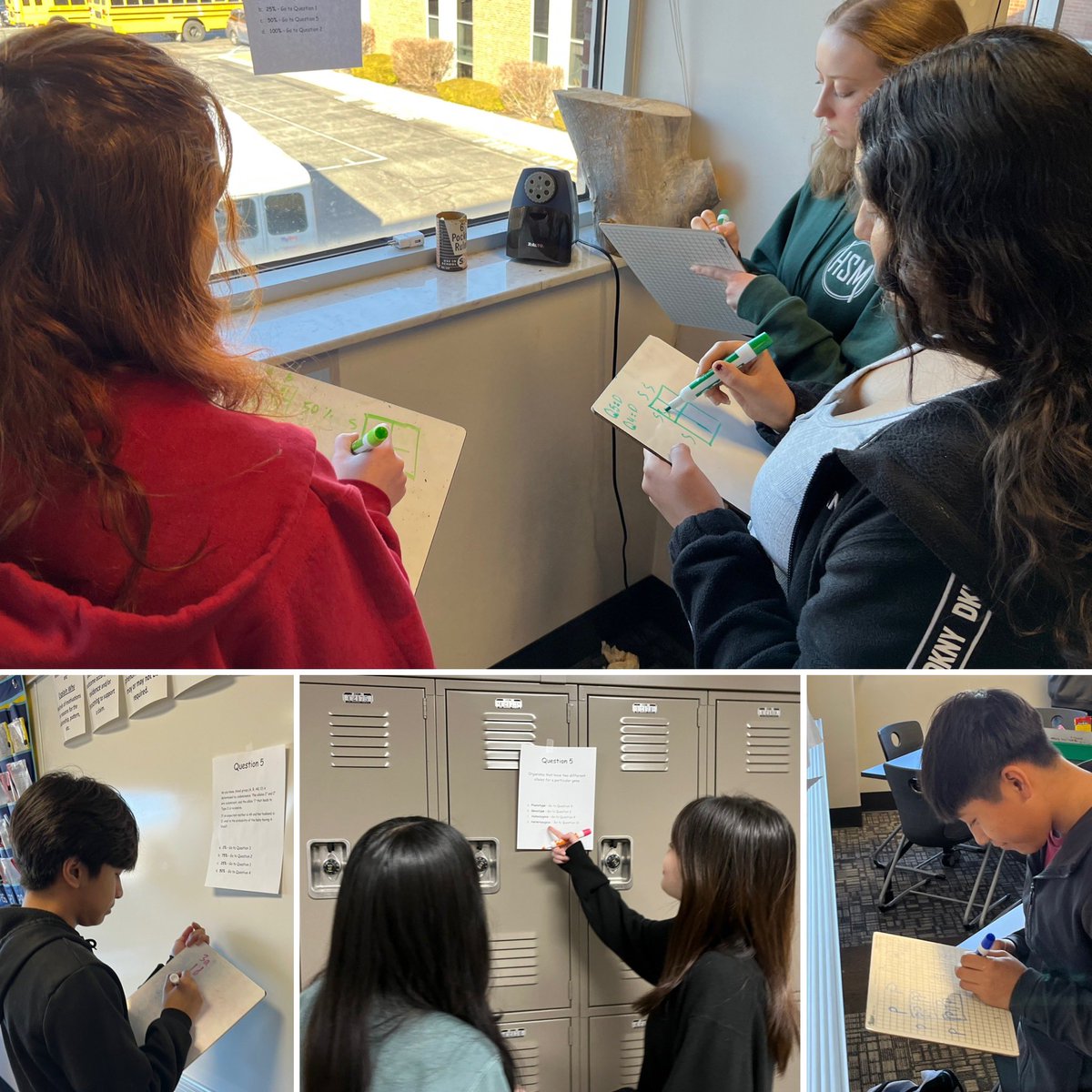
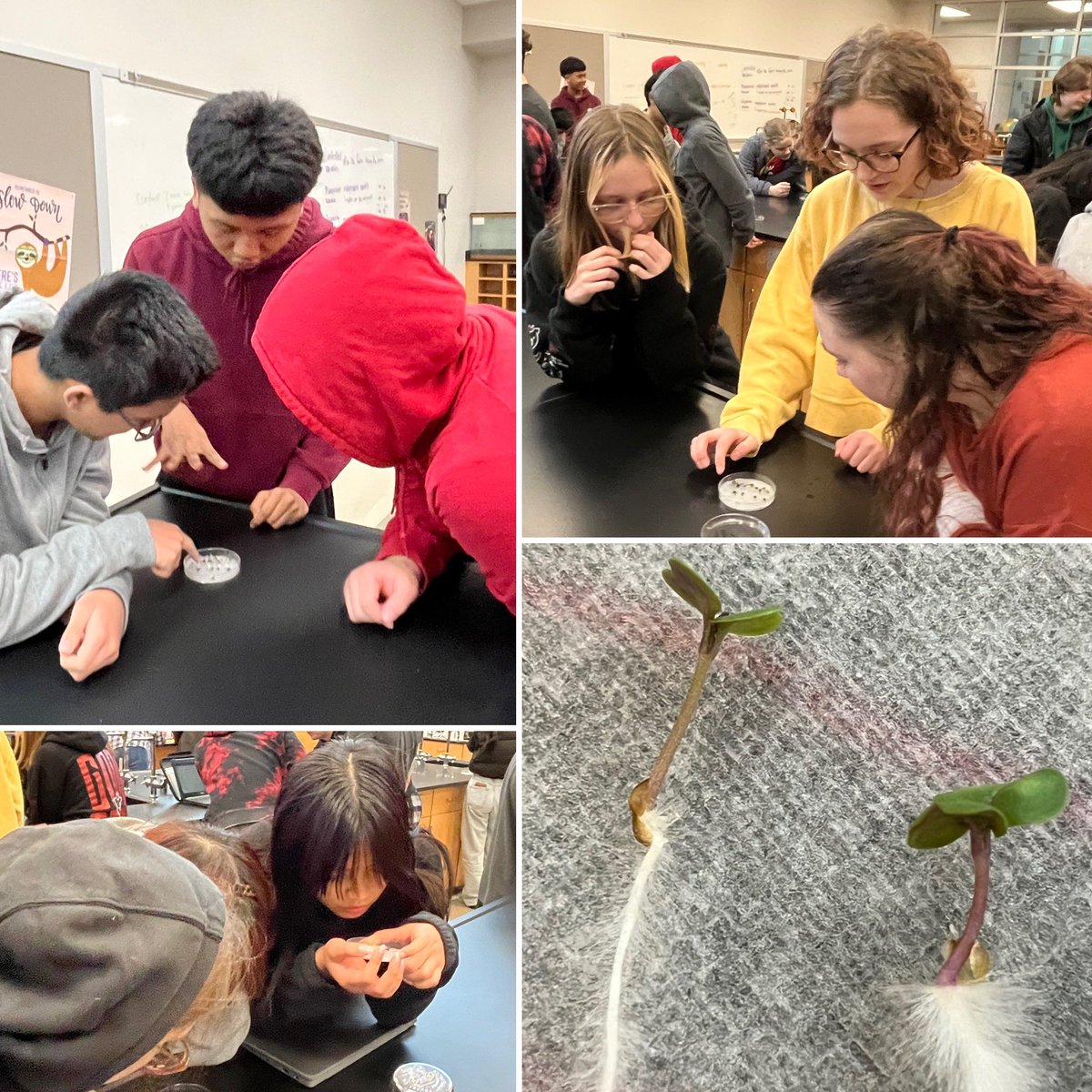
Biology students observed their plants and collected data to determine which phenotypes are dominant and what the unknown “grandpa” plant’s genotype and phenotype was.

Biology students observed their plants and collected data to determine which phenotypes are dominant and what the unknown “grandpa” plant’s genotype and phenotype was.
Amanda Schnepp (she/her) (@schnepp_bio_lab) 's Twitter Profile Photo

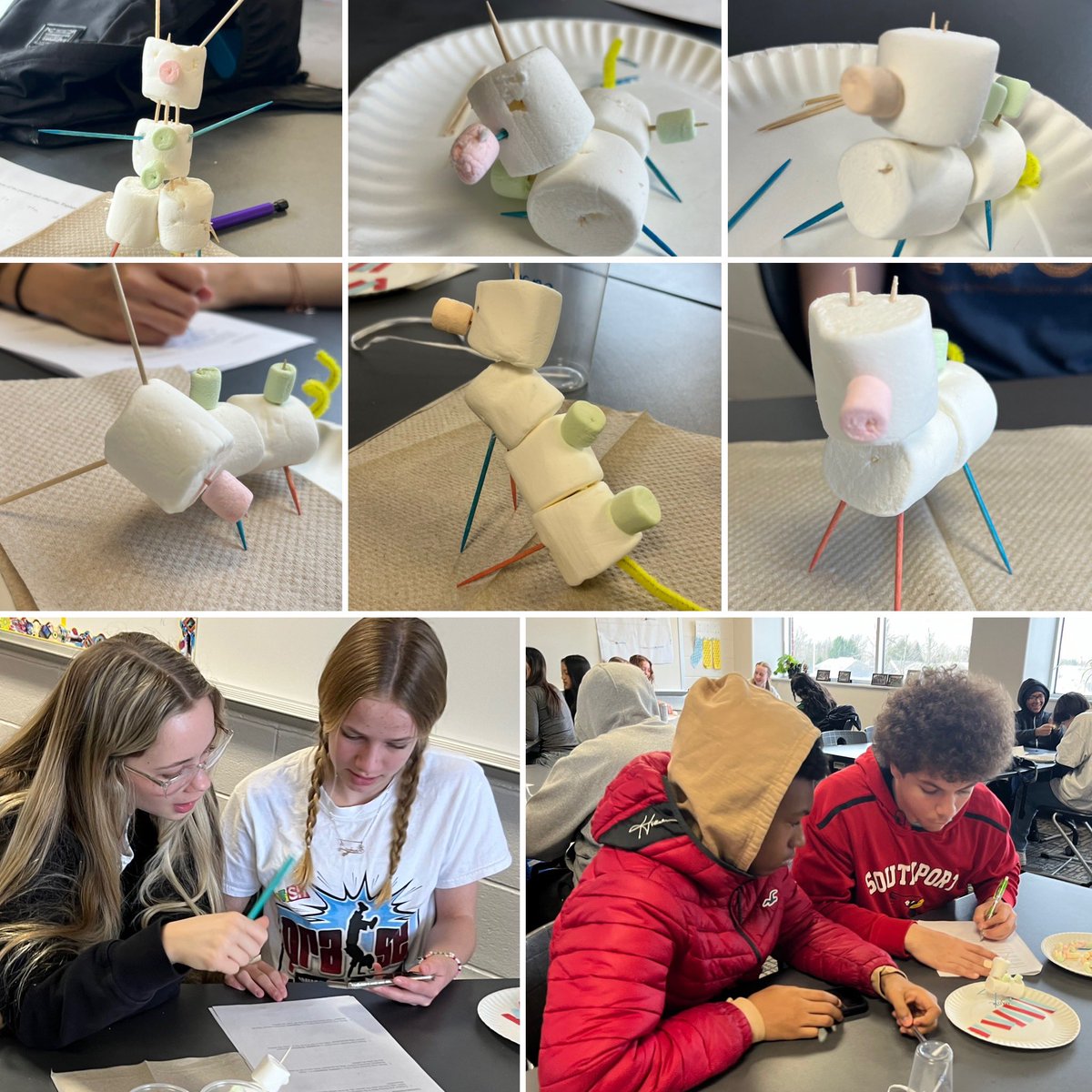
Students demonstrated their understanding of meiosis, genetics and various inheritance patterns by building marshmallow babies as a fun activity before align break.

Students demonstrated their understanding of meiosis, genetics and various inheritance patterns by building marshmallow babies as a fun activity before align break.
Amanda Schnepp (she/her) (@schnepp_bio_lab) 's Twitter Profile Photo

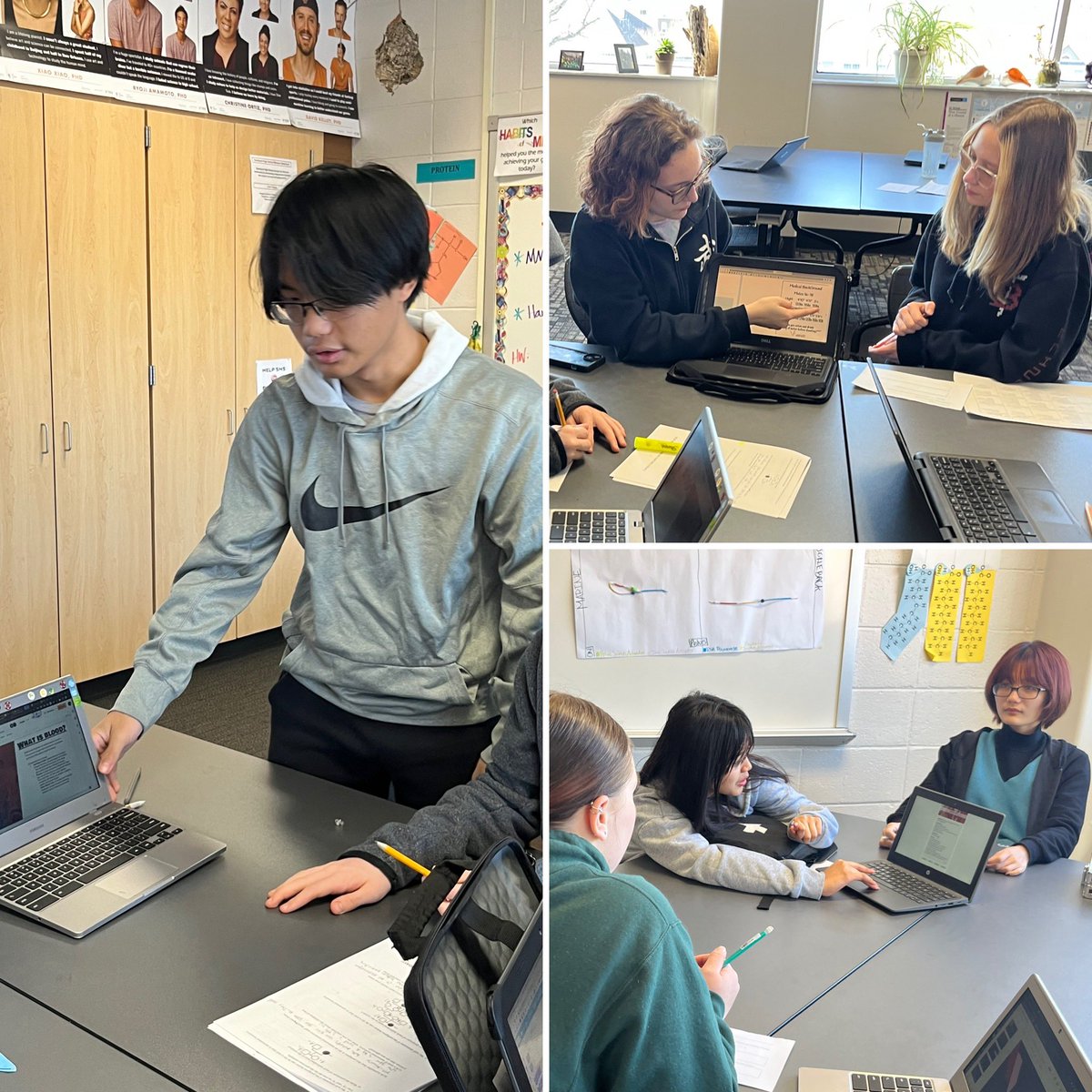
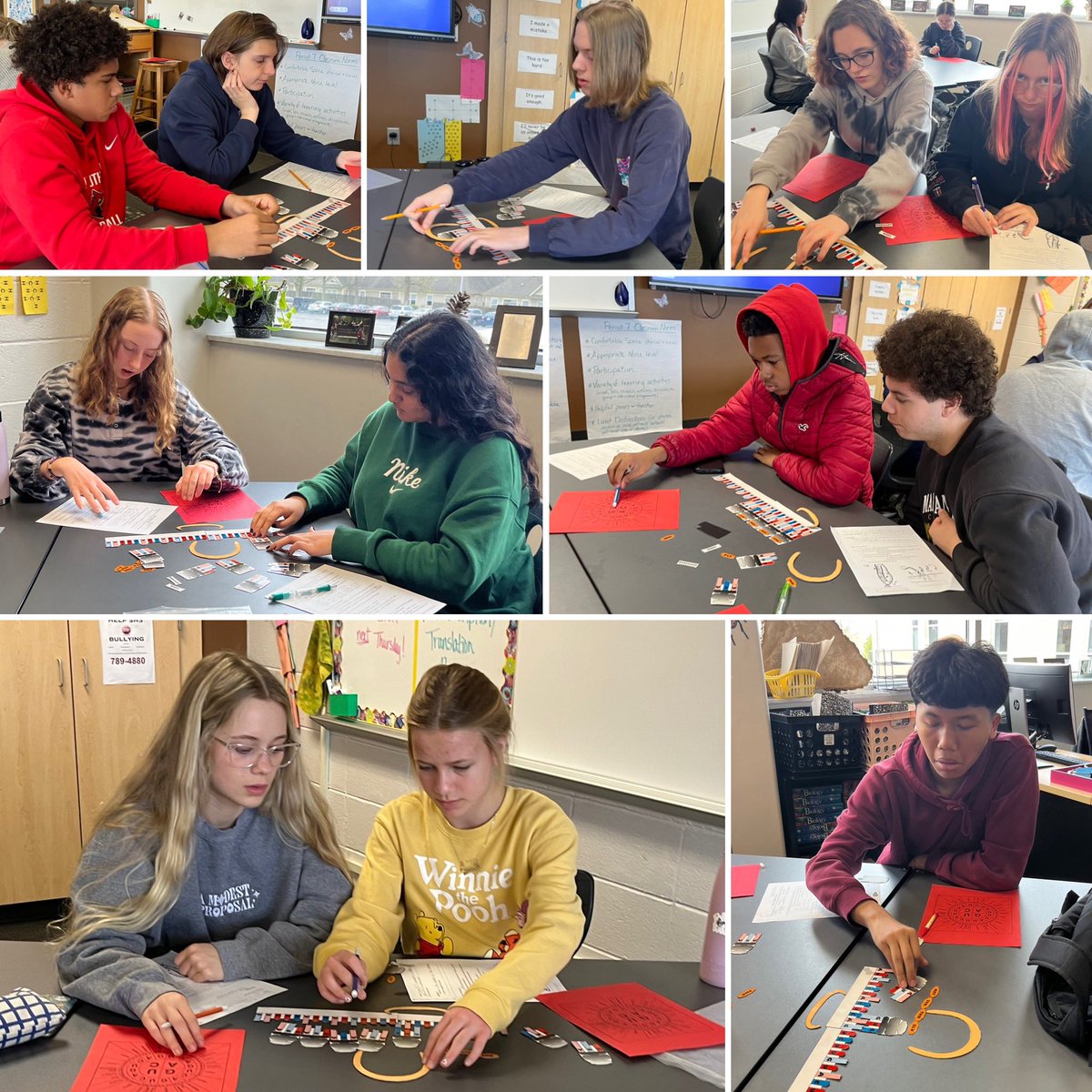
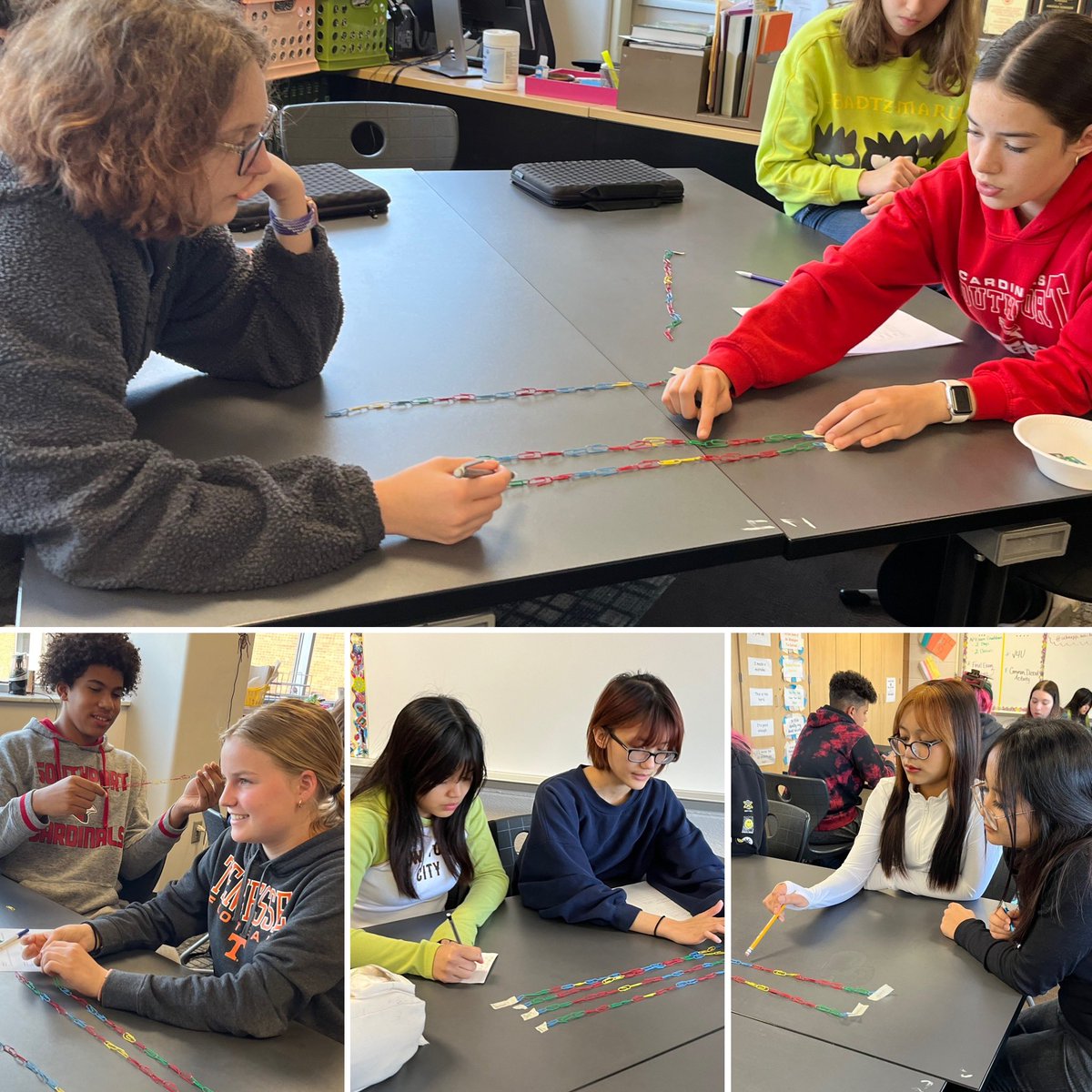
Students learned about protein folding and modeled the effect various genetic mutations would have on protein shape and its subsequent function.

Students learned about protein folding and modeled the effect various genetic mutations would have on protein shape and its subsequent function.
Amanda Schnepp (she/her) (@schnepp_bio_lab) 's Twitter Profile Photo

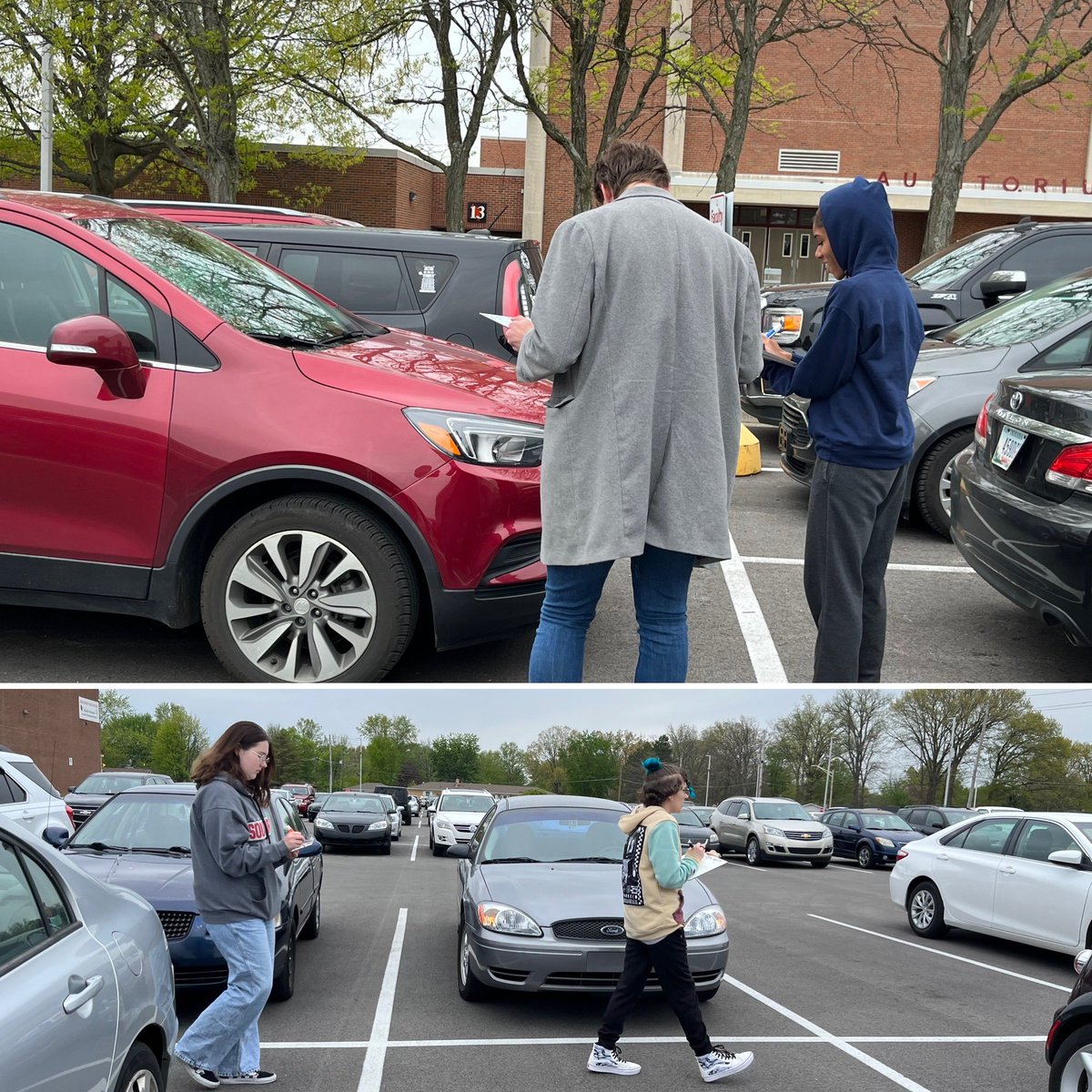
AP Bio students are collecting data to determine the Simpson’s Diversity Index of the staff and student parking lots. Ecologists use a diversity index to quantify the health of an ecosystem.

AP Bio students are collecting data to determine the Simpson’s Diversity Index of the staff and student parking lots. Ecologists use a diversity index to quantify the health of an ecosystem.
Amanda Schnepp (she/her) (@schnepp_bio_lab) 's Twitter Profile Photo

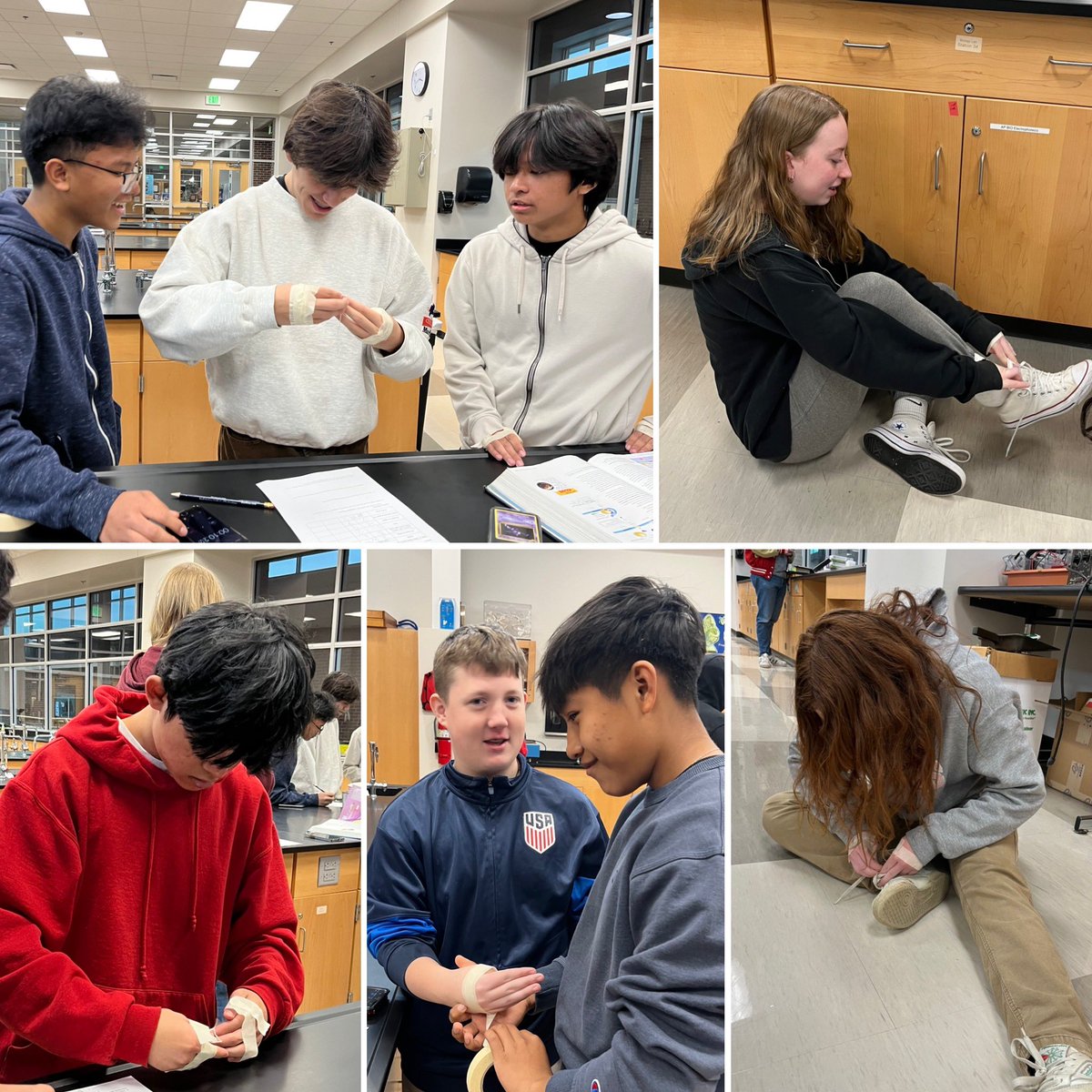
Humans have evolutionary adaptations too! After learning about the adaptations of several other species, students found out how important one of our adaptations- our thumbs- are for everyday tasks.

Humans have evolutionary adaptations too! After learning about the adaptations of several other species, students found out how important one of our adaptations- our thumbs- are for everyday tasks.
Amanda Schnepp (she/her) (@schnepp_bio_lab) 's Twitter Profile Photo

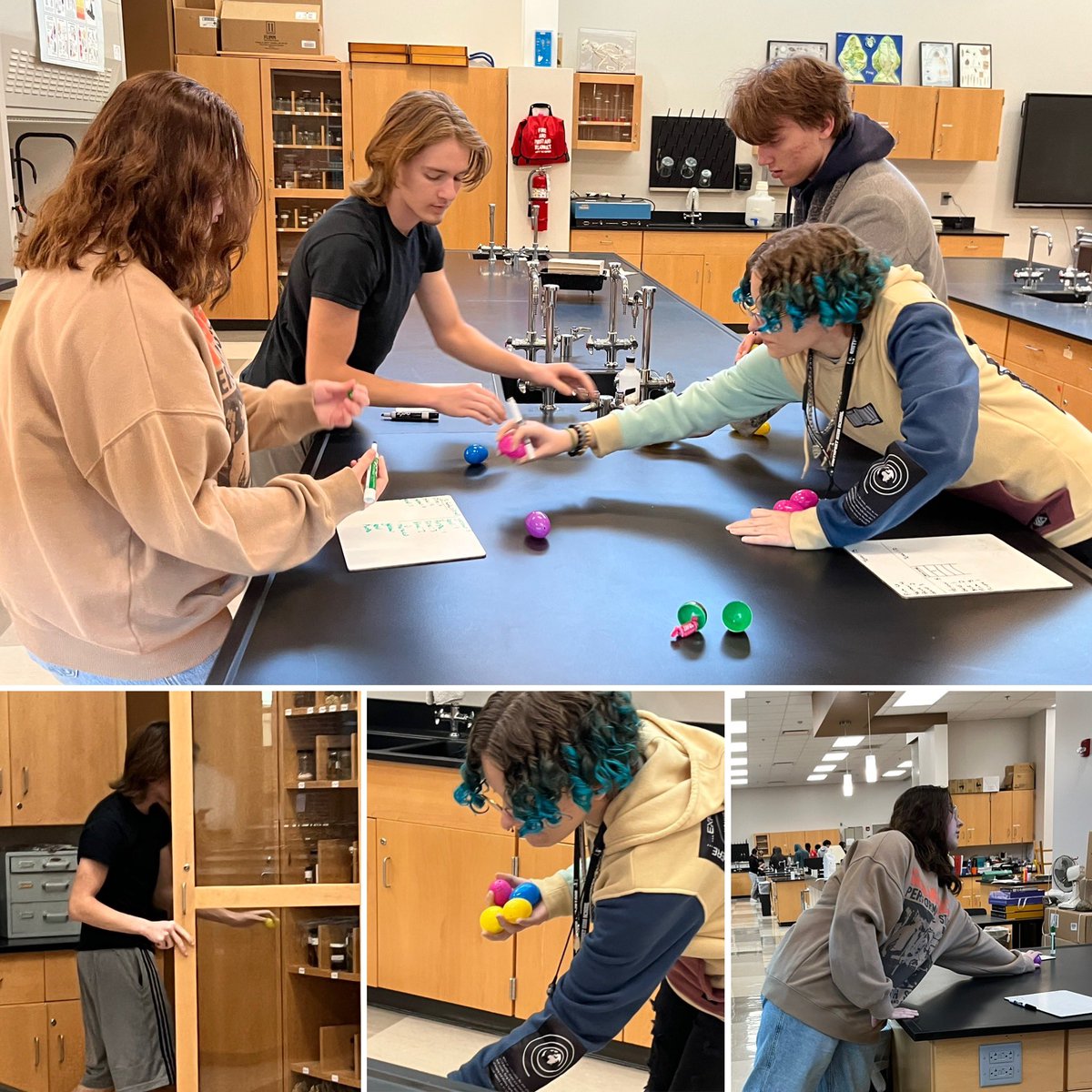
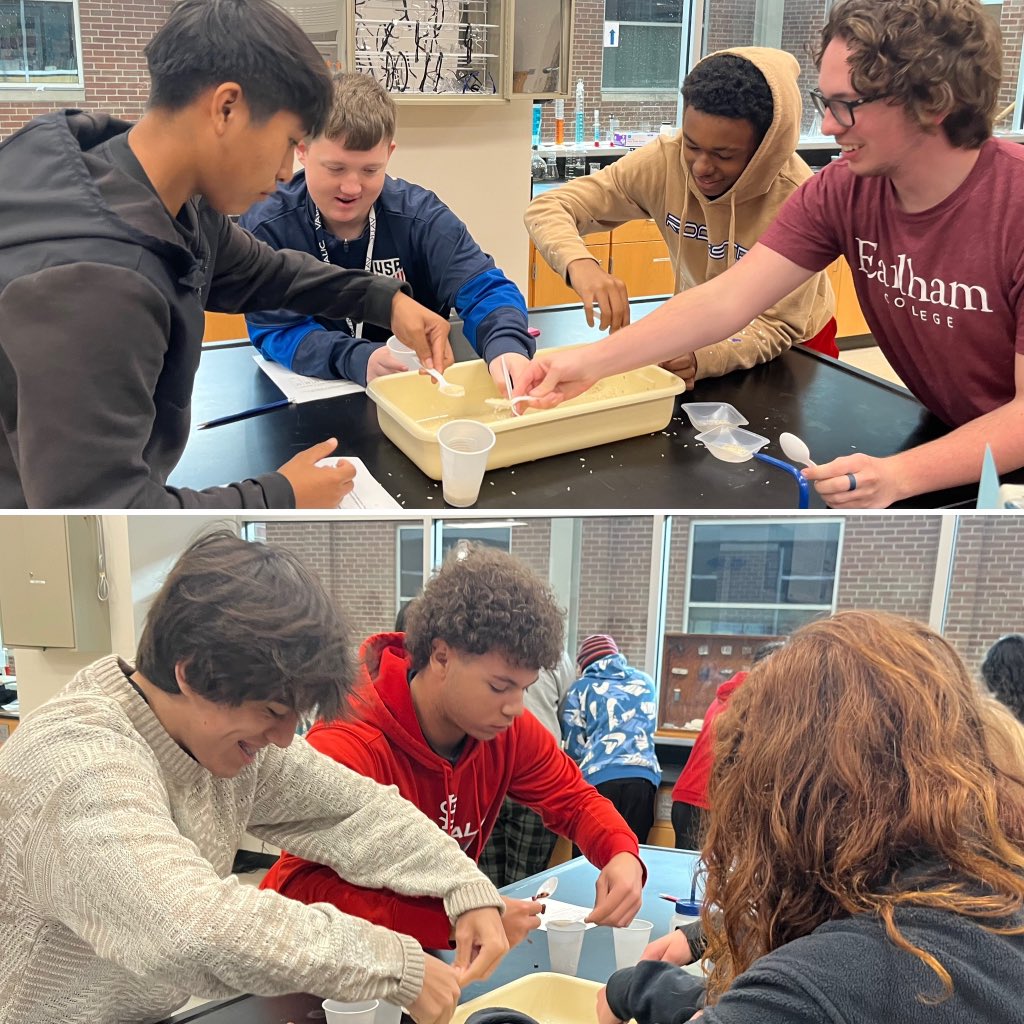
Students simulated natural selection by modeling how different beak types effect survival and reproduction in different environments. Later, they’ll learn about how the finches on the Galápagos Islands experienced this same phenomena that led to speciation.

Students simulated natural selection by modeling how different beak types effect survival and reproduction in different environments. Later, they’ll learn about how the finches on the Galápagos Islands experienced this same phenomena that led to speciation.
Amanda Schnepp (she/her) (@schnepp_bio_lab) 's Twitter Profile Photo

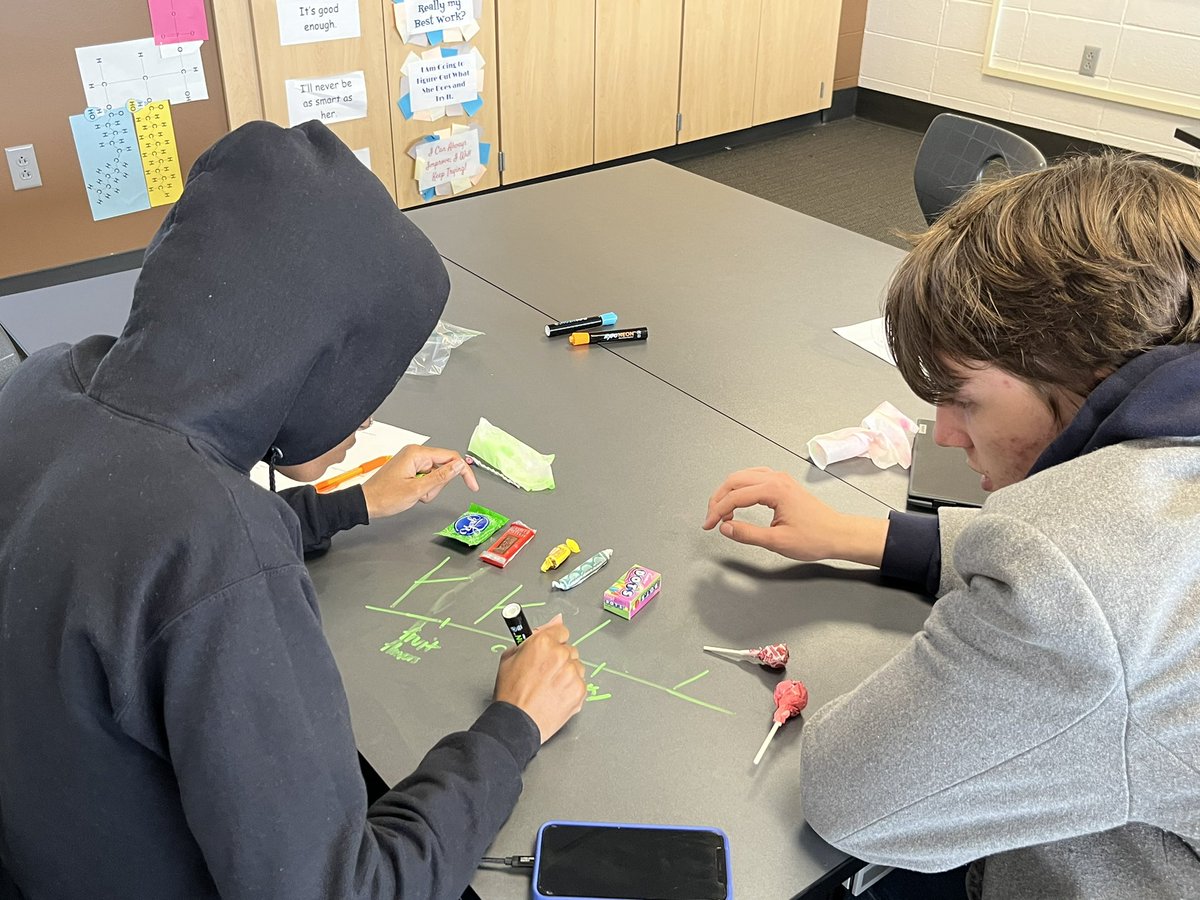
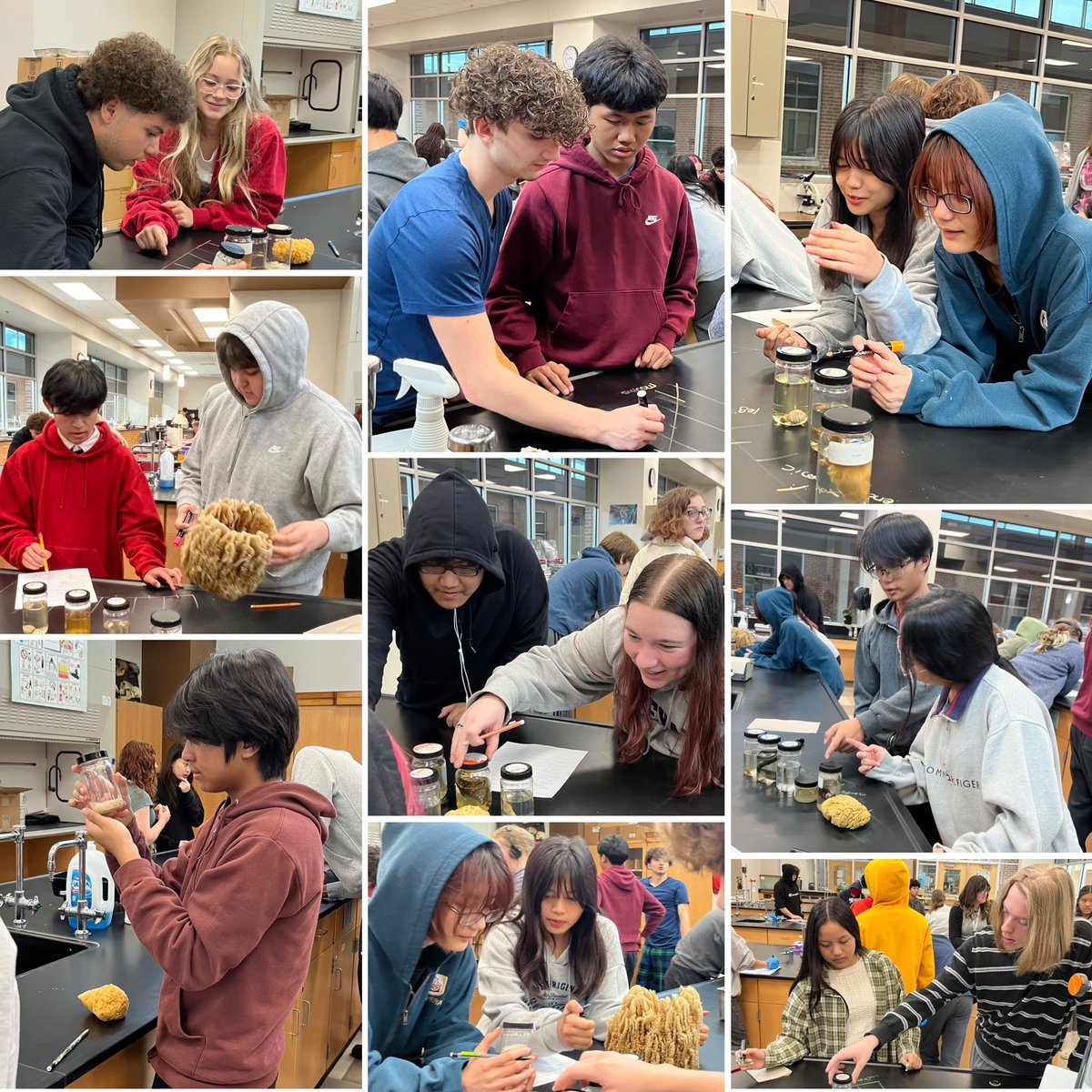
Students used morphological evidence to create cladograms showing the evolutionary relationships between different preserved specimens.

Students used morphological evidence to create cladograms showing the evolutionary relationships between different preserved specimens.
Amanda Schnepp (she/her) (@schnepp_bio_lab) 's Twitter Profile Photo

After a week of I-LEARN testing, biology students are back to learning about phylogeny and using both morphological and molecular evidence to determine the relatedness of different species.

After a week of I-LEARN testing, biology students are back to learning about phylogeny and using both morphological and molecular evidence to determine the relatedness of different species.