Ruben Montiel (@rubenmontiel82) 's Twitter Profile
Ruben Montiel

@rubenmontiel82

ID: 186136050

calendar_today02-09-2010 17:26:41

2,2K Tweet

244 Followers

405 Following

MedEd Cases (@meded_cases) 's Twitter Profile Photo

Mulder’s sign evaluates for Morton’s neuroma. The examiner grasps the metatarsal heads with one hand while the thumb of the opposite hand applies firm plantar pressure at the metatarsal neck. Lateral compression of the metatarsal heads is then performed. A positive test is

MedEd Cases (@meded_cases) 's Twitter Profile Photo

Naffziger's test evaluates for herniated disc and cervical disc disease. The examiner applies firm pressure over both jugular veins for approximately 30 seconds to increase intrathecal pressure, then asks the patient to cough. The test is considered positive if this maneuver

Pasión por la Anatomía (@pasionanatomia) 's Twitter Profile Photo

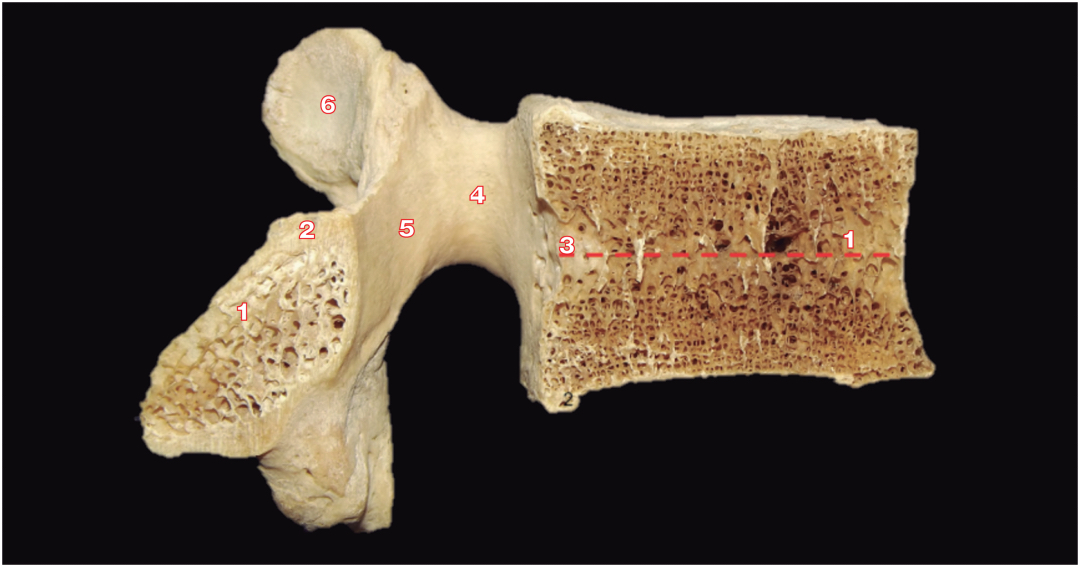
Corte sagital de una #VértebraLumbar 📌1 Tejido óseo esponjoso 📌2 Tejido óseo compacto 📌4 #Pedículo 📌5 #Lámina 📌6 #ApófisisArticularSuperior 📚Anatomía topográfica con aplicación médico-quirúrgica. Elsevier © 2025

Corte sagital de una #VértebraLumbar
📌1 Tejido óseo esponjoso
📌2 Tejido óseo compacto
📌4 #Pedículo
📌5 #Lámina
📌6 #ApófisisArticularSuperior
📚Anatomía topográfica con aplicación médico-quirúrgica. Elsevier © 2025
Osgenic (@osgenic) 's Twitter Profile Photo

All the key steps of a gamma nail placement in just over a minute. #orthopaedics #trauma #GammaNail #meded #orthotwitter #orthoX

Pasión por la Anatomía (@pasionanatomia) 's Twitter Profile Photo

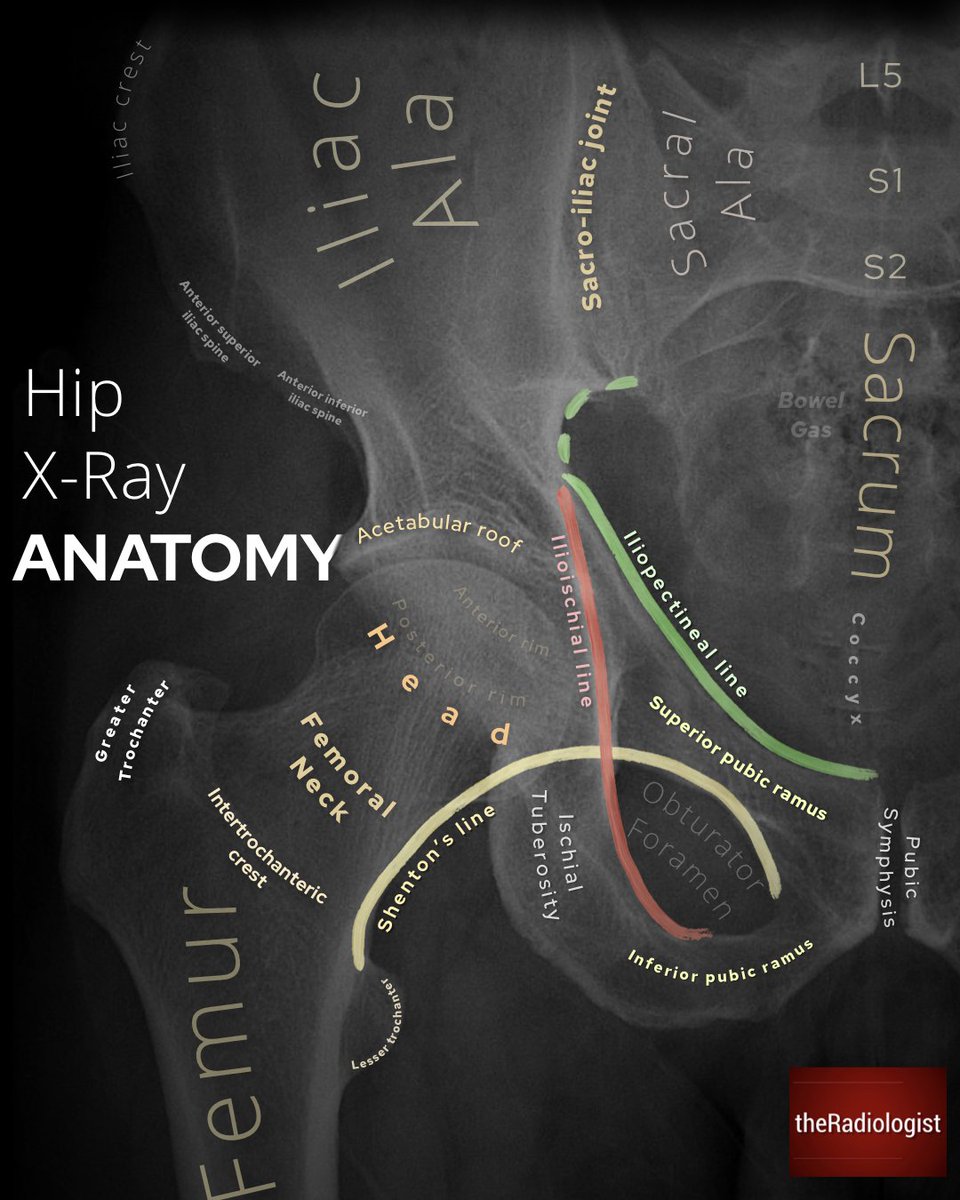
En los adultos, la irrigación de la #CabezaFemoral se produce a través de las arterias que discurren a lo largo del #CuelloFemoral, que se pueden lesionar durante una fractura y producir necrosis de la cabeza femoral. 📚Thanks to @CompleteAnatomyElsevier

MedEd Cases (@meded_cases) 's Twitter Profile Photo

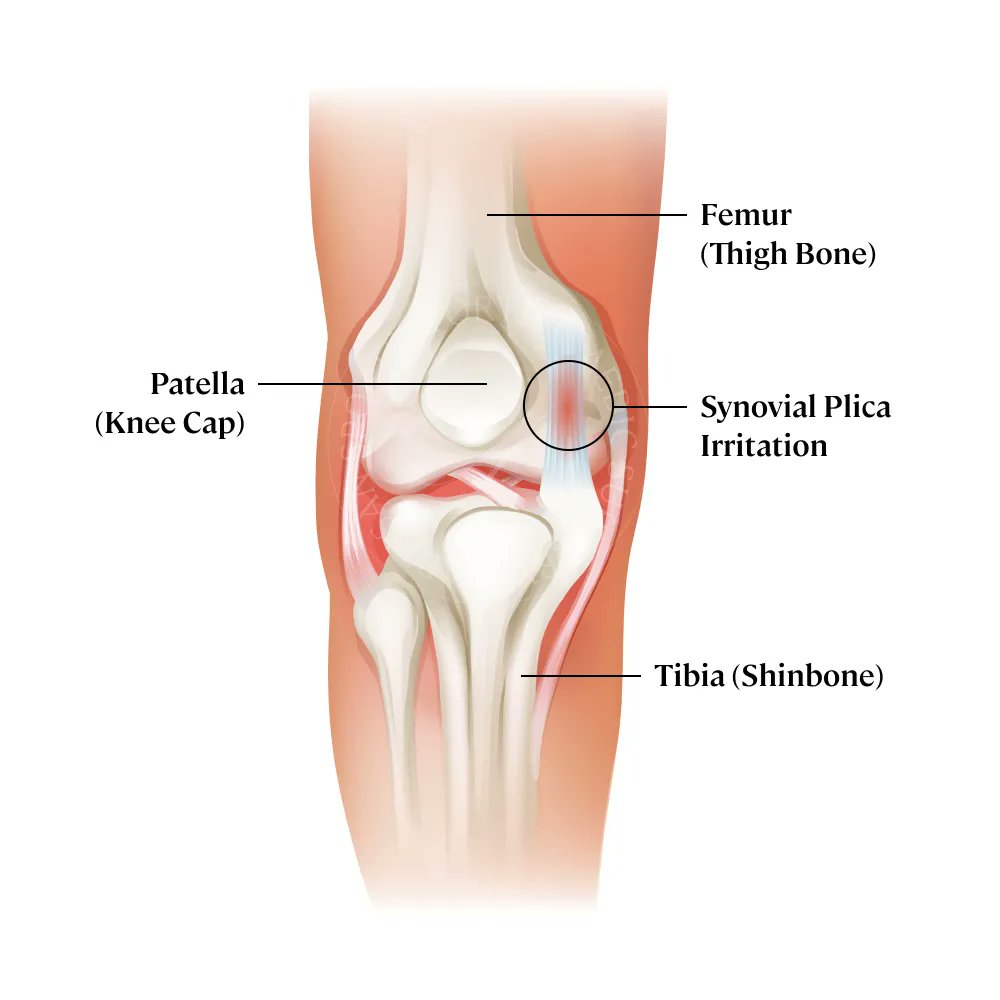
The suprapatellar plica is a synovial fold located within the suprapatellar pouch of the knee, representing a remnant of embryologic septation between the joint cavity and suprapatellar bursa. Functionally, it typically has little to no role in normal knee mechanics, though it

The suprapatellar plica is a synovial fold located within the suprapatellar pouch of the knee, representing a remnant of embryologic septation between the joint cavity and suprapatellar bursa. Functionally, it typically has little to no role in normal knee mechanics, though it
MedEd Cases (@meded_cases) 's Twitter Profile Photo

The Ottawa knee rules are a clinical tool to help determine if an individual needs xrays following a knee injury. Indications for xray include age over 55 years, isolated tenderness of the patella, tenderness at the head of the fibula, inability to flex the knee to 90 degrees, or

The Ottawa knee rules are a clinical tool to help determine if an individual needs xrays following a knee injury. Indications for xray include age over 55 years, isolated tenderness of the patella, tenderness at the head of the fibula, inability to flex the knee to 90 degrees, or
Osgenic (@osgenic) 's Twitter Profile Photo

The steps of a carpal tunnel release in 40 seconds. #orthopaedics #handsurgery #carpaltunnelrelease #meded #orthoX #orthoTwitter

Pasión por la Anatomía (@pasionanatomia) 's Twitter Profile Photo

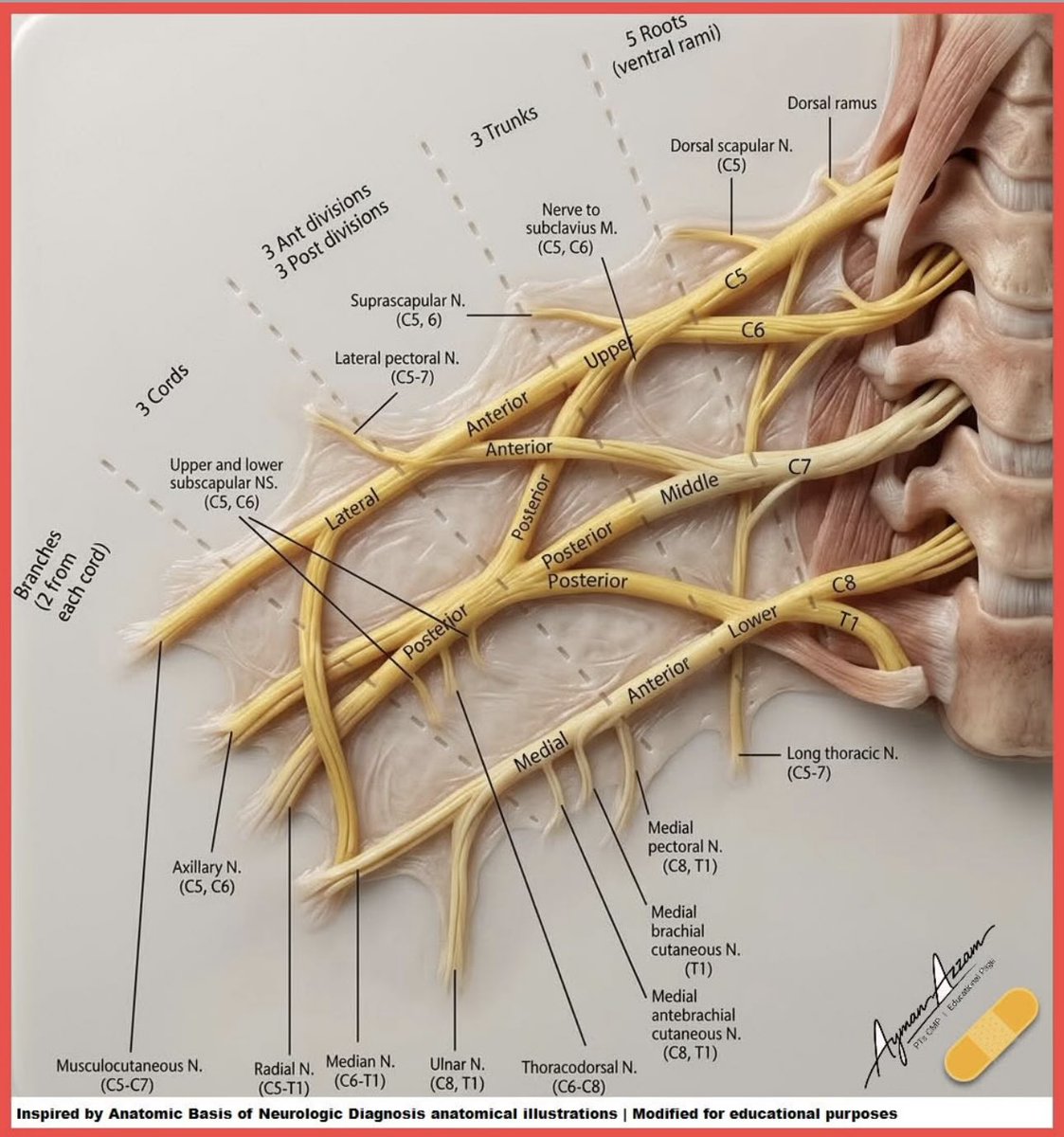
El #NervioMusculocutáneo (C5-C6) es responsable de la inervación motora de los músculos #BícepsBraquial, #coracobraquial y #braquial; contribuye a la flexión del brazo y el antebrazo, la supinación del antebrazo y la elevación y abducción del brazo

MedEd Cases (@meded_cases) 's Twitter Profile Photo

The patellar tilt test evaluates for patellofemoral pain. With the patient lying supine and the quadriceps relaxed, the examiner grasps the patella between the thumb and forefinger, lifting the lateral edge while stabilizing or compressing the medial side. A normal finding allows

The patellar tilt test evaluates for patellofemoral pain. With the patient lying supine and the quadriceps relaxed, the examiner grasps the patella between the thumb and forefinger, lifting the lateral edge while stabilizing or compressing the medial side. A normal finding allows
Osgenic (@osgenic) 's Twitter Profile Photo

Open achilles tendon repair using the Bunnell suture technique. Care should be taken not to injure the sural nerve during the procedure. #orthopaedics #trauma #AchillesTendonRepair #Bunnell #meded #orthoX #orthoTwitter

SciePro (@sciepro) 's Twitter Profile Photo

The knee: the largest and most commonly injured joint in the body. This animation shows the femur, tibia, and patella in motion with the ACL, PCL, MCL, LCL, and menisci all visible. #KneeAnatomy All animations created using the SciePro 3D anatomy model.

MedEd Cases (@meded_cases) 's Twitter Profile Photo

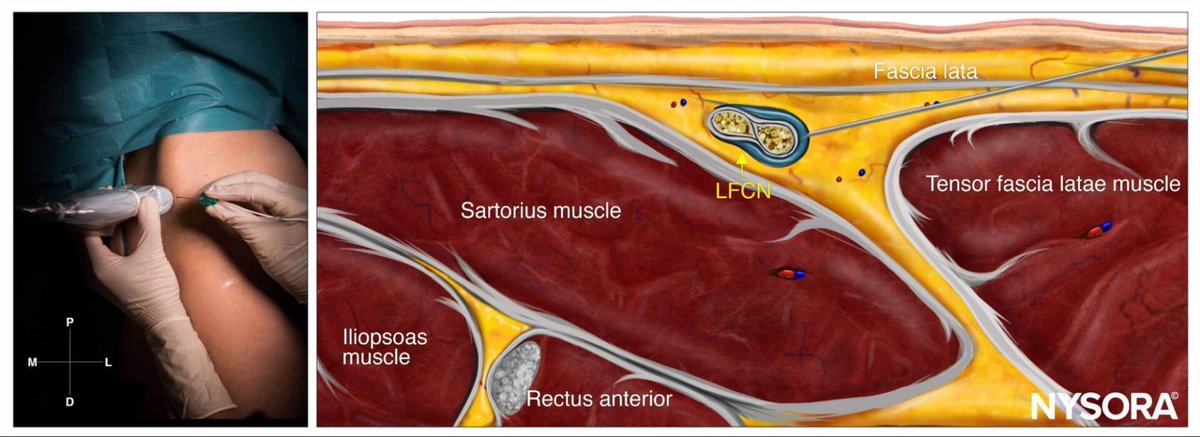
The pelvic compression test evaluates for meralgia paresthetica. The patient is positioned in the sidelying position with the symptomatic side facing up. The examiner applies a sustained downward compressive force to the pelvis, maintaining pressure for approximately 45 seconds.

The pelvic compression test evaluates for meralgia paresthetica. The patient is positioned in the sidelying position with the symptomatic side facing up. The examiner applies a sustained downward compressive force to the pelvis, maintaining pressure for approximately 45 seconds.
MedEd Cases (@meded_cases) 's Twitter Profile Photo

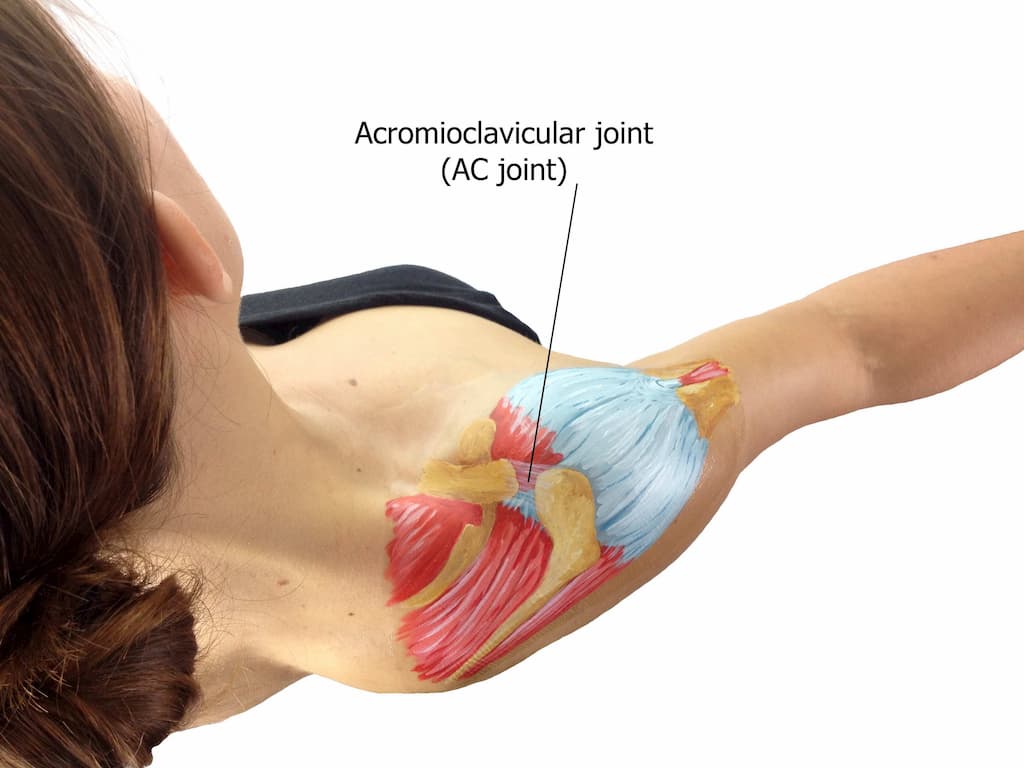
The bell van riet test evaluates the AC Joint as a cause of shoulder pain. The patient actively adducts and flexes the arm across the body toward the opposite shoulder. The patient is then asked to maintain this position against a downward force. A positive test is indicated by

The bell van riet test evaluates the AC Joint as a cause of shoulder pain. The patient actively adducts and flexes the arm across the body toward the opposite shoulder. The patient is then asked to maintain this position against a downward force. A positive test is indicated by
MedEd Cases (@meded_cases) 's Twitter Profile Photo

The peroneal tendon subluxation test evaluates for peroneal tendon instability. The patient is positioned prone or seated with the ankle relaxed. They are asked to repeatedly plantarflex and evert the foot while the examiner observes and palpates along the course of the peroneal

The peroneal tendon subluxation test evaluates for peroneal tendon instability. The patient is positioned prone or seated with the ankle relaxed. They are asked to repeatedly plantarflex and evert the foot while the examiner observes and palpates along the course of the peroneal