REVERB (@reverb__mag) 's Twitter Profile
REVERB

@reverb__mag

Lifestyle Magazine and Culture Contact: ✉️[email protected]

ID: 1777251625444253696

calendar_today08-04-2024 08:26:33

241 Tweet

8 Followers

25 Following
REVERB (@reverb__mag) 's Twitter Profile Photo

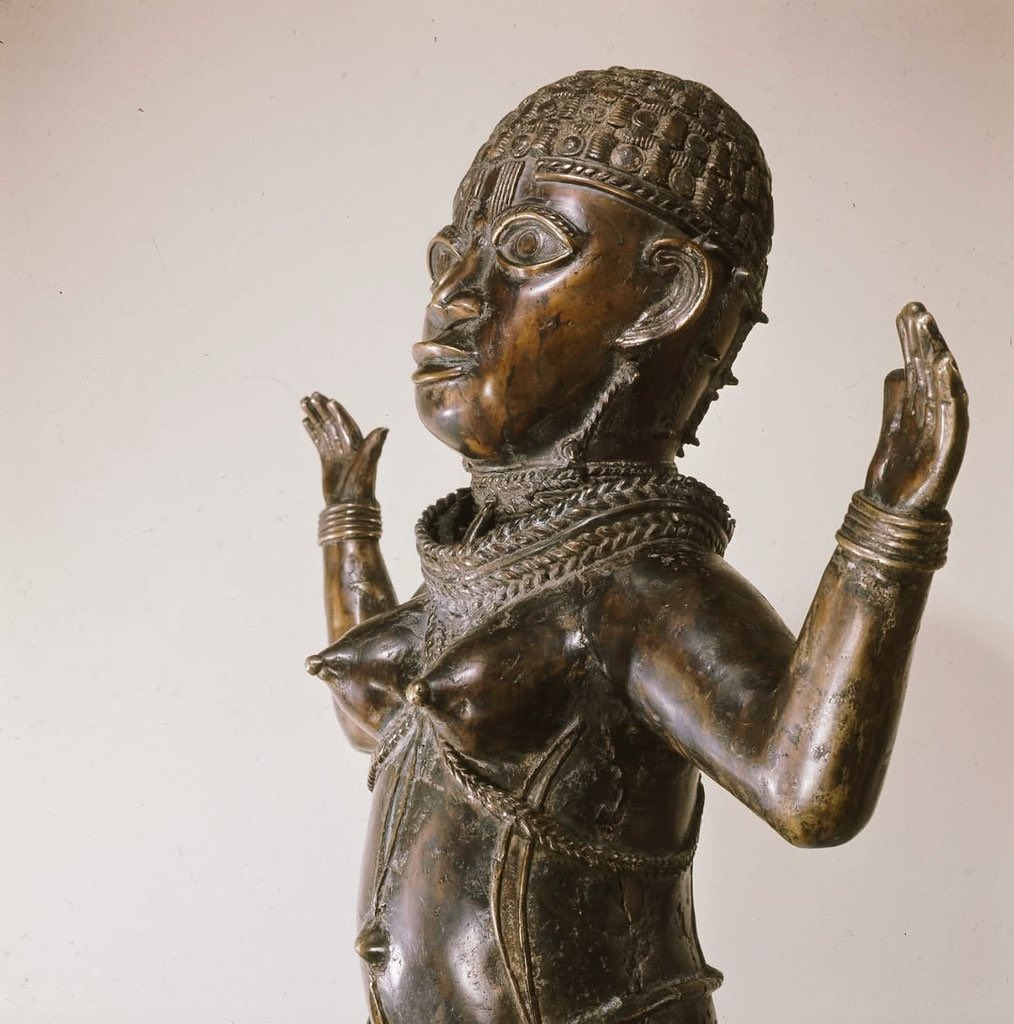
#saturdayarchives A 15th-century Bronze figure of prince Odogbo, the Benin prince with feminine attributes and successor of Oba Ehengbuda. He was enthroned with the enthronement name Oba Ohuan 1606Ad-1641Ad. #omonomagazine #edoarchives #beninkingdom #africanart

#saturdayarchives
A 15th-century Bronze figure of prince Odogbo, the Benin prince with feminine attributes and successor of Oba Ehengbuda. He was enthroned with the enthronement name Oba Ohuan 1606Ad-1641Ad.

#omonomagazine #edoarchives #beninkingdom #africanart
REVERB (@reverb__mag) 's Twitter Profile Photo

#ArtistSpot— Grace Nyahangare (Zimbabwean) Her work is instantly recognisable for its layered, almost ghost-like figures rendered through a monotype-inspired process that leaves traces, smudges, and repetitions, suggesting remembrance rather than fixed narratives.

#ArtistSpot—  Grace Nyahangare (Zimbabwean) 

Her work is instantly recognisable for its layered, almost ghost-like figures rendered through a monotype-inspired process that leaves traces, smudges, and repetitions, suggesting remembrance rather than fixed narratives.
REVERB (@reverb__mag) 's Twitter Profile Photo

#ArtistSpot— Stary Mwaba (Zambian) Stylistically, his work is textured and dense, marked by muted tones, physical layering, and an intentional sense of distortion that mirrors the instability of memory itself.

#ArtistSpot— Stary Mwaba (Zambian) 

Stylistically, his work is textured and dense, marked by muted tones, physical layering, and an intentional sense of distortion that mirrors the instability of memory itself.
REVERB (@reverb__mag) 's Twitter Profile Photo

#saturdayarchives Fon Appliqué Banners of the Kingdom of Dahomey Origin: 18th century; prominent 19th century Fon appliqué banners are a historic textile tradition of the Fon people in present-day Benin, developed primarily in the royal city of Abomey.

#saturdayarchives
Fon Appliqué Banners of the Kingdom of Dahomey
Origin: 18th century; prominent 19th century

Fon appliqué banners are a historic textile tradition of the Fon people in present-day Benin, developed primarily in the royal city of Abomey.
REVERB (@reverb__mag) 's Twitter Profile Photo

#saturdayarchives Suwer (Peinture Sous Verre) — Senegalese Painting Under Glass Origin: Late 19th century (introduced c. 1890–early 1900s) Suwer, which also spelled souwèr in Wolof, is the distinctive Senegalese tradition of painting on glass “under the surface”.

#saturdayarchives
Suwer (Peinture Sous Verre) — Senegalese Painting Under Glass
Origin: Late 19th century (introduced c. 1890–early 1900s)

Suwer, which also spelled souwèr in Wolof, is the distinctive Senegalese tradition of painting on glass “under the surface”.
REVERB (@reverb__mag) 's Twitter Profile Photo

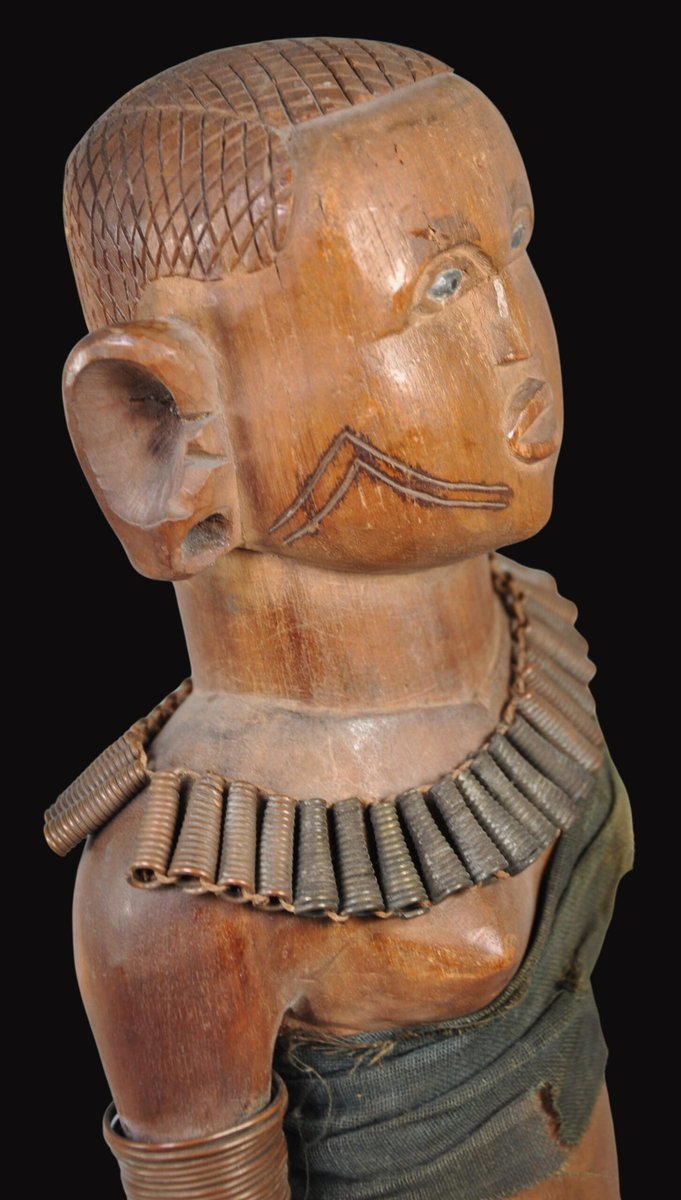
#saturdayarchives Archival Kamba Wood Carving Tradition Date: Pre-19th century; expanded significantly during the late 19th and early 20th centuries The archival wood carving tradition of the Kamba people originated in present-day Kenya.

#saturdayarchives
Archival Kamba Wood Carving Tradition
Date: Pre-19th century; expanded significantly during the late 19th and early 20th centuries

The archival wood carving tradition of the Kamba people originated in present-day Kenya.
REVERB (@reverb__mag) 's Twitter Profile Photo

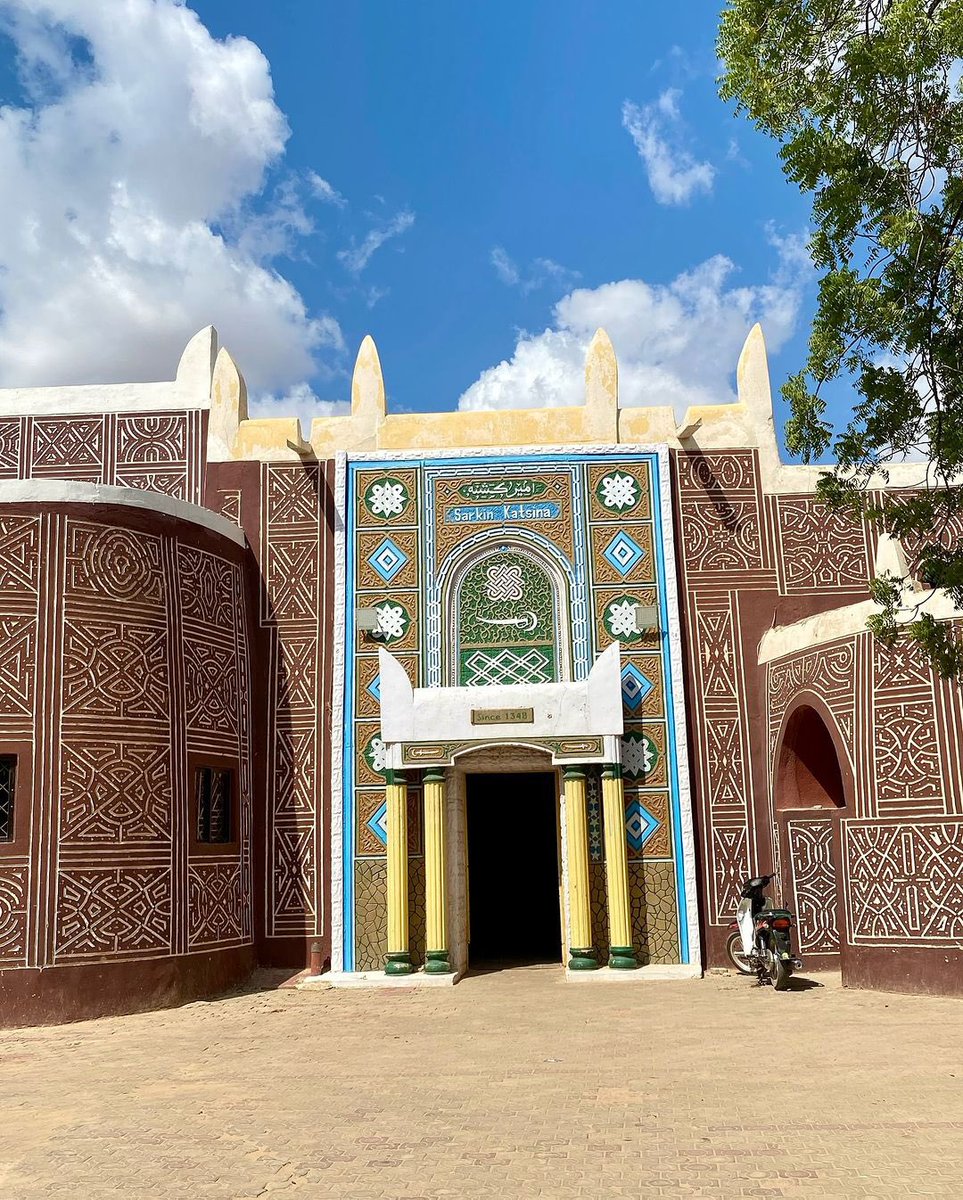
The Sudano-Sahelian architecture in Northern Nigeria. From Mali to Senegal, Niger to Nigeria, and Burkina Faso, Sudano-Sahelian architecture is a living tradition of West Africa, built primarily from earth (adobe) and wood, shaped by climate, religion, and community life.

The Sudano-Sahelian architecture in Northern Nigeria.

From Mali to Senegal, Niger to Nigeria, and Burkina Faso, Sudano-Sahelian architecture is a living tradition of West Africa, built primarily from earth (adobe) and wood, shaped by climate, religion, and community life.
REVERB (@reverb__mag) 's Twitter Profile Photo

Studio Visit with Damilola Onosowobo Marcus for Affinity Gallery. Damilola Onosowobo is a multi-talented Nigerian creative whose work spans visual art, design, architecture, and fashion, with a distinct voice and aesthetic rooted in lived experience and cultural memory.

REVERB (@reverb__mag) 's Twitter Profile Photo

#ArtistSpot - Appah Gideon (Ghanaian) He works primarily in painting and mixed media, often layering bold, jewel-toned colors with collaged photographs, posters, and prints drawn from his own family archives and Ghanaian visual culture.

#ArtistSpot - Appah Gideon (Ghanaian)

He works primarily in painting and mixed media, often layering bold, jewel-toned colors with collaged photographs, posters, and prints drawn from his own family archives and Ghanaian visual culture.
REVERB (@reverb__mag) 's Twitter Profile Photo

#ArtistSpot- Baye Ndiaga Diouf (Senegalese) He creates evocative paintings and mixed-media pieces using organic materials such as Touba coffee, kola nut, charcoal, clay and natural pigments, which root his work in ancestral and environmental symbolism.

#ArtistSpot- Baye Ndiaga Diouf (Senegalese) 

He creates evocative paintings and mixed-media pieces using organic materials such as Touba coffee, kola nut, charcoal, clay and natural pigments, which root his work in ancestral and environmental symbolism.
REVERB (@reverb__mag) 's Twitter Profile Photo

#ArtistSpot - Sardoine Mia (Congolese) Her practice moves between painting, drawing, and installation, often building textured grounds that resemble concrete, earth, or scarred urban facades, where figures emerge as fragile yet defiant presences.

#ArtistSpot - Sardoine Mia (Congolese)

Her practice moves between painting, drawing, and installation, often building textured grounds that resemble concrete, earth, or scarred urban facades, where figures emerge as fragile yet defiant presences.