PatThaker_EIU (@patthaker) 's Twitter Profile
PatThaker_EIU

@patthaker

Editorial Director, MEA, at the Economist Intelligence Unit. Leading expert on African and Middle East markets and key business trends.

ID: 2611572482

linkhttp://www.eiu.com calendar_today08-07-2014 12:21:08

2,2K Tweet

1,1K Followers

1,1K Following
PatThaker_EIU (@patthaker) 's Twitter Profile Photo

Climate change affects everything from geopolitics to economies to migration. It shapes cities, life expectancies and wine lists. And because it touches everything The Economist reports on, we examine it from every angle imaginable. Read more on lnkd.in/eVsn-DC7

PatThaker_EIU (@patthaker) 's Twitter Profile Photo

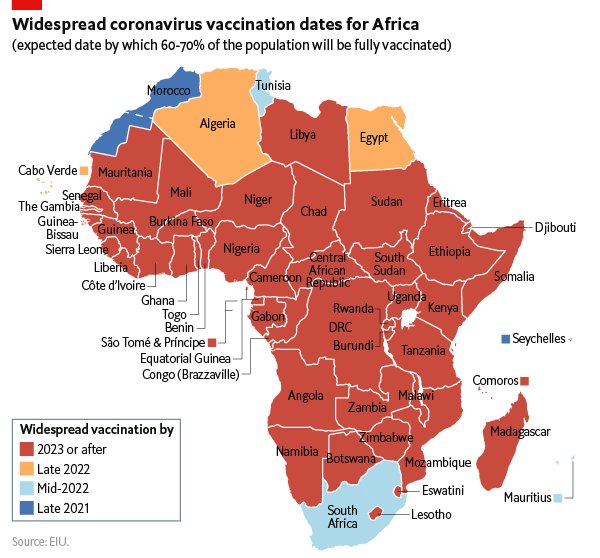
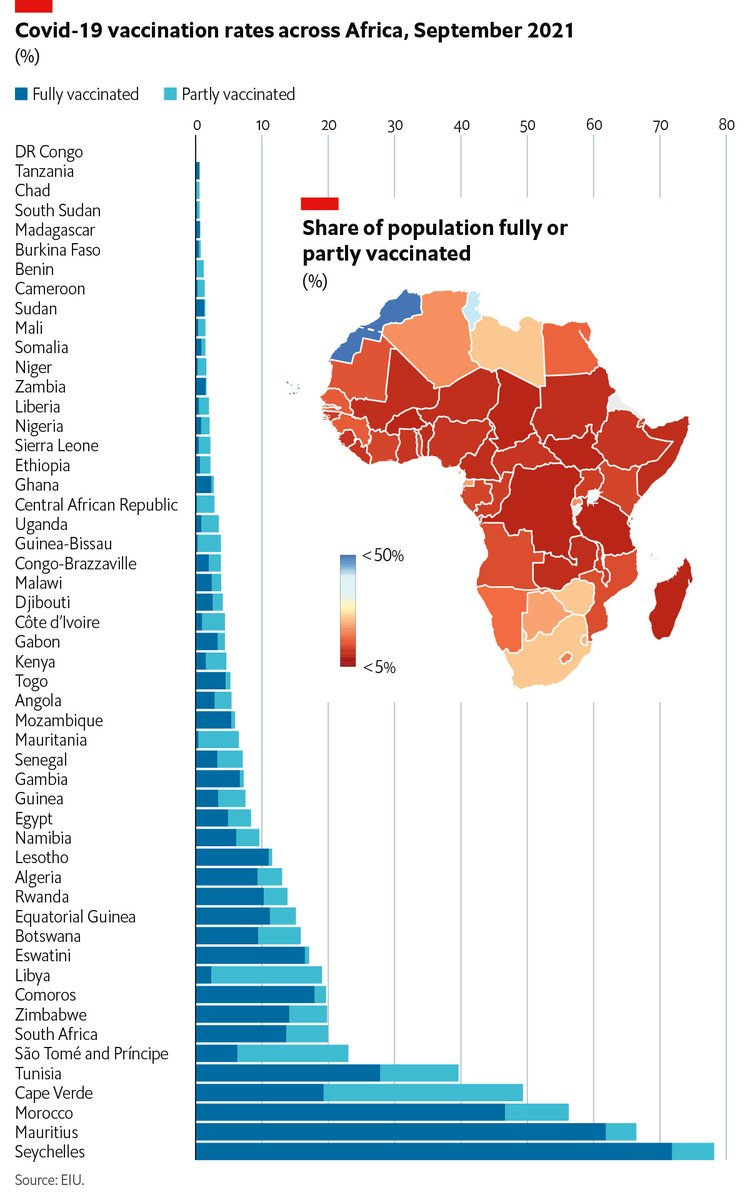
Africa lags far behind other major regions in terms of vaccine roll out. By September 2021, most states had fully vaccinated less than 5% of their population and 2022 is likely to bring only a handful of African states into the group of countries with vaccination rates of 40%+.

Africa lags far behind other major regions in terms of vaccine roll out. By September 2021, most states had fully vaccinated less than 5% of their population and 2022 is likely to bring only a handful of African states into the group of countries with vaccination rates of 40%+.
PatThaker_EIU (@patthaker) 's Twitter Profile Photo

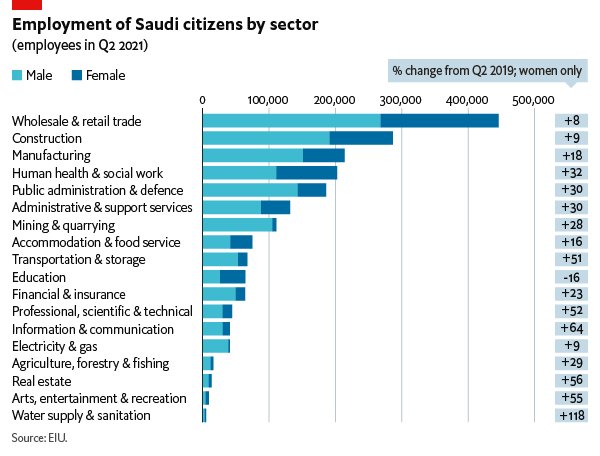
Saudi authorities doubled down on efforts to place locals in employment and have offered employers financial support to retain Saudi staff in the wake of the Covid-19 pandemic.

Saudi authorities doubled down on efforts to place locals in employment and have offered employers financial support to retain Saudi staff in the wake of the Covid-19 pandemic.
PatThaker_EIU (@patthaker) 's Twitter Profile Photo

Coups are a perennial risk in SSA, as indicated by recent adverse political developments in Guinea, Mali and Chad. Pandemic induced damage has increased unemployment and poverty, & there is a significant risk of continuing social unrest in the coming years.

PatThaker_EIU (@patthaker) 's Twitter Profile Photo

Africa has hit a solid wall in terms of vaccine distribution, which reflects an uncomfortable combination of domestic affordability, hesitancy and logistics issues with global production constraints and vaccine hoarding abroad.

Africa has hit a solid wall in terms of vaccine distribution, which reflects an uncomfortable combination of domestic affordability, hesitancy and logistics issues with global production constraints and vaccine hoarding abroad.
PatThaker_EIU (@patthaker) 's Twitter Profile Photo

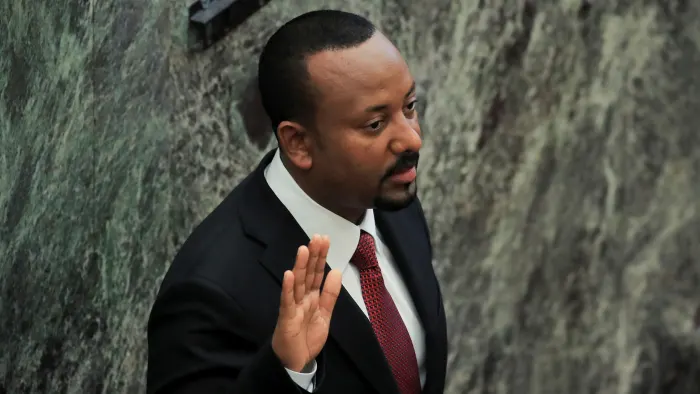
No longer a battle between Tigray and Ethiopia's army, which is supported by Eritrea! Possibility of a take-over of the capital, Addis Ababa, by TPLF and departure of PM Abiy can no longer be discounted. Likely to fall well before the end of 2021?

No longer a battle between Tigray and Ethiopia's army, which is supported by Eritrea! Possibility of a take-over of the capital, Addis Ababa, by TPLF and departure of PM Abiy can no longer be discounted. Likely to fall well before the end of 2021?
PatThaker_EIU (@patthaker) 's Twitter Profile Photo

OPEC+ meeting pushed to later in the week to see how risks from Omicron develops and what it means for the global economy in the coming months. Expect the cartel to keep current output quotas or reduction?

PatThaker_EIU (@patthaker) 's Twitter Profile Photo

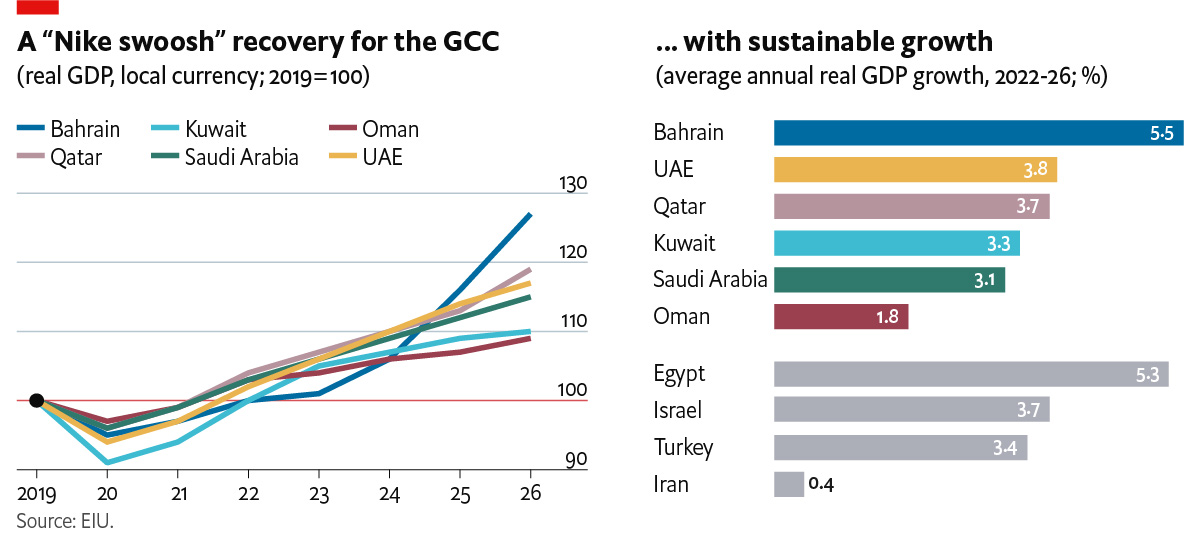
All six GCC states will recoup pre-Covid levels of output by the end of 2022 and are expected to achieve a “Nike Swoosh” recovery with sustained real GDP growth through to 2026.

All six GCC states will recoup pre-Covid levels of output by the end of 2022 and are expected to achieve a “Nike Swoosh” recovery with sustained real GDP growth through to 2026.
PatThaker_EIU (@patthaker) 's Twitter Profile Photo

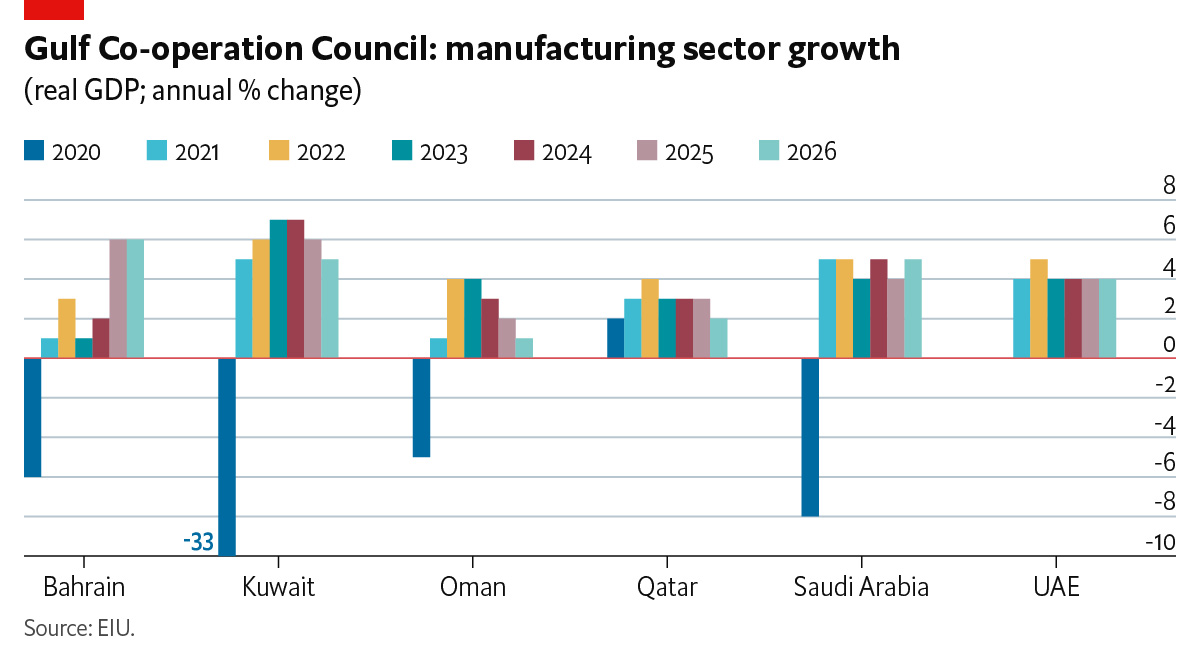
Some aspects of manufacturing will continue to be affected by disrupted international supply chains and local containment measures due to the emergence of new variants in 2022, but manufacturing output is expected to remain one of the fastest growing sectors through to 2026.

Some aspects of manufacturing will continue to be affected by disrupted international supply chains and local containment measures due to the emergence of new variants in 2022, but manufacturing output is expected to remain one of the fastest growing sectors through to 2026.
PatThaker_EIU (@patthaker) 's Twitter Profile Photo

Published today, EIU's latest Whitepaper titled, "MIDDLE EAST AND AFRICA: WHAT TO WATCH FOR IN 2022". You can download the free report using the following link: eiu.com/n/campaigns/mi…

PatThaker_EIU (@patthaker) 's Twitter Profile Photo

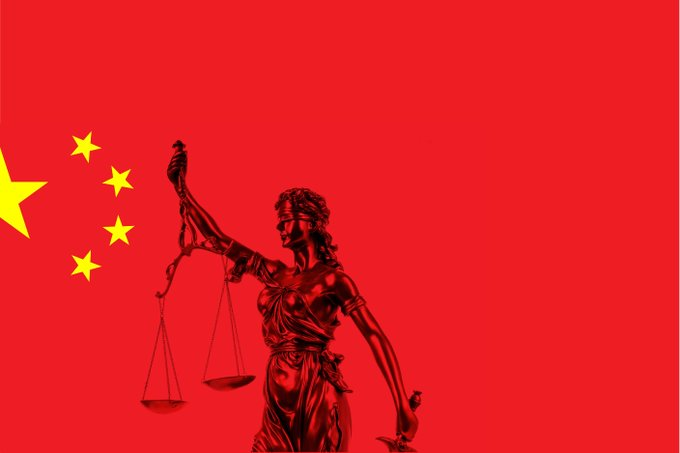
EIU 2021 edition of the Democracy Index has launched today. China’s model, the covid-19 pandemic and the battle for democracy eiu.com/n/campaigns/de…

EIU 2021 edition of the Democracy Index has launched today.  China’s model, the covid-19 pandemic and the battle for democracy
eiu.com/n/campaigns/de…
PatThaker_EIU (@patthaker) 's Twitter Profile Photo

Oil prices have receded from recent highs as Russian troops pull back. But, the global energy market remains extremely tight, and in the absence of action from OPEC+, especially Saudi Arabia, or a nuclear deal between the US and Iran, oil prices could still hit triple digits.

PatThaker_EIU (@patthaker) 's Twitter Profile Photo

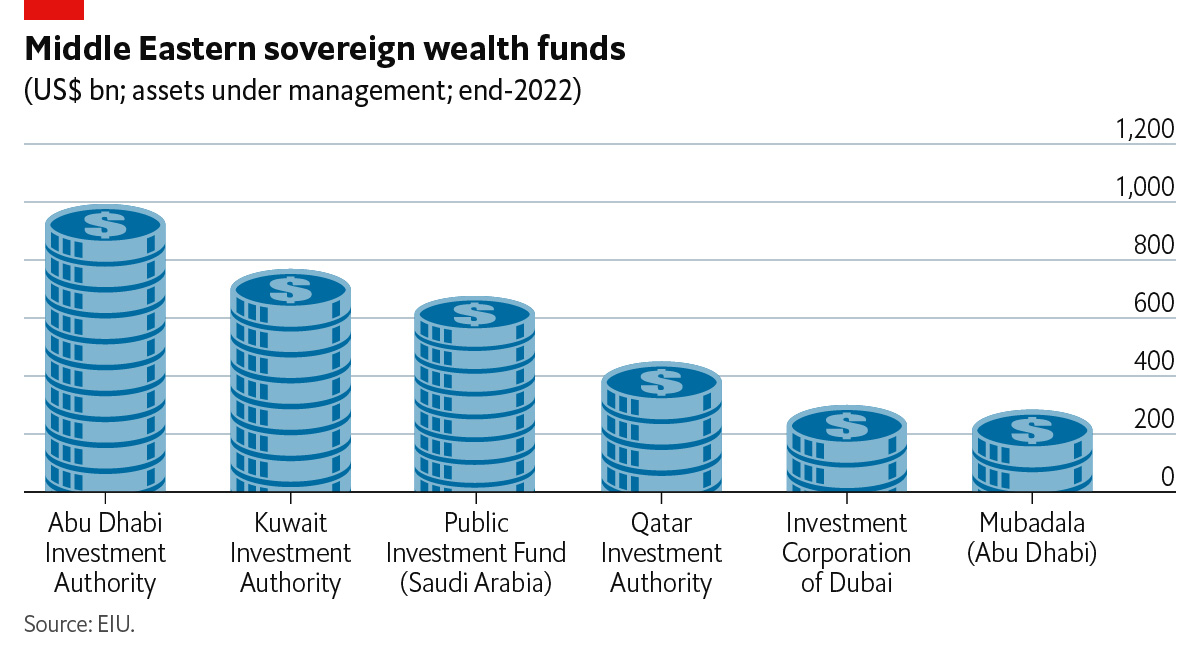
The stability of banking in the Middle East's leading finance hubs—especially those in Dubai, Abu Dhabi, Doha, Riyadh and Kuwait—will be supported by solid financial buffers, stringent financial sector regulation and the willingness of governments to step in & provide support

The stability of banking in the Middle East's leading finance hubs—especially those in Dubai, Abu Dhabi, Doha, Riyadh and Kuwait—will be supported by solid financial buffers, stringent financial sector regulation and the willingness of governments to step in & provide support
PatThaker_EIU (@patthaker) 's Twitter Profile Photo

Explore EIU’s latest forecast on the Middle East’s banking sector and how recent financial shocks have affected the region. Download your copy here: bit.ly/3M3SIIE

PatThaker_EIU (@patthaker) 's Twitter Profile Photo

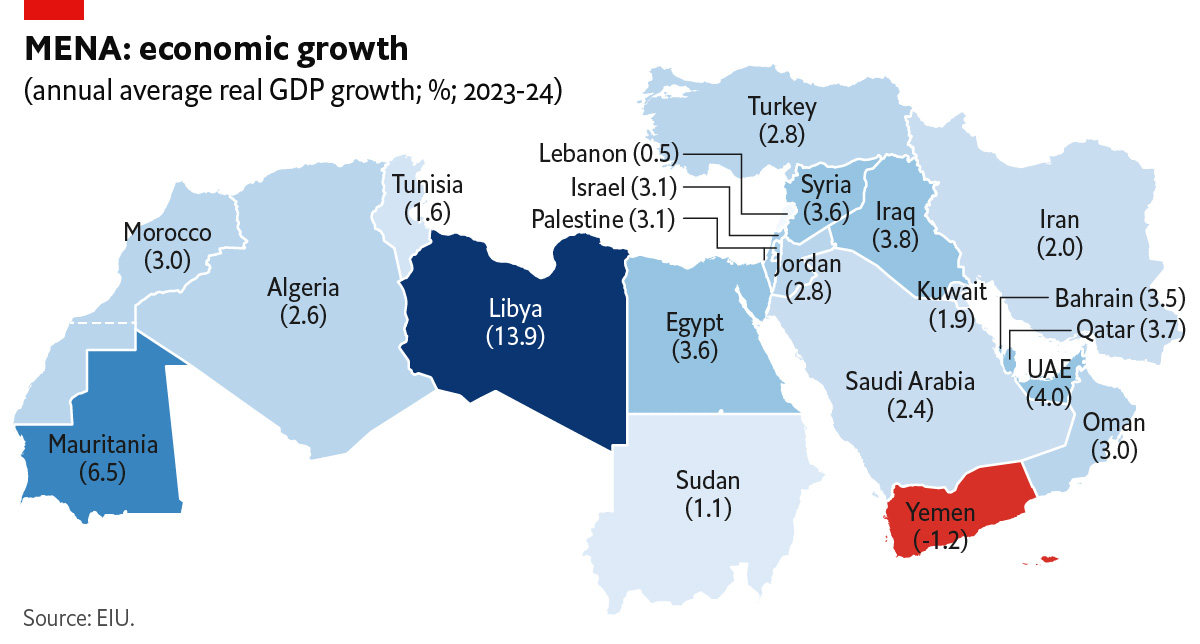
More than half of the countries in MENA are expected to post growth rates that average above 3% for 2023-24, which include Turkey, Egypt, Morocco, Israel, Qatar & UAE, while KSA will post more modest growth although this follows on from a world leading growth performance in 2022.

More than half of the countries in MENA are expected to post growth rates that average above 3% for 2023-24, which include Turkey, Egypt, Morocco, Israel, Qatar & UAE, while KSA will post more modest growth although this follows on from a world leading growth performance in 2022.