Oromen Vídeos (@oromenvideos) 's Twitter Profile
Oromen Vídeos

@oromenvideos

Vídeos interesantes y educativos ¡Acércate al canal y échale un ojo!
youtube.com/c/@Oromen

ID: 177626694

linkhttps://www.youtube.com/c/@Oromen calendar_today12-08-2010 17:01:47

1,1K Tweet

205 Followers

405 Following

Duo is sad (@duo_is_sad) 's Twitter Profile Photo

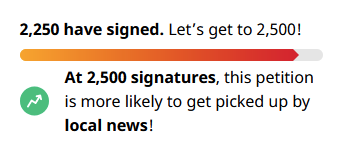
Do you miss the routine with the Duolingo update? Do you want the good version back? At least a choice to finish your courses in progress? Then we are among friends. Sign the petition. Because 2500 is better than 2250😀 change.org/p/reverse-newe… #duolingoupdate

Do you miss the routine with the Duolingo update? Do you want the good version back? At least a choice to finish your courses in progress? Then we are among friends. Sign the petition. Because 2500 is better than 2250😀 change.org/p/reverse-newe… #duolingoupdate
Euskarazko Wikipedia (@euwikipedia) 's Twitter Profile Photo

Aste berezia izan dugu, eta #IkasiOtsorekin ere komiki berezia egin du Eñaut artistak. Irulegiko eskua, eta bere historia, umeei kontatua. Hemen duzue eskuragarri, kalitate handian, eskolan zabaltzeko moduan: commons.wikimedia.org/wiki/File:Ikas…

Aste berezia izan dugu, eta #IkasiOtsorekin ere komiki berezia egin du <a href="/irribarrez/">Eñaut</a> artistak. Irulegiko eskua, eta bere historia, umeei kontatua.

Hemen duzue eskuragarri, kalitate handian, eskolan zabaltzeko moduan: commons.wikimedia.org/wiki/File:Ikas…
Oromen Vídeos (@oromenvideos) 's Twitter Profile Photo

El próximo vídeo del canal, el vídeo que menos tiempo he pasado haciendo, y creo que es un verdadero récord. Más usos del verbo "ari": youtu.be/UwCUQFAQAkM

Yoïn van Spijk (@yvanspijk) 's Twitter Profile Photo

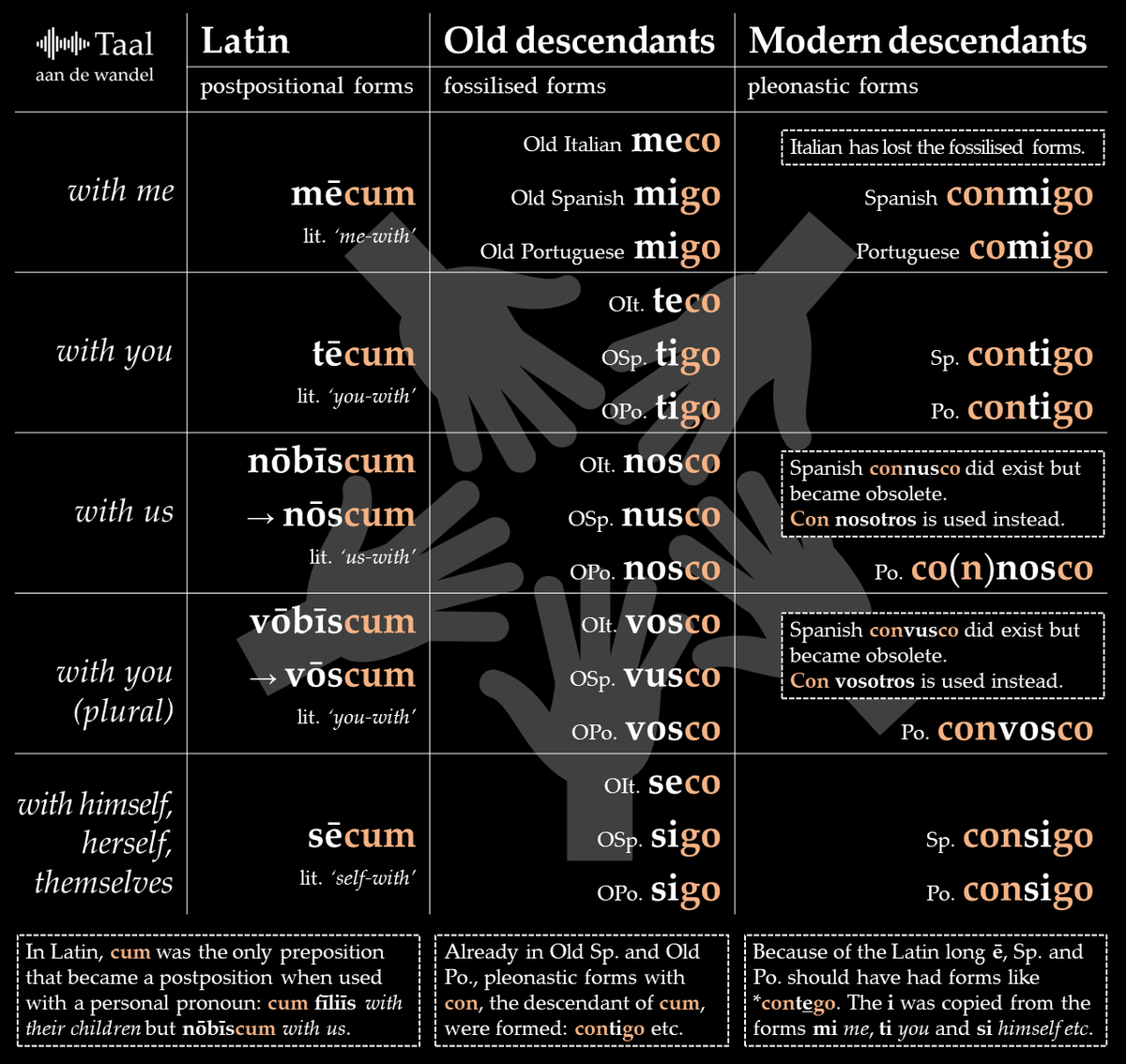
In Spanish and Portuguese it's 'para ti' (to you) but 'contigo' (with you), not *con ti. Why this '-go' part? It's a remnant of Latin 'cum', the ancestor of 'con': it was 'tēcum' ("you-with"), not *cum tē. This became 'tigo', but later a pleonastic 'con' was added. Here's more:

In Spanish and Portuguese it's 'para ti' (to you) but 'contigo' (with you), not *con ti.
Why this '-go' part?

It's a remnant of Latin 'cum', the ancestor of 'con':
it was 'tēcum' ("you-with"), not *cum tē.

This became 'tigo', but later a pleonastic 'con' was added.
Here's more:
Oromen Vídeos (@oromenvideos) 's Twitter Profile Photo

Os enseño la intro del nuevo vídeo que estoy trabajando, a ver si adivináis sobre qué va. Una pista, no es de euskera 😊