Northumbrian Heritage (@northumbriafolk) 's Twitter Profile
Northumbrian Heritage

@northumbriafolk

Hello! We are a newly-formed organisation dedicated to preserving the heritage of Northumbria. From the Tweed to the Tees. Historic Northumberland/County Durham

ID: 1121882588908539909

calendar_today26-04-2019 21:03:47

179 Tweet

1,1K Followers

856 Following

Northumbrian Heritage (@northumbriafolk) 's Twitter Profile Photo

Today is St Cuthbert’s Day! Cuthbert died on this day in the year 687. He became a figure of reconciliation and a rallying point for the reformed identity of Northumbria, and today is our region’s patron saint. Rather fitting too, as he lived much of his life in self-isolation.

Today is St Cuthbert’s Day!

Cuthbert died on this day in the year 687. He became a figure of reconciliation and a rallying point for the reformed identity of Northumbria, and today is our region’s patron saint.

Rather fitting too, as he lived much of his life in self-isolation.
Magnetic North East (@magneticne) 's Twitter Profile Photo

Really sad to cancel our upcoming #NorthumberlandDay music session at NT Wallington We'd love your help in celebrating the splendid music of our region! Please share with us your #selfisolation Northumbrian tunes, and let the music keep your spirits high! #CVcantstopthemusic
Durham Cathedral (@durhamcathedral) 's Twitter Profile Photo

For years people have gathered at Chester-le-Street to start the annual St Cuthbert pilgrimage to Durham. This year we are saddened that the walk is not taking place in honour of our beloved Northern saint, so we’ve decided to take a look through the archives of walks past.

Northumbrian Heritage (@northumbriafolk) 's Twitter Profile Photo

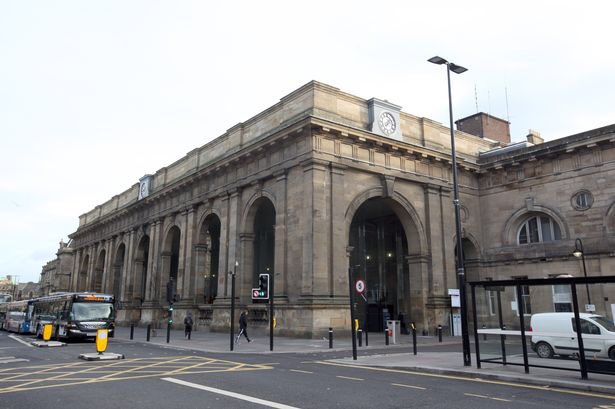
Newcastle train station, then and now. Formally opened by Queen Victoria in 1850. The day was declared a public holiday in Newcastle.

Newcastle train station, then and now. 

Formally opened by Queen Victoria in 1850. The day was declared a public holiday in Newcastle.
Northumbrian Heritage (@northumbriafolk) 's Twitter Profile Photo

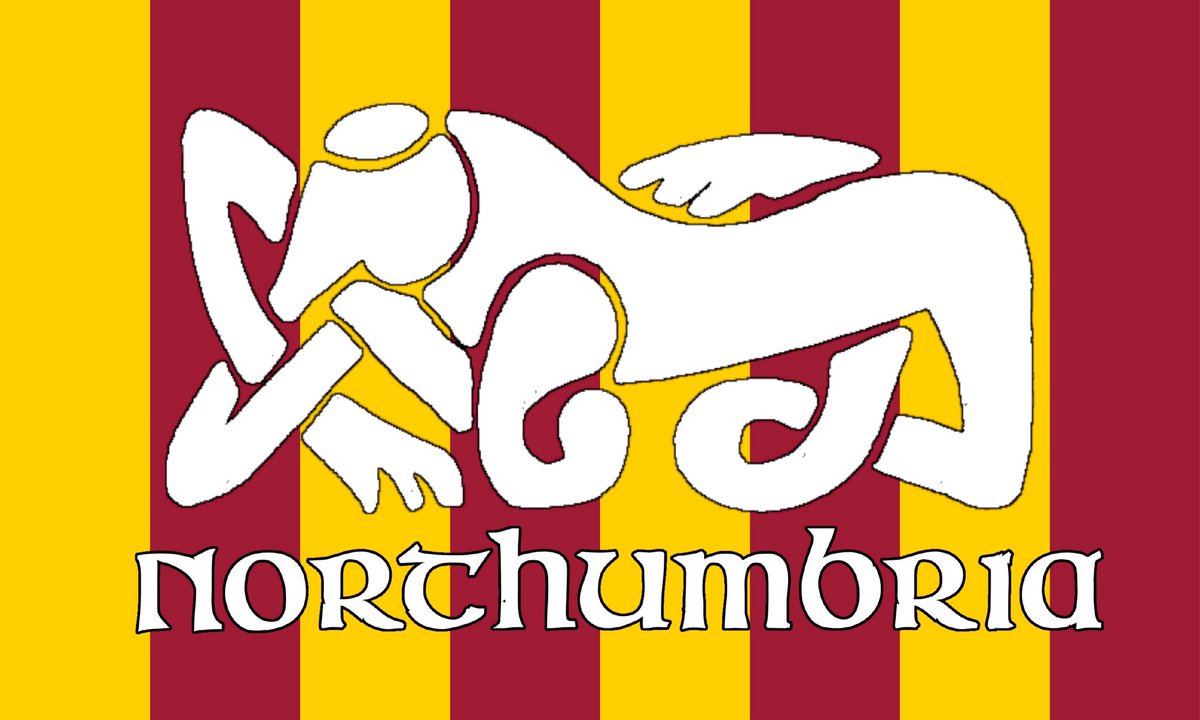
The flag of the Region (and former Kingdom) of Northumbria, alongside the flag of the modern County of Northumberland. Winter’s Gibbet, Elsdon.

The flag of the Region (and former Kingdom) of Northumbria, alongside the flag of the modern County of Northumberland. 

Winter’s Gibbet, Elsdon.
Northumbrian Heritage (@northumbriafolk) 's Twitter Profile Photo

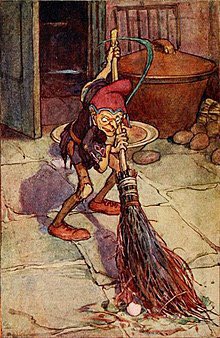
In Northumbrian folklore, a Brownie is a household spirit that comes out at night while people are asleep and performs chores & farming tasks. The owners of the house must leave a bowl of milk or some other offering for the brownie, usually by the hearth. #FolkloreThursday

In Northumbrian folklore, a Brownie is a household spirit that comes out at night while people are asleep and performs chores & farming tasks. The owners of the house must leave a bowl of milk or some other offering for the brownie, usually by the hearth. #FolkloreThursday
Northumbrian Heritage (@northumbriafolk) 's Twitter Profile Photo

We have now reached 1000 Followers! Many thanks! It is great to see how much interaction this page gets now, and to see how many great people out there, from here and from around the world, take an interest in our region’s history and culture. Onwards to the next thousand!

We have now reached 1000 Followers! Many thanks! 

It is great to see how much interaction this page gets now, and to see how many great people out there, from here and from around the world, take an interest in our region’s history and culture.

Onwards to the next thousand!
North Ages (@northages) 's Twitter Profile Photo

Eardwulf, king of Northumbria, defeated ealdorman Wada in a great battle near Hwælleage (Whalley), Lancashire, #OTD in 798. An Alric, son of Heardberht, was among the many casualties. It may have been the culmination of a bid to put the exiled Osbald on the throne. ©Ian Greig

Eardwulf, king of Northumbria, defeated ealdorman Wada in a great battle near Hwælleage (Whalley), Lancashire, #OTD in 798. An Alric, son of Heardberht, was among the many casualties. It may have been the culmination of a bid to put the exiled Osbald on the throne. ©Ian Greig
MansionCottage1863 🌱🐞🦋🐝🦔🦉 (@cottage1863) 's Twitter Profile Photo

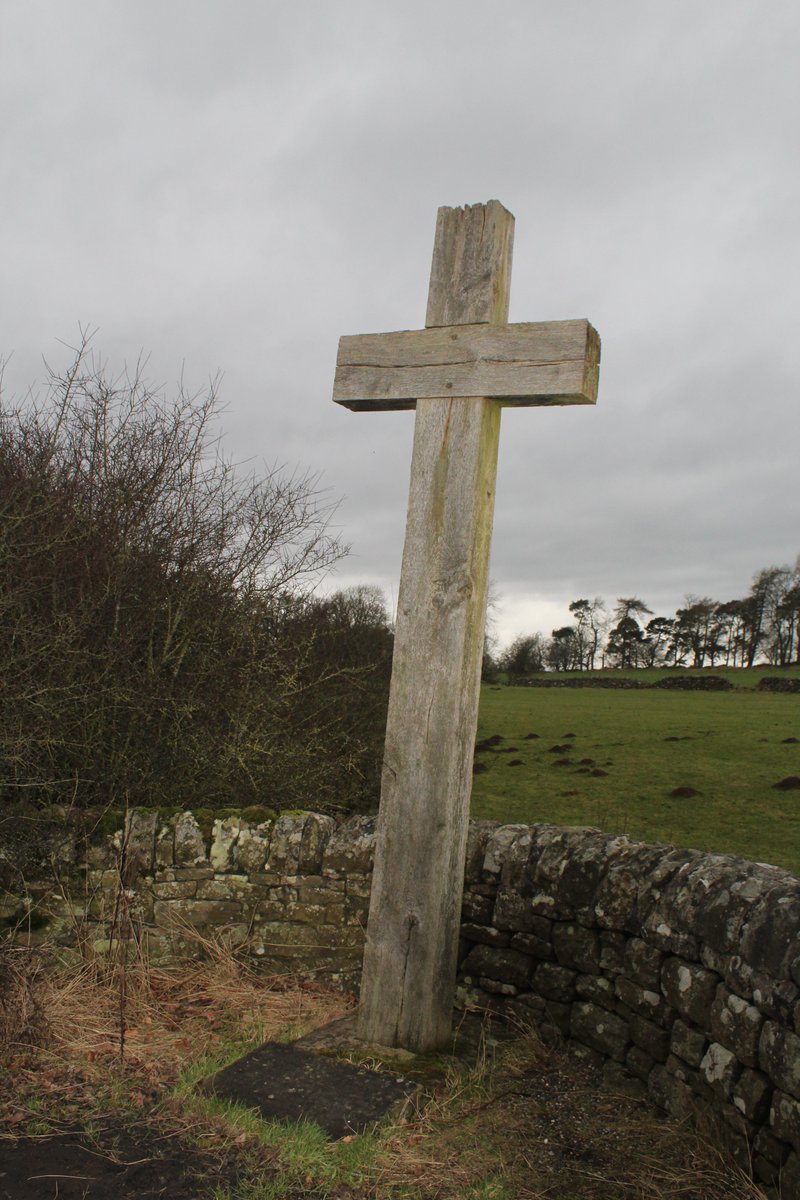
Of course "O" is for.......... Oswald of Northumbria - Osuualde; c 604 – 5 August 641/642) was King of Northumbria from 634 until his death. Oswald met Cadwallon in battle at Heavenfield, near Hexham. Before the battle, Oswald had a wooden cross erected.

Of course "O" is for..........

Oswald of Northumbria - Osuualde; c 604 – 5 August 641/642) was King of Northumbria from 634 until his death.

Oswald met Cadwallon in battle at Heavenfield, near Hexham. Before the battle, Oswald had a wooden cross erected.
Northumbrian Heritage (@northumbriafolk) 's Twitter Profile Photo

There’s a lot of folklore surrounding pregnancy and birth, and there are many regional differences across Britain on this topic. In County Durham, it was long believed that it was bad luck for a baby to look into a mirror before it has turned a year old.

There’s a lot of folklore surrounding pregnancy and birth, and there are many regional differences across Britain on this topic. In County Durham, it was long believed that it was bad luck for a baby to look into a mirror before it has turned a year old.
Northumbrian Heritage (@northumbriafolk) 's Twitter Profile Photo

“Northumbria. The very name of the place has the whiff of majesty about it. One has only to stand on the ramparts of Bamburgh, its capital, and survey the breathtaking seascape beyond to sense something of the magnitude of its place in history” - Roy Anderson

“Northumbria. The very name of the place has the whiff of majesty about it. One has only to stand on the ramparts of Bamburgh, its capital, and survey the breathtaking seascape beyond to sense something of the magnitude of its place in history”

- Roy Anderson
Northumbrian Heritage (@northumbriafolk) 's Twitter Profile Photo

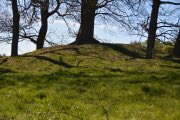
In Chopwell, you’ll find a burial mound thought to be the grave of an Anglo-Saxon King named Ceoppa. It’s believed the village gets its name from him. Having built a farmstead on the north bank of the river, he died around 685 AD. Not the best quality image, but very interesting

In Chopwell, you’ll find a burial mound thought to be the grave of an Anglo-Saxon King named Ceoppa. It’s believed the village gets its name from him. Having built a farmstead on the north bank of the river, he died around 685 AD.

Not the best quality image, but very interesting
Northumbrian Heritage (@northumbriafolk) 's Twitter Profile Photo

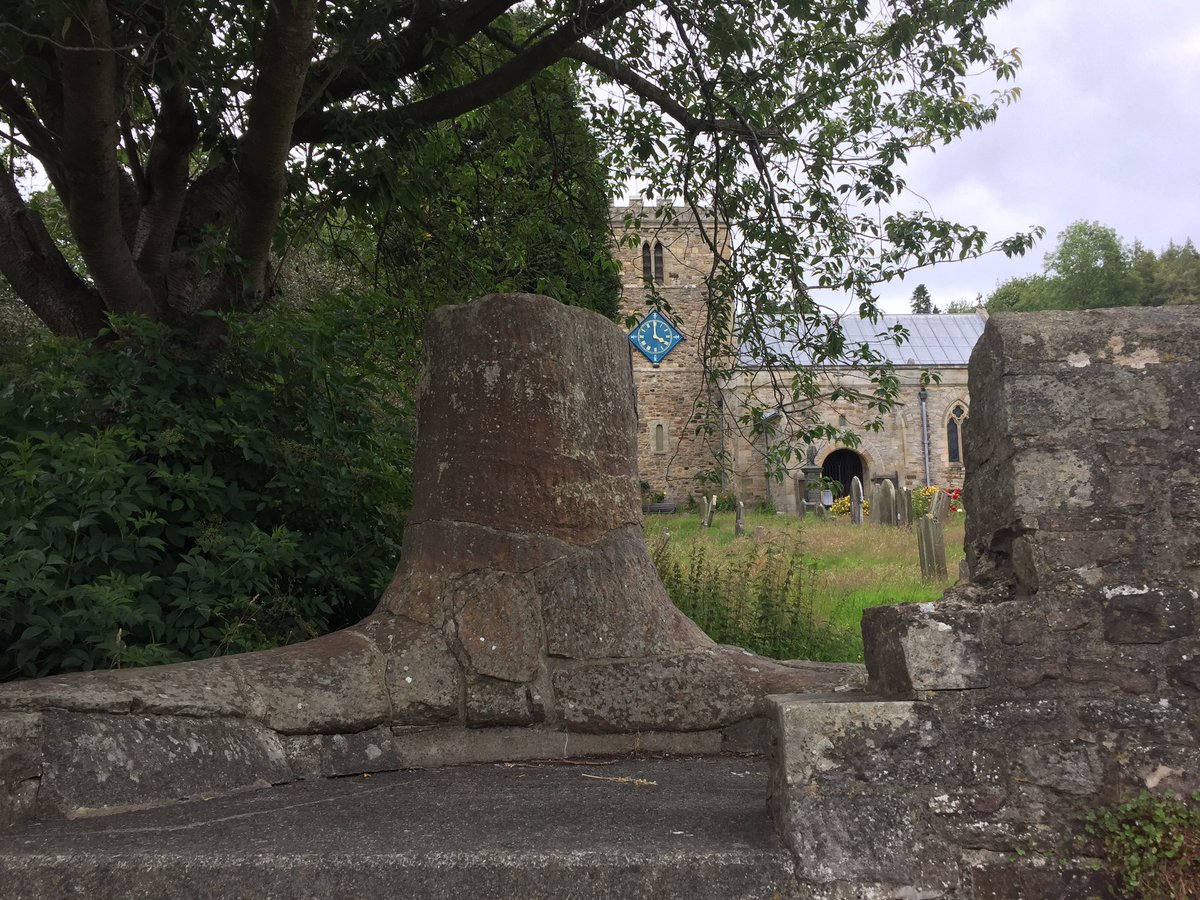
This is the Fossil Tree found in Stanhope. It grew in a tropical forest in the Carboniferous period about 320,000,000 years ago. When the tree died, sand from a river filled its rotting trunk and then hardened into sandstone. It was found in a quary near Edmundbyers in 1915!

This is the Fossil Tree found in Stanhope. It grew in a tropical forest in the Carboniferous period about 320,000,000 years ago. When the tree died, sand from a river filled its rotting trunk and then hardened into sandstone. It was found in a quary near Edmundbyers in 1915!
Northumbrian Heritage (@northumbriafolk) 's Twitter Profile Photo

Here’s something from my personal collection. World War 2 cap badges from the Northumberland Fusiliers, Durham Light Infantry, and Tyneside Irish.

Here’s something from my personal collection. World War 2 cap badges from the Northumberland Fusiliers, Durham Light Infantry, and Tyneside Irish.
North Ages (@northages) 's Twitter Profile Photo

Macbethad mac Findláech (Macbeth), king of Alba, was defeated in battle by Siward, earl of Northumbria, #OTD in 1054. The Annals of Tigernach records the former’s death at the hands of Mael Coluim mac Donnchada four years later.

Macbethad mac Findláech (Macbeth), king of Alba, was defeated in battle by Siward, earl of Northumbria, #OTD in 1054. The Annals of Tigernach records the former’s death at the hands of Mael Coluim mac Donnchada four years later.
Northumbrian Heritage (@northumbriafolk) 's Twitter Profile Photo

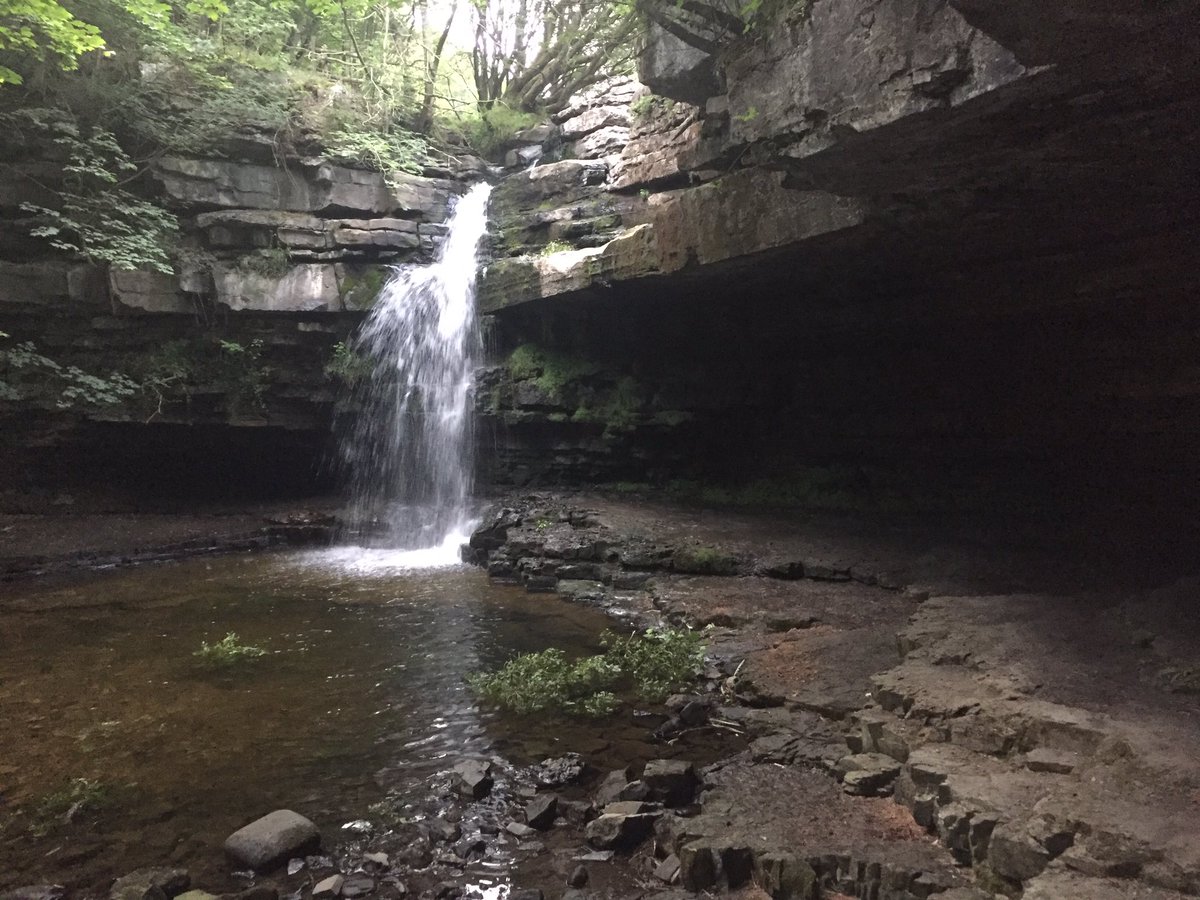
Not too far from the famous High Force waterfall you can find Gibson’s Cave. The name comes from William Gibson, a loveable 16th century outlaw that was on the run from the constables of Barnard Castle. He hid in this cave, and locals provided him with food and clothes.

Not too far from the famous High Force waterfall you can find Gibson’s Cave. The name comes from William Gibson, a loveable 16th century outlaw that was on the run from the constables of Barnard Castle. He hid in this cave, and locals provided him with food and clothes.