Tortoise Club (@norfolktortoise) 's Twitter Profile
Tortoise Club

@norfolktortoise

Expert advice and top tips on all things tortoise. We aim to actively improve welfare in captivity. Rehoming, volunteering & rescue news. [email protected]

ID: 279248035

linkhttp://www.tortoiseclub.org calendar_today08-04-2011 22:05:04

801 Tweet

1,1K Followers

874 Following

Tortoise Club (@norfolktortoise) 's Twitter Profile Photo

Herbs Robert - member of the geranium family - high in tannic acid, which can taste bitter to torts. The weed contains carotenoids (tortoises convert into vits in the body). Feed in moderation as it may affect iron absorption. Ok to offer your tortoise for variety.

Herbs Robert - member of the geranium family - high in tannic acid, which can taste bitter to torts. 
The weed contains carotenoids (tortoises convert into vits in the body). Feed in moderation as it may affect iron absorption. Ok to offer your tortoise for variety.
Tortoise Club (@norfolktortoise) 's Twitter Profile Photo

Nipplewort Weed - a safe tortoise favourite feed. Cutting the tops will encourage more young leaves to grow! If you are ever unsure about a weed, you are welcome to post a photo on our Facebook page for someone to help identify! ow.ly/NT9450Oqeek

Nipplewort Weed - a safe tortoise favourite feed. Cutting the tops will encourage more young leaves to grow! 
If you are ever unsure about a weed, you are welcome to post a photo on our Facebook page for someone to help identify!
ow.ly/NT9450Oqeek
Tortoise Club (@norfolktortoise) 's Twitter Profile Photo

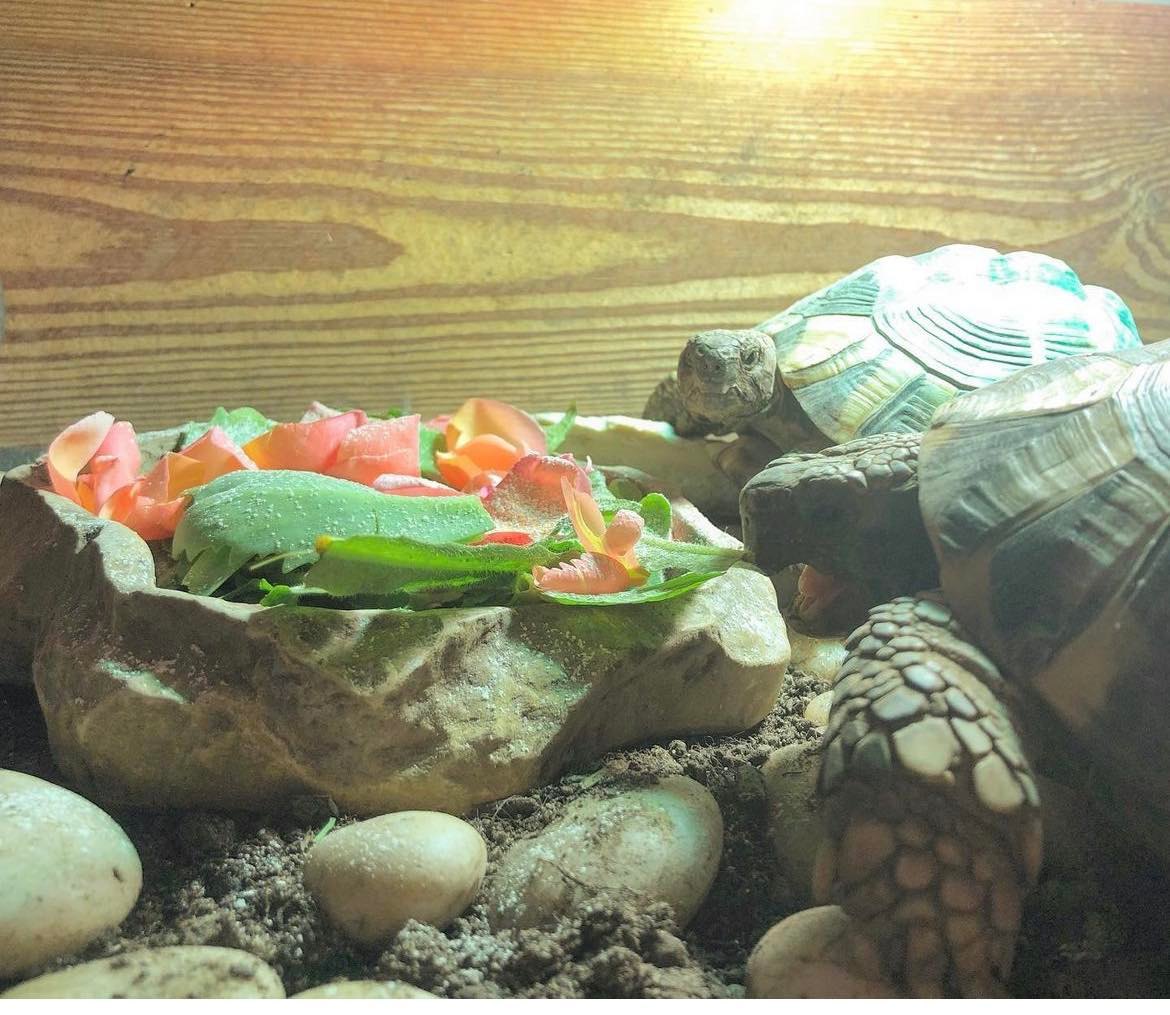
Roses 🌹 Tortoises enjoy n enjoy the leaves but prefer the petal colours, which hold more nutrients such as vitamins A, C, iron and calcium. Remember, don't feed from bouquets, as these have toxic chemicals. Garden centre plants - replant and wait 3-4 months before feeding! 🌹🐢

Roses 🌹 Tortoises enjoy n enjoy the leaves but prefer the petal colours, which hold more nutrients such as vitamins A, C, iron and calcium. Remember, don't feed from bouquets, as these have toxic chemicals. Garden centre plants - replant and wait 3-4 months before feeding! 🌹🐢
Tortoise Club (@norfolktortoise) 's Twitter Profile Photo

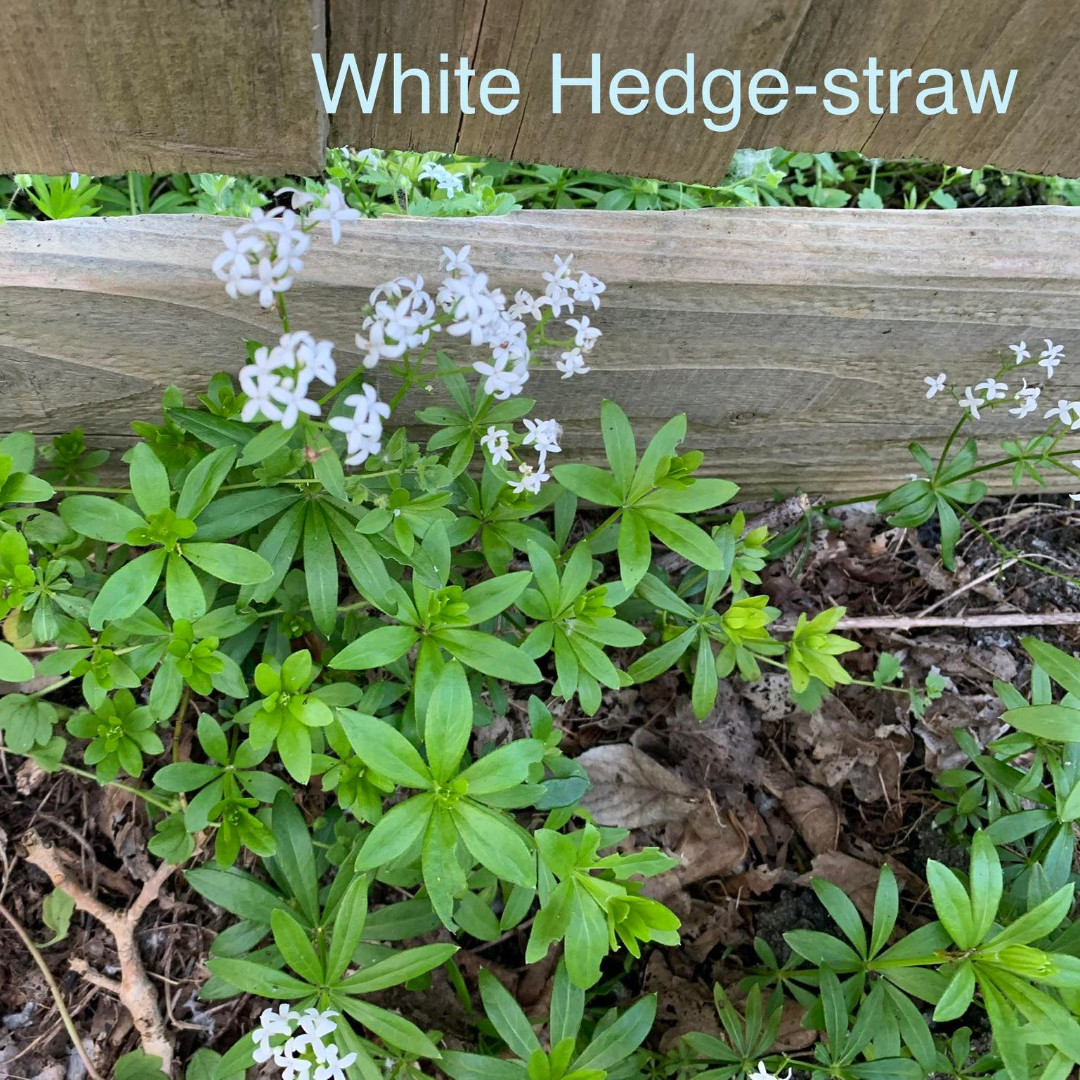
Goose Grass - small green leaves that spread in a circle around the stem -sticky to touch. Sweet Woodruff (White Hedge Bedstraw) – similar but has white flowers and is not sticky These weeds are high in fibre, important to a tortoise diet - feed sparingly as they are a diuretic.

Goose Grass - small green leaves that spread in a circle around the stem -sticky to touch.
Sweet Woodruff (White Hedge Bedstraw) – similar but has white flowers and is not sticky
These weeds are high in fibre, important to a tortoise diet - feed sparingly as they are a diuretic.
Tortoise Club (@norfolktortoise) 's Twitter Profile Photo

Ribwort and Broadleaf Plantain - a tortoise favourite! Both are found in grassland, lawns, and verges. Various species of plantain grow throughout the Mediterranean. It’s a safe feed - lots of nutritional value - remember to feed it as part of a varied diet. 🍃

Ribwort and Broadleaf Plantain - a tortoise favourite!  Both are found in grassland, lawns, and verges. 
Various species of plantain grow throughout the Mediterranean. It’s a safe feed - lots of nutritional value - remember to feed it as part of a varied diet. 🍃
Tortoise Club (@norfolktortoise) 's Twitter Profile Photo

It's a fun day in Norwich with the Lord Mayor celebrations, duck race, Lanes Summer Fayre - why not stop by The Forum Norwich and visit the Tortoise Volunteers at the Vegan Fayre! Find all kinds of tortoise goodies from 10-4pm in the Atrium 🐢
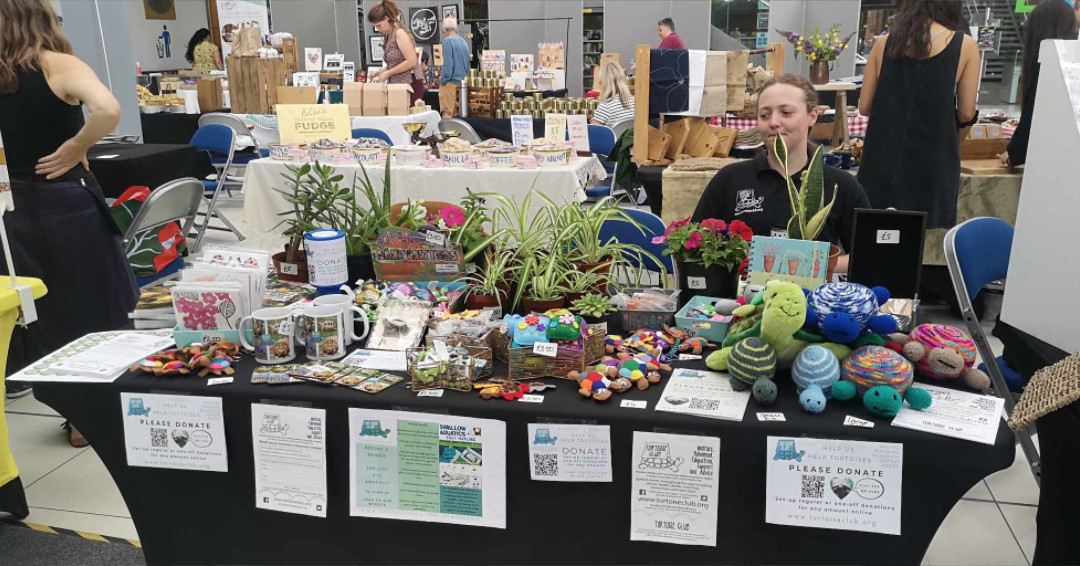
It's a fun day in Norwich with the Lord Mayor celebrations, duck race, Lanes Summer Fayre - why not stop by <a href="/TheForumNorwich/">The Forum Norwich</a> and visit the Tortoise Volunteers at the Vegan Fayre! Find all kinds of tortoise goodies from 10-4pm in the Atrium 🐢
Tortoise Club (@norfolktortoise) 's Twitter Profile Photo

Bristly Oxtongue – gardening gloves are needed for this one! It is a safe feed, ideally best to only feed young leaves to adults before the bristles turn to thorns, the dandelion-like flowers can be offered to young tortoises (typically flowers in their second year).

Bristly Oxtongue – gardening gloves are needed for this one!  It is a safe feed, ideally best to only feed young leaves to adults before the bristles turn to thorns, the dandelion-like flowers can be offered to young tortoises (typically flowers in their second year).
Tortoise Club (@norfolktortoise) 's Twitter Profile Photo

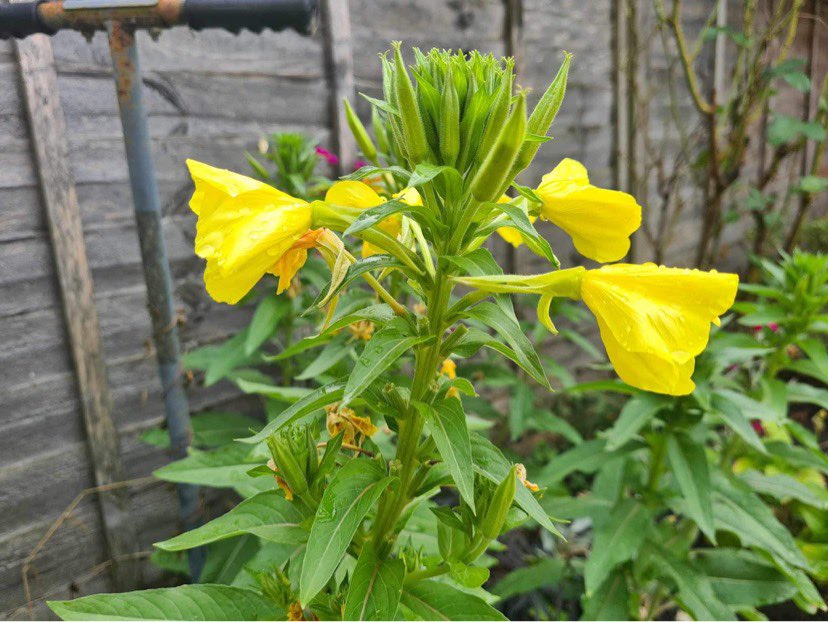
Evening Primrose - This is a safe feed; find it growing along rivers and verges, meadows and wastelands. Very easy-to-grow. It's an excellent source of calcium, potassium, beta carotene, vitamin B and omega-6, which are important for vision and immune health.

Evening Primrose  - This is a safe feed; find it growing along rivers and verges, meadows and wastelands. Very easy-to-grow. It's an excellent source of calcium, potassium, beta carotene, vitamin B and omega-6, which are important for vision and immune health.
Tortoise Club (@norfolktortoise) 's Twitter Profile Photo

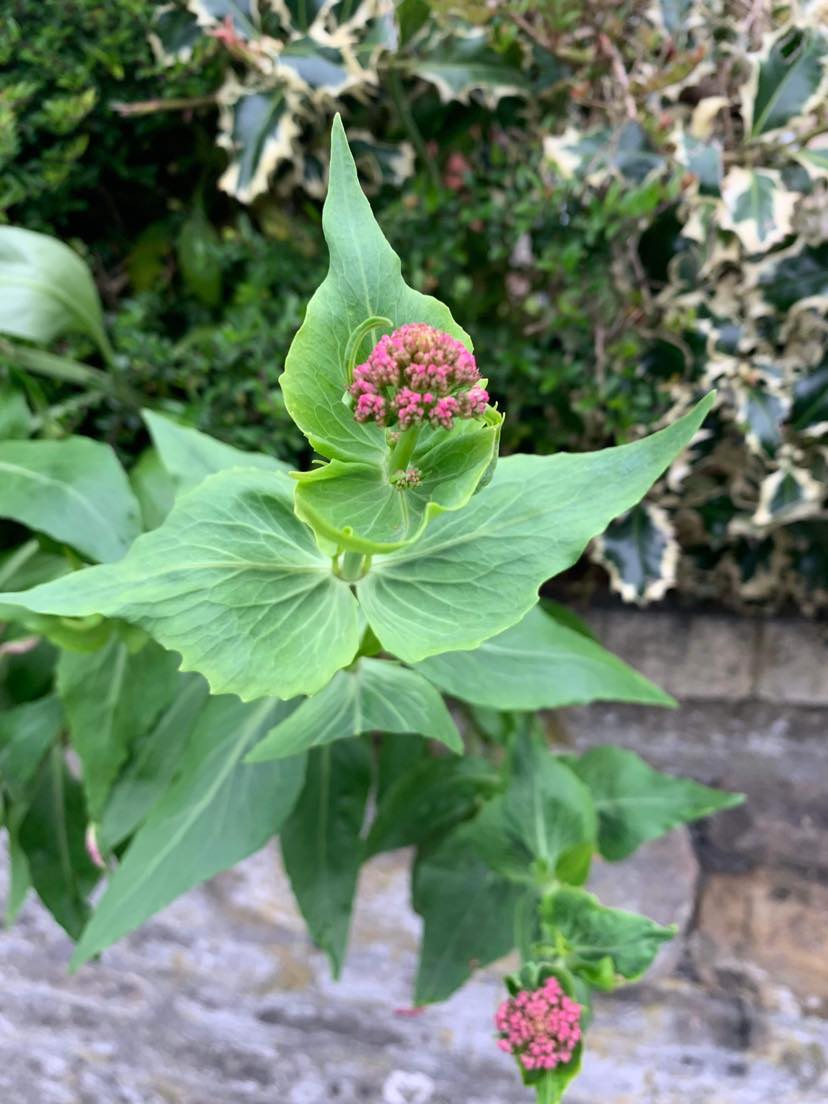
Red Valerian - This plant is part of the honeysuckle family that originates from the Mediterranean, where it is found growing in rocky, calcium-rich soil. It's a safe feed; tortoises prefer young leaves, but it's also a great plant for bees and insects.

Red Valerian - This plant is part of the honeysuckle family that originates from the Mediterranean, where it is found growing in rocky, calcium-rich soil. It's a safe feed; tortoises prefer young leaves, but it's also a great plant for bees and insects.
Tortoise Club (@norfolktortoise) 's Twitter Profile Photo

Hedge Bindweeds - This moderate feed is part of the morning glory family and has a white flower, and tends to take over hedges and fences. It's best only to offer the leaves and flowers. Tortoises can get entangled in the vines and cause harm.

Hedge Bindweeds - This moderate feed is part of the morning glory family and has a white flower, and tends to take over hedges and fences. It's best only to offer the leaves and flowers. Tortoises can get entangled in the vines and cause harm.
Tortoise Club (@norfolktortoise) 's Twitter Profile Photo

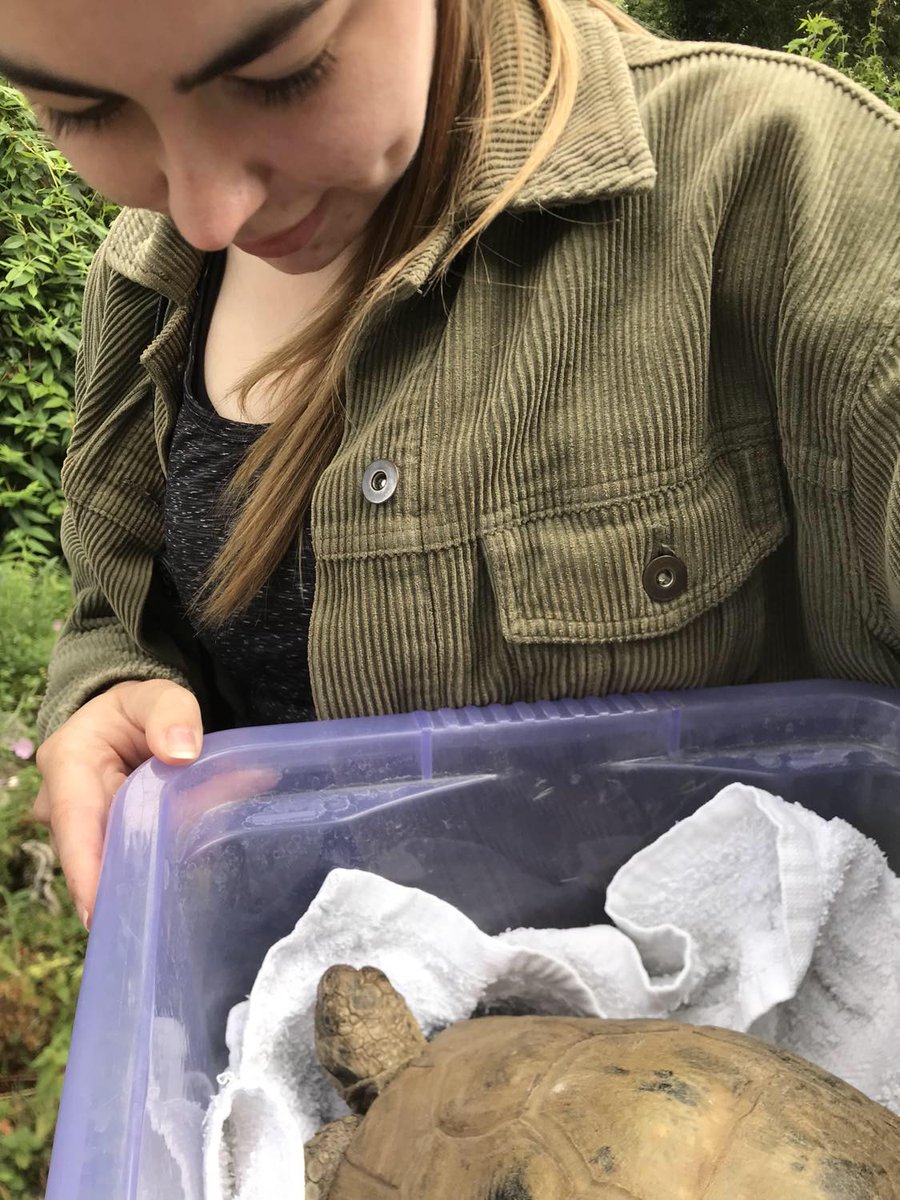
A special resident went to her forever home! ‘Red’, a North African spur thigh over 100 years old. Came to us with runny nose which, after swabs and x-rays confirmed pneumonia. With antibiotics, a healthy weed diet and a year of intensive care, she's ready for her next chapter 🙂

A special resident went to her forever home! ‘Red’, a North African spur thigh over 100 years old. Came to us with runny nose which, after swabs and x-rays confirmed pneumonia. With antibiotics, a healthy weed diet and a year of intensive care, she's ready for her next chapter 🙂
Tortoise Club (@norfolktortoise) 's Twitter Profile Photo

A massive thank you to everyone who has donated to Norman's care ❤️ We are pleased to report he is doing really well after his surgery and recovering with his lovely foster family. His Go Fund Me page is still open if you can help us with vets bills 🐢 gofund.me/ce6f0975

A massive thank you to everyone who has donated to Norman's care ❤️
We are pleased to report he is doing really well after his surgery and recovering with his lovely foster family. 
His Go Fund Me page is still open if you can help us with vets bills 🐢

gofund.me/ce6f0975
Tortoise Club (@norfolktortoise) 's Twitter Profile Photo

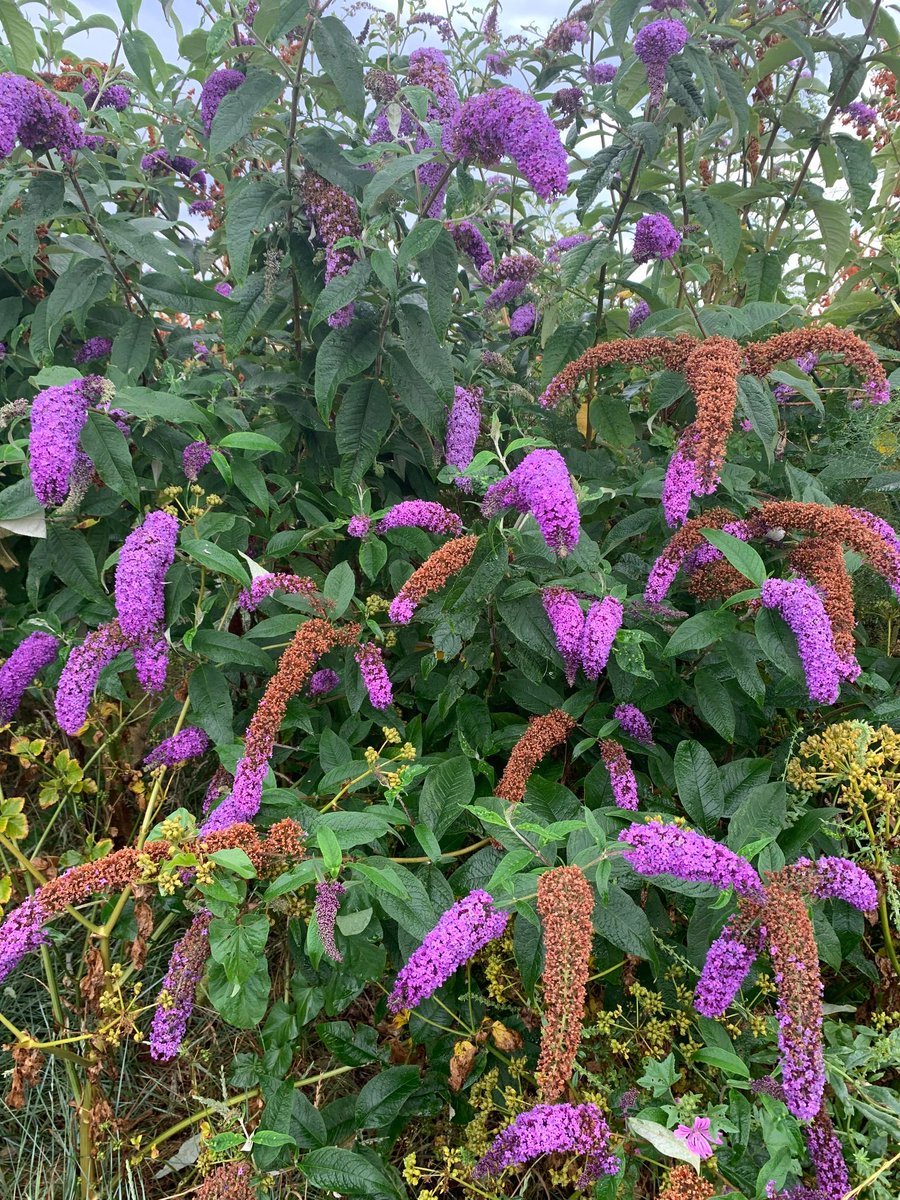
This is a beautiful shrub to grow in the garden that can be offered in moderation for diet variety. It’s a hard to sell to tortoises but it’s a hardy plant that will grow in winter if in a sheltered spot, which is handy when no many weeds around.

This is a beautiful shrub to grow in the garden that can be offered in moderation for diet variety. It’s a hard to sell to tortoises but  it’s a hardy plant that will grow in winter if in a sheltered spot, which is handy when no many weeds around.
Tortoise Club (@norfolktortoise) 's Twitter Profile Photo

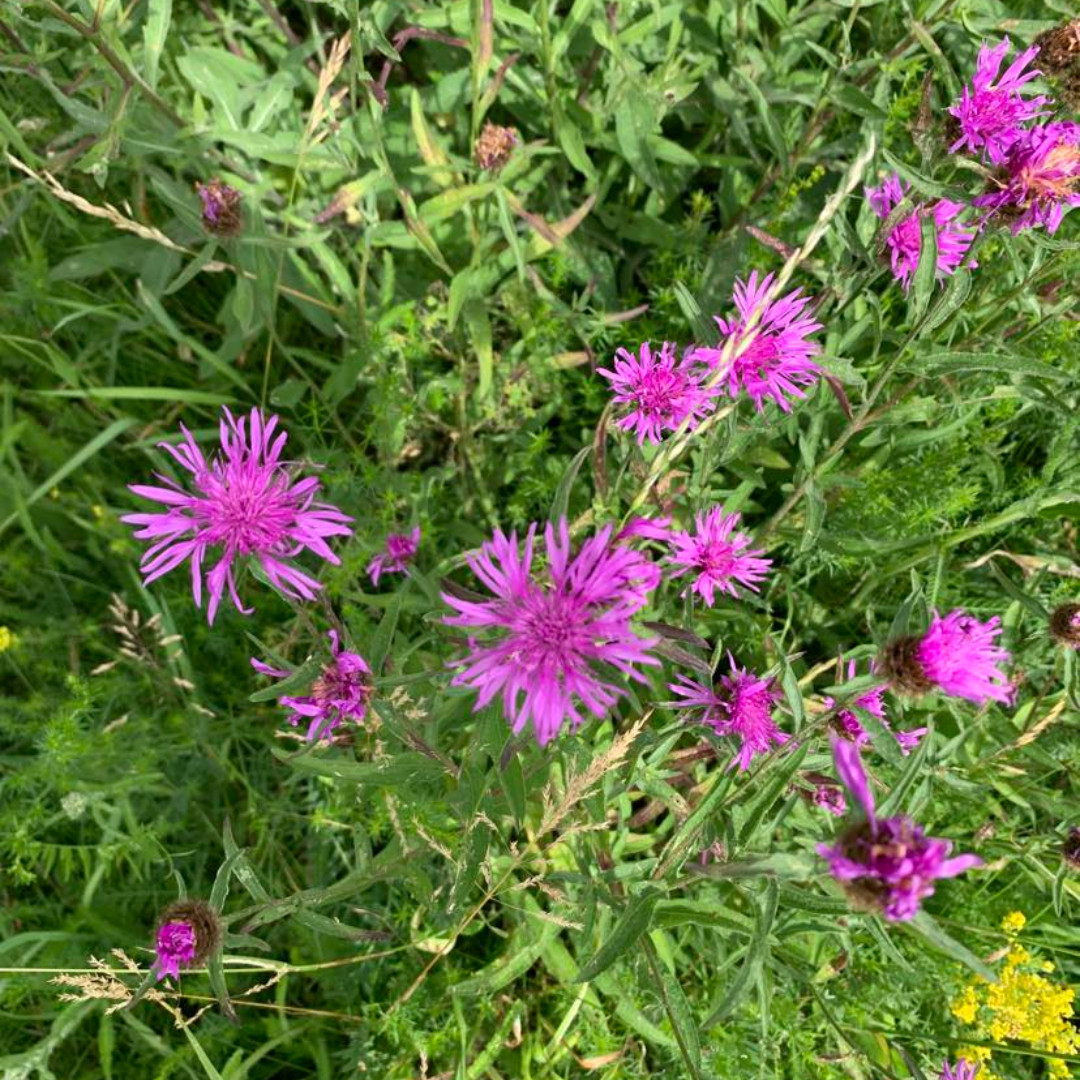
Knapweed - some keepers find that tortoises don’t always eat it. Often tortoises will eat certain plants at specific times of the year, and In the wild, it has been noted that they tend to eat the new leaves in early spring, then the flowers and older leaves later in the year.

Knapweed - some keepers find that tortoises don’t always eat it. Often tortoises will eat certain plants at specific times of the year, and In the wild, it has been noted that they tend to eat the new leaves in early spring, then the flowers and older leaves later in the year.
Tortoise Club (@norfolktortoise) 's Twitter Profile Photo

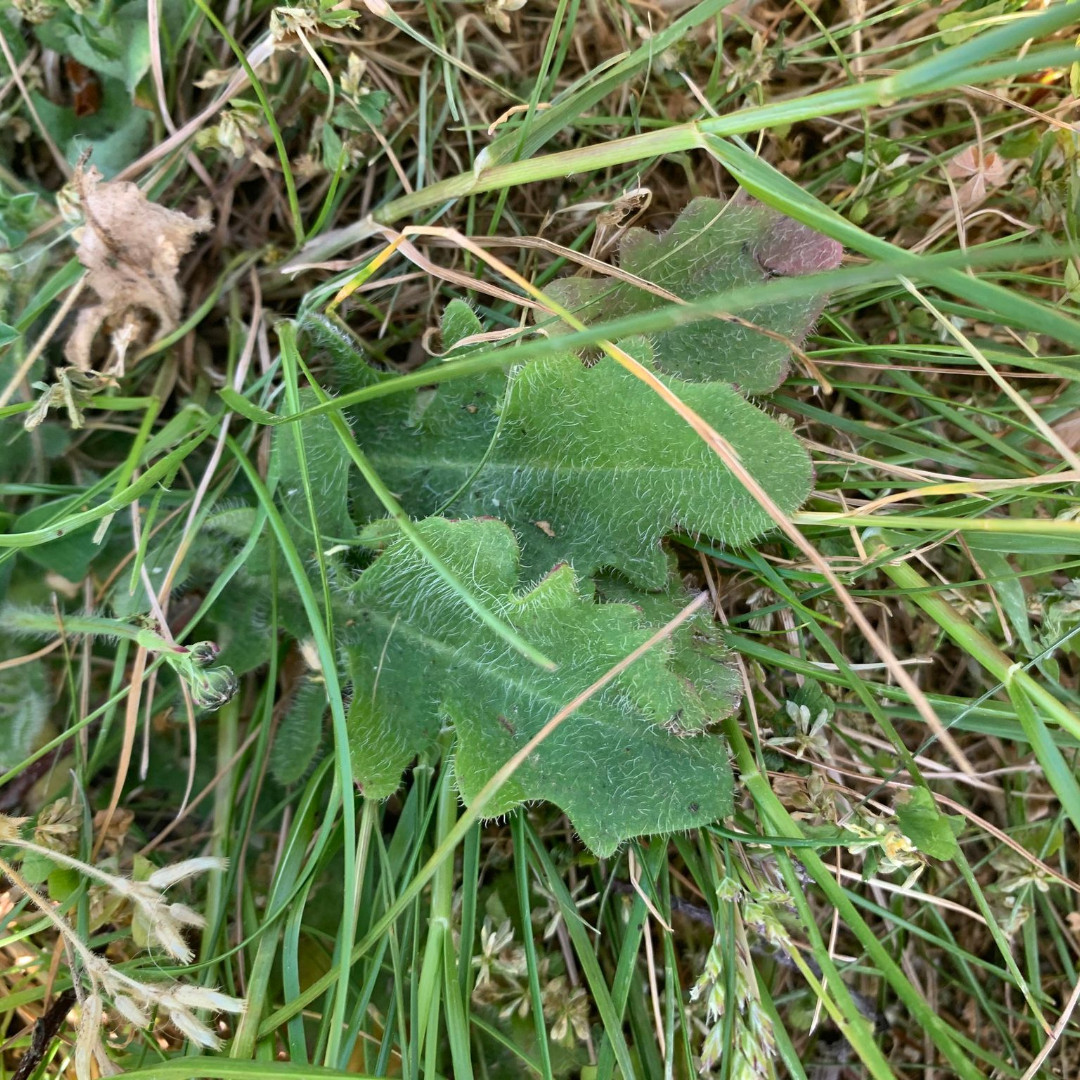
Cat Ear - Also known as false dandelion because of its flower. It’s a safe feed, a very nutritious weed commonly found in grassy areas like lawns, grassland, verges. 3 different types - smooth, hairy and giant, but all look similar and are safe, including eating the roots.

Cat Ear - Also known as false dandelion because of its flower. It’s a safe feed, a very nutritious weed commonly found in grassy areas like lawns, grassland, verges. 3 different types -  smooth, hairy and giant, but all look similar and are safe, including eating the roots.
Tortoise Club (@norfolktortoise) 's Twitter Profile Photo

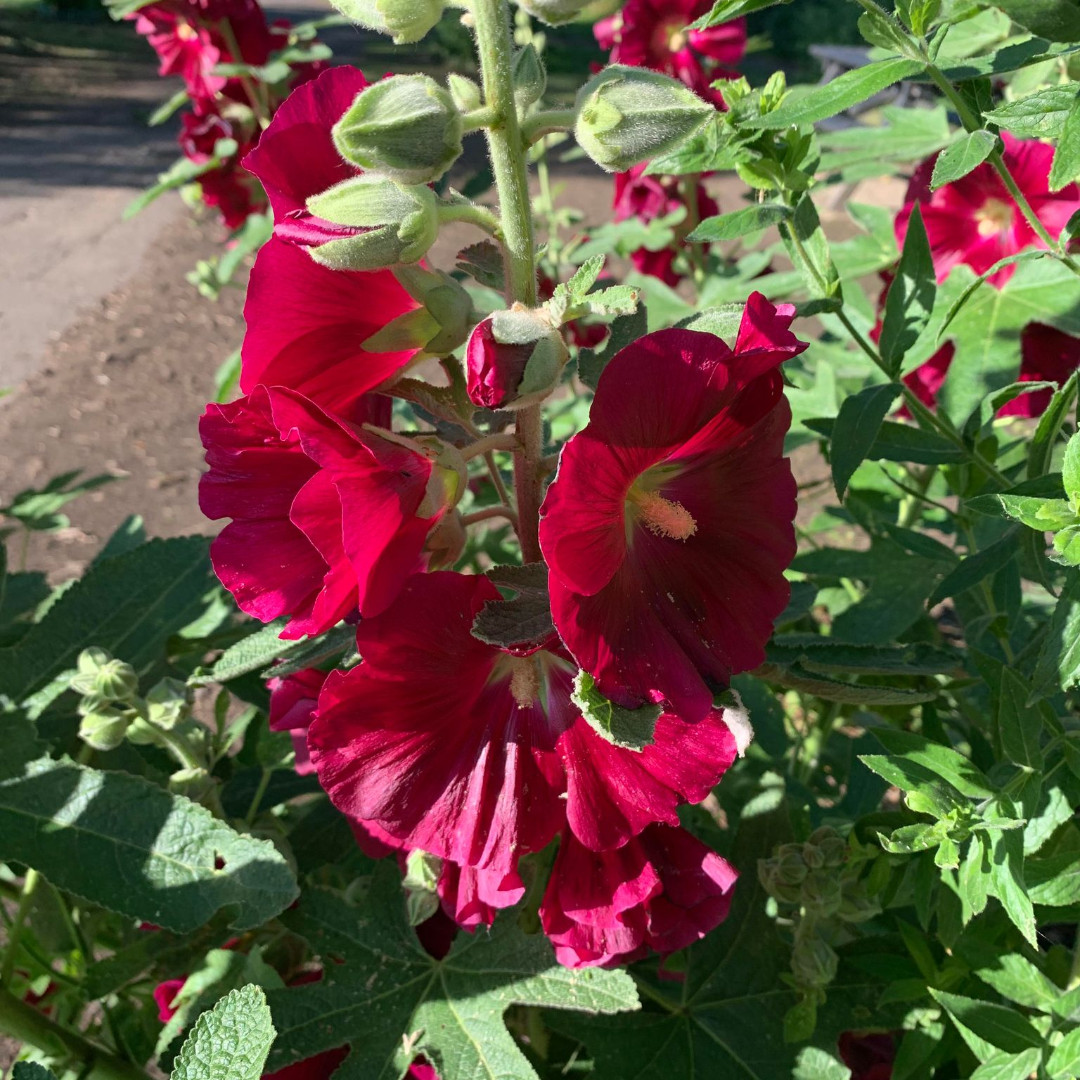
Hollyhock - Being part of the mallow family, it is a firm tortoise favourite. Though a safe feed commonly found growing wild in Turkey, it's best to grow it outside a tortoise's enclosure otherwise, they will demolish it!

Hollyhock - Being part of the mallow family, it is a firm tortoise favourite. Though a safe feed commonly found growing wild in Turkey, it's best to grow it outside a tortoise's enclosure otherwise, they will demolish it!
Tortoise Club (@norfolktortoise) 's Twitter Profile Photo

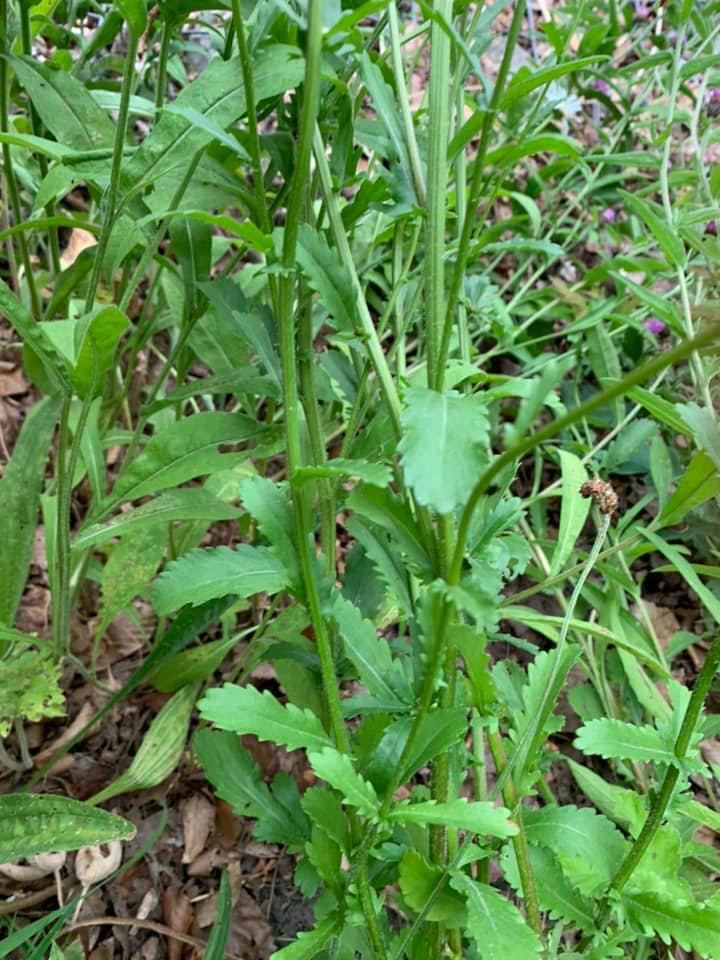
Ox Eye Daisy - a moderate feed because it belongs to the chrysanthemum family. Some members of this family are no feeds because they contain pyrethrins, though oxeye daisy isn’t known to be one. The weed is high in beta carotene, riboflavin, niacin vitamin B3 and potassium.

Ox Eye Daisy - a moderate feed because it belongs to the chrysanthemum family. Some members of this family are no feeds because they contain pyrethrins, though oxeye daisy isn’t known to be one. The weed is high in beta carotene, riboflavin, niacin vitamin B3 and potassium.
Tortoise Club (@norfolktortoise) 's Twitter Profile Photo

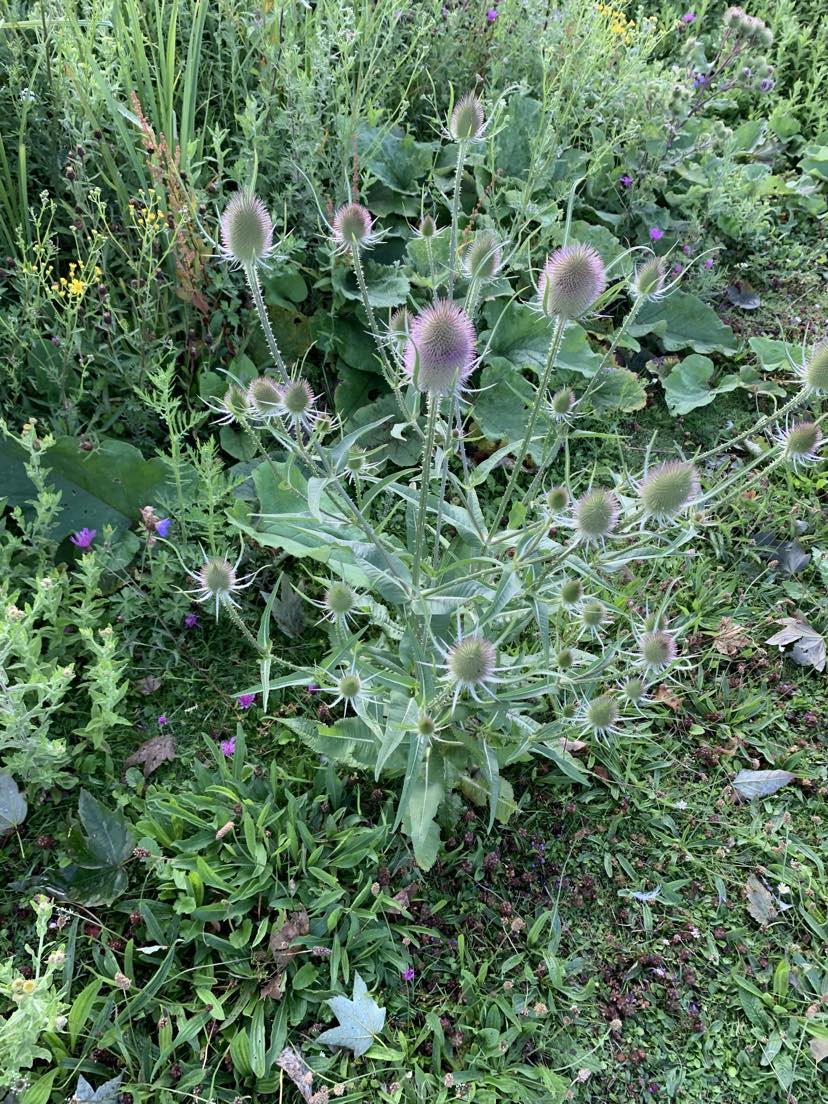
Teasel - a safe feed that’s in flower. This prefers to grow in calcium-rich soil and likes the warm weather, only flowering July – August. Tortoises can eat the flowers before the flower head dries out to self-seed. Only provide the softer leaves and avoid the thorned stems.

Teasel - a safe feed that’s in flower.  This prefers to grow in calcium-rich soil and likes the warm weather, only flowering July – August. Tortoises can eat the flowers before the flower head dries out to self-seed. Only provide the softer leaves and avoid the thorned stems.
Tortoise Club (@norfolktortoise) 's Twitter Profile Photo

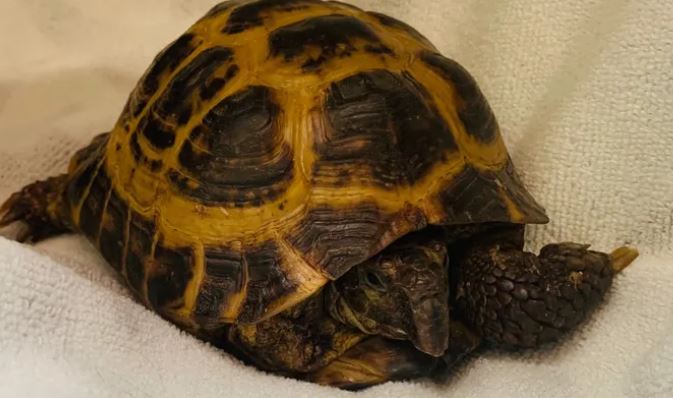
Titus is a very energetic 60-year-young spur thigh. A rare breed Algerian Whitei - collected from the wild several decades ago before the UK ban on wild imports. Natural sunlight is a FREE way to offer vital heat, UVB and enrichments.

Titus is a very energetic 60-year-young spur thigh. A rare breed Algerian Whitei - collected from the wild several decades ago before the UK ban on wild imports.  Natural sunlight is a FREE way to offer vital heat, UVB and enrichments.