Melisa (@melivinograd) 's Twitter Profile
Melisa

@melivinograd

Physics PhD Student - Universidad de Buenos Aires & UdeSA - Google Fellow 🇦🇷

ID: 4474656496

calendar_today13-12-2015 22:15:01

25 Tweet

158 Followers

588 Following

Julian Amette (@nonequilibrium_) 's Twitter Profile Photo

Vale la pena invertir en ciencia? Esta semana está agitada en términos del sistema científico-tecnológico y surgen diversas discusiones y debates. La pregunta de si vale la pena o no invertir en ciencia es, creo yo, totalmente válida y atendible.

Melisa (@melivinograd) 's Twitter Profile Photo

Una persona que puede estimar cualquier dato de la realidad y hace cálculos matemáticos en el aire con rapidez asombrosa. A su izquierda, una simple doctoranda nacional.

Melisa (@melivinograd) 's Twitter Profile Photo

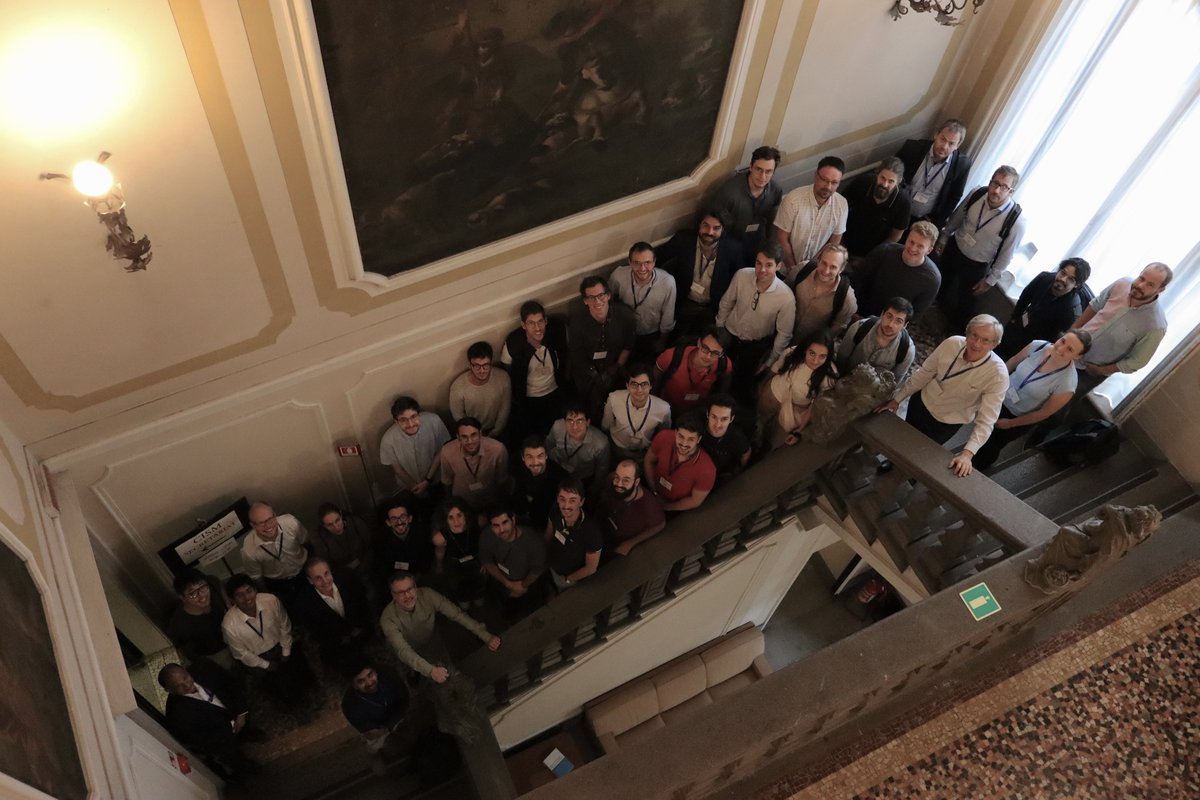
Thrilled to have joined the CISM-EUROMECH course on 'Model Reduction & ML for Solids, Fluids & Controls' in Udine🇮🇹! I presented my poster on 'Reduced Representations of Turbulent Rayleigh-Bénard Flows via Autoencoders' and loved the frescoed classroom at the XV-century Palazzo.

Thrilled to have joined the CISM-EUROMECH course on 'Model Reduction & ML for Solids, Fluids & Controls' in Udine🇮🇹! I presented my poster on 'Reduced Representations of Turbulent Rayleigh-Bénard Flows via Autoencoders' and loved the frescoed classroom at the XV-century Palazzo.
martin palazzo (@boardsofdata) 's Twitter Profile Photo

Ultimos dias para pre-inscribirse al Simposio Cientifico de Inteligencia Artificial y Aplicaciones Universidad de San Andrés : invitamos a estudiantes, investigadores y profesionales de la industria que desarrollen y apliquen metodos de IA en diversas disciplinas del conocimiento.

Melisa (@melivinograd) 's Twitter Profile Photo

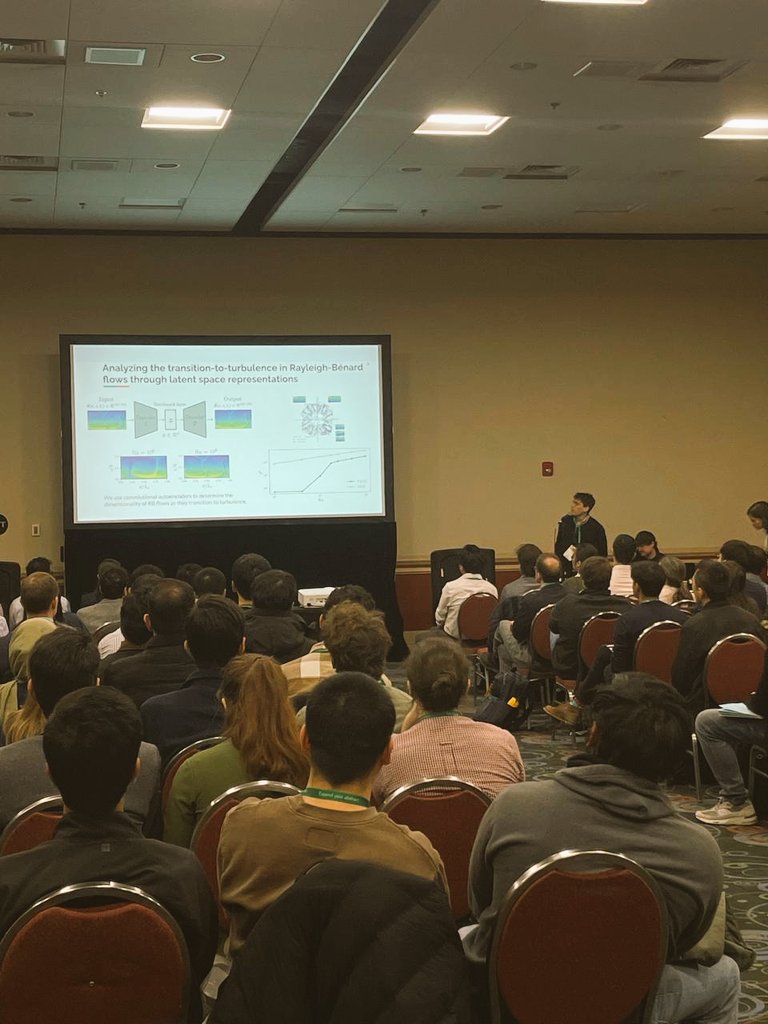
Last week at #SCIAA hosted by the Engineering Department of Universidad de San Andrés, I presented a poster on my latest research and was awarded an Honorable Mention! It was a fantastic opportunity to showcase our work from FLiP: FLuids and Plasmas and engage with inspiring talks from Argentina's AI community.
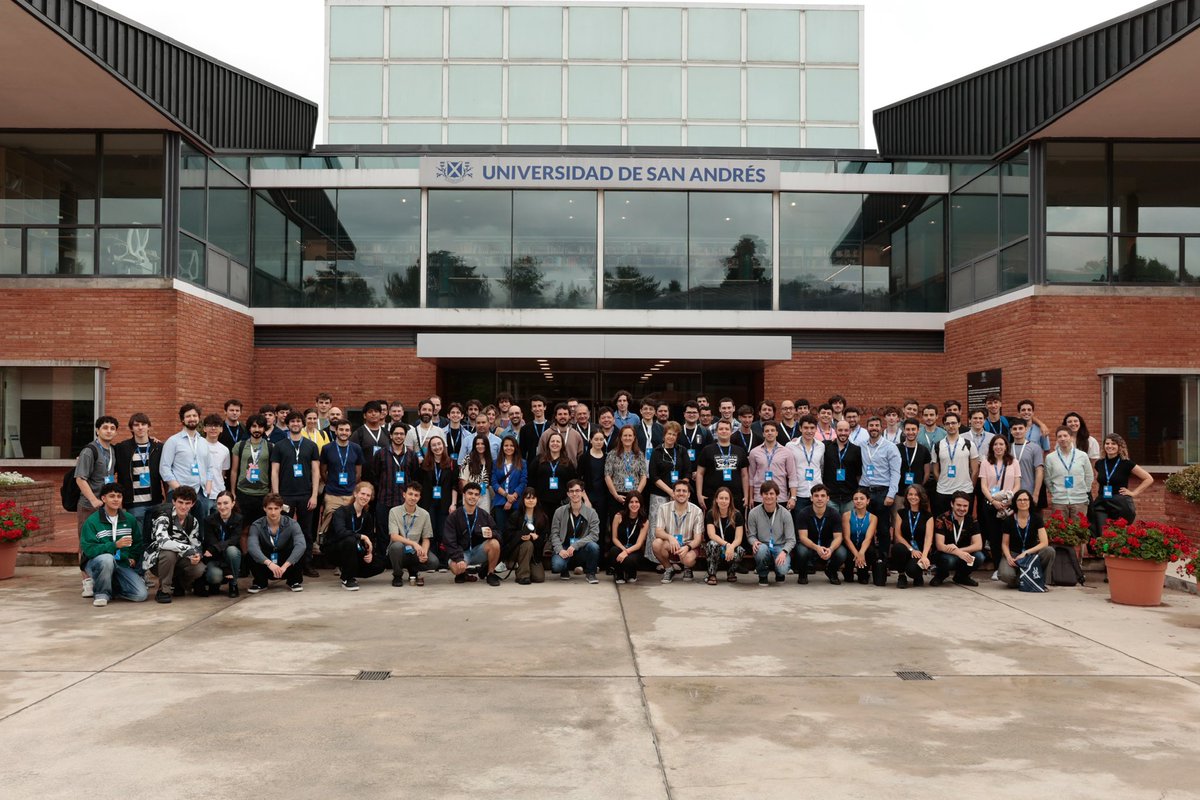
Last week at #SCIAA hosted by the Engineering Department of <a href="/UdeSA/">Universidad de San Andrés</a>, I presented a poster on my latest research and was awarded an Honorable Mention! It was a fantastic opportunity to showcase our work from <a href="/flipdfuba/">FLiP: FLuids and Plasmas</a> and engage with inspiring talks from Argentina's AI community.
Dynamic Days LAC 2024 (@ddayslac2024) 's Twitter Profile Photo

Fluid Dynamics and Astrophysics: Clark Di Leoni examined the transition to turbulence in Rayleigh-Bénard flows. Rodríguez Imazio analyzed clear air turbulence using high-resolution aircraft data. Vinograd presented reduced representations of turbulent flows with autoencoders.

Fluid Dynamics and Astrophysics: Clark Di Leoni examined the transition to turbulence in Rayleigh-Bénard flows. Rodríguez Imazio analyzed clear air turbulence using high-resolution aircraft data. Vinograd presented reduced representations of turbulent flows with autoencoders.
Gabriel (@gabo_torre_) 's Twitter Profile Photo

Los videos que hicimos para el Concurso de Visualización de sistemas dinámicos de Dynamic Days LAC 2024, ganamos una mención con el primero. Código: gist.github.com/Gabo-Tor/8aea3… Melisa

Melisa (@melivinograd) 's Twitter Profile Photo

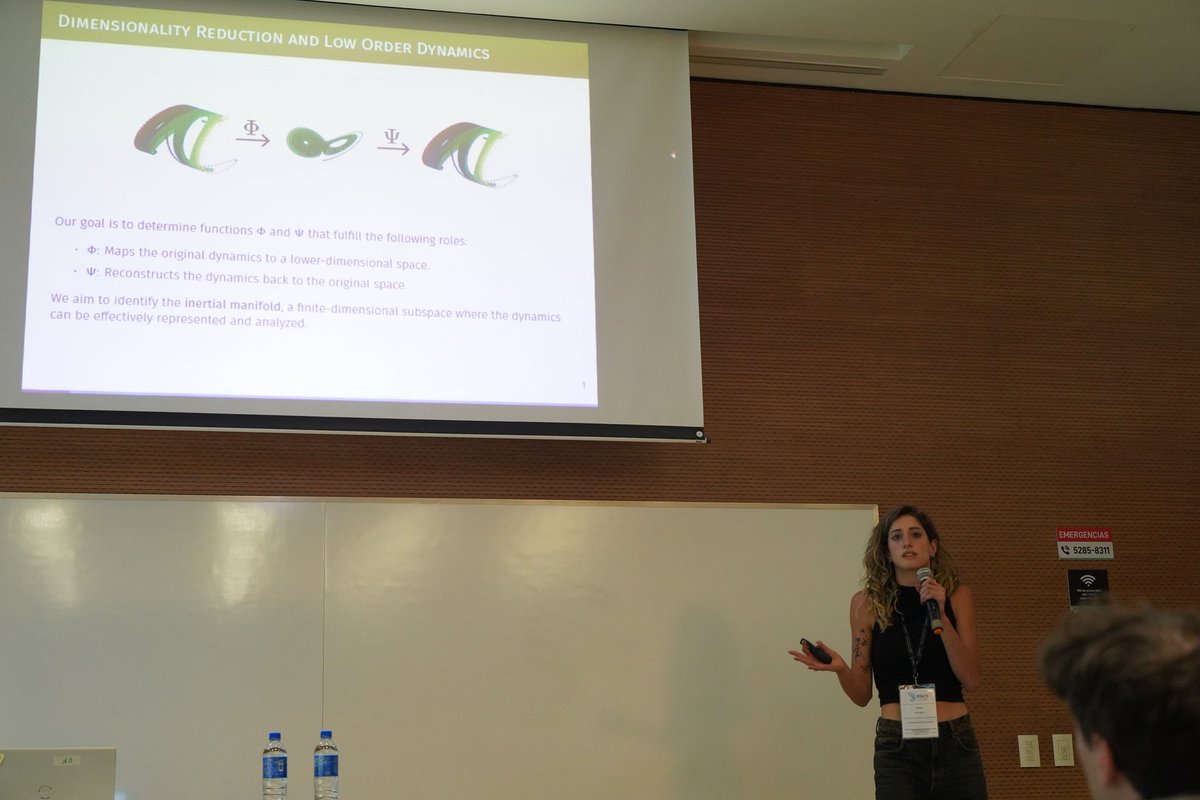
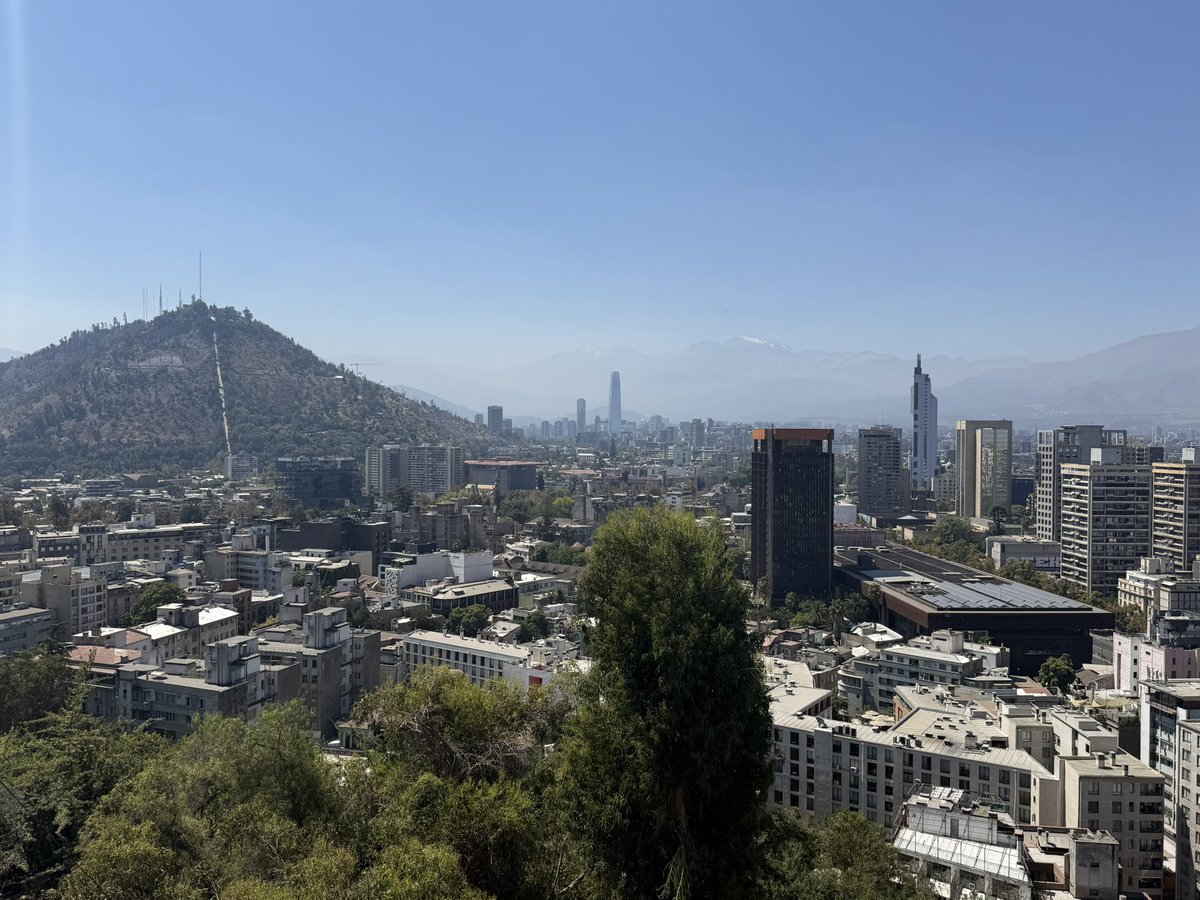
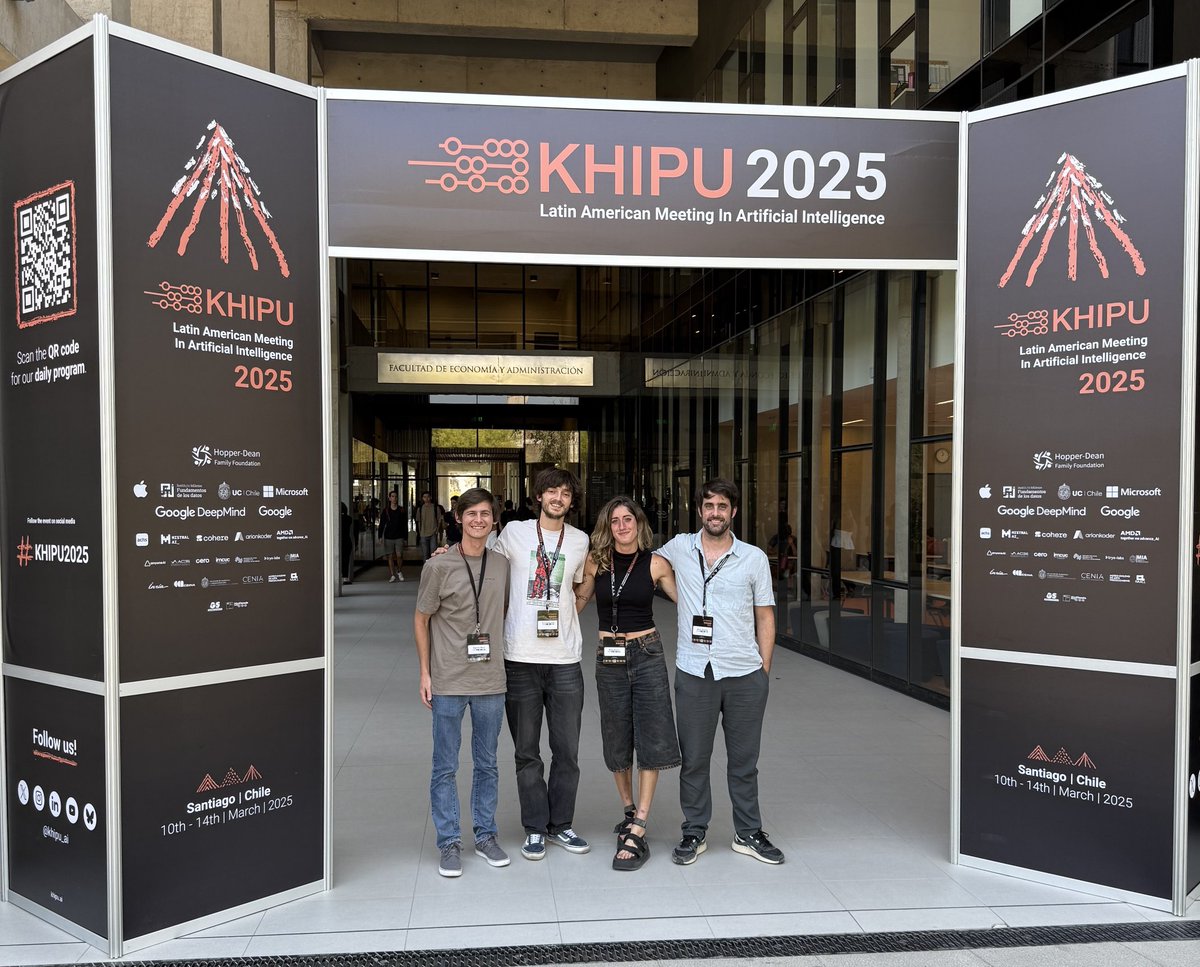
Happy to be at khipu.ai in Santiago 🇨🇱! Que linda que es la comunidad de IA en Latinoamérica. Excited for the opportunity to share my Physics + Machine Learning research with this vibrant group. And, as a bonus… I found a matching tattoo #KHIPU2025

Happy to be at <a href="/Khipu_AI/">khipu.ai</a> in Santiago 🇨🇱! Que linda que es la comunidad de IA en Latinoamérica. Excited for the opportunity to share my Physics + Machine Learning research with this vibrant group. And, as a bonus… I found a matching tattoo #KHIPU2025
FLiP: FLuids and Plasmas (@flipdfuba) 's Twitter Profile Photo

How many dimensions are needed to accurately represent turbulent convection? In their latest paper, Melisa and Patricio Clark train different autoencoders to generate the smallest possible latent representations of Rayleigh-Bénard flows.

How many dimensions are needed to accurately represent turbulent convection? In their latest paper, <a href="/melivinograd/">Melisa</a> and <a href="/patriciocdl/">Patricio Clark</a> train different autoencoders to generate the smallest possible latent representations of Rayleigh-Bénard flows.
Melisa (@melivinograd) 's Twitter Profile Photo

Honored to be featured in Google’s announcement of the new 2025 #GooglePhDFellows! Orgullosa de representar a 🇦🇷 en este programa que impulsa la ciencia y la formación de talentos en Latinoamérica. Google Argentina Google Research 🔗 blog.google/outreach-initi…

Honored to be featured in Google’s announcement of the new 2025 #GooglePhDFellows! 

Orgullosa de representar a 🇦🇷 en este programa que impulsa la ciencia y la formación de talentos en Latinoamérica.

<a href="/googleargentina/">Google Argentina</a> <a href="/GoogleResearch/">Google Research</a> 

🔗 blog.google/outreach-initi…
FLiP: FLuids and Plasmas (@flipdfuba) 's Twitter Profile Photo

How many degrees of freedom does turbulence truly have? Melisa, Joaquín Cullen, Patricio Clark show that 2D Kolmogorov flow undergoes two sharp transitions. Sweeping across Reynolds number and forcing scale wavenumber, both transitions collapse at the same forcing Reynolds.

How many degrees of freedom does turbulence truly have? <a href="/melivinograd/">Melisa</a>, <a href="/joaquin_cullen/">Joaquín Cullen</a>, <a href="/patriciocdl/">Patricio Clark</a> show that 2D Kolmogorov flow undergoes two sharp transitions. Sweeping across Reynolds number and forcing scale wavenumber, both transitions collapse at the same forcing Reynolds.