
Matthew Ashenfarb
@mashenfarb
Environmental economics PhD student @YaleEnvironment. Via @rff and @ucberkeley
ID: 901480186759086081
26-08-2017 16:23:20
21 Tweet
133 Takipçi
541 Takip Edilen

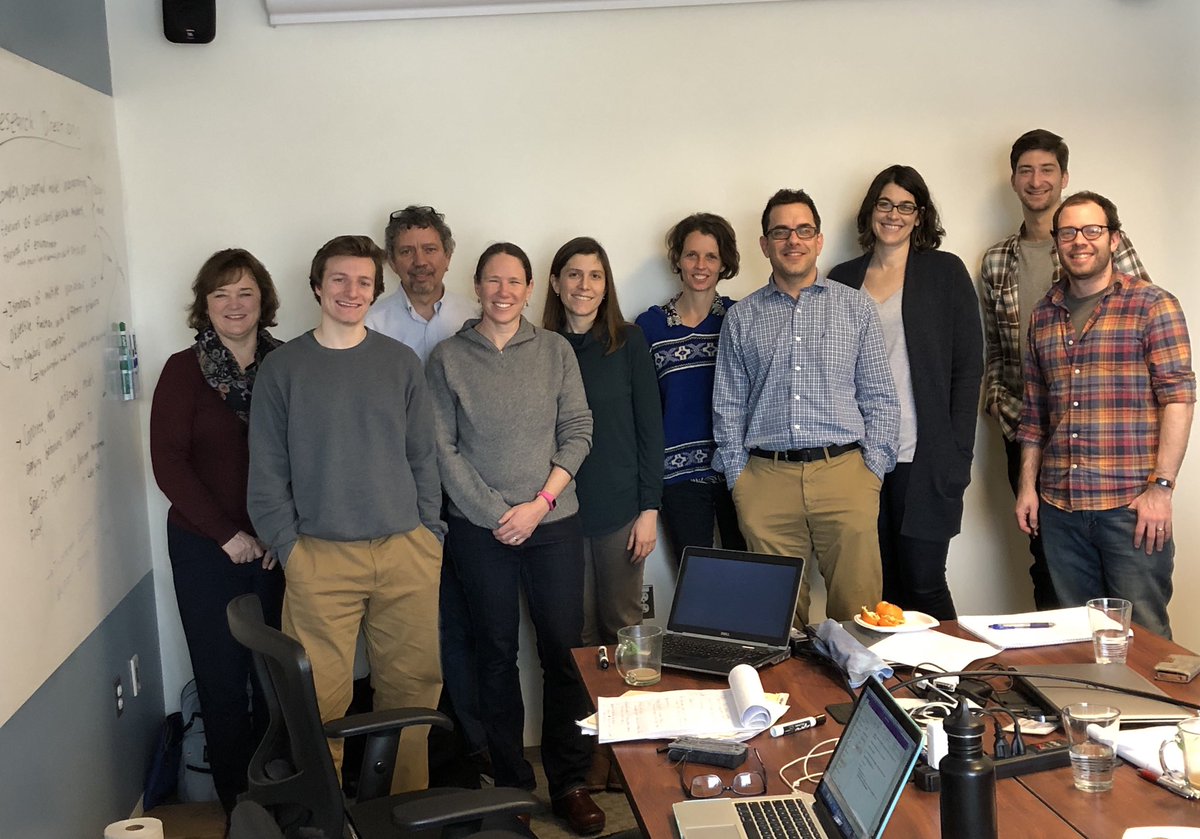
This terrific group SESYNC is integrating alternative behavioral models of landowner decisionmaking that affect the environment. Dr. Ashley Dayer Dr. Gwen Iacona Robyn Wilson Matthew Ashenfarb Tyler Treakle Ezra Markowitz djs_ohiostate @vickenhillis & Resources for the Future’s Becky Epanchin-Niell

Worth reading (I hope) -- my new article with Richard Schmalensee, "Learning from 30 Years of Cap-and-Trade," in the inaugural issue of the new and improved Resources Magazine from Resources for the Future -- bit.ly/30Gr4cj

Check out this new blog post by me and Margaret Walls in RFF's Resources Magazine. We are exploring the the reasons behind the seemingly low participation rates of people of color in #outdoorrecreation and visits to #NationalParks resourcesmag.org/common-resourc…


We have a third presenter! Sarah Strochak from Urban Institute will talk about urbnmapr, an R tool for making mapping more accessible to researchers. Join us Wednesday night! RSVP: meetup.com/Geo-DC/events/…


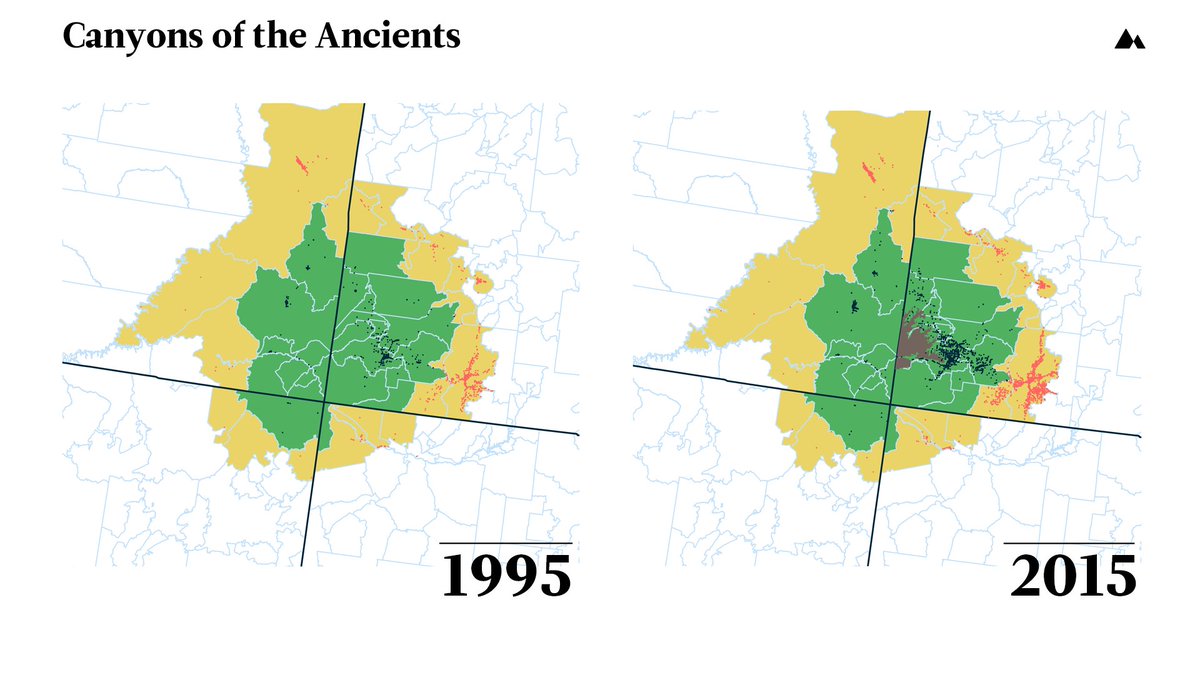
NEW: #NationalMonuments have had mostly positive effects on local economies in the #AmericanWest, according to a study in Science Advances by RFF researchers. Learn more about the groundbreaking research: rff.org/publications/j…



Congress was poised to pass a #nationalparks and #LWCF funding bill in March. The bill has languished. Could it now be considered economic stimulus? Matthew Ashenfarb & I weigh in, showing jobs stats & drawing analogies from disaster recovery: resourcesmag.org/common-resourc…
ICYMI, Margaret Walls and I discuss how a conservation bill may serve as economic stimulus. We show jobs data for national park gateway communities, and draw analogies to natural disaster recovery #NationalParks #LWCF


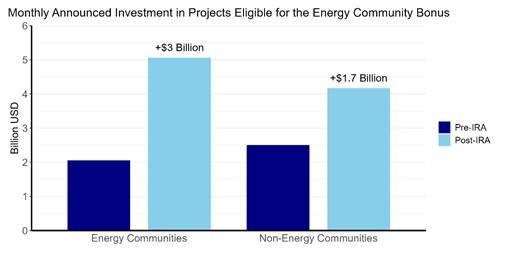
Our analysis, leveraging Clean Investment Monitor data from Massachusetts Institute of Technology (MIT) and Rhodium Group, shows that since the IRA passed, every month, an average of $5 billion of clean investment is announced in communities historically reliant on fossil energy. home.treasury.gov/news/featured-…