Lynzey (@lynzeyguidry) 's Twitter Profile
Lynzey

@lynzeyguidry

Lover of God. Auntie. Author. MDiv. Preacher. Teacher. Poundcake Enthusiast. Southern Belle with an urban twang!

ID: 28374297

linkhttp://www.facebook.com/mslynzey calendar_today02-04-2009 17:02:14

67,67K Tweet

763 Takipçi

924 Takip Edilen

Joyce Meyer (@joycemeyer) 's Twitter Profile Photo

Religion is often about rules and regulations that we think we have to follow in order to get to God, but true relationship with Him is based on what Jesus did because we can never be good enough to deserve a relationship with God. #JoyceQuote

Lynzey (@lynzeyguidry) 's Twitter Profile Photo

If #AllLivesMatter shouldn't that also extend to #GunSafety and not just in contrast to #BlackLives? We can't keep putting the right to own an unnecessary and excessive firearm over the lives of precious people.

Lynzey (@lynzeyguidry) 's Twitter Profile Photo

I wonder how White evangelicals would act if they ever realized they'd be the ones who killed Jesus. I'm talking about the real Jesus, not this fake version that they've washed all the seasoning off and sprinkled ranch packets and raisins on.

Jacqueline Clark Ludwig (@jacquieludwig) 's Twitter Profile Photo

I finished my PhD about 2 months ago, and I just want to share that: *I spent >5 of 6yrs convinced that I was uniquely behind or lost or dumb *I worked 50+hrs some weeks but 15 others *Rest and hobbies helped my science Struggling doesn't mean you don't belong. OpenAcademics

Dr. Frank Leon Roberts (@drfrankroberts) 's Twitter Profile Photo

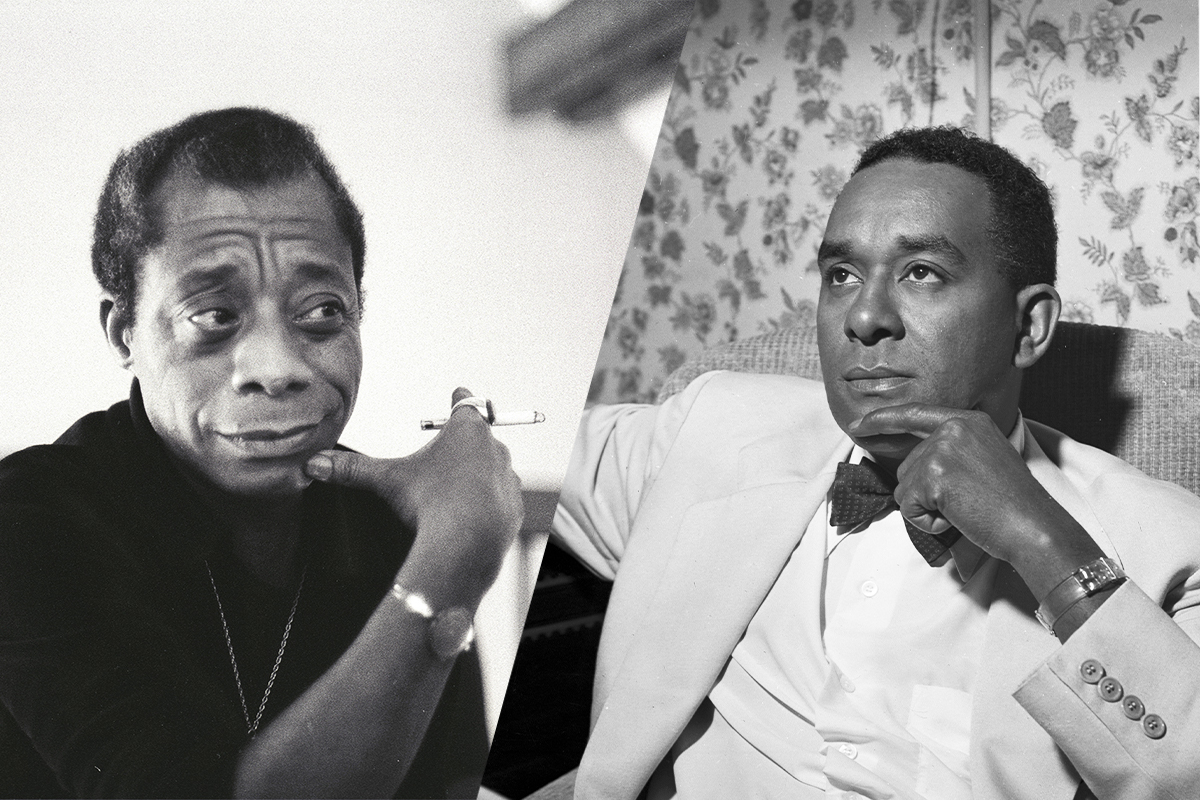
Black Historical Tea: When James Baldwin & Richard Wright Almost Fought (And Tore Up a Parisian Cafe) In 1949, a young Jimmy Baldwin published a scathing review of Richard Wright's novel "Native Son" in an essay he entitled "Everybody's Protest Novel." When Wright read the

Black Historical Tea:
When James Baldwin & Richard Wright Almost Fought (And Tore Up a Parisian Cafe) 

In 1949, a young Jimmy Baldwin published a scathing review of Richard Wright's novel "Native Son" in an essay he entitled "Everybody's Protest Novel." When Wright read the