Hari kumar K.C. (@kumar_physicist) 's Twitter Profile
Hari kumar K.C.

@kumar_physicist

Math and science are the life blood of the future. #Theoretical_physics_science_student
#Physics_lecturer

ID: 1002353421645578240

calendar_today01-06-2018 00:57:33

116 Tweet

258 Followers

2,2K Following
Nilamber Acharya (@nilacharya) 's Twitter Profile Photo

बाटो चिप्लो हुनसक्छ होश गर्नू नचिप्लनू। हेर्नू, हिड्नू! बाटोमात्र होइन मानिस पनि सम्बन्ध पनि स्थिति पनि इच्छा पनि चिप्ला हुन सक्छन् होश गर्नू नचिप्लनू। हेर्नू, हिड्नू! शुभ होस् - नीलाम्बर आचार्य

Mahabir Pun (@mahabirpun) 's Twitter Profile Photo

जिन्दगीमा यस्तो पनि गरियो। पछि हट्ने कुरै छैन, जे पर्छ त्यहि गरिनेछ ।🤣😂 मैले यो बर्षको तिहार मेरो जीबन कथाको किताब बेच्नको लागि पोखरामा साथीहरु संग मिलेर अचम्मको "देउसी भैलो" खेलेर बिताइयो। नाच्दै किताब बेचेको भिडियो हेर्नु होस् । बडो रमाइलो भयो । नांचेरै झन्डै ५०० किताब बेचियो

Physics In History (@physinhistory) 's Twitter Profile Photo

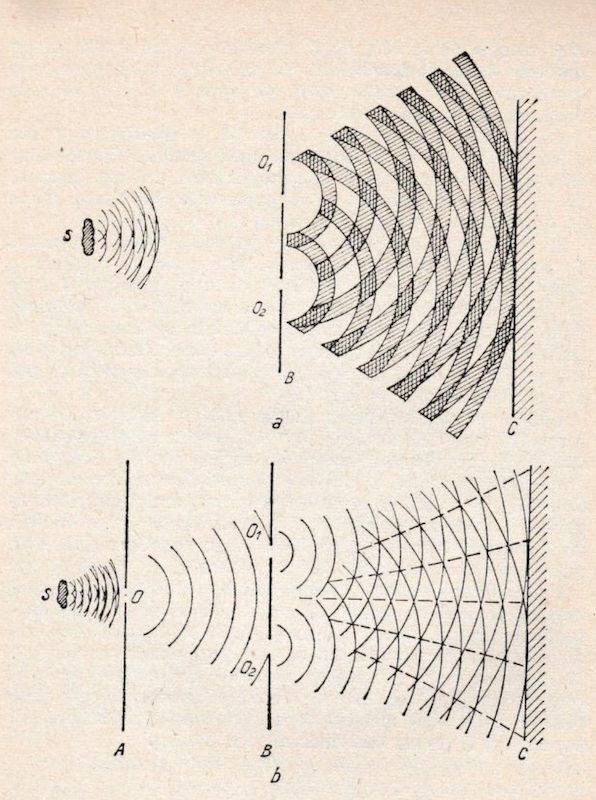
The double slit experiment was pivotal in demonstrating the wave-particle duality of light and matter. When particles like electrons are fired through slits, they produce an interference pattern typical of waves, not particles.

The double slit experiment was pivotal in demonstrating the wave-particle duality of light and matter. When particles like electrons are fired through slits, they produce an interference pattern typical of waves, not particles.
शंकर लामिछाने (@shankarl1989) 's Twitter Profile Photo

शीर्षक " बस्दिन् तिम्रो काठमाण्डू" विपिन कार्की साच्चिकै बहुमुखी प्रतिभाका धनी रहेछन्❤️

Physics In History (@physinhistory) 's Twitter Profile Photo

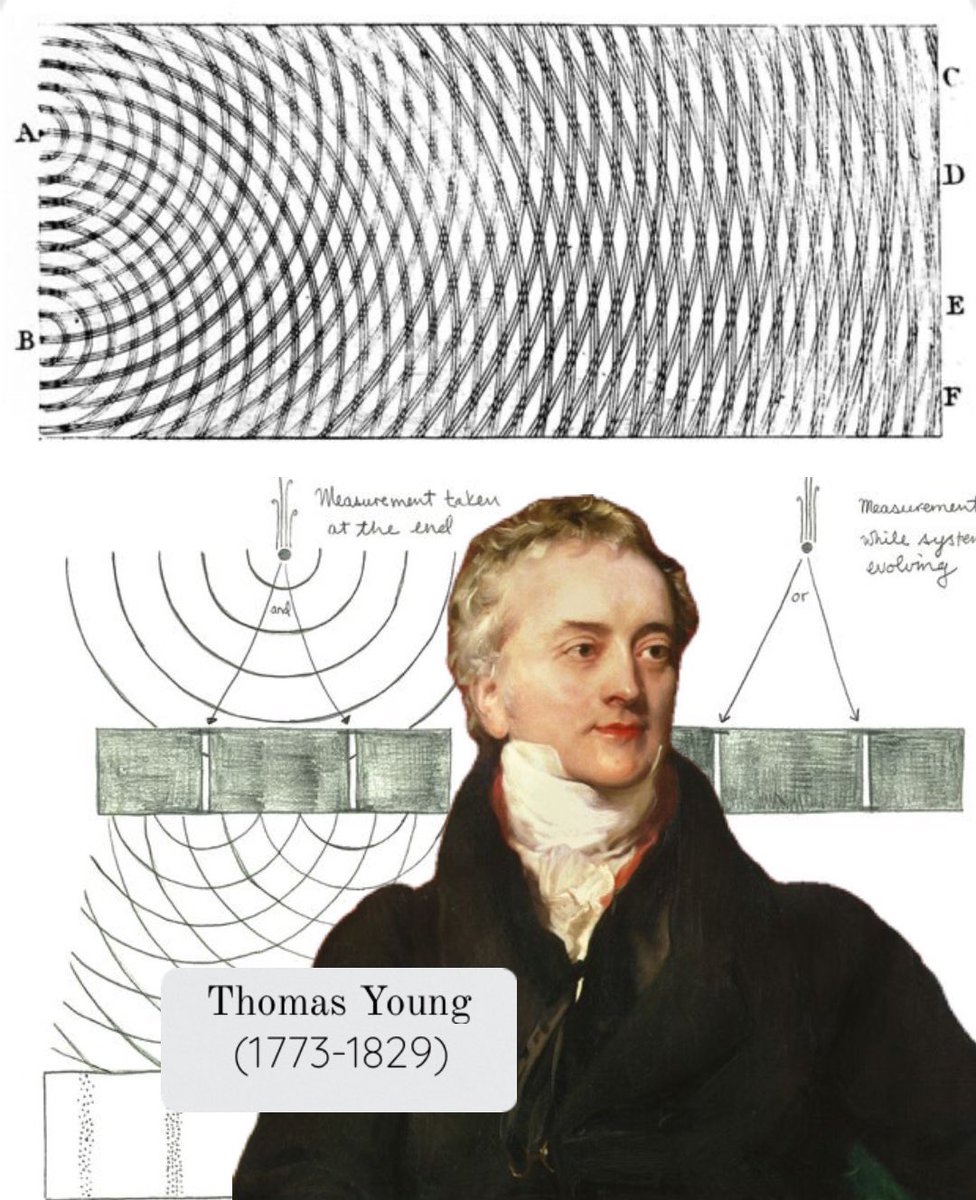
The double slit experiment was first performed by Thomas Young in 1801, as a demonstration of the wave nature of light. He used a coherent light source, such as sunlight or a candle, and passed it through a narrow slit in a card. Then he placed another card with two parallel

The double slit experiment was first performed by Thomas Young in 1801, as a demonstration of the wave nature of light. He used a coherent light source, such as sunlight or a candle, and passed it through a narrow slit in a card. Then he placed another card with two parallel
Physics In History (@physinhistory) 's Twitter Profile Photo

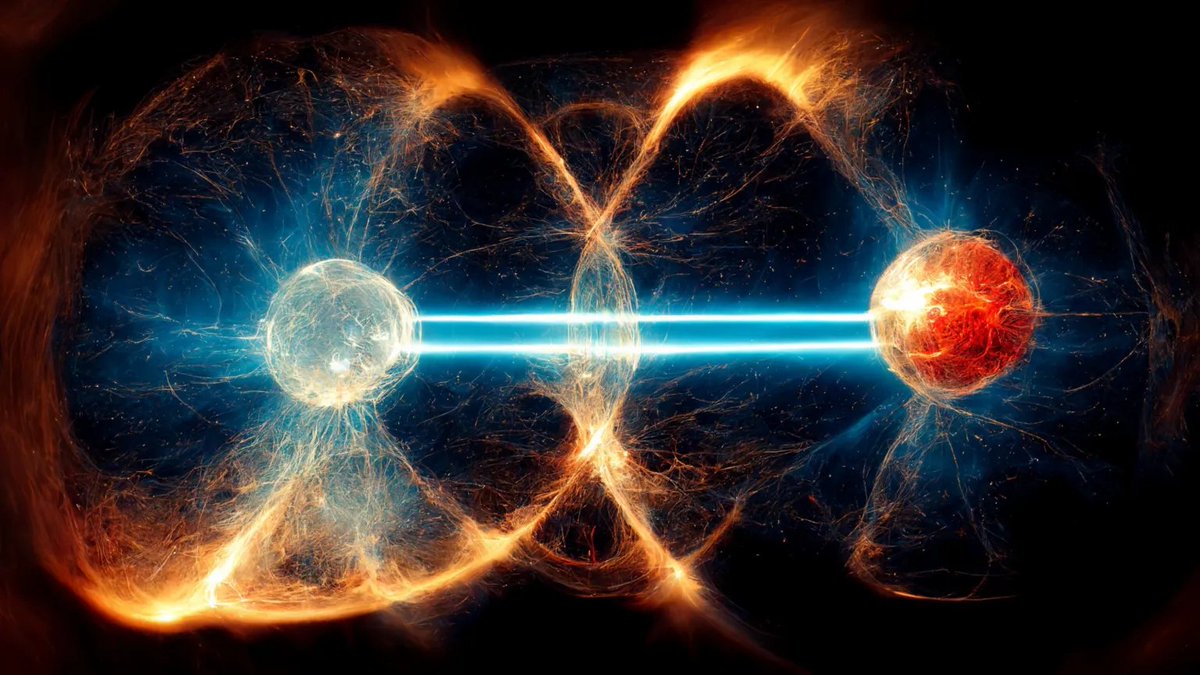
Quantum entanglement is a phenomenon where two or more particles become correlated in such a way that the state of one instantly influences the state of the other, regardless of the distance between them. It challenges classical notions of locality and lies at the heart of

Quantum entanglement is a phenomenon where two or more particles become correlated in such a way that the state of one instantly influences the state of the other, regardless of the distance between them.

It challenges classical notions of locality and lies at the heart of
Physics In History (@physinhistory) 's Twitter Profile Photo

John Bardeen is the only person to have won the Nobel Prize in Physics twice. First (1956) → for the invention of the transistor, along with William Shockley and Walter Brattain. Second (1972) → for the development of the theory of superconductivity, known as the BCS

John Bardeen is the only person to have won the Nobel Prize in Physics twice. 

First (1956) → for the invention of the transistor, along with William Shockley and Walter Brattain. 

Second (1972) → for the development of the theory of superconductivity, known as the BCS
The Principia (@theprincipiaa) 's Twitter Profile Photo

Compton scattering is the phenomenon where a photon interacts with a charged particle, typically a loosely bound electron, resulting in the transfer of energy and momentum. An incident photon collides with a target electron at rest, transferring some of its energy to the

Compton scattering is the phenomenon where a photon interacts with a charged particle, typically a loosely bound electron, resulting in the transfer of energy and momentum. 

An incident photon collides with a target electron at rest, transferring some of its energy to the