Janet Farrall (@janetfarrall) 's Twitter Profile
Janet Farrall

@janetfarrall

ID: 918093392

linkhttp://www.janetfarrall.com.au calendar_today01-11-2012 02:31:49

1,1K Tweet

242 Takipçi

52 Takip Edilen

Dissident Teacher (@educatedandfree) 's Twitter Profile Photo

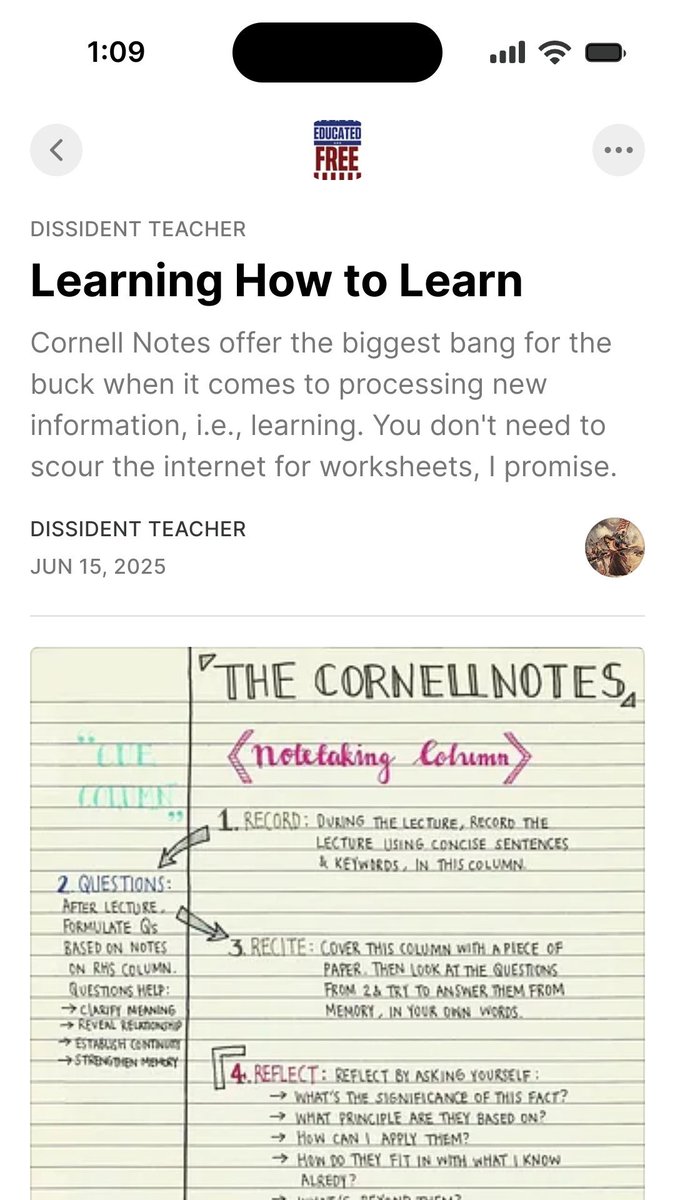
Lose the laptops; add Cornell Notes. My students learn so much faster because Cornell notes make reviews and repetition part of the lesson, and make studying after the lesson much more efficient. This means we also free up instructional days so we can learn more over the

Lose the laptops; add Cornell Notes.

My students learn so much faster because Cornell notes make reviews  and repetition part of the lesson, and make studying after the lesson much more efficient. This means we also free up instructional days so we can learn  more over the
Dr. Catlin Tucker (@catlin_tucker) 's Twitter Profile Photo

🙌🏻 Help ensure equity for #EnglishLearners in your classroom using my 𝗩𝗼𝗰𝗮𝗯𝘂𝗹𝗮𝗿𝘆 𝗔𝘁𝘁𝗮𝗶𝗻𝗺𝗲𝗻𝘁 𝗖𝗵𝗼𝗶𝗰𝗲 𝗕𝗼𝗮𝗿𝗱 ➡️ bit.ly/43zw0jQ #k12 #edchat

🙌🏻 Help ensure equity for #EnglishLearners in your classroom using my 𝗩𝗼𝗰𝗮𝗯𝘂𝗹𝗮𝗿𝘆 𝗔𝘁𝘁𝗮𝗶𝗻𝗺𝗲𝗻𝘁 𝗖𝗵𝗼𝗶𝗰𝗲 𝗕𝗼𝗮𝗿𝗱 ➡️ bit.ly/43zw0jQ  

#k12 #edchat
Jamie Clark (@xpateducator) 's Twitter Profile Photo

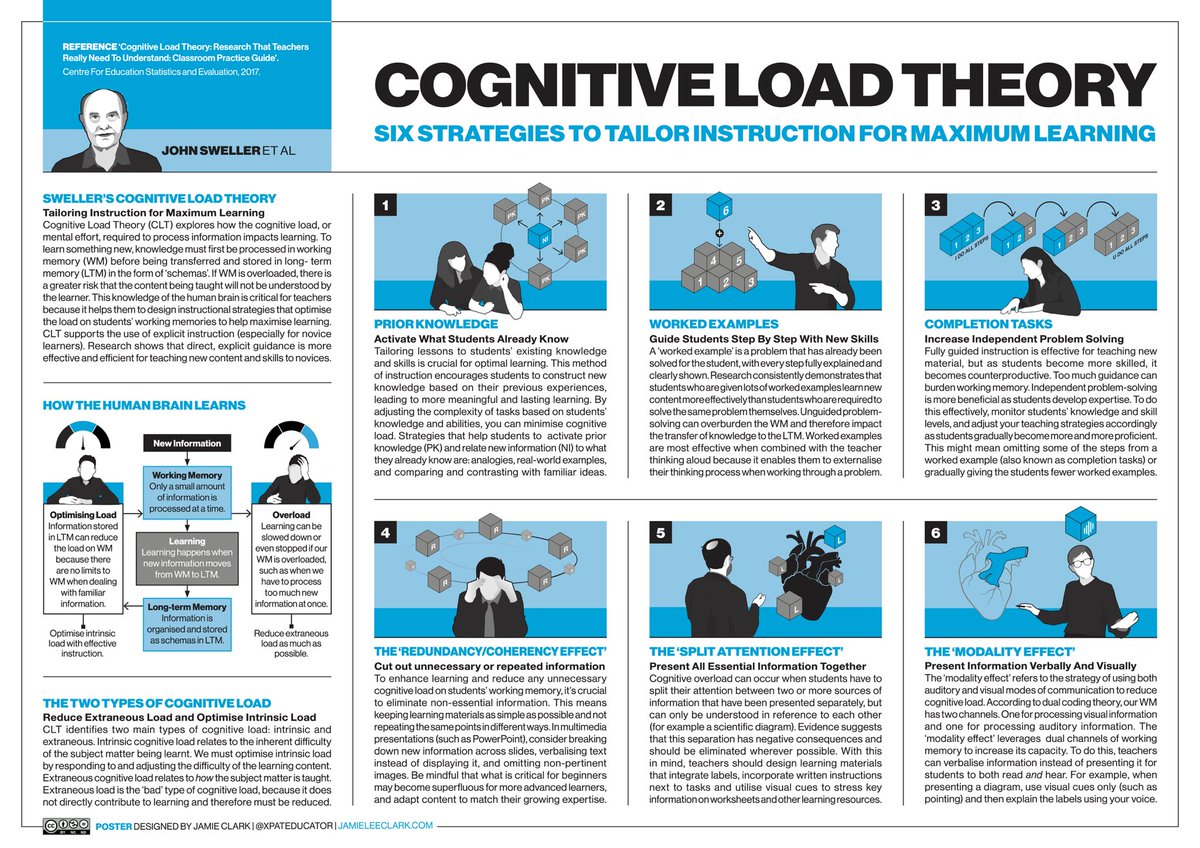
Dylan Wiliam calls Cognitive Load Theory “the single most important thing for teachers to know.” This guide summarises core CLT ideas and highlights six high-impact strategies for reducing overload. It focuses on the classroom levers teachers can pull right away. CLT goes much

Dylan Wiliam calls Cognitive Load Theory “the single most important thing for teachers to know.” This guide summarises core CLT ideas and highlights six high-impact strategies for reducing overload.

It focuses on the classroom levers teachers can pull right away. CLT goes much
Jamie Clark (@xpateducator) 's Twitter Profile Photo

Evidence-informed summaries — distilled into clear, practical one-pagers for busy teachers. New guides, important ideas, and more coming soon. Check them out. Or don’t. Up to you. 👇 newsletter.jamieleeclark.com/distilled-hub

Evidence-informed summaries — distilled into clear, practical one-pagers for busy teachers. New guides, important ideas, and more coming soon.

Check them out. Or don’t. Up to you. 👇

newsletter.jamieleeclark.com/distilled-hub
Andrew Whitworth NPQH (@whitworthtin4) 's Twitter Profile Photo

✅ITT/ECT Professional Develoment ✅Avoiding Lethal Mutations 🦠 ✅More Effective Retrieval Practice 🧠 ✅Shallow Retrieval = Shallow Knowledge 🤔

✅ITT/ECT Professional Develoment 
✅Avoiding Lethal Mutations 🦠
✅More Effective Retrieval Practice 🧠
✅Shallow Retrieval = Shallow Knowledge 🤔
Brett Benson (@mrbensonnms) 's Twitter Profile Photo

Think-Pair-Share has the widest gap between success and failure in the classroom. With clear prompts, tight timing, and real accountability, it’s a powerhouse for thinking. Toss it in without intentional design and it collapses into noise. With TPS, intentionality is everything.

James Fitzgibbon (@mrfitzhist) 's Twitter Profile Photo

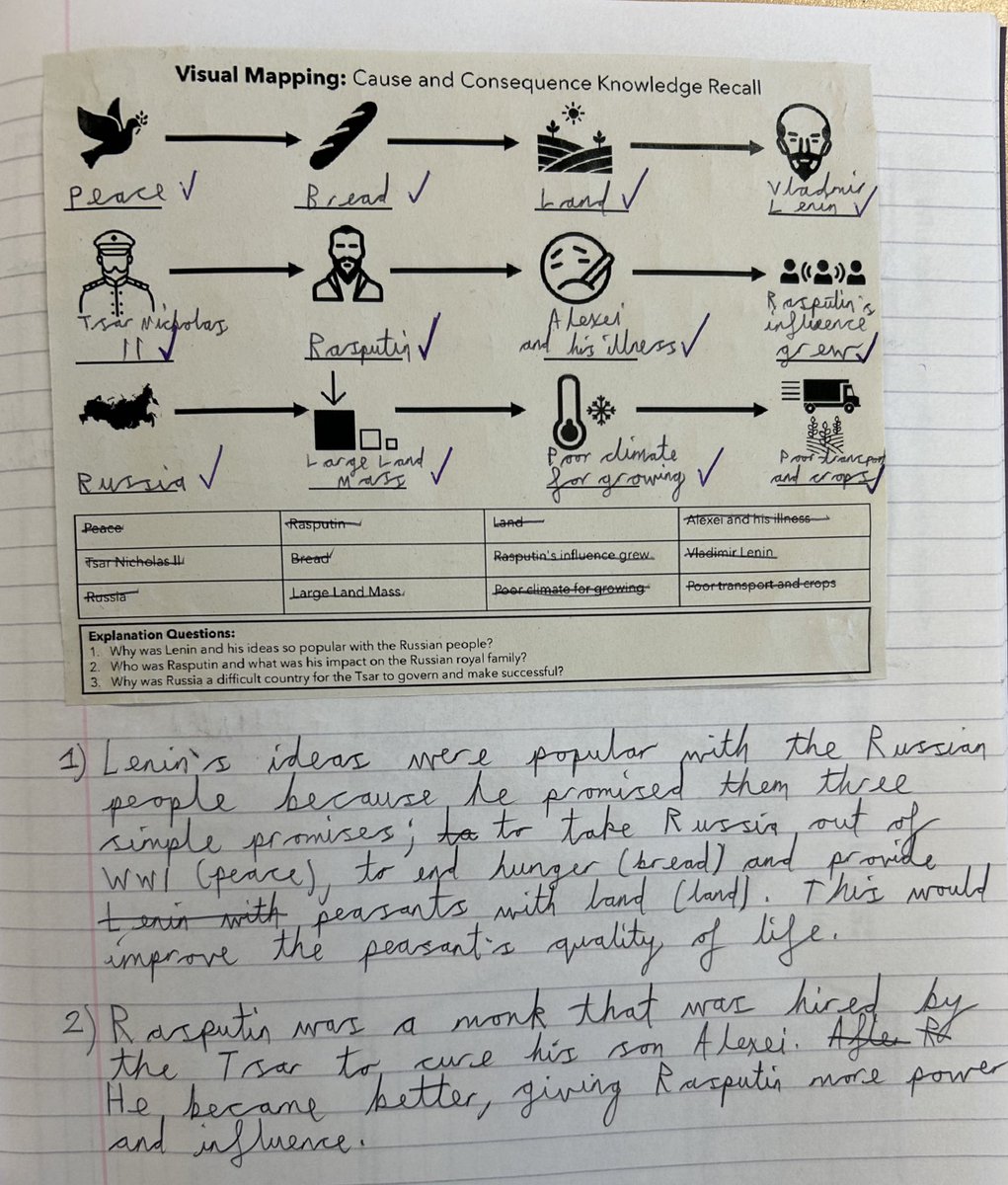
Trialled this last week and I think there will be a lot of ‘visual mapping’ in the crawl to the finish line. Applicable to all Key Stages, initial connection of knowledge to the icons, push to discuss how they link and then explanation questions to finish. #historyteacher

Trialled this last week and I think there will be a lot of ‘visual mapping’ in the crawl to the finish line. Applicable to all Key Stages, initial connection of knowledge to the icons, push to discuss how they link and then explanation questions to finish. #historyteacher
InnerDrive (@inner_drive) 's Twitter Profile Photo

When students articulate ideas clearly, understanding deepens 🎓 This guide breaks down how to build oracy in your classroom. innerdrive.co.uk/guides/oracy-f…

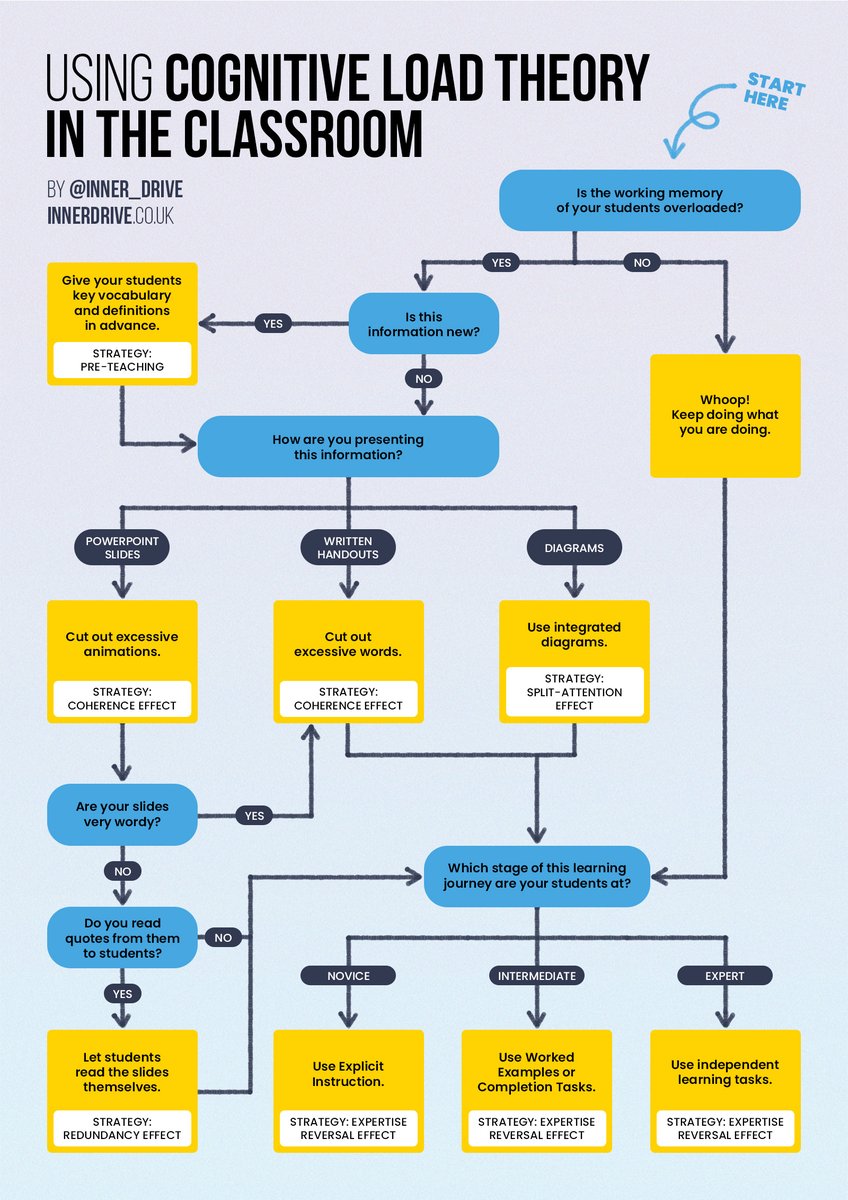
InnerDrive (@inner_drive) 's Twitter Profile Photo

📉 Too much info at once = overload. This blog breaks down practical classroom tweaks that help students think more and overload less. Read here: innerdrive.co.uk/blog/cognitive…

📉 Too much info at once = overload.

This blog breaks down practical classroom tweaks that help students think more and overload less.

Read here: innerdrive.co.uk/blog/cognitive…
Brett Benson (@mrbensonnms) 's Twitter Profile Photo

“The key to improving student behaviour is helping them succeed through clear, explicit instruction.” This with very deliberate procedures and routines has transformed my student’s behavior. They know exactly what to do and how to do it each day to learn. Success —> motivation.

Kate Jones (@katejones_teach) 's Twitter Profile Photo

ICYMI - Here's a link to my webinar for teachers focusing on Questioning in the classroom. Feel free to share with your colleagues & repost. I hope it's useful! youtu.be/GRS09MgUbTs?si…

ICYMI - Here's a link to my webinar for teachers focusing on Questioning in the classroom. Feel free to share with your colleagues & repost. I hope it's useful!

youtu.be/GRS09MgUbTs?si…
Tom Sherrington (@teacherhead) 's Twitter Profile Photo

Teaching is fundamentally upside-down. Ensuring *everyone* succeeds should be the foundation - but it's not! Make this a focus! ALL means ALL teacherhead.com/2025/10/28/tea… via Tom Sherrington


Jamie Clark (@xpateducator) 's Twitter Profile Photo

4 QUESTIONING & FEEDBACK ONE-PAGE GUIDES… 📊 Whole Class Feedback → respond to misconceptions without marking overload 💬 Peer Feedback → structured, kind, specific, helpful talk. 🚦Hinge Questions → check understanding at pivotal moments to inform next steps. 🙋‍♂️

4 QUESTIONING & FEEDBACK ONE-PAGE GUIDES… 

📊  Whole Class Feedback → respond to misconceptions without marking overload

💬 Peer Feedback → structured, kind, specific, helpful talk.

🚦Hinge Questions → check understanding at pivotal moments to inform next steps. 

🙋‍♂️
Principal Project (@principalproj) 's Twitter Profile Photo

"I’m always arguing for rigor for everyone – in the context of each child’s zone of proximal development. This infographic does a fantastic job of operationalizing scaffolding." —Leader Tracy Matthews (Via InnerDrive)
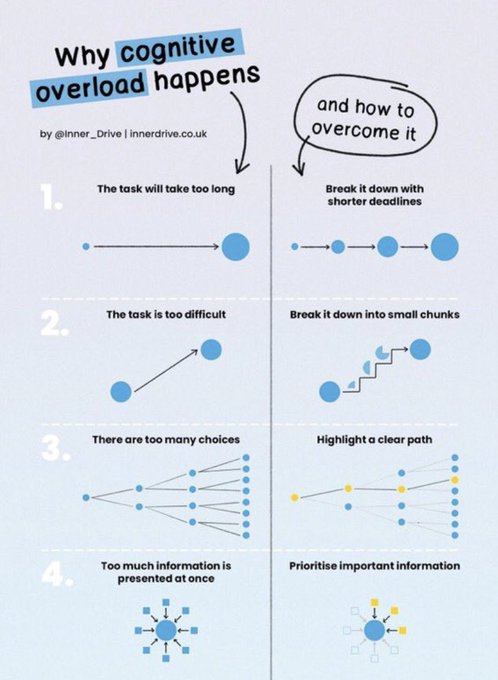
"I’m always arguing for rigor for everyone – in the context of each child’s zone of proximal development. This infographic does a fantastic job of operationalizing scaffolding." —Leader <a href="/TracyAMatthews/">Tracy Matthews</a>

(Via <a href="/Inner_Drive/">InnerDrive</a>)
Jamie Clark (@xpateducator) 's Twitter Profile Photo

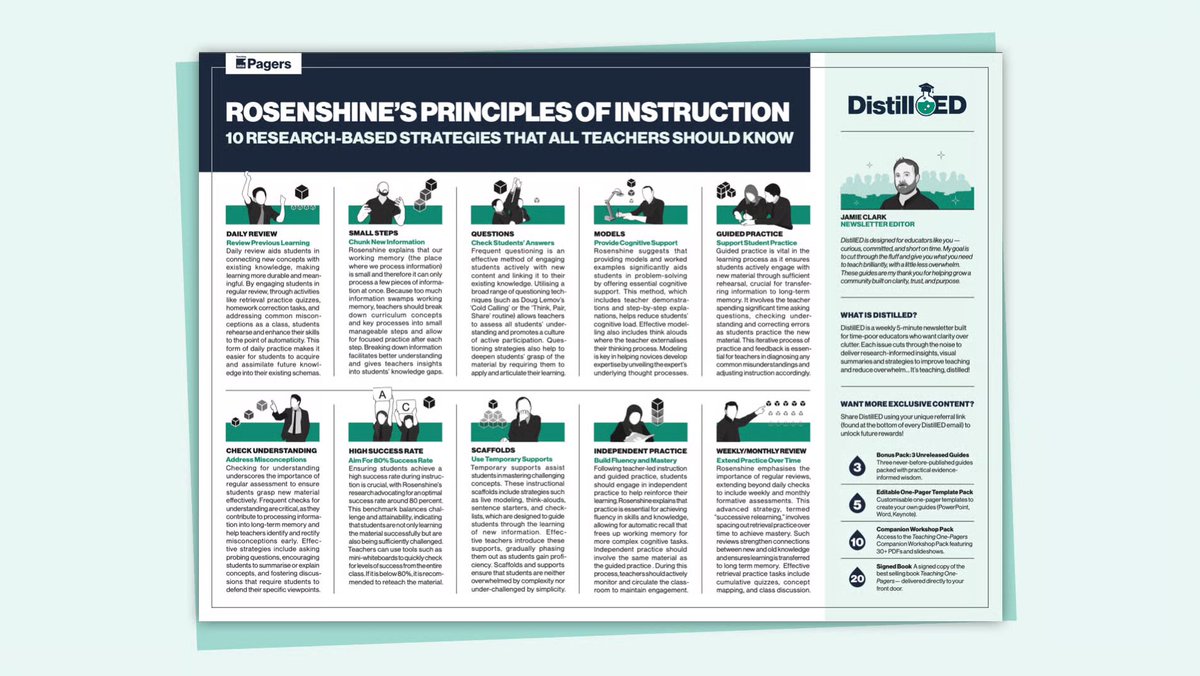
The complete ⚗️DistillED series on Rosenshine’s Principles of Instruction — 10 editions filled with practical insights, tools, and resources for evidence-informed teaching. Please share with colleagues and fellow educators in your network. Enjoy! 1. Daily Review

The complete ⚗️DistillED series on Rosenshine’s Principles of Instruction — 10  editions filled with practical insights, tools, and resources for evidence-informed teaching. Please share with colleagues and fellow educators in your network. Enjoy!

1. Daily Review
Bruce Robertson (@bruce_nextlevel) 's Twitter Profile Photo

By popular demand, here is the fifth in the series of infographics produced by Grace Hudson, summarising key themes from my book, Power Up Your Questioning: amzn.eu/d/0e781fyt Downloadable versions available to Teaching PowerUps member schools: teachingpowerups.com

By popular demand, here is the fifth in the series of infographics produced by Grace Hudson, summarising key themes from my book, Power Up Your Questioning: amzn.eu/d/0e781fyt

Downloadable versions available to Teaching PowerUps member schools: teachingpowerups.com
Principal Project (@principalproj) 's Twitter Profile Photo

It's common to ask a lot of "whats" when analyzing data, but it's also important to ask "whys." Share this "Ladder of Inference" workbook with your team, via Search Institute: d2pck61xhq74q6.cloudfront.net/The-Ladder-of-…
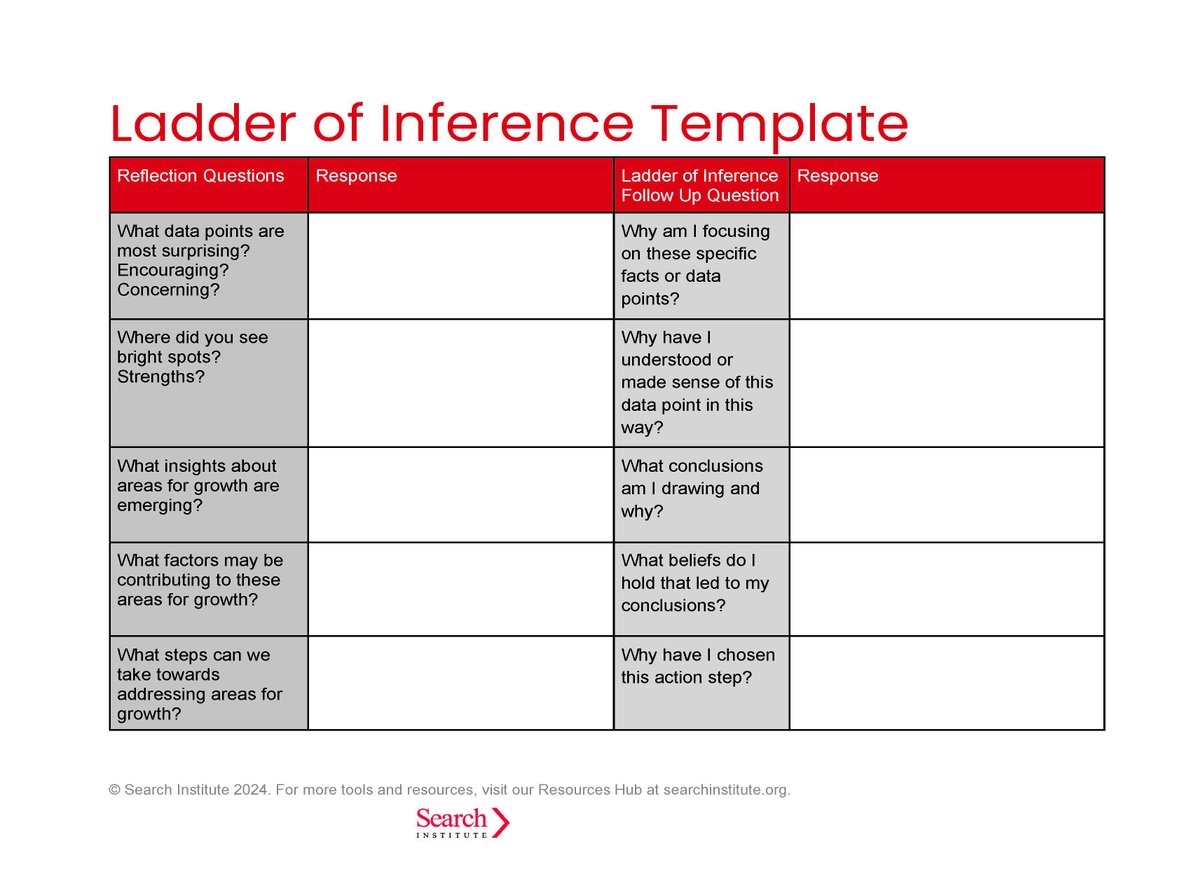
It's common to ask a lot of "whats" when analyzing data, but it's also important to ask "whys." 

Share this "Ladder of Inference" workbook with your team, via <a href="/SearchInstitute/">Search Institute</a>:  

d2pck61xhq74q6.cloudfront.net/The-Ladder-of-…