MARG TRANQUILLE (@margtranquille) 's Twitter Profile
MARG TRANQUILLE

@margtranquille

Deputy Principal Middle School, Lumen Christi College

ID: 1094898882570407937

calendar_today11-02-2019 10:00:10

339 Tweet

113 Takipçi

191 Takip Edilen

a School for tomorrow. (@asftomorrow) 's Twitter Profile Photo

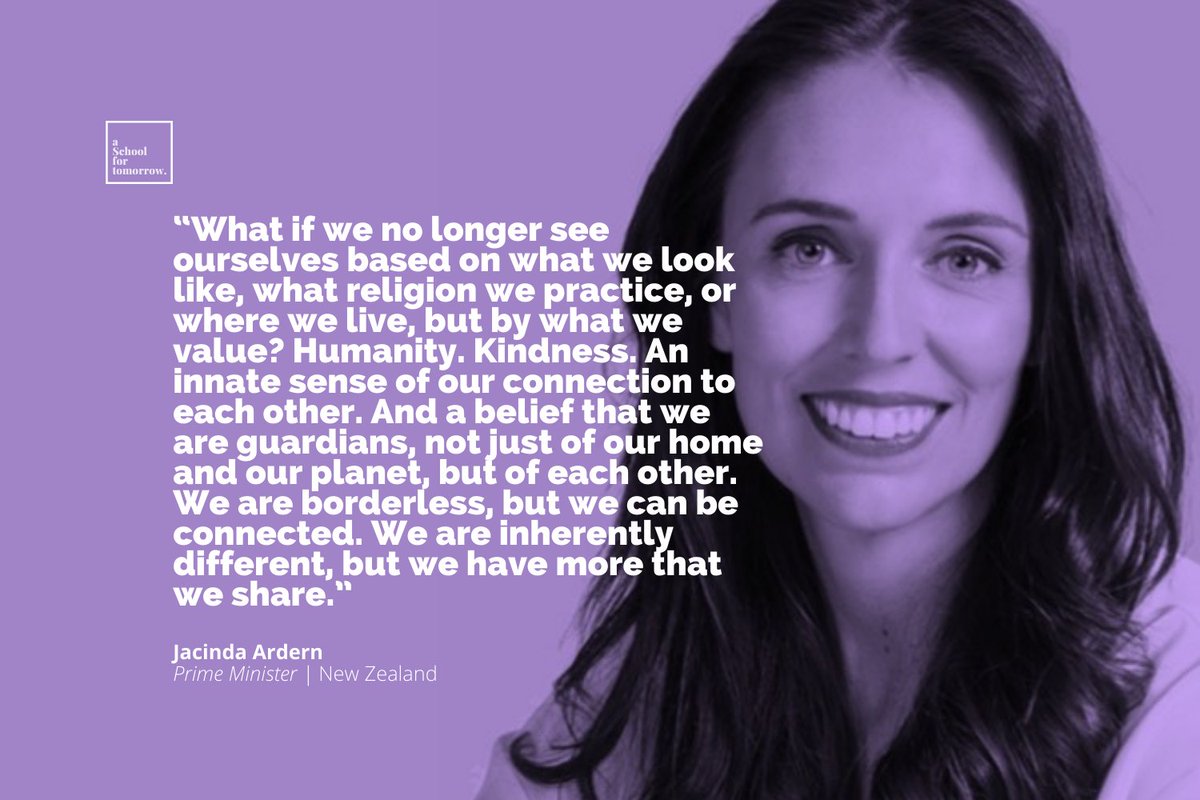
What if we placed individual and collective wellness at the centre of our society? What if we made it central to the objectives of learning? Download our Wellness by Design® toolkit via: aschoolfortomorrow.com/toolkits-1 #wellnessbydesign #aSft

What if we placed individual and collective wellness at the centre of our society? What if we made it central to the objectives of learning?

Download our Wellness by Design® toolkit via: aschoolfortomorrow.com/toolkits-1 #wellnessbydesign #aSft
Dr Lucie McCrory (@luciemc80) 's Twitter Profile Photo

Nice 2min read on theory into practice, ‘4Ps of change: purpose (why the journey is necessary at this point in time), picture (what success will look at the end of the journey), plan (clarifying the steps to take), & part (the roles everyone must play for the effort to succeed).’

New Scientist (@newscientist) 's Twitter Profile Photo

Neuroplasticity, or the brain's ability to remodel itself, enables us to interpret all kinds of sensations. We can use that to create new ways to perceive the world, says neuroscientist David Eagleman bit.ly/3hicdzs

Neuroplasticity, or the brain's ability to remodel itself, enables us to interpret all kinds of sensations. We can use that to create new ways to perceive the world, says neuroscientist <a href="/davideagleman/">David Eagleman</a> bit.ly/3hicdzs
New Scientist (@newscientist) 's Twitter Profile Photo

Neuroplasticity, or the brain's ability to remodel itself, enables us to interpret all kinds of sensations. We can use that to create new ways to perceive the world, says neuroscientist David Eagleman bit.ly/3eMM6yN
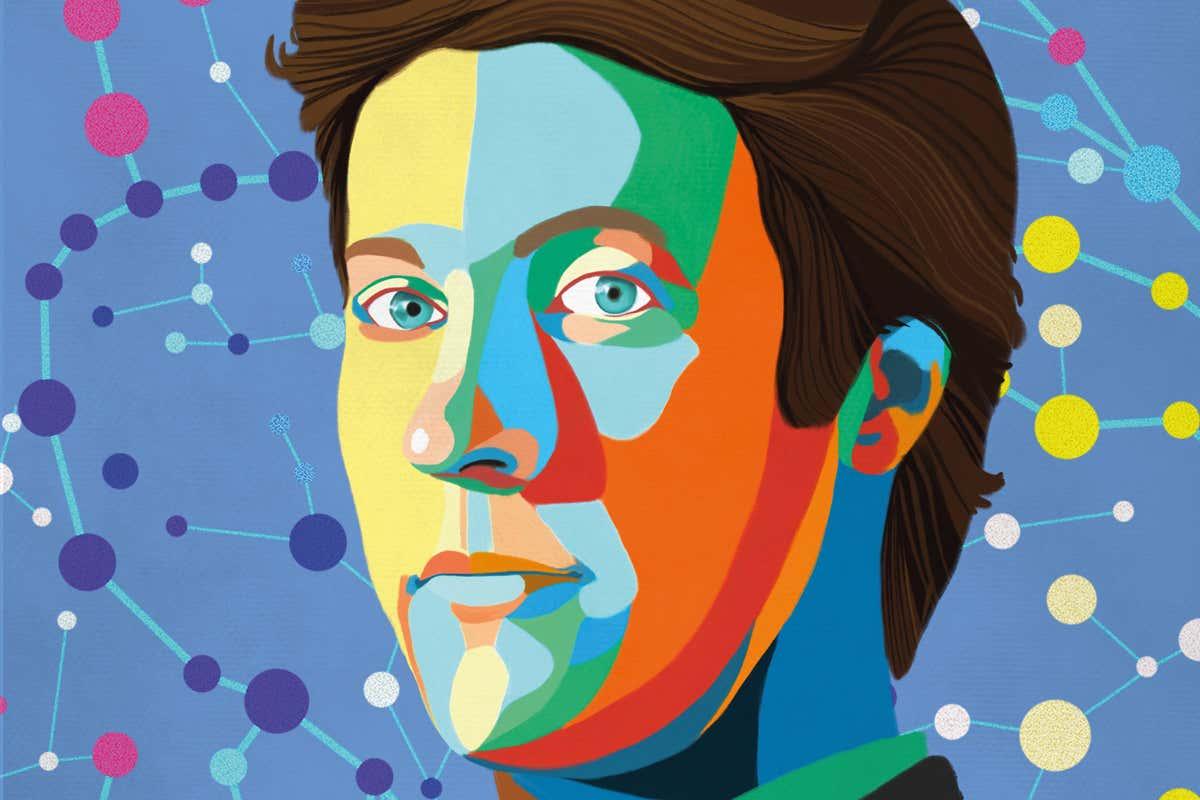
Neuroplasticity, or the brain's ability to remodel itself, enables us to interpret all kinds of sensations. We can use that to create new ways to perceive the world, says neuroscientist <a href="/davideagleman/">David Eagleman</a> bit.ly/3eMM6yN
aitsl (@aitsl) 's Twitter Profile Photo

According to research by Helen Timperley, Professor of Education from University of Auckland | Waipapa Taumata Rau, there are three main types of professional conversations in #teaching. ‣ Identify your #PL needs: bit.ly/pl-needs


Danny Steele (@steelethoughts) 's Twitter Profile Photo

I remember a teacher telling me: “When you’re surrounded by superstars… it makes you want to be better than you are.” That’s the power of collaboration -- the power of positive peer pressure. The best teachers don’t just inspire their students; they inspire their colleagues.

MindShift (@mindshiftkqed) 's Twitter Profile Photo

The message of unconditional positive regard is, “I care about you. You have value. You don’t have to do anything to prove it to me, and nothing’s going to change my mind.” Alex Shevrin Venet kqed.org/mindshift/5764…


New Scientist (@newscientist) 's Twitter Profile Photo

Captive orangutans figured out how to use rocks as hammers or sharp stones as cutting tools, but even after demonstrations they couldn’t get the hang of making stone tools themselves newscientist.com/article/230813…

MARG TRANQUILLE (@margtranquille) 's Twitter Profile Photo

Please have a look at the wonderful work of teachers to improve student outcomes. Please vote too if you like fir people’s choice linkedin.com/posts/margarit…