Nigeria Energy Watch (@iwinenergy) 's Twitter Profile
Nigeria Energy Watch

@iwinenergy

An N.G.O - Advocates for better and efficient electric power delivery across the NESI value chain. Report cases of inefficiencies to I-WIN

ID: 2886936359

linkhttp://www.iwin.org.ng calendar_today21-11-2014 14:51:26

11,11K Tweet

1,1K Takipçi

45 Takip Edilen
Nigeria Energy Watch (@iwinenergy) 's Twitter Profile Photo

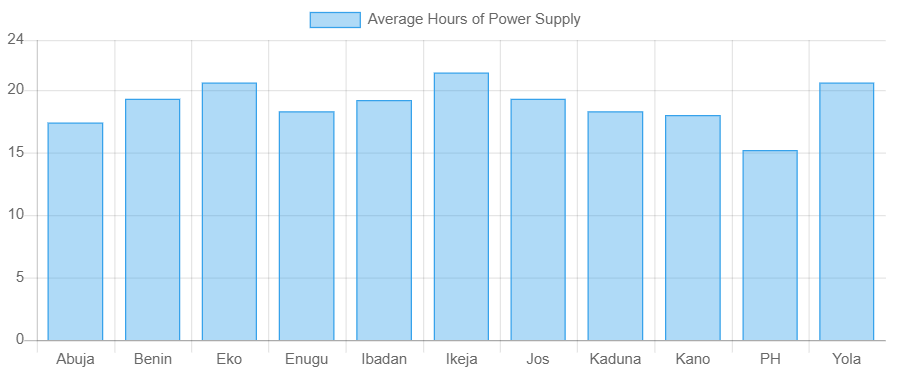
Average hours of power supply availability for all DisCos between September 11 to 17th 2020 (33kv Feeders only) iwin.org.ng/index

Average hours of power supply availability for all DisCos between September 11 to 17th 2020 (33kv Feeders only)

iwin.org.ng/index
Nigeria Energy Watch (@iwinenergy) 's Twitter Profile Photo

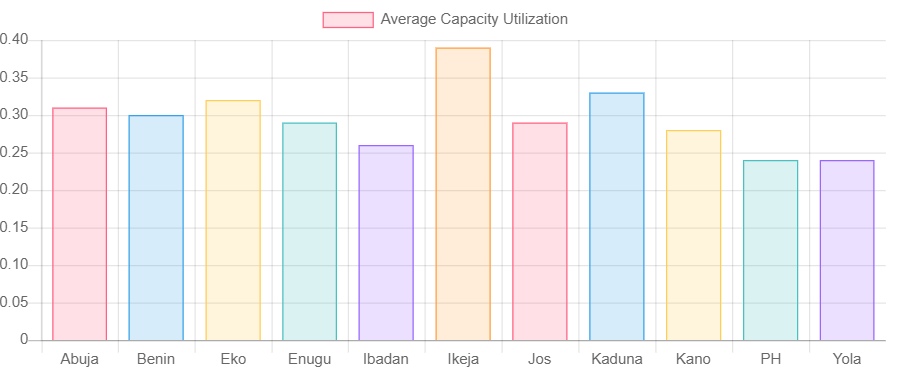
Average DisCo load carrying potential (MW) (33Kv feeders only) for all DisCos for the period September 14 to 20th 2020 iwin.org.ng/index

Average DisCo load carrying potential (MW) (33Kv feeders only) for all DisCos for the period September 14 to 20th 2020

iwin.org.ng/index
Nigeria Energy Watch (@iwinenergy) 's Twitter Profile Photo

Electricity supply is a system and it is the efficiency and effectiveness of the interface relationships that define the output of the system and not the individual capacities of the elements involved in the delivery value chain.

Nigeria Energy Watch (@iwinenergy) 's Twitter Profile Photo

It is the capacity/capability of the element in the last mile of the electric power supply value chain that determines or enables analysis of relationships between electricity and economic growth of any nation.

Nigeria Energy Watch (@iwinenergy) 's Twitter Profile Photo

In Nigeria, it is not the power generation or transmission capacity that defines the relationship between electricity and economic development, it is the capability of distribution sector to distribute the generated and transmitted power

Nigeria Energy Watch (@iwinenergy) 's Twitter Profile Photo

The federal government has paid in excess of 2 trillion Naira in electricity subsidies, funds that could have been used to improve the other sectors of the economy. Thus in Nigeria, the electricity sector is hindering economic growth instead of supporting it as in other countries

Nigeria Energy Watch (@iwinenergy) 's Twitter Profile Photo

Now that the new service reflective tariff has been suspended, what has been your experience: has its worsened? if it has worsened, does it mean that the DisCos have reversed all improvements made, including investments?

Nigeria Energy Watch (@iwinenergy) 's Twitter Profile Photo

The complexity and number of data points required for effective monitoring of the new tariff scheme make it nearly impossible for the regulator to monitor its implementation. Disaggregated tariff never works in an environment of supply shortages.

Nigeria Energy Watch (@iwinenergy) 's Twitter Profile Photo

What is required is a uniform step tariff that increases as consumption increases. This serves the twin purpose of energy management and service reflectivity

Nigeria Energy Watch (@iwinenergy) 's Twitter Profile Photo

The fact that the Nigerian electricity industry privatization is based on the franchise monopoly model makes it morally wrong for any class of customer to be doomed or limited to certain hours of power supply availability.

Nigeria Energy Watch (@iwinenergy) 's Twitter Profile Photo

The regulator should remove customer classes outside the premium service delivery band from the franchise area coverage of the DisCos and open them to other franchisees that offer better or competitive service and cost

Nigeria Energy Watch (@iwinenergy) 's Twitter Profile Photo

It is morally/ethically wrong to restrict electricity customers to franchisees that deny/limit their right to electricity supply under the new tariff. This broad multi-state electricity franchise arrangement must end now to allow for competition. #EndbroadDisCosfranchise