
Laura Tangley
@insectfan
A senior editor for National Wildlife magazine, I'm passionate about travel, gardening and all wildlife--especially insects!
ID: 1390280167
http://nwf.org/nationalwildlife 29-04-2013 19:21:18
241 Tweet
180 Followers
174 Following


Loving the positive press #wasps are getting this summer!! Heather Holm Thanks National Wildlife Federation Laura Tangley! Reconsidering Wasps nwf.org/Magazines/Nati… #wasplove Royal Entomological Society
Keep cats indoors, or face fines? Peter Marra says this is the right approach to saving birds, “but we shouldn’t wait until it’s down to a few individual birds.” In his opinion, no domestic cats should be out in the environment. Read the @Guardian article theguardian.com/environment/20…
Stop Home Depot From Selling Invasive Plants - Sign the Petition! chng.it/ZxNZzdKD via Change.org




Join me next week as I give a The Xerces Society webinar: "We Need to Talk About Honey Bees" Focus: Practical solutions for #pollinator conservation beyond the backyard beehive Spoiler: The backyard beehive is NOT #conservation 10 a.m. PT on 10 Nov. 22 xerces.org/events/oregon/…
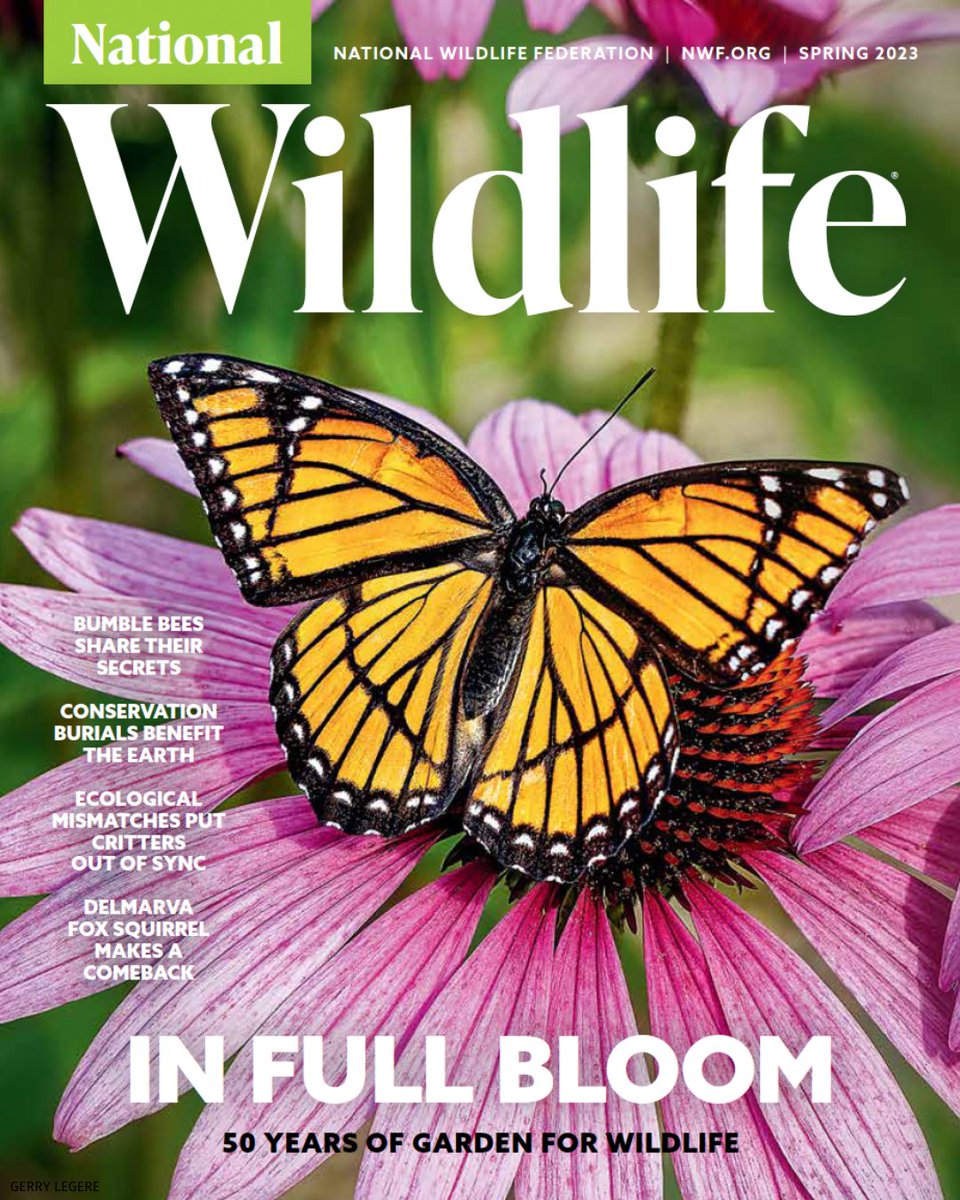
50 years ago, the seed of a simple idea came to life in National Wildlife Federation's National Wildlife Magazine: people can create impactful wildlife habitat at home. Since then, #GardenForWildlife has blossomed into a nationwide movement to create more wildlife habitats. bit.ly/GFW50Years

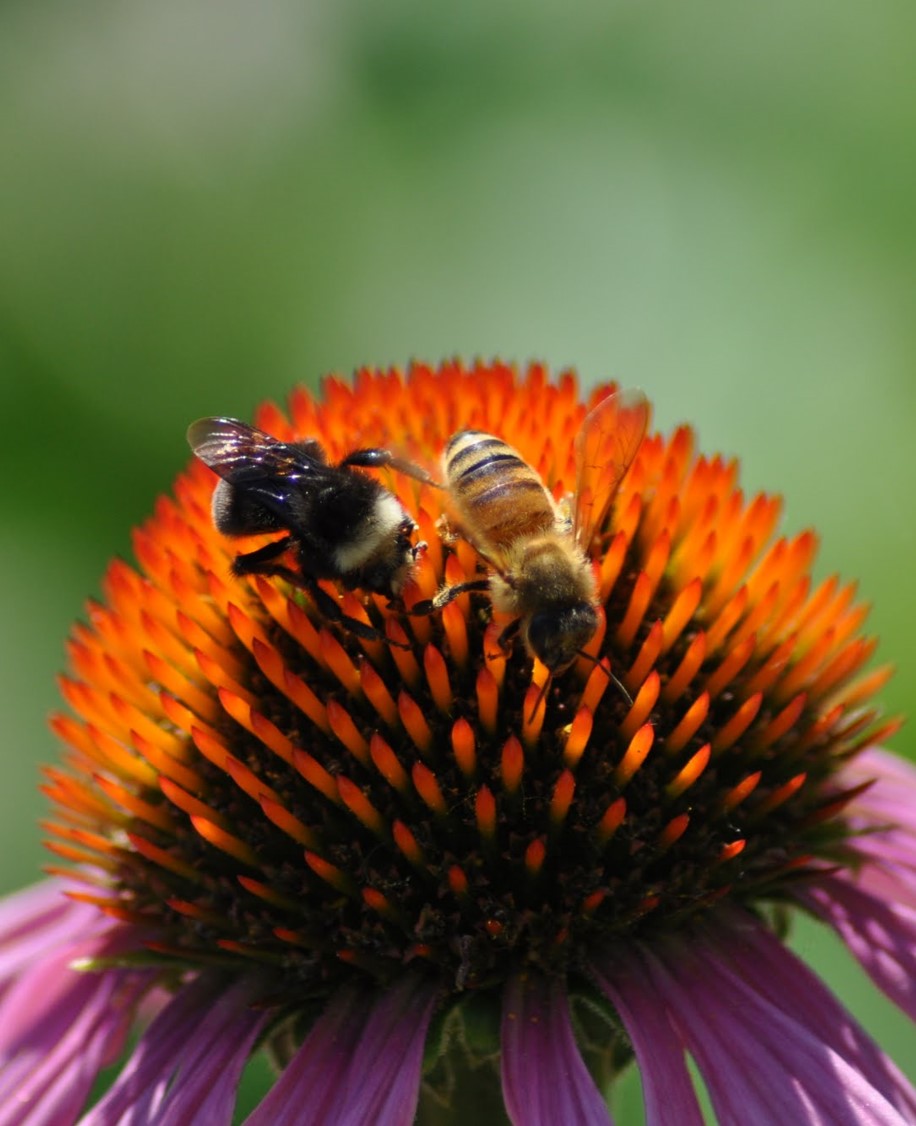
Nice! @TKDano in The Washington Post. You can already see the hate coming in the comments, but all written based in fact. Honey bees are a threat to native pollinators - period. Interested in 🐝 conservation? Build habitat, don't buy bees - of ANY kind! washingtonpost.com/opinions/2023/…
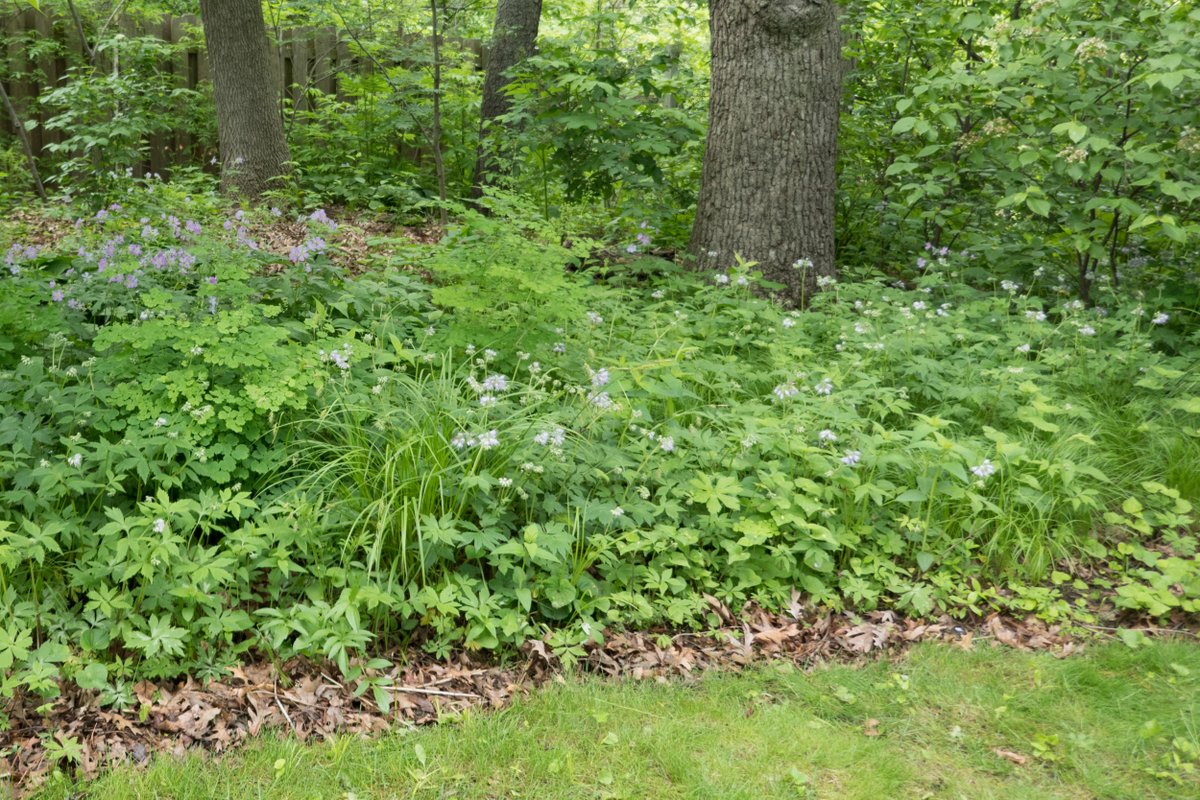
My latest storymap features Soft Landings, a concept developed by Leslie Pilgrim and me. This concept builds upon Desiree L. Narango, PhD's research on leps and host plants. Soft Landings are diverse native plantings under the dripline of keystone native trees. Link: arcg.is/1Lvry

!Migration Alert! The forecast is for 300+ MILLION birds in the air over the U.S. each of the next three nights, according to Team BirdCast. Try turning off nonessential lighting, and treating reflective glass to help protect birds. Learn more: birdcast.info/science-to-act…