Indianbirds (@ibcbirds) 's Twitter Profile
Indianbirds

@ibcbirds

Indian Birds Conservancy [ IBC ] is a 501(c)(3), not-for profit organization whose mission is to conserve native birds and their habitats throughout the India.

ID: 2731103335

linkhttp://www.ibcbirds.org calendar_today14-08-2014 06:39:39

769 Tweet

132 Followers

19 Following
Indianbirds (@ibcbirds) 's Twitter Profile Photo

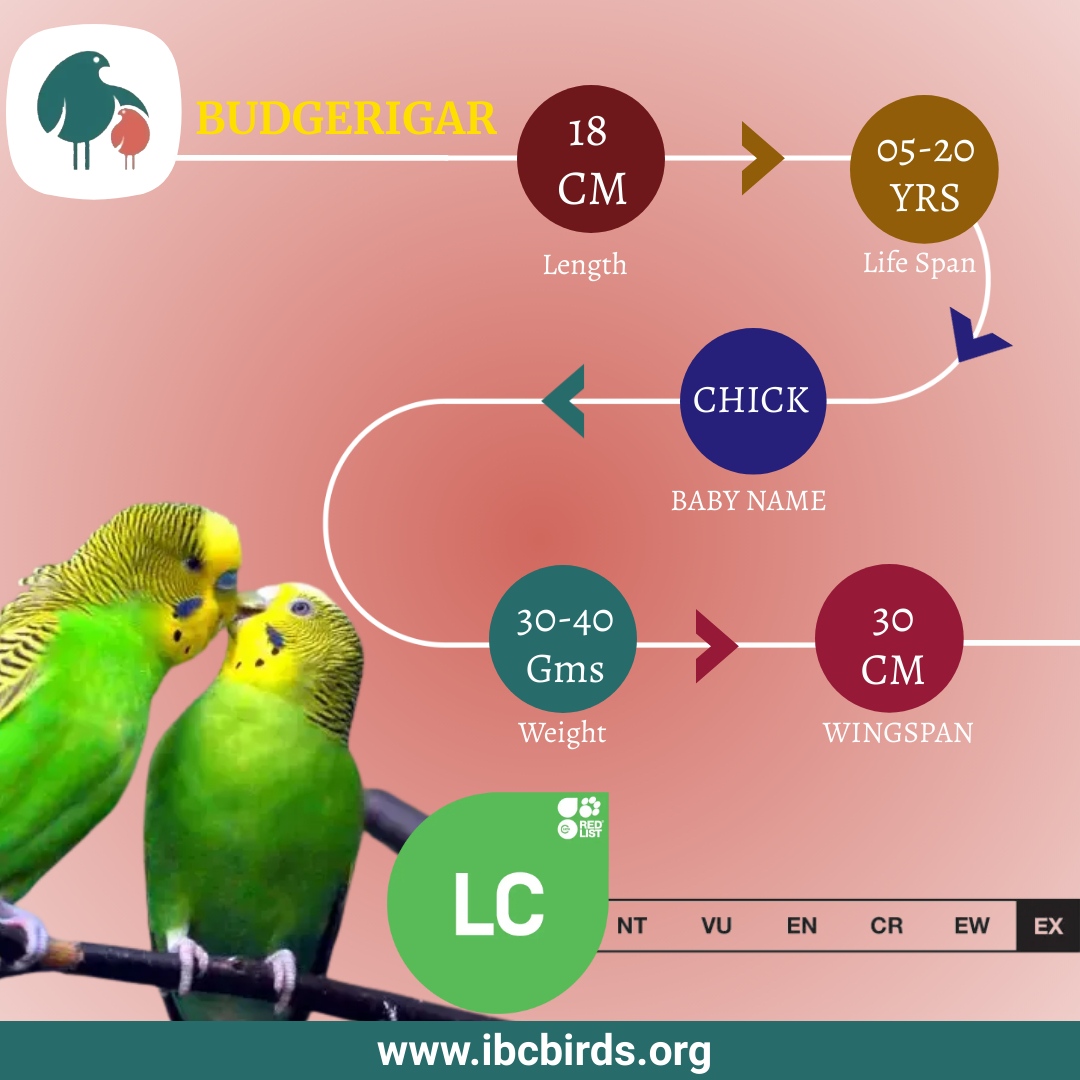
#IBCBIRDS #BIRDS The budgerigar is a long-tailed, seed-eating parrot usually nicknamed the budgie, or in American English, the parakeet. Naturally, it is green and yellow with black, scalloped markings on the nape, back, and wings. #IBCBIRDS #BIRDS #BUDGERIGAR

#IBCBIRDS #BIRDS

The budgerigar is a long-tailed, seed-eating parrot usually nicknamed the budgie, or in American English, the parakeet. Naturally, it is green and yellow with black, scalloped markings on the nape, back, and wings. 

#IBCBIRDS #BIRDS #BUDGERIGAR
Indianbirds (@ibcbirds) 's Twitter Profile Photo

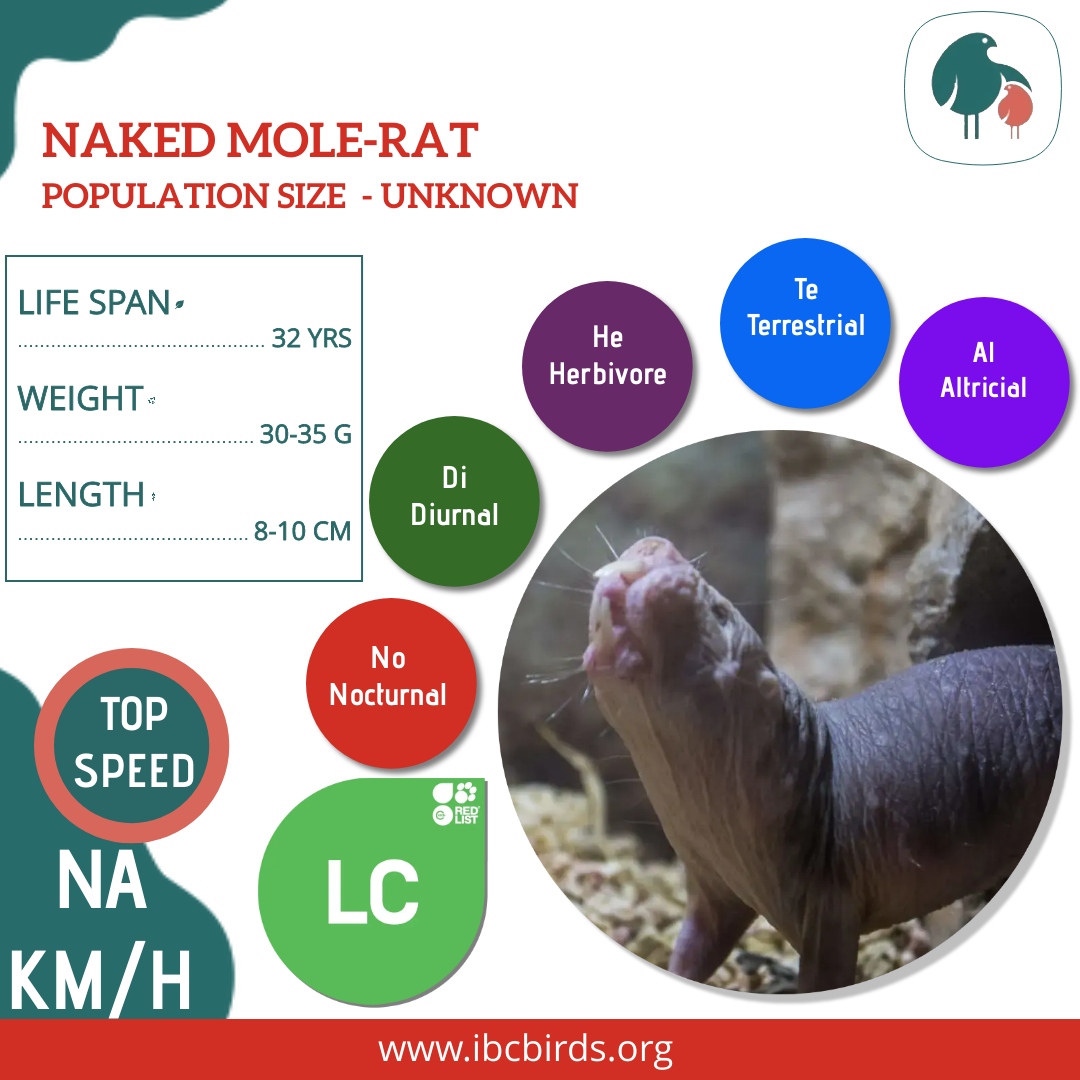
#IBCBIRDS #Mammals Naked mole rats are burrowing rodents native to parts of East Africa. #IBCBIRDS #BIRDS #Mammals #Naked #Mole #Rat

#IBCBIRDS #Mammals

Naked mole rats are burrowing rodents native to parts of East Africa. 

#IBCBIRDS #BIRDS #Mammals #Naked #Mole #Rat
Indianbirds (@ibcbirds) 's Twitter Profile Photo

#IBCBIRDS #Mammals Asian palm civets are small cat-sized mammals that live in South and Southeast Asia. Their long, stocky body is covered with coarse, shaggy hair that is usually greyish in color. #IBCBIRDS #BIRDS #Asian #Palm #Civet #PalmCivet

#IBCBIRDS #Mammals

Asian palm civets are small cat-sized mammals that live in South and Southeast Asia. 

Their long, stocky body is covered with coarse, shaggy hair that is usually greyish in color. 

#IBCBIRDS #BIRDS #Asian #Palm #Civet #PalmCivet
Indianbirds (@ibcbirds) 's Twitter Profile Photo

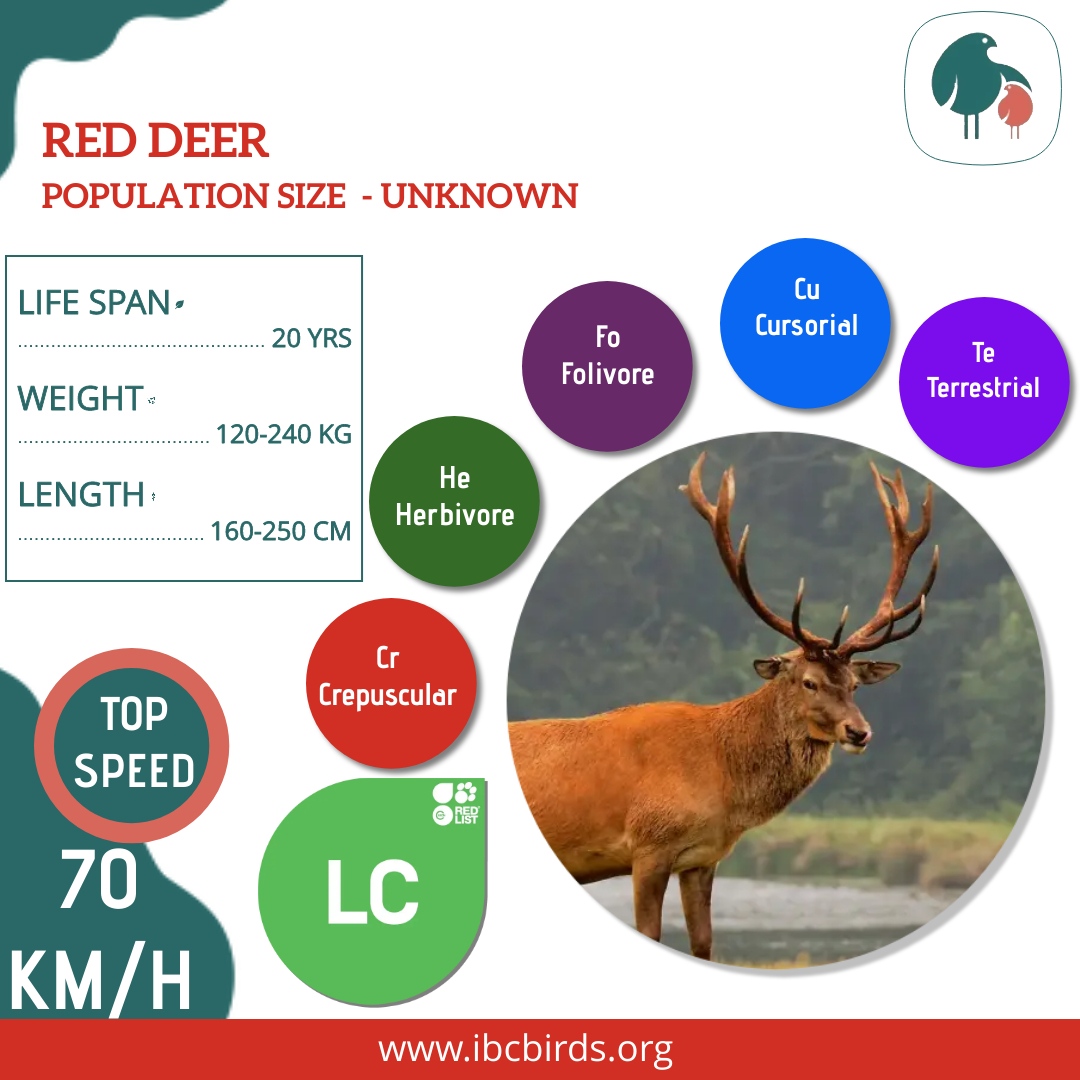
#IBCBIRDS #Mammals Red deer are easy to identify due to their mostly uniform color: dark reddy-brown in summer, turning to grayish-brown in winter. #IBCBIRDS #BIRDS #RedDeer #Deer

#IBCBIRDS #Mammals

Red deer are easy to identify due to their mostly uniform color: dark reddy-brown in summer, turning to grayish-brown in winter. 

#IBCBIRDS #BIRDS #RedDeer #Deer
Indianbirds (@ibcbirds) 's Twitter Profile Photo

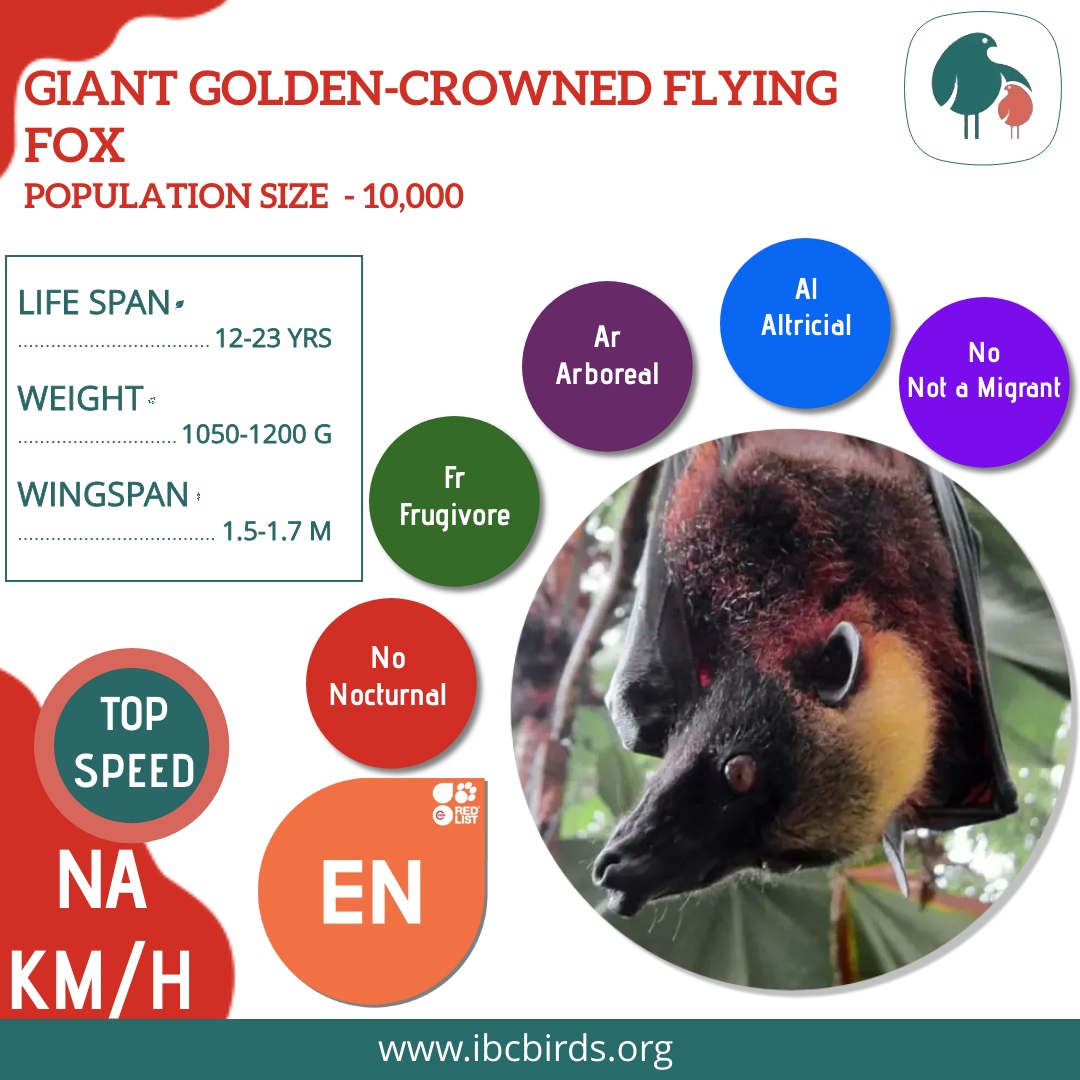
#IBCBIRDS #Mammals The Giant golden-crowned flying fox is native and endemic exclusively to the Philippines. #IBCBIRDS #BIRDS #Fox #FlyingFox

#IBCBIRDS #Mammals

The Giant golden-crowned flying fox is native and endemic exclusively to the Philippines.

#IBCBIRDS #BIRDS #Fox #FlyingFox
Indianbirds (@ibcbirds) 's Twitter Profile Photo

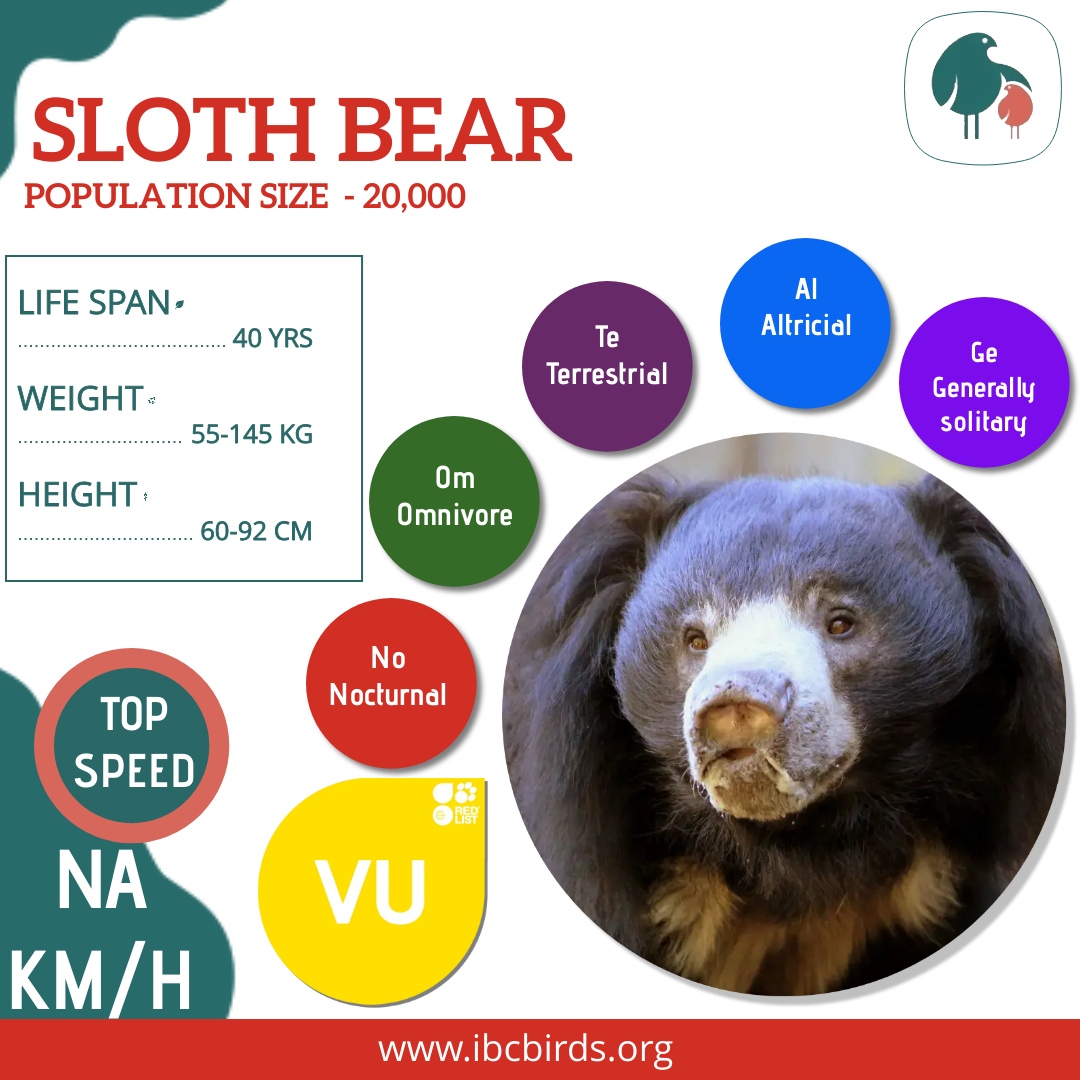
#IBCBIRDS #Mammals The Sloth bear is a myrmecophagous bear species native to the Indian subcontinent. #IBCBIRDS #BIRDS #SlothBear #Bear #Sloth

#IBCBIRDS #Mammals

The Sloth bear is a myrmecophagous bear species native to the Indian subcontinent. 

#IBCBIRDS #BIRDS #SlothBear #Bear #Sloth
Indianbirds (@ibcbirds) 's Twitter Profile Photo

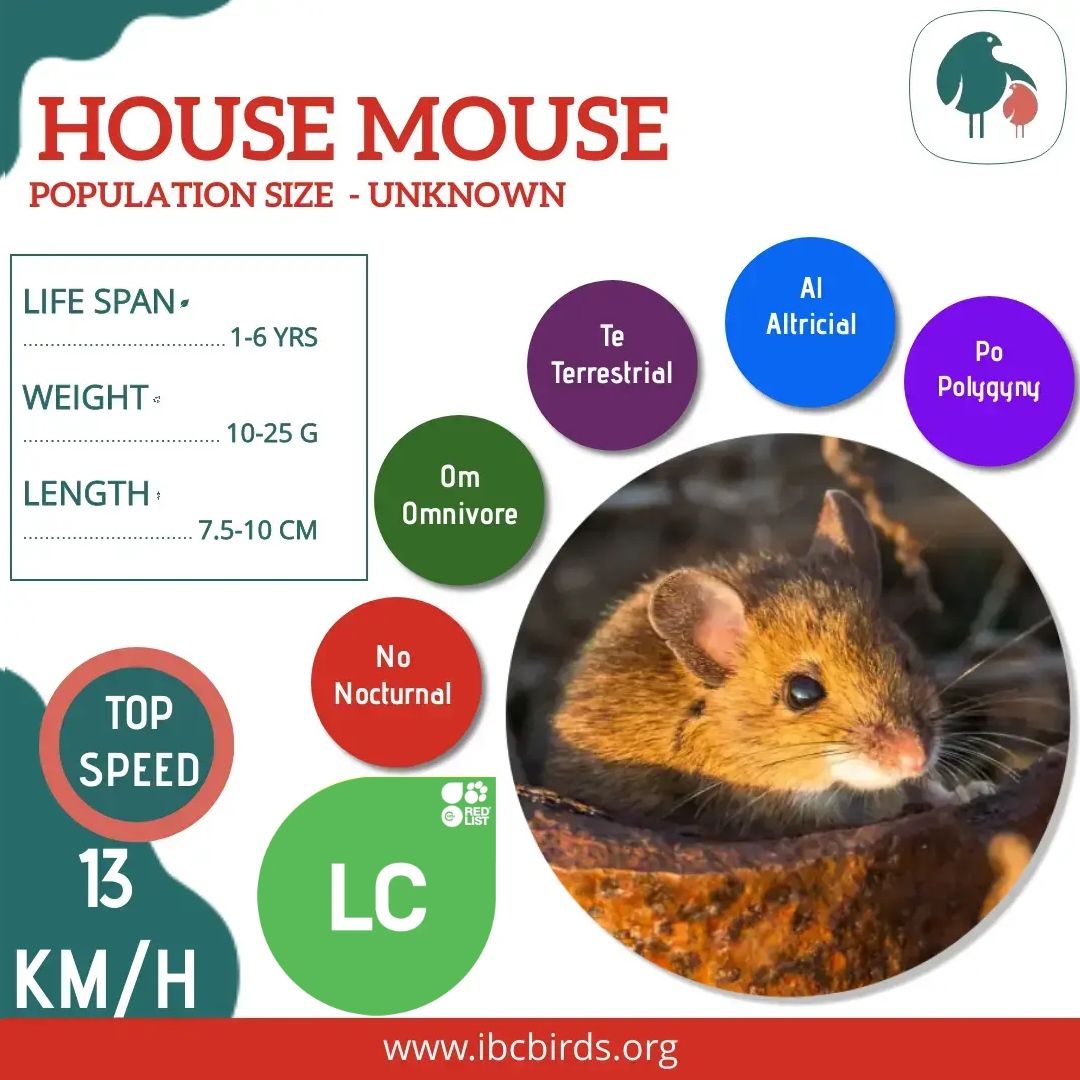
#IBCBIRDS #Mammals⁠ ⁠ One of the most abundant and widespread mammals around the globe, the House mouse is found in almost any part of the world (except with Antarctica) due to human travel. ⁠ ⁠ #IBCBIRDS #HouseMouse #Mouse

#IBCBIRDS #Mammals⁠
⁠
One of the most abundant and widespread mammals around the globe, the House mouse is found in almost any part of the world (except with Antarctica) due to human travel. ⁠

⁠
#IBCBIRDS #HouseMouse #Mouse
Indianbirds (@ibcbirds) 's Twitter Profile Photo

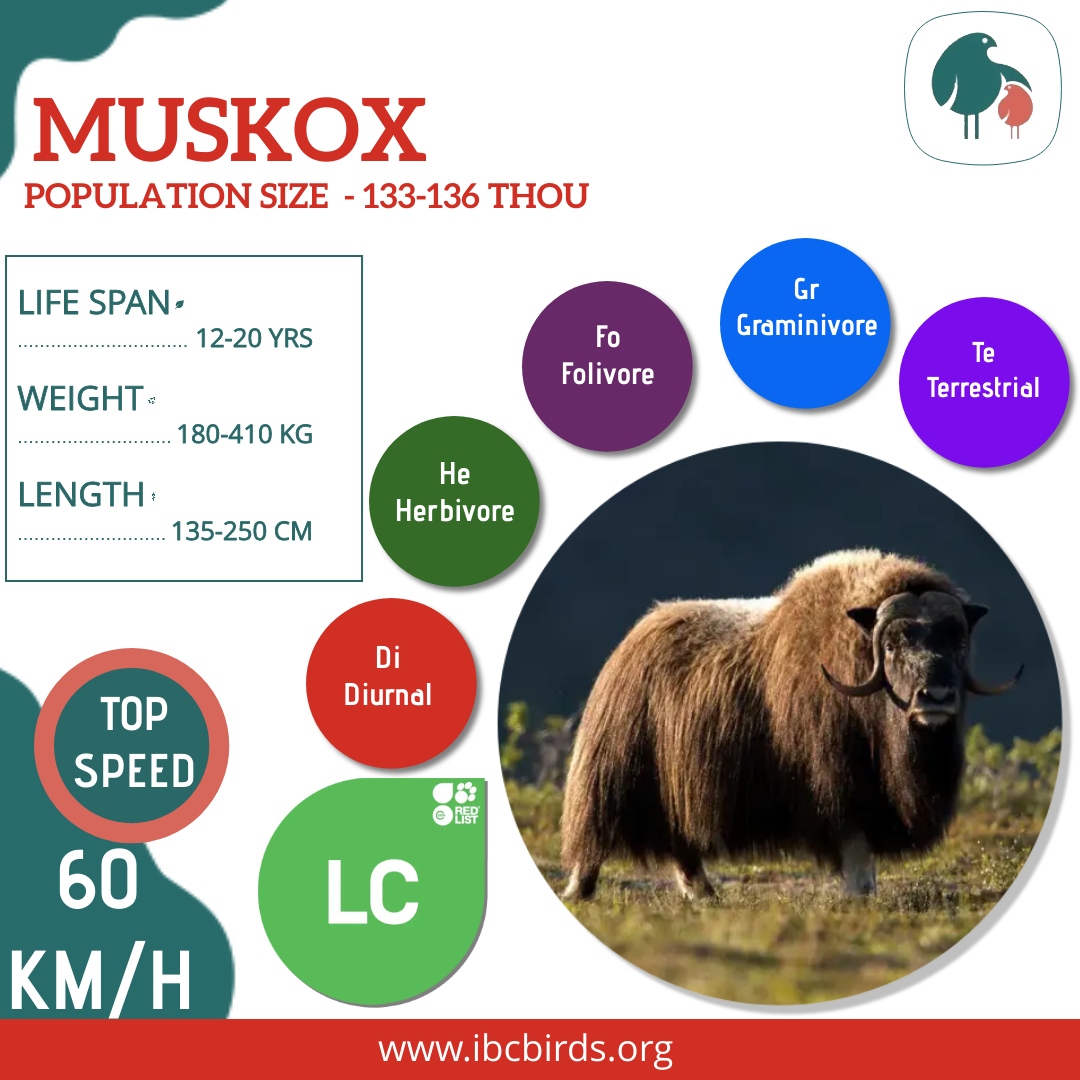
#IBCBIRDS #Mammals Muskoxen are Arctic hoofed mammals, noted for their thick coat and for the strong odor emitted during the seasonal rut by males, from which their name derives. #IBCBIRDS #BIRDS #Muskox

#IBCBIRDS #Mammals

Muskoxen are Arctic hoofed mammals, noted for their thick coat and for the strong odor emitted during the seasonal rut by males, from which their name derives. 

#IBCBIRDS #BIRDS #Muskox
Indianbirds (@ibcbirds) 's Twitter Profile Photo

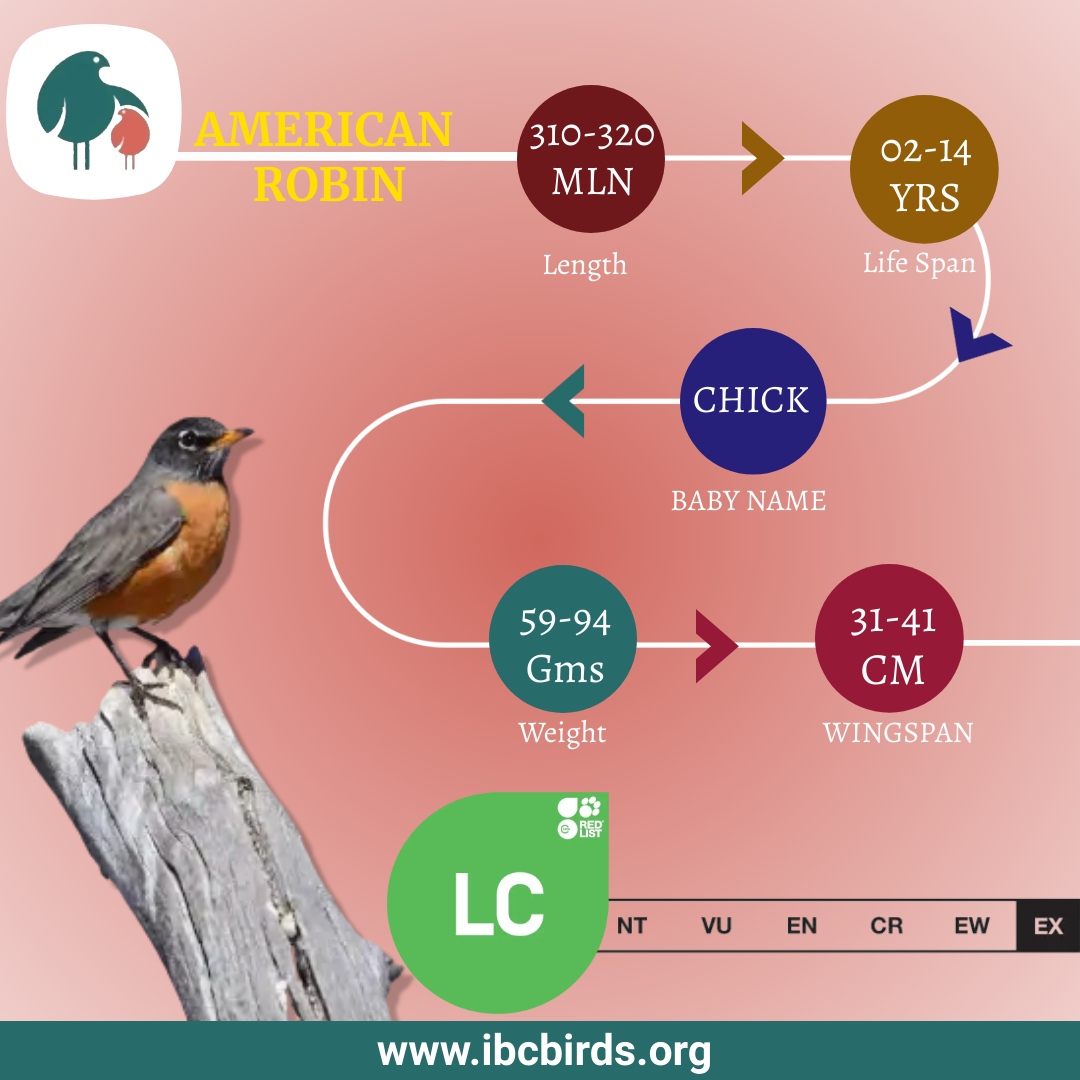
#IBCBIRDS #BIRDS The American robin is a migratory songbird that is widely distributed throughout North America and Central America. #IBCBIRDS #BIRDS #AmericanRobin

#IBCBIRDS #BIRDS

The American robin is a migratory songbird that is widely distributed throughout North America and Central America. 

#IBCBIRDS #BIRDS #AmericanRobin
Indianbirds (@ibcbirds) 's Twitter Profile Photo

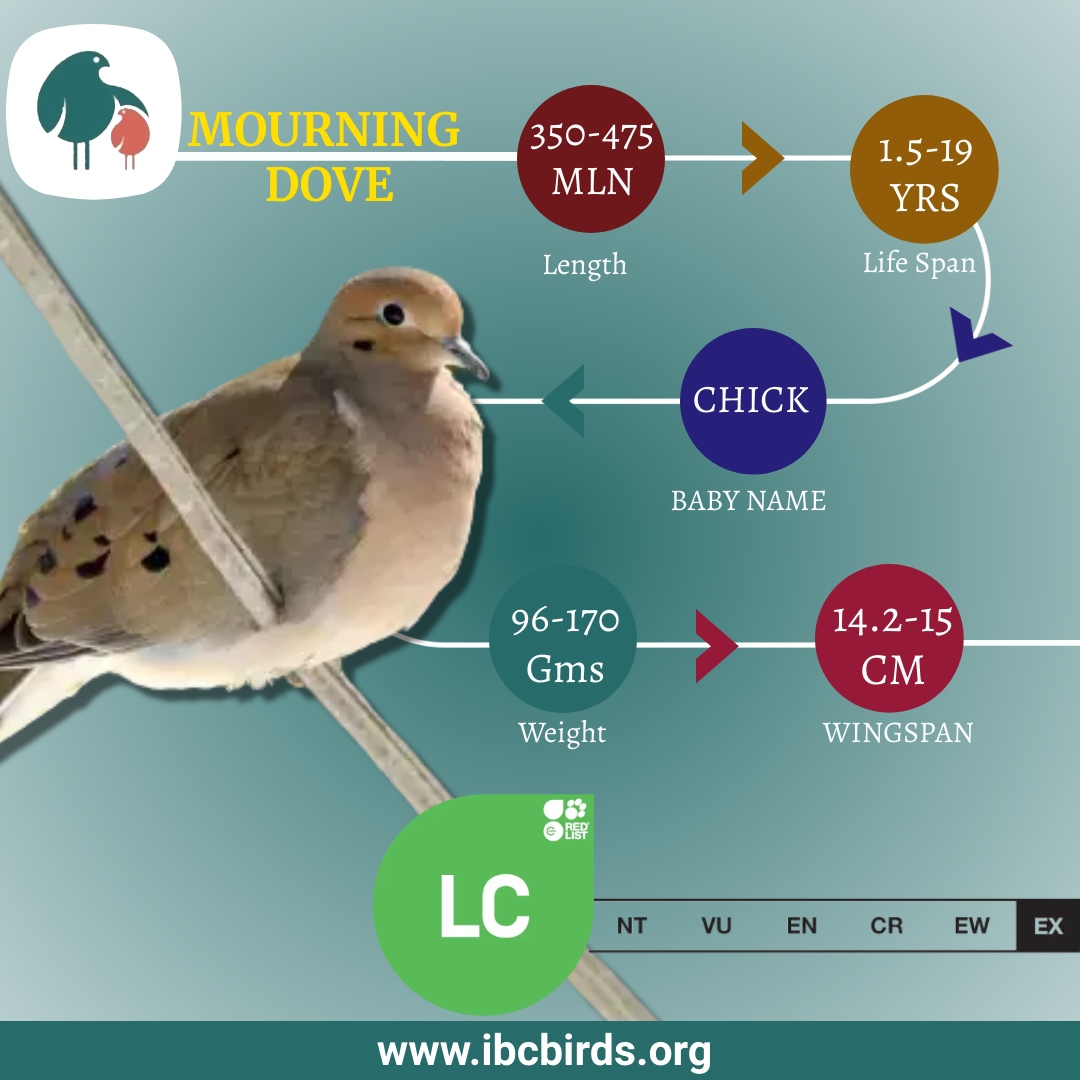
#IBCBIRDS #BIRDS Mourning doves live in the American southwest, as do several other species in the Columbidae or pigeon family. #IBCBIRDS #MourningDove #Dove #BIRDS

#IBCBIRDS #BIRDS

Mourning doves live in the American southwest, as do several other species in the Columbidae or pigeon family. 
 
#IBCBIRDS #MourningDove #Dove #BIRDS
Indianbirds (@ibcbirds) 's Twitter Profile Photo

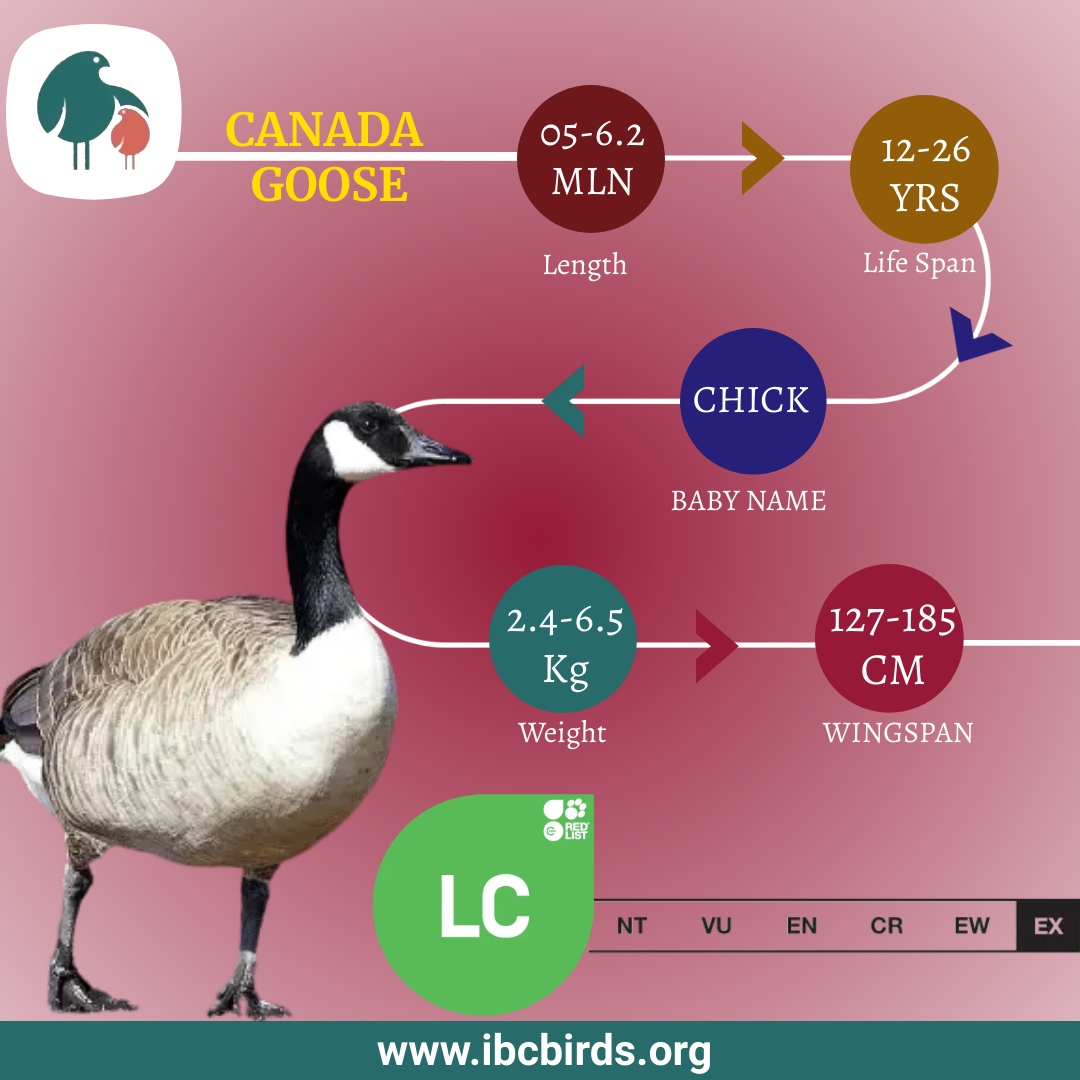
#IBCBIRDS #BIRDS The Canada goose is a bird with a long black neck and head. The geese have a white mark on their beak, near their chin. Another distinctive feature of Canadian geese is the white U-like band on their rump. #IBCBIRDS #BIRDS #Canadagoose #Goose #Canada

#IBCBIRDS #BIRDS 

The Canada goose is a bird with a long black neck and head. The geese have a white mark on their beak, near their chin. 

Another distinctive feature of Canadian geese is the white U-like band on their rump. 

#IBCBIRDS #BIRDS #Canadagoose #Goose #Canada
Indianbirds (@ibcbirds) 's Twitter Profile Photo

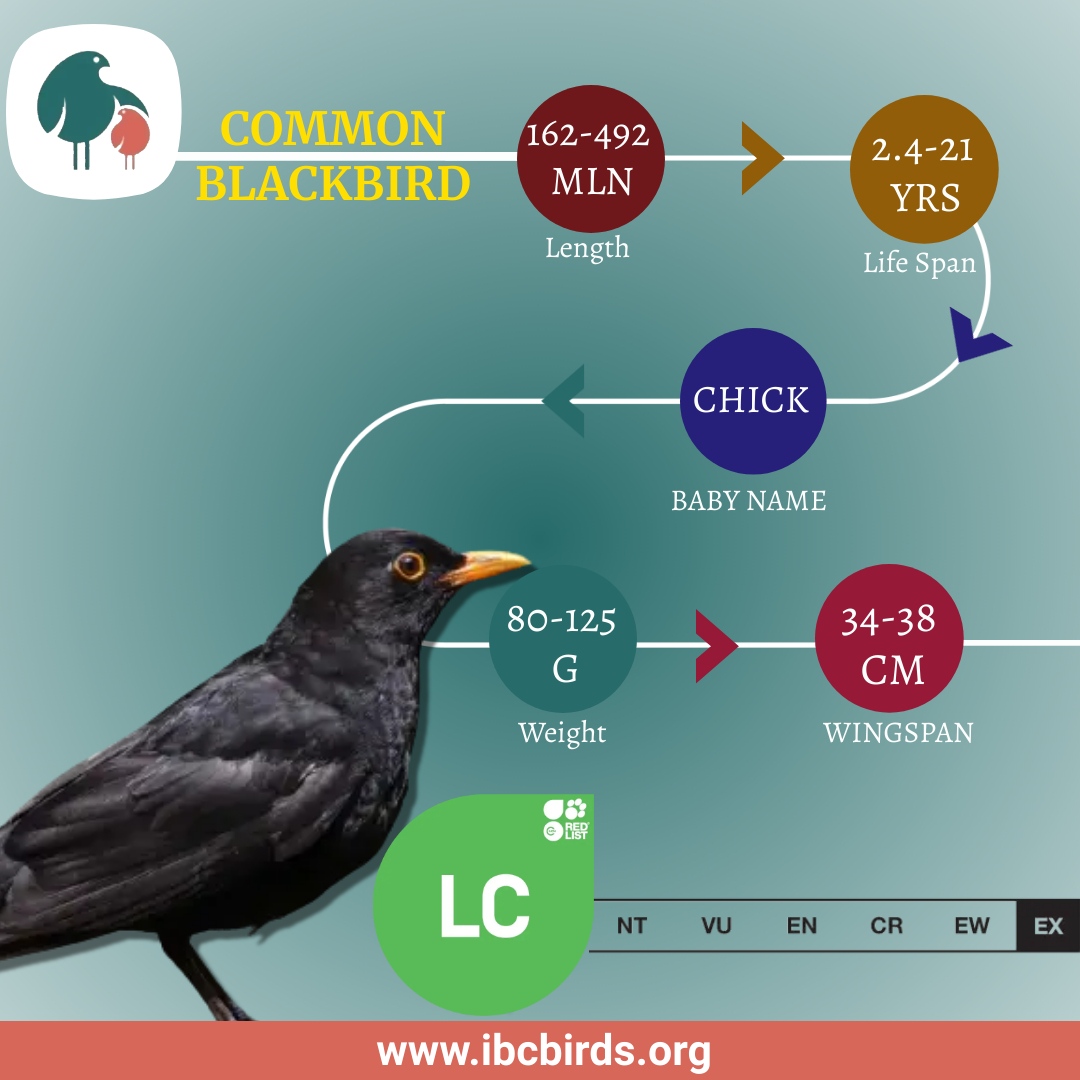
#IBCBIRDS #BIRDS Common blackbirds are monogamous and pairs usually stay together for life. Courtship displays begin very soon, often in February. Males sing at dawn. #IBCBIRDS #BIRDS #Common #BlackBird #Black

#IBCBIRDS #BIRDS

Common blackbirds are monogamous and pairs usually stay together for life. Courtship displays begin very soon, often in February. 

Males sing at dawn. 

#IBCBIRDS #BIRDS #Common #BlackBird #Black
Indianbirds (@ibcbirds) 's Twitter Profile Photo

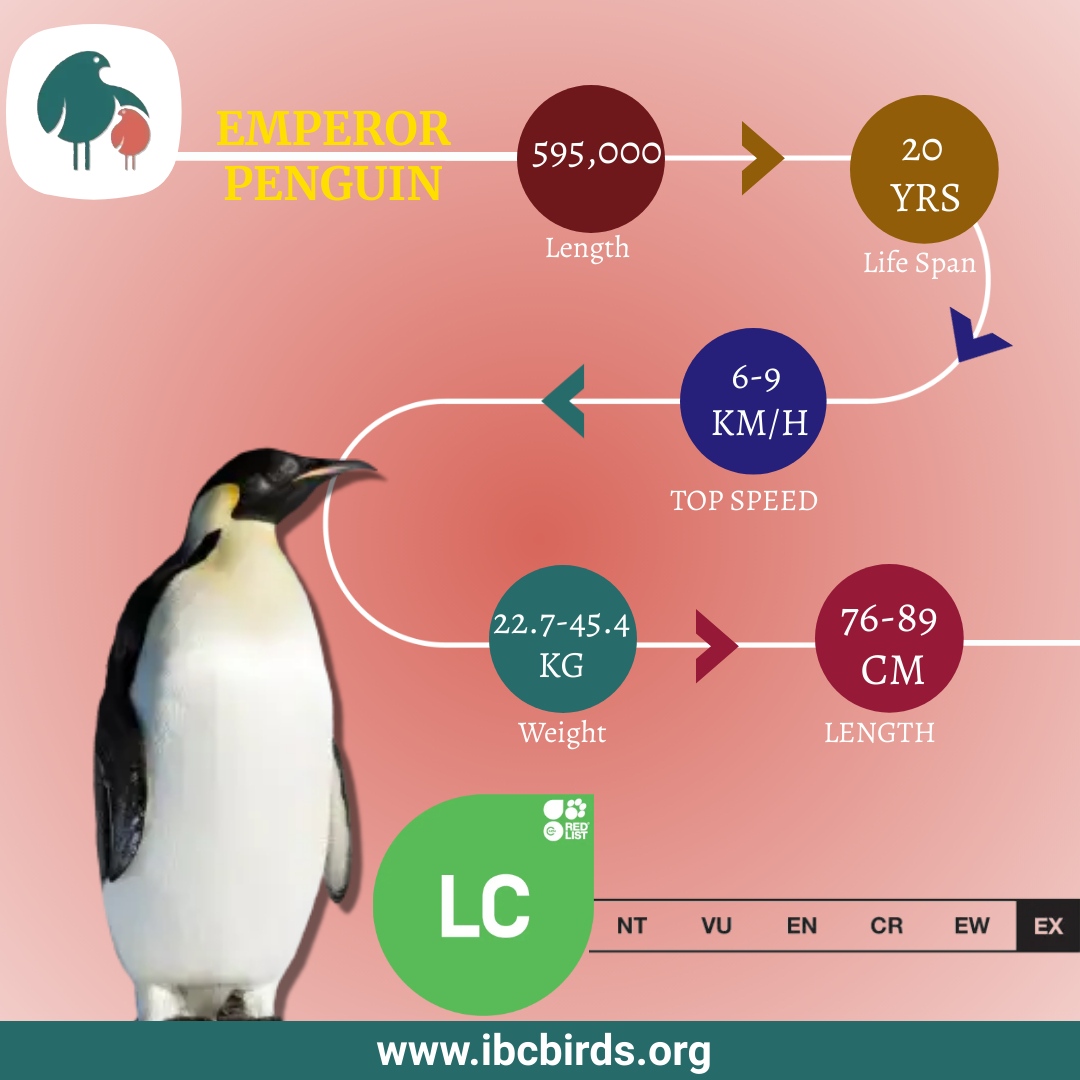
#IBCBIRDS #BIRDS The Emperor penguins have a serially monogamous system, mating with only one mate during each season. In March-April, the birds return to their breeding colonies. #IBCBIRDS #BIRDFacts #Penguin #Emperor

#IBCBIRDS #BIRDS

The Emperor penguins have a serially monogamous system, mating with only one mate during each season. In March-April, the birds return to their breeding colonies. 

#IBCBIRDS #BIRDFacts #Penguin #Emperor
Indianbirds (@ibcbirds) 's Twitter Profile Photo

#IBCBIRDS #BIRDS Ostriches are polygynous, each male having three to five hens, with a “major” hen and several “minor” hens. #IBCBIRDS #Ostrich #Birds

#IBCBIRDS #BIRDS

Ostriches are polygynous, each male having three to five hens, with a “major” hen and several “minor” hens. 

#IBCBIRDS #Ostrich #Birds
Indianbirds (@ibcbirds) 's Twitter Profile Photo

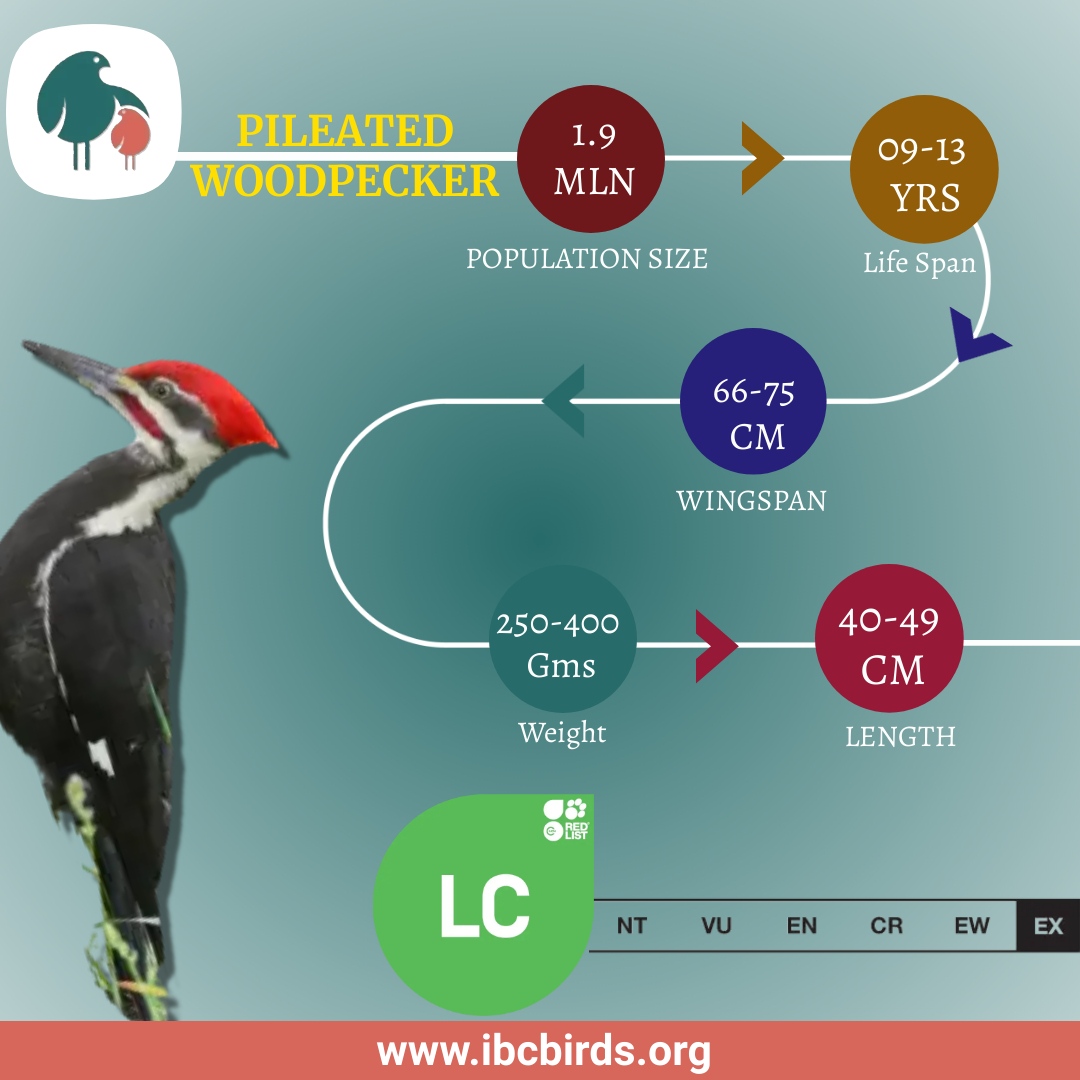
#IBCBIRDS #BIRDS Pileated woodpeckers are social and often live in groups. The mated pair stays together on its territory all year round and is not migratory. #Birdfacts #Birds #Woodpecker

#IBCBIRDS #BIRDS

Pileated woodpeckers are social and often live in groups. The mated pair stays together on its territory all year round and is not migratory. 

#Birdfacts #Birds #Woodpecker
Indianbirds (@ibcbirds) 's Twitter Profile Photo

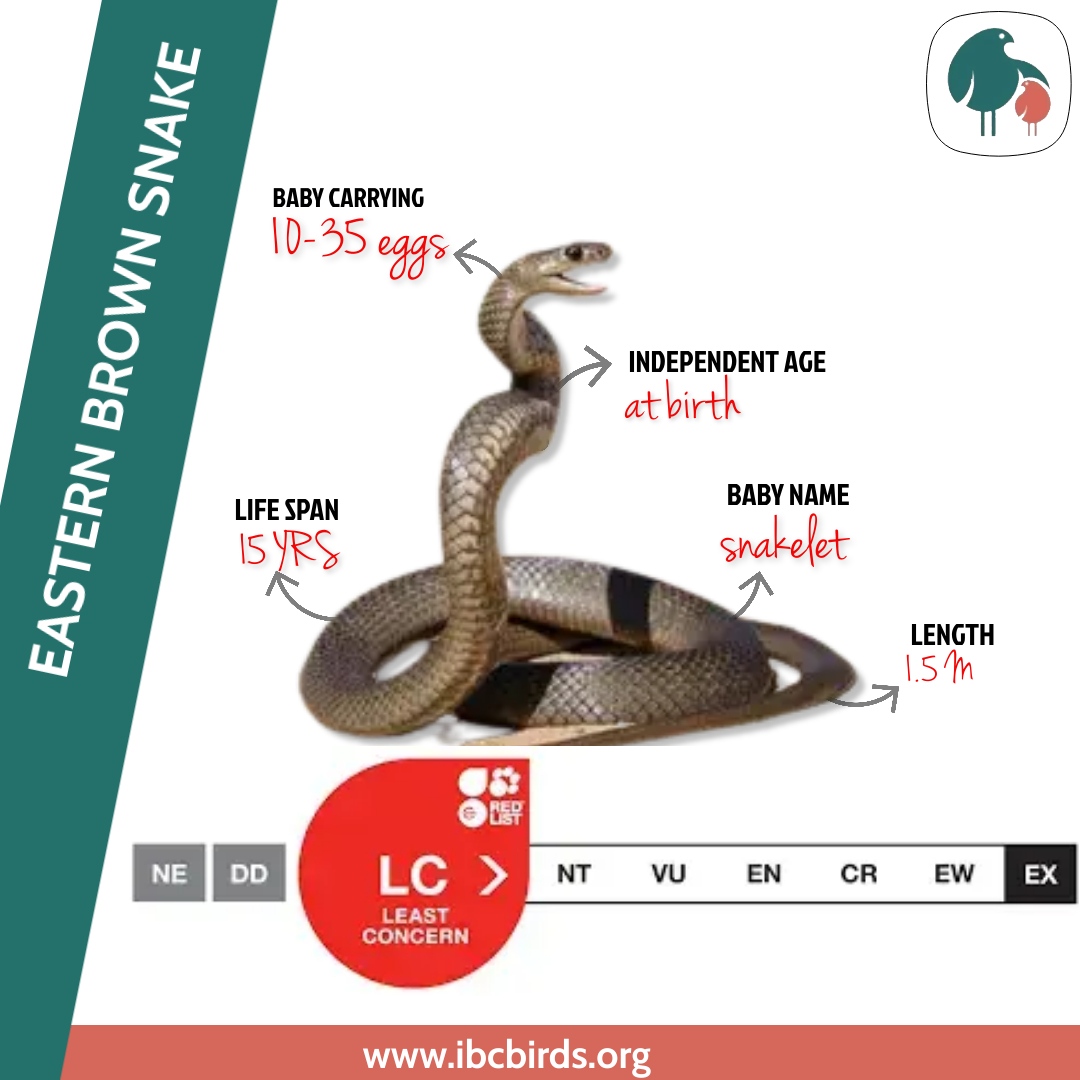
#IBCBIRDS #Reptiles Eastern brown snakes are polygynous which means that one males mates with several females. #Reptilesfacts #Snakes

#IBCBIRDS #Reptiles

Eastern brown snakes are polygynous which means that one males mates with several females. 

#Reptilesfacts #Snakes
Indianbirds (@ibcbirds) 's Twitter Profile Photo

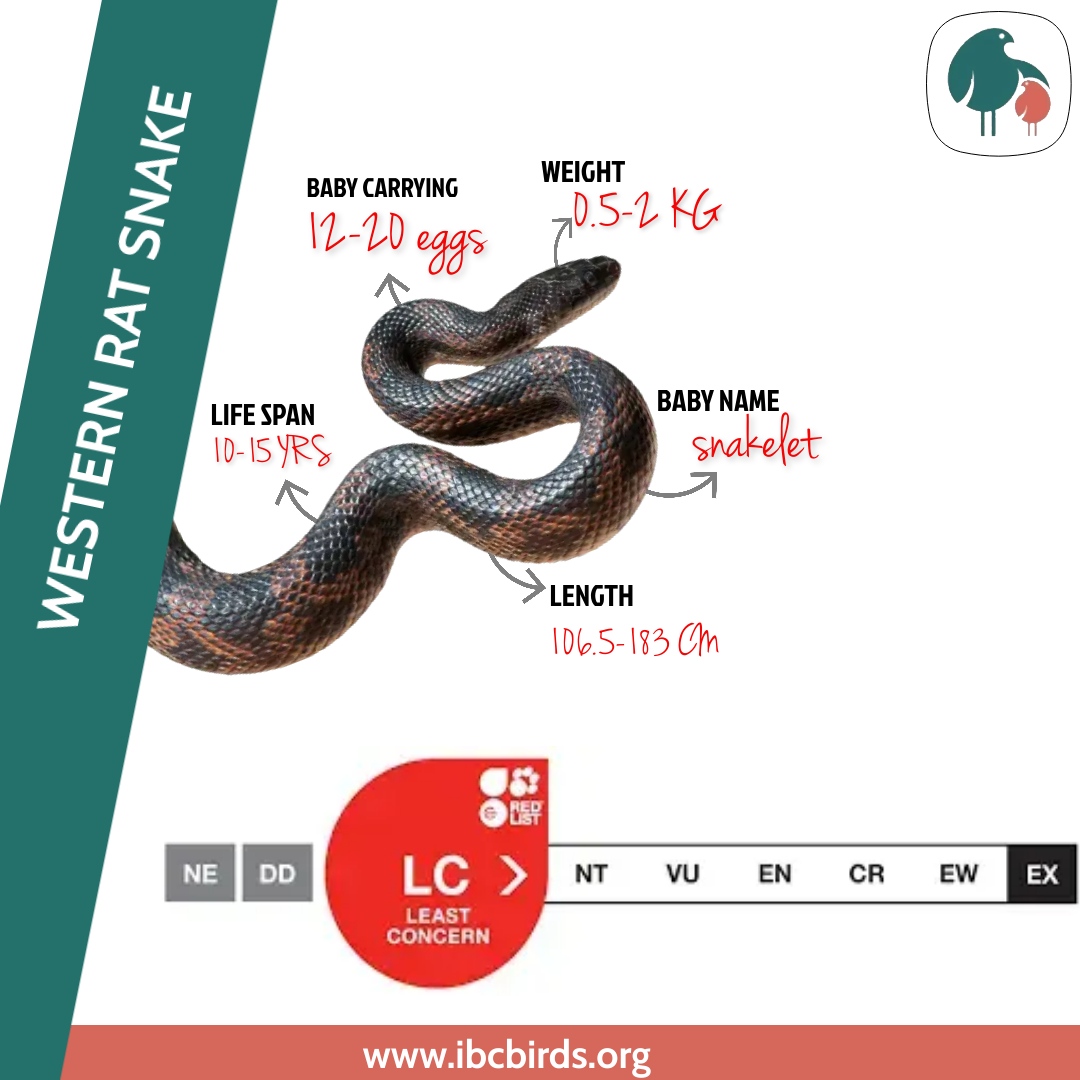
#Reptiles Western rat snakes breed in late May and early June. Males use pheromones to attract females passing through their territories and will initiate the mating process with the female. #IBCBIRDS #WesternRat #Ratsnakes

#Reptiles

Western rat snakes breed in late May and early June. 

Males use pheromones to attract females passing through their territories and will initiate the mating process with the female. 

#IBCBIRDS #WesternRat #Ratsnakes
Indianbirds (@ibcbirds) 's Twitter Profile Photo

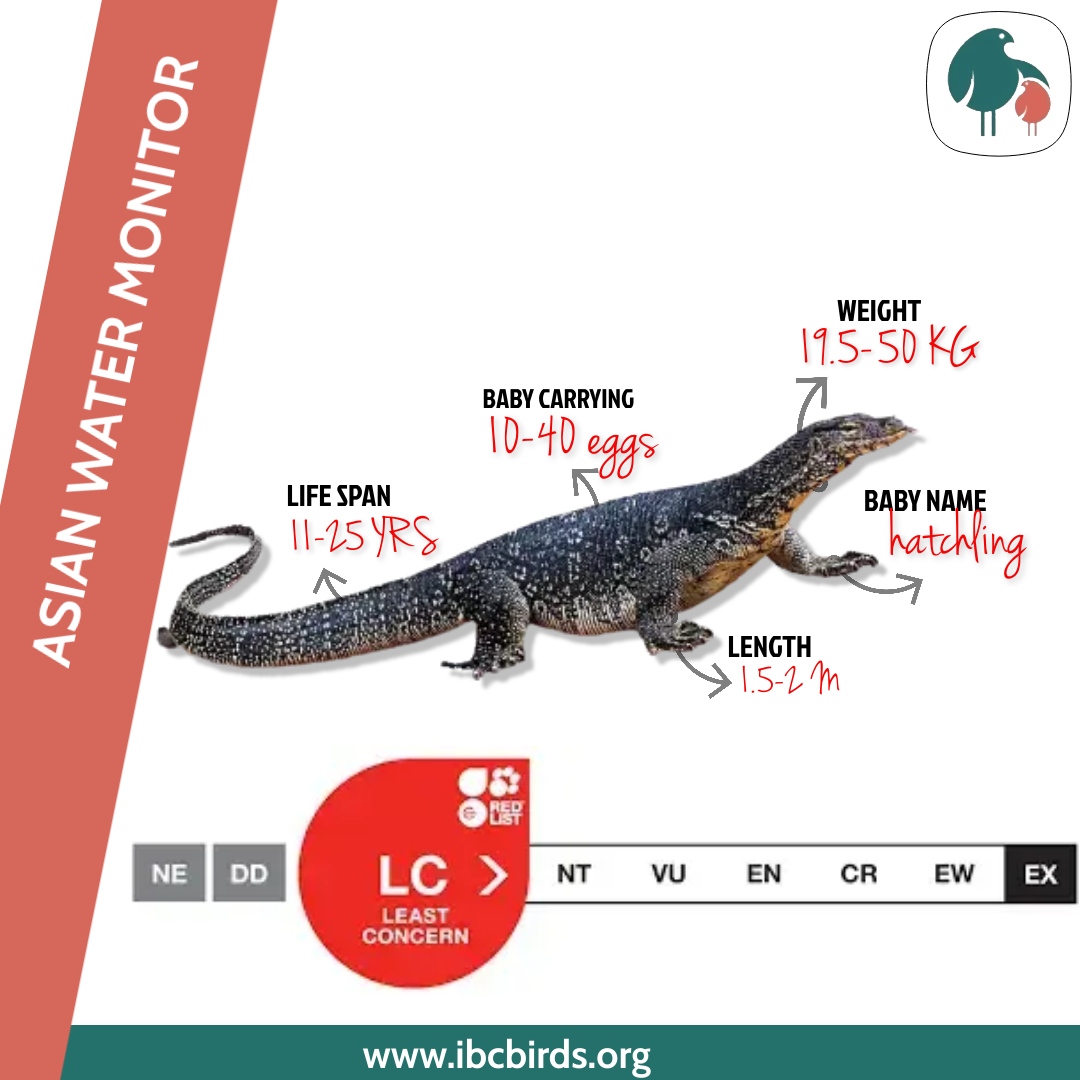
#IBCBIRDS #Reptiles Asian water monitors breed from April and until October. Females lay their eggs a month after mating usually in rotting logs or tree stumps. #Reptilesfacts #Asian #Water #Monitor

#IBCBIRDS #Reptiles

Asian water monitors breed from April and until October. Females lay their eggs a month after mating usually in rotting logs or tree stumps. 

#Reptilesfacts #Asian #Water #Monitor
Indianbirds (@ibcbirds) 's Twitter Profile Photo

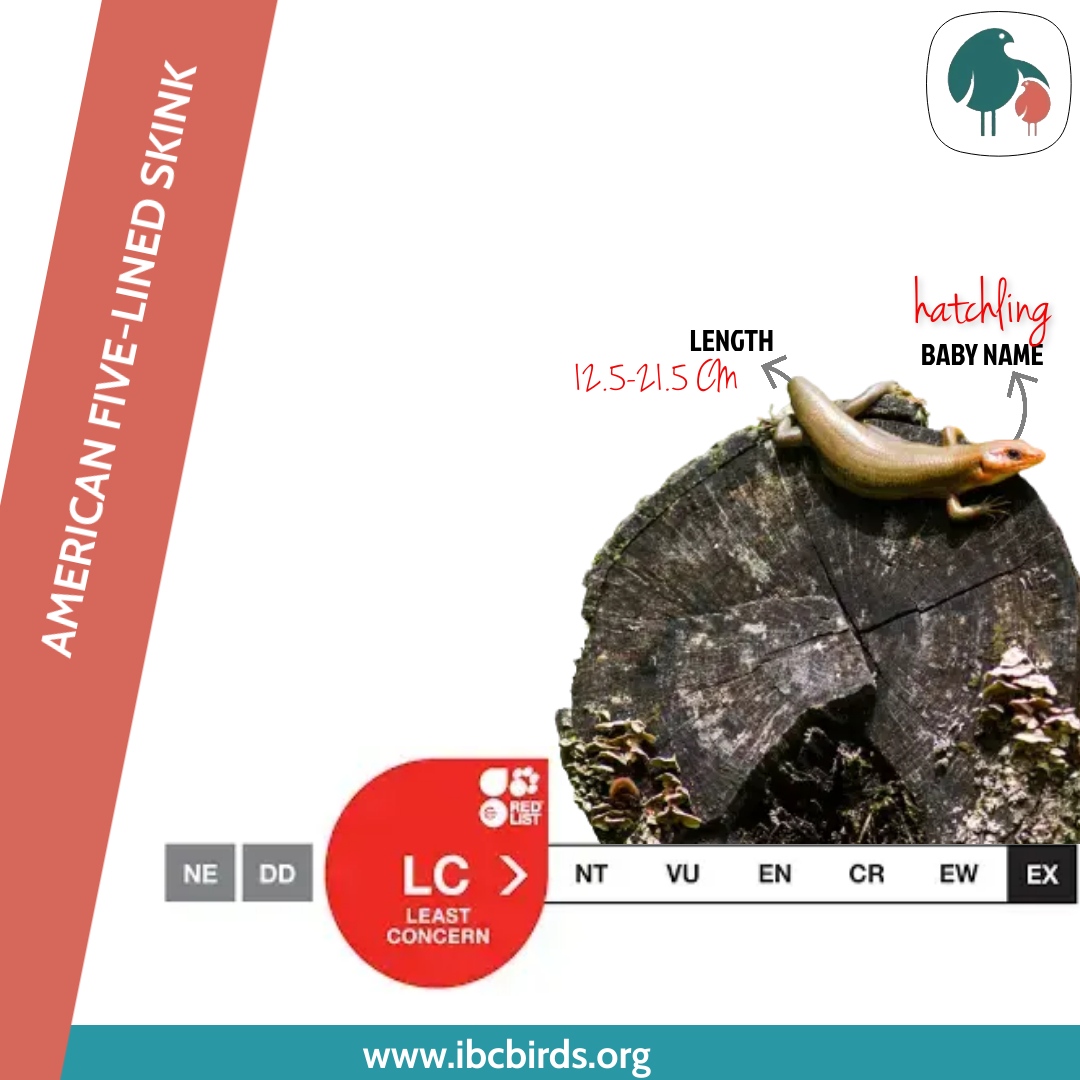
#IBCBIRDS #Reptiles American five-lined skinks are polygynous which means that males mate with more than one female during the breeding season. These lizards start to breed in May. #Reptilesfacts #Skink

#IBCBIRDS #Reptiles

American five-lined skinks are polygynous which means that males mate with more than one female during the breeding season. 

These lizards start to breed in May. 

#Reptilesfacts #Skink
Indianbirds (@ibcbirds) 's Twitter Profile Photo

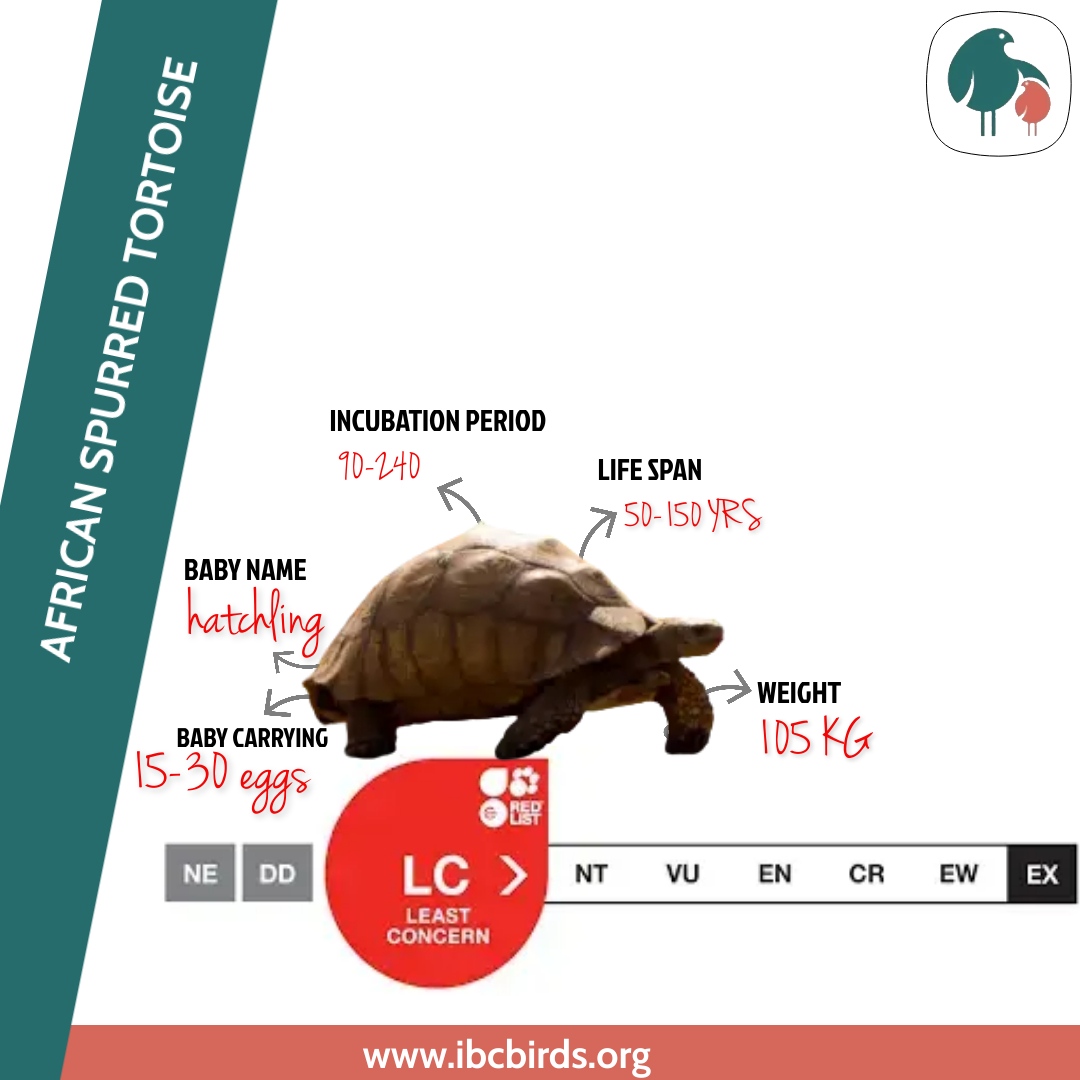
#Reptiles African spurred tortoises are polygynous breeders. This means that males will mate with more than one female during the breeding season. #IBCBIRDS #Reptilesfacts

#Reptiles 

African spurred tortoises are polygynous breeders. This means that males will mate with more than one female during the breeding season. 

#IBCBIRDS #Reptilesfacts