John (@hoppsj14) 's Twitter Profile
John

@hoppsj14

ID: 1518678403146297344

calendar_today25-04-2022 19:48:50

23 Tweet

3 Takipçi

13 Takip Edilen

Matt Taibbi (@mtaibbi) 's Twitter Profile Photo

2. What you’re about to read is the first installment in a series, based upon thousands of internal documents obtained by sources at Twitter.

Matt Taibbi (@mtaibbi) 's Twitter Profile Photo

11. This system wasn't balanced. It was based on contacts. Because Twitter was and is overwhelmingly staffed by people of one political orientation, there were more channels, more ways to complain, open to the left (well, Democrats) than the right. opensecrets.org/orgs/twitter/s…
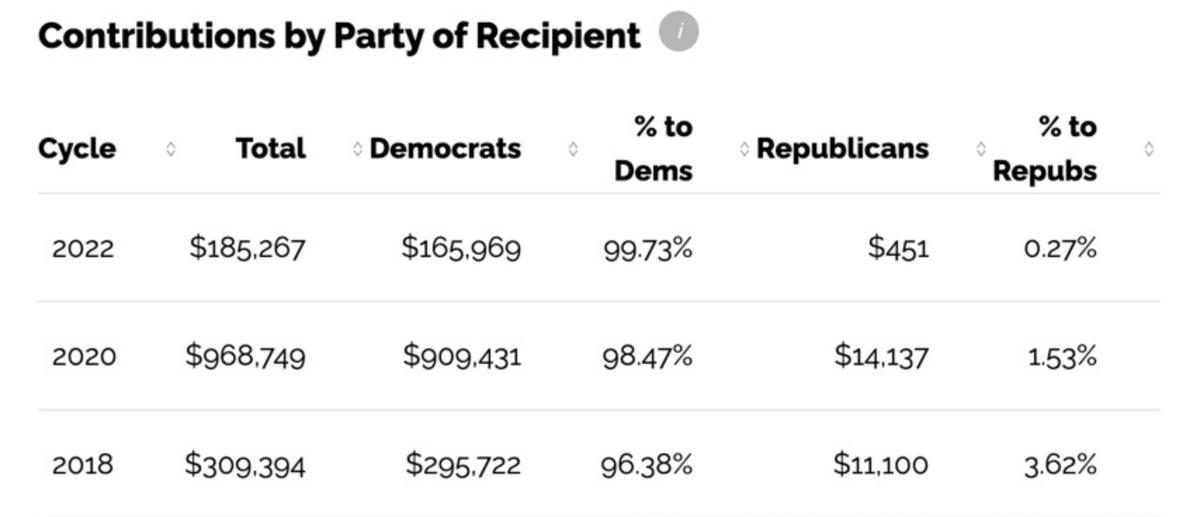
11. This system wasn't balanced. It was based on contacts. Because Twitter was and is overwhelmingly staffed by people of one political orientation, there were more channels, more ways to complain, open to the left (well, Democrats) than the right. opensecrets.org/orgs/twitter/s…
Matt Taibbi (@mtaibbi) 's Twitter Profile Photo

12. The resulting slant in content moderation decisions is visible in the documents you’re about to read. However, it’s also the assessment of multiple current and former high-level executives.

Matt Taibbi (@mtaibbi) 's Twitter Profile Photo

17. On October 14, 2020, the New York Post published BIDEN SECRET EMAILS, an expose based on the contents of Hunter Biden’s abandoned laptop: nypost.com/2020/10/14/ema…

Matt Taibbi (@mtaibbi) 's Twitter Profile Photo

18. Twitter took extraordinary steps to suppress the story, removing links and posting warnings that it may be “unsafe.” They even blocked its transmission via direct message, a tool hitherto reserved for extreme cases, e.g. child pornography.

Matt Taibbi (@mtaibbi) 's Twitter Profile Photo

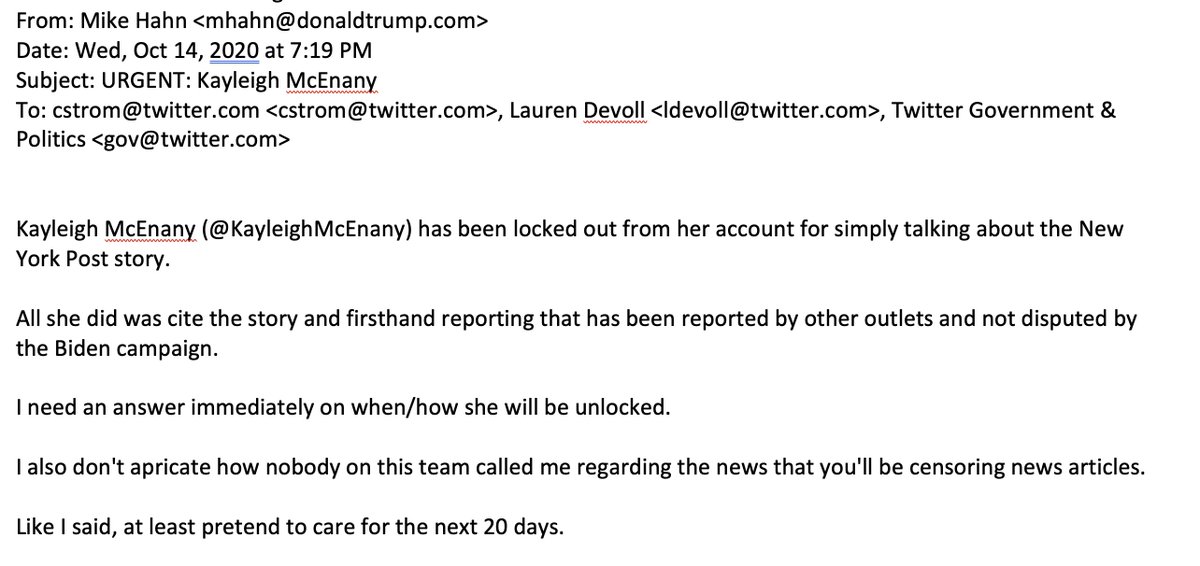
19. White House spokeswoman Kaleigh McEnany was locked out of her account for tweeting about the story, prompting a furious letter from Trump campaign staffer Mike Hahn, who seethed: “At least pretend to care for the next 20 days.”

19. White House spokeswoman Kaleigh McEnany was locked out of her account for tweeting about the story, prompting a furious letter from Trump campaign staffer Mike Hahn, who seethed: “At least pretend to care for the next 20 days.”
Matt Taibbi (@mtaibbi) 's Twitter Profile Photo

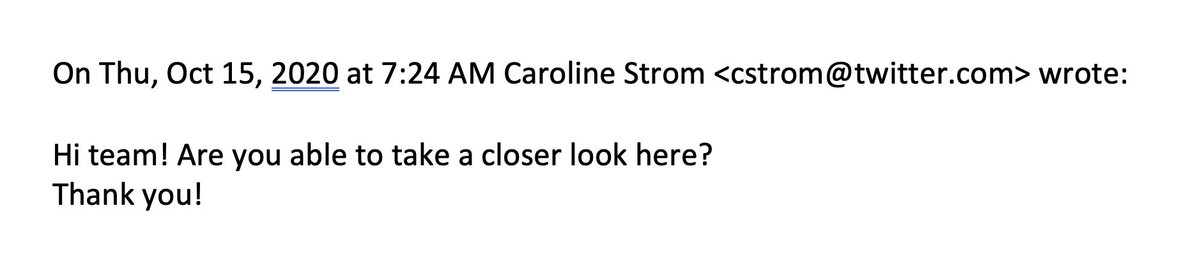
20.This led public policy executive Caroline Strom to send out a polite WTF query. Several employees noted that there was tension between the comms/policy teams, who had little/less control over moderation, and the safety/trust teams:

20.This led public policy executive Caroline Strom to send out a polite WTF query. Several employees noted that there was tension between the comms/policy teams, who had little/less control over moderation, and the safety/trust teams:
Matt Taibbi (@mtaibbi) 's Twitter Profile Photo

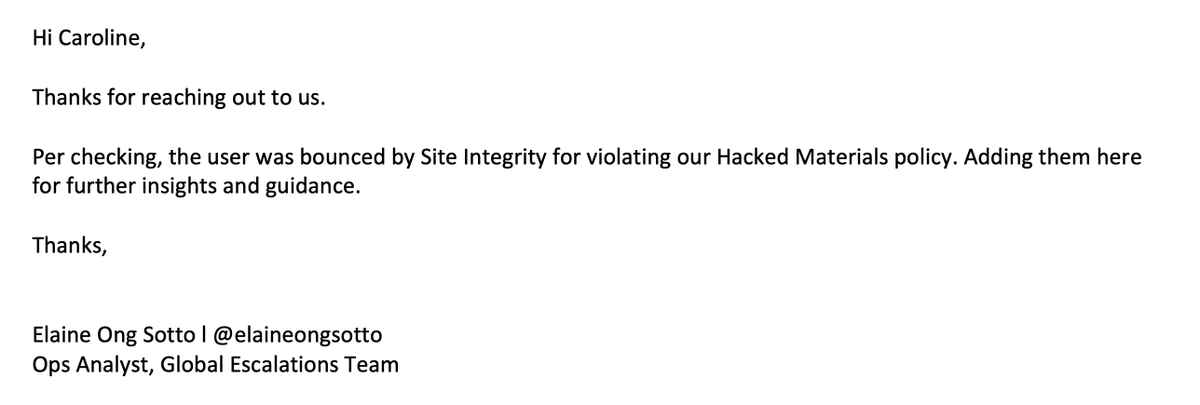
21. Strom’s note returned the answer that the laptop story had been removed for violation of the company’s “hacked materials” policy: web.archive.org/web/2019071714…

21. Strom’s note returned the answer that the laptop story had been removed for violation of the company’s “hacked materials” policy: web.archive.org/web/2019071714…
Matt Taibbi (@mtaibbi) 's Twitter Profile Photo

22. Although several sources recalled hearing about a “general” warning from federal law enforcement that summer about possible foreign hacks, there’s no evidence - that I've seen - of any government involvement in the laptop story. In fact, that might have been the problem...

Matt Taibbi (@mtaibbi) 's Twitter Profile Photo

23. The decision was made at the highest levels of the company, but without the knowledge of CEO Jack Dorsey, with former head of legal, policy and trust Vijaya Gadde playing a key role.

Matt Taibbi (@mtaibbi) 's Twitter Profile Photo

24. “They just freelanced it,” is how one former employee characterized the decision. “Hacking was the excuse, but within a few hours, pretty much everyone realized that wasn’t going to hold. But no one had the guts to reverse it.”

Bari Weiss (@bariweiss) 's Twitter Profile Photo

1. A new #TwitterFiles investigation reveals that teams of Twitter employees build blacklists, prevent disfavored tweets from trending, and actively limit the visibility of entire accounts or even trending topics—all in secret, without informing users.