Global FinPrint (@globalfinprint) 's Twitter Profile
Global FinPrint

@globalfinprint

A worldwide effort to assess coral reef sharks and rays, understand how they affect these vanishing ecosystems, and inform emerging conservation actions.

ID: 3227381012

linkhttp://globalfinprint.org calendar_today26-05-2015 17:38:01

2,2K Tweet

3,3K Takipçi

699 Takip Edilen

Martín Benavides (@selacophile_dad) 's Twitter Profile Photo

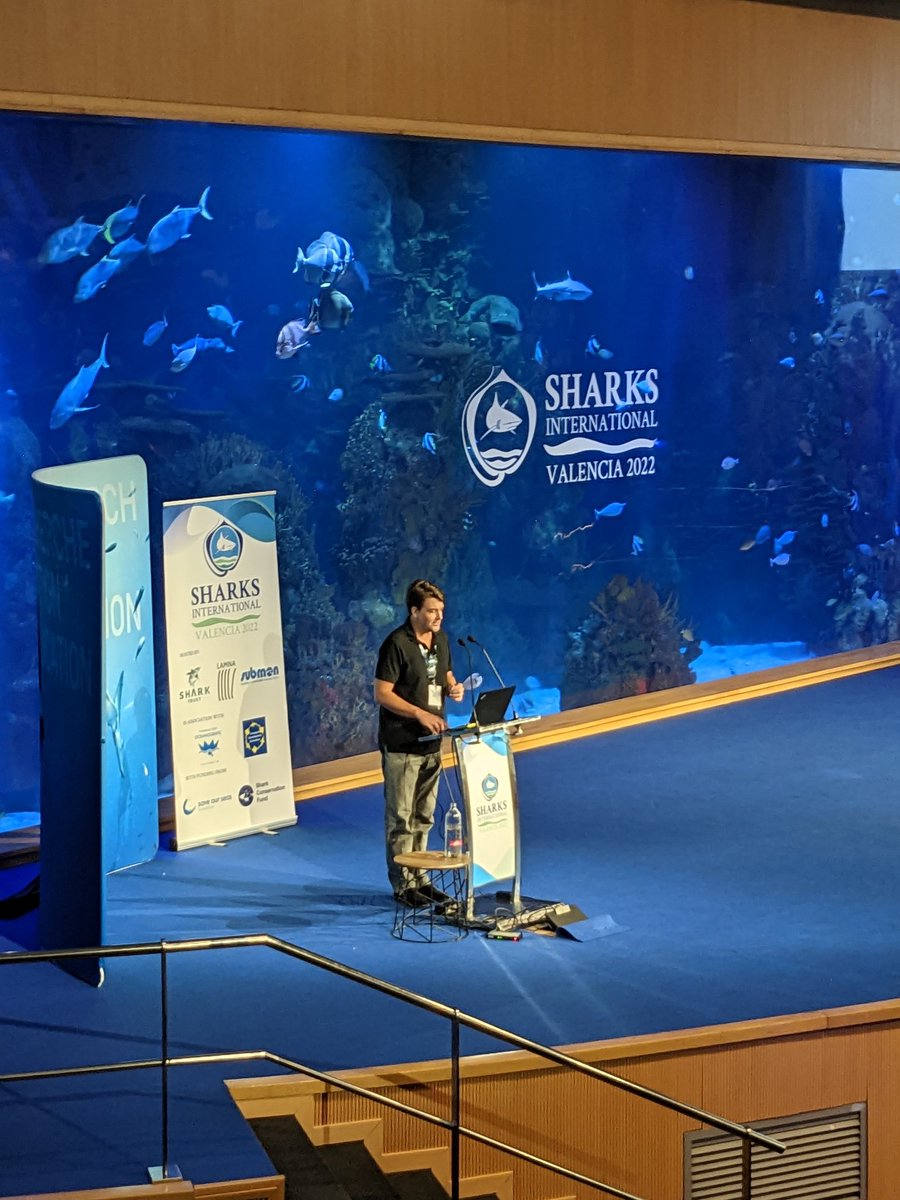
Demian Chapman finished up the first day of talks at #SharksInternational2022 talking about efforts to trace CITES-listed species in the Hong Kong Fin market. With a 🦈 in the background!

Demian Chapman finished up the first day of talks at #SharksInternational2022 talking about efforts to trace CITES-listed species in the Hong Kong Fin market. With a 🦈 in the background!
Aaron B. Judah 🔱 (@seaprinceaaron) 's Twitter Profile Photo

🦈HONOURS THESIS DONE🦈 Excited to have submitted this work supervised by MA MacNeil Matthew McLean Chris Mull Ana Barbosa Martins Global FinPrint today! Very excited for what is to come + thank you everyone for your support #sharkscience #conservation #GlobalFinPrint
🦈HONOURS THESIS DONE🦈 Excited to have submitted this work supervised by <a href="/ma_macneil/">MA MacNeil</a> <a href="/mcleamj/">Matthew McLean</a> <a href="/Drsharkbrain/">Chris Mull</a> <a href="/martins_apb/">Ana Barbosa Martins</a> <a href="/globalfinprint/">Global FinPrint</a> today! Very excited for what is to come + thank you everyone for your support #sharkscience #conservation #GlobalFinPrint
Changing Seas (@changingseas) 's Twitter Profile Photo

Researchers use Baited Remote Underwater Video stations to estimate relative populations of sharks & rays at Glover's Reef Marine Reserve in #Belize. Learn more about the technology that supports their studies. New episode premieres on our YT @ChangingSeasTV, June 21 @ 8:30pm.

WCS (@thewcs) 's Twitter Profile Photo

The 5 main reef shark species have declined globally by 63 percent on average, says a new study co-authored by WCS. Puts them at a much higher risk of extinction than previously thought. Protected areas and fisheries management key to survival. More: bit.ly/3Nw2jtx

The 5 main reef shark species have declined globally by 63 percent on average, says a new study co-authored by <a href="/TheWCS/">WCS</a>. Puts them at a much higher risk of extinction than previously thought. Protected areas and fisheries management key to survival. More: bit.ly/3Nw2jtx
Dino Grandoni (@dino_grandoni) 's Twitter Profile Photo

NEW: A massive survey of nearly 400 reefs worldwide found sharks in serious decline, with key species down 60% -73% Researchers call the results "jaw-dropping" & "frightening," but there's hope: The work shows rules against overfishing do save sharks washingtonpost.com/climate-enviro…

Science Magazine (@sciencemagazine) 's Twitter Profile Photo

Five of the most common shark species living in coral reefs have declined 60% to 73%, according to a massive global study in Science. 📄: scim.ag/31l #SciencePerspective: scim.ag/31k

Five of the most common shark species living in coral reefs have declined 60% to 73%, according to a massive global study in Science. 

📄: scim.ag/31l
#SciencePerspective: scim.ag/31k
Australian Institute of Marine Science (@aims_gov_au) 's Twitter Profile Photo

The Global FinPrint study found populations of #sharks & rays on Australian coral reefs are faring better than the same species on reefs where there is less protection from fishing. Learn more: ow.ly/jFmU50OQ2yh Study led by Colin Simpfendorfer & supported by @PGAFamilyFdn
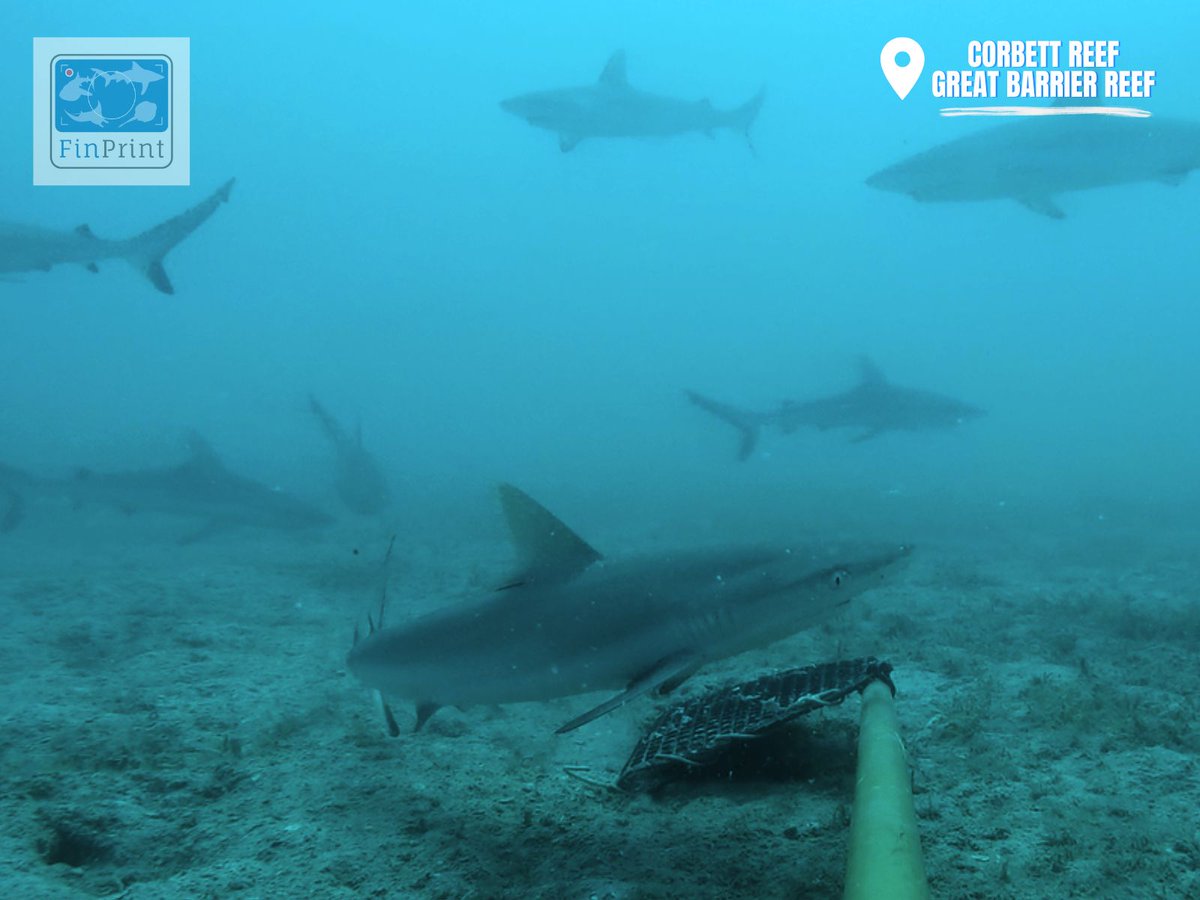

The <a href="/globalfinprint/">Global FinPrint</a> study found populations of #sharks &amp; rays on Australian coral reefs are faring better than the same species on reefs where there is less protection from fishing.

Learn more: ow.ly/jFmU50OQ2yh

Study led by <a href="/SharkColin/">Colin Simpfendorfer</a> &amp; supported by @PGAFamilyFdn
Elizabeth Claire Alberts (@ecalberts) 's Twitter Profile Photo

A new study found that five key reef shark species — gray, blacktip, whitetip, and Caribbean reef sharks, and nurse sharks — declined by 60-73% worldwide. Latest for Mongabay news.mongabay.com/2023/06/severa…

Kennedy Osuka (@kenosuka) 's Twitter Profile Photo

🦈BREAKING NEWS🚨 Reef sharks face #extinction risk, warns our new study led by Colin Simpfendorfer in SCIENCE #Overfishing is driving a staggering 63% global decline. Urgent action through enhanced #fisheriesmanagement & establishment of MPAs needed. 🌊🔒🦈 science.org/doi/10.1126/sc…
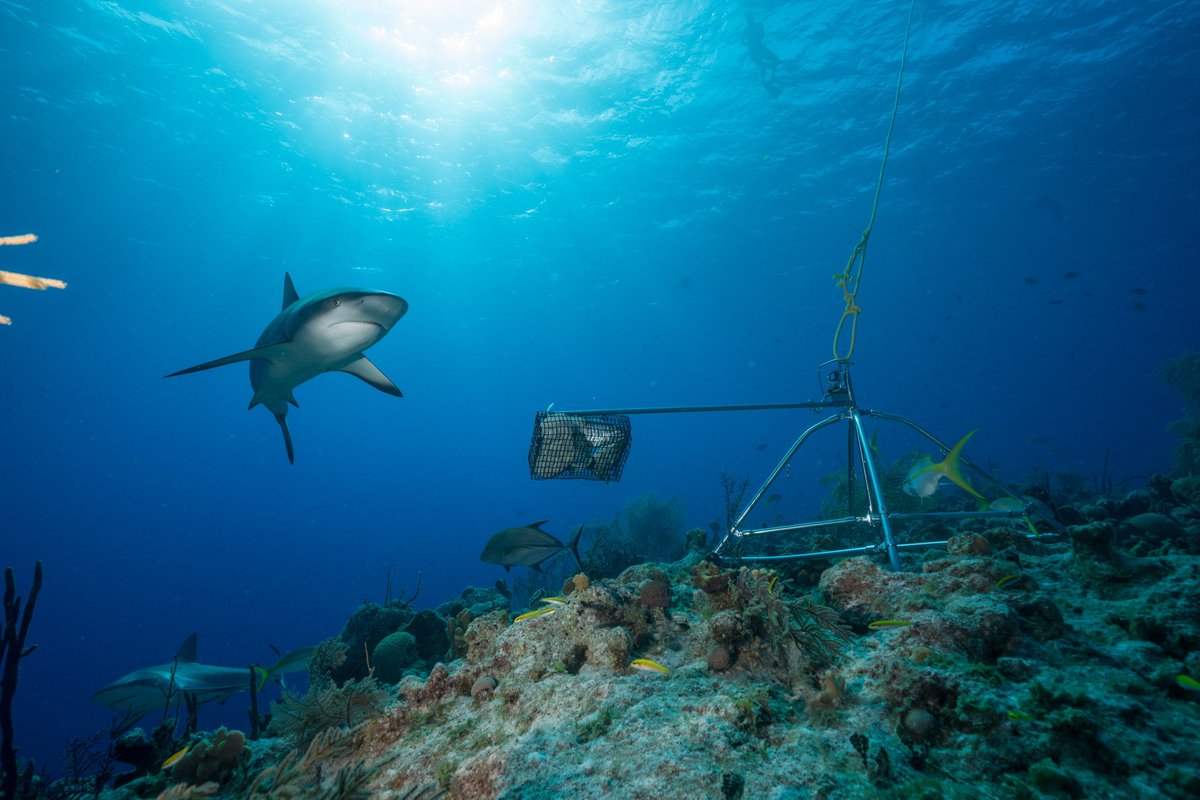

🦈BREAKING NEWS🚨 Reef sharks face #extinction risk, warns our new study led by <a href="/SharkColin/">Colin Simpfendorfer</a> in SCIENCE

#Overfishing is driving a staggering 63% global decline. Urgent action through enhanced #fisheriesmanagement &amp; establishment of MPAs needed.  🌊🔒🦈 
science.org/doi/10.1126/sc…
Mote Marine Laboratory & Aquarium (@motemarinelab) 's Twitter Profile Photo

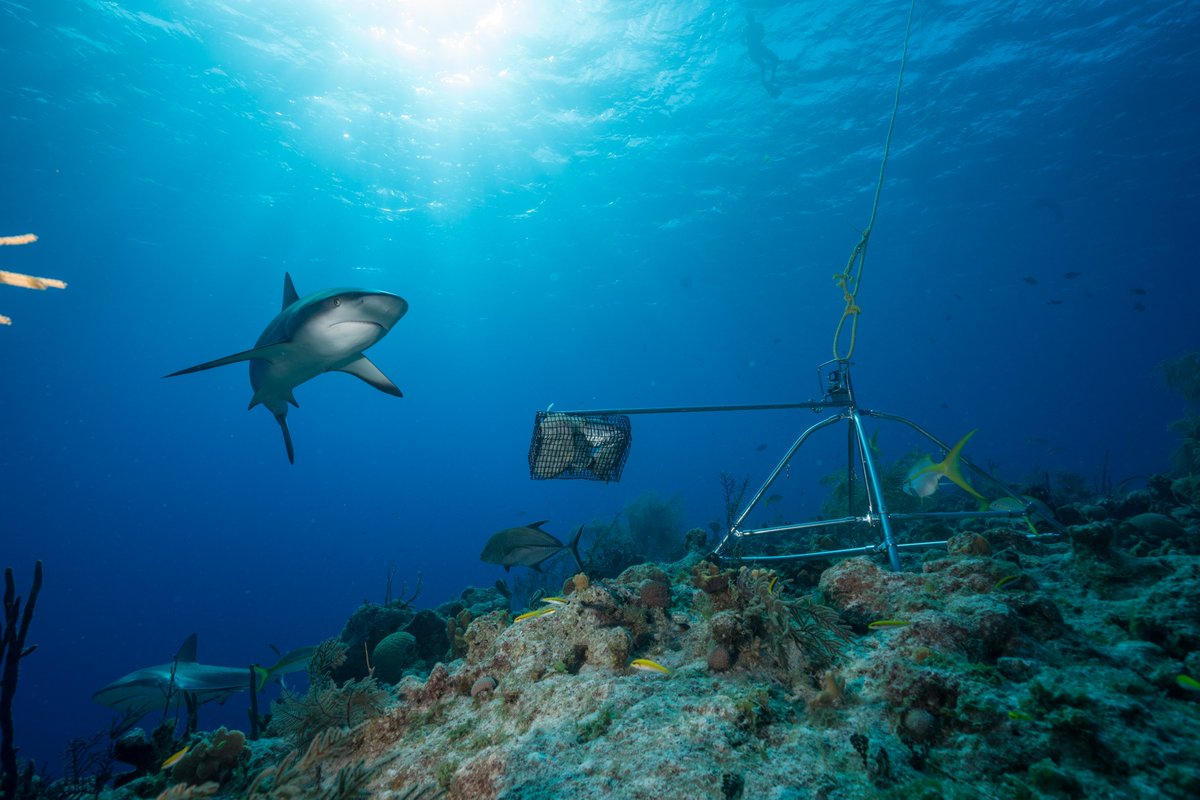
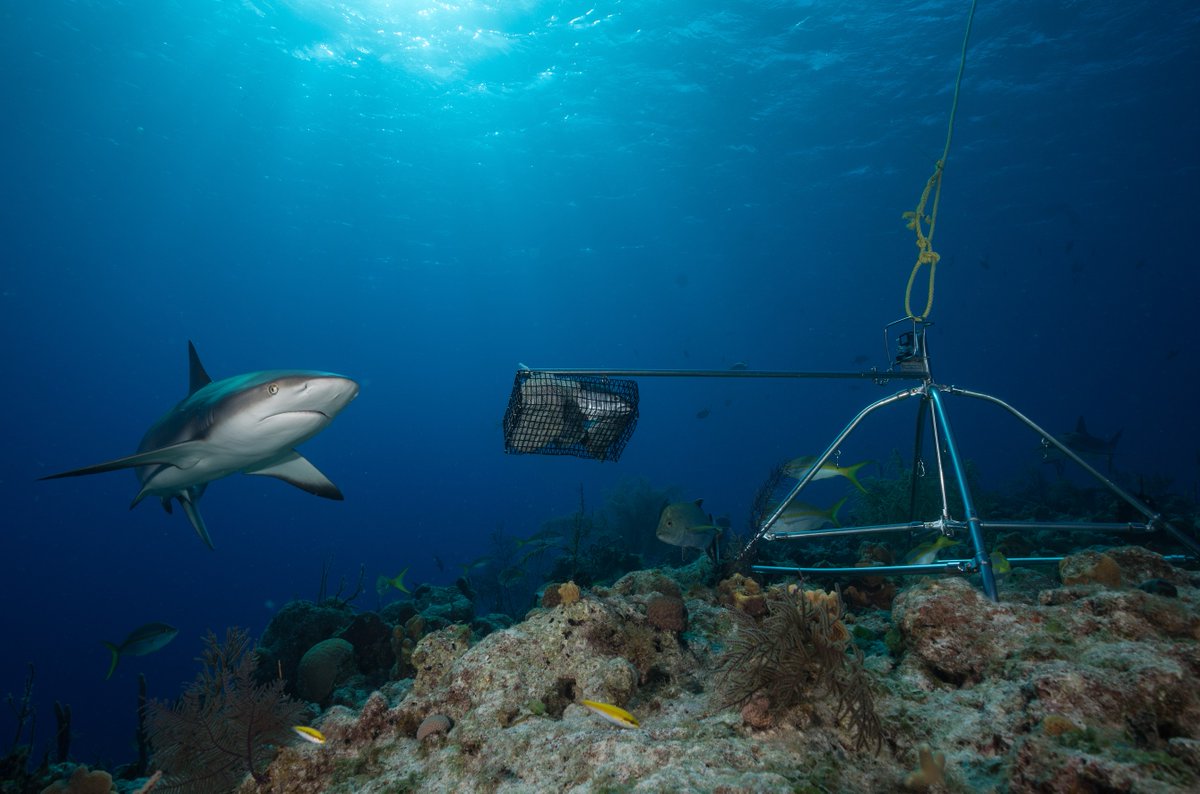
Overfishing is driving reef sharks toward extinction, according to new study published today in @sciencemagazine 🦈🔬Our lead scientist of Global FinPrint, Demian Chapman, says conserving reef sharks can help people too. Read more at science.org Photo by Andy Mann

Overfishing is driving reef sharks toward extinction, according to new study published today in @sciencemagazine 🦈🔬Our lead scientist of Global FinPrint, Demian Chapman, says conserving reef sharks can help people too. Read more at science.org
Photo by Andy Mann
Jordan Goetze (@jgertza) 's Twitter Profile Photo

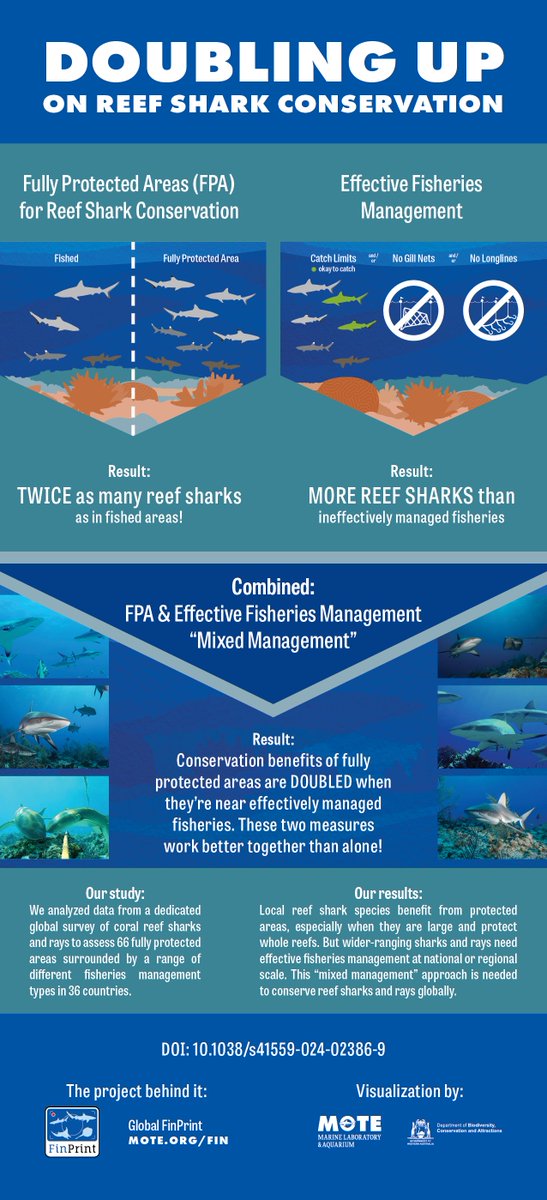
New paper: Fully protected areas that are large and cover whole reefs provide conservation benefits for reef sharks🦈 Benefits DOUBLE when embedded within areas of effective fisheries management‼️ This "mixed management" approach boosts global conservation of elasmobranchs🦈

New paper: Fully protected areas that are large and cover whole reefs provide conservation benefits for reef sharks🦈 Benefits DOUBLE when embedded within areas of effective fisheries management‼️

This "mixed management" approach boosts global conservation of elasmobranchs🦈