Phantom Flow (@getphantomflow) 's Twitter Profile
Phantom Flow

@getphantomflow

We help everyday traders see the market clearly.
getphantomflow.com

ID: 1871897173396500480

linkhttps://getphantomflow.com calendar_today25-12-2024 12:34:08

151 Tweet

582 Followers

4 Following
Phantom Flow (@getphantomflow) 's Twitter Profile Photo

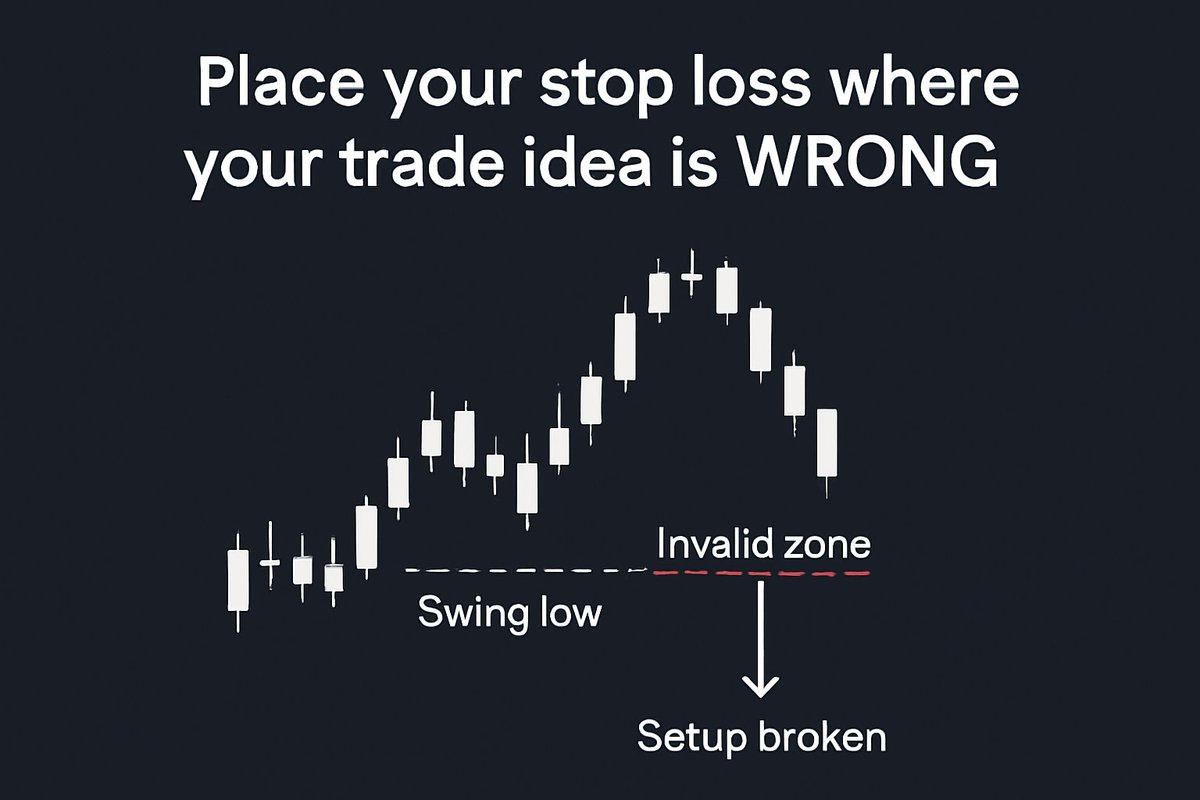
Most traders place their stop loss at a random number below entry. That's why they keep getting stopped out right before the move happens. A stop loss should go where your trade idea is WRONG — usually just below a swing low or key level. If price breaks that point, the setup

Most traders place their stop loss at a random number below entry.

That's why they keep getting stopped out right before the move happens.

A stop loss should go where your trade idea is WRONG — usually just below a swing low or key level.

If price breaks that point, the setup
Phantom Flow (@getphantomflow) 's Twitter Profile Photo

The first 30 minutes of any trading session are the most deceptive. Price is still reacting to overnight orders, news, and stops being triggered. It looks like a move — but it's often just noise clearing out. A lot of experienced traders wait until the dust settles before they

Phantom Flow (@getphantomflow) 's Twitter Profile Photo

Ever wonder why price spikes below a key level and then immediately reverses? That's a stop hunt. Large players know where retail traders put their stops — just below support, just above resistance. They push price into those zones, trigger the stops, collect the liquidity,

Phantom Flow (@getphantomflow) 's Twitter Profile Photo

Two market conditions every trader needs to know: Trending — price makes higher highs and higher lows (uptrend), or lower lows and lower highs (downtrend). Momentum strategies work well here. Ranging — price bounces between two levels without going anywhere. Breakout strategies

Phantom Flow (@getphantomflow) 's Twitter Profile Photo

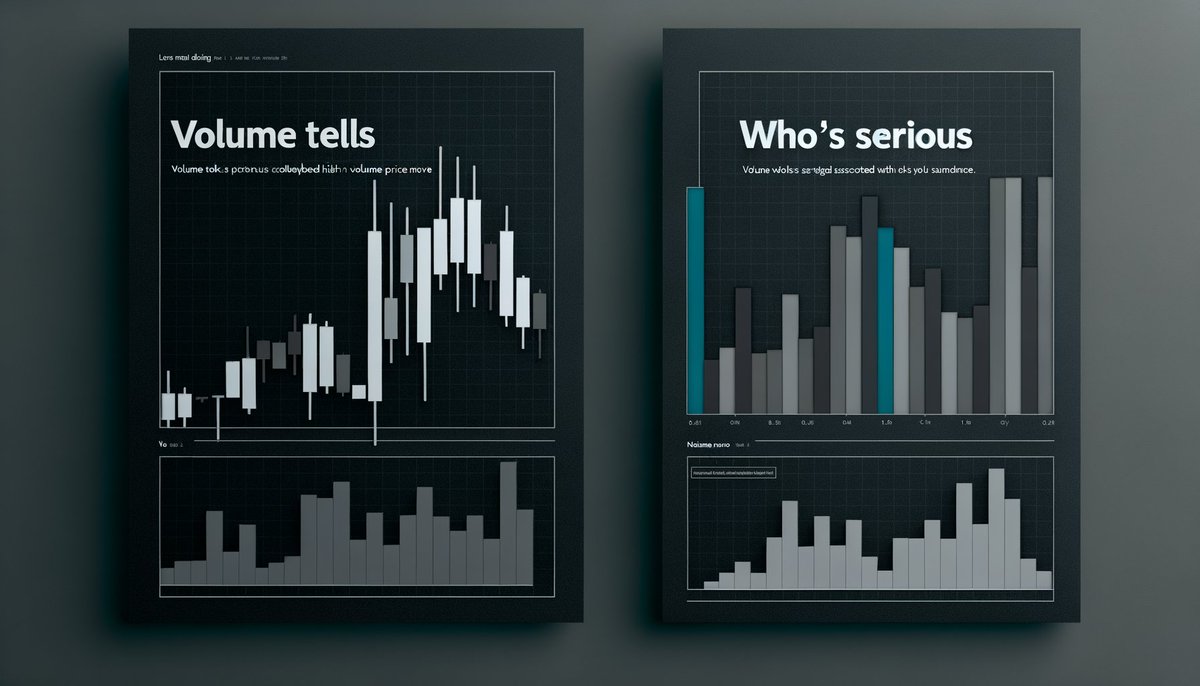
Volume is one of the most overlooked tools on a chart. When price makes a big move on high volume, that's real — institutions are involved. When price moves on low volume, it's often just noise. A fake-out waiting to happen. Big move + low volume = be skeptical. Big move +

Volume is one of the most overlooked tools on a chart.

When price makes a big move on high volume, that's real — institutions are involved.

When price moves on low volume, it's often just noise. A fake-out waiting to happen.

Big move + low volume = be skeptical. Big move +
Phantom Flow (@getphantomflow) 's Twitter Profile Photo

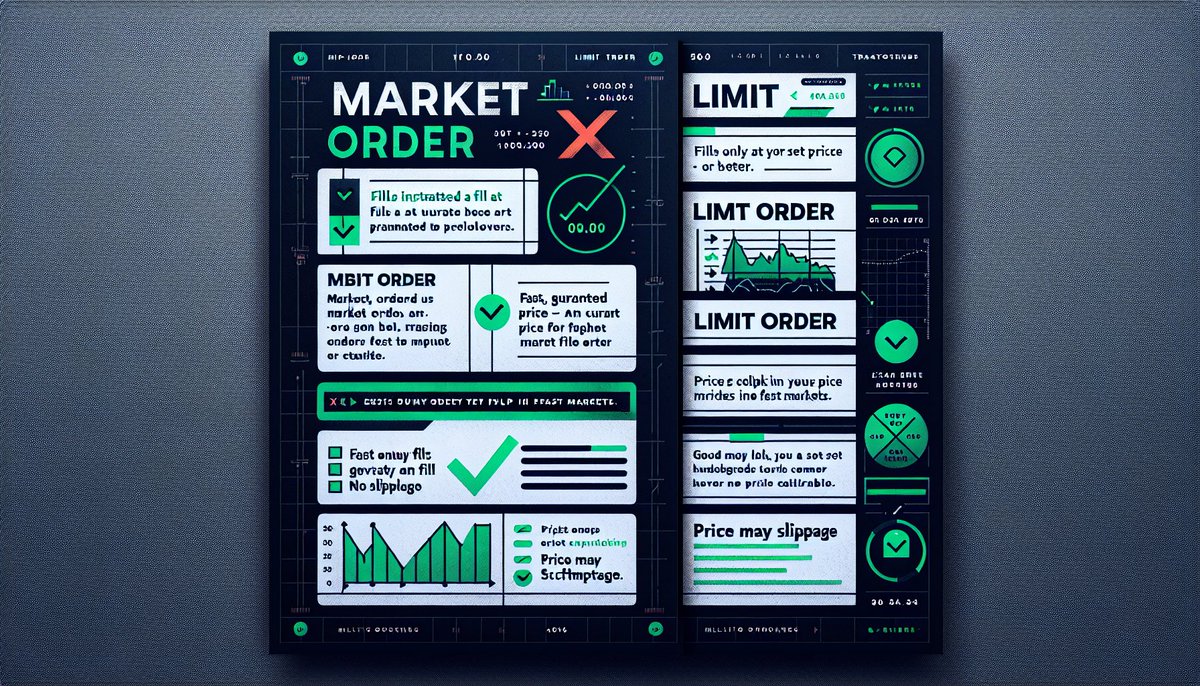
There are two ways to enter any trade. Most beginners only know one. Market order — fills immediately at whatever the current price is. Fast. Guaranteed. But in a fast-moving market, you might not get the price you saw. Limit order — fills only at your specified price or

There are two ways to enter any trade. Most beginners only know one.

Market order — fills immediately at whatever the current price is. Fast. Guaranteed. But in a fast-moving market, you might not get the price you saw.

Limit order — fills only at your specified price or
Phantom Flow (@getphantomflow) 's Twitter Profile Photo

Slippage is why your trade fills at a different price than you expected. Here's when it happens: you place a market order, but by the time it processes, price has already moved. It's most common during news releases and low-liquidity hours. A $0.10 slip per trade might seem

Slippage is why your trade fills at a different price than you expected.

Here's when it happens: you place a market order, but by the time it processes, price has already moved.

It's most common during news releases and low-liquidity hours. A $0.10 slip per trade might seem
Phantom Flow (@getphantomflow) 's Twitter Profile Photo

Most traders use fixed stops. A trailing stop is different. Instead of staying at one price, it moves with you as the trade goes in your favor — and locks in at the highest point reached. Price rises $0.50? Your stop rises $0.50. If price then reverses, the stop holds and exits

Most traders use fixed stops. A trailing stop is different.

Instead of staying at one price, it moves with you as the trade goes in your favor — and locks in at the highest point reached.

Price rises $0.50? Your stop rises $0.50. If price then reverses, the stop holds and exits
Phantom Flow (@getphantomflow) 's Twitter Profile Photo

"Pip" sounds like jargon. Here's what it actually means: A pip is the smallest standard price movement in forex. EUR/USD moves from 1.0835 to 1.0836? That's 1 pip. JPY pairs: USD/JPY moves from 148.50 to 148.51? Also 1 pip. Why it matters: pip value tells you exactly how much

Phantom Flow (@getphantomflow) 's Twitter Profile Photo

Hold a forex trade past midnight and something happens that most beginners don't know about: you either earn or pay a small fee called a swap (or rollover). It's based on the interest rate difference between the two currencies you're trading. Some pairs pay you to hold. Others

Phantom Flow (@getphantomflow) 's Twitter Profile Photo

Confirmation bias is one of the sneakiest trading mistakes. You have a gut feeling price is going up. So you start looking for reasons to go long — and ignoring everything pointing the other way. The chart didn't tell you to buy. You decided to buy, then asked the chart to

Phantom Flow (@getphantomflow) 's Twitter Profile Photo

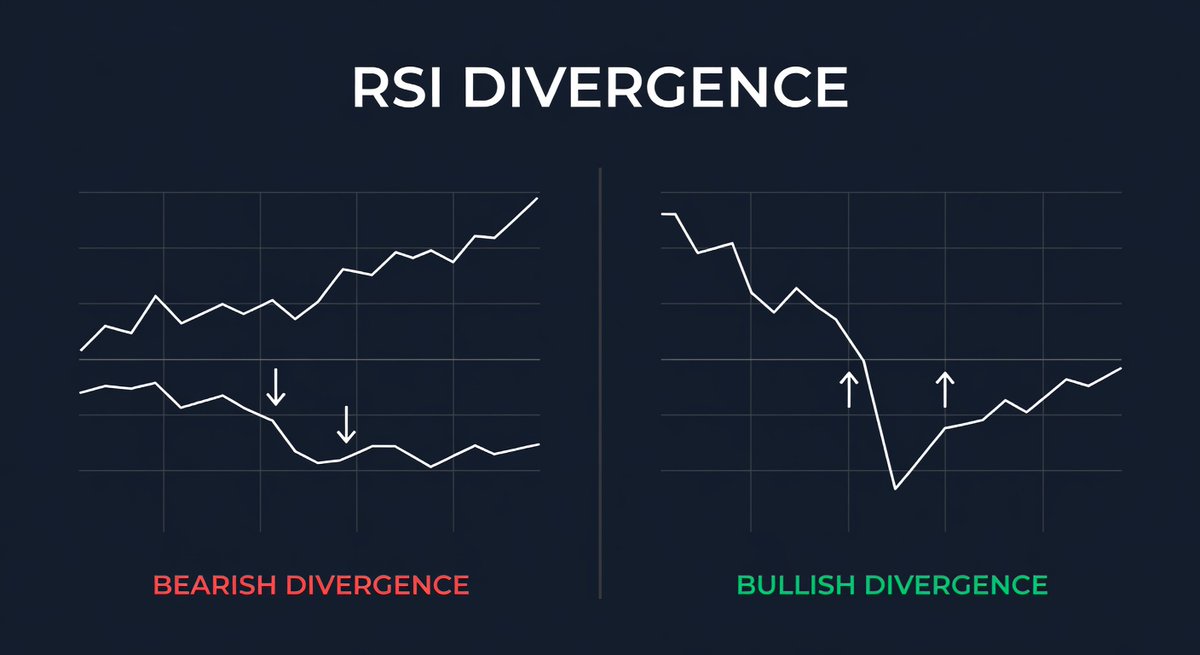
RSI divergence is one of those concepts that sounds complicated but is actually pretty intuitive. When price makes a new high but RSI makes a lower high — the momentum behind the move is fading. That's bearish divergence. When price makes a new low but RSI makes a higher low —

RSI divergence is one of those concepts that sounds complicated but is actually pretty intuitive.

When price makes a new high but RSI makes a lower high — the momentum behind the move is fading. That's bearish divergence.

When price makes a new low but RSI makes a higher low —
Phantom Flow (@getphantomflow) 's Twitter Profile Photo

Before you enter any trade, check what the higher timeframe is doing. If the daily chart is in a clear downtrend, taking long trades on the 15-minute chart is swimming against the current. You might win a few — but you're fighting the bigger picture. Higher timeframe = the

Phantom Flow (@getphantomflow) 's Twitter Profile Photo

There are 3 main ways to trade. Most beginners don't realize they're choosing between them. Scalping — in and out in minutes. Dozens of trades a day. Needs constant attention and fast execution. Swing trading — hold for a few hours to a few days. Fewer decisions, but patience

There are 3 main ways to trade. Most beginners don't realize they're choosing between them.

Scalping — in and out in minutes. Dozens of trades a day. Needs constant attention and fast execution.

Swing trading — hold for a few hours to a few days. Fewer decisions, but patience
Phantom Flow (@getphantomflow) 's Twitter Profile Photo

Most traders discover economic calendars after a surprise move wipes their trade. Here's how to use one before that happens: Every Sunday, check the week's high-impact events — CPI, NFP, rate decisions, GDP. Those are the moments when spreads widen, volatility spikes, and your

Most traders discover economic calendars after a surprise move wipes their trade.

Here's how to use one before that happens:

Every Sunday, check the week's high-impact events — CPI, NFP, rate decisions, GDP.

Those are the moments when spreads widen, volatility spikes, and your
Phantom Flow (@getphantomflow) 's Twitter Profile Photo

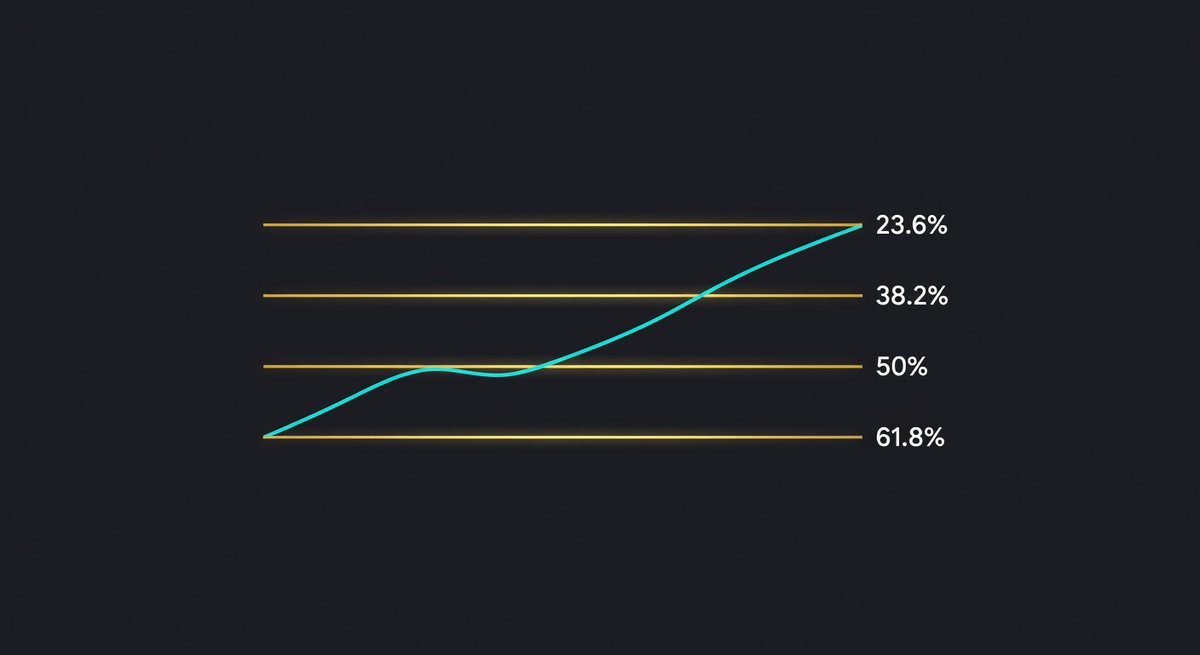
Fibonacci retracements sound complicated. Here's how they actually work. When price makes a big move, it rarely goes straight. It pauses, pulls back, then continues. Fibonacci levels mark the most common pullback zones: 23.6%, 38.2%, 50%, 61.8%. Why those numbers? They come

Fibonacci retracements sound complicated. Here's how they actually work.

When price makes a big move, it rarely goes straight. It pauses, pulls back, then continues.

Fibonacci levels mark the most common pullback zones: 23.6%, 38.2%, 50%, 61.8%.

Why those numbers? They come
Phantom Flow (@getphantomflow) 's Twitter Profile Photo

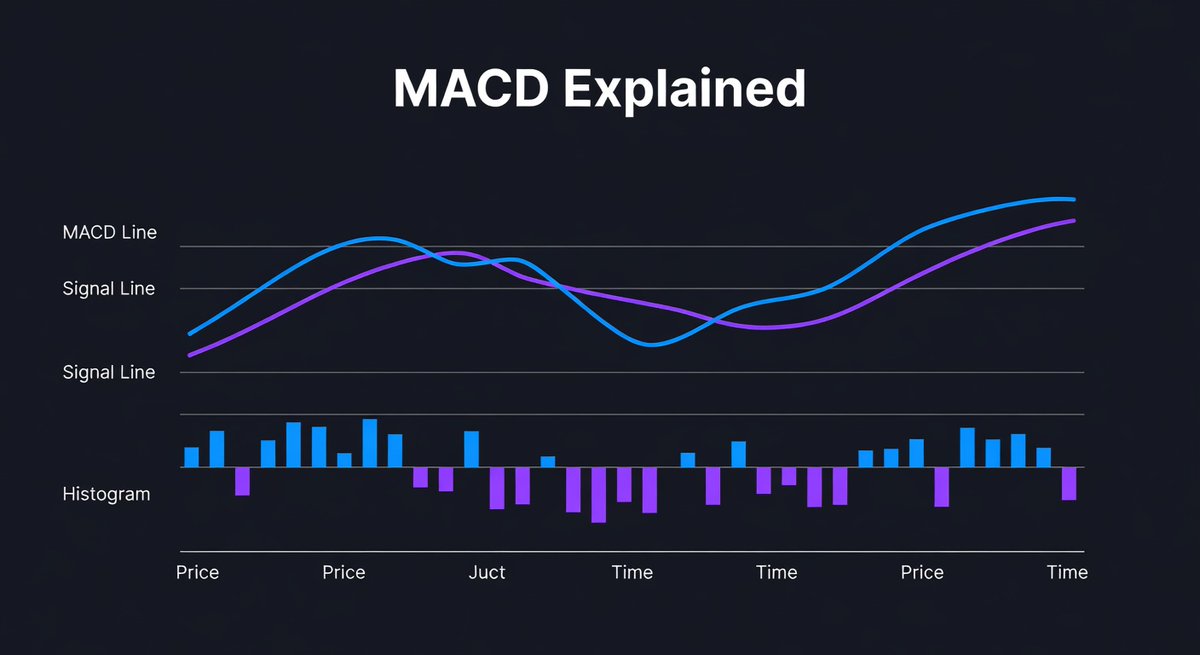
MACD is one of the most popular indicators out there - but most people don't actually know what it's measuring. Here's the simple version: MACD = the gap between a fast moving average (12-period) and a slow one (26-period). When the MACD line crosses above the signal line,

MACD is one of the most popular indicators out there - but most people don't actually know what it's measuring.

Here's the simple version:

MACD = the gap between a fast moving average (12-period) and a slow one (26-period).

When the MACD line crosses above the signal line,
Phantom Flow (@getphantomflow) 's Twitter Profile Photo

Here's why trading less often leads to better results: Every setup has a quality score — even if you've never thought of it that way. High-quality setup: trend confirmed, key level present, multiple signals agree, risk is clearly defined. Low-quality setup: one signal, unclear