Gene Of The Day (@geneoftheday) 's Twitter Profile
Gene Of The Day

@geneoftheday

Tweeting new genes with disease and phenotype associations. Data from the @IMPC & human disease models. #GeneOfTheDay

ID: 993869736399327232

linkhttp://mousephenotype.org calendar_today08-05-2018 15:06:25

638 Tweet

2,2K Takipçi

1,1K Takip Edilen

Gene Of The Day (@geneoftheday) 's Twitter Profile Photo

Today's #GeneOfTheDay is #Six1. Human diseases associated with this gene include Bor Syndrome. Mice with this gene inactivated exhibit abnormal spleen morphology, prolonged RR interval and preweaning lethality. More data here: bit.ly/Six1Gene

Today's #GeneOfTheDay is #Six1. Human diseases associated with this gene include Bor Syndrome. Mice with this gene inactivated exhibit abnormal spleen morphology, prolonged RR interval and preweaning lethality. More data here: bit.ly/Six1Gene
Gene Of The Day (@geneoftheday) 's Twitter Profile Photo

Today's #GeneOfTheDay is #Pcm1. Human diseases predicted to be associated with this gene include Griscelli Syndrome. Mice with this gene inactivated exhibit abnormal cranium morphology, decreased body length and increased startle reflex. More data here: bit.ly/Pcm1Gene

Today's #GeneOfTheDay is #Pcm1. Human diseases predicted to be associated with this gene include Griscelli Syndrome. Mice with this gene inactivated exhibit abnormal cranium morphology, decreased body length and increased startle reflex. More data here: bit.ly/Pcm1Gene
Gene Of The Day (@geneoftheday) 's Twitter Profile Photo

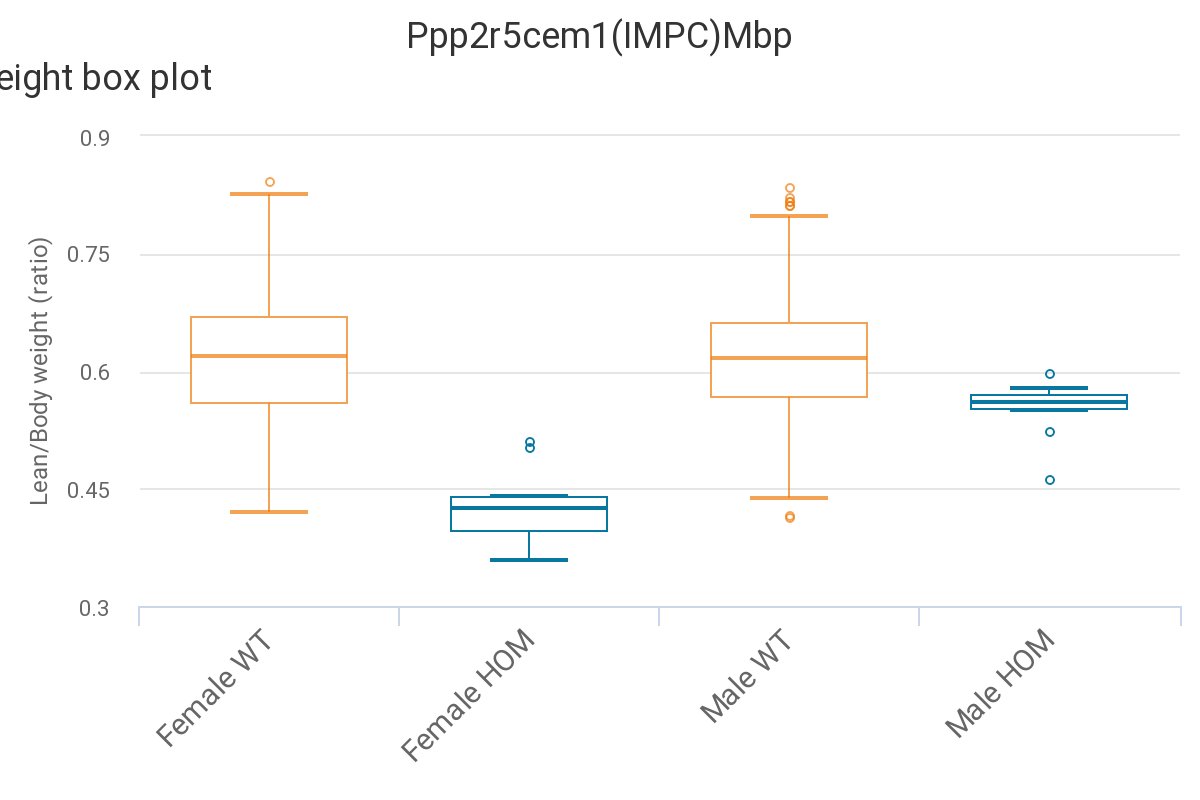
Today's #GeneOfTheDay is #Ppp2r5c. Human diseases predicted to be associated include Hemoglobin D Disease. Mice with this gene inactivated exhibit decreased lean body mass, increased neutrophil cell number, and abnormal placement of pupils. More data here: bit.ly/Ppp2r5cGene

Today's #GeneOfTheDay is #Ppp2r5c. Human diseases predicted to be associated include Hemoglobin D Disease. Mice with this gene inactivated exhibit decreased lean body mass, increased neutrophil cell number, and abnormal placement of pupils. More data here: bit.ly/Ppp2r5cGene
Gene Of The Day (@geneoftheday) 's Twitter Profile Photo

Today's #GeneOfTheDay is #Ctsa. Human disease associations include Galactosialidosis. Mice with this gene inactivated exhibit heart phenotypes, eg. prolonged RR interval, thrombocytopenia, increased spleen weight and abnormalities in locomotor behavior. bit.ly/CtsaGene

Today's #GeneOfTheDay is #Ctsa. Human disease associations include Galactosialidosis. Mice with this gene inactivated exhibit heart phenotypes, eg. prolonged RR interval, thrombocytopenia, increased spleen weight and abnormalities in locomotor behavior. bit.ly/CtsaGene
Gene Of The Day (@geneoftheday) 's Twitter Profile Photo

Today's #GeneOfTheDay is #Agl. Human diseases associated include Glycogen Storage Disease Iii. Mice with inactivated Agl exhibit increased heart weight, increased circulating alanine transaminase level and increased lean body mass. More data here: bit.ly/AglGene

Today's #GeneOfTheDay is #Agl. Human diseases associated include Glycogen Storage Disease Iii. Mice with inactivated Agl exhibit increased heart weight, increased circulating alanine transaminase level and increased lean body mass. More data here: bit.ly/AglGene
Gene Of The Day (@geneoftheday) 's Twitter Profile Photo

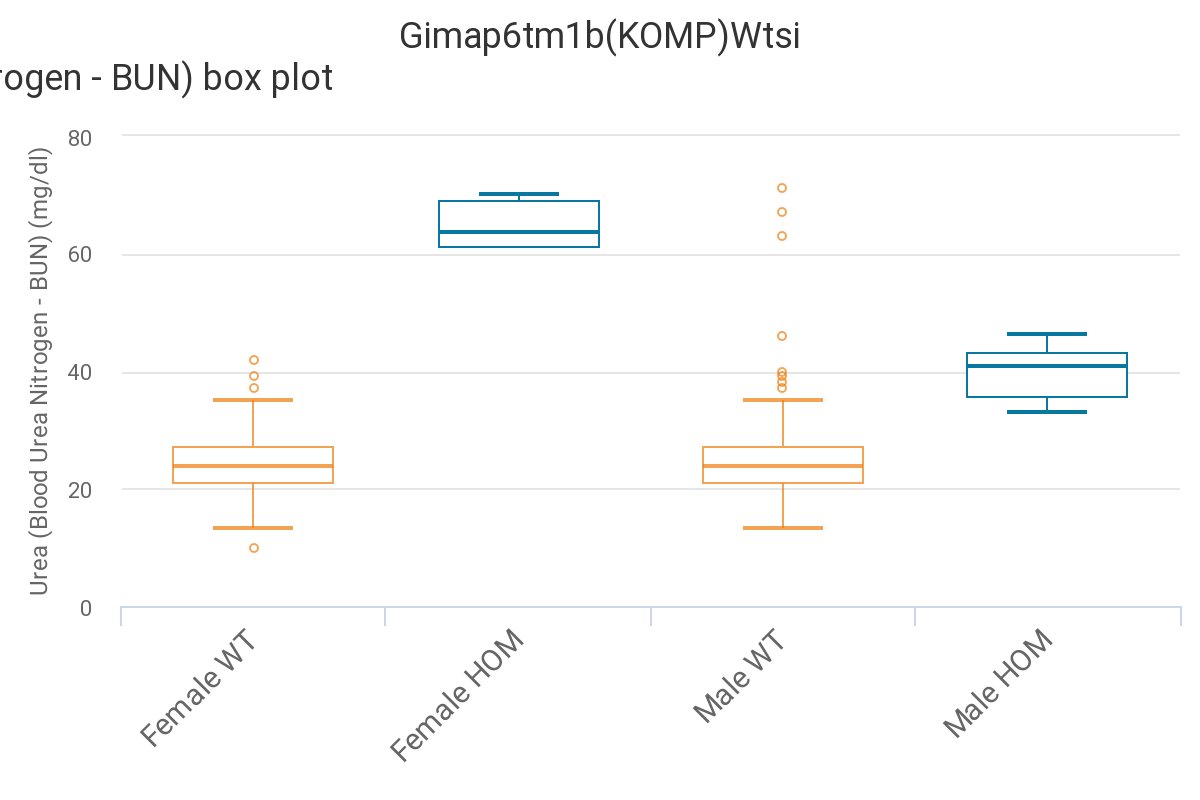
Today's #GeneOfTheDay is #Gimap6.Human diseases predicted to be associated include Hemoglobin E/β-thalassemia Syndrome.Mice with inactivated gene exhibit increased blood urea nitrogen level, decreased mean corpuscular volume and increased heart weight.More:bit.ly/Gimap6Gene

Today's #GeneOfTheDay is #Gimap6.Human diseases predicted to be associated include Hemoglobin E/β-thalassemia Syndrome.Mice with inactivated gene exhibit increased blood urea nitrogen level, decreased mean corpuscular volume and increased heart weight.More:bit.ly/Gimap6Gene
Gene Of The Day (@geneoftheday) 's Twitter Profile Photo

Today's #GeneOfTheDay is #Epg5. Human diseases associated with this gene include Vici Syndrome. Mice with this gene inactivated exhibit increased circulating alanine transaminase level, tremors and hyperactivity. More data here: bit.ly/Epg5Gene

Today's #GeneOfTheDay is #Epg5. Human diseases associated with this gene include Vici Syndrome. Mice with this gene inactivated exhibit increased circulating alanine transaminase level, tremors and hyperactivity. More data here: bit.ly/Epg5Gene
Gene Of The Day (@geneoftheday) 's Twitter Profile Photo

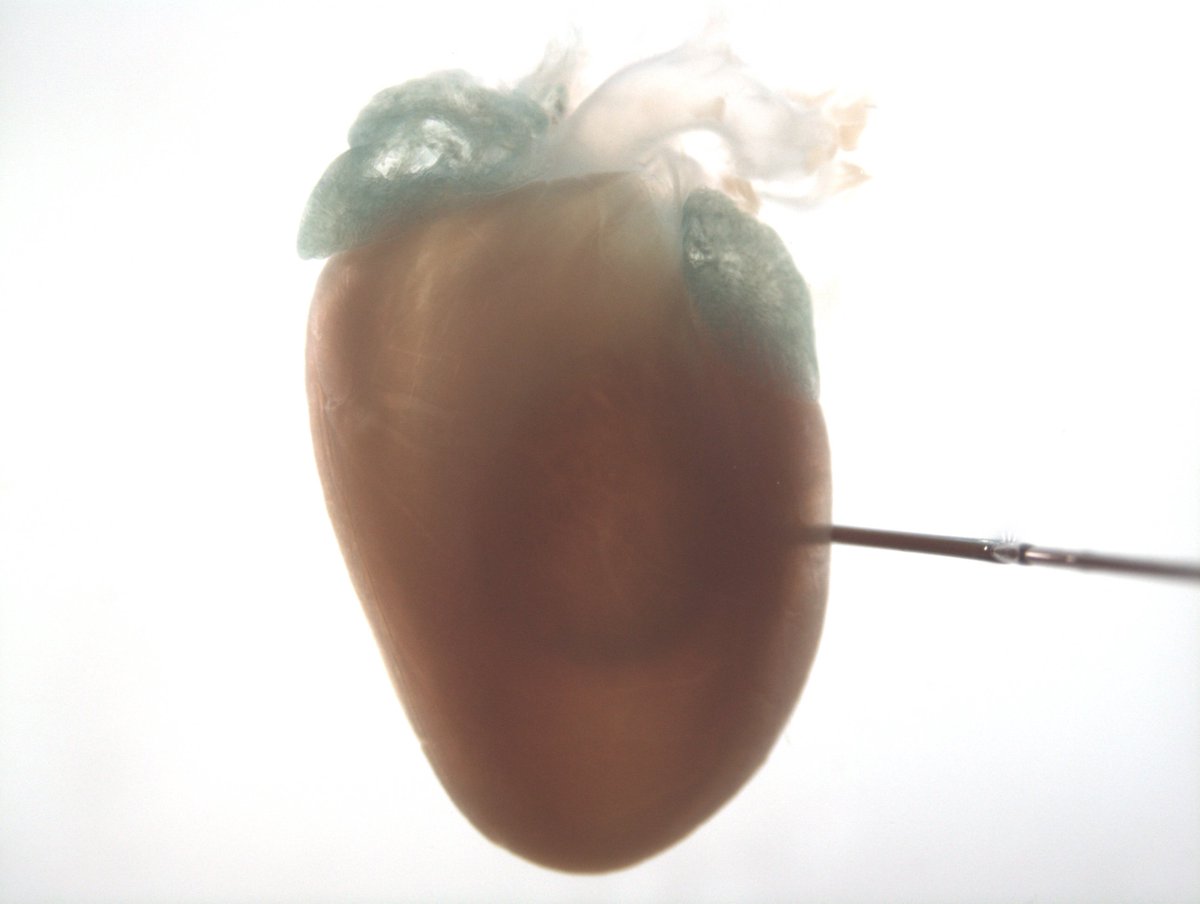
Today's #GeneOfTheDay is #Fsd2. Human diseases predicted to be associated include Brugada Syndrome. Mice with Fsd2 inactivated exhibit several abnormalities in heart and eye phenotypes, including increased heart weight and corneal opacity. More data here: bit.ly/Fsd2Gene

Today's #GeneOfTheDay is #Fsd2. Human diseases predicted to be associated include Brugada Syndrome. Mice with Fsd2 inactivated exhibit several abnormalities in heart and eye phenotypes, including increased heart weight and corneal opacity. More data here: bit.ly/Fsd2Gene
Gene Of The Day (@geneoftheday) 's Twitter Profile Photo

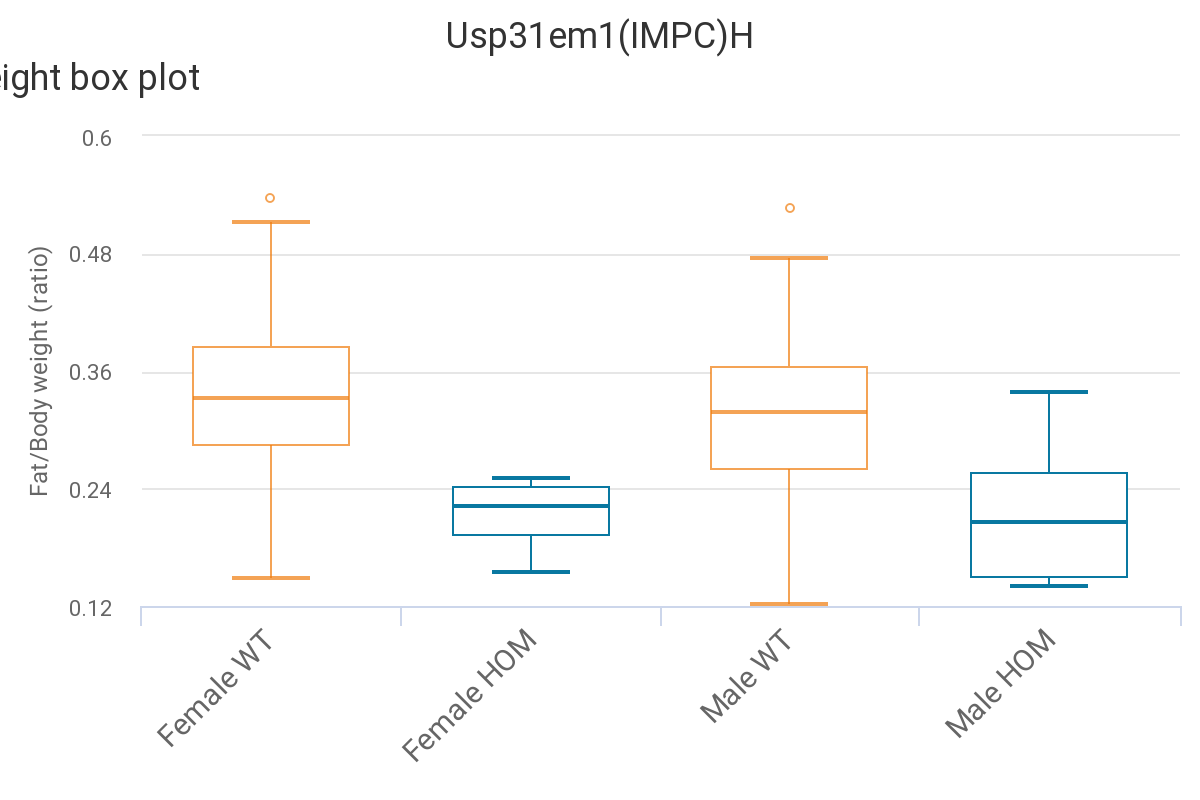
Today's #GeneOfTheDay is #Usp31. Human diseases predicted to be associated with Usp31 include Episodic Ataxia. Mice with Usp31 inactivated exhibit decreased total body fat amount, decreased startle reflex and increased basophil cell number. More data here:bit.ly/Usp31Gene

Today's #GeneOfTheDay is #Usp31. Human diseases predicted to be associated with Usp31 include Episodic Ataxia. Mice with Usp31 inactivated exhibit decreased total body fat amount, decreased startle reflex and increased basophil cell number. More data here:bit.ly/Usp31Gene
Gene Of The Day (@geneoftheday) 's Twitter Profile Photo

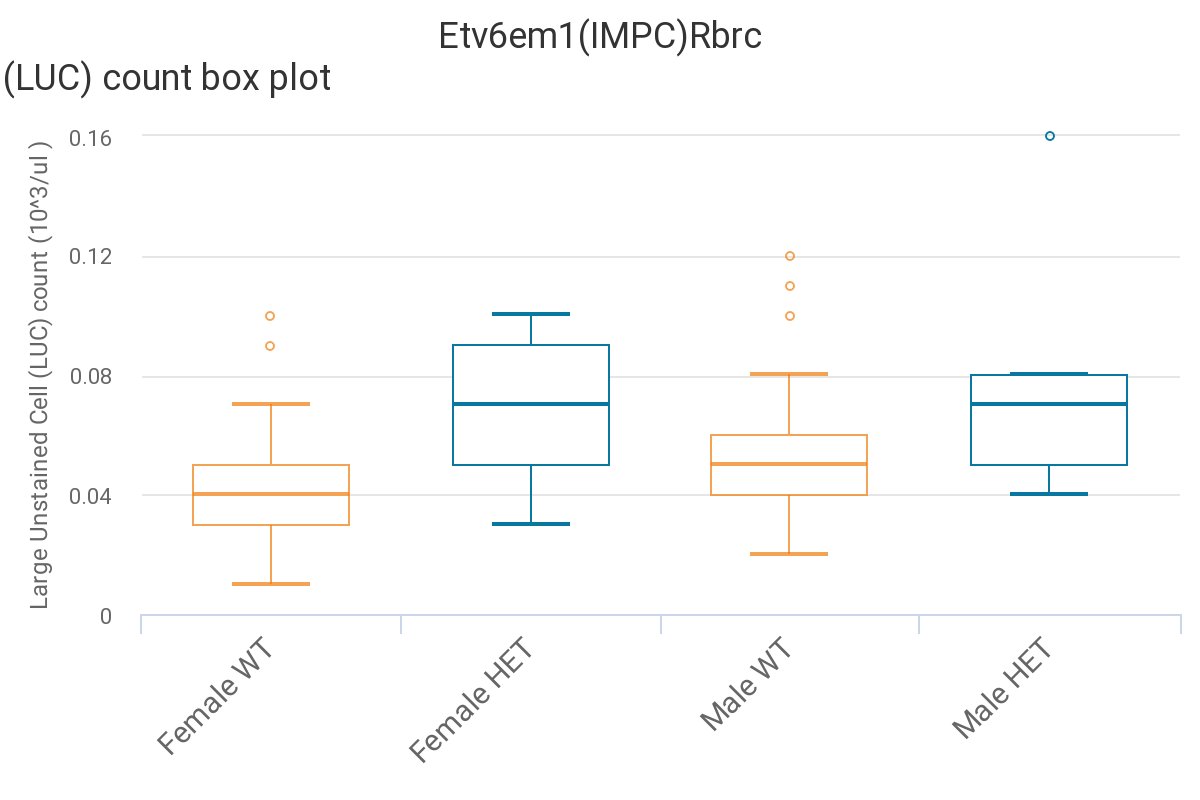
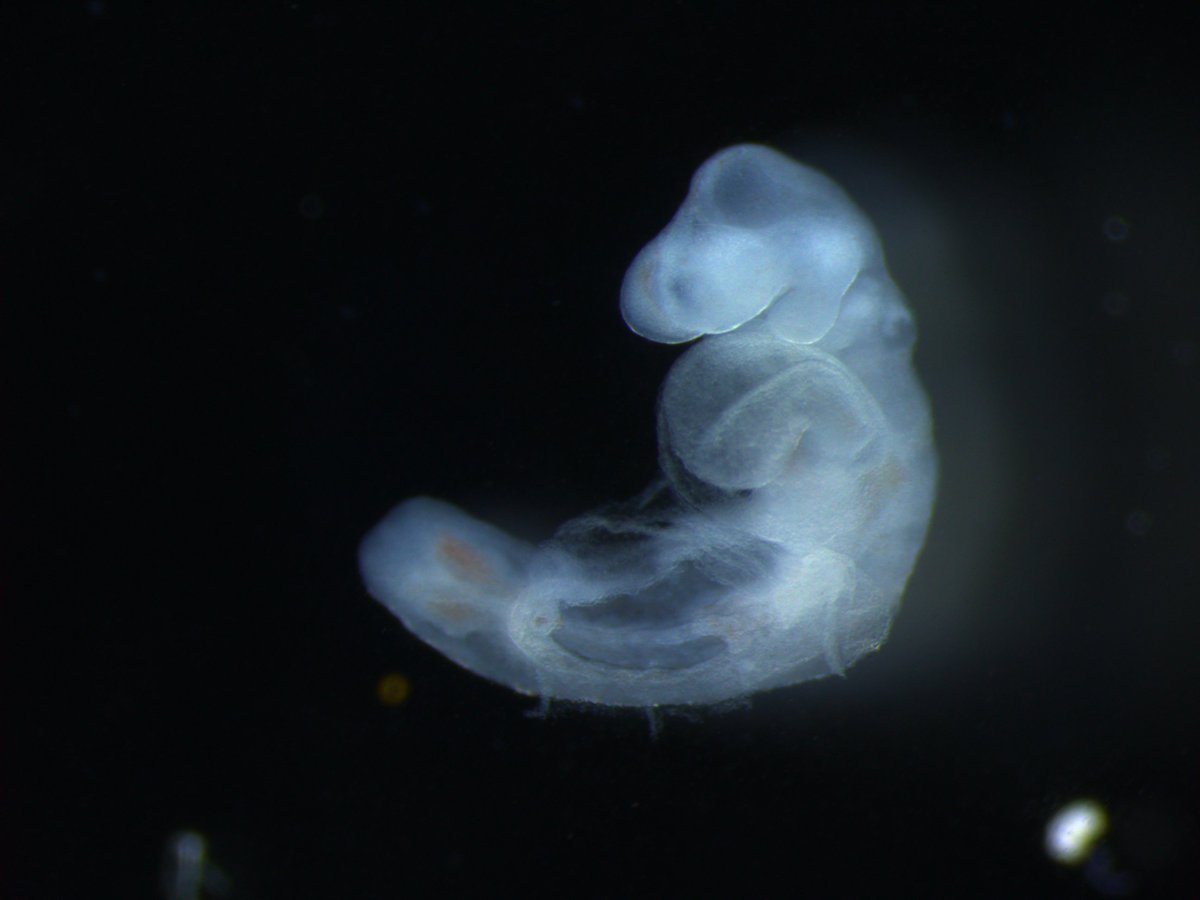
Today's #GeneOfTheDay is #Etv6. Human diseases associated with this gene include Leukaemia, Acute Myeloid. Mice with this gene inactivated exhibit abnormal heart morphology, decreased circulating cholesterol level and preweaning lethality. More data here: bit.ly/Etv6Gene

Today's #GeneOfTheDay is #Etv6. Human diseases associated with this gene include Leukaemia, Acute Myeloid. Mice with this gene inactivated exhibit abnormal heart morphology, decreased circulating cholesterol level and preweaning lethality. More data here: bit.ly/Etv6Gene
Gene Of The Day (@geneoftheday) 's Twitter Profile Photo

Today's #GeneOfTheDay is #Nog. Human diseases associated include Proximal symphalangism-1A. Mice with Nog inactivated exhibit abnormal neural tube morphology, abnormal bone structure, and increased circulating alkaline phosphatase level. More data here: bit.ly/NogGene

Today's #GeneOfTheDay is #Nog. Human diseases associated include Proximal symphalangism-1A. Mice with Nog inactivated exhibit abnormal neural tube morphology, abnormal bone structure, and increased circulating alkaline phosphatase level. More data here: bit.ly/NogGene
Gene Of The Day (@geneoftheday) 's Twitter Profile Photo

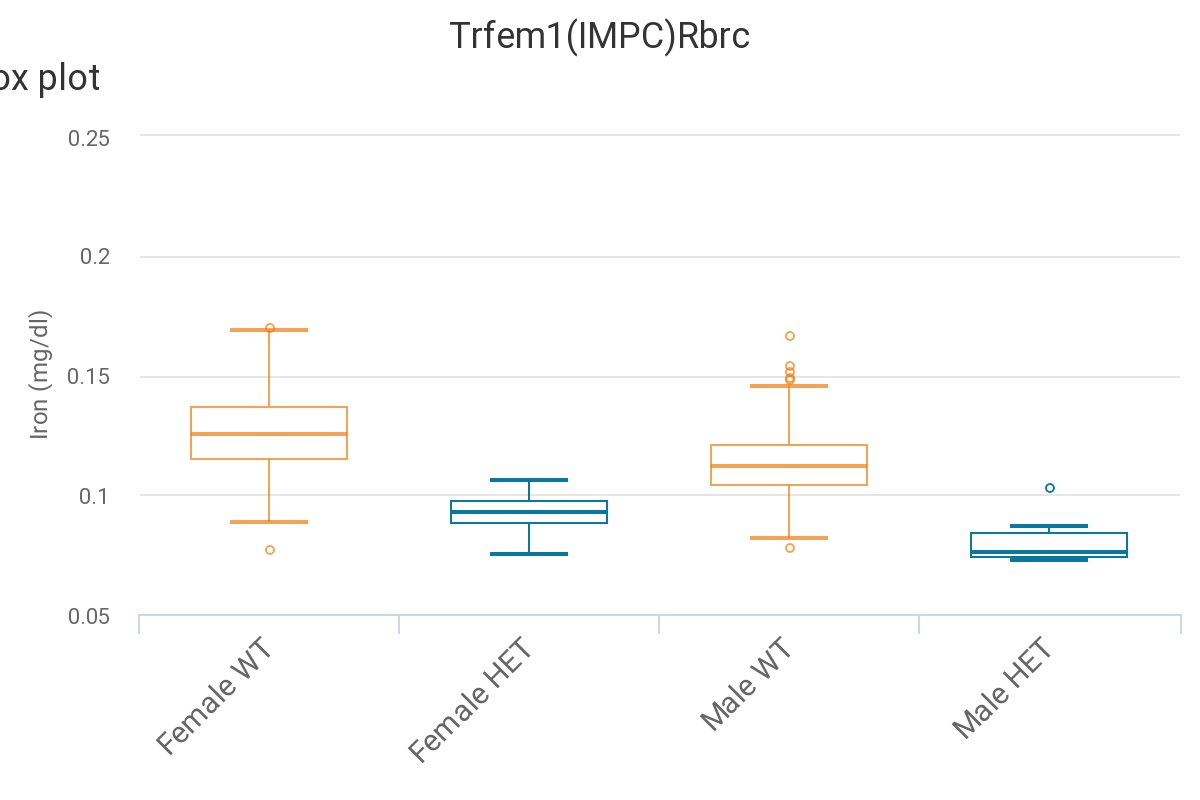
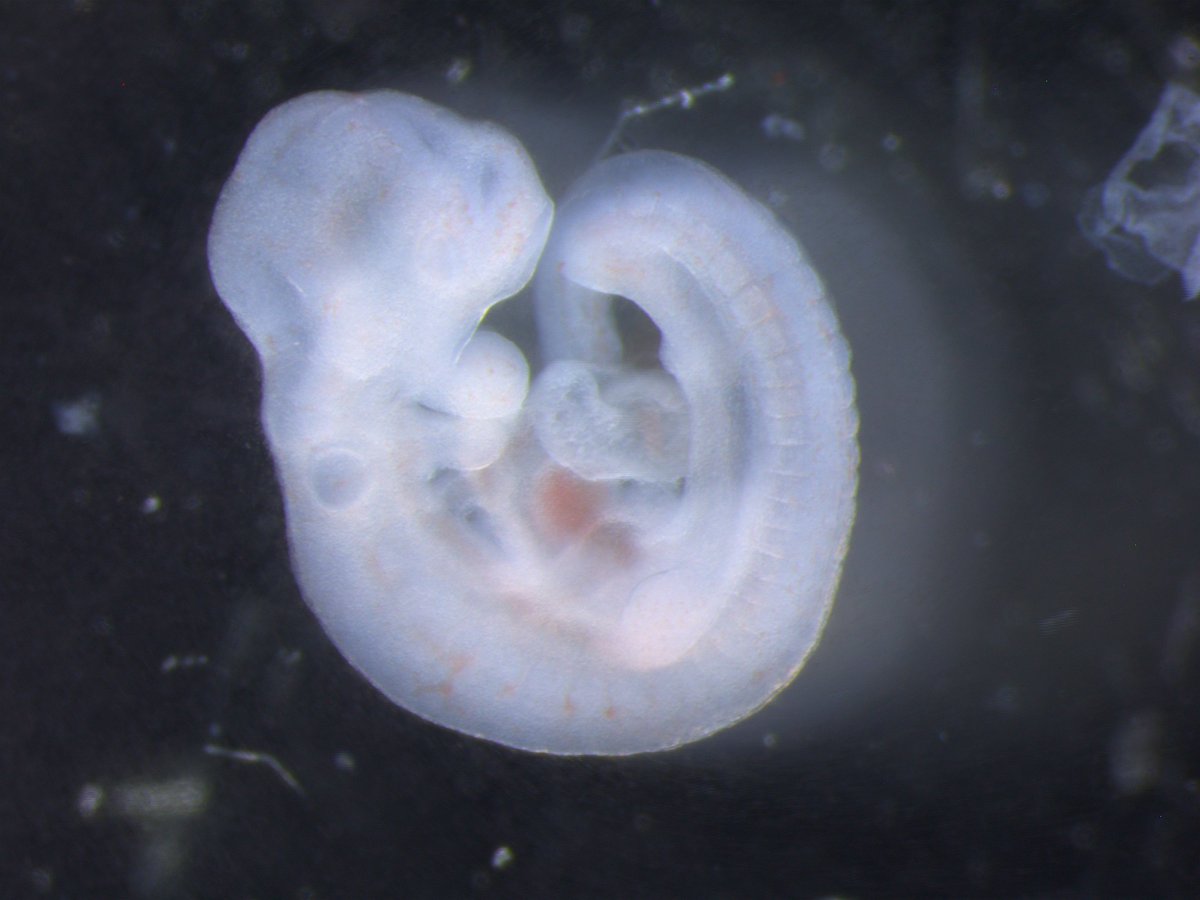
Today's #GeneOfTheDay is #Trf. Human diseases associated with this gene include Atransferrinemia. Mice with this gene inactivated exhibit several abnormalities in eye phenotype, including cataract, and decreased circulating iron level. More data here: bit.ly/TrfGene

Today's #GeneOfTheDay is #Trf. Human diseases associated with this gene include Atransferrinemia. Mice with this gene inactivated exhibit several abnormalities in eye phenotype, including cataract, and decreased circulating iron level. More data here: bit.ly/TrfGene
Gene Of The Day (@geneoftheday) 's Twitter Profile Photo

Today's #GeneOfTheDay is #Faf2. Human diseases predicted to be associated include Nanophthalmos. Mice with Faf2 inactivated exhibit several abnormalities in embryo and behavioral/neurological phenotypes, including abnormal midbrain development. More data: bit.ly/Faf2Gene

Today's #GeneOfTheDay is #Faf2. Human diseases predicted to be associated include Nanophthalmos. Mice with Faf2 inactivated exhibit several abnormalities in embryo and behavioral/neurological phenotypes, including abnormal midbrain development. More data: bit.ly/Faf2Gene
Gene Of The Day (@geneoftheday) 's Twitter Profile Photo

Today's #GeneOfTheDay is #G2e3. Human diseases predicted to be associated with this gene include Fibular Hemimelia. Mice with this gene inactivated exhibit increased total body fat amount and decreased bone mineral density. More data here: bit.ly/G2e3Gene

Today's #GeneOfTheDay is #G2e3. Human diseases predicted to be associated with this gene include Fibular Hemimelia. Mice with this gene inactivated exhibit increased total body fat amount and decreased bone mineral density. More data here: bit.ly/G2e3Gene
Gene Of The Day (@geneoftheday) 's Twitter Profile Photo

Today's #GeneOfTheDay is #Amelx. Human diseases associated include Amelogenesis Imperfecta, Type Ie. Mice with this gene inactivated exhibit abnormal tooth morphology, decreased CD4+ NK T-cell number and increased lung tissue damping. More data here: bit.ly/AmelxGene

Today's #GeneOfTheDay is #Amelx. Human diseases associated include Amelogenesis Imperfecta, Type Ie. Mice with this gene inactivated exhibit abnormal tooth morphology, decreased CD4+ NK T-cell number and increased lung tissue damping. More data here: bit.ly/AmelxGene
Gene Of The Day (@geneoftheday) 's Twitter Profile Photo

Today's #GeneOfTheDay is #Ebf2. Human diseases predicted to be associated with Ebf2 include Cerebellar Degeneration(CDR3). Mice with Ebf2 inactivated exhibit abnormal spleen morphology, preweaning lethality and abnormal retina morphology. More data here: bit.ly/Ebf2Gene

Today's #GeneOfTheDay is #Ebf2. Human diseases predicted to be associated with Ebf2 include Cerebellar Degeneration(CDR3). Mice with Ebf2 inactivated exhibit abnormal spleen morphology, preweaning lethality and abnormal retina morphology. More data here: bit.ly/Ebf2Gene
Gene Of The Day (@geneoftheday) 's Twitter Profile Photo

Today's #GeneOfTheDay is #Chst2. Human diseases predicted to be associated with Chst2 include Fetal Cytomegalovirus Syndrome. Mice with Chst2 inactivated exhibit decreased startle reflex, abnormal heart morphology and decreased grip strength. More data: bit.ly/Chst2Gene

Today's #GeneOfTheDay is #Chst2. Human diseases predicted to be associated with Chst2 include Fetal Cytomegalovirus Syndrome. Mice with Chst2 inactivated exhibit decreased startle reflex, abnormal heart morphology and decreased grip strength. More data: bit.ly/Chst2Gene
Gene Of The Day (@geneoftheday) 's Twitter Profile Photo

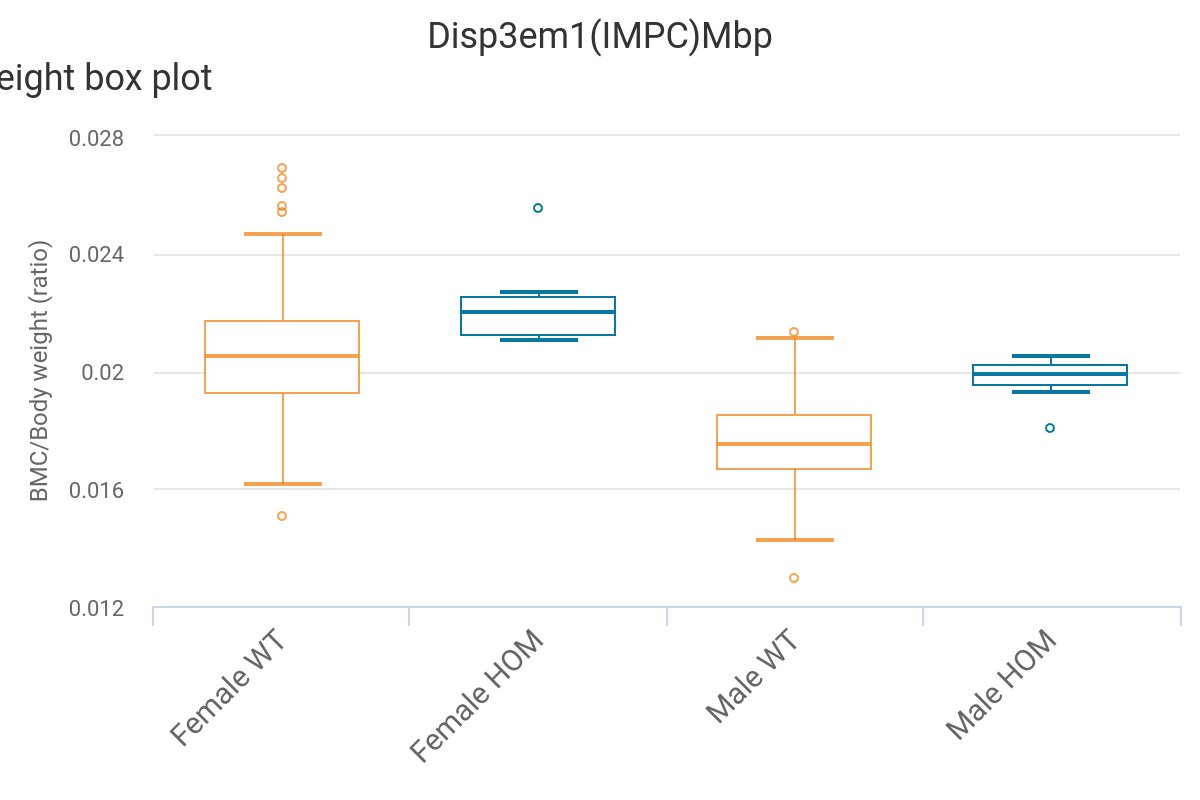
Today's #GeneOfTheDay is #Disp3. Human diseases predicted to be associated include Testicular Microlithiasis. Mice with Disp3 inactivated exhibit abnormal spleen morphology, abnormal lymph node morphology and increased bone mineral content. More data here: bit.ly/Disp3Gene

Today's #GeneOfTheDay is #Disp3. Human diseases predicted to be associated include Testicular Microlithiasis. Mice with Disp3 inactivated exhibit abnormal spleen morphology, abnormal lymph node morphology and increased bone mineral content. More data here: bit.ly/Disp3Gene
Gene Of The Day (@geneoftheday) 's Twitter Profile Photo

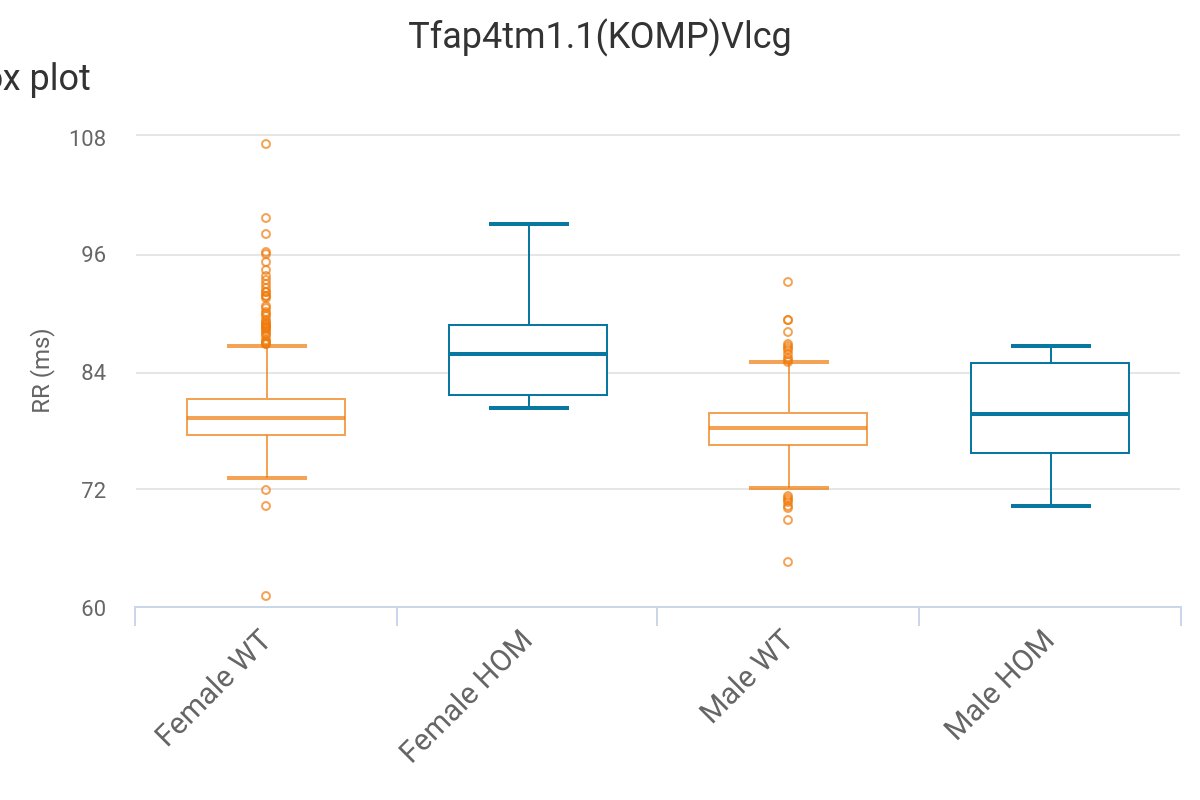
Today's #GeneOfTheDay is #Tfap4. Human diseases predicted to be associated with Tfap4 include Hemoglobin D Disease. Mice with Tfap4 inactivated exhibit decreased heart rate, decreased circulating glucose level and increased lean body mass. More data here: bit.ly/Tfap4Gene

Today's #GeneOfTheDay is #Tfap4. Human diseases predicted to be associated with Tfap4 include Hemoglobin D Disease. Mice with Tfap4 inactivated exhibit decreased heart rate, decreased circulating glucose level and increased lean body mass. More data here: bit.ly/Tfap4Gene