Vita Culturalist (@vitaculturalist) 's Twitter Profile
Vita Culturalist

@vitaculturalist

Ancient History, Art, Art History, Archaeology, Culture and Digital Modeling

ID: 1696742276

linkhttps://www.instagram.com/vitaculturalist/?utm_source=qr&igsh=MWY5N3dsMWxteHNxcw%3D%3D calendar_today24-08-2013 15:20:25

160 Tweet

201 Followers

433 Following
Vita Culturalist (@vitaculturalist) 's Twitter Profile Photo

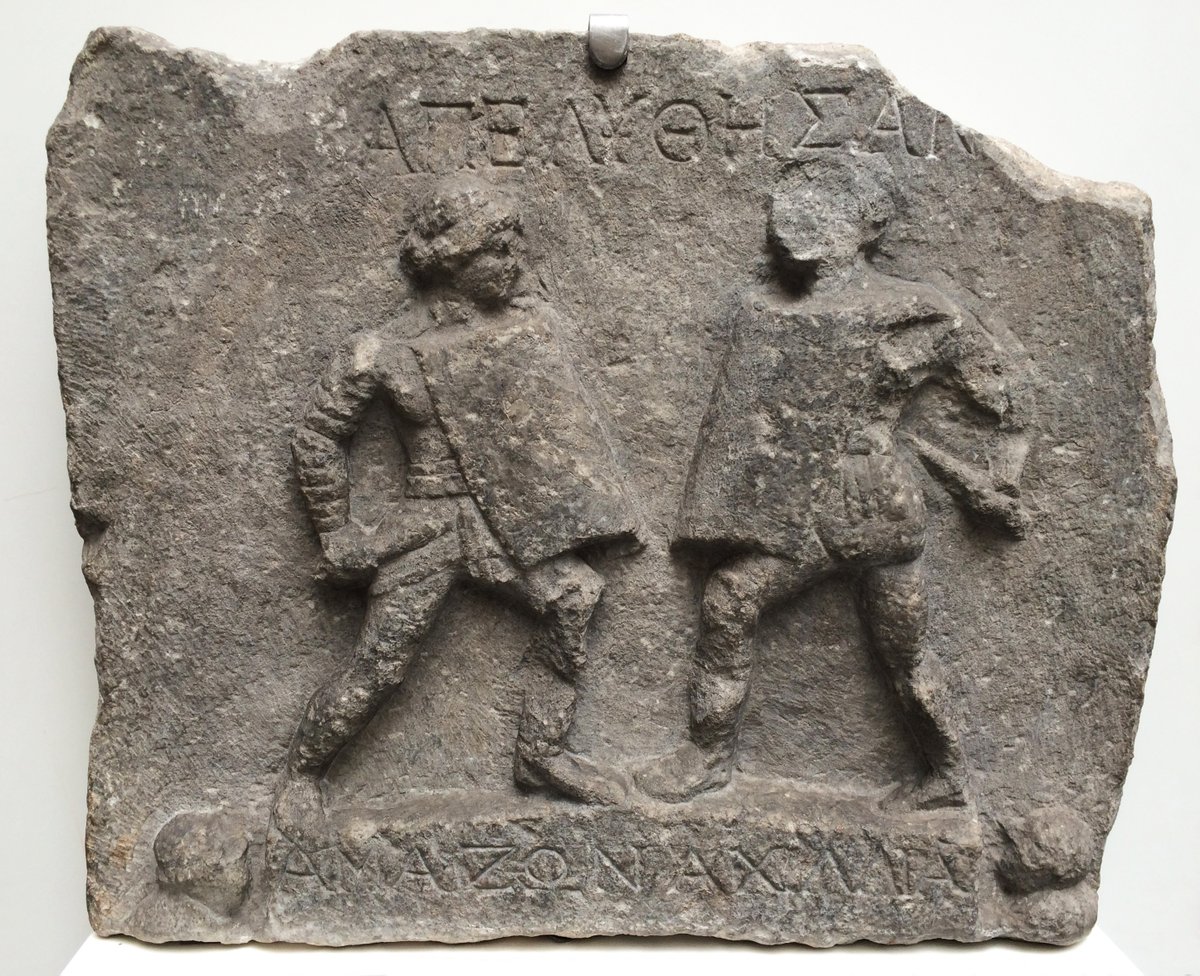
Relief of two female gladiators from the ancient city of Halicarnassus in Turkey (1-2th century AD). The battle scene of the Amazon and Achillian female gladiators is a clear reference to the mythological battle of Achilles and the Amazon Penthesilea. #GreekMythology #Gladiators

Relief of two female gladiators from the ancient city of Halicarnassus in Turkey (1-2th century AD). 
The battle scene of the Amazon and Achillian female gladiators is a clear reference to the mythological battle of Achilles and the Amazon Penthesilea.
#GreekMythology #Gladiators
Vita Culturalist (@vitaculturalist) 's Twitter Profile Photo

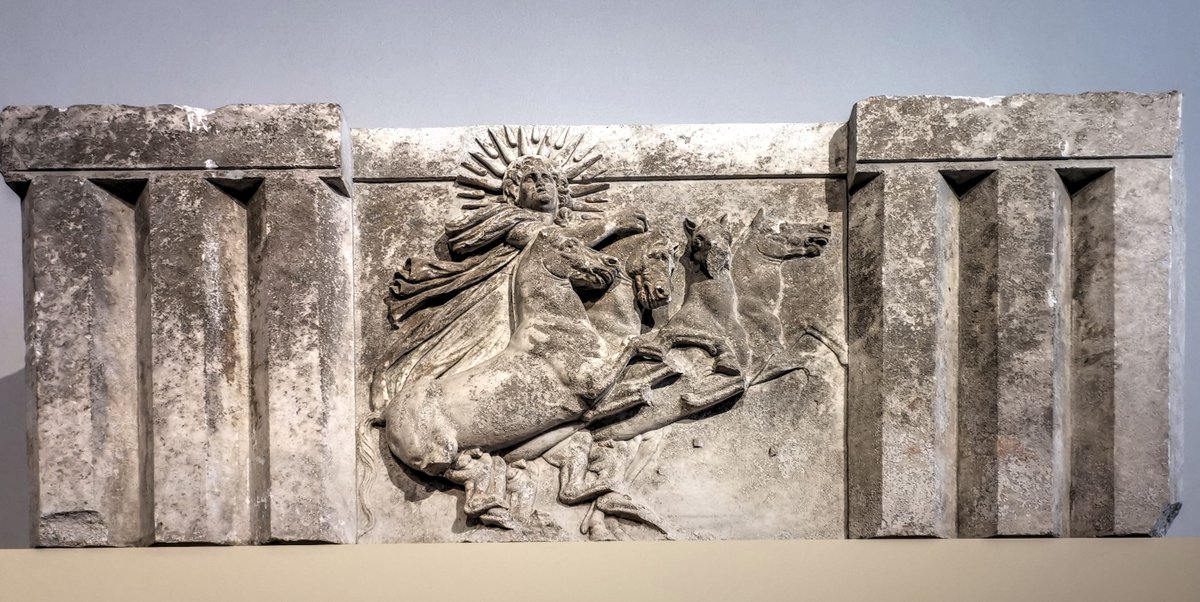
Relief of Helios smuggled by Schliemann from Troia in Turkey. Fragment of a doric architrave from the temple of Athena in Troia, unique for its depiction of Helios on the metope. The relief of Helios on the quadriqa among triglyphs is thought to have been dedicated to the temple

Relief of Helios smuggled by Schliemann from Troia in Turkey. 
Fragment of a doric architrave from the temple of Athena in Troia, unique for its depiction of Helios on the metope. The relief of Helios on the quadriqa among triglyphs is thought to have been dedicated to the temple
Vita Culturalist (@vitaculturalist) 's Twitter Profile Photo

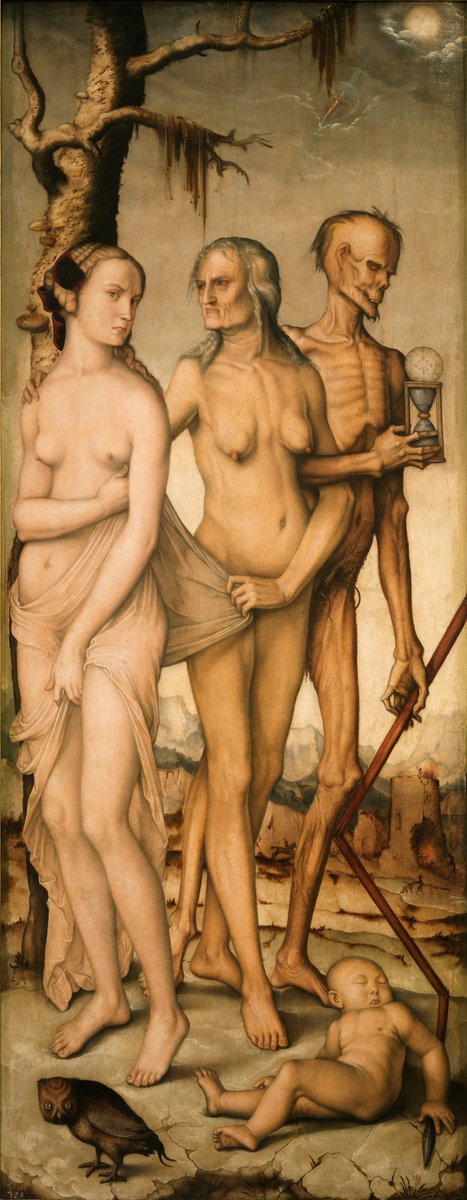
Hans Baldung Grien's "Three Ages of the Woman and the Death" is a metaphorical representation of the life cycle. In the background, there is a gloomy atmosphere, traces of war and the pressure of demons on people. The beginning of this chaotic process is depicted as a baby

Hans Baldung Grien's "Three Ages of the Woman and the Death" is a metaphorical representation of the life cycle. 
In the background, there is a gloomy atmosphere, traces of war and the pressure of demons on people. The beginning of this chaotic process is depicted as a baby
Vita Culturalist (@vitaculturalist) 's Twitter Profile Photo

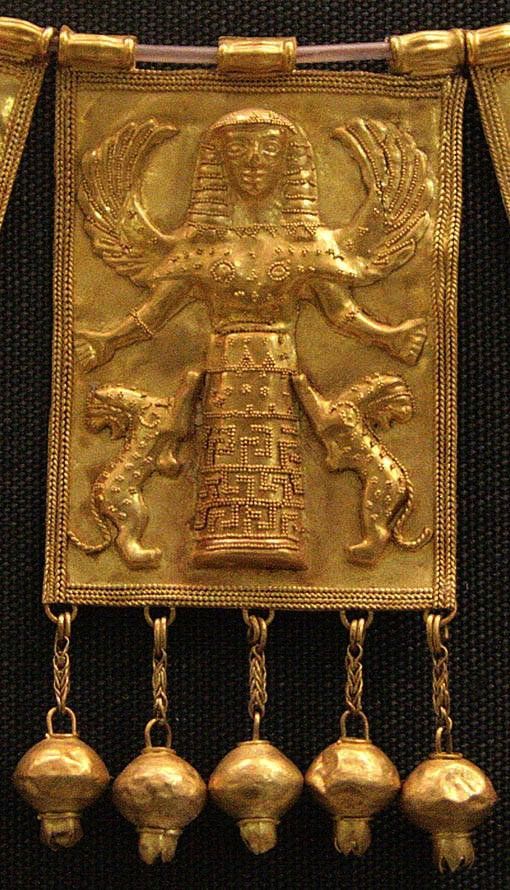
"Artemis Potnia Theron" In classical Hellenic literature, "potnia theron", an adjective of the goddess Artemis, means "judge of animals". Although its origin is shown as Crete and the Near East, the earliest example must be the Neolithic Çatalhöyük goddess. In the Çatalhöyük

"Artemis Potnia Theron"
In classical Hellenic literature, "potnia theron", an adjective of the goddess Artemis, means "judge of animals". Although its origin is shown as Crete and the Near East, the earliest example must be the Neolithic Çatalhöyük goddess. In the Çatalhöyük
Vita Culturalist (@vitaculturalist) 's Twitter Profile Photo

Nergal, God of the Underworld..! In the Hittite belief system, it is symbolized that Nergal established a connection to the underworld by stabbing a sword into the ground. Known as the god of war, epidemics and death, Nergal appears as a Near Eastern god. In addition to Hittite,

Vita Culturalist (@vitaculturalist) 's Twitter Profile Photo

Book Recommendation..!💫 "Archaeology from Space: How the Future Shapes Our Past" by Sarah Parcak allows us to re-evaluate classical archaeological methods. With the development of remote sensing systems, it has become easier to identify archaeological research sites. Parcak has

Book Recommendation..!💫
"Archaeology from Space: How the Future Shapes Our Past" by Sarah Parcak allows us to re-evaluate classical archaeological methods. With the development of remote sensing systems, it has become easier to identify archaeological research sites. Parcak has
Vita Culturalist (@vitaculturalist) 's Twitter Profile Photo

A hypocaust is a central heating system built by the Romans. This system, which is generally used in public baths, is also used in some houses in cold weather. Hypocaust structures are generally floor heating systems. According to this system, there is a floor. On the first

A hypocaust is a central heating system built by the Romans. 
This system, which is generally used in public baths, is also used in some houses in cold weather. Hypocaust structures are generally floor heating systems. According to this system, there is a floor. On the first
Vita Culturalist (@vitaculturalist) 's Twitter Profile Photo

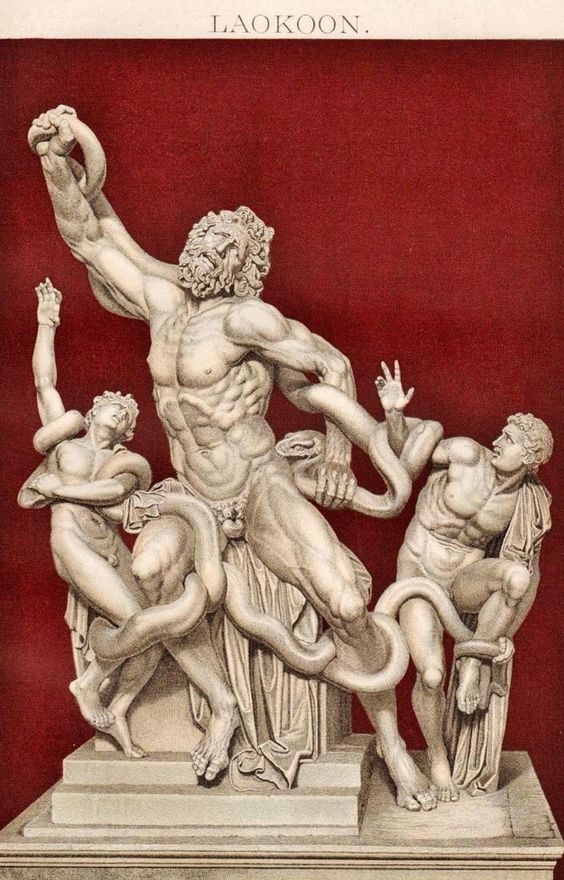
Laokoon Sculpture Group is a sculpture group that tells the painful story of Laokoon, one of the tragic heroes of the Trojan War in ancient Greek mythology. Laokoon symbolizes eternal despair and man's struggle with his destiny as he faces the wrath of the sea serpents and the

Laokoon Sculpture Group is a sculpture group that tells the painful story of Laokoon, one of the tragic heroes of the Trojan War in ancient Greek mythology. Laokoon symbolizes eternal despair and man's struggle with his destiny as he faces the wrath of the sea serpents and the
Vita Culturalist (@vitaculturalist) 's Twitter Profile Photo

The ram's head on either side of the helmet is a symbol of power and leadership. The lion figure has a similar meaning in many civilizations ✨

Vita Culturalist (@vitaculturalist) 's Twitter Profile Photo

Under what conditions does a work have artistic value? I think it needs a story to define it as a " Artwork ". What do you think? #SystemCriticism #Art #artwork

Under what conditions does a work have artistic value?
 I think it needs a story to define it as a " Artwork ".
What do you think?
#SystemCriticism #Art #artwork
Vita Culturalist (@vitaculturalist) 's Twitter Profile Photo

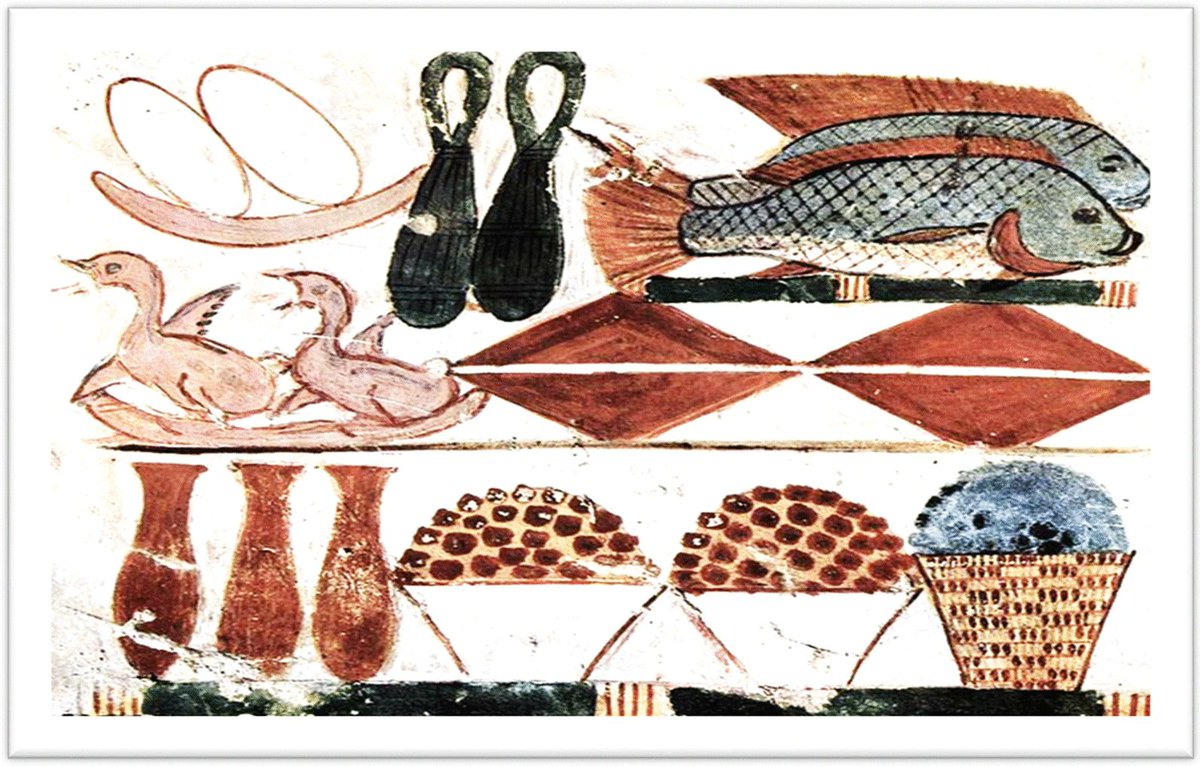
Ancient Egyptian banquets often served bread, beef, goose, cheese, fish, beer and a variety of fruits and vegetables. In the tomb of Menna, a high-ranking official during Egypt's New Kingdom (Amenhotep III), a picture of an ancient Egyptian meal is a reflection of this feast 🐟🍺

Ancient Egyptian banquets often served bread, beef, goose, cheese, fish, beer and a variety of fruits and vegetables. In the tomb of Menna, a high-ranking official during Egypt's New Kingdom (Amenhotep III), a picture of an ancient Egyptian meal is a reflection of this feast 🐟🍺
Vita Culturalist (@vitaculturalist) 's Twitter Profile Photo

Pompeii was wiped off the face of the earth by the eruption of Mount Vesuvius in 79 AD. The cavities created in the soil by many living beings trapped under the lava were filled with the help of injection mortar. With this method, the final condition of the people who died as a