Radiology Challenge (@radmatic) 's Twitter Profile
Radiology Challenge

@radmatic

Diagnostic & Interventional Radiology #Interventional #Pediatric #Vascular #Anomalies #Medical #Radiology #Imaging

ID: 1761870750494121984

calendar_today25-02-2024 21:48:34

660 Tweet

685 Followers

1,1K Following

Radiology Challenge (@radmatic) 's Twitter Profile Photo

Dacryocystoceles are caused by obstruction of both the proximal and distal ends of the nasolacrimal duct. Unilateral (75%) or bilateral (25%) and have no sex predilection. Secondary dacryocystitis may develop.

Dacryocystoceles are caused by obstruction of both the proximal and distal ends of the nasolacrimal duct. Unilateral  (75%) or bilateral (25%) and have no sex predilection. Secondary dacryocystitis may develop.
Radiology Challenge (@radmatic) 's Twitter Profile Photo

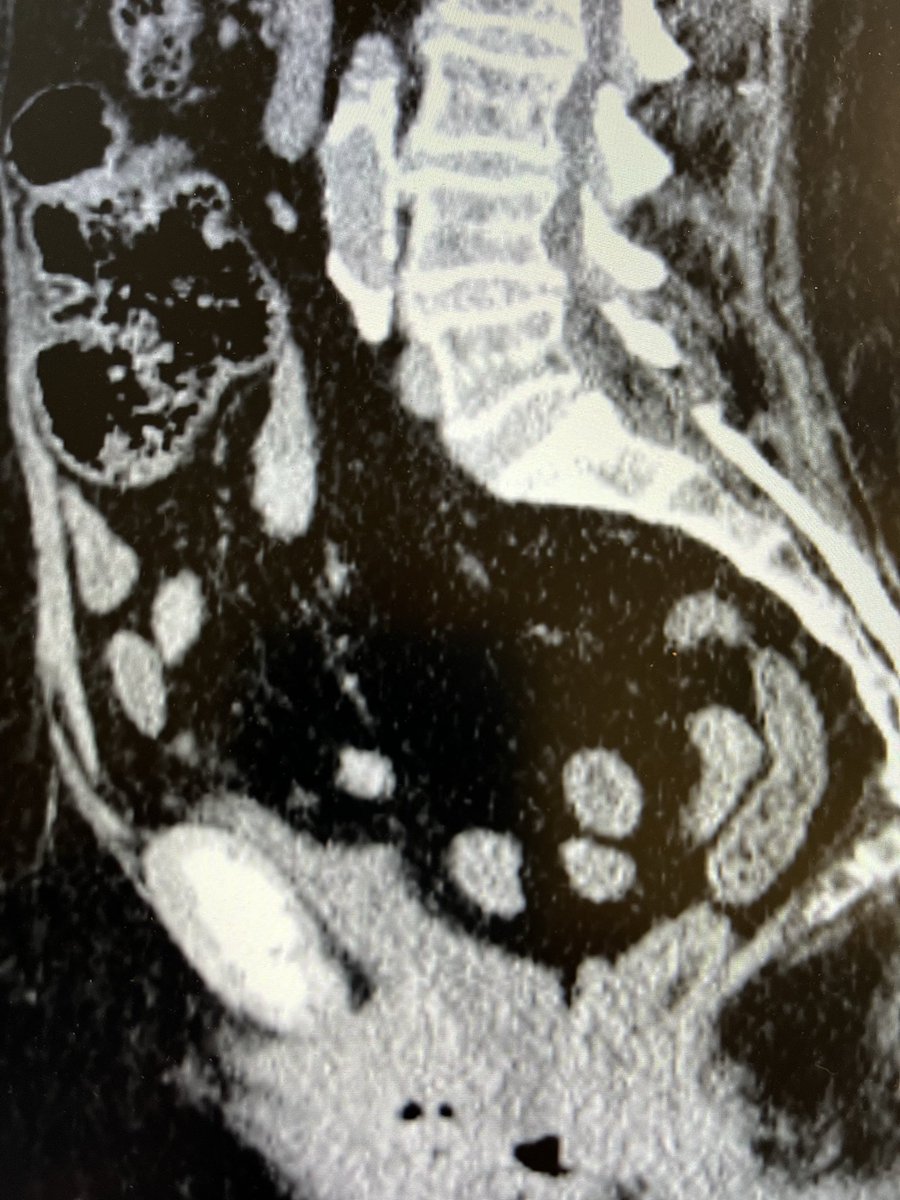
Anterior compartment pelvic floor dysfunction primarily involves weakness in the structures that support the bladder, leading to conditions like cystocele (bladder prolapse) and stress urinary incontinence.

Anterior compartment pelvic floor dysfunction primarily involves weakness in the structures that support the bladder, leading to conditions like cystocele (bladder prolapse) and stress urinary incontinence.
Radiology Challenge (@radmatic) 's Twitter Profile Photo

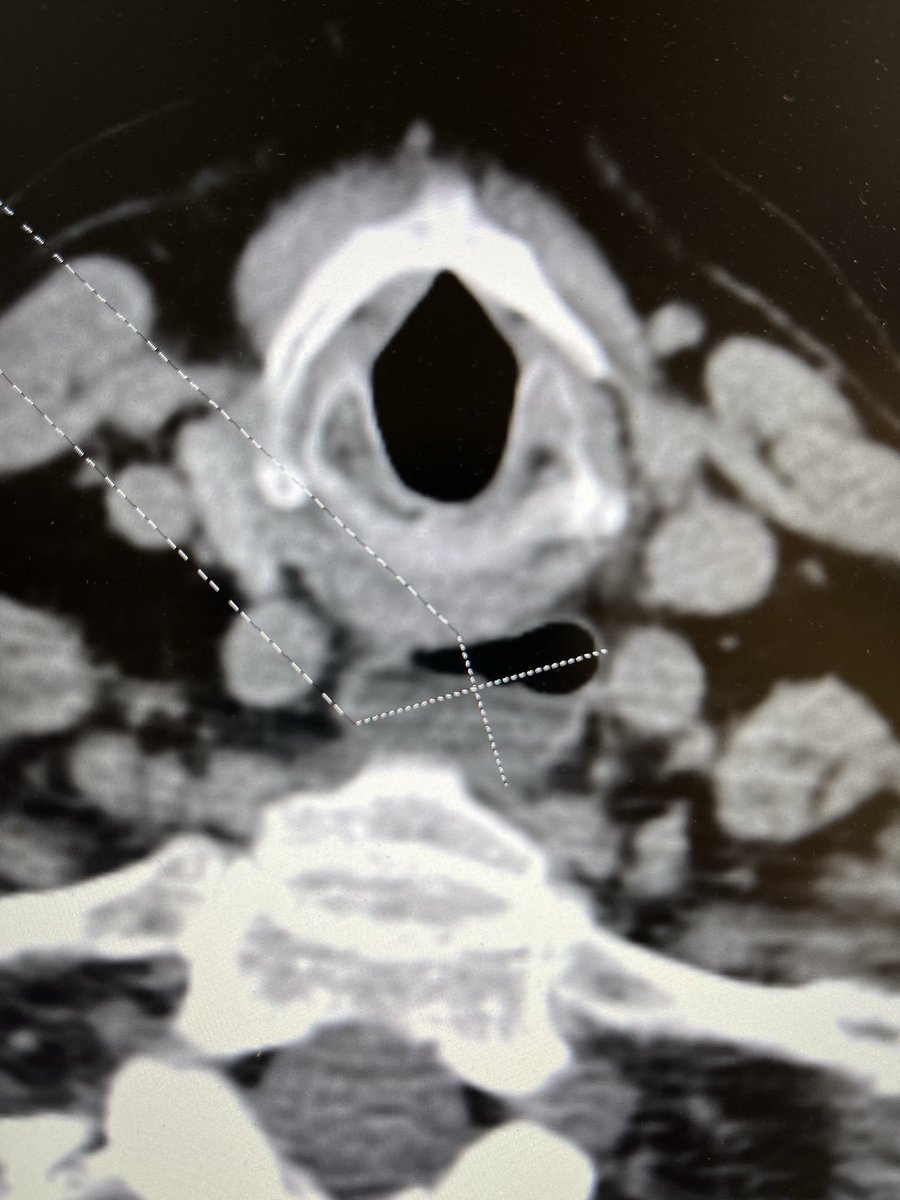
ZENKER DIVERTICULUM: Also known as a pharyngeal pouch, is a posterior outpouching of the hypopharynx, just proximal to the upper esophageal sphincter through a weakness in the muscle layer called the Killian dehiscence.

ZENKER DIVERTICULUM: Also known as a pharyngeal pouch, is a posterior outpouching of the hypopharynx, just proximal to the upper esophageal sphincter through a weakness in the muscle layer called the Killian dehiscence.
Radiology Challenge (@radmatic) 's Twitter Profile Photo

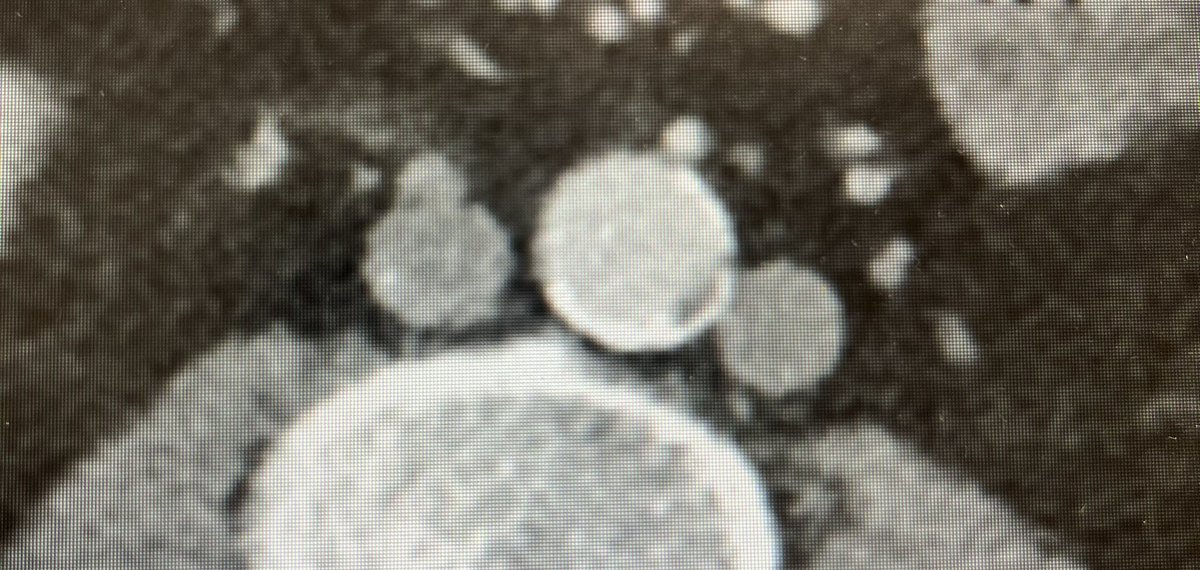
RETROAORTIC LEFT RENAL VEIN: Usually asymptomatic. It may sometimes cause hematuria, flank pain, and vascular dilations (varicocele). The most common type is type I.

RETROAORTIC LEFT RENAL VEIN: Usually asymptomatic. It may sometimes cause hematuria, flank pain, and vascular dilations (varicocele). The most common type is type I.
Radiology Challenge (@radmatic) 's Twitter Profile Photo

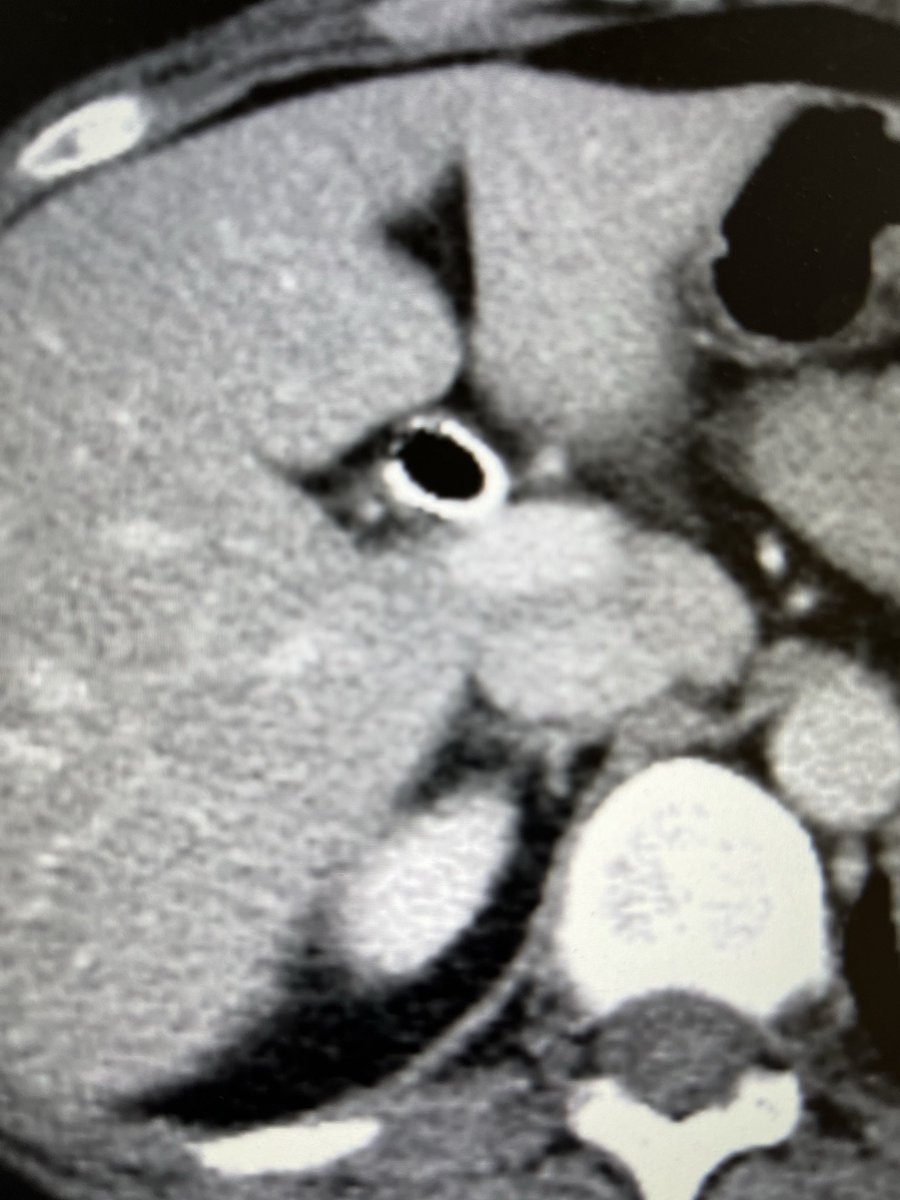
PNEUMOBILIA: Also known as aerobilia, is the accumulation of gas in the biliary tree. Important to distinguish pneumobilia from portal venous gas. There are many causes of pneumobilia and clinical context is often important. Etiology: Biliary stent

PNEUMOBILIA: Also known as aerobilia, is the accumulation of gas in the biliary tree. Important to distinguish pneumobilia from portal venous gas. There are many causes of pneumobilia and clinical context is often important. Etiology: Biliary stent
Radiology Challenge (@radmatic) 's Twitter Profile Photo

Duplicated IVC is a rare congenital anomaly where a second inferior vena cava (IVC) forms alongside the normal one, resulting in two parallel venous channels on either side of the aorta. It is usually asymptomatic and discovered incidentally on medical imaging

Duplicated IVC is a rare congenital anomaly where a second inferior vena cava (IVC) forms alongside the normal one, resulting in two parallel venous channels on either side of the aorta. It is usually asymptomatic and discovered incidentally on medical imaging
Radiology Challenge (@radmatic) 's Twitter Profile Photo

Most recent RSNA survey included 1,005 U.S. rads and trainees showed only 4% agreed that AI would replace radiologists fully. The vast majority (81%) disagreed, viewing AI as a supportive tool. Dude, your brain’s on vacation, but stupidity clocked in for the double shift!!

Radiology Challenge (@radmatic) 's Twitter Profile Photo

DORSAL PANCREATIC AGENESIS: A rare congenital anomaly where the body and tail of the pancreas do not develop. Often asymptomatic, but may cause non-specific abdominal pain, recurrent pancreatitis, or diabetes mellitus.