

Brian Thoroman MSc. PhD
@bthoroman
PhD human factors; Systems thinking, incident and effective workplace analysis. Enjoy outdoors, Tai Chi, laughs and exercise. Currently working HFE in rail.
ID: 841077158491574273
13-03-2017 00:03:15
401 Tweet
570 Followers
1,1K Following

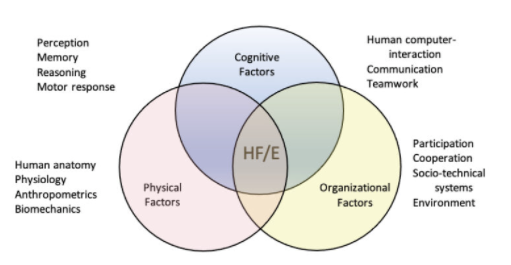

“The funny thing about design is that, when it works well, no one says anything” Andrew Petrosoniak thewalrus.ca/design-for-sur…


More from our collaboration with Elizabeth Austin & the team at Macquarie University. We used CWA to examine adaptive capacity & the constraints influencing work & patient flow in an Emergency Department #healthcare #humanfactors UniSC: University of the Sunshine Coast Free access here tandfonline.com/eprint/KSNTR8H…
Excellent presentation from Anjum Naweed on “injury by design” Human Factors & Ergonomics Society of Australia #HFESA2021. Strong understanding of real work environment in rail and great description of the sometimes hard to follow but powerful causal loop diagram method.

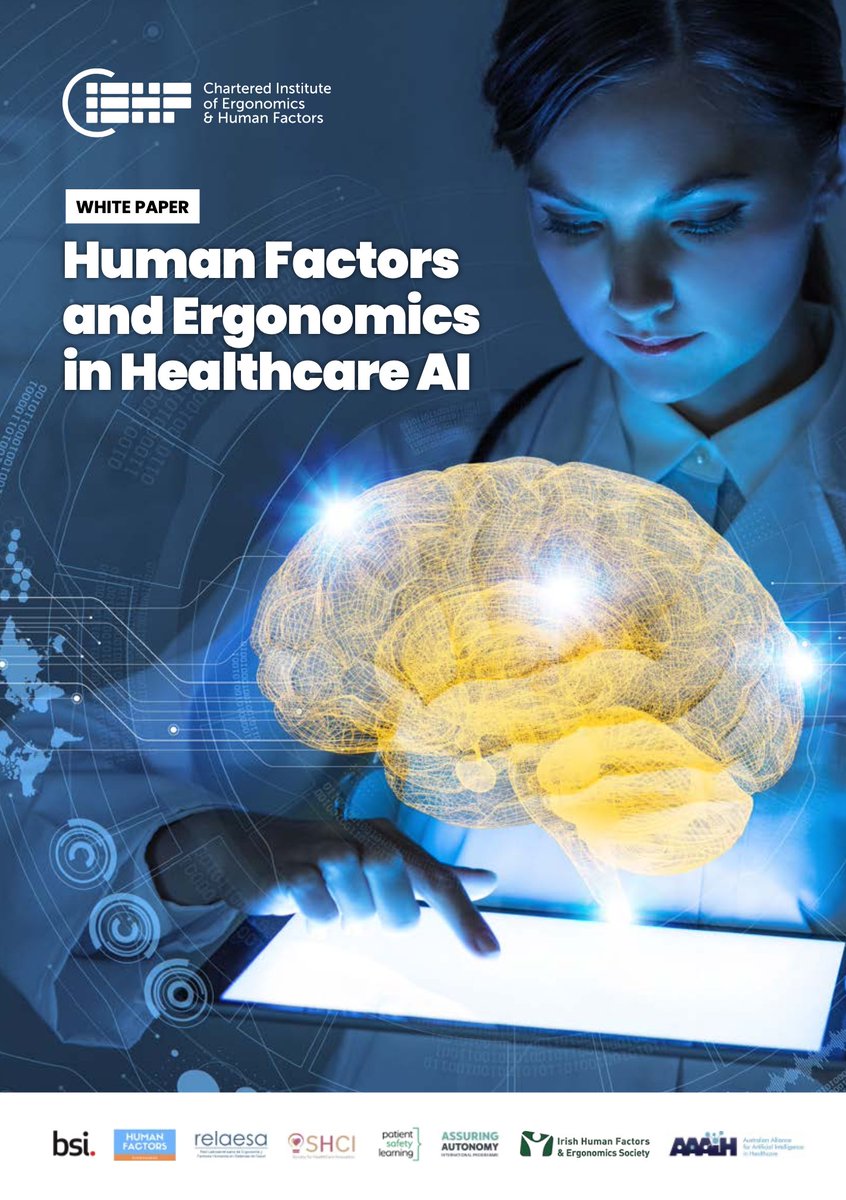
Free access to our new state of science Ergonomics article on models and methods for understanding and enhancing teams and teamwork in complex sociotechnical systems tandfonline.com/eprint/B5JK37J… #teams #teamwork #humanfactors


If you are interested in contributing resilient future transport systems, we have a fully funded #humanfactors #PhD opportunity, with myself and Katie Parnell. You'll be part of a cohort in the brilliant UKRI TAS Node in Resilience UKRI TAS Hub jobs.ac.uk/job/COB208/phd…
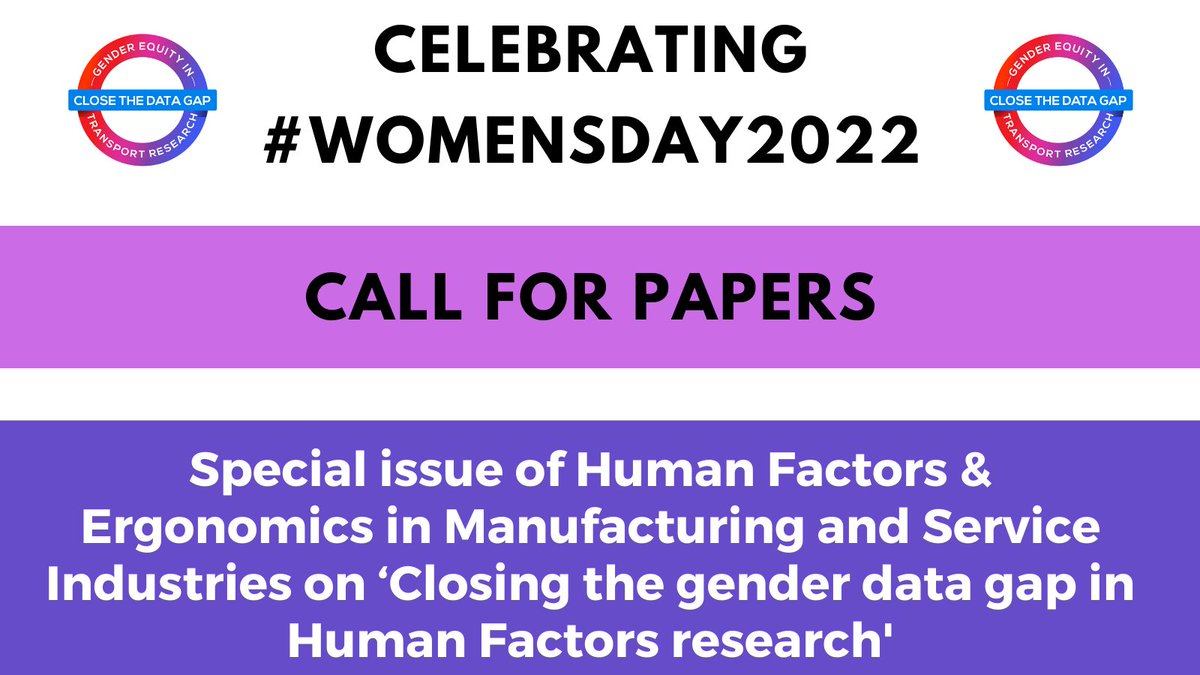
Submissions are now open for the Special Issue of Human Factors and Ergonomics in Manufacturing & Service Industries 'Closing the gender gap in Human Factors research'. Several of our team will be guest editors and are looking forward to seeing your papers onlinelibrary.wiley.com/page/journal/1…


See our HFEMSI virtual special issue, including the best articles from 2020 - 2022 all open access. The selection covers physical, cognitive, organisational, and systems HFE applications as well as critical issues for our discipline. Enjoy! onlinelibrary.wiley.com/doi/toc/10.100… #humanfactors