Annie Cheatham (@annie_cheatham) 's Twitter Profile
Annie Cheatham

@annie_cheatham

ID: 855883877021364229

calendar_today22-04-2017 20:39:52

609 Tweet

128 Followers

100 Following

Carol Forde-Johnstonđź’™ (@fordejohnston) 's Twitter Profile Photo

Any mental health students who have interviews coming up, Ward Manager John-Barry offers some fantastic tips to prepare for interviews, see YouTube link: youtu.be/TOnw3Frkh6c We hope you find the advice helpful 🤩🍀 Lantern Publishing

Any mental health students who have interviews coming up, Ward Manager <a href="/JohnBWaldron/">John-Barry</a> offers some fantastic tips to prepare for interviews, see <a href="/YouTube/">YouTube</a> link: 
youtu.be/TOnw3Frkh6c

We hope you find the advice helpful 🤩🍀
<a href="/lanternpublish/">Lantern Publishing</a>
Martin Lewis (@martinslewis) 's Twitter Profile Photo

Are you a mental health professional? Just a plug for this toolkit maps.org.uk/en/work-with-u… which can help you talk to clients about their finances, as the link between mental health issues and money problems are so strong It was developed with help from my charity Money and Mental Health


Julia Bradbury I HAVEN'T BOUGHT BLUE TICKđź’™ (@juliabradbury) 's Twitter Profile Photo

Every morning we are born again. What we do today matters most. - Buddha Have a lovely weekend folks. One Day or Day One for that thing you've always wanted to try/start/do? #motivation #freshstart #reset #quotesoftheday

Helen Bevan (@helenbevan) 's Twitter Profile Photo

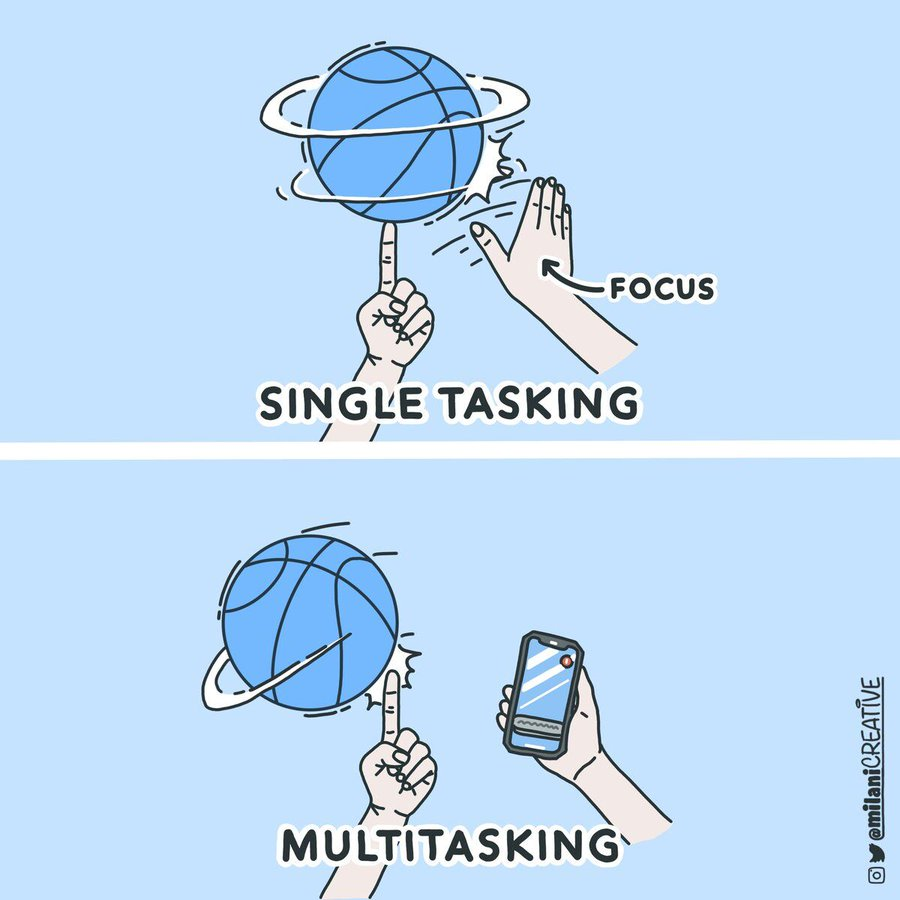
50% of people taking part in remote meetings multitask during the meetings (and we are doing more of it). Here is an excellent research-based article from asana to remind us why we should try not to multitask. It's bad for our productivity & our mental health. It creates

50% of people taking part in remote meetings multitask during the meetings (and we are doing more of it). Here is an excellent research-based article from <a href="/asana/">asana</a> to remind us why we should try not to multitask. It's bad for our productivity &amp; our mental health. It creates
Helen Bevan (@helenbevan) 's Twitter Profile Photo

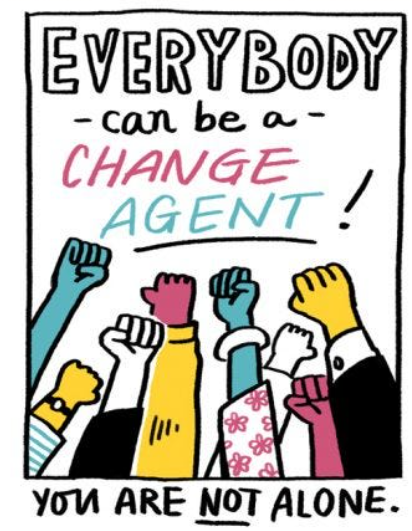
The first rule of being a change agent in an organisation is: "you can't be a change agent on your own". However creative, determined or passionate we are, the system will wear us down without social support. History shows that the people who make change happen are often small

The first rule of being a change agent in an organisation is: "you can't be a change agent on your own". However creative, determined or passionate we are, the system will wear us down without social support. History shows that the people who make change happen are often small
BWC NHS Trust (@bwc_nhs) 's Twitter Profile Photo

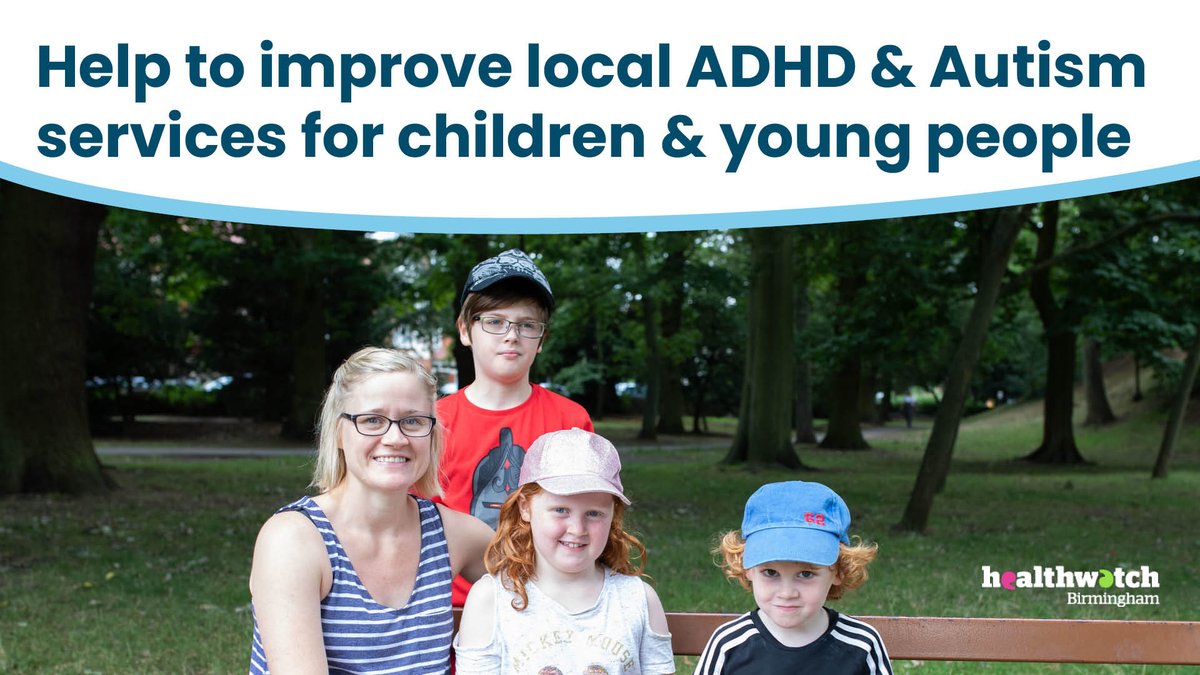
Are you the parent or carer of a child or young person using #Autism and/or #ADHD services in Birmingham? Healthwatch Birmingham wants to hear your views to help improve the care you receive. Please complete this quick and confidential survey by May 31. orlo.uk/k8dik

Are you the parent or carer of a child or young person using #Autism and/or #ADHD services in Birmingham? Healthwatch Birmingham wants to hear your views to help improve the care you receive. Please complete this quick and confidential survey by May 31. orlo.uk/k8dik
Helen Bevan (@helenbevan) 's Twitter Profile Photo

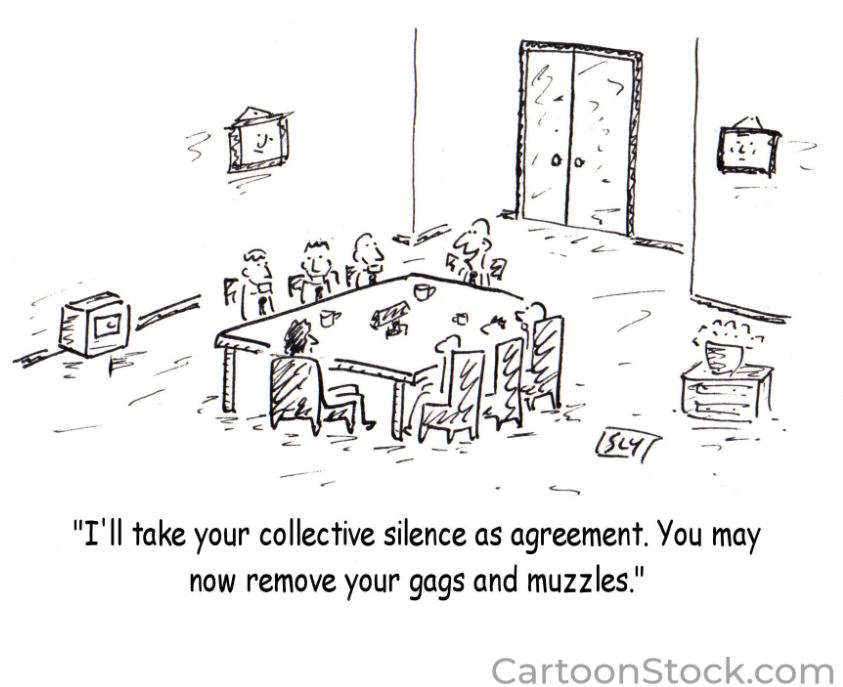
Psychological safety: how to get members of our teams to actually speak up. It's a common leadership misconception that just by encouraging team members to voice opinions we create a culture of openness. We need to address the issues (individual & systemic) that prevent people

Psychological safety: how to get members of our teams to actually speak up. 
It's a common leadership misconception that just by encouraging team members to voice opinions we create a culture of openness. We need to address the issues (individual &amp; systemic) that prevent people
Helen Bevan (@helenbevan) 's Twitter Profile Photo

"Mattering" is the belief that we’re significant to the world around us. When people feel they matter, they feel seen, important & needed through how others treat them. Scholars have deemed mattering to be a core instinct that drives all human behaviour. That’s why, when someone

"Mattering" is the belief that we’re significant to the world around us. When people feel they matter, they feel seen, important &amp; needed through how others treat them. Scholars have deemed mattering to be a core instinct that drives all human behaviour. That’s why, when someone
Helen Bevan (@helenbevan) 's Twitter Profile Photo

An NHS England report on "NHS Productivity" in May 2024 highlights the growing % of NHS staff who are new/inexperienced as a barrier to productivity & the need to get them up the learning curve faster. New research suggests one catalyst for learning that is often lacking at this

An <a href="/NHSEngland/">NHS England</a> report on "NHS Productivity" in May 2024 highlights the growing % of NHS staff who are new/inexperienced as a barrier to productivity &amp; the need to get them up the learning curve faster. 
New research suggests one catalyst for learning that is often lacking at this
Helen Bevan (@helenbevan) 's Twitter Profile Photo

Too often when we talk about "leaders", we focus on people who have "manager" or "director" in their job titles. We can end up undervaluing the role of informal leaders - team members who influence outcomes by the tone they set, their conduct & how they interact with others in

Too often when we talk about "leaders", we focus on people who have "manager" or "director" in their job titles. We can end up undervaluing the role of informal leaders - team members who influence outcomes by the tone they set, their conduct &amp; how they interact with others in
Helen Bevan (@helenbevan) 's Twitter Profile Photo

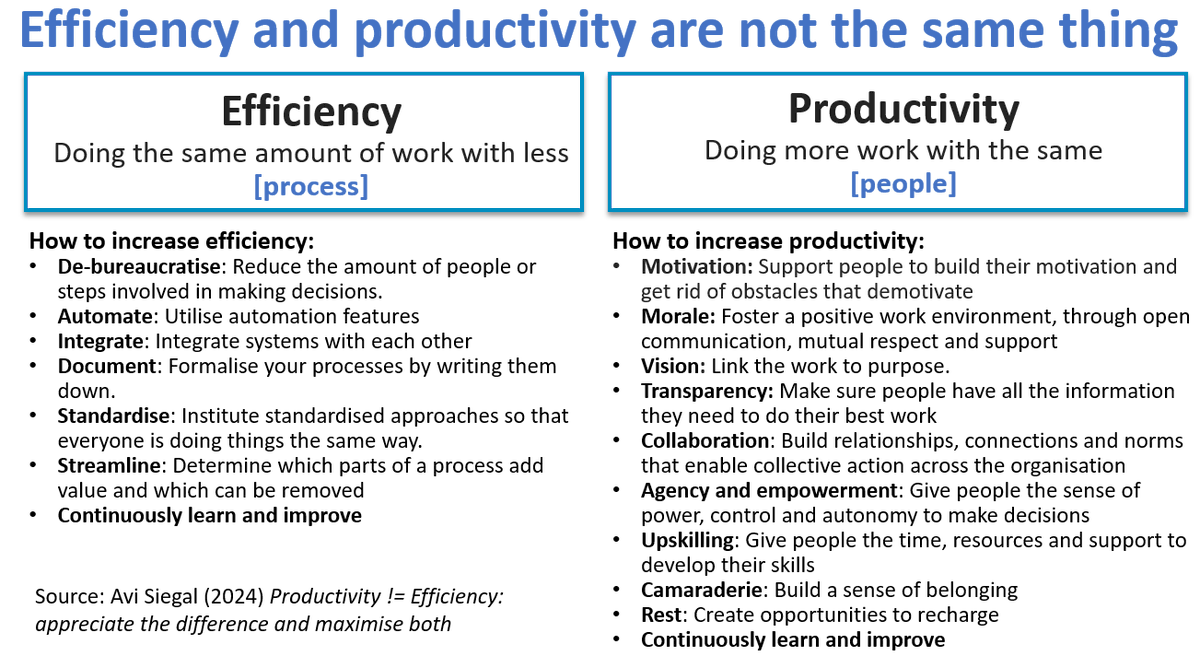
"Efficiency" & "productivity": two terms that we often confuse. As a result, we may struggle to address the problems we face because they focus on different problems with different solutions. High efficiency does not mean high productivity. We can create highly efficient

"Efficiency" &amp; "productivity": two  terms that we often confuse. As a result, we may struggle to address the problems we face because they focus on different problems with different solutions.
High efficiency does not mean high productivity. We can create highly efficient
Helen Bevan (@helenbevan) 's Twitter Profile Photo

Decades of research into successful large scale change shows that it’s not about getting people in organisations to follow their leaders to the future - it’s about getting people to co-create the future. However, a change approach that seeks to engage everyone in the

Decades  of research into successful large scale change shows that it’s not about getting people in organisations to follow their leaders to the future - it’s about getting people to co-create the future. However, a change approach that seeks to engage everyone in the
Helen Bevan (@helenbevan) 's Twitter Profile Photo

How many people does it take to change an organisation, system or culture? In his book "Change, How to Make Big Things Happen", Damon Centola shows how change became inevitable when 25% of the people were on the side of making the shift - a “committed minority group” driving the
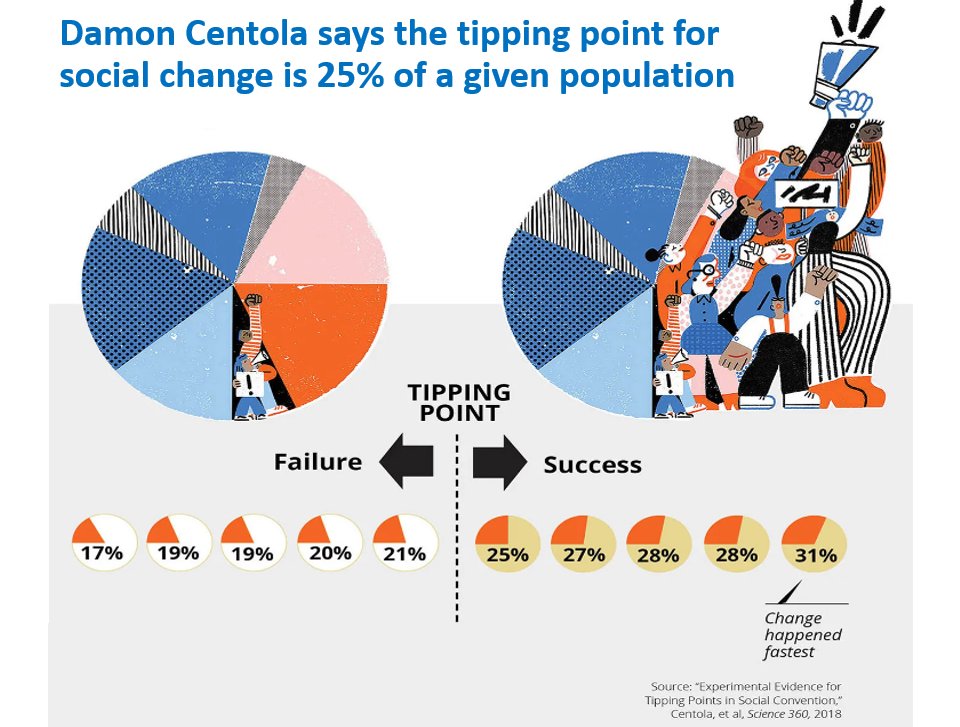
How many people does it take to change an organisation, system or culture? In his book "Change, How to Make Big Things Happen", <a href="/DamonCentola/">Damon Centola</a> shows how change became inevitable when 25% of the people were on the side of making the shift - a  “committed minority group” driving the
Helen Bevan (@helenbevan) 's Twitter Profile Photo

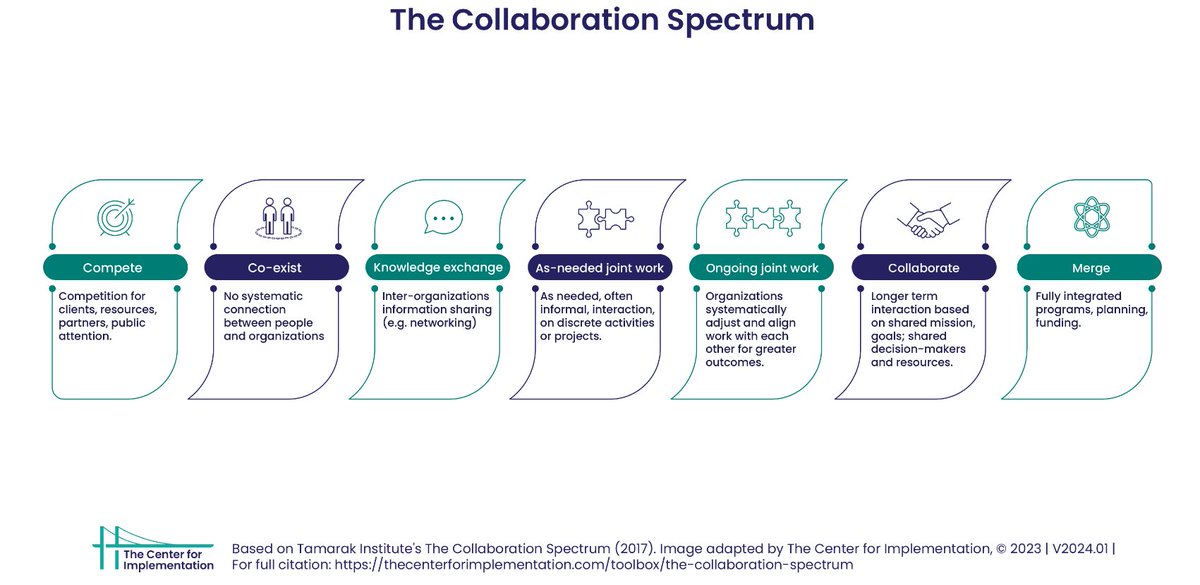
When we're action planning for change, we need to think about relationships & connections, not just about changing processes & pathways. The "Collaboration Spectrum" is a useful tool for discussing where we are now in our relationship with key partners & where we want/need to be

When we're action planning for change, we need to think about relationships &amp; connections, not just about changing processes &amp; pathways. The "Collaboration Spectrum" is a useful tool for discussing where we are now in our relationship with key partners &amp; where we want/need to be
Itai Yanai (@itaiyanai) 's Twitter Profile Photo

How to write a grant? 1. Write it for the reviewer, not you, the applicant. 2. Communicate in stories. 3. Make your story cohesive—leave no puzzling gaps. 4. Make your story resonate to keep the reviewer reading. 5. Accept chance and noise in peer-review. pnas.org/doi/epub/10.10…

How to write a grant?
1. Write it for the reviewer, not you, the applicant.
2. Communicate in stories.
3. Make your story cohesive—leave no puzzling gaps.
4. Make your story resonate to keep the reviewer reading.
5. Accept chance and noise in peer-review. 
pnas.org/doi/epub/10.10…
BWC NHS Trust (@bwc_nhs) 's Twitter Profile Photo

Due to #StormDarragh a large tree has fallen near our Parkview Clinic which has blocked Queensbridge Road. To access Parkview Clinic please use the main Alcester Road (Moseley/Kings Heath High Street). There are police cordons in place. Please take care whilst travelling.

Due to #StormDarragh a large tree has fallen near our Parkview Clinic which has blocked Queensbridge Road. To access Parkview Clinic please use the main Alcester Road (Moseley/Kings Heath High Street). There are police cordons in place. Please take care whilst travelling.
Helen Bevan (@helenbevan) 's Twitter Profile Photo

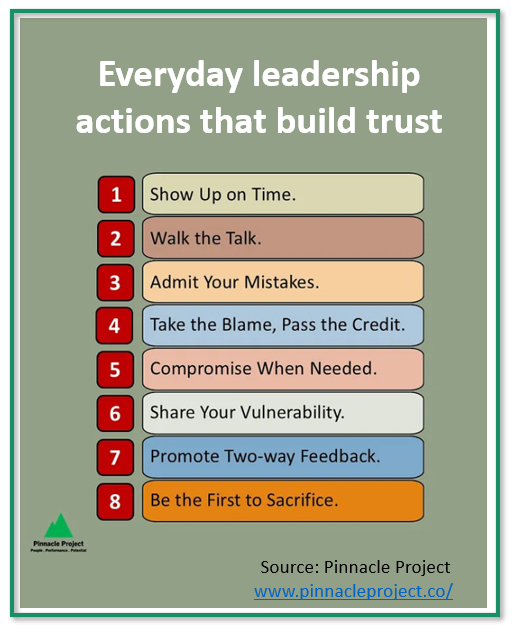
There's a growing appreciation of the importance of trust for team leadership & effective change. As leaders we are signal generators - our smallest actions & interactions can build or destroy trust. I like this piece on powerful, practical ways we can build trust with our team

There's a growing appreciation of the importance of trust for team leadership &amp; effective change. As leaders we are signal generators - our smallest actions &amp; interactions can build or destroy trust. I like this piece on powerful, practical ways we can build trust with our team
Helen Bevan (@helenbevan) 's Twitter Profile Photo

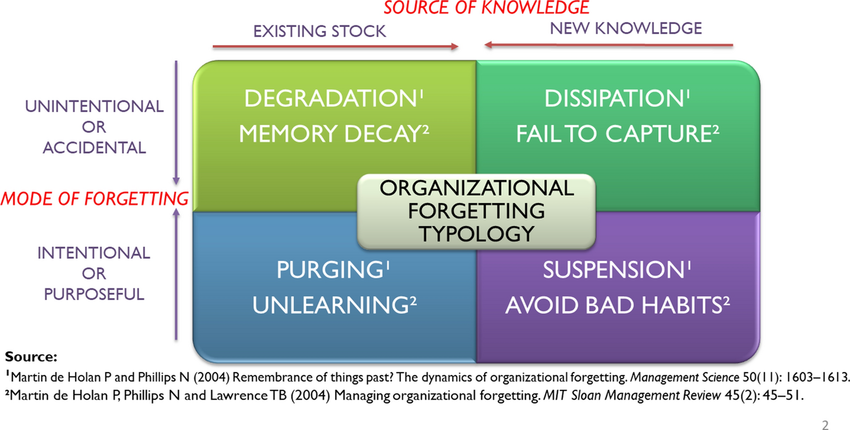
"Corporate amnesia" or "institutional forgetting" – where organisations lose valuable knowledge, experience & insights over time (& reinvent approaches whilst not considering existing expertise &/or not making the time to learn from what happened previously). It is a significant

"Corporate amnesia" or "institutional forgetting" –  where organisations lose valuable knowledge, experience &amp; insights over time (&amp; reinvent approaches whilst not considering existing expertise &amp;/or not making the time to learn from what happened previously). It is a significant