AZ (@albertz0502) 's Twitter Profile
AZ

@albertz0502

Founder & CEO @compute_labs | ex @the_delysium, @rct_ai, & @xsolla | @UCLA @Caltech

ID: 1536253569351008256

calendar_today13-06-2022 07:46:15

419 Tweet

9,9K Followers

704 Following

Compute Labs | $AIFi (@compute_labs) 's Twitter Profile Photo

GPU financing looks less like tech and more like real estate. Contracts, energy, and utilization data now decide where the next trillion in capital flows. Our focus is simple: make it possible for investors to fund that infrastructure directly and for operators to access

GPU financing looks less like tech and more like real estate.

Contracts, energy, and utilization data now decide where the next trillion in capital flows.

Our focus is simple: make it possible for investors to fund that infrastructure directly and for operators to access
AZ (@albertz0502) 's Twitter Profile Photo

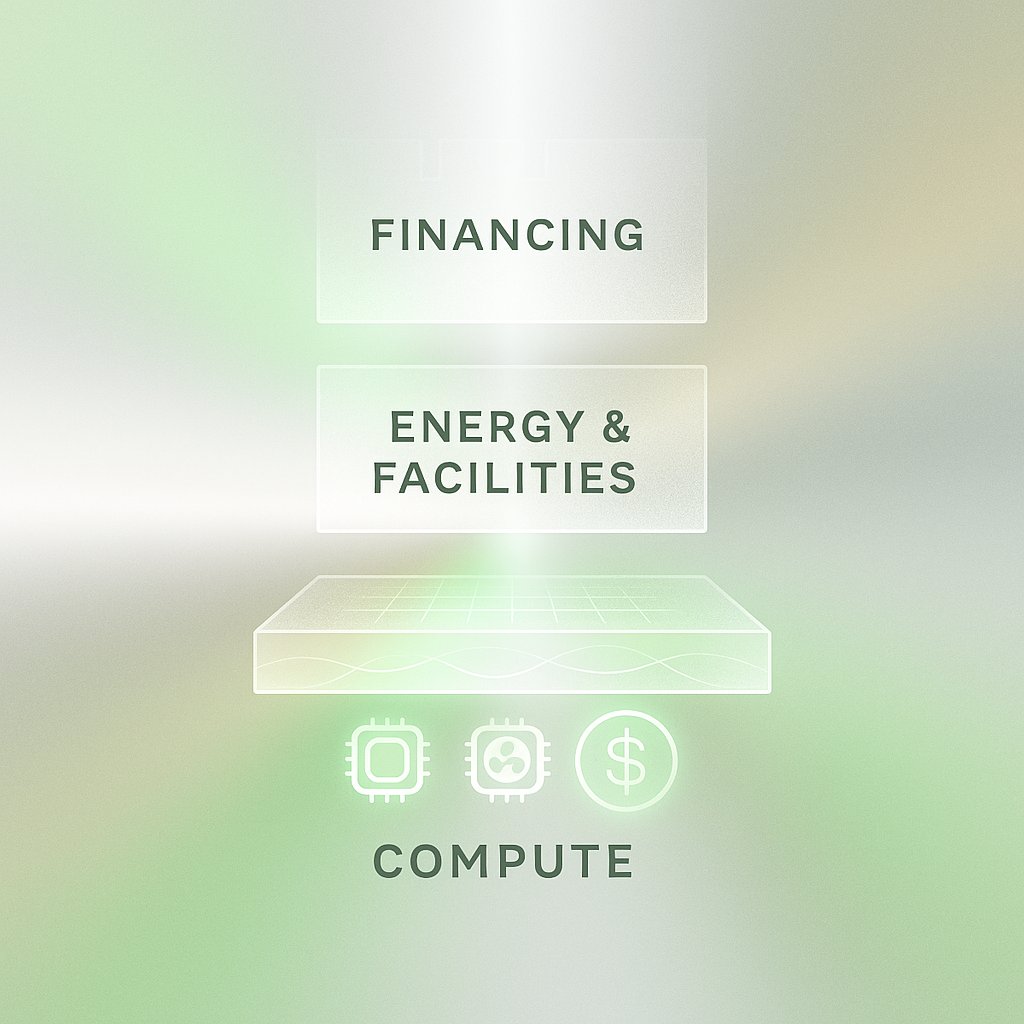
The constraint in AI infrastructure has moved upstream. DC Operators can find GPUs. They can secure power. But aligning those under scalable financing is still difficult for most balance sheets. Until that gap closes, AI growth will be defined not by innovation but by who can

The constraint in AI infrastructure has moved upstream.

DC Operators can find GPUs. They can secure power. But aligning those under scalable financing is still difficult for most balance sheets.

Until that gap closes, AI growth will be defined not by innovation but by who can
AZ (@albertz0502) 's Twitter Profile Photo

Since January, AI infrastructure announcements have added up to hundreds of billions in new CapEx. All concentrated among a handful of hyperscalers. But outside those few names, there’s a long list of regional and independent data center operators sitting on GPU purchase orders

Since January, AI infrastructure announcements have added up to hundreds of billions in new CapEx.

All concentrated among a handful of hyperscalers.

But outside those few names, there’s a long list of regional and independent data center operators sitting on GPU purchase orders
AZ (@albertz0502) 's Twitter Profile Photo

Public institutions are designing AI capacity the way we designed power: multi-year, multi-vendor, and contracted. Argonne’s ~100k Blackwell plan and DOE's AMD “AI factory” model point to a new norm of shared public-private financing for GPU compute. That’s why Compute Labs
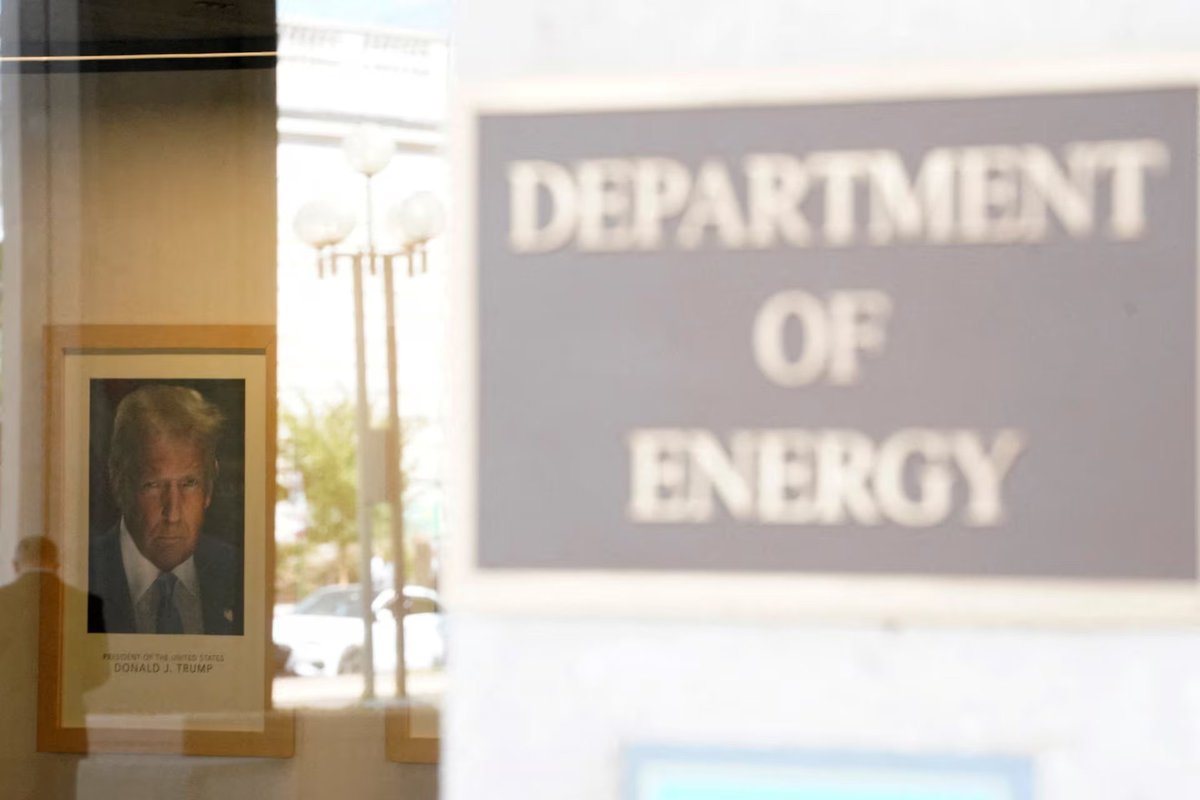

Public institutions are designing AI capacity the way we designed power: multi-year, multi-vendor, and contracted.

Argonne’s ~100k Blackwell plan and DOE's AMD “AI factory” model point to a new norm of shared public-private financing for GPU compute.

That’s why <a href="/Compute_Labs/">Compute Labs</a>
AZ (@albertz0502) 's Twitter Profile Photo

AI infrastructure is starting to mirror the energy sector. Long-term GPU contracts → guaranteed work and steady revenue Limited power supply → a waiting line to plug in new data centers Tax incentives → faster write-offs and easier financing Finance eventually standardizes

AI infrastructure is starting to mirror the energy sector.

Long-term GPU contracts → guaranteed work and steady revenue
Limited power supply → a waiting line to plug in new data centers
Tax incentives → faster write-offs and easier financing

Finance eventually standardizes
AZ (@albertz0502) 's Twitter Profile Photo

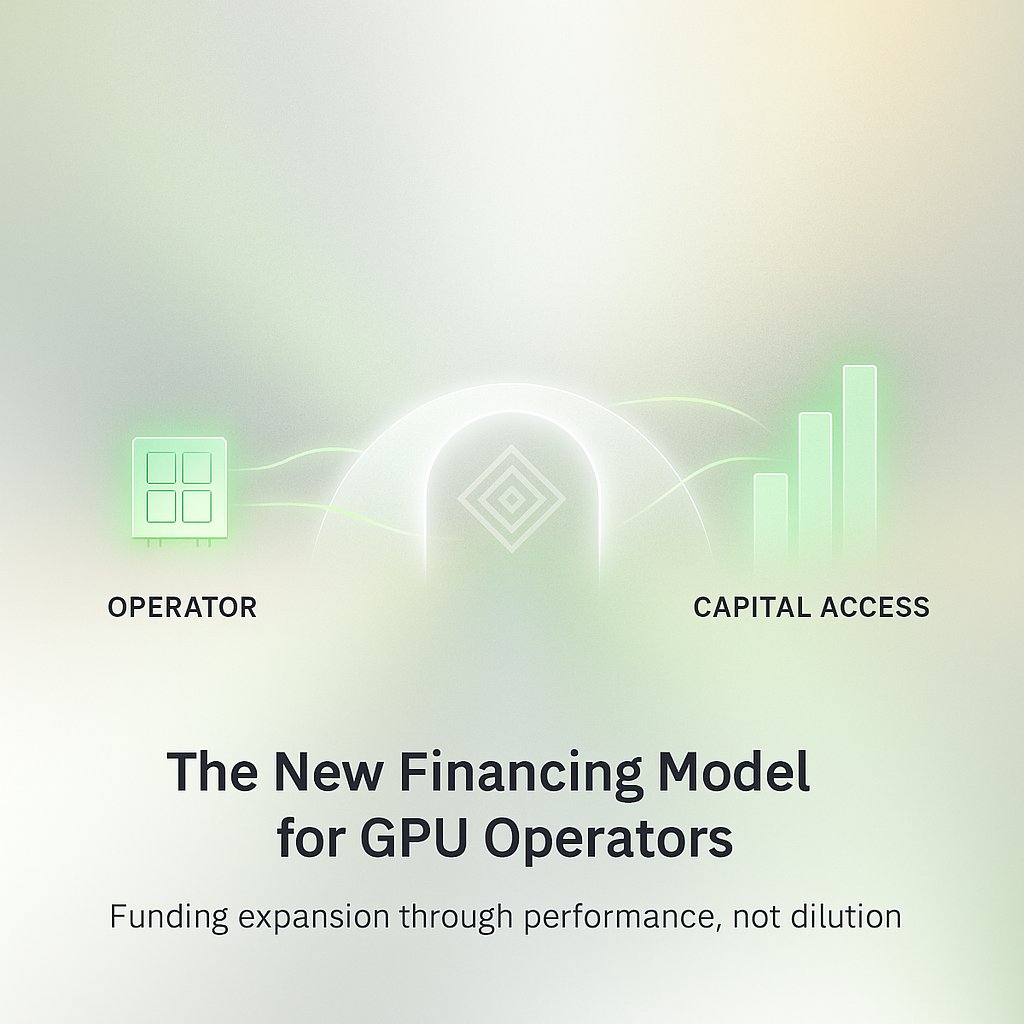
Many data center operators still raise capital the same way software startups do with pitch decks, equity, and dilution. But GPUs are depreciating assets with measurable utilization and predictable cash flows. That’s why we’re building the full financing stack that treats GPUs

AZ (@albertz0502) 's Twitter Profile Photo

We’ve reached the point where every breakthrough in AI will depend on who has access to compute more than anything else. Data and ideas are abundant but GPUs and infrastructure are not. That scarcity is what’s driving a new market. One where compute can be financed, allocated,

AZ (@albertz0502) 's Twitter Profile Photo

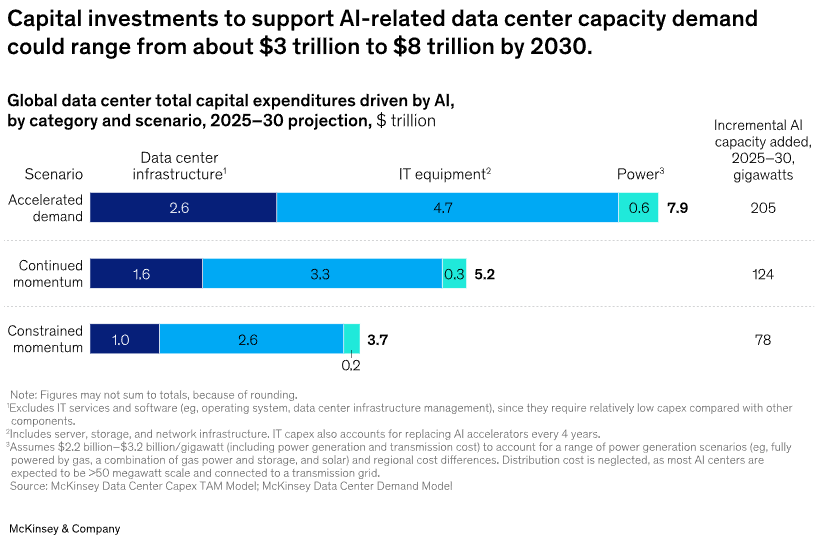
There’s roughly $7 trillion in AI infrastructure spending projected this decade. Most of it is still funded like CapEx: bought outright, financed privately, and rarely securitized. This presents an opportunity. Once compute can be tracked, valued, and underwritten like other

There’s roughly $7 trillion in AI infrastructure spending projected this decade.

Most of it is still funded like CapEx: bought outright, financed privately, and rarely securitized.

This presents an opportunity.

Once compute can be tracked, valued, and underwritten like other
AZ (@albertz0502) 's Twitter Profile Photo

Most people know GPUs power AI models, but they don’t always know how that turns into revenue. At the simplest level, GPUs earn money when they’re running paid workloads like model training or inference. When the hardware is being utilized, it generates income. When it’s

Compute Labs | $AIFi (@compute_labs) 's Twitter Profile Photo

Neoclouds track a few core metrics to gauge how well their infrastructure is performing: • GPU Utilization: how often GPUs are running paid workloads • PUE (Power Usage Effectiveness): how efficiently the facility turns power into compute • Uptime: how consistently the site

Neoclouds track a few core metrics to gauge how well their infrastructure is performing:

• GPU Utilization: how often GPUs are running paid workloads

• PUE (Power Usage Effectiveness): how efficiently the facility turns power into compute

• Uptime: how consistently the site
AZ (@albertz0502) 's Twitter Profile Photo

Nowadays people read the word "GPUs" and think “expensive hardware". However, most of the true value comes from how efficiently the hardware is powered and kept online. Power contracts decide the cost of every workload. Cooling and uptime help clients determine whether to stay

Nowadays people read the word "GPUs" and think “expensive hardware". However, most of the true value comes from how efficiently the hardware is powered and kept online.

Power contracts decide the cost of every workload. Cooling and uptime help clients determine whether to stay
Meltem Demirors (@melt_dem) 's Twitter Profile Photo

nvidia earnings call, first sixty seconds "we have line of sight to a half trillion in revenue in 2026" the bubble hasn't started yet

AZ (@albertz0502) 's Twitter Profile Photo

The biggest difference between mature infrastructure assets and early-stage compute is how well performance can be understood. Power plants and data centers have decades of standardized metrics. GPUs are just now catching up: utilization, uptime, workload mix and other factors

The biggest difference between mature infrastructure assets and early-stage compute is how well performance can be understood.

Power plants and data centers have decades of standardized metrics. GPUs are just now catching up: utilization, uptime, workload mix and other factors
AZ (@albertz0502) 's Twitter Profile Photo

The maturity of any infrastructure market begins the moment performance becomes measurable. Compute is at that point. Neoclouds are collecting utilization, uptime, and workload data with enough consistency for lenders and investors to understand how these deployments actually

Compute Labs | $AIFi (@compute_labs) 's Twitter Profile Photo

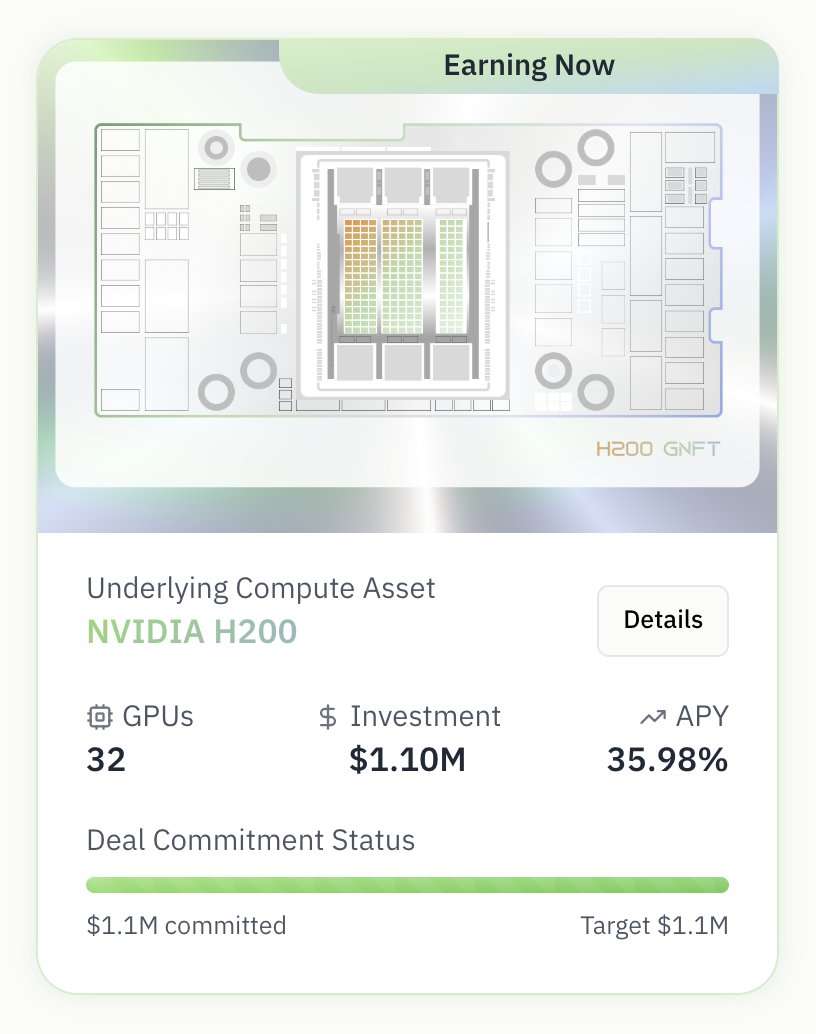
Investors can now get AI exposure through the economics of compute itself, not just through public equities. When GPUs run paid workloads, they generate hourly revenue. With clear utilization data and consistent demand, we can underwrite those deployments and structure the cash

Investors can now get AI exposure through the economics of compute itself, not just through public  equities.

When GPUs run paid workloads, they generate hourly revenue. With clear utilization data and consistent demand, we can underwrite those deployments and structure the cash
AZ (@albertz0502) 's Twitter Profile Photo

AI infrastructure development accelerated faster than the financing systems around it. Billions in GPUs are on order, but many neoclouds can’t scale because the capital markets haven’t fully adapted to the asset class. Hardware that produces revenue every hour still isn’t

AI infrastructure development accelerated faster than the financing systems around it.

Billions in GPUs are on order, but many neoclouds can’t scale because the capital markets haven’t fully adapted to the asset class. Hardware that produces revenue every hour still isn’t
AZ (@albertz0502) 's Twitter Profile Photo

Hyperscalers became enterprise partners by doing a few simple things very well: staying online, delivering consistent performance, and building trust over time. Neoclouds are now starting that same journey. The difference will be in how they fund growth. With revenue-share

Hyperscalers became enterprise partners by doing a few simple things very well: staying online, delivering consistent performance, and building trust over time. Neoclouds are now starting that same journey.

The difference will be in how they fund growth. With revenue-share
AZ (@albertz0502) 's Twitter Profile Photo

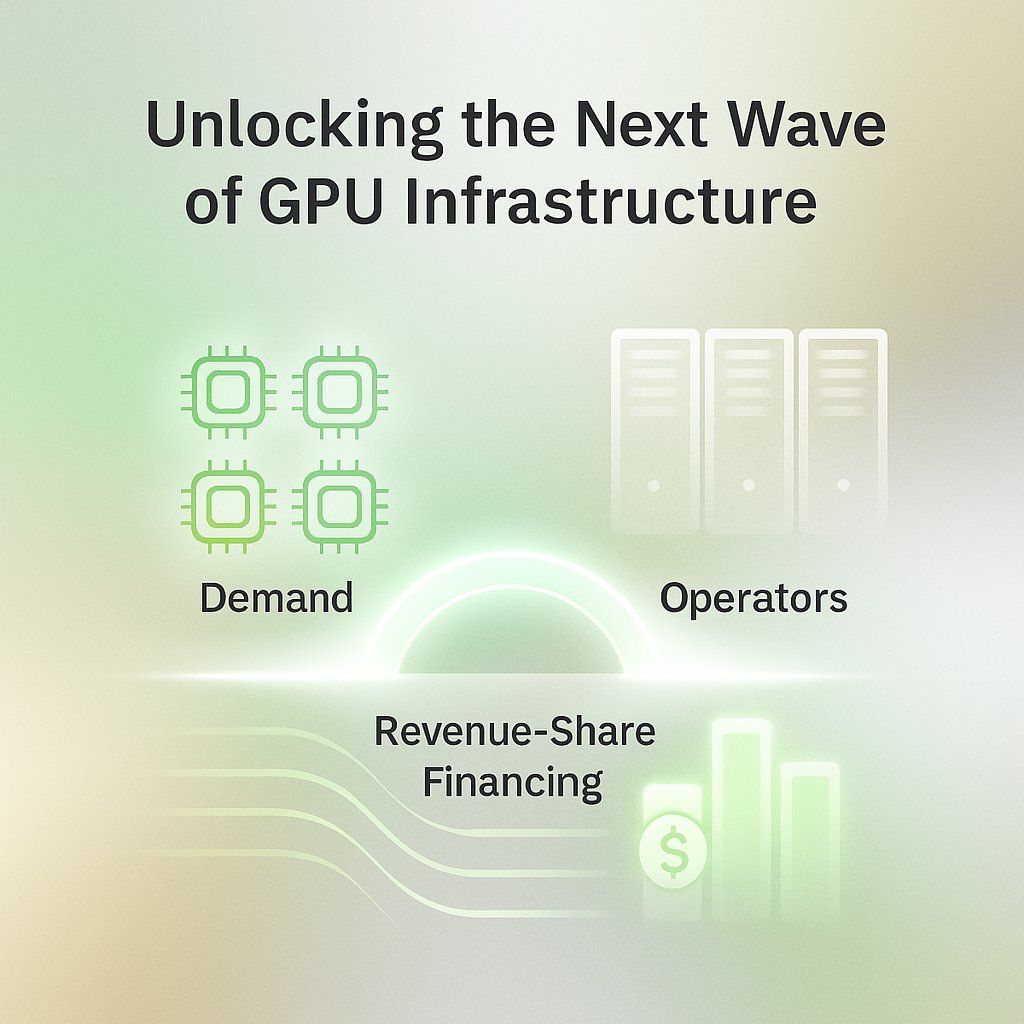
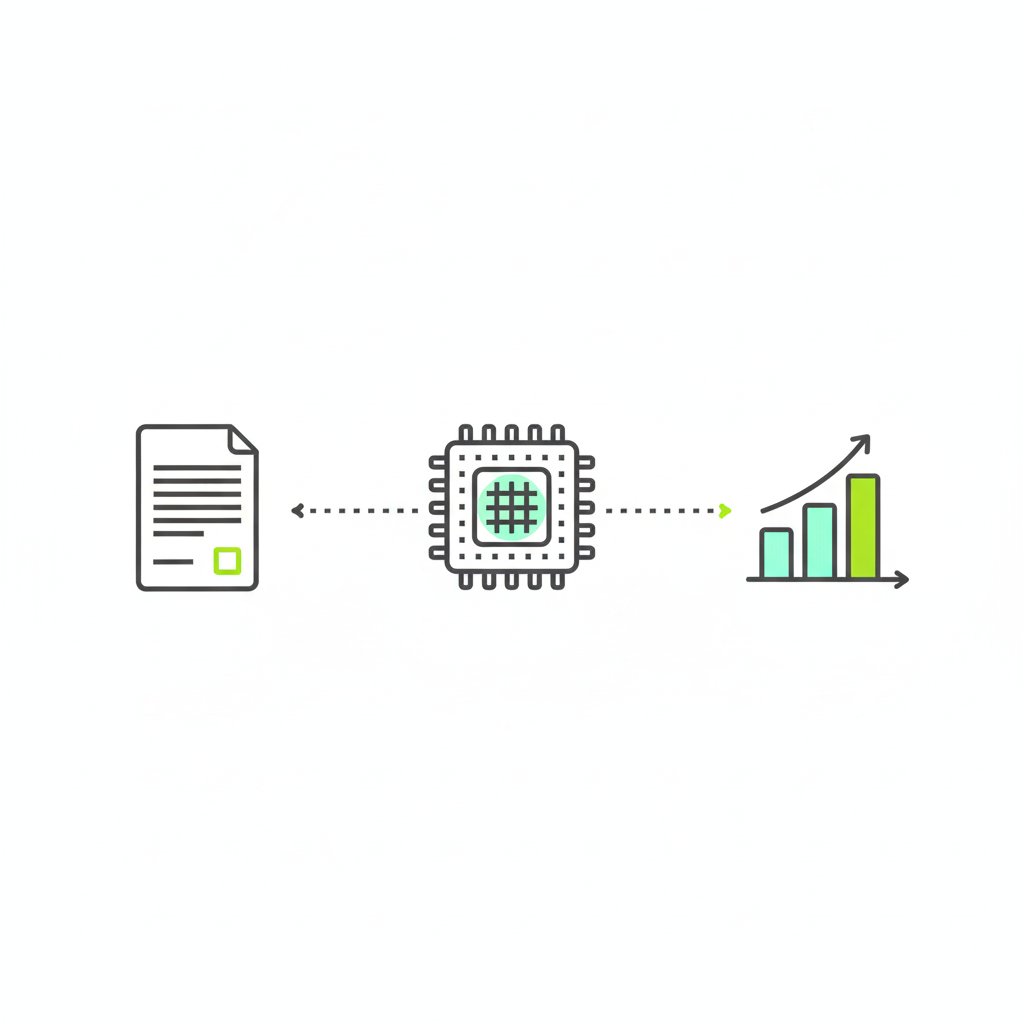
For years, compute had a coordination problem. Neocloud operators needed GPUs, yield-focused investors were open to new real assets, and there was no straightforward way to link capital to the performance of the hardware. Revenue-share financing closes that gap. Neoclouds

For years, compute had a coordination problem. Neocloud operators needed GPUs, yield-focused investors were open to new real assets, and there was no straightforward way to link capital to the performance of the hardware.

Revenue-share financing closes that gap. Neoclouds
AZ (@albertz0502) 's Twitter Profile Photo

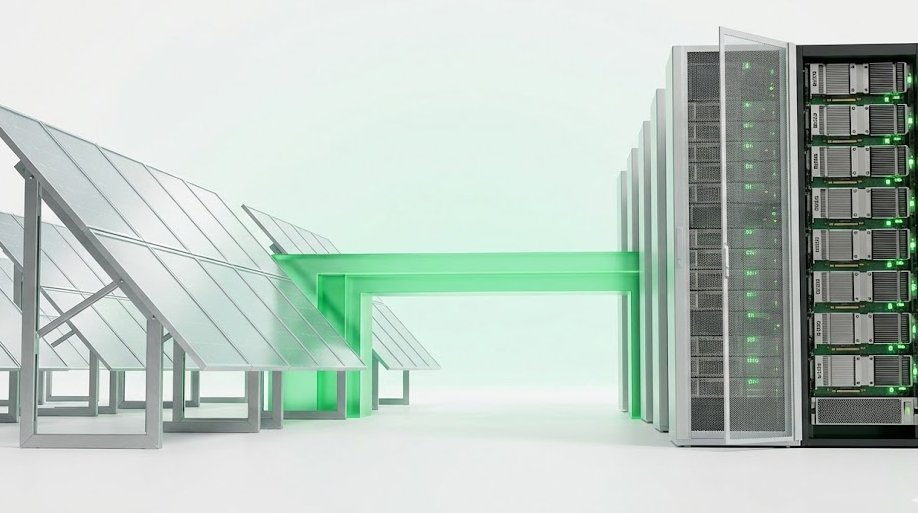
Solar energy became a bankable asset class only when the risk models matured. Before we had standardized data, solar was treated as venture risk. Once the yield became predictable, it became infrastructure. GPUs are crossing that exact same bridge. We now have the utilization

Solar energy became a bankable asset class only when the risk models matured.

Before we had standardized data, solar was treated as venture risk. Once the yield became predictable, it became infrastructure.

GPUs are crossing that exact same bridge.

We now have the utilization