Eleanor Cross (@eleanorc_mbio) 's Twitter Profile
Eleanor Cross

@eleanorc_mbio

PhD researching machine learning and deep sea biology

ID: 1053022537234489345

calendar_today18-10-2018 20:38:31

34 Tweet

26 Takipçi

35 Takip Edilen

British Sub-Aqua Club (@bsacdivers) 's Twitter Profile Photo

🦈 A petition has been launched to ban sharks from being sold under misleading names, asking that their common names are instead used to enable consumers to make ethical and environmental choices. divemagazine.com/scuba-diving-n…

Sarah McAnulty, Ph.D (@sarahmackattack) 's Twitter Profile Photo

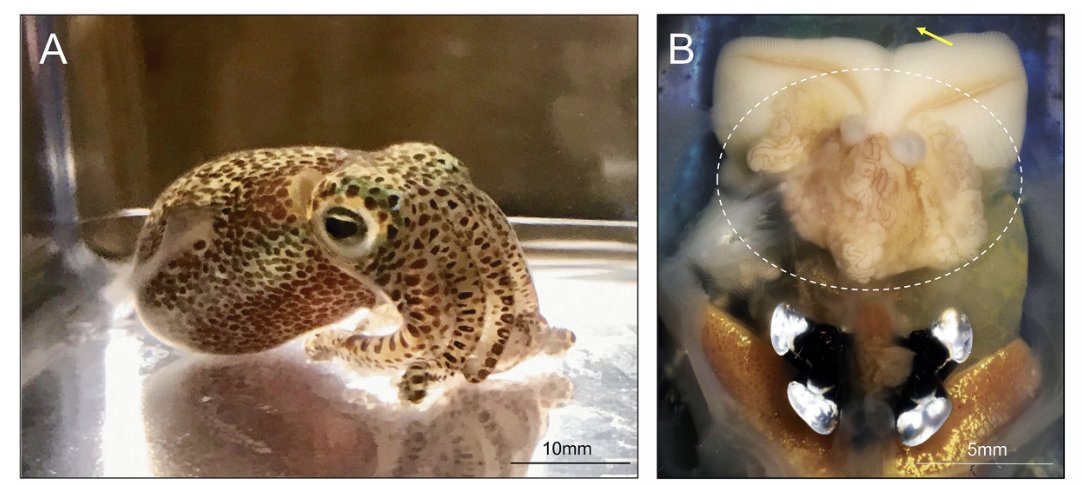
HOT OFF THE PRESS! It's a story of bobtails. The female bobtails have a consortium of bacteria living in many tubes called the ANG. This bacteria is used to protect developing baby squid! What happens when squid grow up without that community nearby? 👇 journals.asm.org/doi/10.1128/mb…

HOT OFF THE PRESS!

It's a story of bobtails. The female bobtails have a consortium of bacteria living in many tubes called the ANG. This bacteria is used to protect developing baby squid!

What happens when squid grow up without that community nearby?

👇
journals.asm.org/doi/10.1128/mb…
Mission Atlantic (@missionatlantic) 's Twitter Profile Photo

Computer Vision was used to measure density and size of the xenophyophore Syringammina fragilissima. More than 58,000 images were analysed, resulting in a workflow that can dramatically speed-up deep-sea benthic ecology studies 📰doi.org/10.1016/j.ecoi… Prof Kerry Howell (not in use) University of Plymouth


Computer Vision was used to measure density and size of the xenophyophore Syringammina fragilissima. More than 58,000 images were analysed, resulting in a workflow that can dramatically speed-up deep-sea benthic ecology studies
📰doi.org/10.1016/j.ecoi…

<a href="/DeepSeaEcol/">Prof Kerry Howell (not in use)</a> <a href="/PlymUni/">University of Plymouth</a>
Ocean Conservation Trust (@oceanctrust) 's Twitter Profile Photo

Have you spotted the new Living Seawall panels at Plymouth Barbican? These panels are designed to increase habitat complexity and biodiversity by mimicking the structure of natural shorelines. Project led by University of Plymouth together with support from organisations across the world!
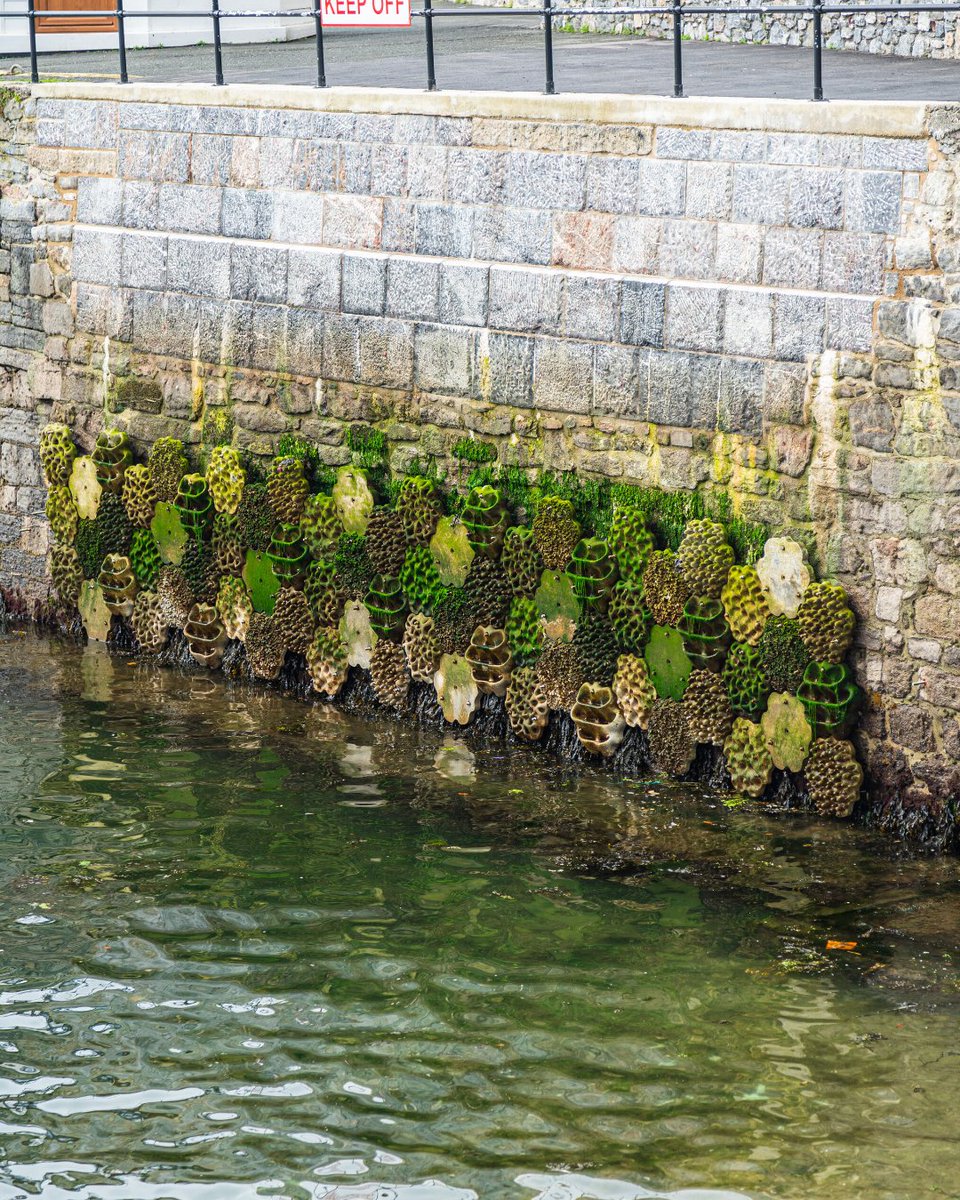

Have you spotted the new Living Seawall panels at Plymouth Barbican?

These panels are designed to increase habitat complexity and biodiversity by mimicking the structure of natural shorelines.

Project led by <a href="/PlymUni/">University of Plymouth</a> together with support from organisations across the world!
Eleanor Cross (@eleanorc_mbio) 's Twitter Profile Photo

Finally got a chance to do some painting over the holidays, so here is a lovely nudibranch based on one of the ROV images from the JC136 cruise that I helped to annotate last year as part of my ResM! Already missing the DeepSeaCRU 😁
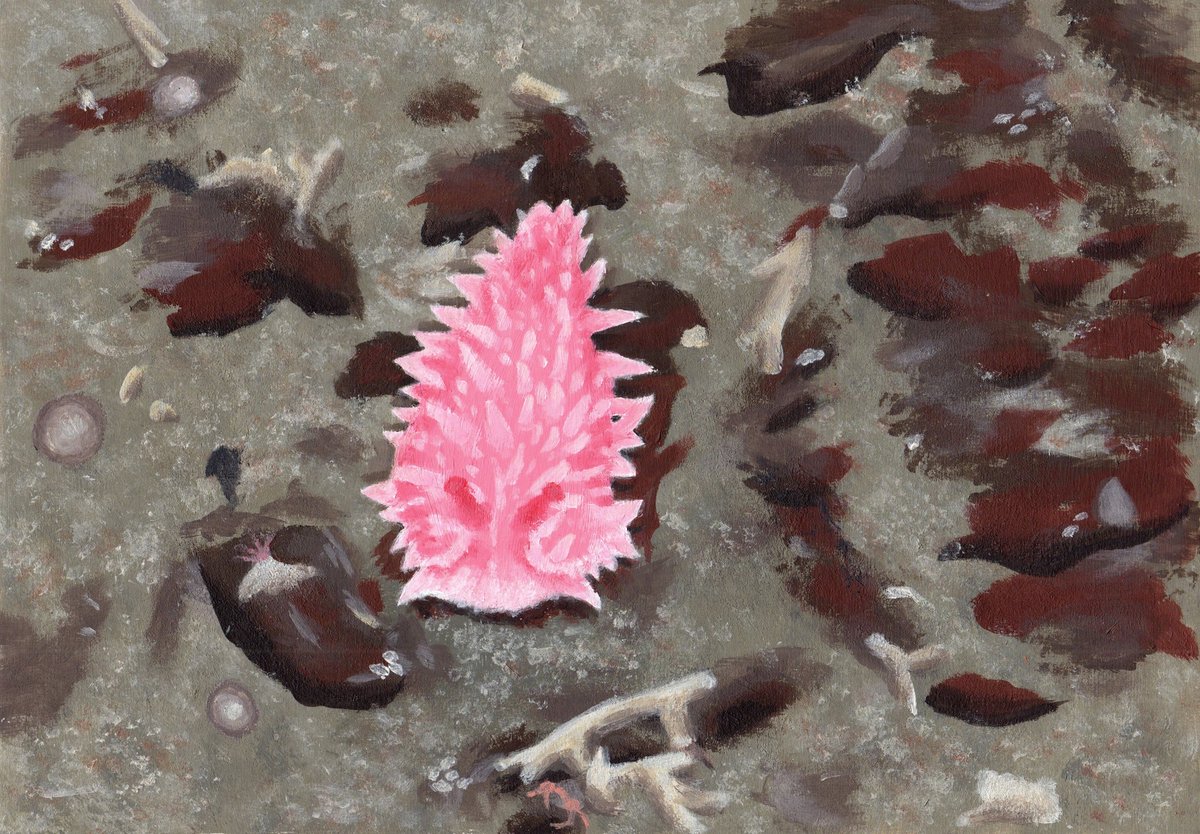
Finally got a chance to do some painting over the holidays, so here is a lovely nudibranch based on one of the ROV images from the JC136 cruise that I helped to annotate last year as part of my ResM! Already missing the <a href="/DeepSeaCRU/">DeepSeaCRU</a> 😁
Eleanor Cross (@eleanorc_mbio) 's Twitter Profile Photo

Passed my ResM viva with corrections this Monday! Thanks again to @CherisseDuPreez, Clare Embling and my supervisor Prof Kerry Howell (not in use) as well as the rest of the DeepSeaCRU research team!
Veronica - @LeapinLemurs83.bsky.social (@leapinlemurs83) 's Twitter Profile Photo

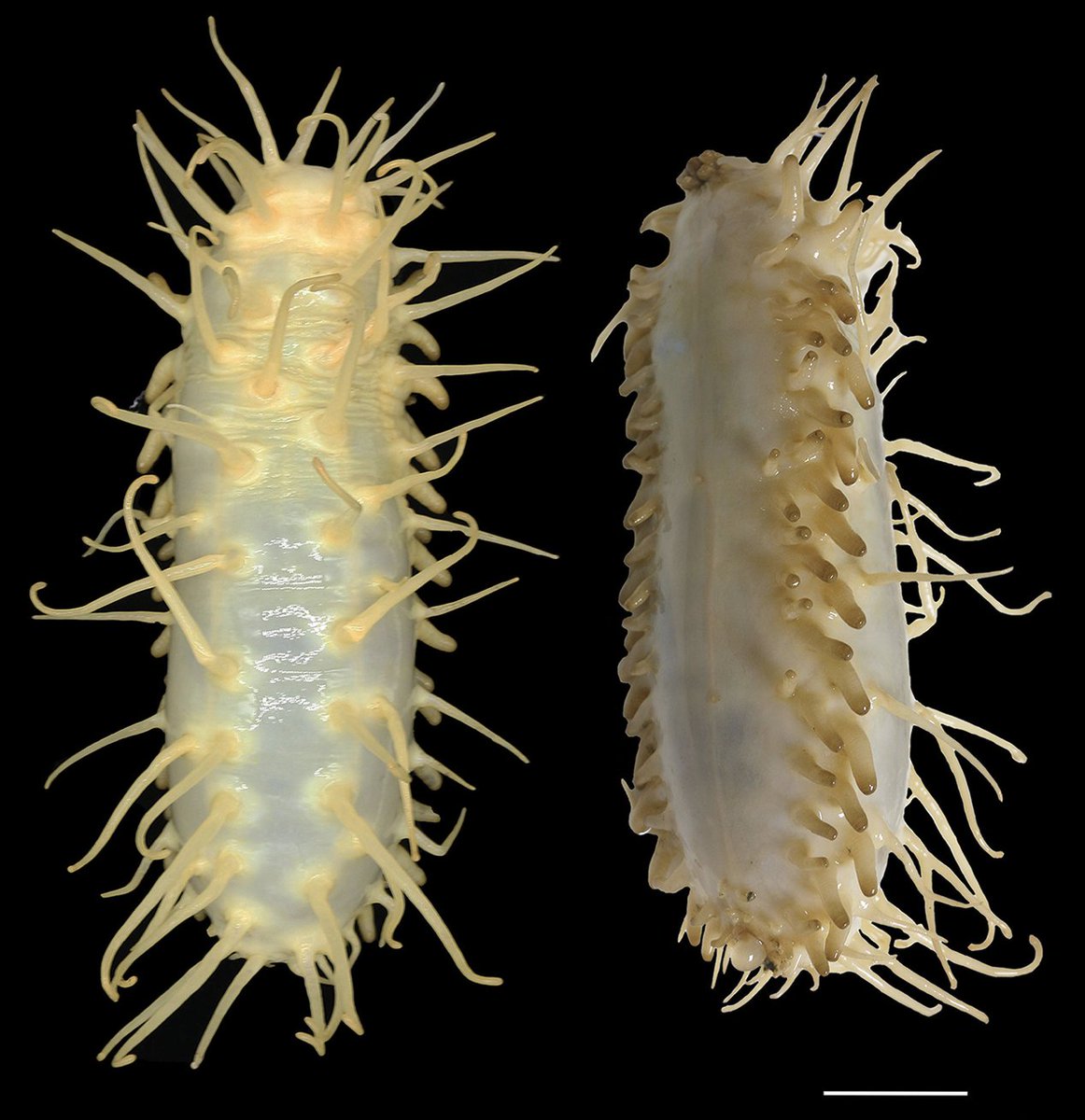
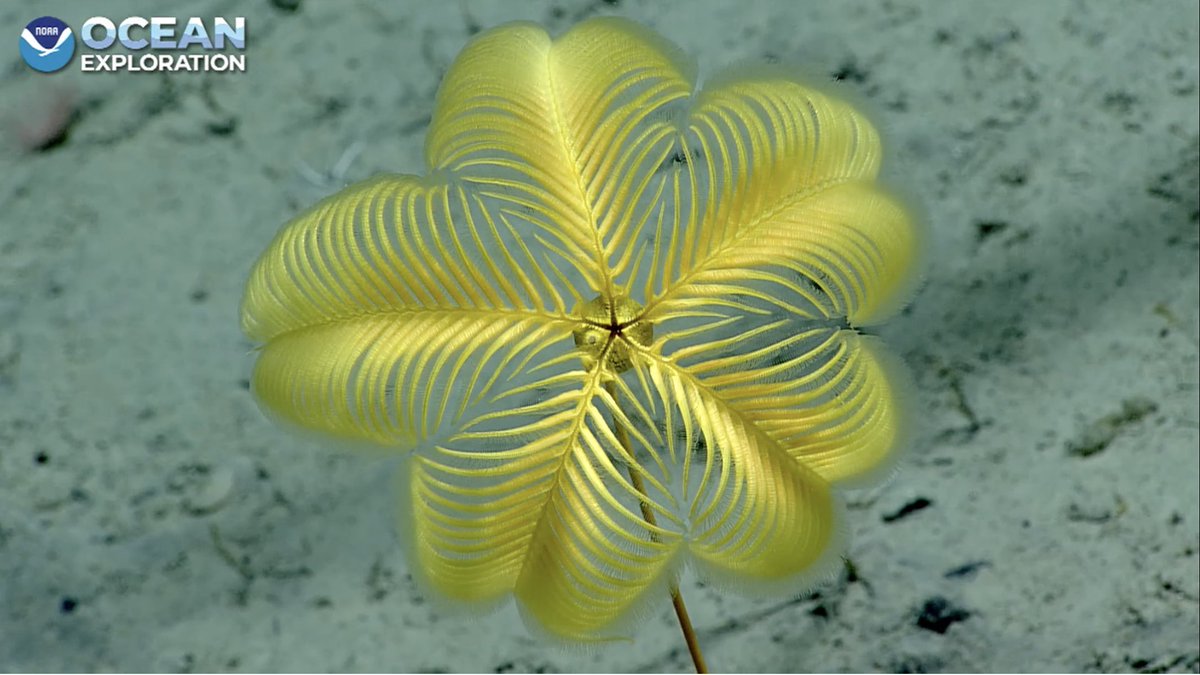
I missed posting these from that dive. A look down the center of an iridogorgia, a cool looking glass sponge, cluster of barnacles, and polychaete worm. Castle Rock Seamount #NorthAtlanticSteppingStones NOAA Ocean Exploration #Okeanos


I missed posting these from that dive. A look down the center of an iridogorgia, a cool looking glass sponge, cluster of barnacles, and polychaete worm. Castle Rock Seamount #NorthAtlanticSteppingStones  <a href="/oceanexplorer/">NOAA Ocean Exploration</a> #Okeanos
National Ocean Protection Coalition (NOPC) (@oceancoalition) 's Twitter Profile Photo

The world’s oldest organism — a deep sea black coral — has been living in Papahānaumokuākea for 4,000 years! Scientists can measure the corals’ age by looking at growth rings, just like a tree on land. buff.ly/3VAEt4r

The world’s oldest organism — a deep sea black coral — has been living in Papahānaumokuākea for 4,000 years! Scientists can measure the corals’ age by looking at growth rings, just like a tree on land. buff.ly/3VAEt4r
Mat Upton (@mat_upton) 's Twitter Profile Photo

Another great opportunity to join us University of Plymouth - PhD studentship in #antimicrobial discovery & #microbial #ecology. Working with our colleagues at the Roman Baths. Just over 10 days to closing date. #AntimicrobialResistance #NaturalProducts jobs.ac.uk/job/DGV234/phd…

Another great opportunity to join us <a href="/PlymUni/">University of Plymouth</a> - PhD studentship in #antimicrobial discovery &amp; #microbial #ecology. Working with our colleagues at the Roman Baths. Just over 10 days to closing date. #AntimicrobialResistance #NaturalProducts

jobs.ac.uk/job/DGV234/phd…
Nicola Foster (@nicola_foster) 's Twitter Profile Photo

‘Oxygen discovery defies knowledge of the deep ocean’. This is mind blowing! 🤯 Researchers have discovered that metallic nodules on the deep ocean floor produce oxygen! bbc.com/news/articles/…

Deep-Sea Biology Society (@dsbsoc) 's Twitter Profile Photo

Reminder to submit exciting news about your projects, events, or cruises over the past 6 months, to be included in the August 2024 Deep-Sea Life issue. Deadline to submit is August 2, 2024. Relevant information, here: dosi-project.org/deep-sea-life-…