

David T. Paik, PhD
@dtpaikphd
Biotech investor @MAC_lifescience @miraeasset
Opinions are my own.
ID: 199992801
https://www.lifesci.miraeasset.com/ 08-10-2010 05:45:11
364 Tweet
505 Followers
497 Following
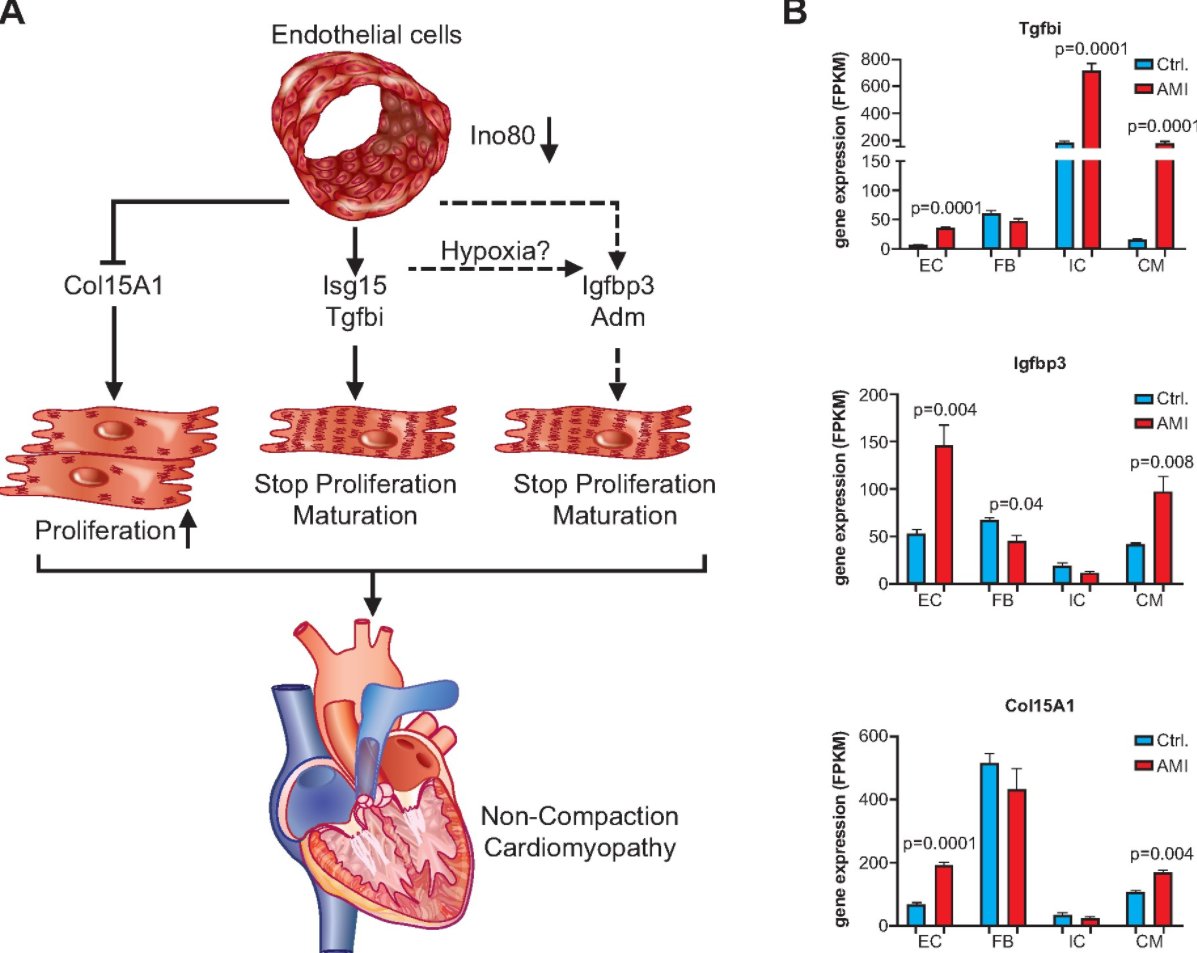
We share in European Society of Cardiology European Society of Cardiology Journals our discovery of angiocrine factors (secreted from endocardial and vascular endothelial cells) critical for ventricular compaction during heart development from scRNA-seq of LVNC embryonic hearts! Kristy Red Horse Stanford CVI NAVBO
nature.com/articles/s4156… very glad that our review on Cardiac Enhancers is out. The Foo Lab will be paying close attention to development of enhancer targeted disease therapies. Exciting stuff... Yong Loo Lin School of Medicine NUS CVD Programme A*STAR Genome Institute of Singapore (A*STAR GIS) pic.x.com/sdComiXo16

A tour de force talk (as always) by Joseph C Wu, MD, PhD at #BCVS21! Nice 2C the many contributions of his lab to #CardioOnc! June Rhee David T. Paik, PhD Arun Sharma Sean M Wu, MD PhD EuroCardio-Onc Stanford CVI Mike Fradley, MD Eric H Yang, MD Han Zhu Juan Qin, PhD
Great overview from Ondine Cleaver on the history and the body of work characterizing organ-specific signatures of endothelium to date NAVBO Endothelial Cell News


Fantastic editorial on our latest work on endocardial/endothelial angiocrines in cardiac development by Julian Wagner Stefanie Dimmeler. Take a read! doi.org/10.1093/eurhea…
Still not to late to submit your manuscripts! Frontiers in Cardiovascular Medicine
Highly inspiring talk by Shahin Rafii thanks to Gordana Vunjak-Novakovic Columbia BME on diversity of endothelial cells, organ-specific angiocrines, and translational vascular medicine. This emphasizes the critical need to improve methodologies to derive iPSC-ECs with organotypic properties.

Please join us for the inaugural "Victor Dzau Distinguished Lecture in Cardiovascular Medicine" by Dr. Eugene Braunwald Brigham and Women's Hospital on Wed 12/8 at 8am PST. med.stanford.edu/cvi/events/vic… Stanford CVI Stanford Medicine Sarafan ChEM-H Dr. Deepak L. Bhatt Robert Harrington C. Michael Gibson MD National Academy of Medicine
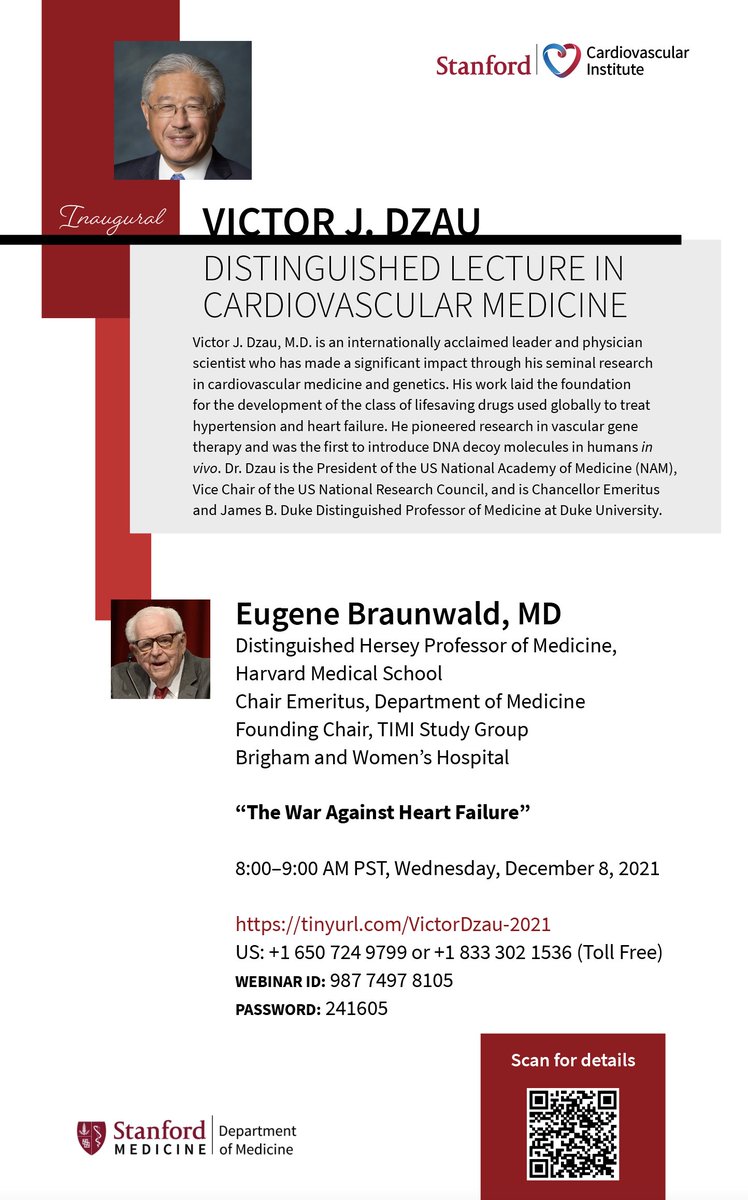
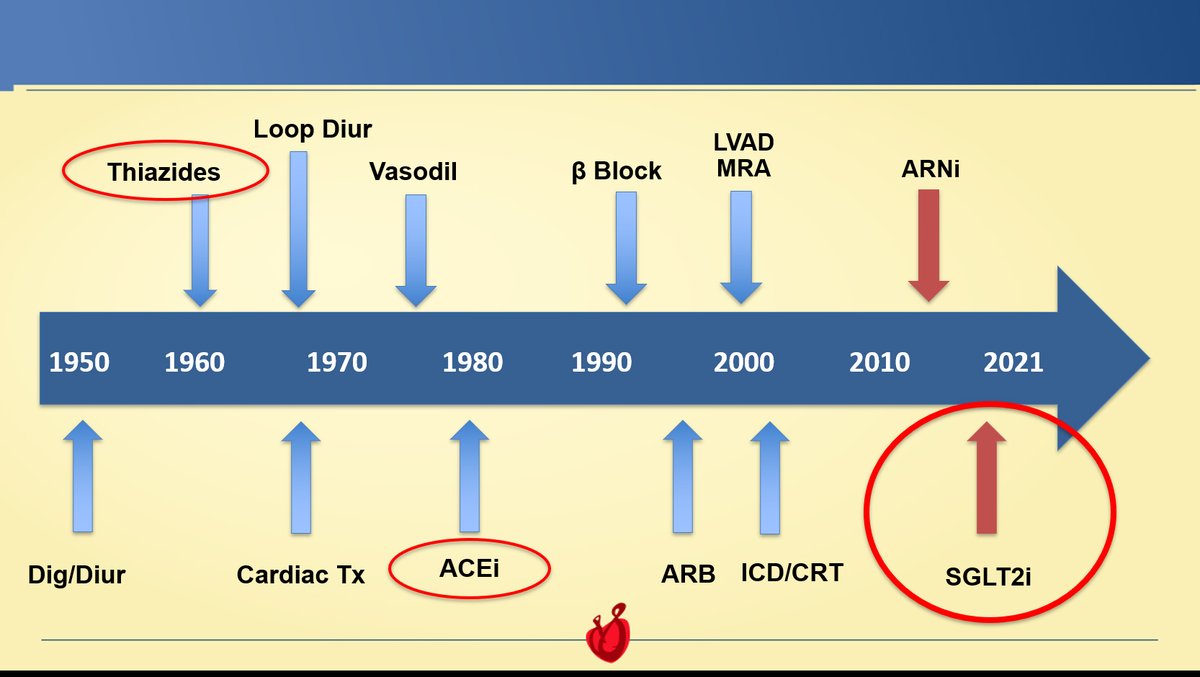
Sincere thanks to Dr. Eugene Braunwald for delivering inaugural Victor Dzau Distinguished Lecture in Cardiovascular Medicine Stanford CVI & Stanford Department of Medicine and to >900 attendees. Recorded talk will be available at med.stanford.edu/cvi/events/vic… National Academy of Medicine Robert Harrington Stanford Medicine
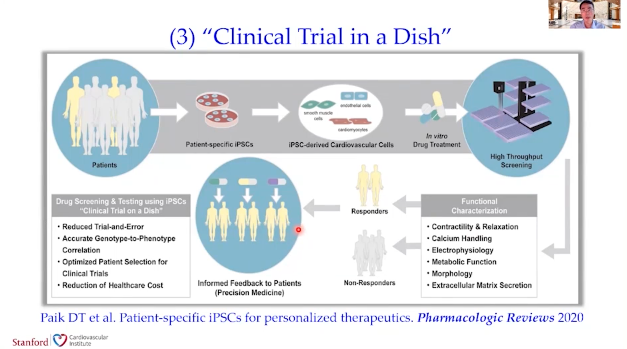
Happy to share that our article on reconstructing the 🫀 using iPSCs was selected as one of JMCC’s “2021 Papers of the Year”! What a pleasant birthday surprise🎂🙏 Journal of Molecular and Cellular Cardiology Joseph C Wu, MD, PhD @mascott85 Stanford CVI #TissueEngineering #Bioengineering sciencedirect.com/science/articl…
Very well deserved! Joseph C Wu, MD, PhD
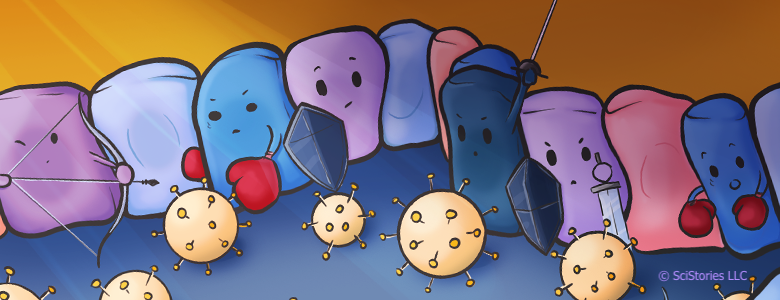
Many intercellular communication systems (BMP, Notch, Wnt, FGF, etc) use sets of promiscuously interacting ligand and receptor variants rather than seemingly simpler one-to-one architectures. Why? Our 2 papers grappling w/this question just out in Cell Systems
