Doug Gooday (@drwilderness) 's Twitter Profile
Doug Gooday

@drwilderness

Chartered Biologist CBiol MRSB-Nature Educator-Forest School Trainer-Woodworker. Wild places, restoring nature, promoting ecological literacy. B@320ppmCO2

ID: 1325838995344011264

calendar_today09-11-2020 16:34:23

492 Tweet

154 Takipçi

385 Takip Edilen

Prof Jem Bendell 🌍☸️ (@jembendell) 's Twitter Profile Photo

A book on societal #collapse, why it is happening, and what to do about it (and not do about it), is free from today as an ebook. Because we all need to know. So please RT this freebie. #BreakingTogether jembendell.com/2023/07/10/bre…

Plantlife Scotland (@plantlifescot) 's Twitter Profile Photo

📢NEW REPORT📢 Making the Most of Scotland’s Grasslands plantlife.org.uk/wp-content/upl… Read about how species-rich grasslands connect Scotland’s unique biodiversity, history & identity Floodplain Meadows Partnership Pasture For Life
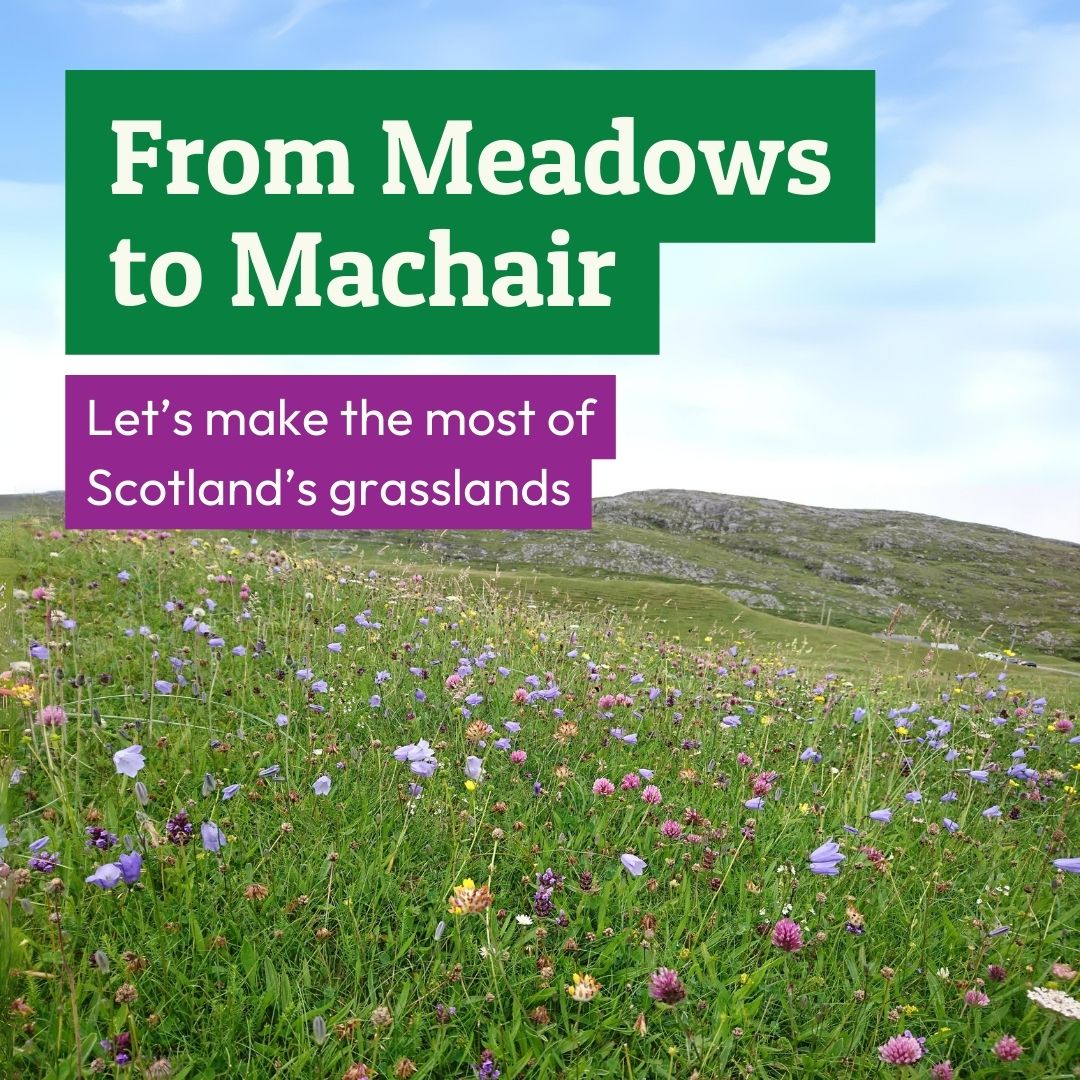

📢NEW REPORT📢
Making the Most of Scotland’s Grasslands
plantlife.org.uk/wp-content/upl…

Read about how species-rich grasslands connect Scotland’s unique biodiversity, history & identity
<a href="/Floodplainmead/">Floodplain Meadows Partnership</a>  <a href="/PastureForLife/">Pasture For Life</a>
RSPB Scotland (@rspbscotland) 's Twitter Profile Photo

Fantastic news from Aberdeenshire! Great White Egret chicks have hatched in Scotland for the first time! These stunning birds have been spreading northwards from continental Europe over the past few decades, thanks to increased legal protection against persecution and protection

Fantastic news from Aberdeenshire! Great White Egret chicks have hatched in Scotland for the first time!

These stunning birds have been spreading northwards from continental Europe over the past few decades, thanks to increased legal protection against persecution and protection
Mar Lodge Estate National Nature Reserve NTS (@marlodgents) 's Twitter Profile Photo

Last week saw a group of folks out learning scything skills in the wildflower meadows that we are developing around the Lodge to benefit biodiversity, improve climate resilience, help sequester carbon, to provide a useful crop (hay!) and of course to look nice .

Last week saw a group of folks out learning scything skills in the wildflower meadows that we are developing around the Lodge to benefit biodiversity, improve climate resilience, help sequester carbon, to provide a useful crop (hay!) and of course to look nice .
Protect the Wild (@protectthewild_) 's Twitter Profile Photo

It's baffling – sacrificing our landscapes, tarnishing the environment, all to optimise conditions for red grouse so people can blast them out of the sky for fun. This isn't the world we want to live in. RT and follow us if you agree!

It's baffling – sacrificing our landscapes, tarnishing the environment, all to optimise conditions for red grouse so people can blast them out of the sky for fun.

This isn't the world we want to live in. 

RT and follow us if you agree!
Guardian Environment (@guardianeco) 's Twitter Profile Photo

Our leaders are collaborators with fossil fuel colonialists. This is the source of our communal dread | Tim Winton theguardian.com/environment/20…

Dave Goulson (@davegoulson) 's Twitter Profile Photo

Regarding the recent application by National Farmers' Union to allow 'emergency' use of neonics on sugar beet, this image explains the problem: most of the pesticide goes into soils, leaches into waterways, & is taken up by wildflowers & hedgerows. Only 5% in crop. nature.com/articles/natur…

Regarding the recent application by <a href="/NFUtweets/">National Farmers' Union</a> to allow 'emergency' use of neonics on sugar beet, this image explains the problem: most of the pesticide goes into soils, leaches into waterways, &amp; is taken up by wildflowers &amp; hedgerows. Only 5% in crop. 
nature.com/articles/natur…

Doug Gooday (@drwilderness) 's Twitter Profile Photo

BBC Radio Scotland came to the Scything course at Tomintoul in August and recorded us for the Out of Doors programme... bbc.co.uk/sounds/play/p0…

Ben Goldsmith (@bengoldsmith) 's Twitter Profile Photo

The big question arising from this bizarre Cairngorms lynx story is not how the poor things got there; but why lynx, a secretive, beautiful British native species no larger than a labrador, have not been officially reintroduced to Britain long ago. The malevolence of a small

Net Zero Scotland (@scotgovnetzero) 's Twitter Profile Photo

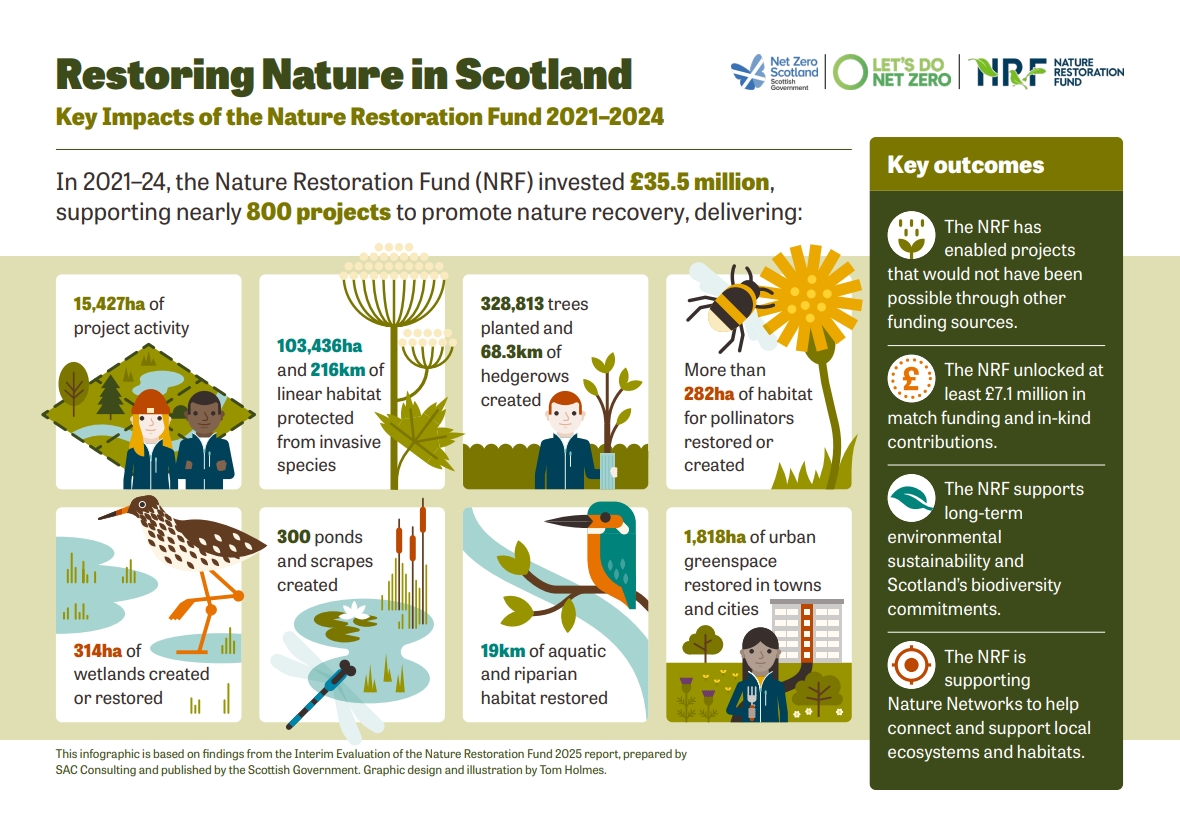
🌻@ScotGov's Nature Restoration Fund (NRF) provides a key vehicle to help Scotland meet its ambition to be Nature Positive by 2030, and to have restored and regenerated biodiversity by 2045. 🦋The Interim Evaluation of NRF examines its impacts: gov.scot/publications/i…

🌻@ScotGov's Nature Restoration Fund (NRF) provides a key vehicle to help Scotland meet its ambition to be Nature Positive by 2030, and to have restored and regenerated biodiversity by 2045.

🦋The Interim Evaluation of NRF examines its impacts: gov.scot/publications/i…
Dave Goulson (@davegoulson) 's Twitter Profile Photo

Very sad to see Labour govt flogging off allotment sites. Allotments provide sustainable, healthy food, encourage exercise and community spirit, & are rich in biodiversity. 10,000 people are on waiting lists to get one! Idiotic. We need more, not fewer! bbc.co.uk/news/articles/…

Alexander Verbeek 🌍 (@alex_verbeek) 's Twitter Profile Photo

Jane Goodall's last interview released: "Don't lose hope." Today's stories prove she was right. Take a moment to listen to her words: daybreaknotesandbeans.substack.com/p/dont-lose-ho…

Jane Goodall's last interview released: "Don't lose hope." Today's stories prove she was right. 
Take a moment to listen to her words:

daybreaknotesandbeans.substack.com/p/dont-lose-ho…
Ryan Katz-Rosene, PhD (@ryankatzrosene) 's Twitter Profile Photo

About *a third* of global fossil fuel CO2 emissions emitted during the Industrial age have occurred in roughly the last 17 years. The previous third was emitted over a period of roughly 26 years. The first third was emitted over a period of about 131 years.

About *a third* of global fossil fuel CO2 emissions emitted during the Industrial age have occurred in roughly the last 17 years. The previous third was emitted over a period of roughly 26 years. The first third was emitted over a period of about 131 years.