Francisco Gómez, Ph.D. 🌱 🧬 🖖🏼 (@drfranciscogz) 's Twitter Profile
Francisco Gómez, Ph.D. 🌱 🧬 🖖🏼

@drfranciscogz

Biometrician lead @syngenta || Science and Agriculture Advocate || Views are my own.

ID: 3506055373

calendar_today09-09-2015 16:25:43

988 Tweet

1,1K Followers

2,2K Following

Addie Thompson (@addie_maize) 's Twitter Profile Photo

I need maize doubled haploids produced. I have seed and I have money. Industry and academic contacts, please connect me to resources! 🌽🌽🌽

Francisco Gómez, Ph.D. 🌱 🧬 🖖🏼 (@drfranciscogz) 's Twitter Profile Photo

Sign up to the Corteva Agriscience Plant Breeding Symposium organized by these awesome students at MSU . The theme for this year will be "Genome Editing Applications in Plant Breeding". 👇🌱🧬

Francisco Gómez, Ph.D. 🌱 🧬 🖖🏼 (@drfranciscogz) 's Twitter Profile Photo

Enjoyed listening to ⁦@ColinKhoury⁩ on NPR this morning talking about “Distant Cousins Of Food Crops Deserve Respect And Protection” npr.org/2020/12/16/946…

MSU Plant Resilience Institute @msupri.bsky.social (@msu_pri) 's Twitter Profile Photo

The MSU Plant Resilience Institute postdoctoral fellowship proposal posting is now live. This is a 60k salary with research funds fellowship. We will begin reviewing applications on February 3rd. plantresilience.msu.edu/pri-postdoctor…

Francisco Gómez, Ph.D. 🌱 🧬 🖖🏼 (@drfranciscogz) 's Twitter Profile Photo

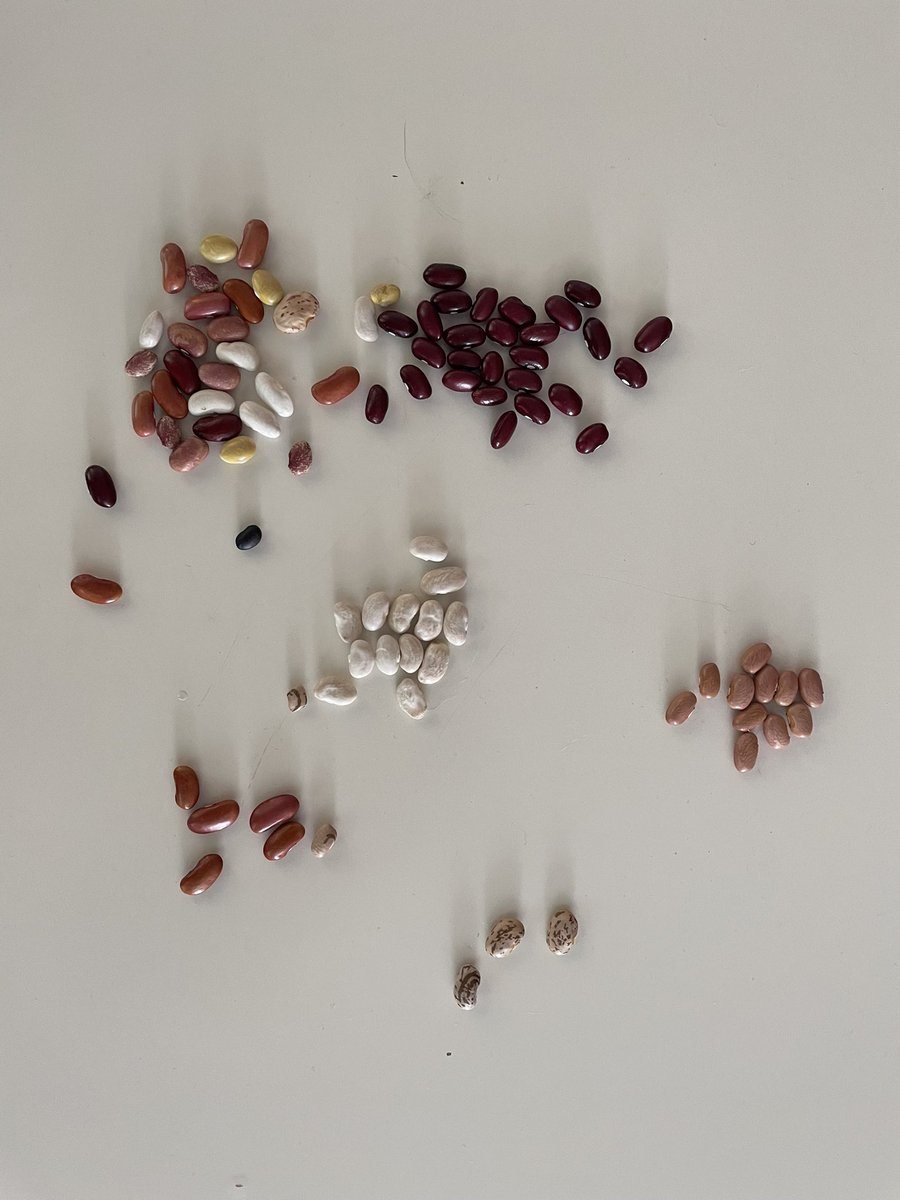
Got my weekend reading with this! :) Interesting how Andean early farmers performed weak selection intensity by selecting many phenotypes and maintained genetic diversity. Love the diversity in beans. #commonbean

Francisco Gómez, Ph.D. 🌱 🧬 🖖🏼 (@drfranciscogz) 's Twitter Profile Photo

Recent black bean developed by my predecessor, @AndrewWiersma, and amazing team in the program. The name Adams was chosen to honor Professor M. Wayne Adams, former bean breeder, for his contributions in archetype breeding and establishing the black bean breeding program at MSU.

Francisco Gómez, Ph.D. 🌱 🧬 🖖🏼 (@drfranciscogz) 's Twitter Profile Photo

Yellow bean is a minor commercial class in the US but is widely grown in Latin America and East Africa under a wide array of names (Amarillo, Azufrado, Canario, Manteca, Mayocoba, Njano, and Peruano). New variety "Yellowstone" is another great effort by J. Kelly et al.

CarlSaganDotCom (@carlsagandotcom) 's Twitter Profile Photo

Powerful message from Carl Sagan & Ann Druyan in 1994 on the importance of nutrition & literacy and how the gears of undernutrition, poverty, ignorance, hopelessness and low self esteem creates a machine that grinds down dreams from generation to generation.

PBS Wisconsin (@pbswi) 's Twitter Profile Photo

🌽 'Tis the season for sweet corn! Learn what it takes to infuse this Midwest staple with so much sweetness from UW Agronomy's Bill Tracy. In this University Place episode, Tracy discusses plant breeding technology & his work to breed better sweet corn. pbswisconsin.org/watch/universi…
Paige Madison (@fossilhistory) 's Twitter Profile Photo

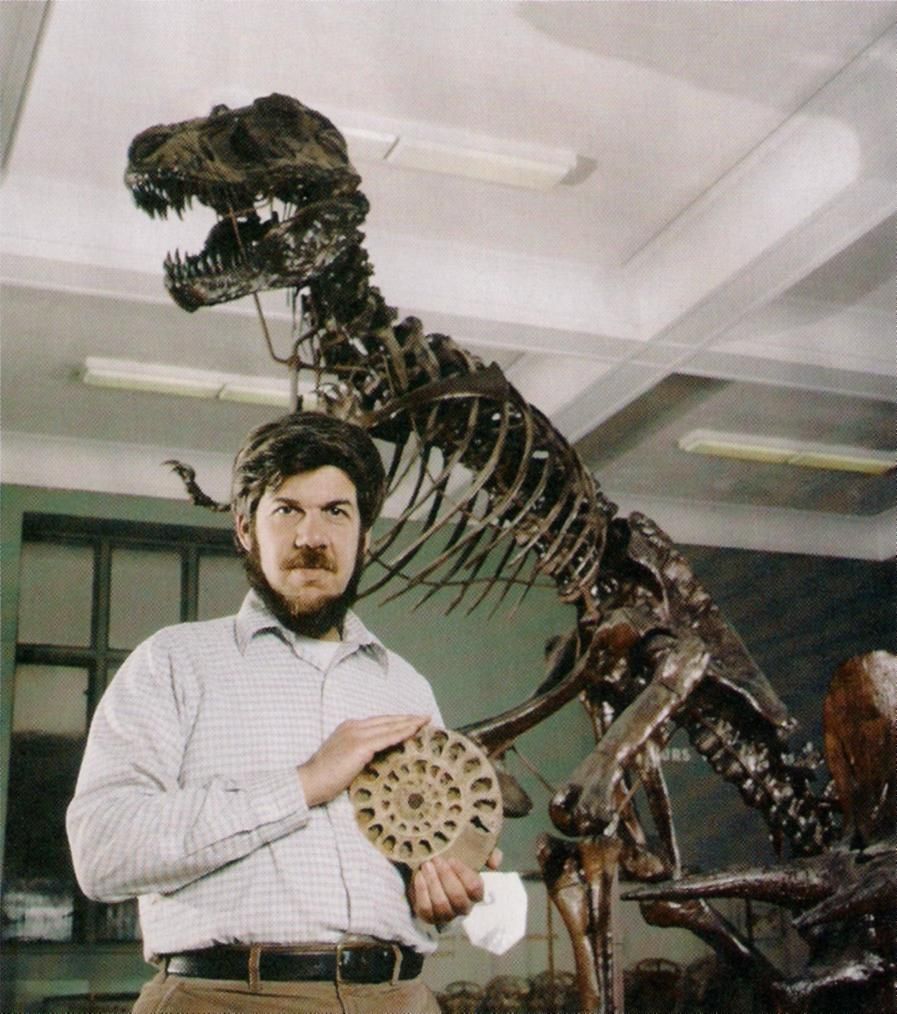
"The most erroneous stories are those we think we know best—and therefore never scrutinize or question." Steven Jay Gould on science. He was born #OnThisDay

"The most erroneous stories are those we think we know best—and therefore never scrutinize or question." Steven Jay Gould on science. He was born #OnThisDay
Francisco Gómez, Ph.D. 🌱 🧬 🖖🏼 (@drfranciscogz) 's Twitter Profile Photo

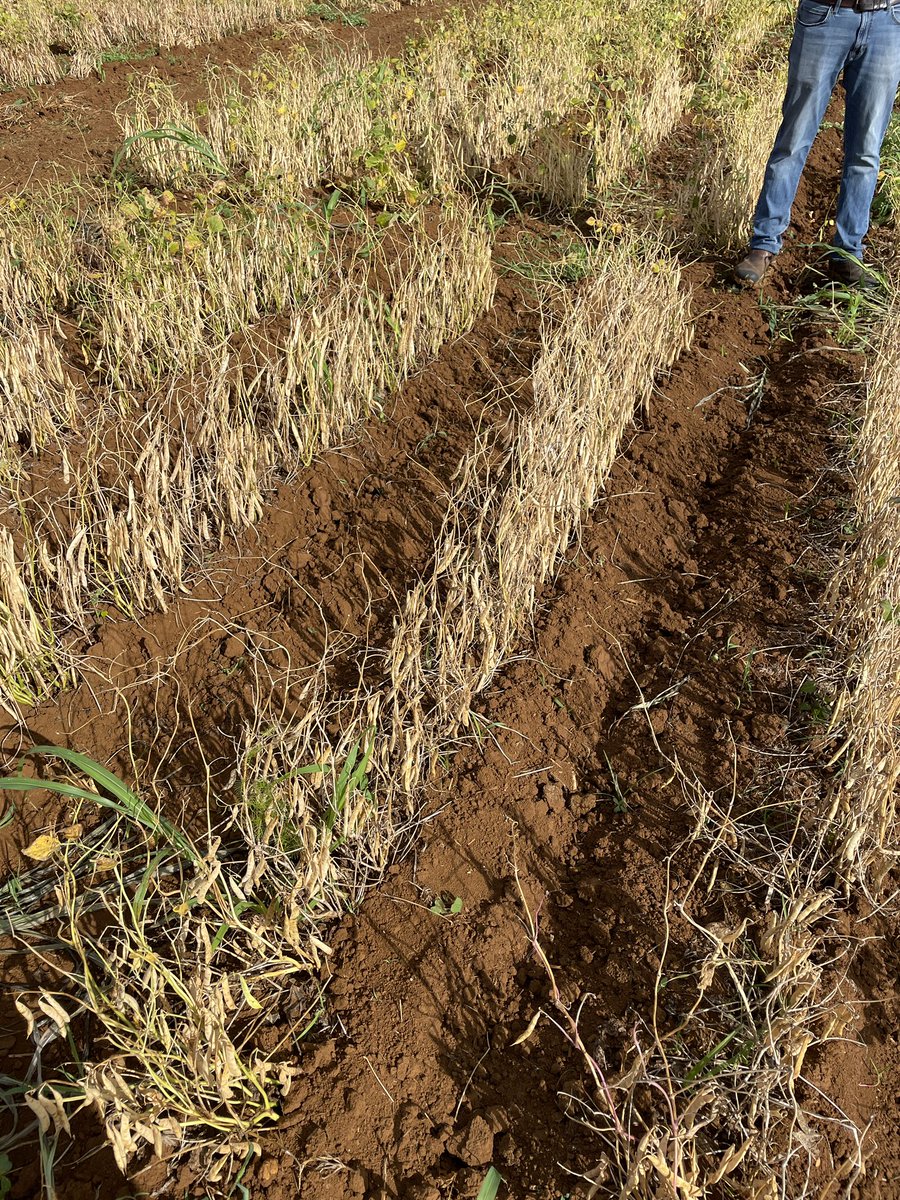
Harvesting the MSU bean breeding program in Puerto Rico. Selections are under way and goods things are coming down the pipeline. Always thankful to our collaborators from the University of Puerto Rico for making this possible.

Harvesting the MSU bean breeding program in Puerto Rico. Selections are under way and goods things are coming down the pipeline. Always thankful to our collaborators from the University of Puerto Rico for making this possible.
Francisco Gómez, Ph.D. 🌱 🧬 🖖🏼 (@drfranciscogz) 's Twitter Profile Photo

"Star-forming region called NGC 3324 in the Carina Nebula. Captured in infrared light by NASA’s James Webb Space Telescope, this image reveals for the first time previously invisible areas of star birth". Credits: NASA , European Space Agency , Canadian Space Agency , and STScI

"Star-forming region called NGC 3324 in the Carina Nebula. Captured in infrared light by NASA’s James Webb Space Telescope, this image reveals for the first time previously invisible areas of star birth".
Credits: <a href="/NASA/">NASA</a> , <a href="/esa/">European Space Agency</a> , <a href="/csa_asc/">Canadian Space Agency</a> , and <a href="/stsci/">STScI</a>