๐“๐Ž๐“๐€๐‹ ๐๐š๐ญ๐ฎ๐ซ๐ž ๐๐ก๐จ๐ญ๐จ๐ ๐ซ๐š๐ฉ๐ก๐ฒ (@totalnature) 's Twitter Profile
๐“๐Ž๐“๐€๐‹ ๐๐š๐ญ๐ฎ๐ซ๐ž ๐๐ก๐จ๐ญ๐จ๐ ๐ซ๐š๐ฉ๐ก๐ฒ

@totalnature

โ€œPhotography is the story I fail to put into words.โ€ ๐Ÿ‡บ๐Ÿ‡ธ/๐Ÿ‡ฒ๐Ÿ‡ฝ

ID: 1198025566785593344

calendar_today22-11-2019 23:49:05

2,2K Tweet

1,1K Followers

1,1K Following

๐“๐Ž๐“๐€๐‹ ๐๐š๐ญ๐ฎ๐ซ๐ž ๐๐ก๐จ๐ญ๐จ๐ ๐ซ๐š๐ฉ๐ก๐ฒ (@totalnature) 's Twitter Profile Photo

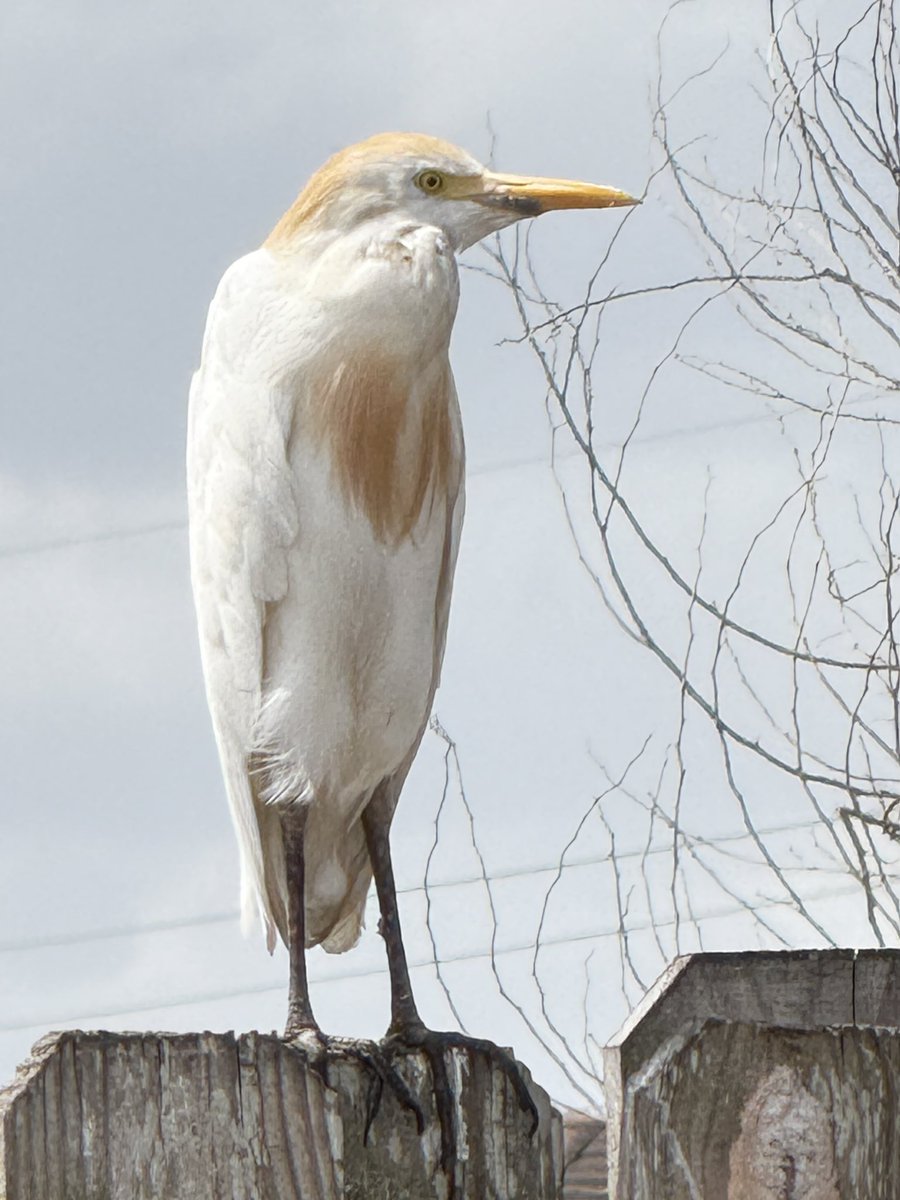
Western Cattle-Egrets are native to Africa but somehow reached northeastern South America in 1877. They continued to spread, arriving in the United States in 1941 and nesting there by 1953. In the next 50 years, they became one of the most abundant of the North American herons.

Western Cattle-Egrets are native to Africa but somehow reached northeastern South America in 1877. They continued to spread, arriving in the United States in 1941 and nesting there by 1953. In the next 50 years, they became one of the most abundant of the North American herons.