Henning (@henningstell) 's Twitter Profile
Henning

@henningstell

Citrix, MS SQL, VMware and Veeam Enthusiast | My tweets are my own

ID: 184434730

calendar_today29-08-2010 15:06:36

1,1K Tweet

133 Followers

812 Following

Lukas Beran (@lukasberancz) 's Twitter Profile Photo

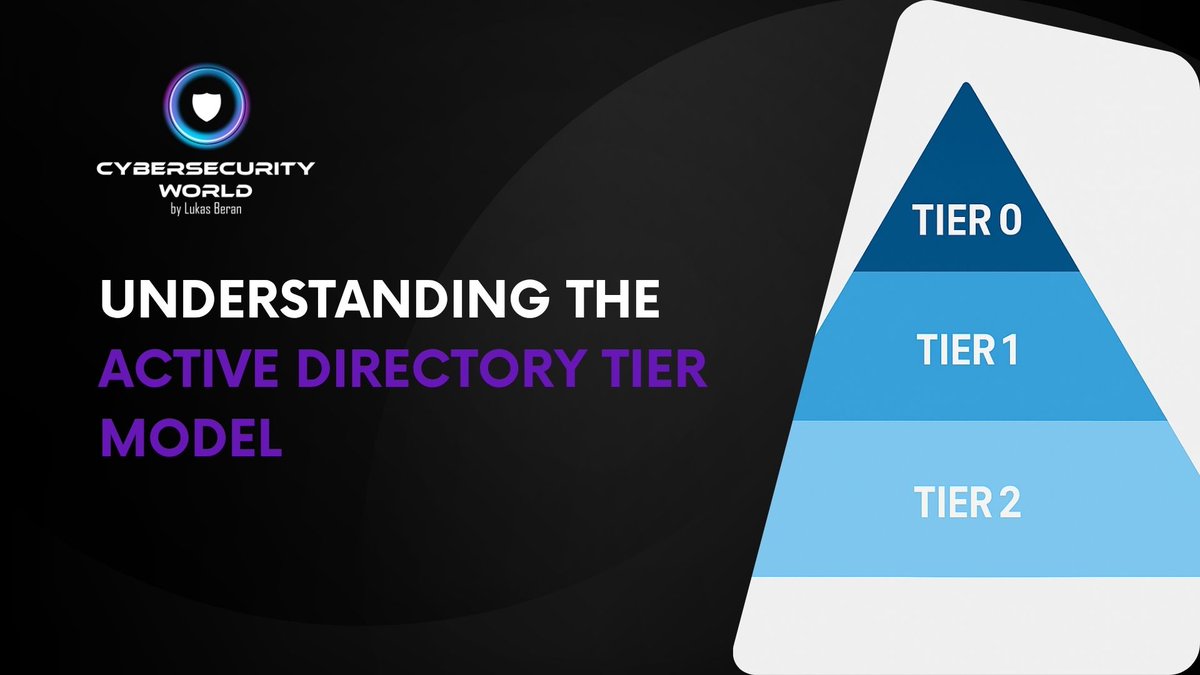
Understanding the Active Directory Tier Model In this video, I walk through the fundamentals of the Active Directory Tier Model — what it is, why it matters, and how it helps protect privileged accounts and critical assets in your Windows environment.

Understanding the Active Directory Tier Model

In this video, I walk through the fundamentals of the Active Directory Tier Model — what it is, why it matters, and how it helps protect privileged accounts and critical assets in your Windows environment.
gyptazy (@gyptazy) 's Twitter Profile Photo

ProxLB v1.1.3 just got released! ProxLB is a VM load-balancer for your Proxmox clusters also supporting affinity & anti-affinity rules. GitHub: github.com/gyptazy/ProxLB Version 1.1.3: github.com/gyptazy/ProxLB…

ProxLB v1.1.3 just got released!

ProxLB is a VM load-balancer for your Proxmox clusters also supporting affinity & anti-affinity rules.

GitHub: github.com/gyptazy/ProxLB
Version 1.1.3: github.com/gyptazy/ProxLB…
spencer (@techspence) 's Twitter Profile Photo

Active Directory hardening is free…outside of your time. Overall - PingCastle Passwords - FGPP, LAPS, Lithnet Permissions - ADeleg/ADeleginator Applocker - Applocker Inspector/Applocker gen ADCS - Locksmith Logon scripts - ScriptSentry GPO - GPOZaurr Baselines - CIS/Microsoft

Alex Xu (@alexxubyte) 's Twitter Profile Photo

Latency vs. Throughput Ever wondered why your app feels slow even when the bandwidth looks fine? Latency and throughput explain two very different stories of performance. Latency measures the delay per packet. It is what users feel when they click a button. It’s responsiveness.

Branko (@brankopetric00) 's Twitter Profile Photo

Our Docker images had 847 vulnerabilities. All from the base image. We were using ubuntu:latest. The fix: - Switched to distroless images - Reduced image size from 420MB to 28MB - Vulnerabilities dropped to 3 - Container startup time improved by 60% Then discovered our CI/CD

Falko Banaszak (@falko_banaszak) 's Twitter Profile Photo

New Blog Post - Part 4/4of the series around #Object Storage for #Veeam (Veeam® Software) with the topic around "Benchmarking is finished - virtualhome.blog/2025/11/04/vee… Nikola Pejková 🧡🧡🧡🎗️🇺🇦🕊 Madalina Cristil #VeeamVanguard #Veeam #V100 #blogpost

Muqsit 𝕏 (@mqst_) 's Twitter Profile Photo

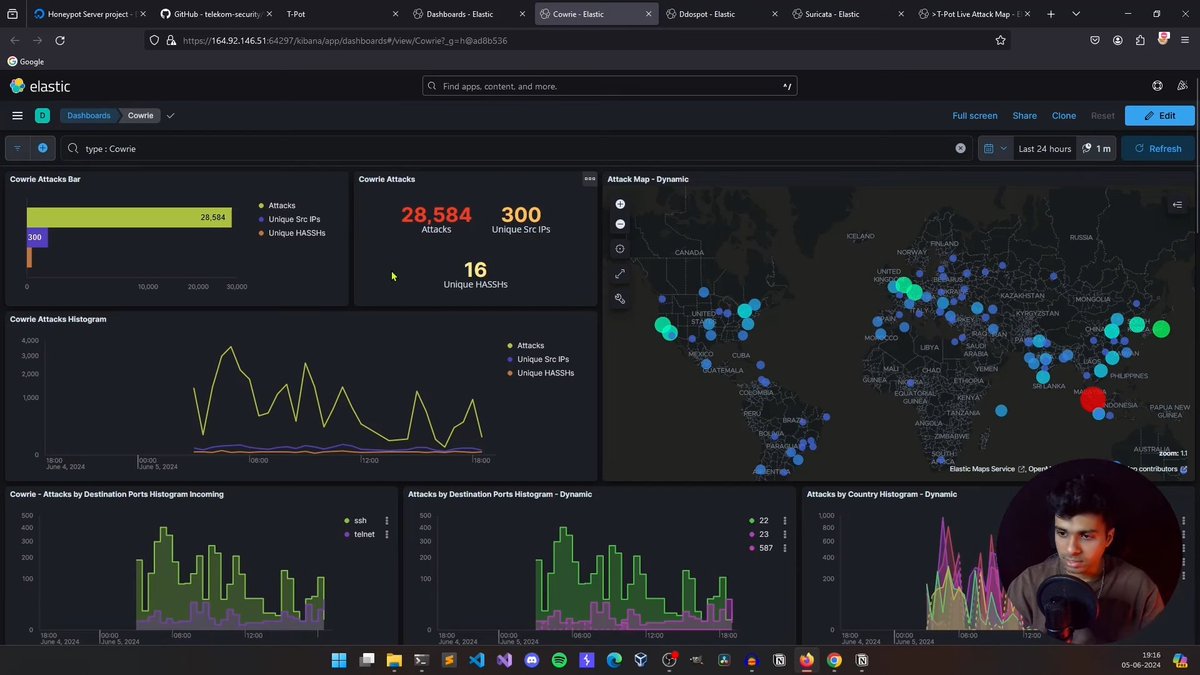
🍯 If you've never seen or worked with a Honeypot, watch this video. It covers how to setup almost 20+ honeypots (and visualize the data) to trap attackers. Video: youtube.com/watch?v=FjZmhI…

🍯 If you've never seen or worked with a Honeypot, watch this video.

It covers how to setup almost 20+ honeypots (and visualize the data) to trap attackers.

Video: youtube.com/watch?v=FjZmhI…
spencer (@techspence) 's Twitter Profile Photo

Regular reminder… this hardening series by Jerry Devore is super awesome. There’s no way you won’t learn things by reading these. Part 1 - Disabling NTLMv1 Part 2 - Removing SMBv1 Part 3 - Enforcing LDAP Signing Part 4 - Enforcing AES for Kerberos Part 5 - Enforcing LDAP

Branko (@brankopetric00) 's Twitter Profile Photo

Reduced Docker image size from 2.1GB to 180MB. Deployments 8x faster. The original Dockerfile: - Started with ubuntu:latest - Installed everything via apt - Included dev dependencies - Copied entire project directory - Left build artifacts - No layer optimization The problems:

Ivan Velichko (@iximiuz) 's Twitter Profile Photo

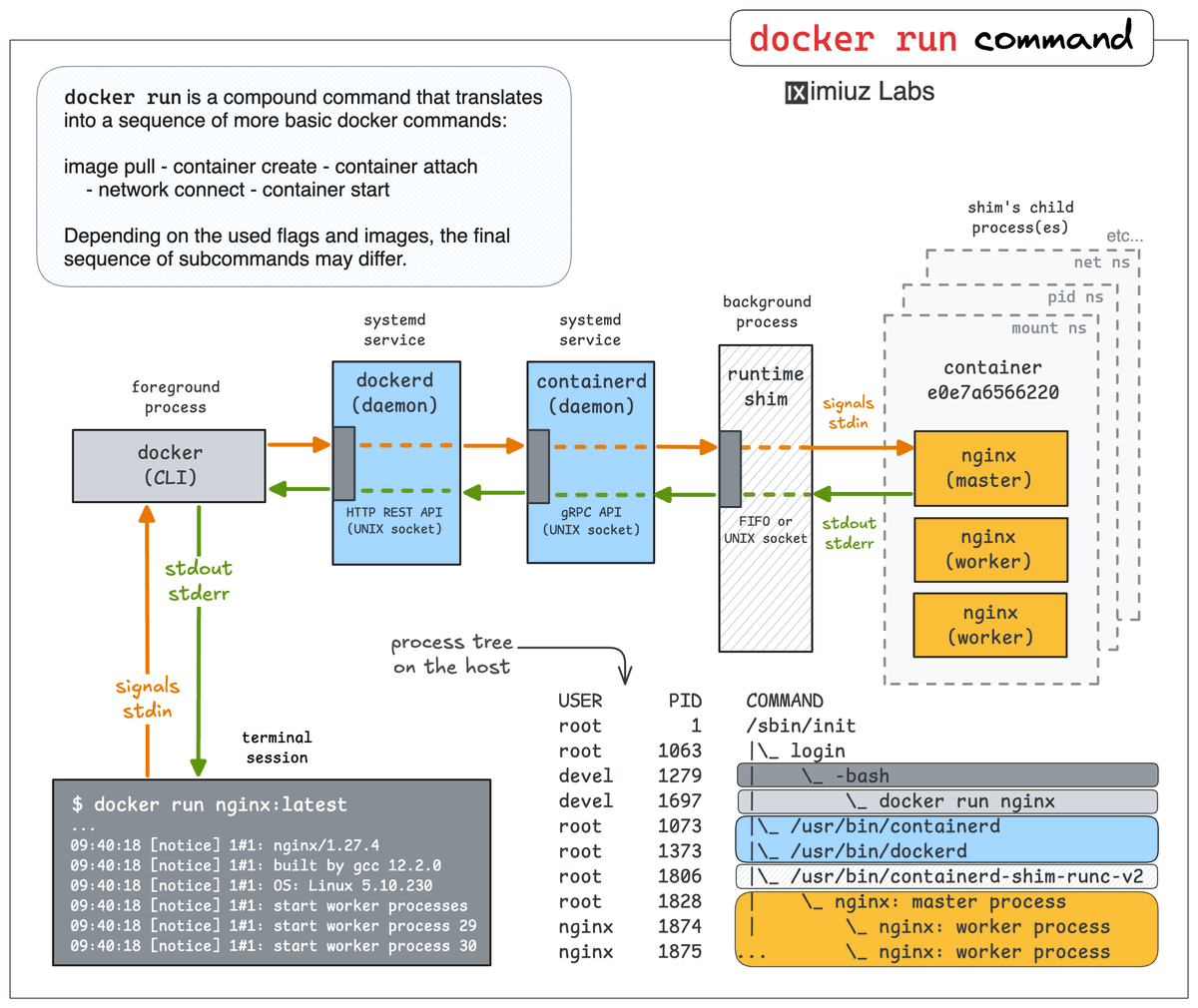
How Docker Run Command Works 🧐 When you "docker run nginx" from the terminal, it may feel like launching a regular foreground process - stdin, stdout, and stderr get streamed back and forth, and you can kill it with Ctrl+C. But what happens internally is much more involved 👇

How Docker Run Command Works 🧐  

When you "docker run nginx" from the terminal, it may feel like launching a regular foreground process - stdin, stdout, and stderr get streamed back and forth, and you can kill it with Ctrl+C. But what happens internally is much more involved 👇