Catherine Blackledge (@cathblackledge) 's Twitter Profile
Catherine Blackledge

@cathblackledge

Celebrating female power; author Raising The Skirt: the Unsung Power of the Vagina; The Man Who Saw the Future: a biography of William Lilly. Reclaim your power

ID: 2829545810

linkhttp://www.catherineblackledge.com calendar_today24-09-2014 09:05:45

701 Tweet

553 Takipçi

1,1K Takip Edilen

Catherine Blackledge (@cathblackledge) 's Twitter Profile Photo

Big thanks to Anna Krypczyk a true #FertilitySister for all her support, in so many ways. And Cedar House counselling - talking to someone outside of my family & friends was so important in making it through #IWD #womensupportingwomen

Catherine Blackledge (@cathblackledge) 's Twitter Profile Photo

I am so proud that Amanda Sage created this #anasyrma image after reading my book The Story of V - the first to bring together accounts of this ancient #FemalePower gesture. Now reissued as Raising the Skirt: the Unsung Power of the Vagina.

Catherine Blackledge (@cathblackledge) 's Twitter Profile Photo

Hares are the most amazing #fertility symbol. We now know it’s appropriate symbolism as they are the only mammal confirmed to be able to conceive again while pregnant, a #FemalePower known as superfoetation or superconception. Our ancestors knew.

Catherine Blackledge (@cathblackledge) 's Twitter Profile Photo

The sun goddess retreated to the cave after her brother wounded her #vagina & pooed in her palace. It took #anasyrma - goddess Ama-no-Uzume deliberately revealing her #vulva - to shock Amaterasu into leaving the cave & bringing light & harmony back to the world. #MythologyMonday

The Attagirls (@theattagirls) 's Twitter Profile Photo

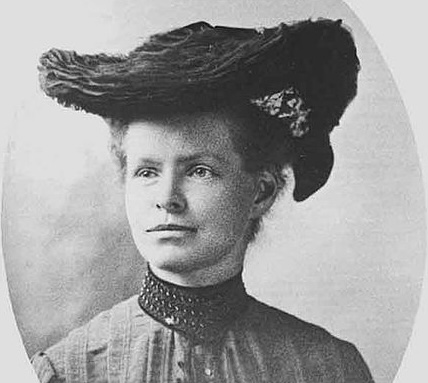
Woman of the Day geneticist Dr Nettie Stevens of Vermont died OTD 1912 at 50. In 1905 she identified what we now know as X and Y chromosomes. As a woman, she was often excluded from scientific dialogue and so the credit went to a man who later admitted she had made the discovery.

Woman of the Day geneticist Dr Nettie Stevens of Vermont died OTD 1912 at 50. In 1905 she identified what we now know as X and Y chromosomes. As a woman, she was often excluded from scientific dialogue and so the credit went to a man who later admitted she had made the discovery.
Catherine Blackledge (@cathblackledge) 's Twitter Profile Photo

So proud to be heading to Media City this morning to be on the BBC Breakfast sofa as interim chief exec of Fertility Network discussing the need for fair access to NHS #fertility treatment.

So proud to be heading to Media City this morning to be on the BBC Breakfast sofa as interim chief exec of <a href="/FertilityNUK/">Fertility Network</a> discussing the need for fair access to NHS #fertility treatment.
Max Dashu (@maxdashu) 's Twitter Profile Photo

Stunning find: woman's burial at Valencina, S. Spain, 3200–2200 bce: "the most socially prominent person was not male, as previously thought, but female... a leading social figure at a time where no male attained a remotely comparable social position. nature.com/articles/s4159…

Stunning find: woman's burial at Valencina, S. Spain, 3200–2200 bce: "the most socially prominent person was not male, as previously thought, but female... a leading social figure at a time where no male attained a remotely comparable social position. nature.com/articles/s4159…
Whores of Yore (@whoresofyore) 's Twitter Profile Photo

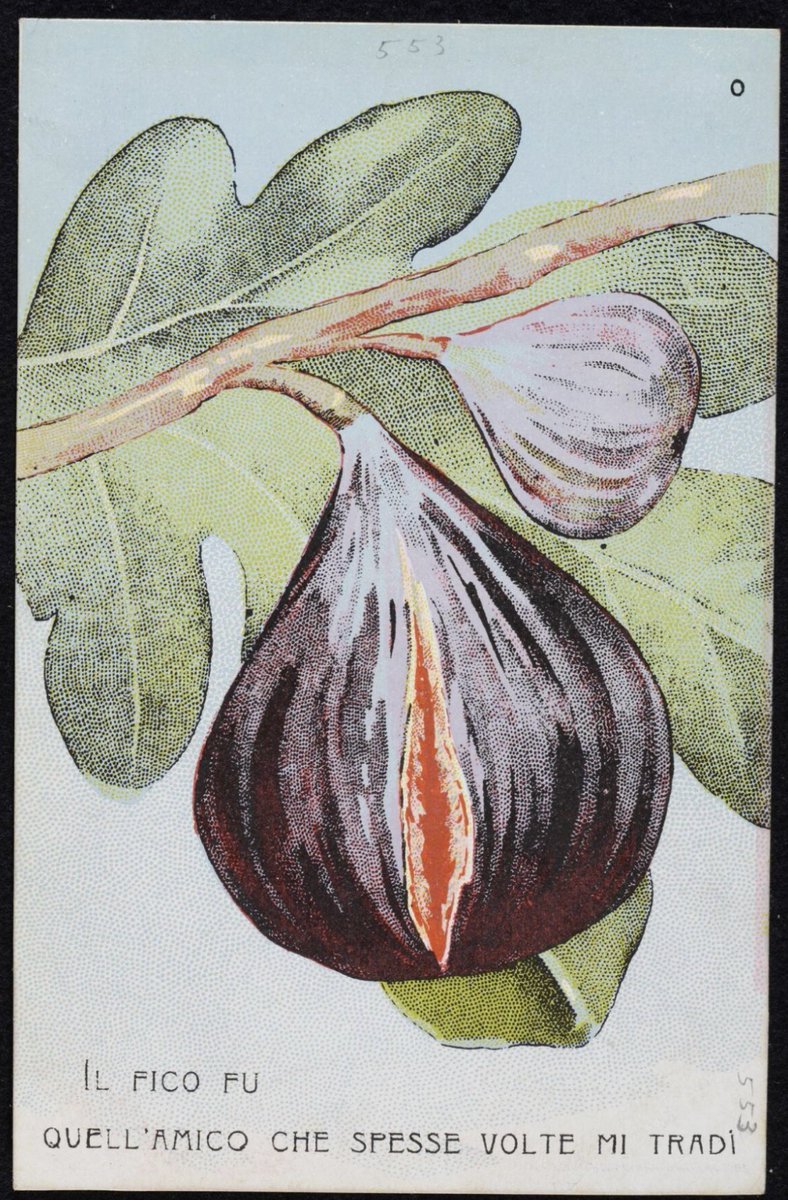
The expression “call a spade a spade” comes from the work of Plutarch, who originally wrote “call a fig a fig & a trough a trough.” Figs & troughs were crude slang for the Vulva, so what Plutarch meant was “call a c*nt a c*nt”. When Erasmus (1466-1536) translated Plutarch’s work
The expression “call a spade a spade” comes from the work of Plutarch, who originally wrote “call a fig a fig &amp; a trough a trough.” Figs &amp; troughs were crude slang for the Vulva, so what Plutarch meant was “call a c*nt a c*nt”. When  Erasmus (1466-1536) translated Plutarch’s work

Max Dashu (@maxdashu) 's Twitter Profile Photo

"Pattern Recognition: Across Space and Time." Recurring patterns / continuities in the cultural record over long stretches of time. For example: clay house shrines with horned crests, in the Cucuteni-Trypillia and (much later) Etruscan culture. And more! sourcememory.net/veleda/?p=932

"Pattern Recognition: Across Space and Time."  Recurring patterns / continuities in the cultural record over long stretches of time. For example: clay house shrines with horned crests, in the Cucuteni-Trypillia and (much later) Etruscan culture. And more! sourcememory.net/veleda/?p=932
Catherine Blackledge (@cathblackledge) 's Twitter Profile Photo

‘You could argue that over the eons, mitochondria built an infrastructure—the human body—to feed themselves.’ Fascinating article.

Eileen Burbidge (@eileentso) 's Twitter Profile Photo

Well done Fertifa and Fertility Network on delivering the UK's largest ever survey on fertility in the workplace. No better way to cap off National Fertility Awareness Week and underscore the need for workplace policies and support of fertility and reproductive health more broadly

Catherine Blackledge (@cathblackledge) 's Twitter Profile Photo

Fantastic to be able to produce this important piece of research with Fertifa Eileen Burbidge It is vital that reproductive health issues are recognised and supported properly in the workplace Fertility Network is committed to helping firms support staff facing #fertility issues