BYU Geology (@byugeology) 's Twitter Profile
BYU Geology

@byugeology

BYU's Geology program is field-oriented global experience, providing a world-class education to prepare students to make a difference.

ID: 1311722034053804037

linkhttp://geology.byu.edu calendar_today01-10-2020 17:38:18

121 Tweet

164 Takipçi

196 Takip Edilen

BYU Geology (@byugeology) 's Twitter Profile Photo

Did you know the brown color of smoky quartz is caused by natural radiation exposure? In geological environments, rocks containing uranium and other radioactive elements emit radiation that penetrates the surrounding quartz crystals. #quartz

Did you know the brown color of smoky quartz is caused by natural radiation exposure? In geological environments, rocks containing uranium and other radioactive elements emit radiation that penetrates the surrounding quartz crystals. #quartz
BYU Geology (@byugeology) 's Twitter Profile Photo

Amethyst typically forms in cavities or voids within rocks, often in association with volcanic activity. It is commonly found in geodes, which are rounded rock cavities lined with crystals. Amethyst can also be found in hydrothermal veins.

Amethyst typically forms in cavities or voids within rocks, often in association with volcanic activity. It is commonly found in geodes, which are rounded rock cavities lined with crystals. Amethyst can also be found in hydrothermal veins.
BYU Geology (@byugeology) 's Twitter Profile Photo

Wulfenite crystallizes in the tetragonal crystal system, typically form as square or rectangular tabular crystals. It often exhibits well-formed crystal faces and can display interesting twinning patterns. This lead molybdate mineral is renowned for its bright orange color.

Wulfenite crystallizes in the tetragonal crystal system, typically form as square or rectangular tabular crystals. It often exhibits well-formed crystal faces and can display interesting twinning patterns. This lead molybdate mineral is renowned for its bright orange color.
BYU Geology (@byugeology) 's Twitter Profile Photo

Wulfenite crystallizes in the tetragonal crystal system, typically form as square or rectangular tabular crystals. It often exhibits well-formed crystal faces and can display interesting twinning patterns. This lead molybdate mineral is renowned for its bright orange color.

Wulfenite crystallizes in the tetragonal crystal system, typically form as square or rectangular tabular crystals. It often exhibits well-formed crystal faces and can display interesting twinning patterns. This lead molybdate mineral is renowned for its bright orange color.
BYU Geology (@byugeology) 's Twitter Profile Photo

Calcite often forms when calcium-rich water evaporates or decreases temperature or pressure. As the water loses its ability to hold dissolved calcium carbonate (CaCO₃), the excess calcium carbonate molecules bond together and precipitate as solid calcite crystals.

Calcite often forms when calcium-rich water evaporates or decreases temperature or pressure. As the water loses its ability to hold dissolved calcium carbonate (CaCO₃), the excess calcium carbonate molecules bond together and precipitate as solid calcite crystals.
BYU Geology (@byugeology) 's Twitter Profile Photo

Discover the captivating allure of apophyllite! This mineral, formed in volcanic cavities, often showcases mesmerizing crystals in hues of green, clear, or peach. Found alongside zeolites, apophyllite reveals the fascinating story of secondary mineralization in volcanic rocks.

Discover the captivating allure of apophyllite! This mineral, formed in volcanic cavities, often showcases mesmerizing crystals in hues of green, clear, or peach. Found alongside zeolites, apophyllite reveals the fascinating story of secondary mineralization in volcanic rocks.
BYU Geology (@byugeology) 's Twitter Profile Photo

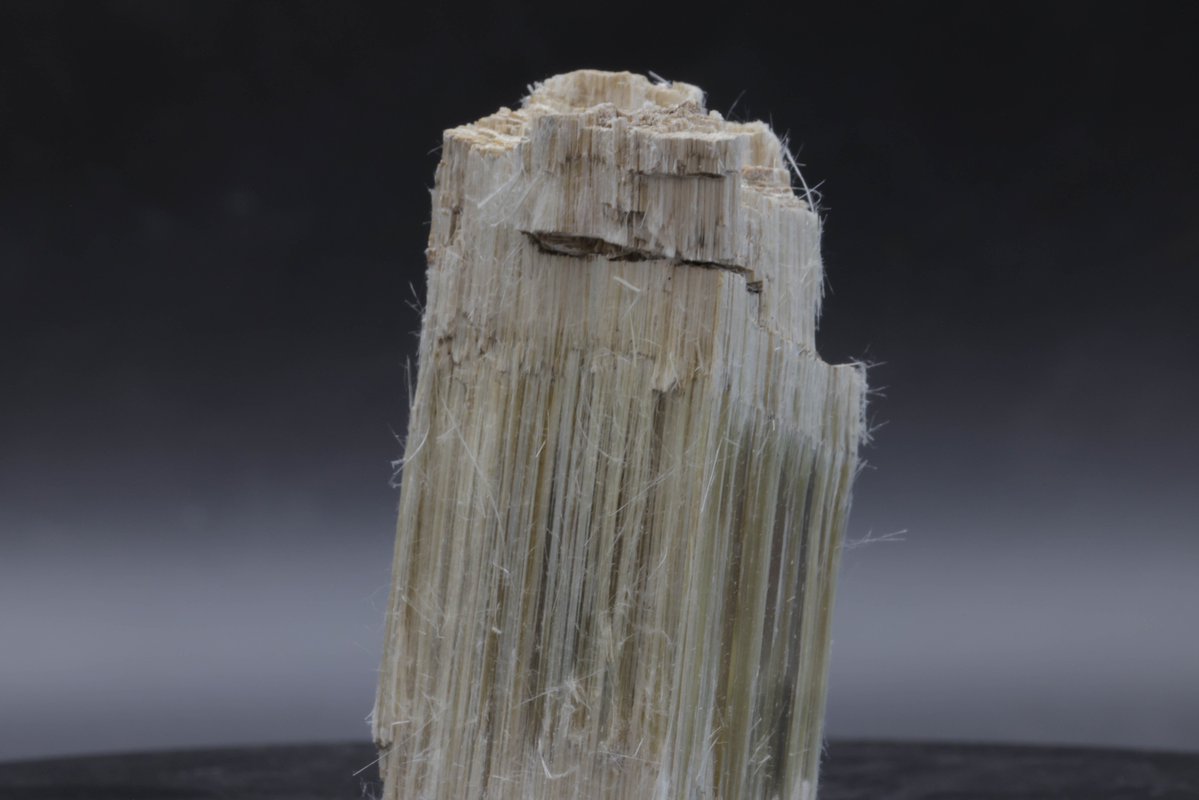
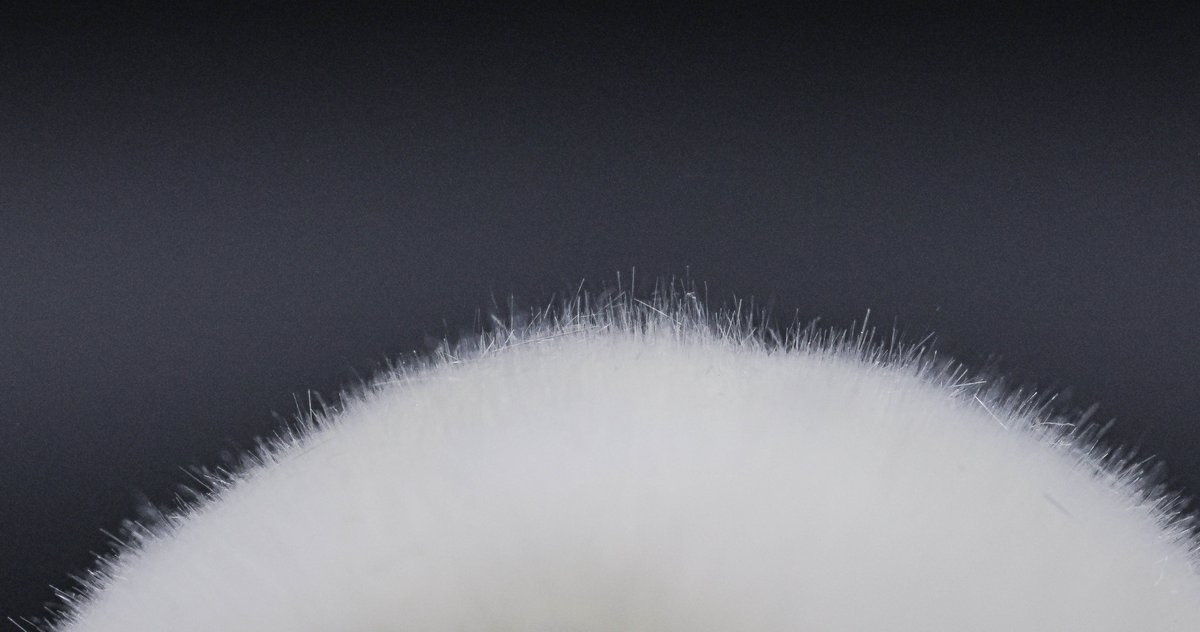
Chrysotile, also known as “white asbestos,” is part of the serpentine group of minerals. Although extremely useful in building and fire-safety materials, accidental inhalation can lead to dangerous lung diseases. Always use caution when handling chrysotile!

Chrysotile, also known as “white asbestos,” is part of the serpentine group of minerals. Although extremely useful in building and fire-safety materials, accidental inhalation can lead to dangerous lung diseases. Always use caution when handling chrysotile!
BYU Geology (@byugeology) 's Twitter Profile Photo

Unearthing the geological magic of wood opal! This extraordinary gemstone, formed through the replacement of organic material by silica, showcases a captivating fusion of wood patterns and opalescent shimmer. It's like nature's artistry frozen in time!

Unearthing the geological magic of wood opal! This extraordinary gemstone, formed through the replacement of organic material by silica, showcases a captivating fusion of wood patterns and opalescent shimmer. It's like nature's artistry frozen in time!
BYU Geology (@byugeology) 's Twitter Profile Photo

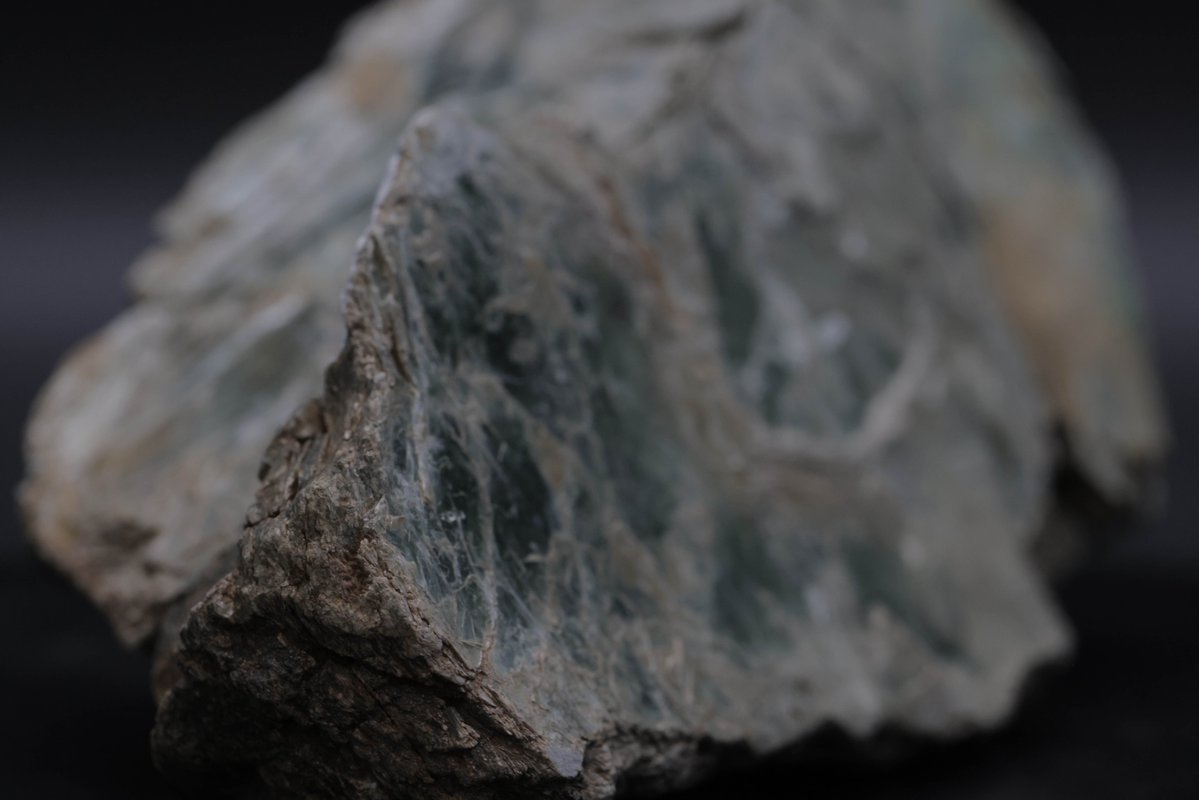
Versatile, beautiful chlorite! This mineral, known for its black to green coloration, is a common component in metamorphic rocks. From its role in forming schists to its association with hydrothermal systems, chlorite leaves a mark on Earth's dynamic processes.

Versatile, beautiful chlorite! This mineral, known for its black to green coloration, is a common component in metamorphic rocks. From its role in forming schists to its association with hydrothermal systems, chlorite leaves a mark on Earth's dynamic processes.
BYU Geology (@byugeology) 's Twitter Profile Photo

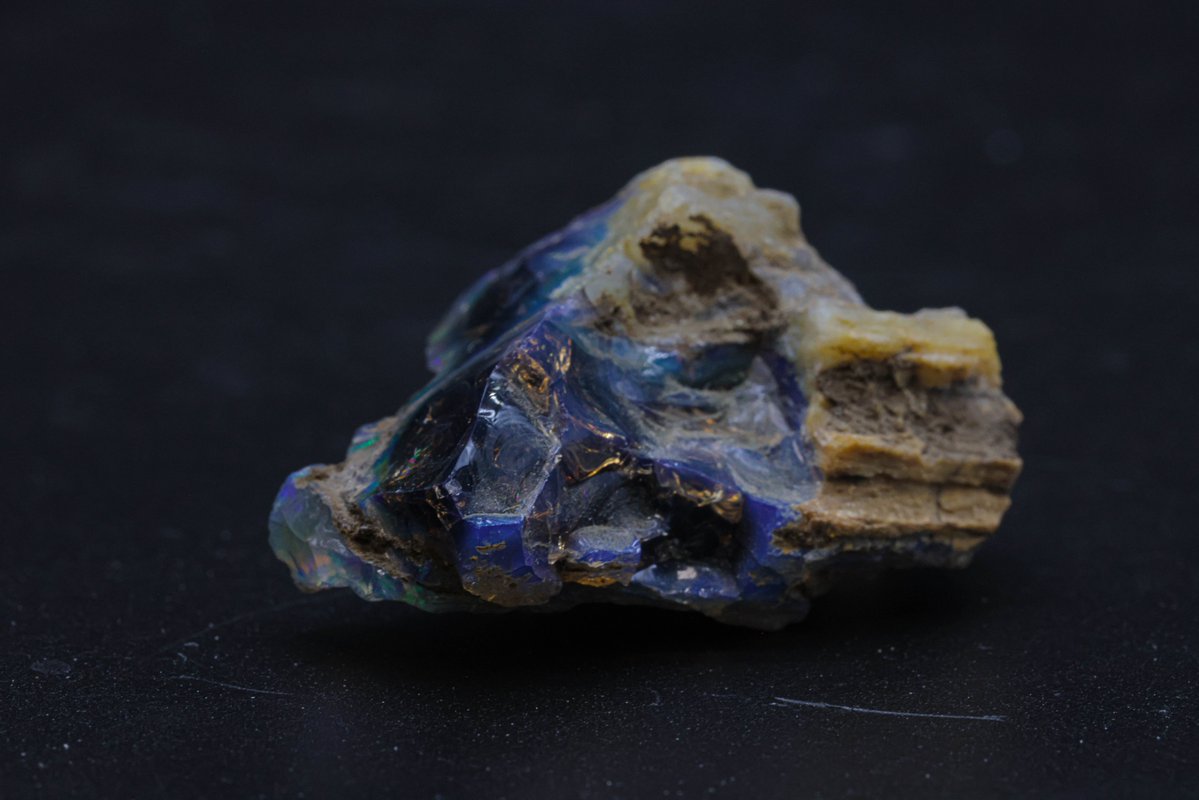
This gemstone dazzles with its play-of-color, revealing a kaleidoscope of vibrant hues. Formed in ancient volcanic hydrothermal systems, Ethiopian opal shows the full interplay between water and silica, resulting in its mesmerizing iridescence.

This gemstone dazzles with its play-of-color, revealing a kaleidoscope of vibrant hues. Formed in ancient volcanic hydrothermal systems, Ethiopian opal shows the full interplay between water and silica, resulting in its mesmerizing iridescence.
BYU Geology (@byugeology) 's Twitter Profile Photo

Unveiling the geological significance of feldspars! The most abundant mineral group in the Earth's crust. With striking ranges of color & diverse crystal forms, feldspar plays a vital role in igneous, metamorphic, and sedimentary rocks.

Unveiling the geological significance of feldspars! The most abundant mineral group in the Earth's crust. With striking ranges of color & diverse crystal forms, feldspar plays a vital role in igneous, metamorphic, and sedimentary rocks.
BYU Geology (@byugeology) 's Twitter Profile Photo

Actinolite is a member of the amphibole group. The geochemistry of actinolite provides insights into the pressures and temperatures of metamorphic rock formation. The variety of actinolite known as nephrite is one of the two minerals we call jade!

Actinolite is a member of the amphibole group. The geochemistry of actinolite provides insights into the pressures and temperatures of metamorphic rock formation. The variety of actinolite known as nephrite is one of the two minerals we call jade!
BYU Geology (@byugeology) 's Twitter Profile Photo

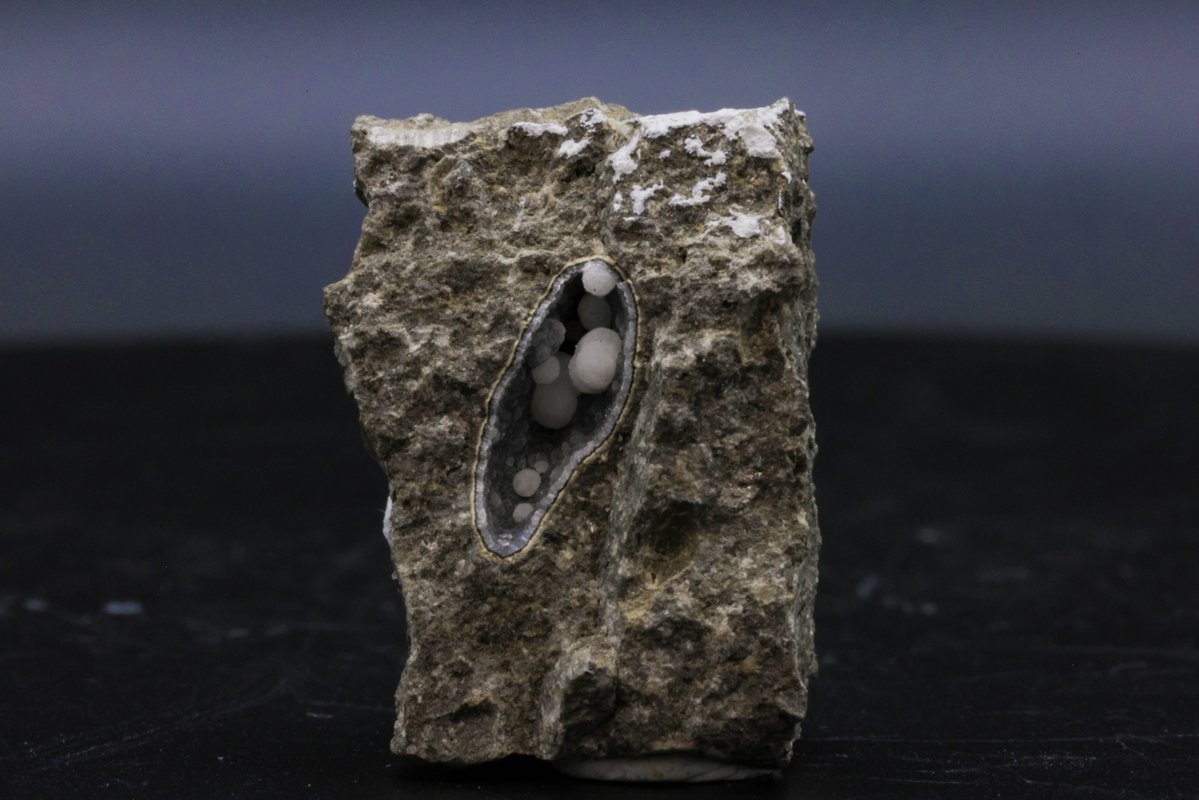
This rare mineral, named after amateur mineralogist Ralph Cowles, is found in volcanic rocks and metamorphic environments. With its delicate bluish-green hue and intricate spherical crystal formations, cowlesite showcases the dynamic processes of hydrothermal alteration.

This rare mineral, named after amateur mineralogist Ralph Cowles, is found in volcanic rocks and metamorphic environments. With its delicate bluish-green hue and intricate spherical crystal formations, cowlesite showcases the dynamic processes of hydrothermal alteration.
BYU Geology (@byugeology) 's Twitter Profile Photo

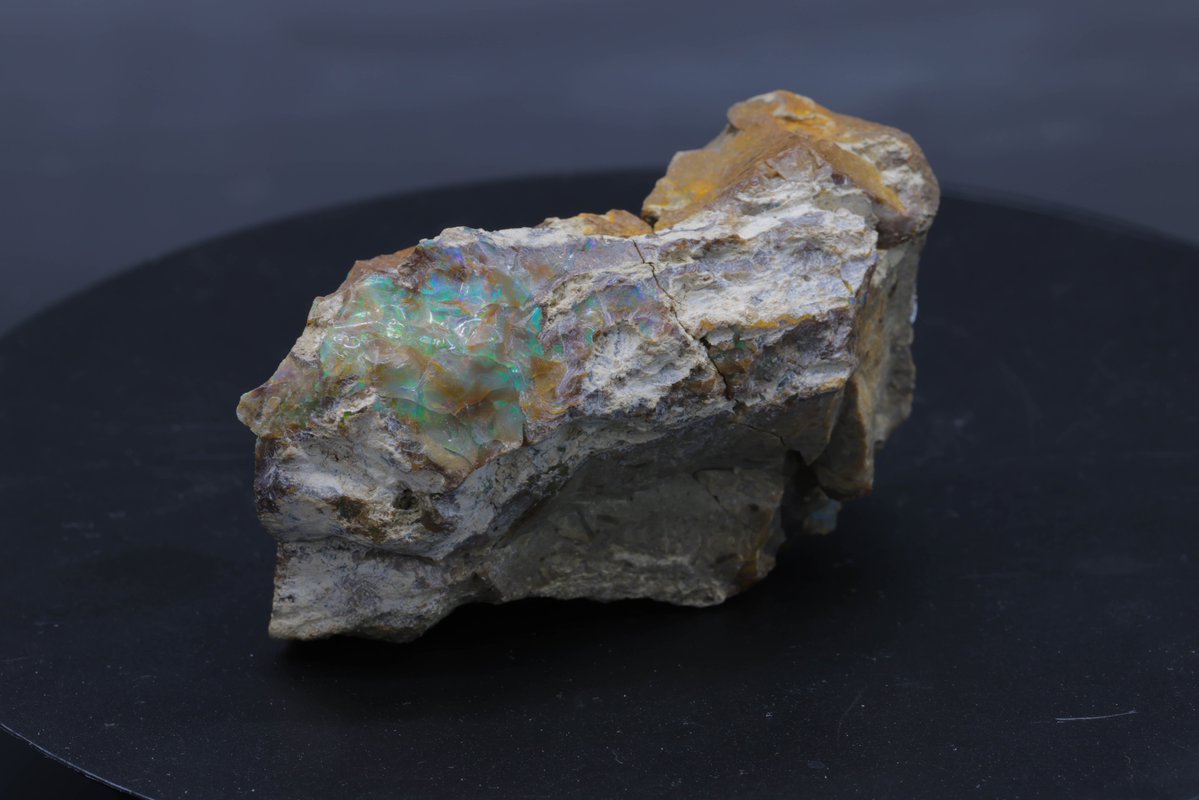
Discover the captivating world of boulder opal. This beautiful gemstone, formed within ironstone boulders, mesmerizes with its vibrant play-of-color and unique patterns. Found in Australia's opal-rich regions, boulder opal showcases nature's artistry fused with geological forces.

Discover the captivating world of boulder opal. This beautiful gemstone, formed within ironstone boulders, mesmerizes with its vibrant play-of-color and unique patterns. Found in Australia's opal-rich regions, boulder opal showcases nature's artistry fused with geological forces.
BYU Geology (@byugeology) 's Twitter Profile Photo

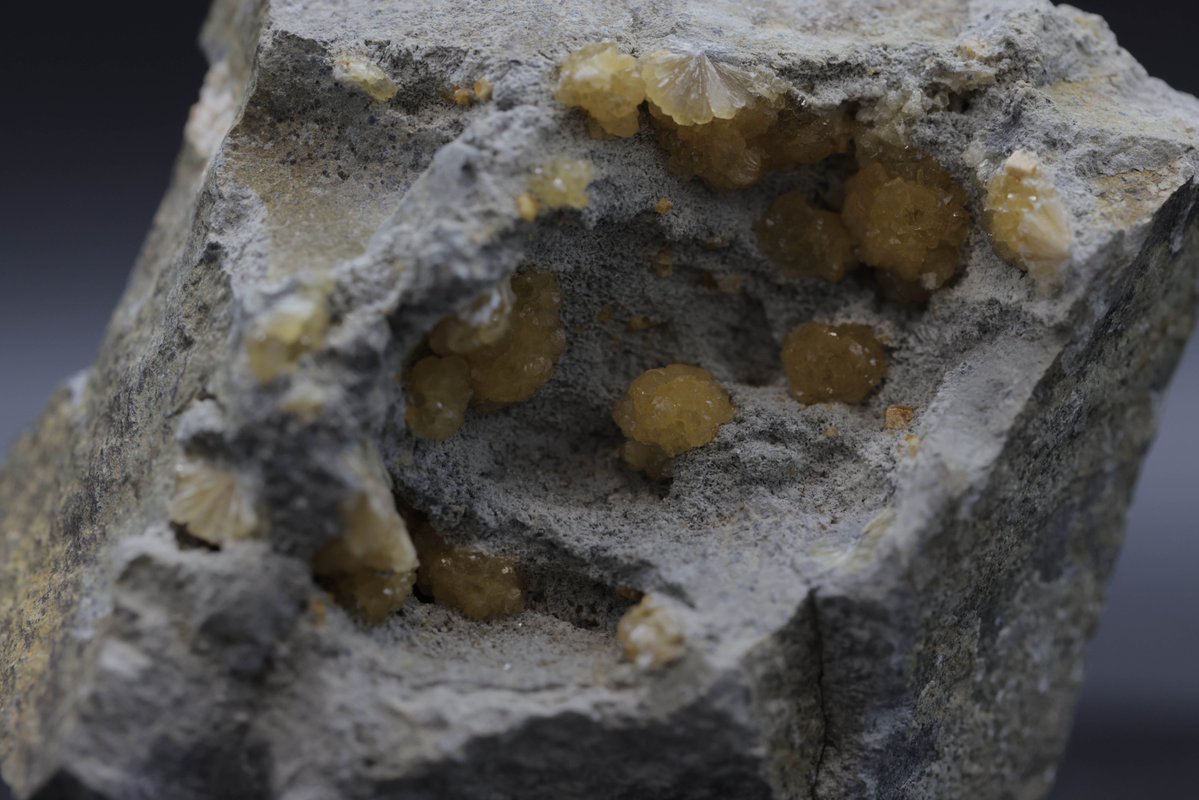
We love zeolites! This delicate and lustrous mineral, belonging to the zeolite group, forms in cavities of volcanic rocks. With peachy-pink to white hues and mesmerizing crystal formations, stilbite captures the imagination.

We love zeolites! This delicate and lustrous mineral, belonging to the zeolite group, forms in cavities of volcanic rocks. With peachy-pink to white hues and mesmerizing crystal formations, stilbite captures the imagination.
BYU Geology (@byugeology) 's Twitter Profile Photo

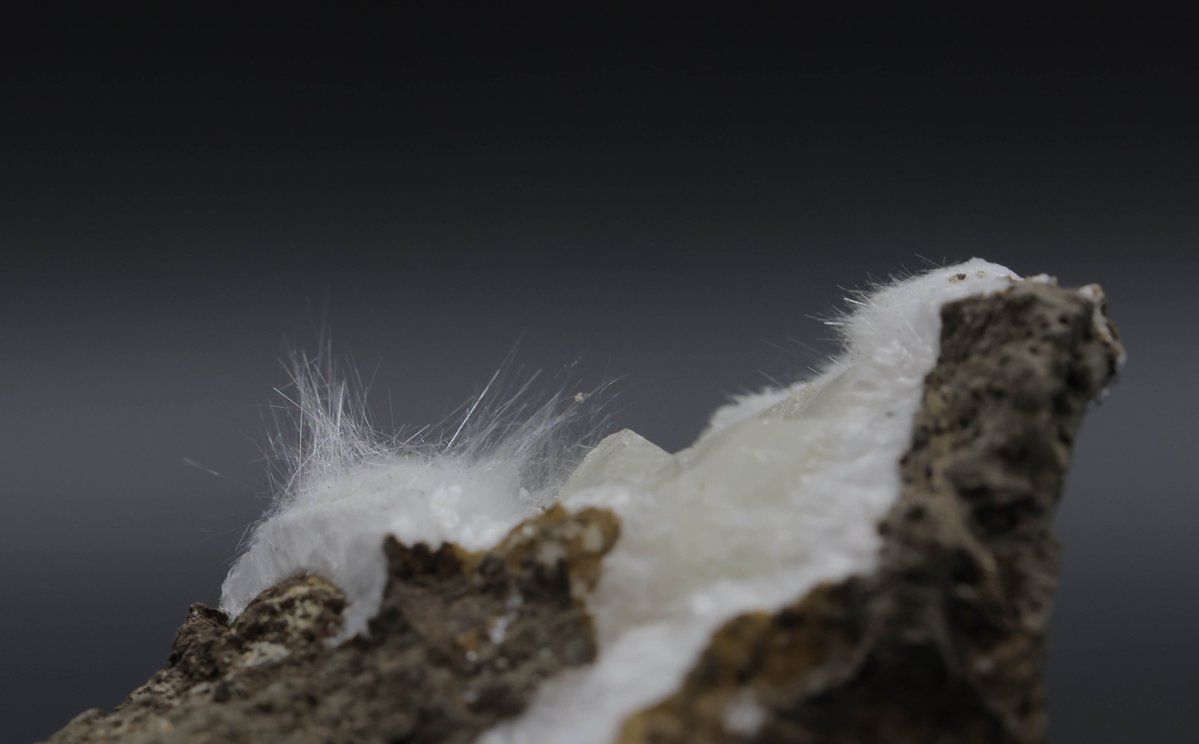
Found in altered volcanic rocks, natrolite crystals grow in slender prismatic needles. This type of crystal growth is known as “acicular,” which is from the Latin for “little needle.” With a fragile, pearly luster, natrolite adds a touch of elegance to the mineral world.

Found in altered volcanic rocks, natrolite crystals grow in slender prismatic needles. This type of crystal growth is known as “acicular,” which is from the Latin for “little needle.” With a fragile, pearly luster, natrolite adds a touch of elegance to the mineral world.
BYU Geology (@byugeology) 's Twitter Profile Photo

This enchanting zeolite mineral, characterized by delicate, radiating needles, forms in volcanic rocks and hydrothermal environments. Mesolite has an intricate structure and ethereal appearance that make it a true gem of nature.

This enchanting zeolite mineral, characterized by delicate, radiating needles, forms in volcanic rocks and hydrothermal environments. Mesolite has an intricate structure and ethereal appearance that make it a true gem of nature.
BYU Geology (@byugeology) 's Twitter Profile Photo

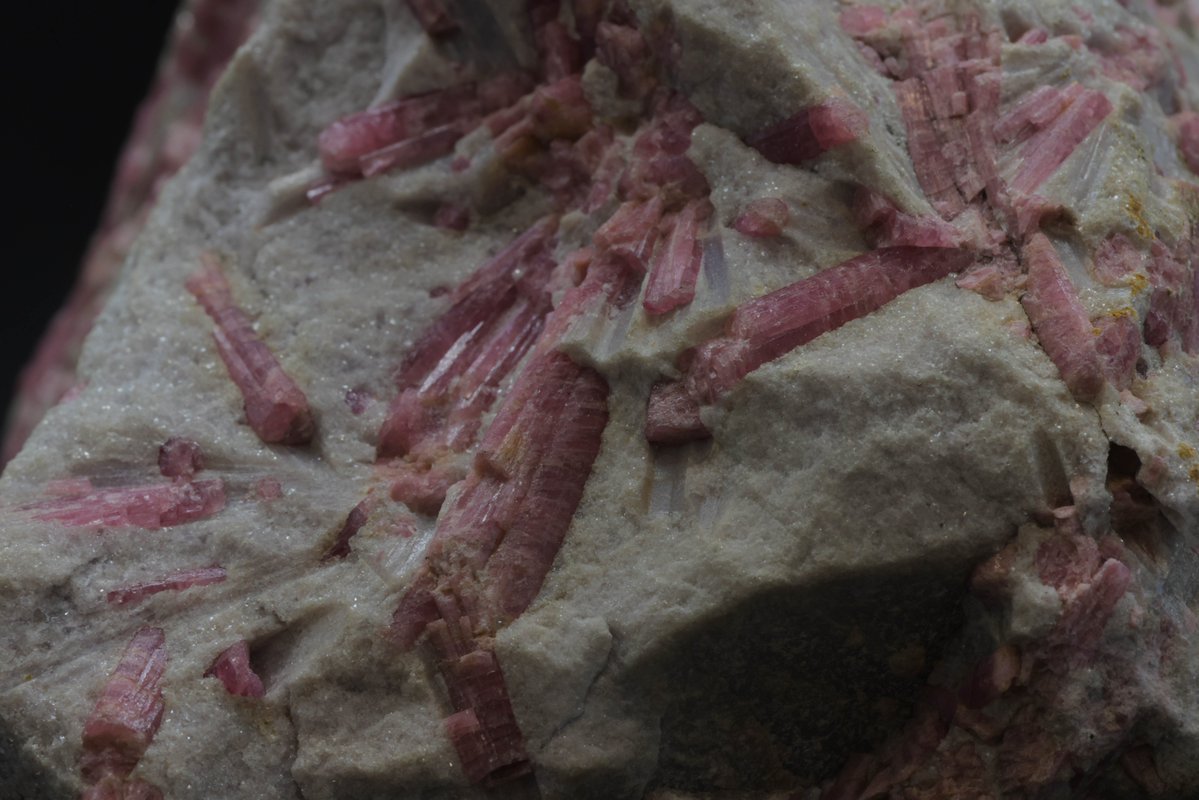
Decode the wonders of tourmaline! This remarkable gemstone most often forms in pegmatitic igneous rocks. Its unique crystal structure allows it to harbor a dazzling array of colors, thanks to elements like iron, manganese, and lithium. Pink tourmaline is also known as rubellite.

Decode the wonders of tourmaline! This remarkable gemstone most often forms in pegmatitic igneous rocks. Its unique crystal structure allows it to harbor a dazzling array of colors, thanks to elements like iron, manganese, and lithium. Pink tourmaline is also known as rubellite.
BYU Geology (@byugeology) 's Twitter Profile Photo

This unusual sample is a pseudomorph of the amphibole mineral actinolite, forming due to the alteration of pyroxene minerals during metamorphism. These tabular crystals were originally named “uralite” for their discovery location in the Ural Region of Russia.

This unusual sample is a pseudomorph of the amphibole mineral actinolite, forming due to the alteration of pyroxene minerals during metamorphism. These tabular crystals were originally named “uralite” for their discovery location in the Ural Region of Russia.
BYU Geology (@byugeology) 's Twitter Profile Photo

Mesmerized by the geological splendor of amethyst! This captivating purple gemstone, a variety of quartz, forms in volcanic rocks and geodes. Its regal hue and sparkling clarity make it a beloved gemstone worldwide.

Mesmerized by the geological splendor of amethyst! This captivating purple gemstone, a variety of quartz, forms in volcanic rocks and geodes. Its regal hue and sparkling clarity make it a beloved gemstone worldwide.